

Promoting Traditional Land-use Practices in the Upper Beirut River Valley, Lebanon
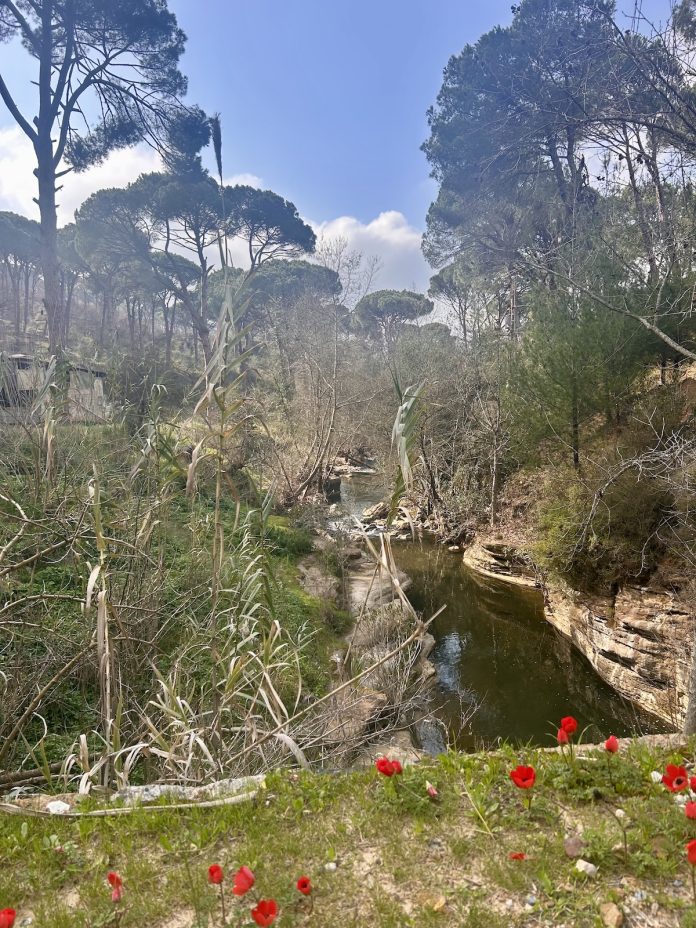
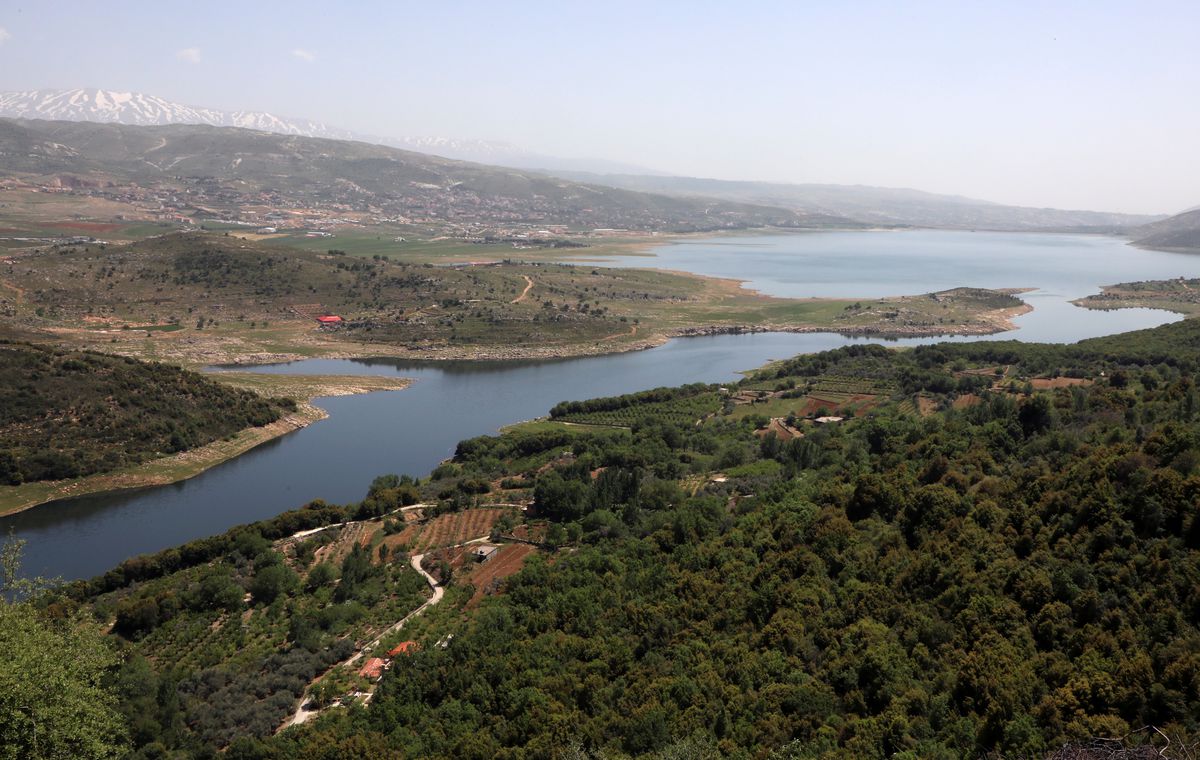
The Beirut River Valley, and particularly its upper reaches, is one of the most important locations for bird migration in Lebanon. The site was declared as an Important Bird Area (IBA) and Key Biodiversity Area (KBA) in 2009 (BirdLife International, 2020).
Higher Metn region constitutes the upper boundary of the IBA/KBA Beirut River Valley. It is the most important bottleneck for migratory soaring birds during autumn migration season, stretching across several municipalities, with no fully-covered formal protection. The two largest villages in the region, Hammana and Ras El Metn, declared their Himas in 2018 and 2019 respectively, and so far, are the only protected areas across the IBA/KBA.
The deterioration and abandonment of cultural land-use practices, related to agricultural, pastoral and forestry systems have negatively affected the ecological diversity across Higher Metn region. The latter suffers from agricultural intensification, forest fires, illegal killing of birds, waste management deficiencies, negatively impacting habitat and species survival. Conservation action is much needed, namely Hammana and Ras el Metn, for the below bird, plant and reptile species which are dependent on traditional farming and negatively affected by unsustainable agricultural practices:
Avifauna: Syrian Serin (Serinus syriacus; EN) and the European Turtle Dove (Streptopelia turtur; EN) as well as the migratory raptors.
Herpetofauna: Lebanese thin-toed gecko (Mediodactylus amictopholis; EN) and the Greek tortoise (Testudo graeca; VU)
Flora: Ehrenberg’s Marjoram (Origanum ehrenbergii; VU)
The project aims at promoting the conservation of biodiversity in the Upper Beirut River Valley, namely Higher Metn region, through the maintenance of interlinked traditional land-use practices. Through the Hima integrated approach, this project achieves its aim by targeting biodiversity associated with land-use practices, advocating for policy changes, promoting local products, empowering local communities through capacity building, experiential learning, especially women and youth, and livelihoods’ improvement.
Duration:March 2021 till August 2022
Project Manager: Rania Khalil
Project Coordinator: Elie El-Haddad