

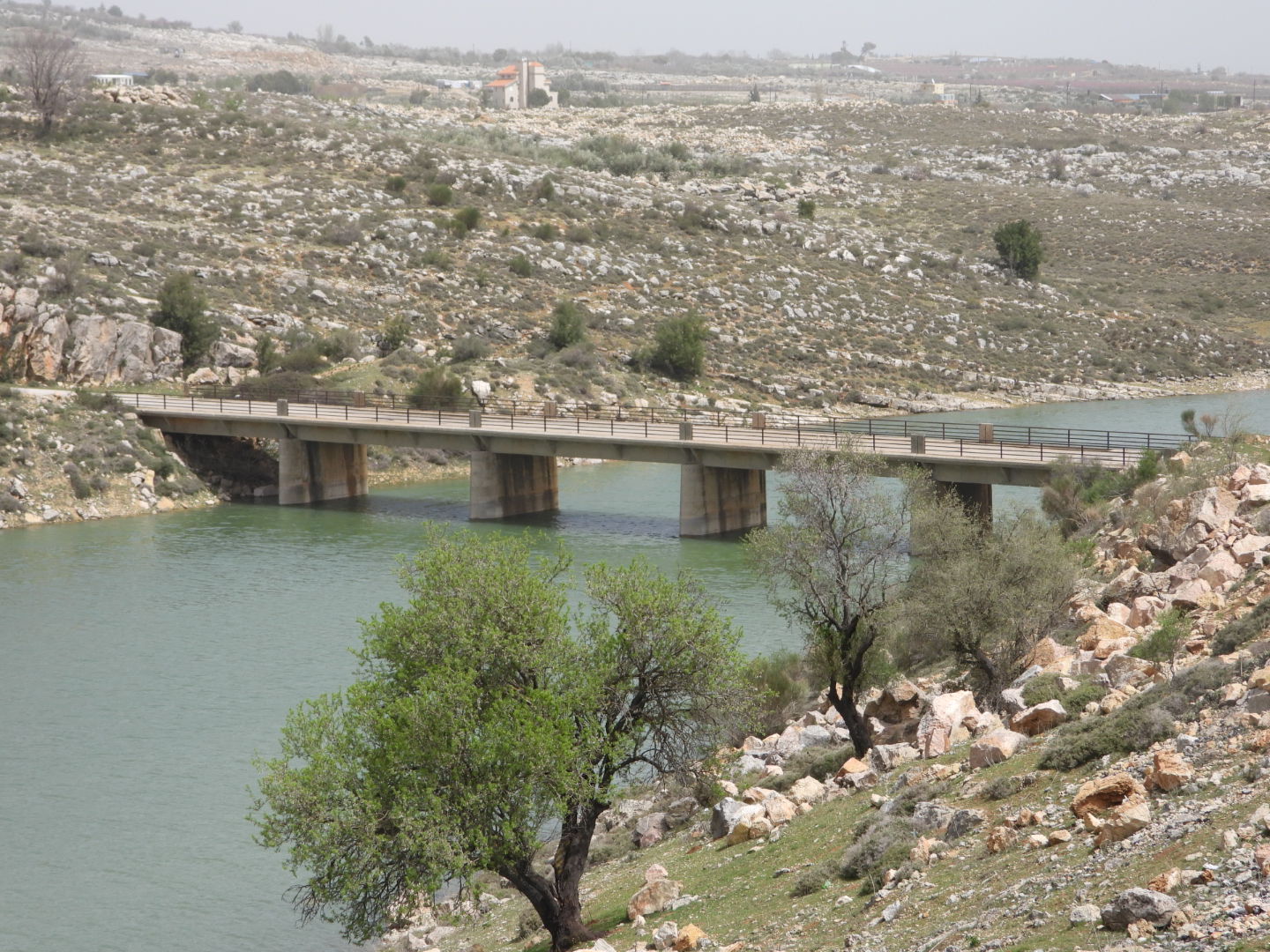
The Fish and Wildlife Unit of the Society for the Protection of Nature in Lebanon (SPNL) conducted a special field visit today to assess the state of the Lake Qaraoun and parts of the Litany River in regards to pollution, biodiversity and illegal hunting/fishing. We didn’t notice any illegal activities on that day.
This year’s wet winter and the still-melting snow have contributed to diluting the pollution in the river and lake where the water level is still rising to this day.
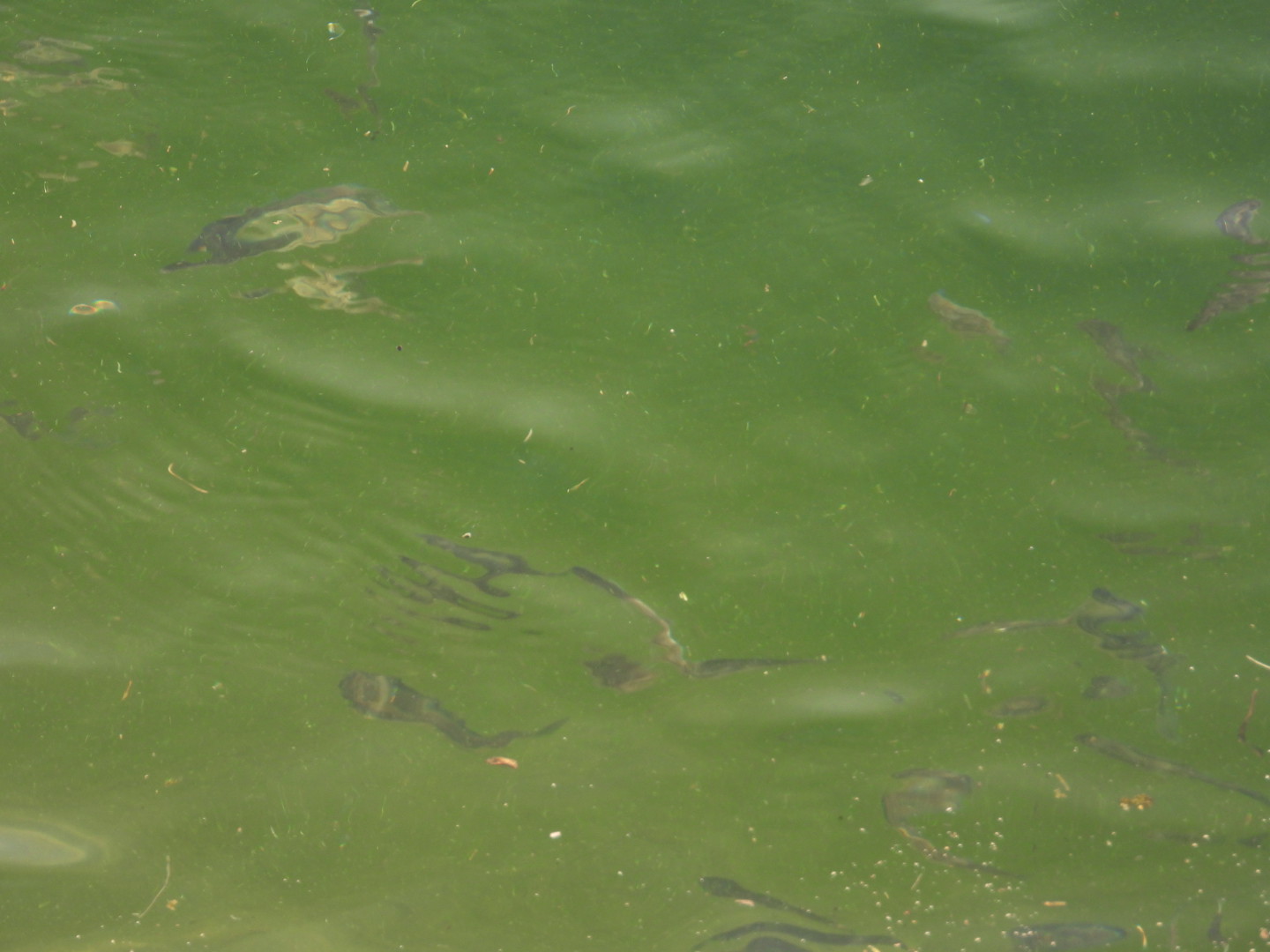
We observed Schools of very large carp (Cyprinus Carpio),indicating that last year’s viral outbreak did not eliminate all the carp population in the lake. Three more species of fish were observed and documented in the lake on that day too : Loach SPP, Capoeta damascina, and Aphanius mento.
Probably due to the cold water temperatures, and dilution of pollutants, the visibility in the water was very good with no algal or planktonic blooms.
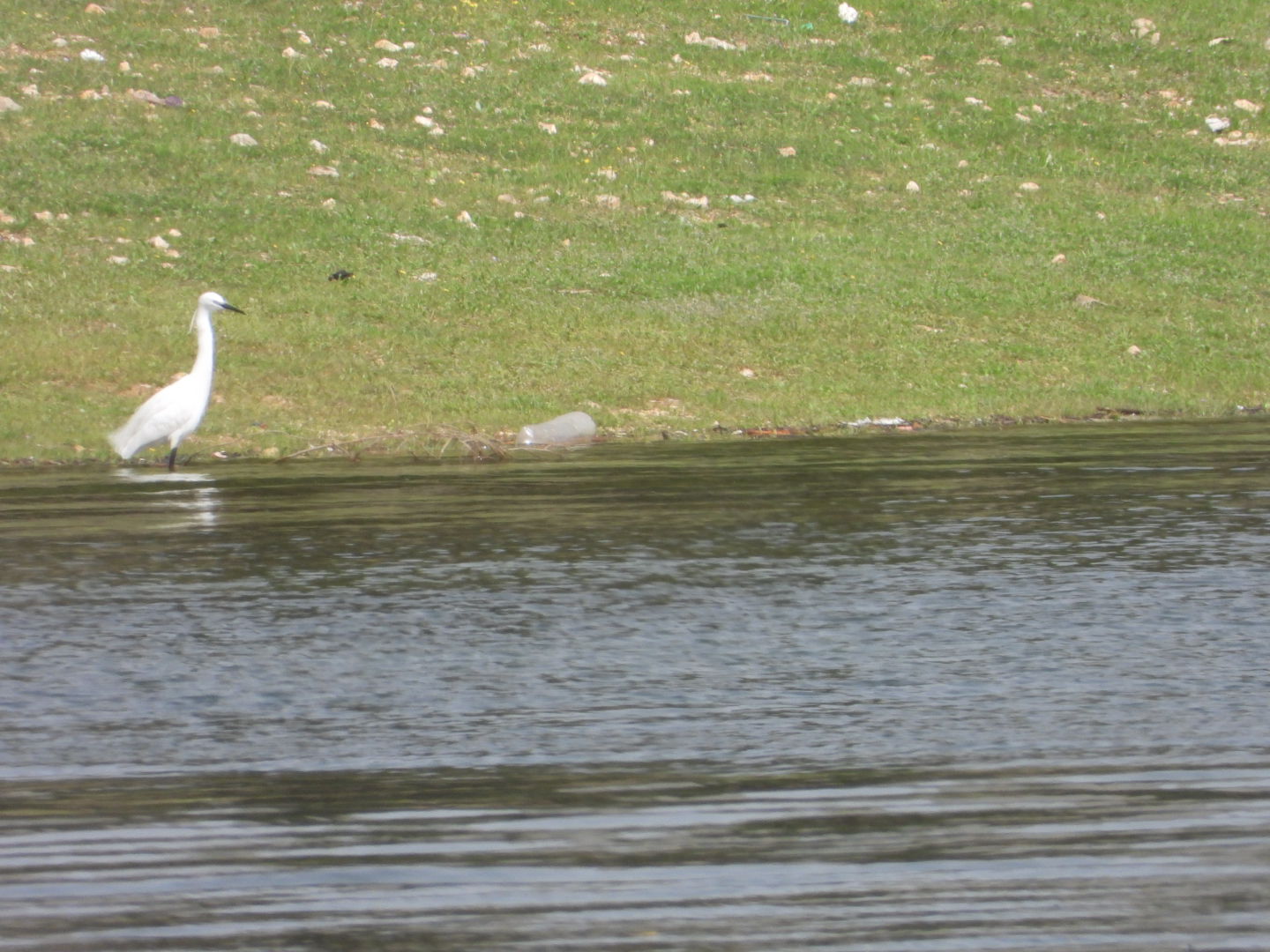
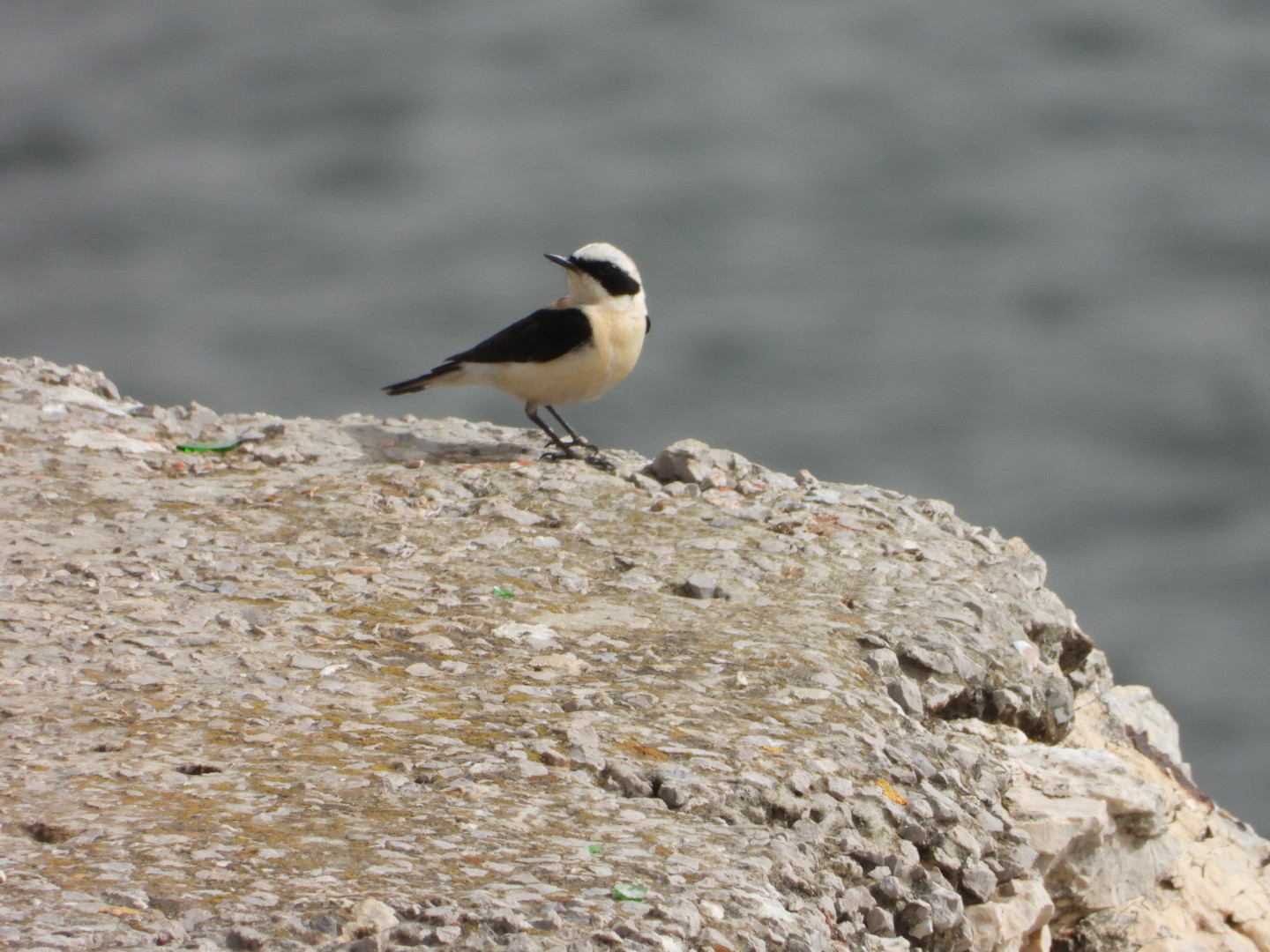
Around the lake and river, there were the usual migrant and local bird species that are commonly seen at this time of the year. A flock and two pairs of the Common wood pigeon (Columba palumbus) were seen resting in the trees near the lake with at least one male showing territorial behavior. Hopefully the two pairs may nest there this year due to the protection from poachers offered by the vigilant efforts of the Fish and Wildlife Unit to control illegal hunting in the area (this would prove to be a first breeding record for this species in Lebanon).
#spnl #birdprotection #lebanon #spring #antipoaching #migratorybirds #rescue #migration #campaigns #operations #frontline #conservation #stoptheslaughter #care #wildbird #forbirds #nature #naturelovers