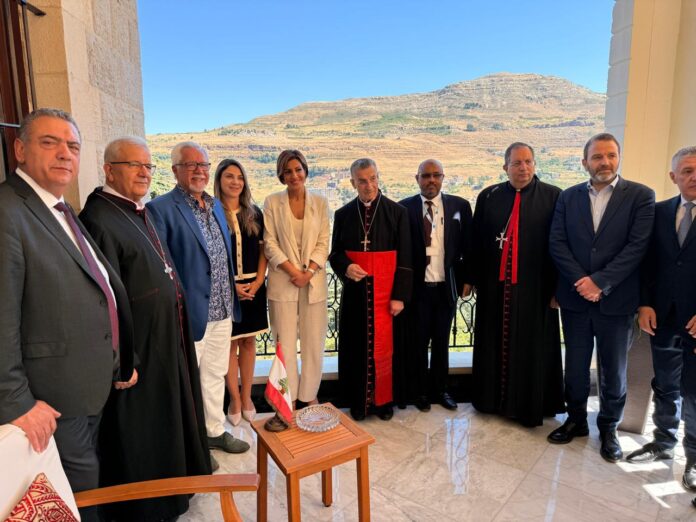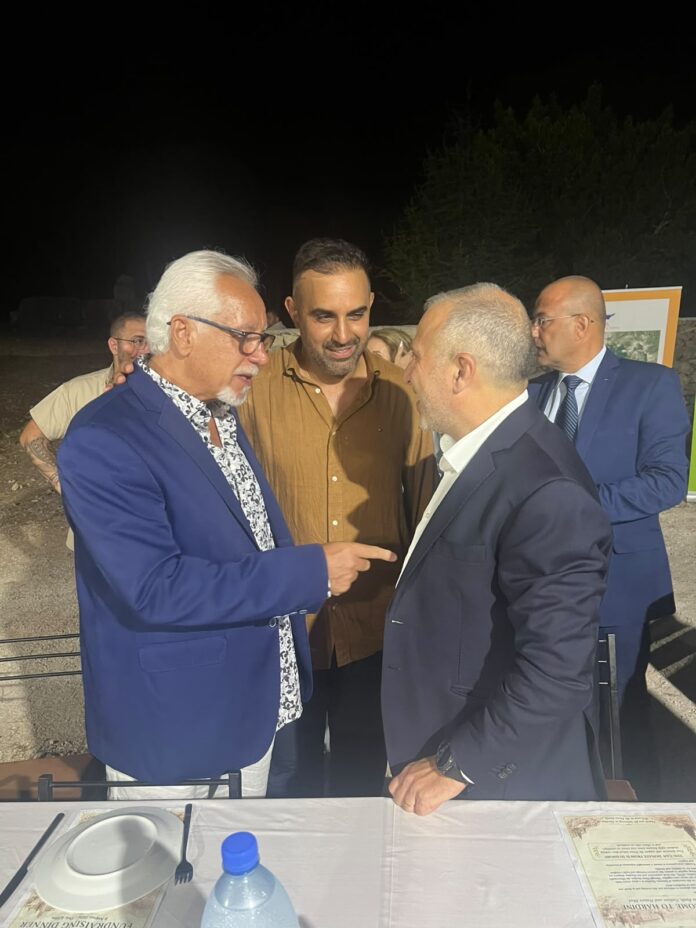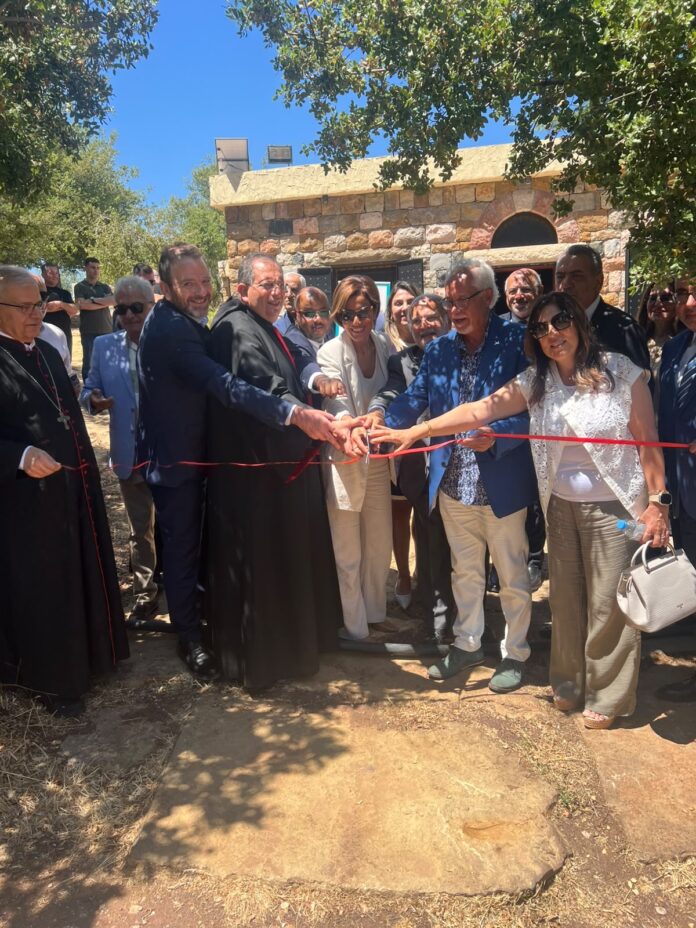



Environmental leaders, municipal officials, academics, tourism experts, and civil society representatives gathered at the American University of Technology (AUT) for a high-level dialogue exploring the role of the Hima approach as a catalyst for sustainable local development, biodiversity conservation, and community empowerment in Lebanon.
The event, entitled “The Hima Approach as a Model for Sustainable Local Development,” was jointly organized by the Lebanese Environment Forum (LEF), the Society for the Protection of Nature in Lebanon (SPNL), and Amwaj Environment Association, in partnership with the American University of Technology (AUT). Hosted at the Issam Fares Hall on the AUT campus in Fidar, the session brought together key stakeholders from the environmental, academic, municipal, and development sectors to examine how community-led conservation can contribute to a more resilient and sustainable future for Lebanon.
The dialogue forms part of ongoing efforts to expand and strengthen Lebanon’s emerging Green–Blue Hima Network, an innovative framework that links terrestrial and marine conservation initiatives through participatory governance, local stewardship, and sustainable management of natural resources.
In their opening remarks, representatives of the organizing institutions highlighted the growing environmental challenges facing Lebanon, including biodiversity loss, ecosystem degradation, climate change, unsustainable land use practices, and increasing pressures on natural resources. Speakers emphasized that the Hima system—an indigenous conservation model deeply rooted in the cultural heritage of the region—offers a practical, inclusive, and locally driven response to these challenges while advancing social, economic, and environmental sustainability.
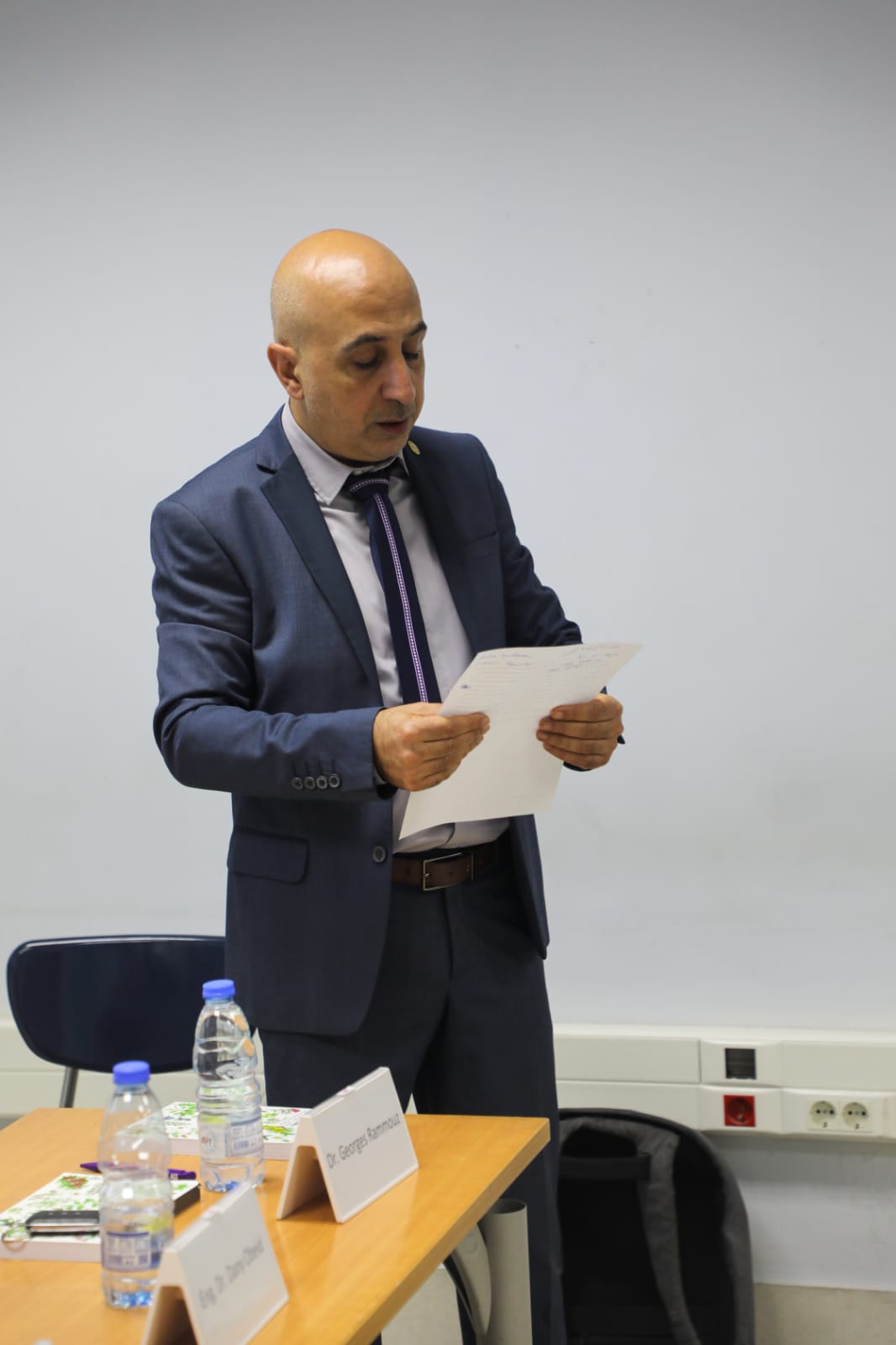
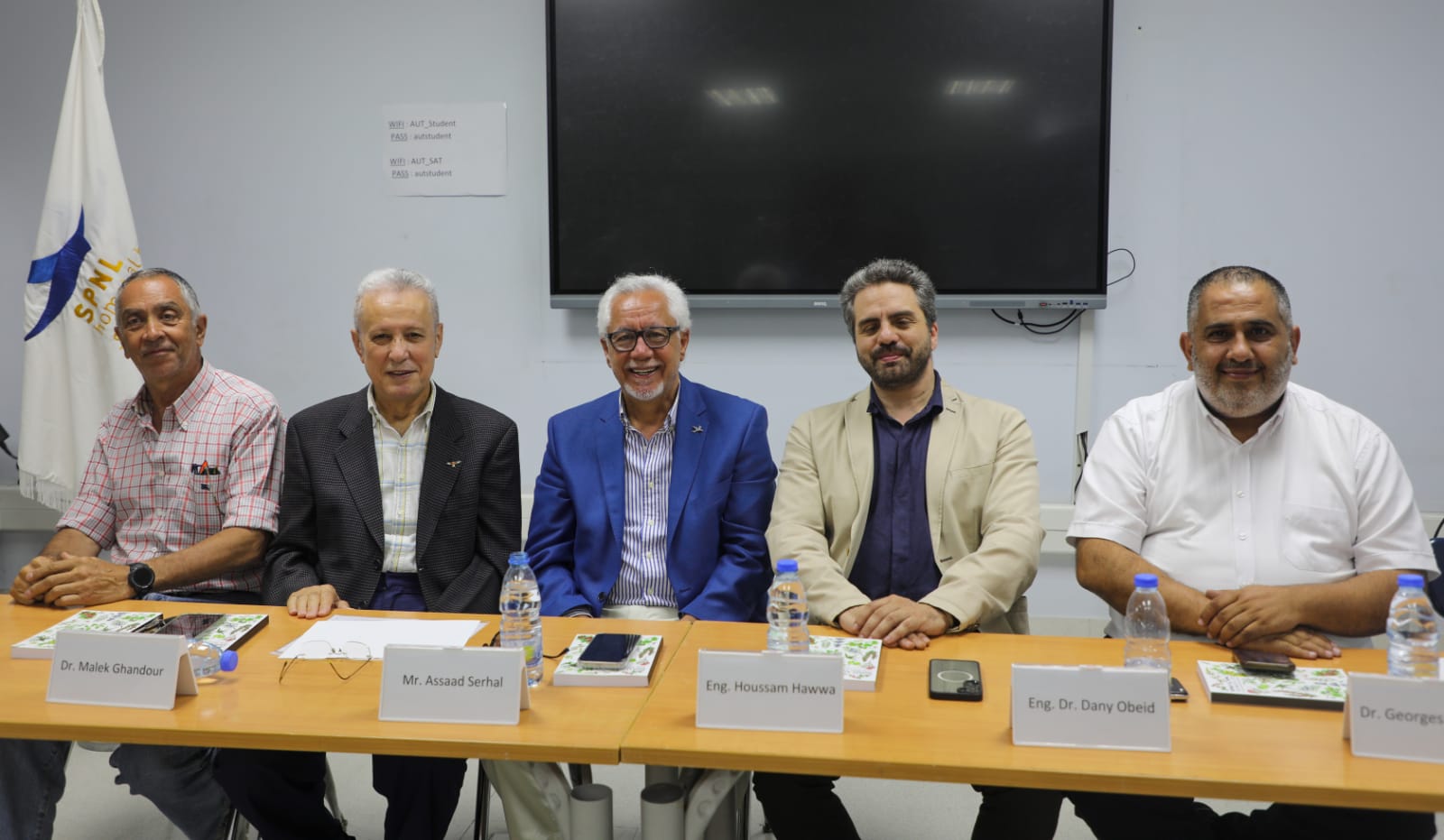
The panel featured distinguished experts and practitioners who shared their perspectives and experiences on conservation, local governance, sustainable development, and environmental stewardship:
- Mr. André Bechara, Homat Al Hima Program Manager, SPNL
- Eng. Malek Ghandour, President of the Lebanese Environment Forum (LEF)
- Mr. Assad Serhal, Director General of the Society for the Protection of Nature in Lebanon (SPNL)
- Eng. Houssam Hawwa, Founder and Director of Difaf Engineering Consultancy
- Eng. Dr. Dany Obeid, Professor at the Faculty of Agriculture and Veterinary Sciences, Lebanese University
- Dr. Georges Rammouz, Associate Professor and Dean of Research at the American University of Technology (AUT)
Throughout the discussions, speakers underscored how the Hima approach has evolved into one of Lebanon’s most successful community-based conservation models, empowering municipalities and local communities to take an active role in protecting and sustainably managing their natural resources.
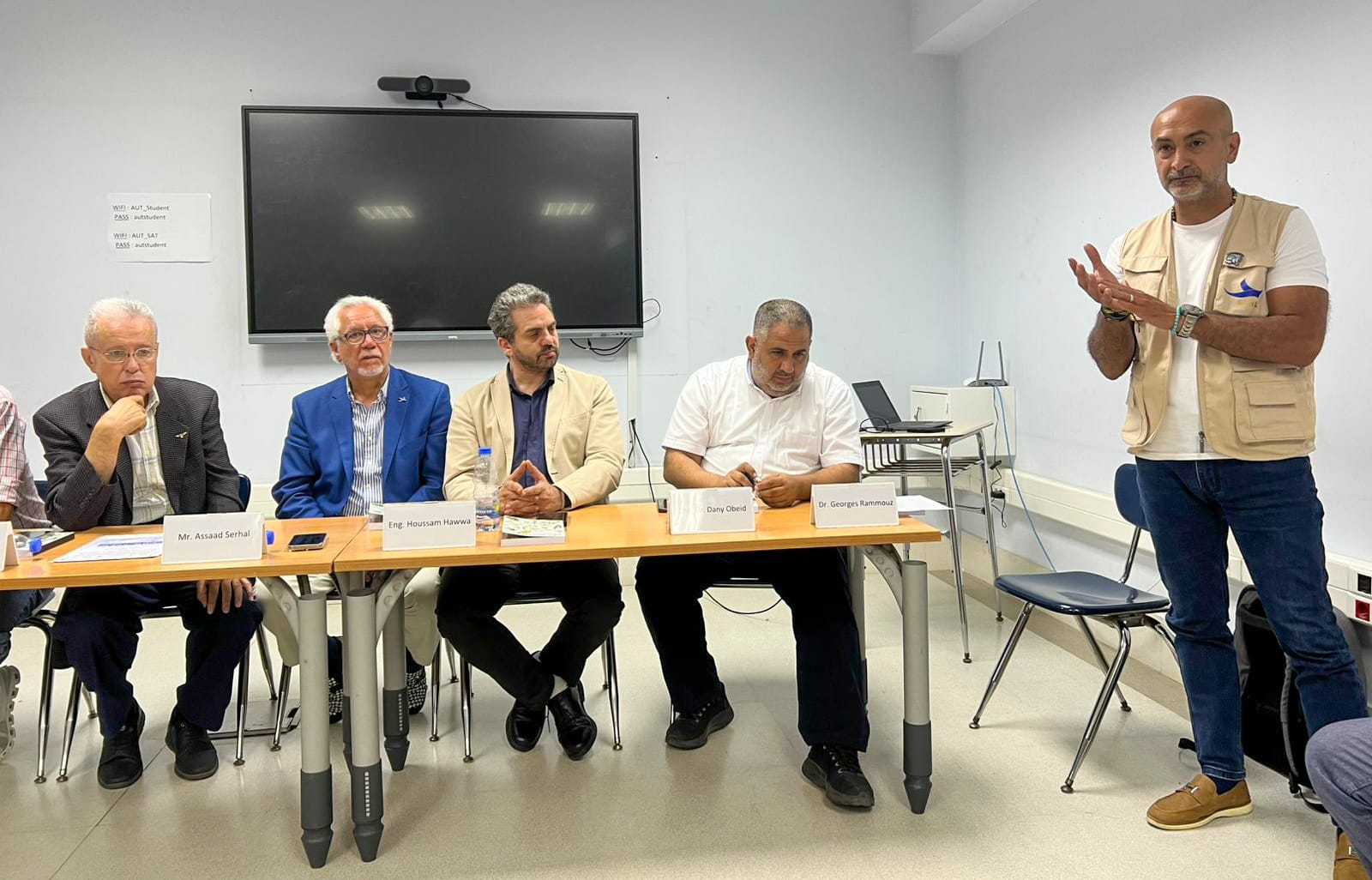
Drawing on successful experiences from across the country, participants highlighted how Hima sites have become platforms for biodiversity conservation, environmental education, ecotourism development, climate resilience, renewable energy promotion, and local economic empowerment. These experiences demonstrate that environmental conservation and socio-economic development are not competing priorities, but mutually reinforcing objectives when communities are empowered to lead.
Particular attention was given to the role of municipalities as key actors in environmental governance. Speakers noted that local authorities are increasingly recognizing the value of integrating conservation and sustainability principles into municipal planning, creating opportunities for green growth, sustainable tourism, renewable energy initiatives, environmental awareness, and community-based economic development.
Participants explored how the Hima model contributes to:
- Conserving biodiversity and protecting critical ecosystems and habitats;
- Strengthening local participation in natural resource management;
- Promoting sustainable tourism and nature-based economic opportunities;
- Enhancing environmental awareness and stewardship;
- Building resilience to climate change and environmental risks;
- Supporting renewable energy and sustainability initiatives;
- Strengthening partnerships among municipalities, universities, civil society organizations, and local communities.
The session also served as a platform for knowledge exchange and collaboration among local authorities, environmental practitioners, researchers, academics, and students, reinforcing the importance of cross-sector partnerships in addressing contemporary environmental challenges.
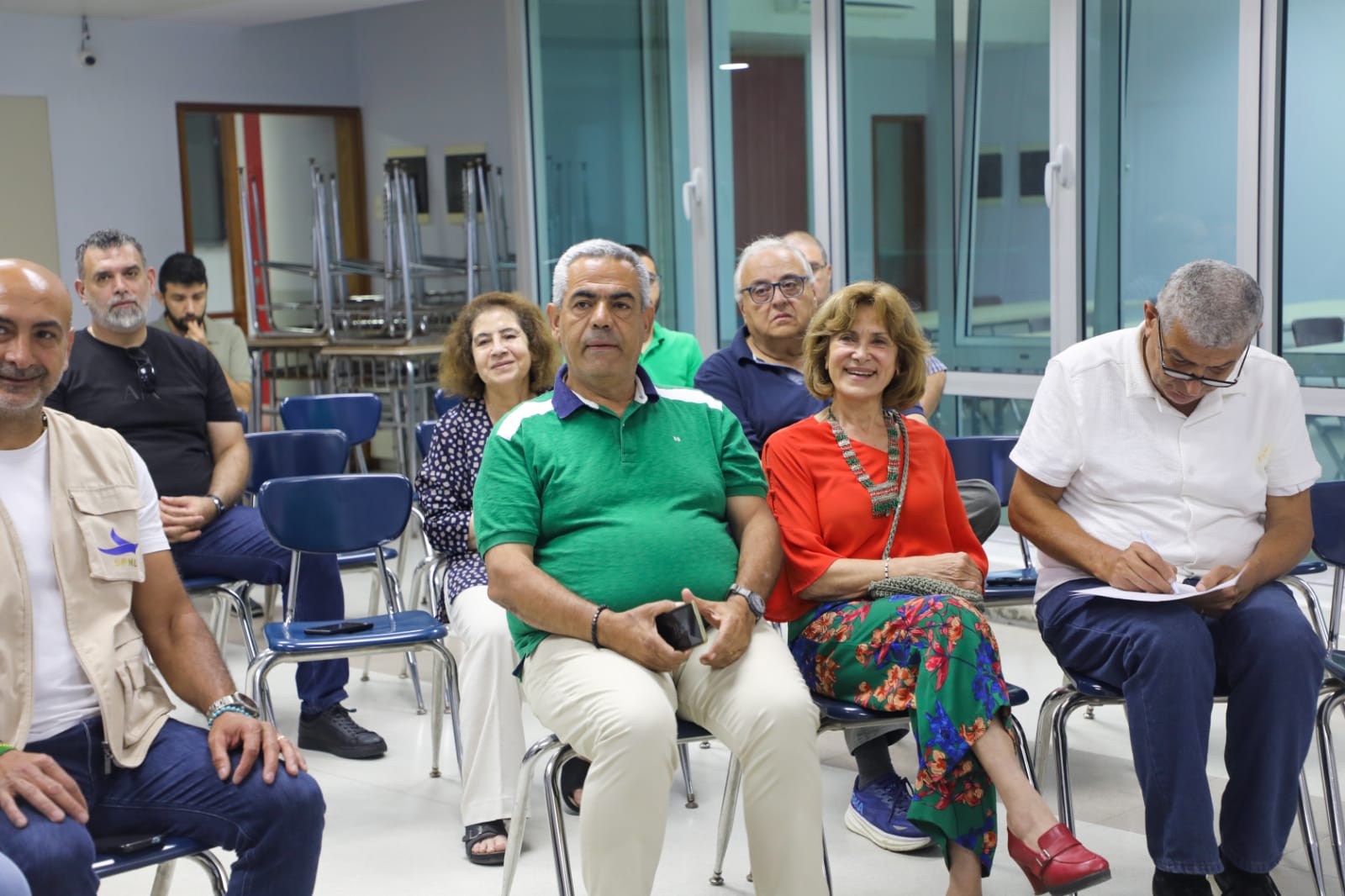
Among the participants were representatives from municipalities and public institutions, including George Abi Khalil from the Municipality of Fidar, Aad Assaf from the Municipality of Aaramoun-Keserwan, Tawfic Al-Raia from the Municipality of Halat, Joseph Zaarour from the Municipal Council of Byblos, and Micheline Saadeh from the Municipal Council of Barbara. The event was also attended by General Hassan Bachroch, Dr. Claude Margi, Bassima Khatib, Wassim Khatib, Sami Joe Abi Nader, Nohad Abou Jawdieh, Sami Al-Rai, Maya Zied, Maria Farah, Rami Kadro, Hamada Malaeb, Pierre Khoury of AUT, Sandy Khoury of the Ministry of Tourism’s Jbeil Office, Vera Azzi, Amira Outana, as well as numerous environmental advocates, researchers, students, and community leaders.
A special highlight of the evening was the presentation of the Renewable Energy Champions Certificates, recognizing outstanding contributions to environmental sustainability, conservation leadership, renewable energy innovation, and the promotion of sustainable development.
The certificates were awarded to:
Dr. Georges Rammouz
Associate Professor and Dean of Research, American University of Technology (AUT)
In recognition of his leadership in advancing scientific research, environmental innovation, renewable energy solutions, and academic engagement in support of sustainable development in Lebanon.
Mr. Assad Serhal
Director General, Society for the Protection of Nature in Lebanon (SPNL)
In recognition of more than four decades of pioneering leadership in nature conservation, biodiversity protection, community empowerment, and the revival of the Hima approach as an internationally recognized model for participatory conservation and sustainable development.
Concluding the session, the organizers reaffirmed their commitment to strengthening cooperation among municipalities, universities, environmental organizations, public institutions, and local communities to expand the Green–Blue Hima Network and advance a shared vision for a more sustainable, resilient, and environmentally responsible Lebanon.
They emphasized that the future of conservation depends on empowering local communities, fostering stewardship of natural resources, and building practical partnerships that place people at the center of environmental action. As Lebanon continues to confront ecological and economic challenges, the Hima approach stands as a proven model demonstrating how conservation can generate social value, economic opportunity, cultural preservation, and long-term sustainability.
About the Organizers
The Society for the Protection of Nature in Lebanon (SPNL) is Lebanon’s BirdLife International Partner and a pioneer in reviving the Hima approach as a community-based model for nature conservation and sustainable resource management.
The Lebanese Environment Forum (LEF) is a national network of environmental organizations working to advance environmental governance, public participation, and sustainable development across Lebanon.
Amwaj Environment Association promotes environmental awareness, conservation initiatives, and sustainable development practices at the local and national levels.
The American University of Technology (AUT) is committed to excellence in education, research, innovation, and community engagement, contributing to sustainable development and environmental responsibility in Lebanon and beyond.