


SPNL and the Municipality of Hardine mobilize residents, partners and the diaspora to protect the village’s natural and cultural heritage and support the Hima School Bus
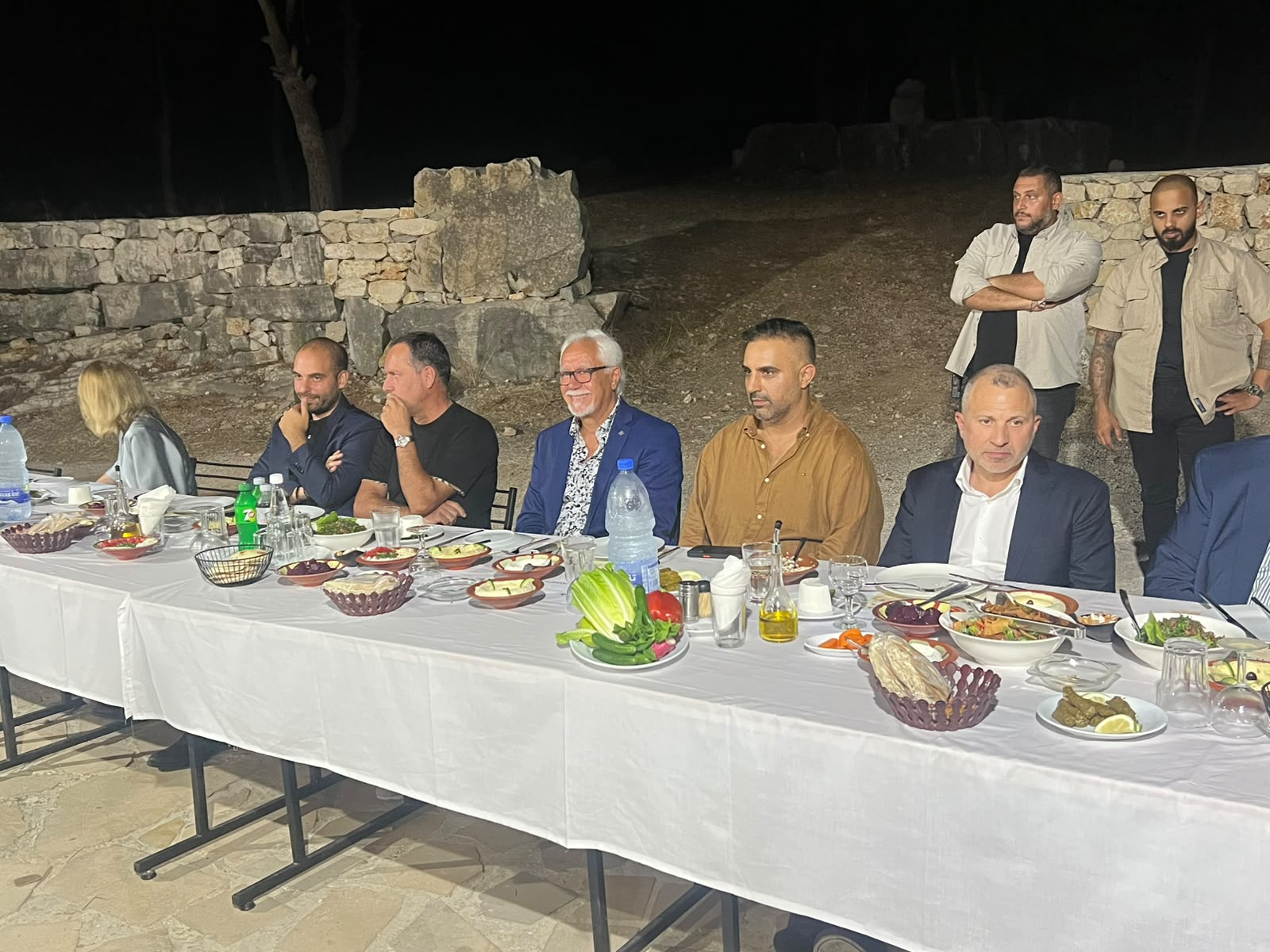
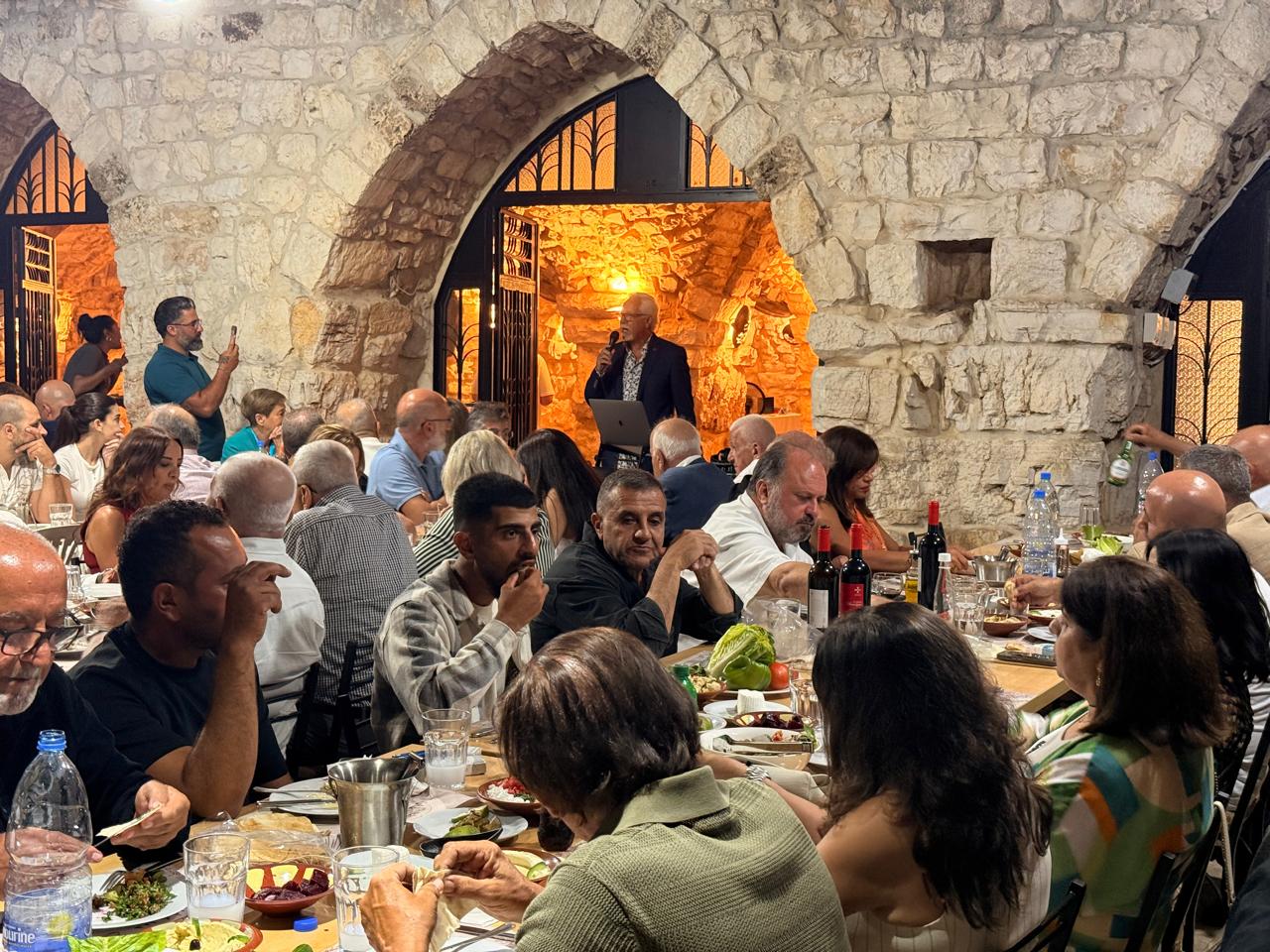
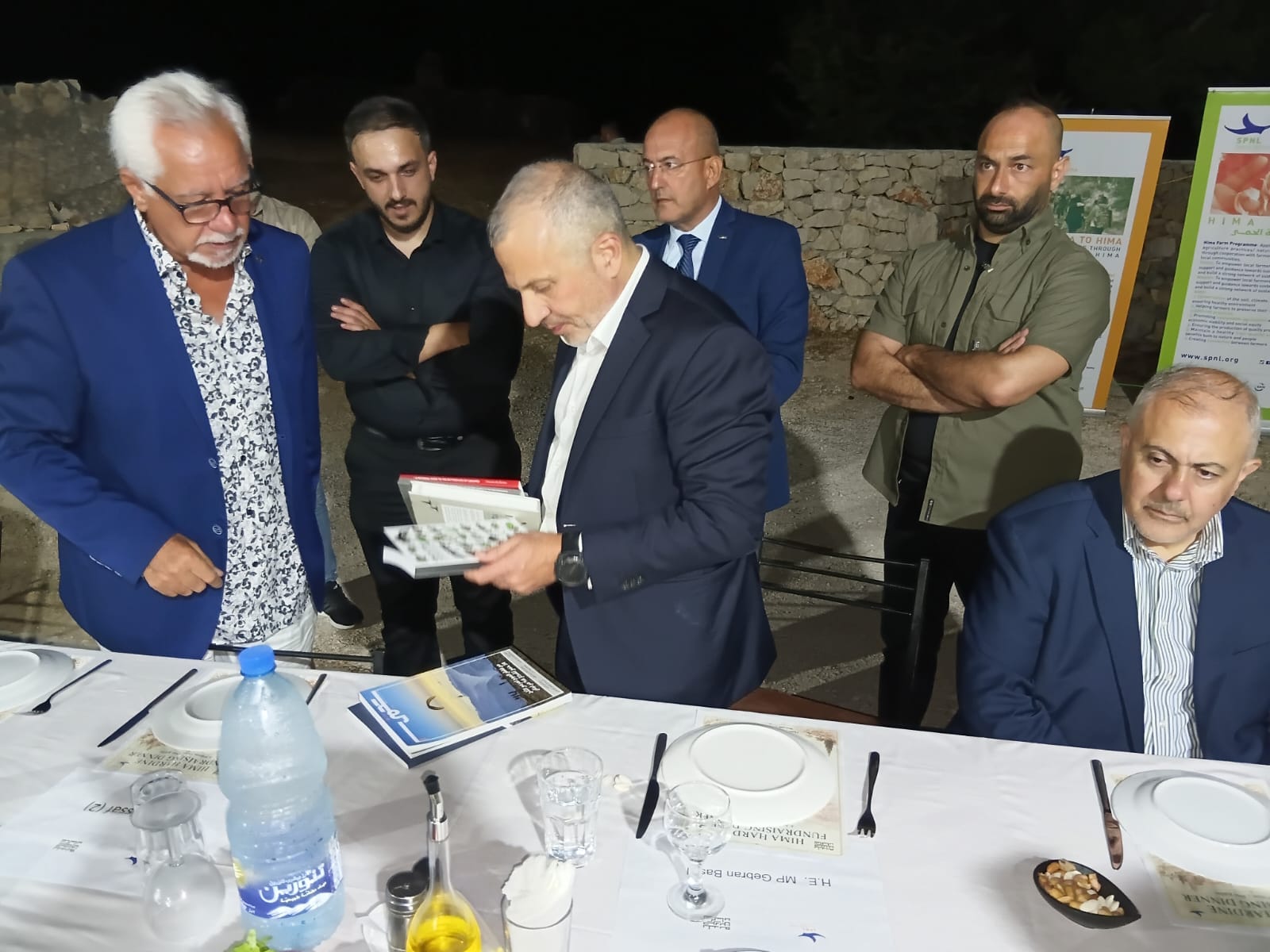
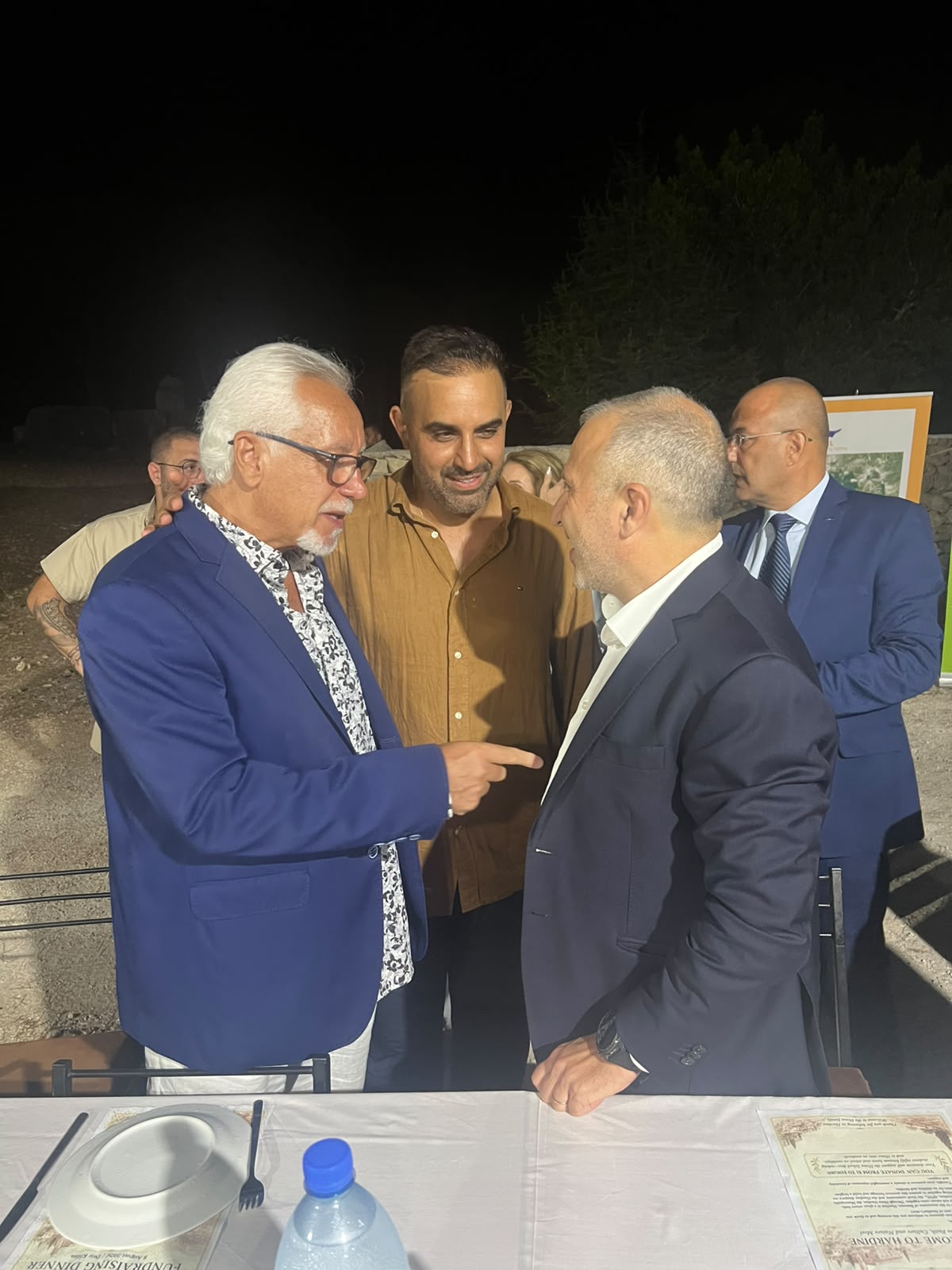
The Society for the Protection of Nature in Lebanon (SPNL), in cooperation with the Municipality of Hardine, the local community and members of the Hardine diaspora, organized the Hima Hardine Fundraising Dinner at the monastery restaurant in Deir Kfifan on 8 August 2026.
Held under the theme “Welcome to Hardine: Where Faith, Culture and Nature Meet,” the gathering brought together residents, public figures, supporters and conservation partners committed to preserving Hardine’s natural, spiritual and cultural heritage while supporting its families and younger generations.
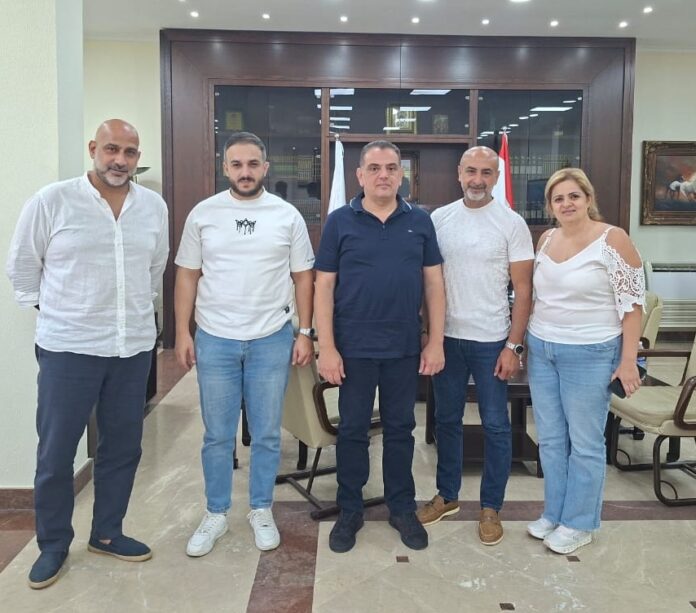
Among those attending were the head of Lebanon’s Free Patriotic Movement, MP Gebran Bassil; Representing MP Batroun Ghayath Yazbeck & President of the Union of Municipalities Batroun Roger Yazbeck; Governor of Beirut Judge Marwan Abboud & his wife Registrer of Douma Marie Myssy; lawyer and political activist Majd Harb; Roger Toubia; Rouba Chafchaf; Stefan Van Kuijk Consul General of the Kingdom of Netherlands; Mayor Youssef Fahd; Mayor Michel Feghali; Mayor Jean-Pierre Kanaan; and representatives of the municipality, local community, civil society and Hardine diaspora.
The evening featured interventions by Mayor of Hardine Joseph G. Assaf, founder of the Volunteering Marathon Georges Mrad, and SPNL Director General and BirdLife International Councillor for the Middle East Assad Serhal.
“A century of emigration has loosened the clasp”
Welcoming the guests, Mayor Joseph Assaf paid tribute to Hardine’s diaspora and the generations that have maintained their connection with the village from Australia, North America and elsewhere.
Assaf explained the historical and spiritual significance of holding the event in Deir Kfifan. He recalled that Saint Nimatullah al-Hardini, born Youssef Kassab in Hardine in 1808, spent much of his life at the monastery, where he taught fellow monks, including Saint Charbel Makhlouf.
He also recalled the story of the people of Hardine who were aboard the Titanic in 1912, drawing on the historical account of Dr Rafic Bassil. According to that account, members of the group helped women and children reach the lifeboats before standing together and performing the traditional dabke as the ship went down.
Using the refrain “Aal-dayha—the clasp has come loose; pull it tight,” Assaf described the evening as an opportunity to reconnect Hardine with generations of its children living abroad.
“A CENTURY OF EMIGRATION HAS LOOSENED THE CLASP BETWEEN HARDINE AND HER CHILDREN. TONIGHT, WE PULL IT TIGHT,” ASSAF SAID.
He highlighted Hardine’s exceptional archaeological, religious and natural heritage, from its Roman temple and ancient monasteries, churches and hermitages to its forests, springs and sacred places. He noted that the establishment of Hima Hardine, in partnership with SPNL, is intended to place this heritage under effective protection while empowering local residents to act as its guardians.
Assaf invited guests to support practical initiatives that translate this commitment into daily benefits for the community, including educational assistance, safe school transportation and renewable energy solutions.
“The village asks one thing of us tonight: choose the gift that speaks to you, put your name beside it, and help me build the Hardine our children deserve to inherit,” he said.
Linking Himas, nature reserves and communities across Batroun
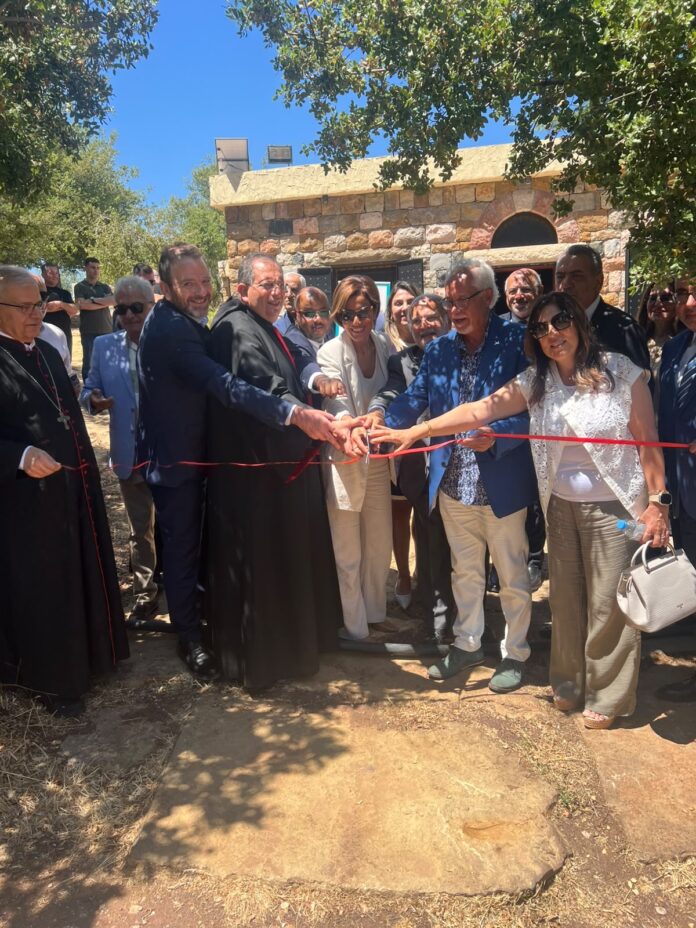
In his intervention, Assad Serhal emphasized that the declaration of the Hima from the Garden of the Patriarchs in Dimane two days earlier carried a message from Lebanon to the world.
He explained that the Hima is a community-based conservation concept whose roots extend back thousands of years and that SPNL, in cooperation with its partners in Lebanon and internationally, has worked to revive and adapt it to contemporary conservation needs.
Serhal distinguished between nature reserves, which are established on state-owned land by laws adopted by Parliament, and Hima sites, which may be declared through decisions issued by municipal councils. This enables municipalities to establish and manage their own Himas through an approach that brings together nature, people, spirituality and cultural heritage.
He stressed the complementary roles of nature reserves and Hima sites, particularly when developing a broader conservation vision for the Batroun region. This vision could extend from Fekesh el-Mouj, Hima Batroun, Selaata, coastal zones and marine protected areas to the region’s valleys and mountains.
Serhal pointed to the interest expressed by coastal towns stretching from Kfaraabida to Amchit in joining the Hima network. He also highlighted the potential to connect rivers, valleys and mountain landscapes extending from the region’s highlands within a future Geopark or Biosphere Reserve.
He further noted that, under Lebanon’s Law No. 130 on protected areas, a Hima can serve as a core conservation area, while stressing that local communities must be fully involved in decision-making and the management of their natural resources.
Serhal praised the partnership with the Municipality of Hardine and thanked all those who contributed to activities associated with Hima Hardine. He highlighted Georges El Khoury’s donation of a garden and an entrance for both the Hima and the village of Niha.
Serhal praised the partnership with the Municipality of Hardine and thanked all those who contributed to activities associated with Hima Hardine. He highlighted Georges El Khoury’s donation of a garden and an entrance for Hima Niha. He further noted that the neighbouring village of Kfour El Arabi had also declared a Hima, with additional municipalities expected to join the network soon. These new sites will help create an interconnected conservation landscape extending from the region’s mountains and valleys to the coastal Hima Batroun, strengthening ecological connectivity and cooperation among local communities across the Batroun region. Beirut Governor Judge Marwan Abboud also proposed the establishment of a Hima in his hometown of Douma in the near future.
He also referred to the contributions of SPNL, UNESCO and BirdLife International to the launch of the Hima School Bus, which will engage young volunteers from across the region. Members of the diaspora attending the dinner also made direct donations to the Hima Hardine Committee to involve young Hima Guardians in volunteering activities and help develop an integrated conservation initiative for the wider area.
Turning community support into action
The fundraising campaign launched during the event will support the Hima School Bus and other education and community initiatives. The bus is intended to transport students safely between their homes and schools on weekdays and take them to Hima sites for environmental education, volunteering and community activities on weekends.
The initiative reflects the principle that every contribution, regardless of its value, can help improve children’s lives, strengthen their connection with nature and encourage their participation in protecting their community’s heritage.
The dinner embodied the spirit of the Hima approach: shared responsibility, community participation and the sustainable stewardship of natural and cultural resources. It also demonstrated how cooperation among municipalities, conservation organizations, residents and diaspora communities can transform a local vision into practical and lasting action.
SPNL and the Municipality of Hardine expressed their appreciation to everyone who attended, donated and demonstrated their commitment to Hardine and its future.