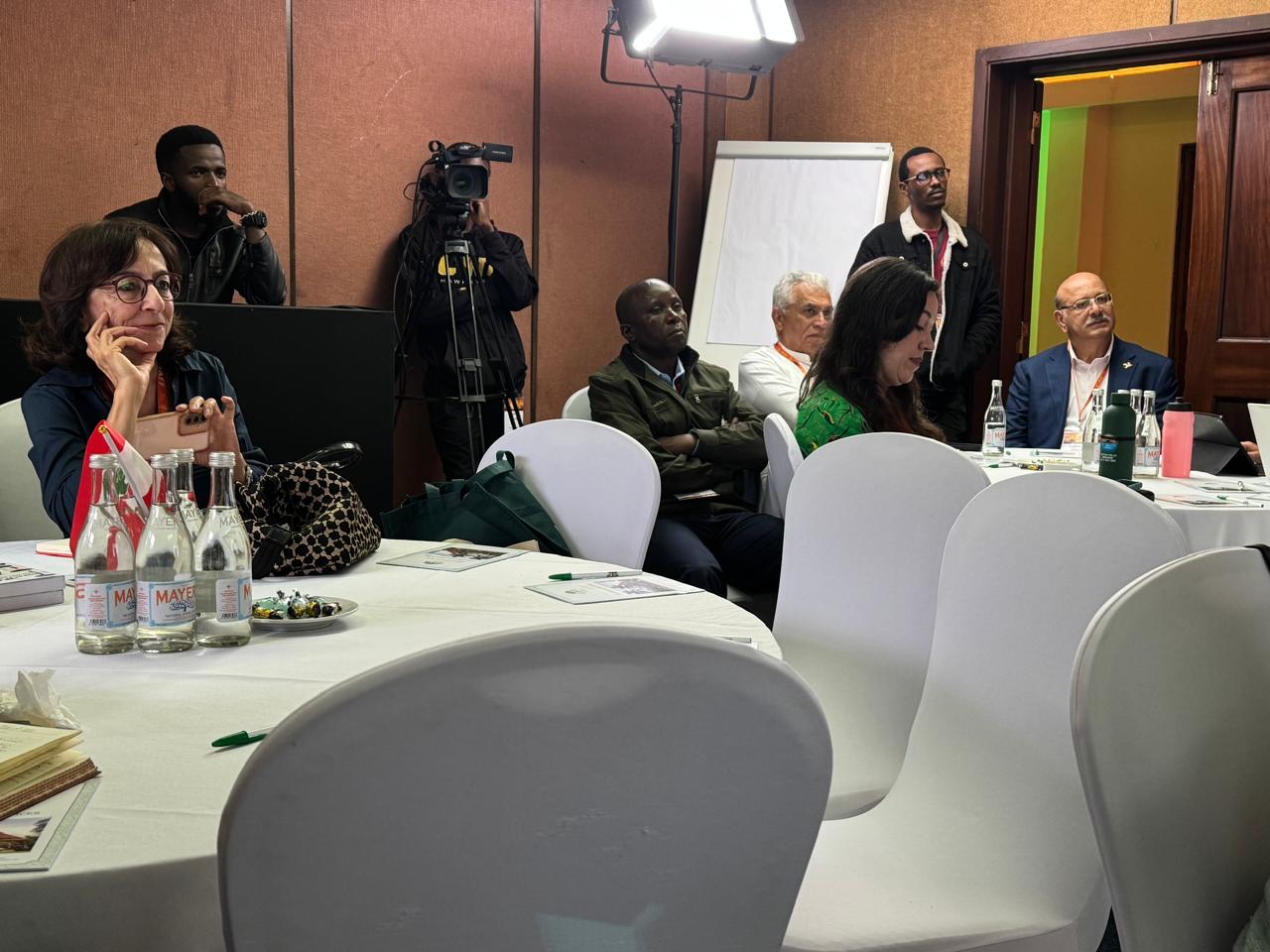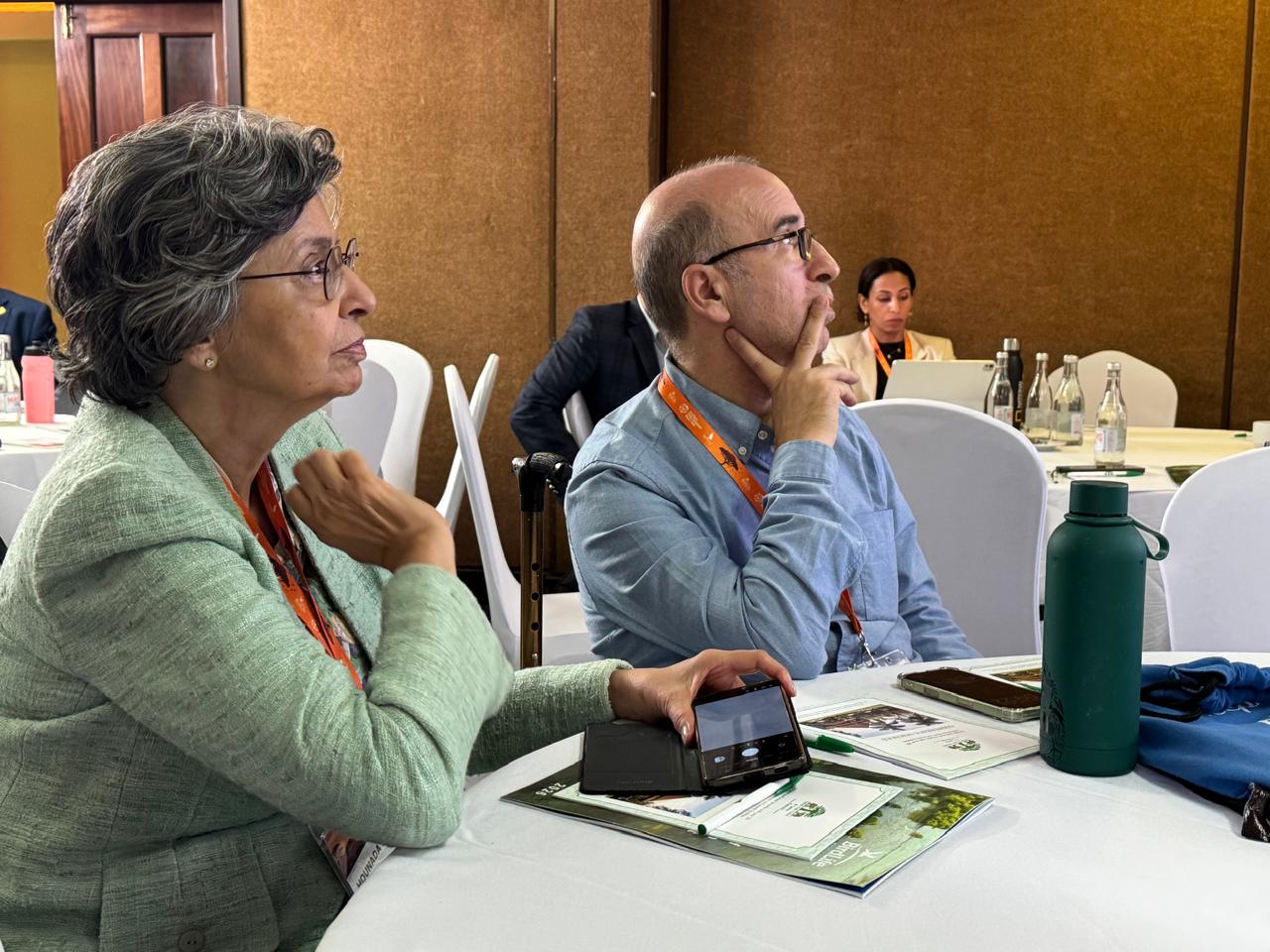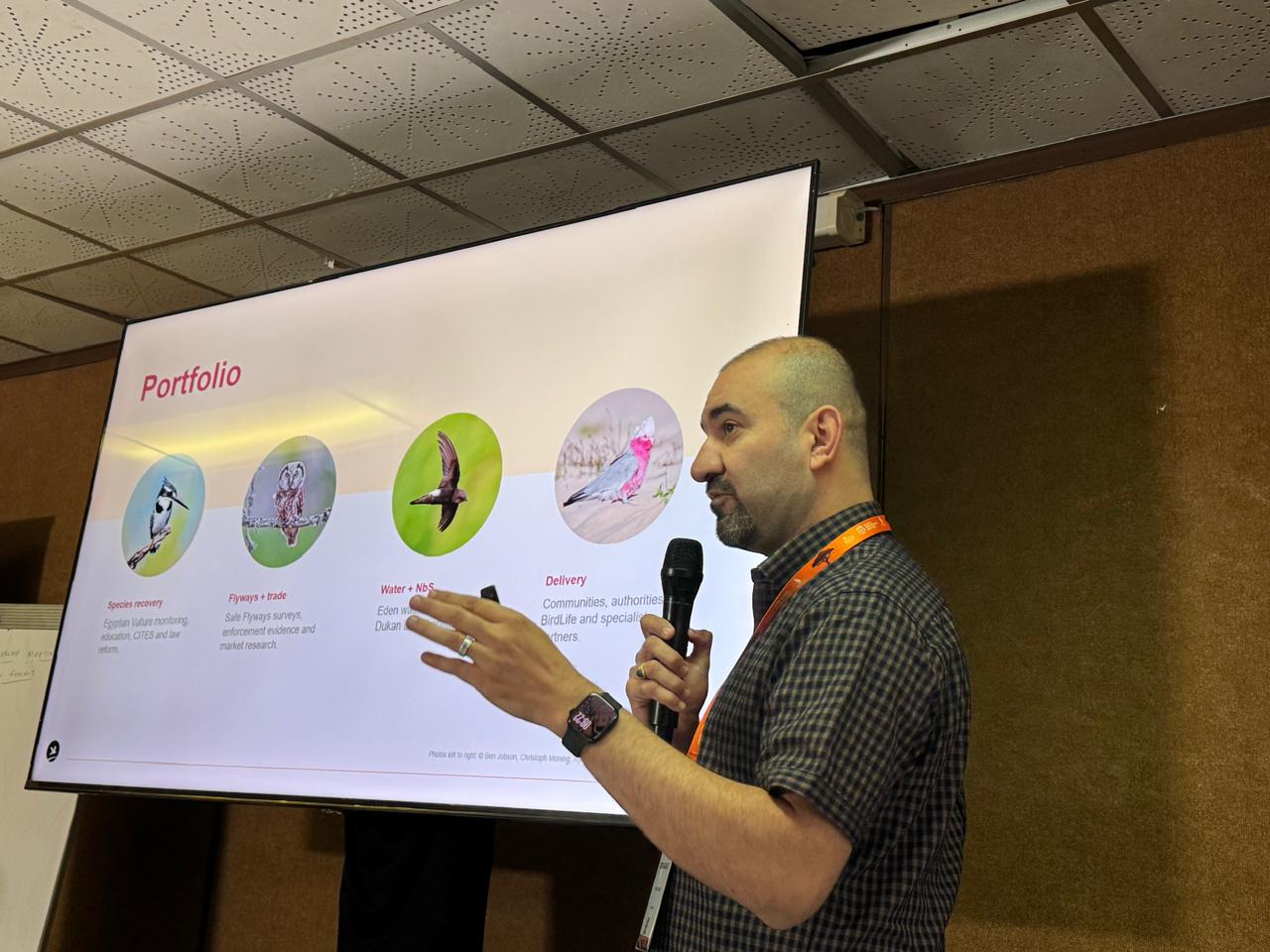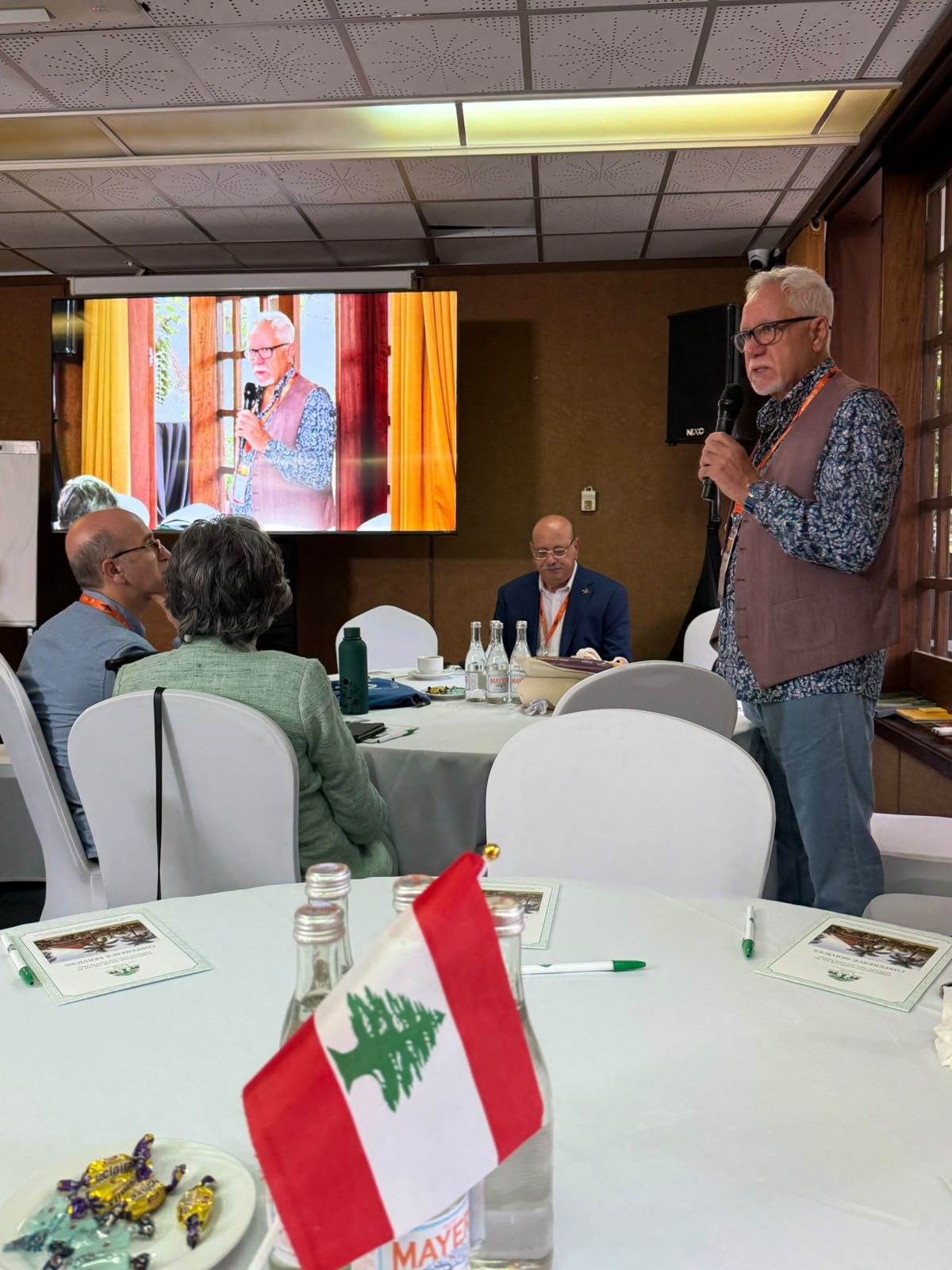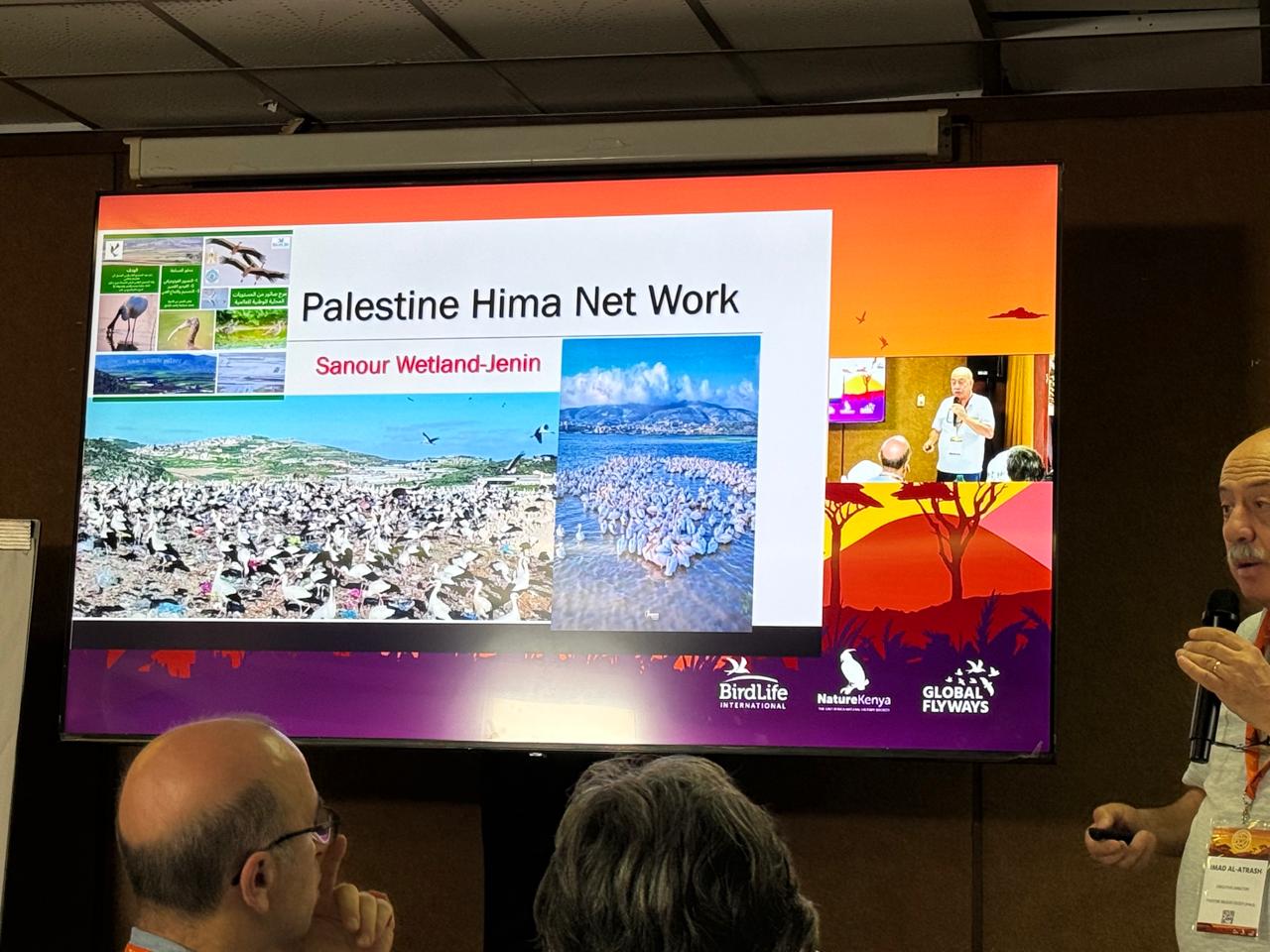


SPNL participates in BirdLife International’s Global Partnership Meeting and Global Flyways Summit, promoting the “Hima for Peace” Memorandum of Understanding as a model for linking biodiversity conservation, community resilience and peace.
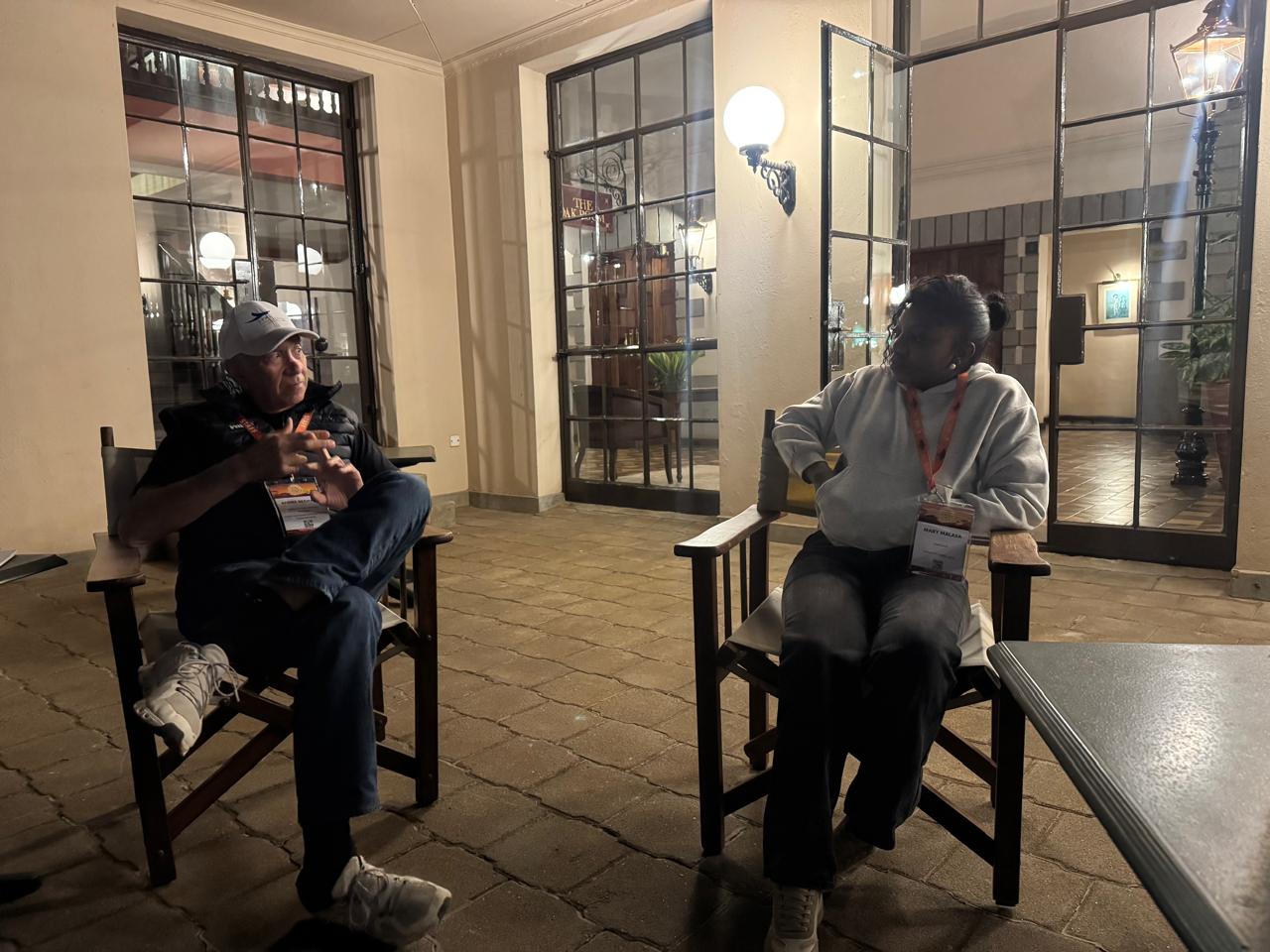
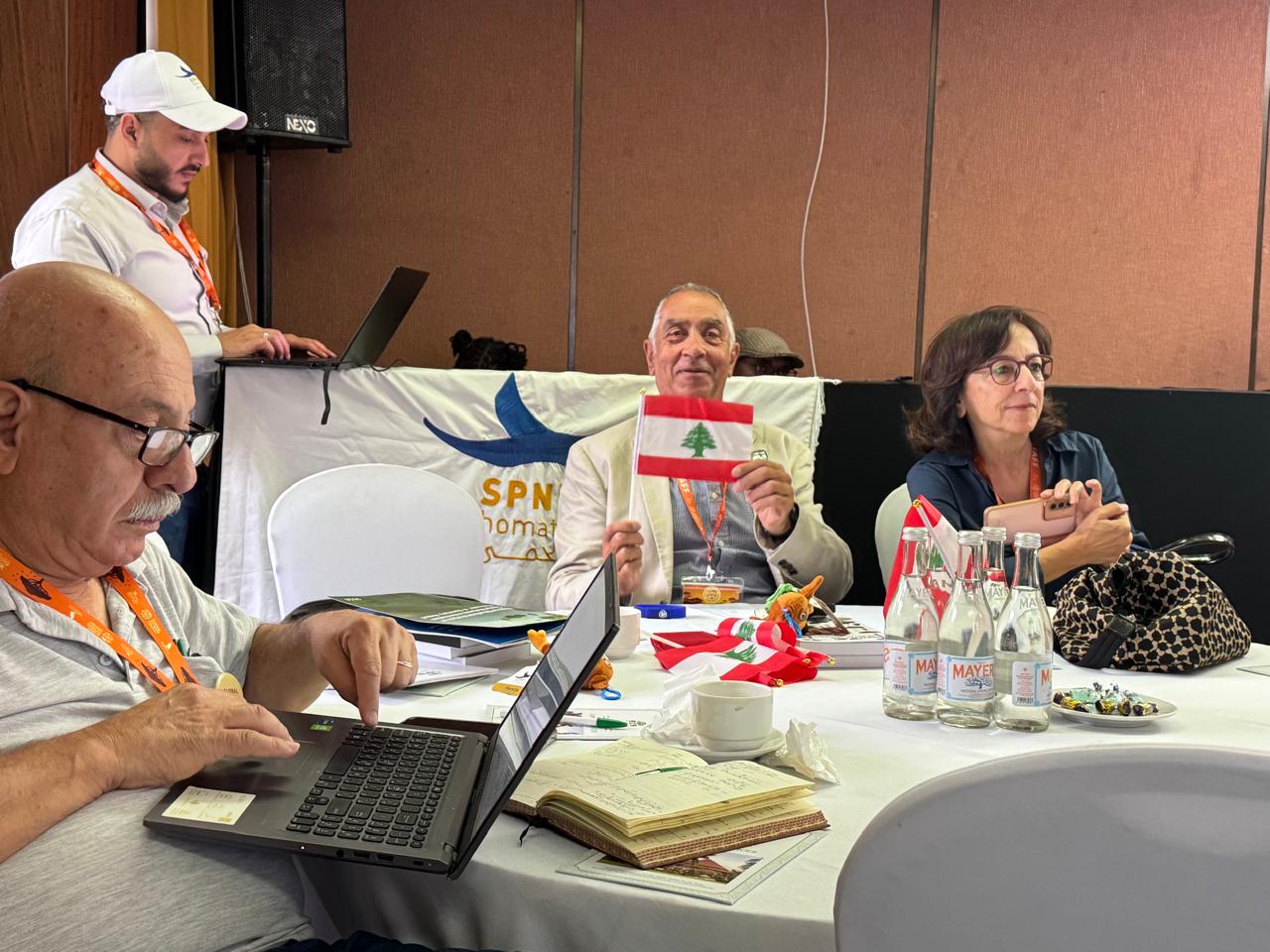
The Society for the Protection of Nature in Lebanon (SPNL) is participating in the BirdLife International Global Partnership Meeting and the second Global Flyways Summit, held in Nairobi, Kenya, from 8 to 11 September 2026.
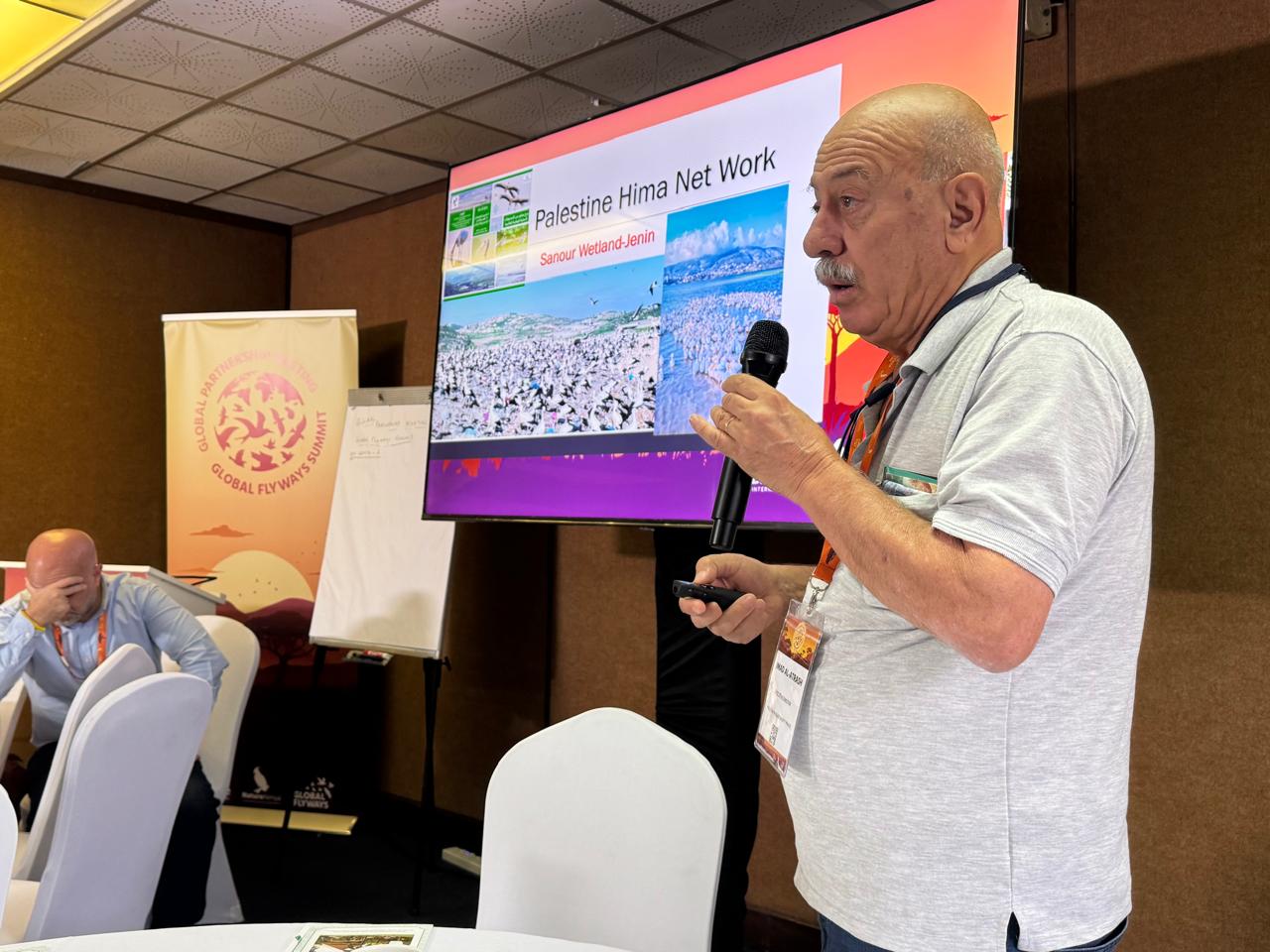
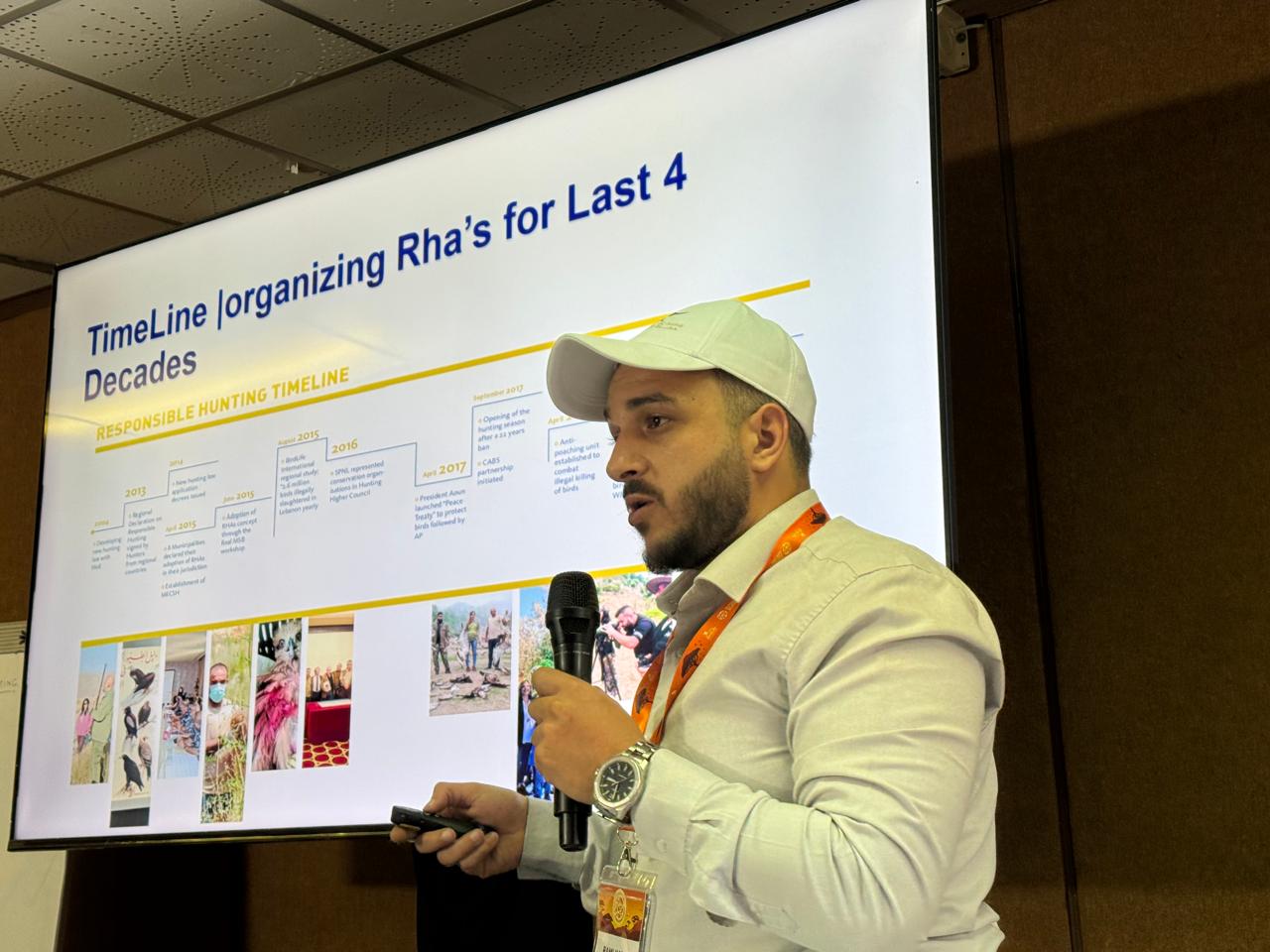
Representing SPNL at this major international gathering are Assad Serhal, Raghida Haddad, Andre Bechara and Rami Kadro. The delegation is sharing Lebanon’s experience in reviving the Hima as a practical, community-led approach to protecting nature, managing shared natural resources and strengthening cooperation among communities.
Hosted by BirdLife International and Nature Kenya, the gathering brings together representatives of BirdLife’s global family of 125 conservation partners operating in 120 countries and engaging more than 18 million people. It provides a rare opportunity for conservation organizations, scientists, governments, financial institutions, businesses, philanthropists and community leaders to develop collective responses to the biodiversity and climate crises.
Lebanon’s Hima experience on the global stage
As BirdLife International’s national partner in Lebanon, SPNL is using the Nairobi meetings to demonstrate how an ancient system of stewardship can respond to some of the most urgent challenges of the present.
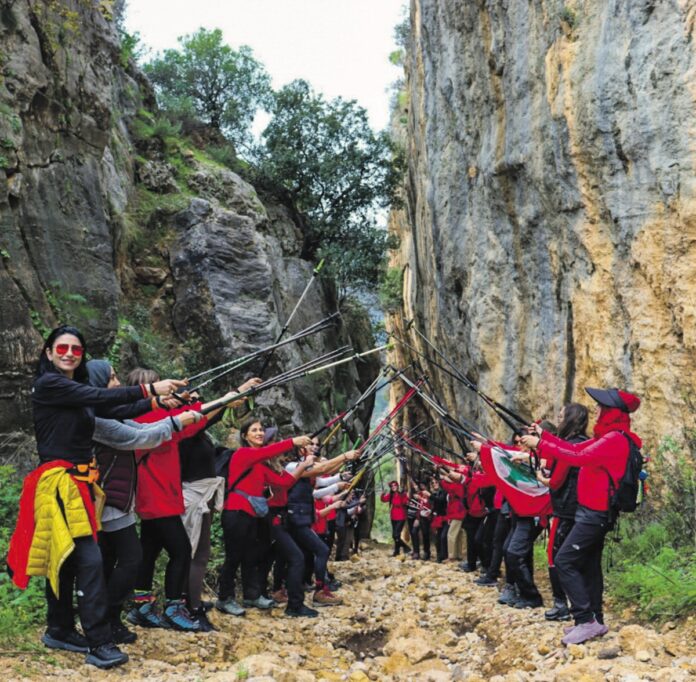
The Hima is rooted in the collective protection and sustainable management of land, water, forests, pastures and other shared resources for the common good. Since 2004, SPNL has worked to revive and modernize this traditional approach, placing municipalities and local communities at the centre of conservation.
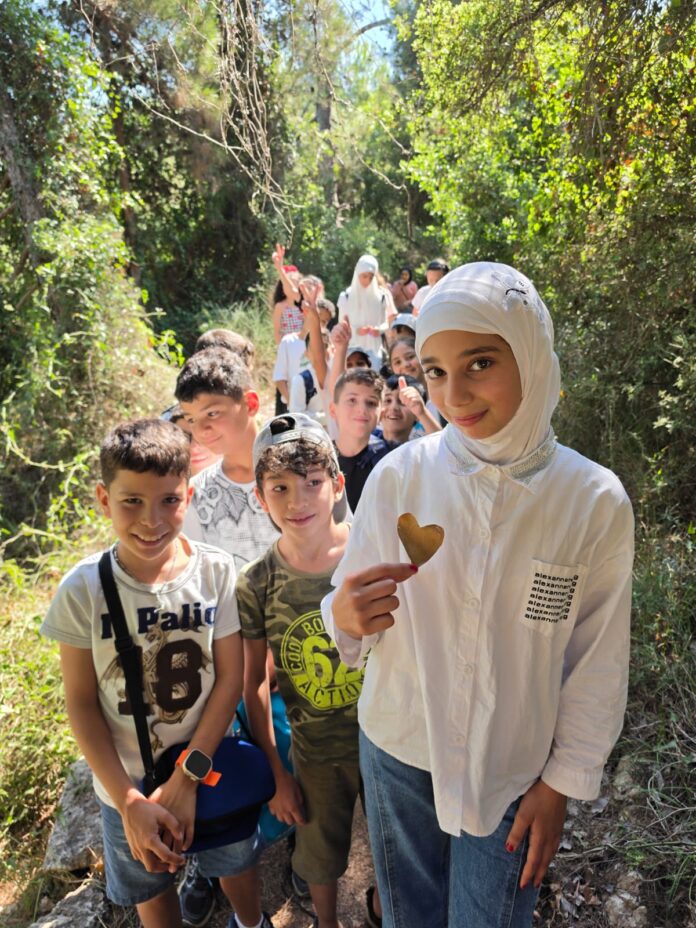
In Nairobi, SPNL is presenting the Hima not merely as a mechanism for designating or protecting natural areas, but as a living model of participatory governance. It brings together municipalities, local residents, women, young people, farmers, landowners and civil society organizations to make decisions about the ecosystems and resources on which their communities depend.
This locally grounded approach is especially relevant at a time when conservation efforts must deliver benefits for both nature and people. Protecting biodiversity cannot be separated from supporting livelihoods, preserving cultural heritage, responding to climate change and strengthening the ability of communities to withstand environmental and economic pressures.
Promoting the “Hima for Peace” Memorandum
At the heart of SPNL’s participation is the promotion of the Memorandum of Understanding and Charter of “Hima for Peace,” an initiative that seeks to transform community conservation into a platform for dialogue, cooperation and peacebuilding.
The initiative is based on a simple but powerful principle: healthy and equitably managed ecosystems can help sustain peaceful, resilient communities. Conversely, the degradation or unfair distribution of water, land, forests and other natural resources can deepen inequality, displacement and social tensions.
“Hima for Peace” therefore expands the Hima approach beyond biodiversity conservation. It encourages communities sharing natural resources to cooperate in managing them sustainably and fairly, reducing potential sources of tension while creating common interests that transcend political, religious, geographic and social divisions.
The Memorandum incorporates a ten-point Charter addressing the protection and restoration of biodiversity, participatory governance, sustainable livelihoods, youth empowerment, climate resilience, cultural heritage, ecological connectivity and regional cooperation. It also affirms the role of nature as a space for dialogue and peaceful coexistence.
The initiative has already gained significant national momentum. In August 2026, 118 Lebanese environmental organizations endorsed the Memorandum and Charter, transforming Hima for Peace from an SPNL-led initiative into a broad civil-society movement. SPNL serves as its founding custodian and initial secretariat.
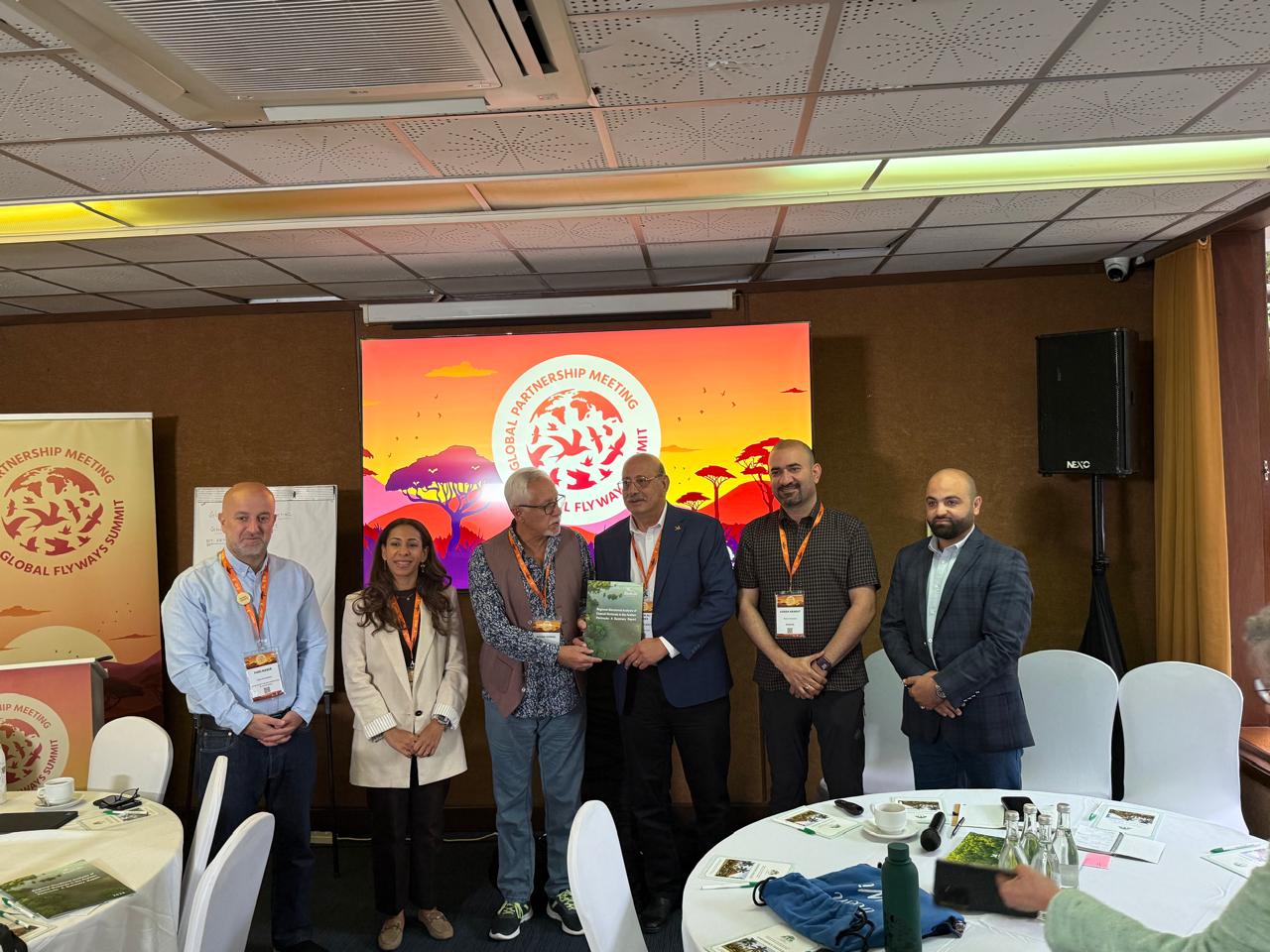
By presenting the Memorandum in Nairobi, SPNL is inviting BirdLife partners and other international institutions to explore how its principles could be adapted to different national and regional contexts. The objective is to establish new partnerships through which community conservation can contribute simultaneously to biodiversity protection, climate resilience and conflict prevention.
Protecting the highways of the sky
SPNL’s participation also carries particular significance for Lebanon’s place along the African–Eurasian Flyway. This vast migration route connects breeding, feeding and wintering grounds across Africa, Europe and Asia. Lebanon’s mountains, valleys, wetlands and coastal areas provide indispensable resting and feeding sites for millions of migratory birds.
Birds do not recognize political borders. Their survival depends on a chain of healthy and connected habitats extending across continents. The destruction of even one wetland, forest or coastal stopover can weaken that chain and contribute to population declines far beyond the affected country.
The Global Flyways Summit, being held on the African continent for the first time, is examining how governments, conservation organizations, development banks and the private sector can mobilize financing, restore wetlands and forests, reduce threats to migratory birds and ensure that energy and infrastructure development are safe for nature.
For SPNL, protecting flyways begins with empowered local communities. Through the Hima approach, communities can protect critical habitats, monitor wildlife, promote responsible hunting, restore degraded ecosystems and develop livelihoods that reinforce rather than undermine conservation.
A Lebanese idea with global relevance
SPNL’s presence in Nairobi conveys a message of possibility from Lebanon: even amid conflict, institutional difficulties and economic hardship, communities can organize around nature and protect the resources that sustain them.
The Hima shows that conservation need not be imposed from above or separated from people’s daily lives. It can grow from local knowledge, shared responsibility and a sense of belonging to the land.
Through its participation in the Global Partnership Meeting and Global Flyways Summit, SPNL is strengthening Lebanon’s contribution to the BirdLife family while building new alliances for the Hima for Peace initiative. Its ambition is to develop a wider movement in which protecting nature becomes a pathway to rebuilding trust, sustaining livelihoods and connecting communities across borders.
From Lebanon’s mountains and wetlands to the global flyways converging over Africa, the message carried by SPNL to Nairobi is clear: when communities come together to protect nature, they also create the foundations for resilience, cooperation and peace.