


What if protecting nature could also help build peace? And what if protecting the places birds need could strengthen the communities that share them? At the BirdLife International Summit in Nairobi, the Society for the Protection of Nature in Lebanon (SPNL) is presenting the Hima approach as a practical answer to both questions.
SPNL representatives Assad Serhal, Director General of SPNL; Andre Bechara, Manager of Homat Al Hima Program; Rami Kadro, Mount Lebanon Hima Center Manager; and Raghida Haddad, Editor-in-Chief of Al Hima magazine, are showcasing how Lebanon’s revival of the ancient Hima system is evolving into a modern movement for community-led conservation, connecting people, biodiversity, migratory birds and peace. Together, they position Hima as a culturally rooted approach with potential relevance well beyond Lebanon.
During the event Assad Serhal and Fadi Nasser, Director General for the Royal Society for the Conservation of Nature in Jordan, were elected as BirdLife Global Councilors for the Middle East. Serhal was also reelected as chairman of the BirdLife Middle East Partnership.
Assad Serhal: From Lebanon to a Regional Hima Movement
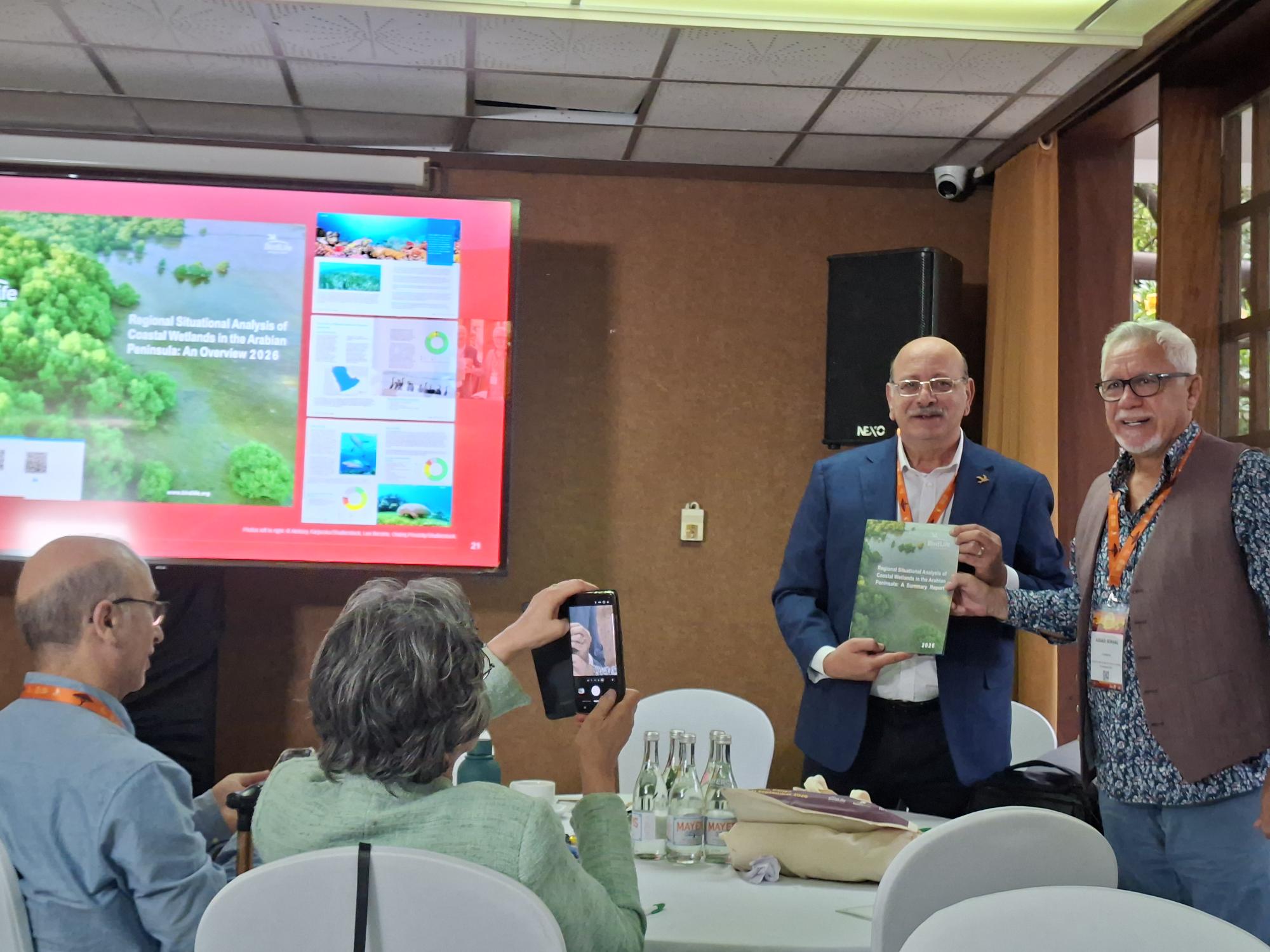
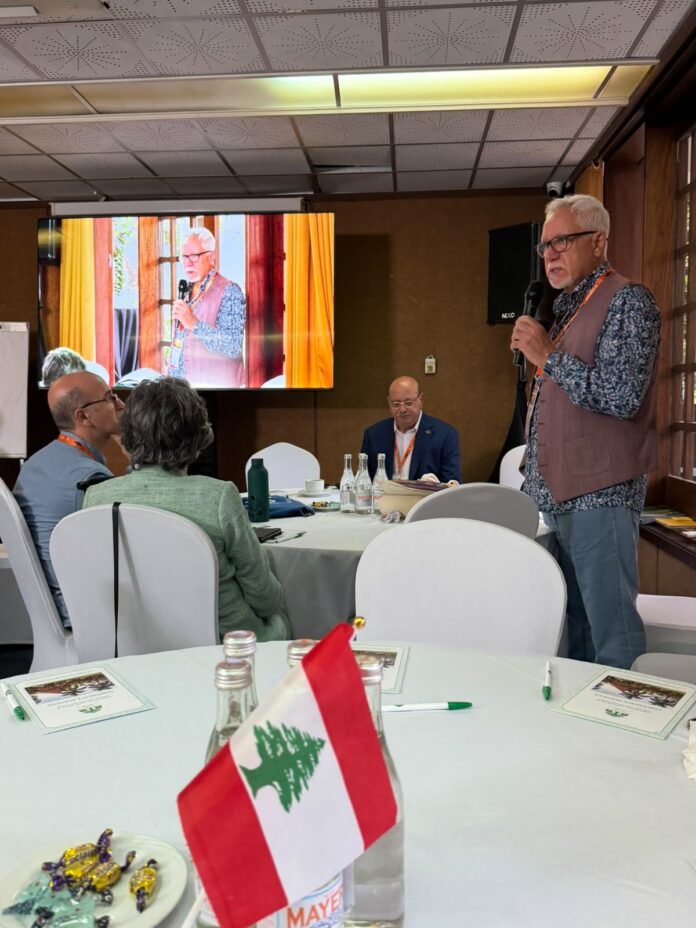
On the first day of the Summit, Assad Serhal chaired the Middle East Regional Partnership Meeting. Welcoming the delegates from Jordan, Syria, Iraq, Palestine, Lebanon and Oman, he stressed the BirdLife 124 Partners’ commitment to reverse the global extinction of birds.
Across the Middle East, communities share connected ecosystems and migratory routes, traditional knowledge of land and water, similar environmental and livelihood challenges, and a cultural foundation for collective stewardship.
“Himas can provide a common language for conservation and cooperation,” Serhal argued. “Conservation can no longer be done for communities. It must be done with communities. Hima offers a locally rooted pathway to connect people, culture and nature, while strengthening cooperation across landscapes, borders and migratory flyways.”
SPNL is proposing a regional Hima network involving Lebanon, Jordan, Palestine, Syria and Iraq, linking Important Bird and Biodiversity Areas, migratory flyways, wetlands, rangelands and cultural landscapes with community livelihoods, traditional knowledge, conservation organizations and local authorities.
Andre Bechara: Empowering the Guardians of the Hima
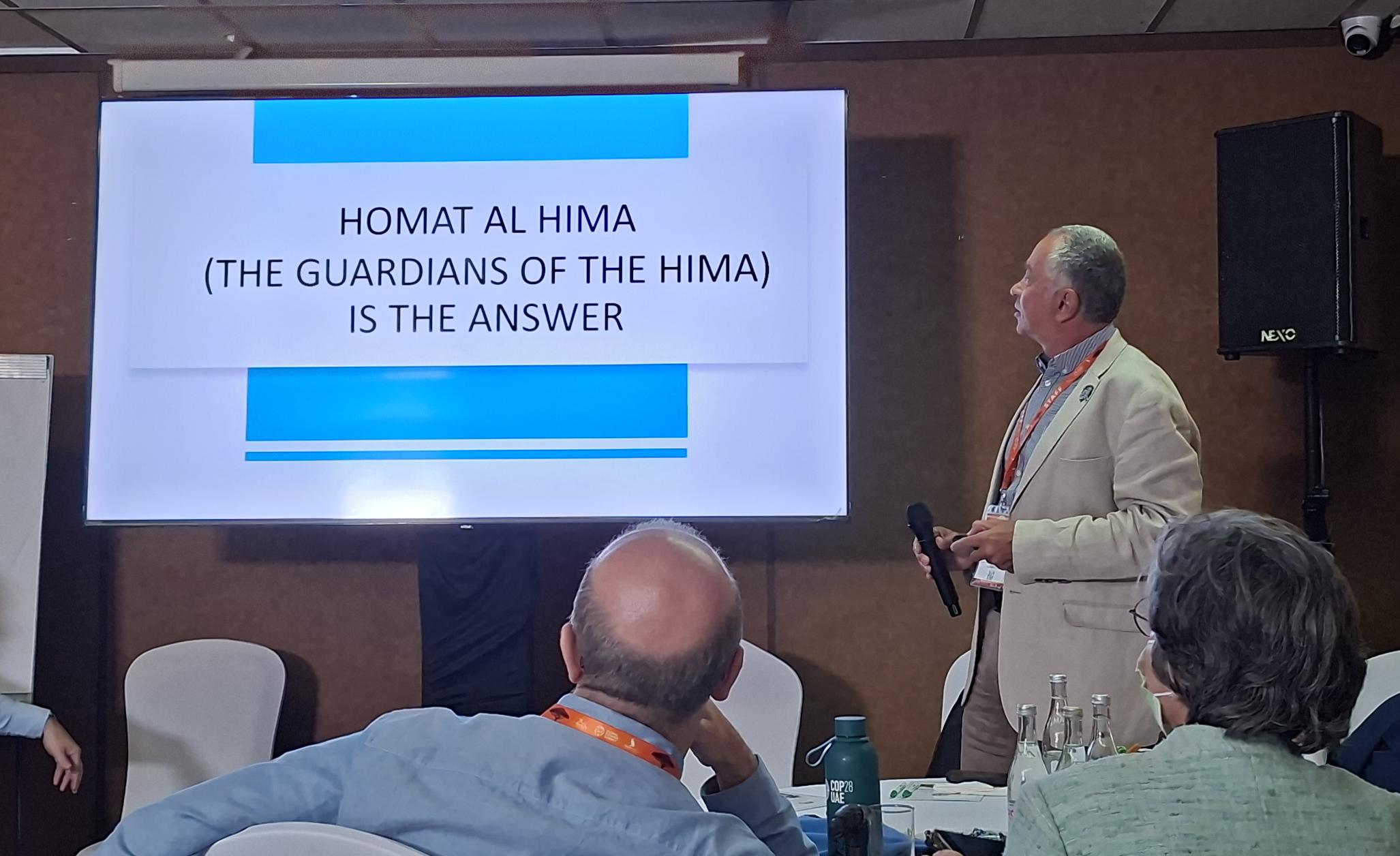
Andre Bechara focused on Homat Al Hima — the Guardians of the Hima, the people and communities who actively protect and manage their Hima while developing sustainable livelihoods and preserving natural and cultural heritage for future generations.
Hima is a traditional community-based conservation system dating back approximately 1,500 years. Its central principle is straightforward: the people who depend on nature must also become its guardians.
Homat Al Hima brings together an exceptionally broad cross-section of society—including students and youth, farmers, shepherds, hunters, fishermen, women and families, teachers, municipalities, local leaders, researchers, craftsmen, volunteers and civil society groups.
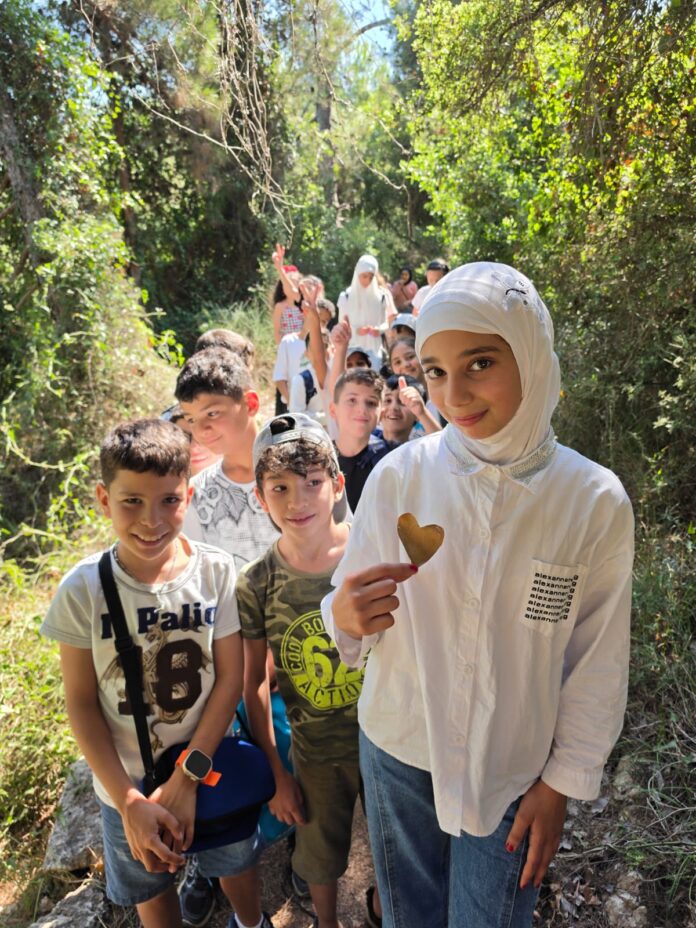
Bechara highlighted the importance of giving young people the knowledge and practical skills to take action. Training includes birdwatching, wildlife photography, species monitoring, environmental education, guiding, leadership, safety, survival skills and sustainable hunting ethics. Homat Al Hima consequently become conservation leaders, community mobilizers, environmental advocates and agents of peace and resilience.
The approach has already reached more than 5,700 students through SPNL’s School with No Walls (SNOW) programme, engaged 37 schools and trained more than 1,500 Homat Al Hima.
Rami Kadro: Measuring Impact and Looking Towards 2030
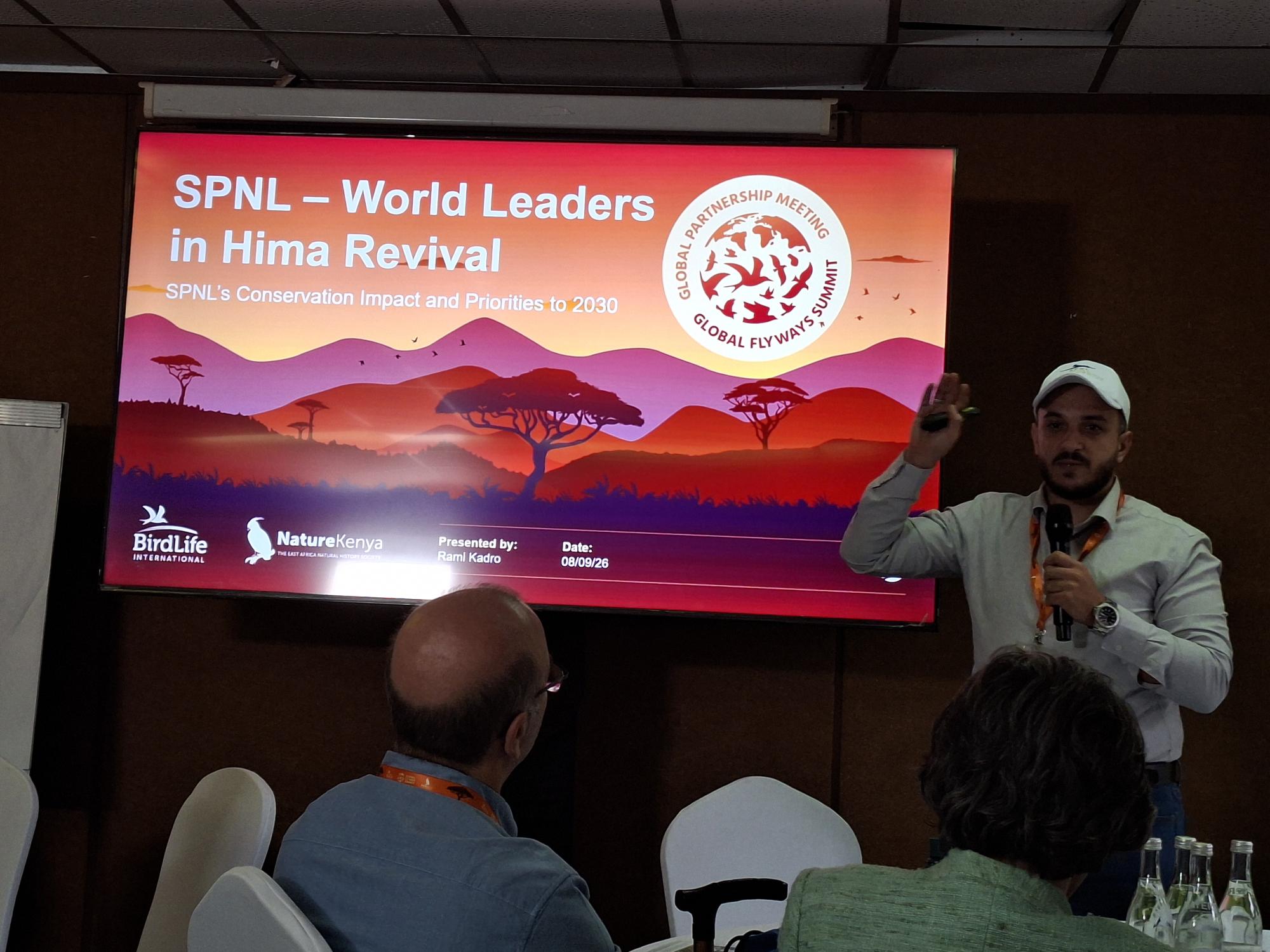
Rami Kadro presented SPNL’s conservation impact and priorities to 2030, framing Hima as a locally led model that connects four interconnected pillars: Species, Sites, Systems and Society.
The presentation highlighted the scale of SPNL’s work. 65 Himas have been established across Lebanon, covering approximately 7% of the country. 27 Himas have been documented in the World Database on Protected Areas, while the Droub Al Hima network connects approximately 223 kilometres of trails, communities and natural landscapes.
For bird conservation, field action is producing measurable results. SPNL conducts 77 anti-poaching patrols annually, has monitored more than 50,000 birds through field operations, rescued 22 birds—including five endangered birds—and trained more than 1,500 Homat Al Hima guardians to support protection, awareness and responsible stewardship.
Kadro also highlighted the growing role of technology and education. Smart Hima is advancing the use of GIS, remote sensing, artificial intelligence and citizen science, while SPNL’s SNOW programme has reached 5,725 students. Droub Al Hima has engaged approximately 14,000 visitors, including 2,500 people with special needs, while 15 local businesses have been connected with nature-based tourism opportunities.
Looking towards 2030, SPNL identifies a key challenge: the impact of Hima is growing faster than the systems needed to sustain and scale it. Priorities include strengthening technical capacity, standardizing data, maintaining genuine community ownership and addressing external pressures including illegal bird killing, habitat fragmentation, wildfires, unplanned development and increasing water stress.