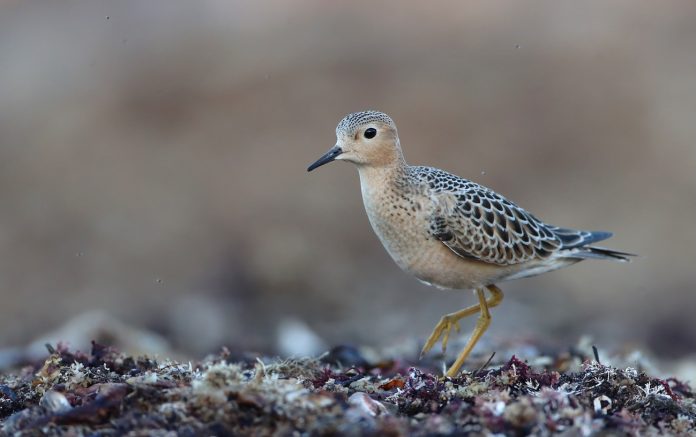


We all know what our favourite bird looks like – but do you know why it’s evolved to look that way? Discover the amazing new project striving to build a stronger connection between people and nature – through the fascination of bird anatomy.
Have you ever looked at a spoonbill and pondered the reason behind its beak’s unique shape, when other waders seem to be doing just fine without one? Birds’ physical features are constantly photographed, recorded and commented on across the ornithology world – but it’s usually just to identify the bird or distinguish it from another, similar species. Information on why birds actually evolved these physical traits in the first place is limited to tiny snippets scattered across the world’s scientific literature.
That’s a real shame – not just because birds’ physical adaptations are fascinating, but also because the more we understand nature, the more we respect and connect with it. As eminent explorer and conservationist Jacques Cousteau once said: “People protect what they love, love what they understand and understand what they are taught.” In today’s era of catastrophic nature loss, such education is fundamental in changing public attitudes.
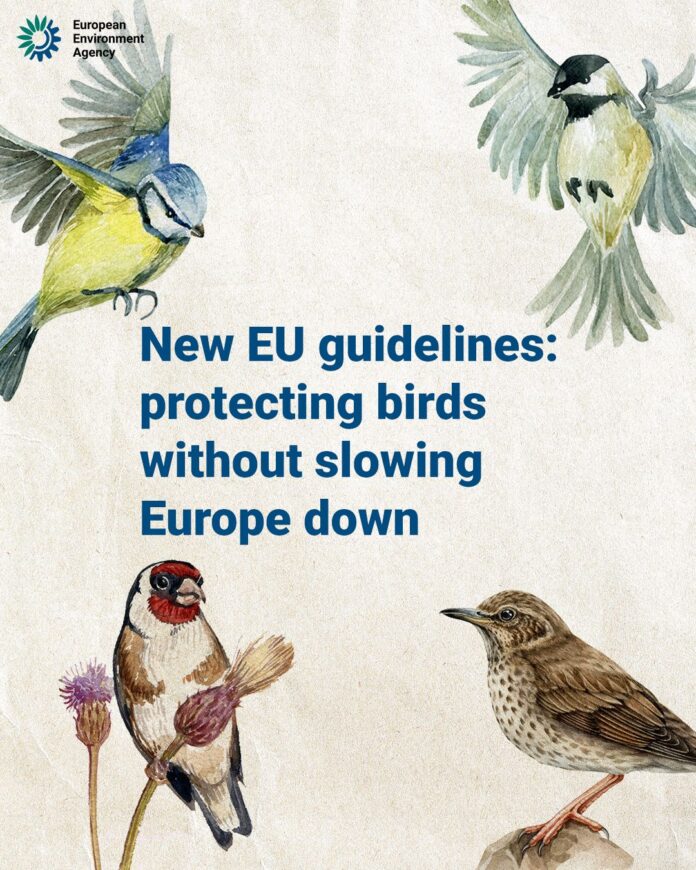
Consider the humble Great Tit Parus major. It’s round and fluffy with cute beady eyes – but did you know that every winter it also adjusts the length of its intestine to accommodate the peanuts we humans feed it, before shrinking it back to digest insects in summer? Next time you see this common bird, you may have more respect for how it copes with the survival challenges it faces.
Read more for original source
https://www.birdlife.org/worldwide/news/why-its-important-love-birds-more-just-their-beauty?