
JuniperusExcelsa

Commonly known as Junipers, the JuniperusExcelsa is a tree species found in the Eastern Mediterranean and South Eastern Europe. In Lebanon, it grows at altitudes between 1500-2800m above sea level. The JuniperusExcelsa is classified as a species of least concern (LC) as part of the IUCN RedList.However, in Lebanon, JuniperusExcelsa forests have been severely degraded due to human activities and now scattered remains of these trees are spread on the Lebanese mountains. In this context, SPNL initiated HimaMa’abour Al Abyad at Upper Akkar Hermel with the local Jaafar Tribe to protect the Junipers, Cedars & wildlife in the region, in addition to help alleviate poverty, promote more sustainable grazing & hunting practices For that reason, an SPNL Visitor Center was established in partnership with Yassin Jaffar , Mayor of Jwar Al Hasish.
Al Hima Magazine 6th Issue

The Society for the Protection of Nature in Lebanon (SPNL) has released the sixth issue of Al Hima magazine, focusing on the upcoming IUCN World Conservation Congress in Abu Dhabi (October 8–15, 2025), where SPNL will join four key sessions. The issue features an exclusive interview with IUCN President Razan Al Mubarak, who emphasizes aligning IUCN’s work with global biodiversity agendas, governance, member responsiveness, multilateral engagement, ethical use of technology, and amplifying diverse voices.

Read Previous issues

spot_img
spot_img

More like this

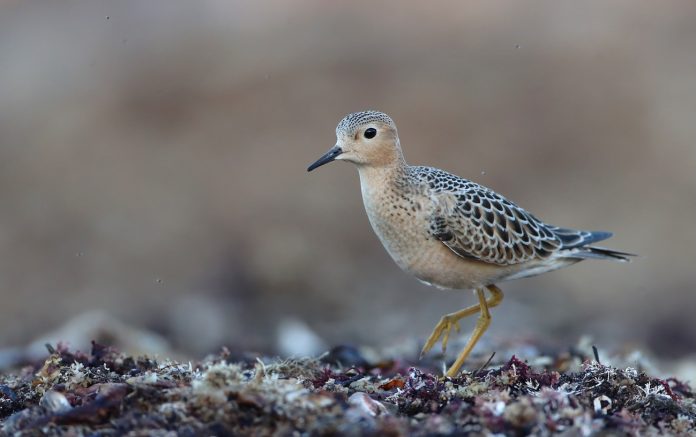
Buff-breasted Sandpiper - Credit © Luke Seitz | Cornell Lab of Ornithology.jpg

New UN-backed Atlas Maps Migratory Lifelines of Highly Vulnerable...

A powerful new online tool mapping the full annual journeys of an initial 89 highly vulnerable migratory...

At CMS COP15 in Brazil, the World Confronts a...

As global attention turns once again to biodiversity loss, world leaders, scientists, and conservation actors have convened...
Lesser Yellowlegs © Wwcsig (CC-BY-SA-3.0)

Decline of Populations of Migratory Species of Animals from...

An interim report which provides an update to the landmark State of the World’s Migratory Species (2024) warns that 49% of...