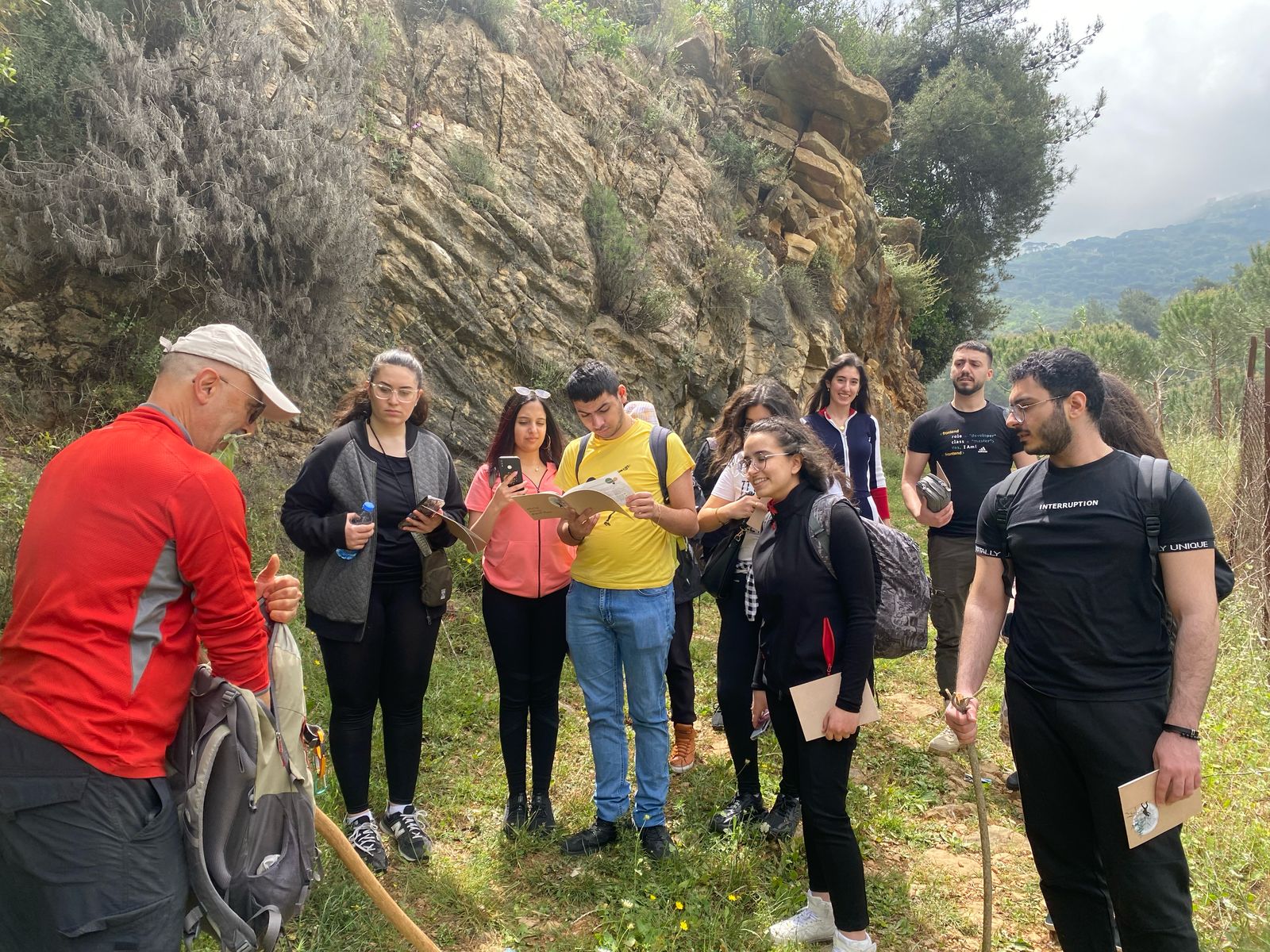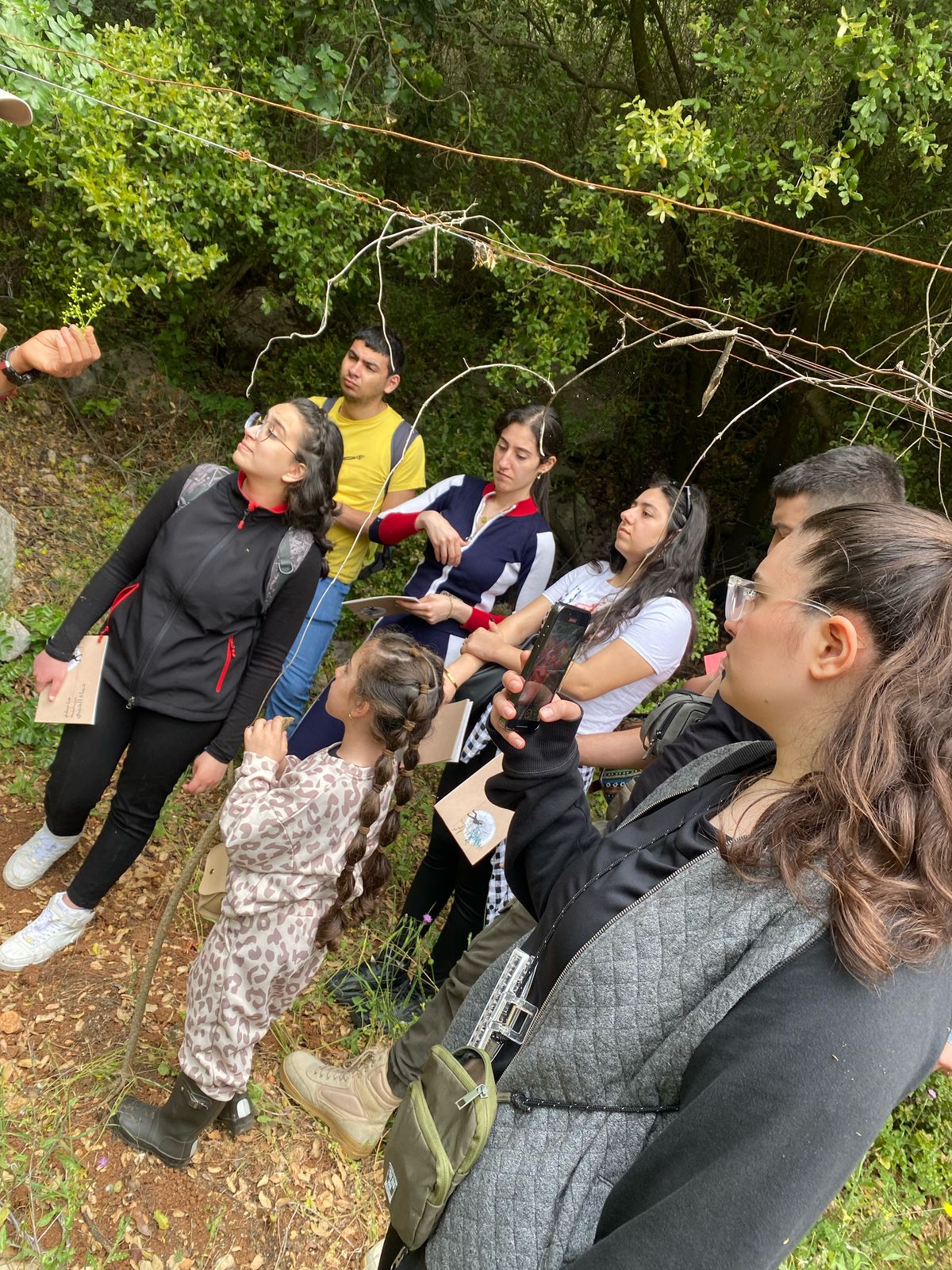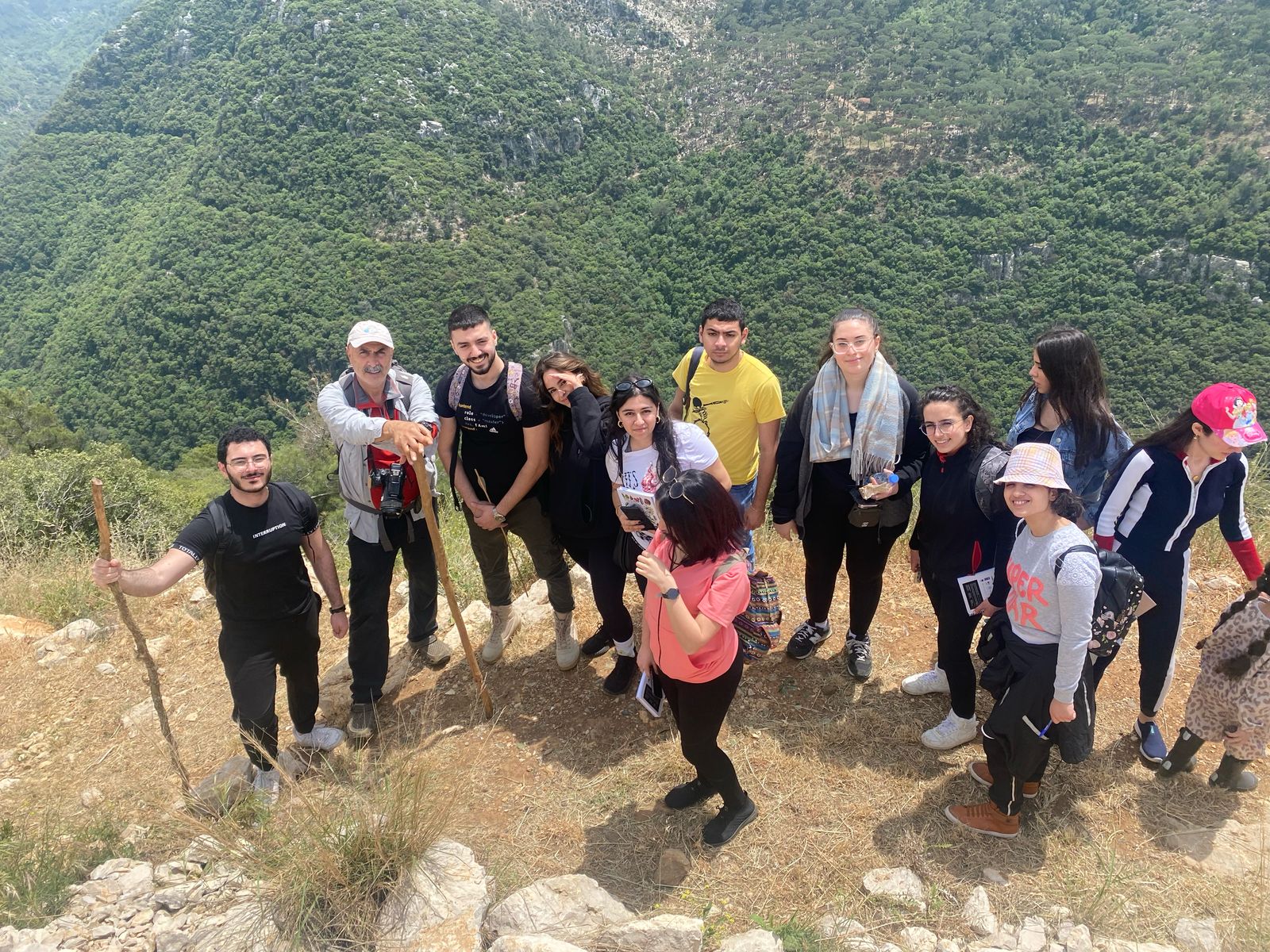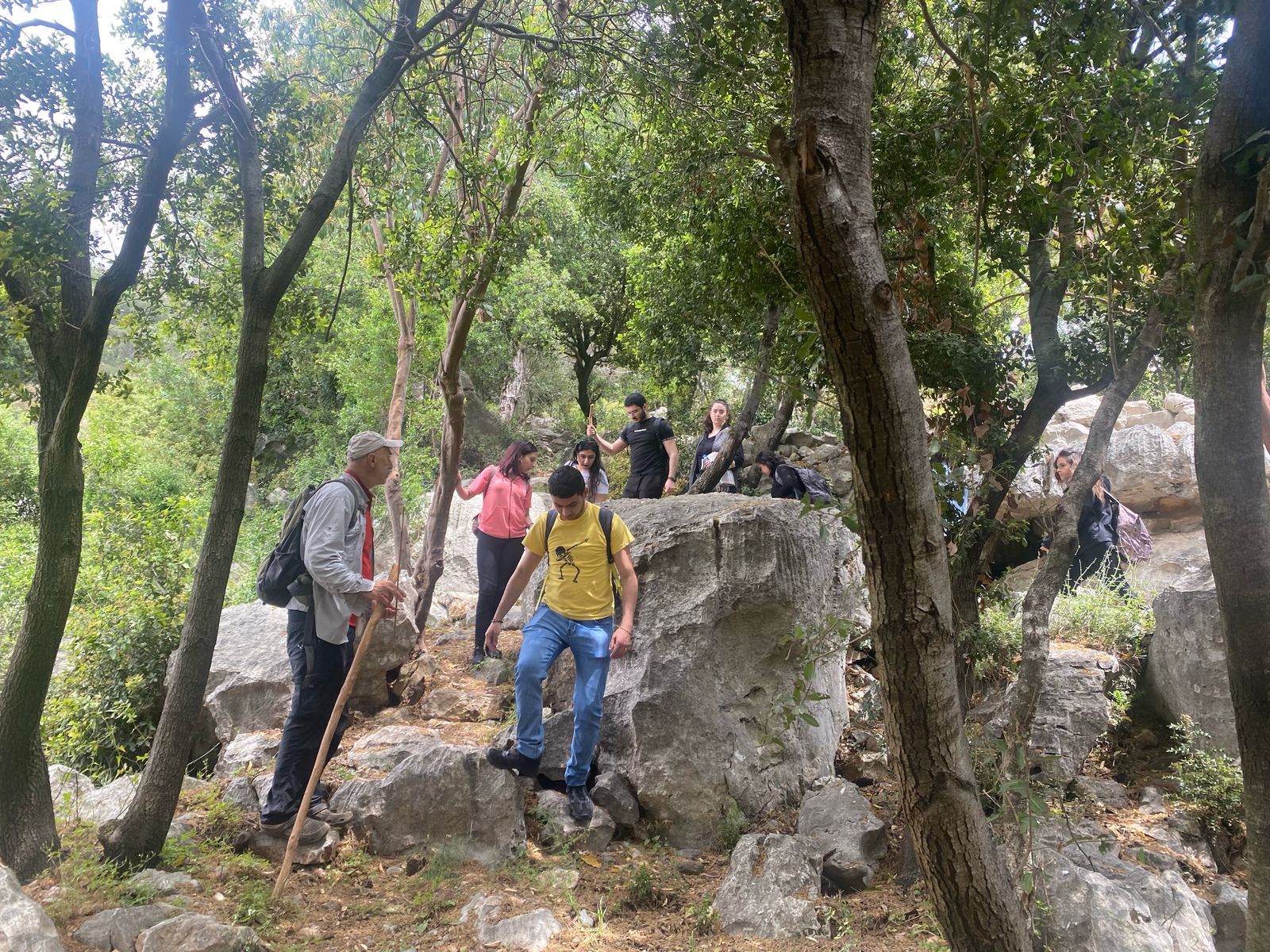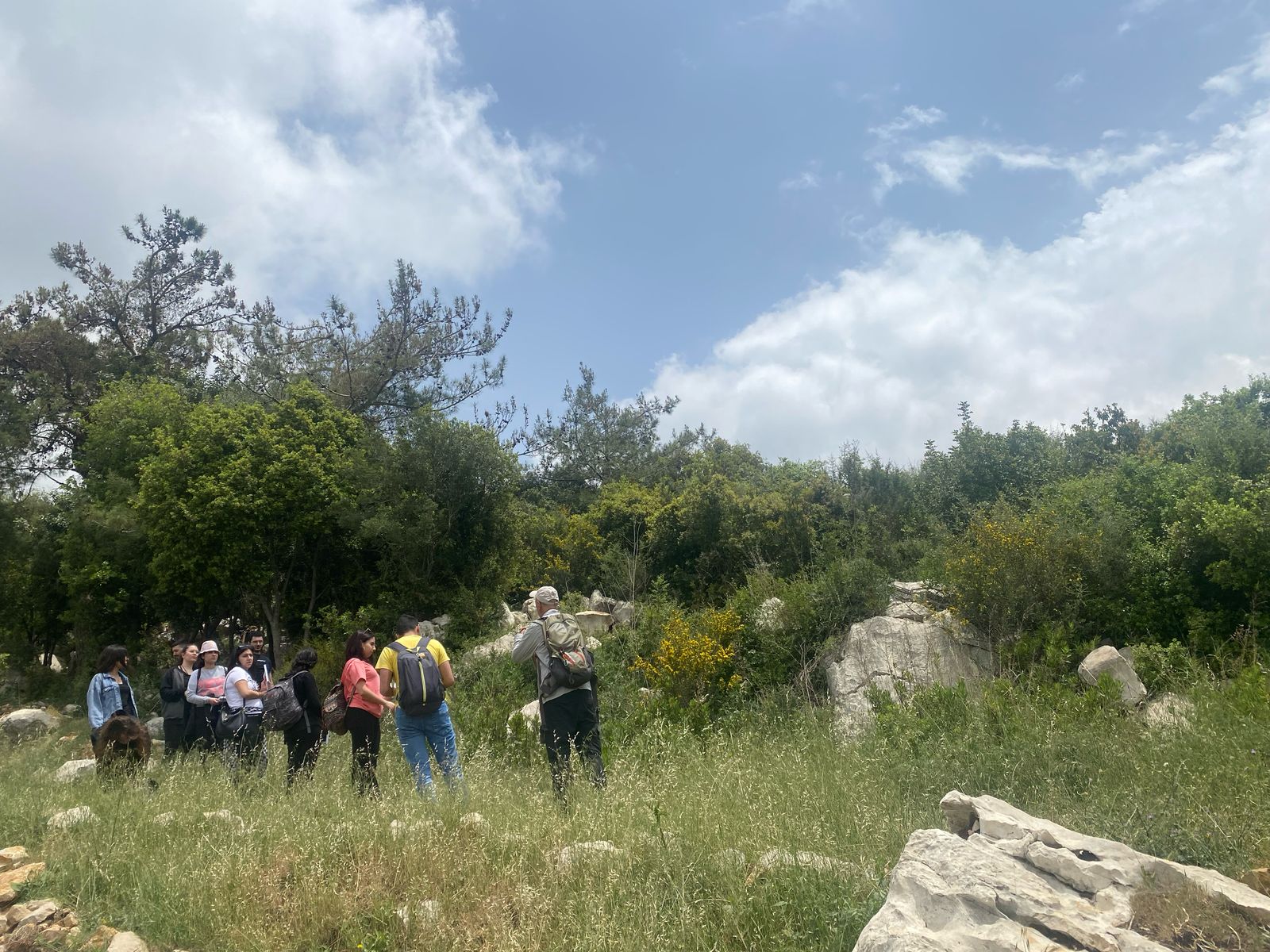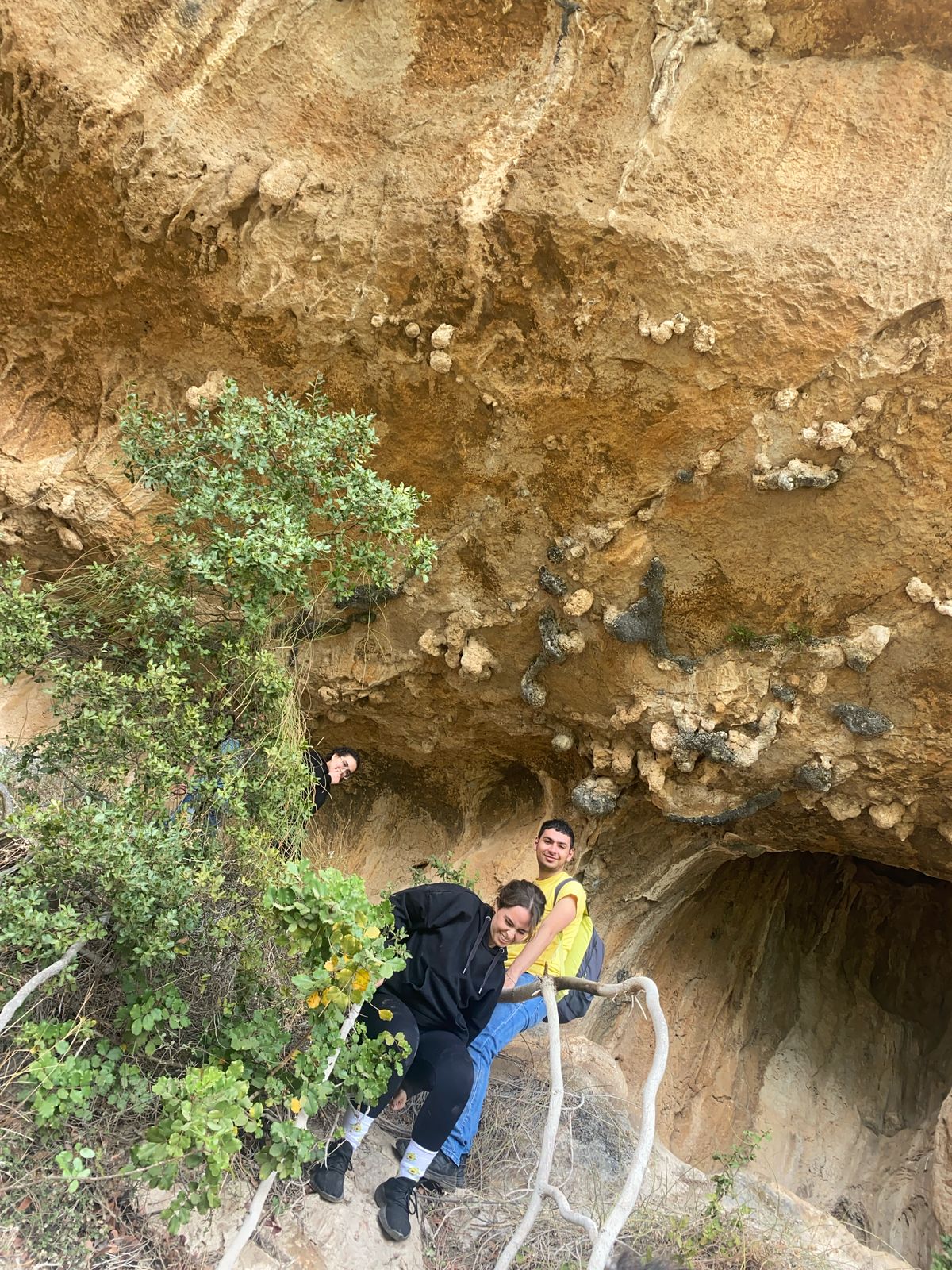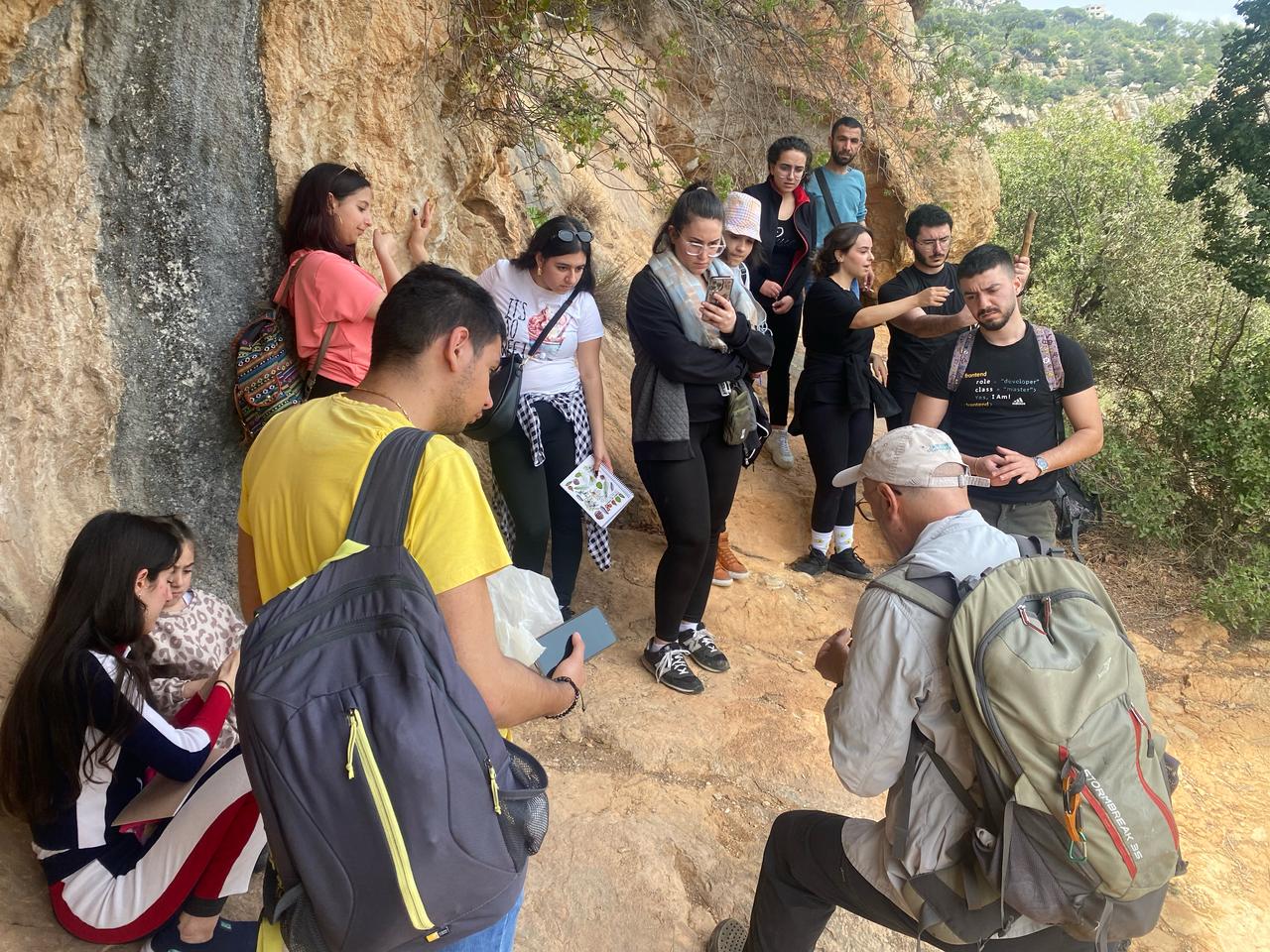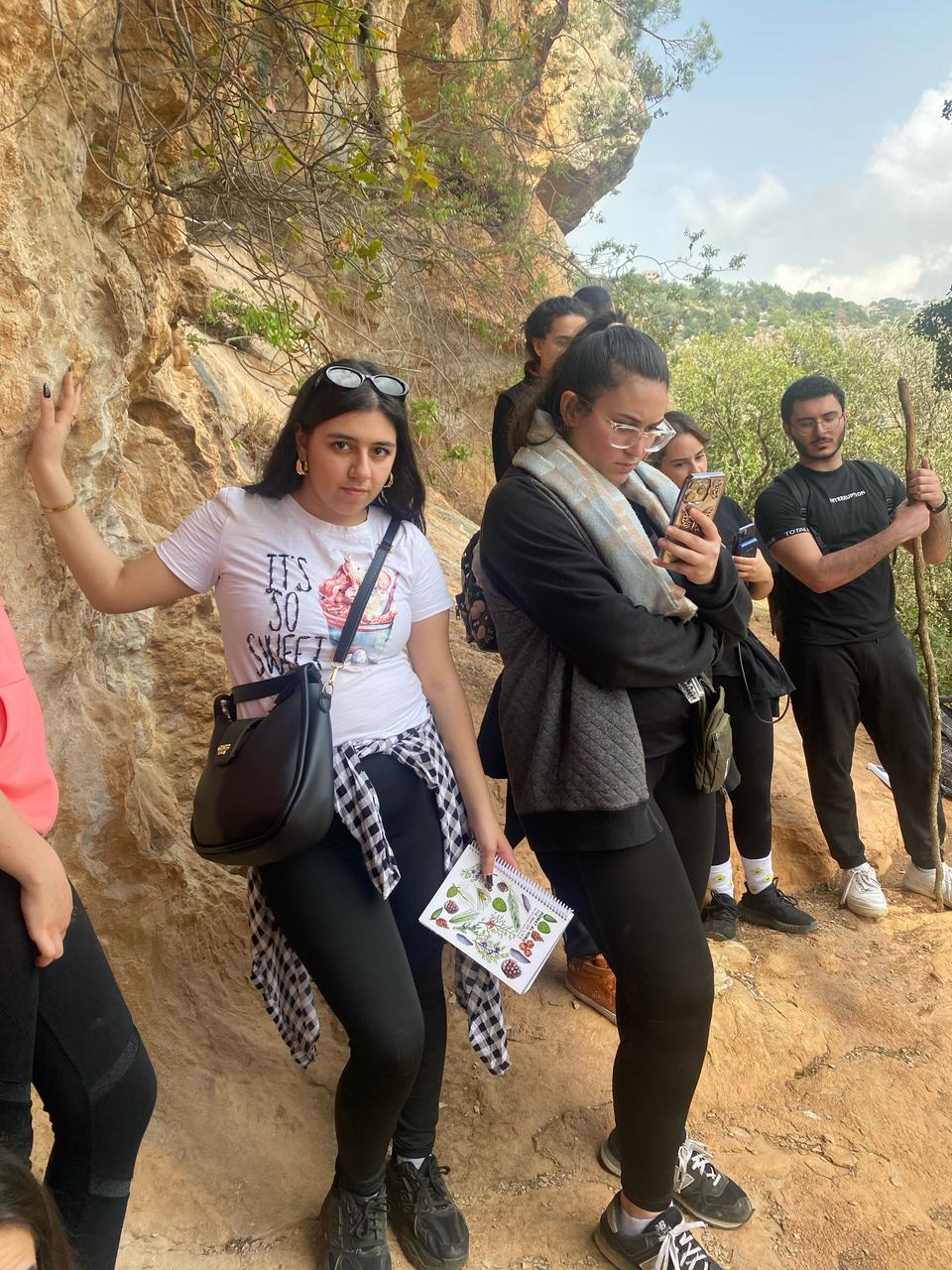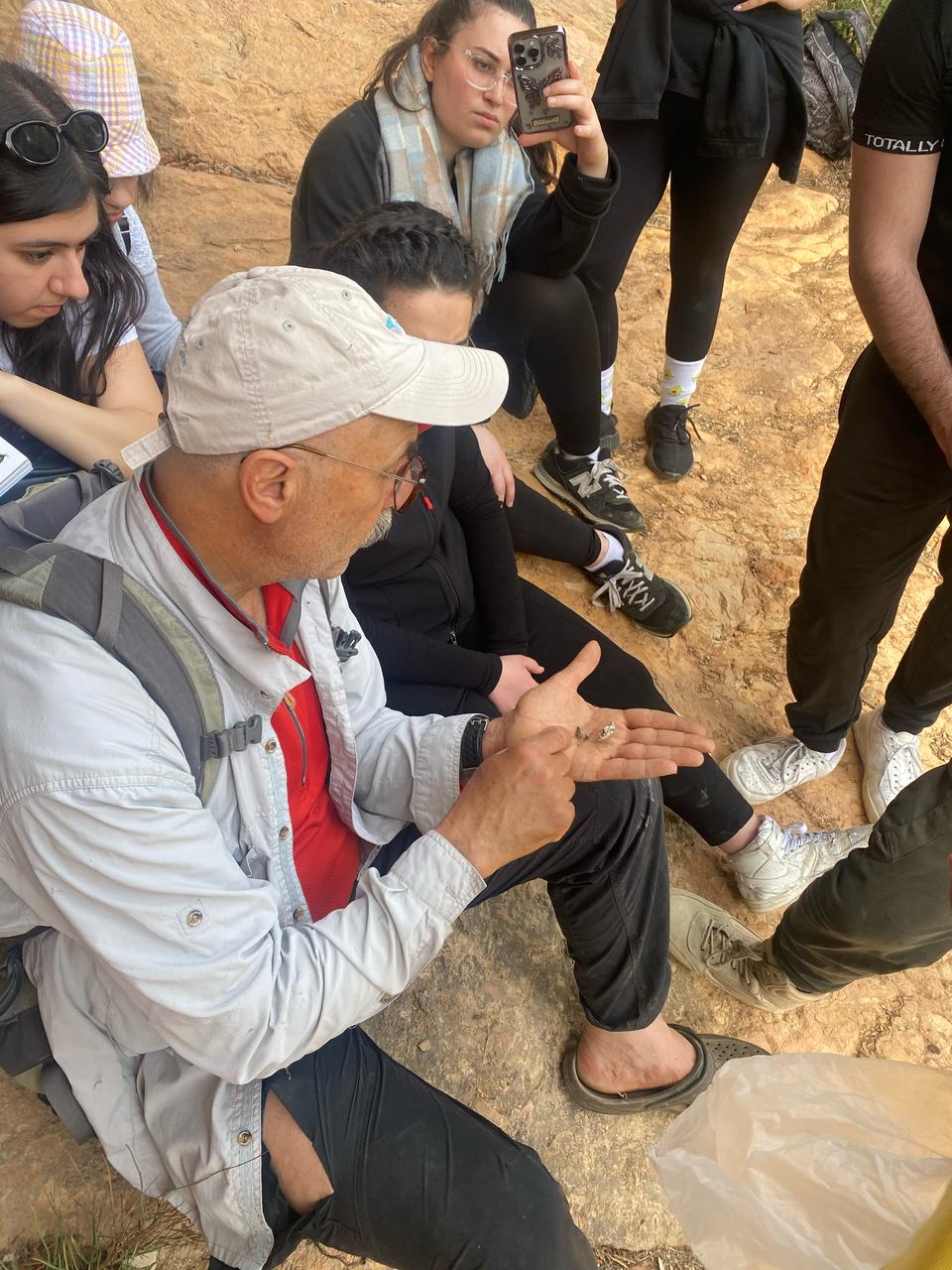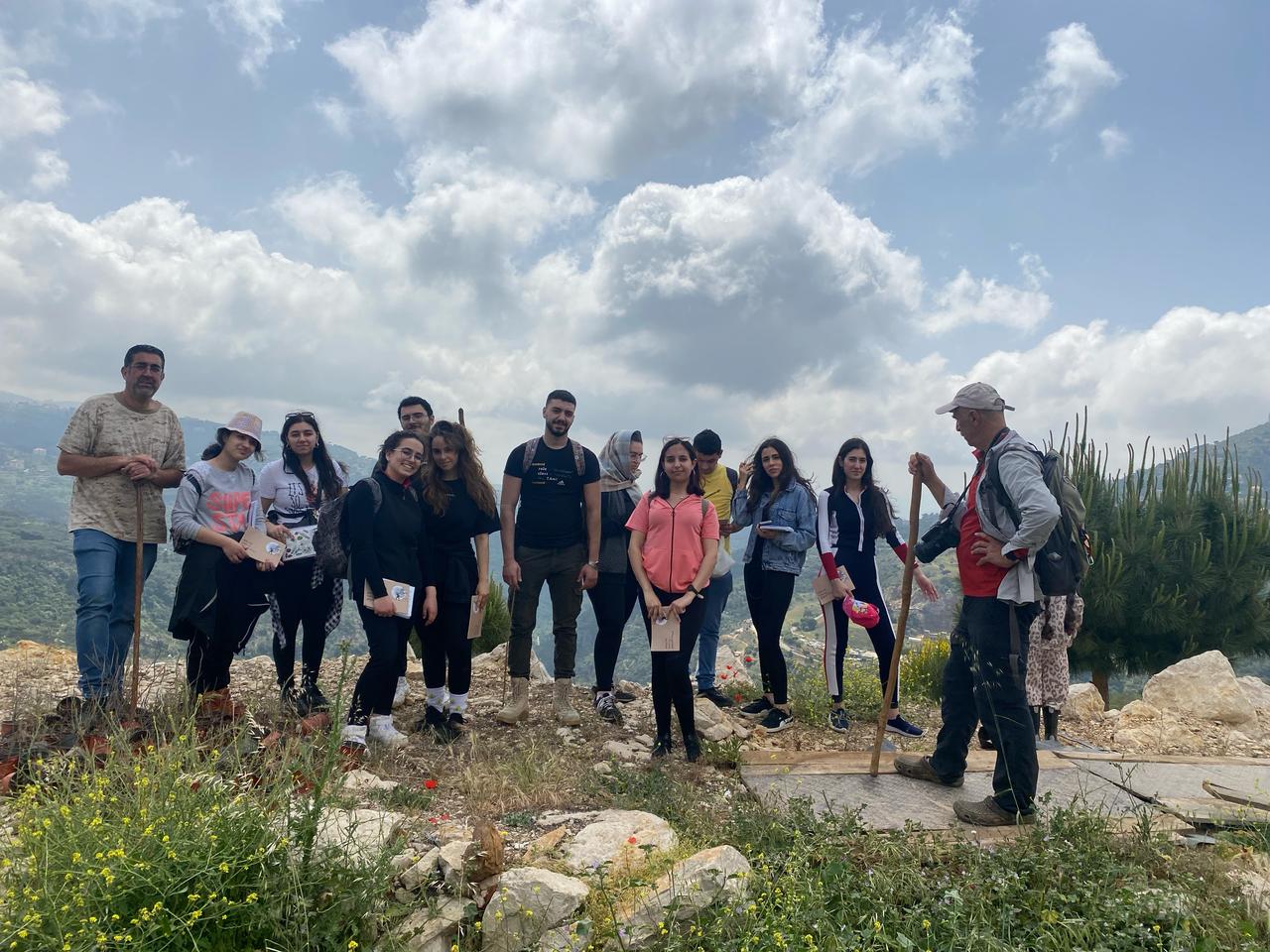



As part of efforts to bridge academic learning with field-based environmental education, second-year students from the Faculty of Science at the Lebanese University, accompanied by Dr. Mounir Abou Saïd, carried out a scientific field visit to Ras El Metn Hima.
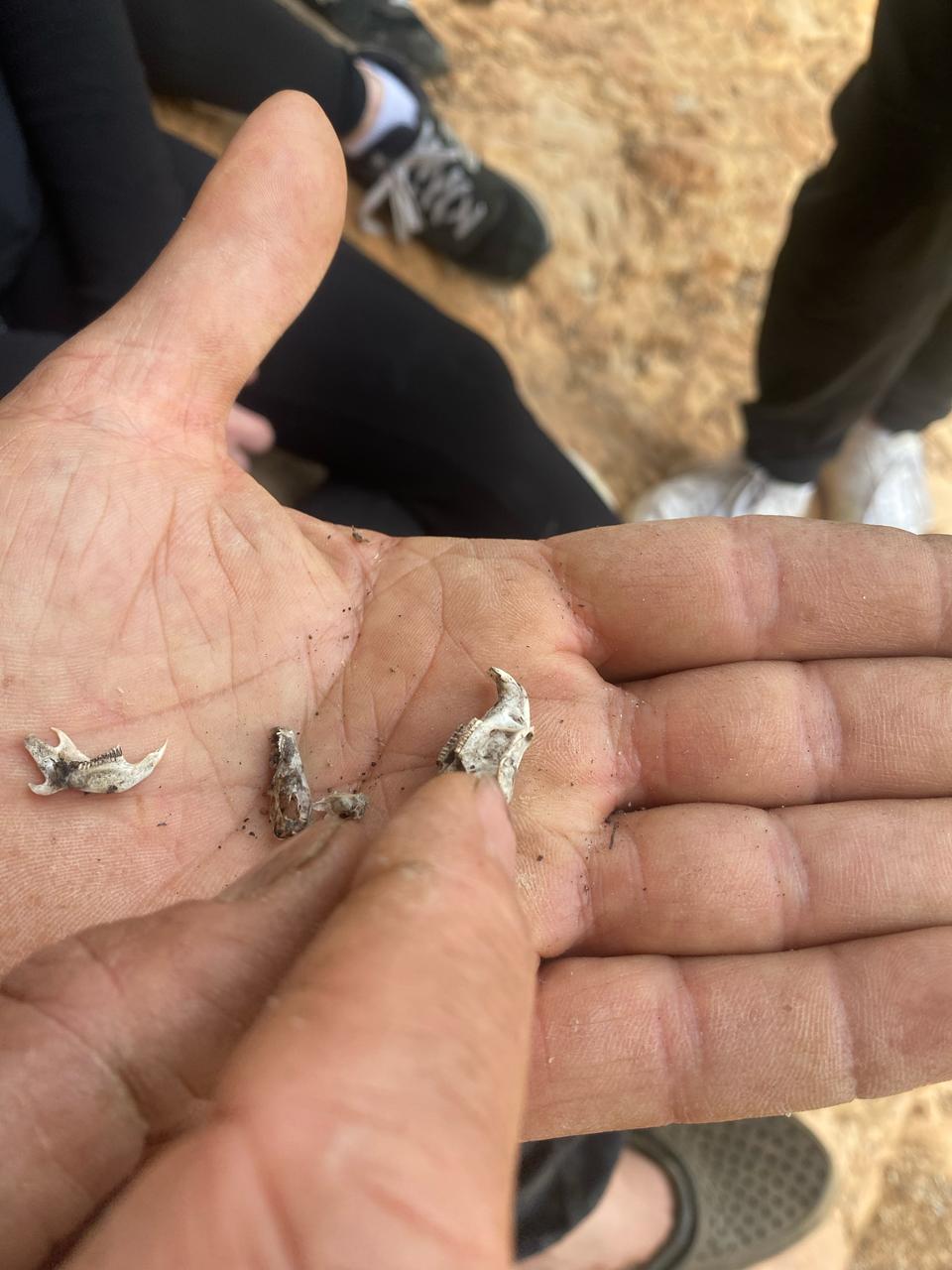
The visit aimed to introduce students to the concept of Hima as a community-based model for nature conservation and to expose them to the rich biodiversity of the area. During the tour, students engaged in practical activities focused on tracking signs of wildlife and mammals, learning to identify footprints, feeding remains, and behavioral patterns found in natural habitats.
Dr. Mounir Abou Saïd, a zoology professor and wildlife expert, emphasized the value of such field experiences:
“Transferring knowledge from the classroom to the field strengthens ecological understanding and fosters a deeper sense of responsibility toward Lebanon’s natural heritage.”
What is Ras El Metn Hima?
Ras El Metn Hima is one of Lebanon’s flagship Hima sites established by SPNL in partnership with the local municipality and community. Located in the Baabda district of Mount Lebanon, the site boasts a mosaic of habitats that support a wide range of resident and migratory birds, as well as wild mammals such as the red fox, golden jackal, mongoose, and wild boar. Its diverse vegetation includes oak, pistachio, and juniper trees.
The Hima model, rooted in a traditional conservation approach dating back over 1,500 years, has been revived by SPNL to promote community-led natural resource management. Ras El Metn Hima is now a vital space for scientific observation, eco-tourism, and education, offering a hands-on experience for students, researchers, and nature lovers alike.