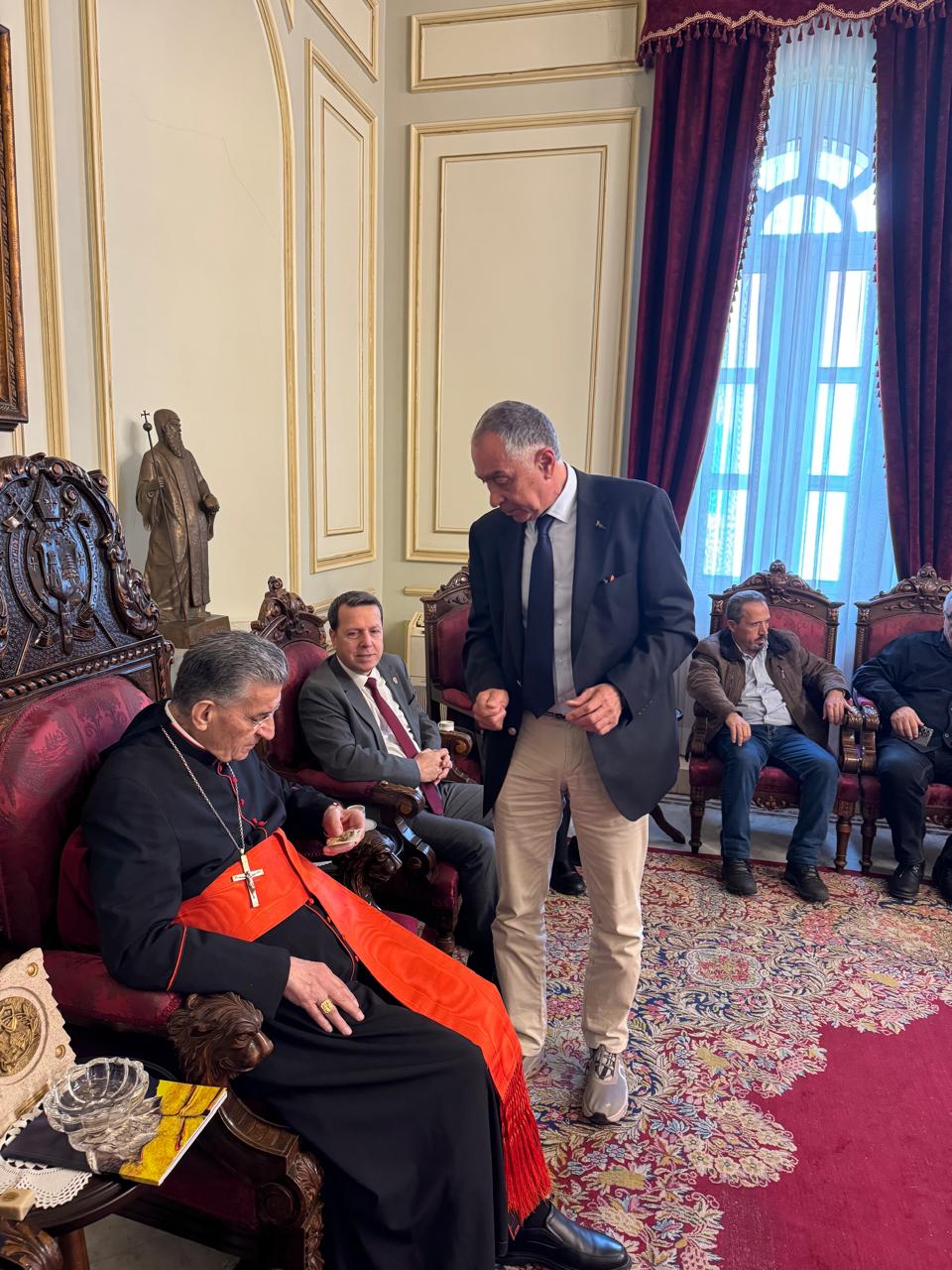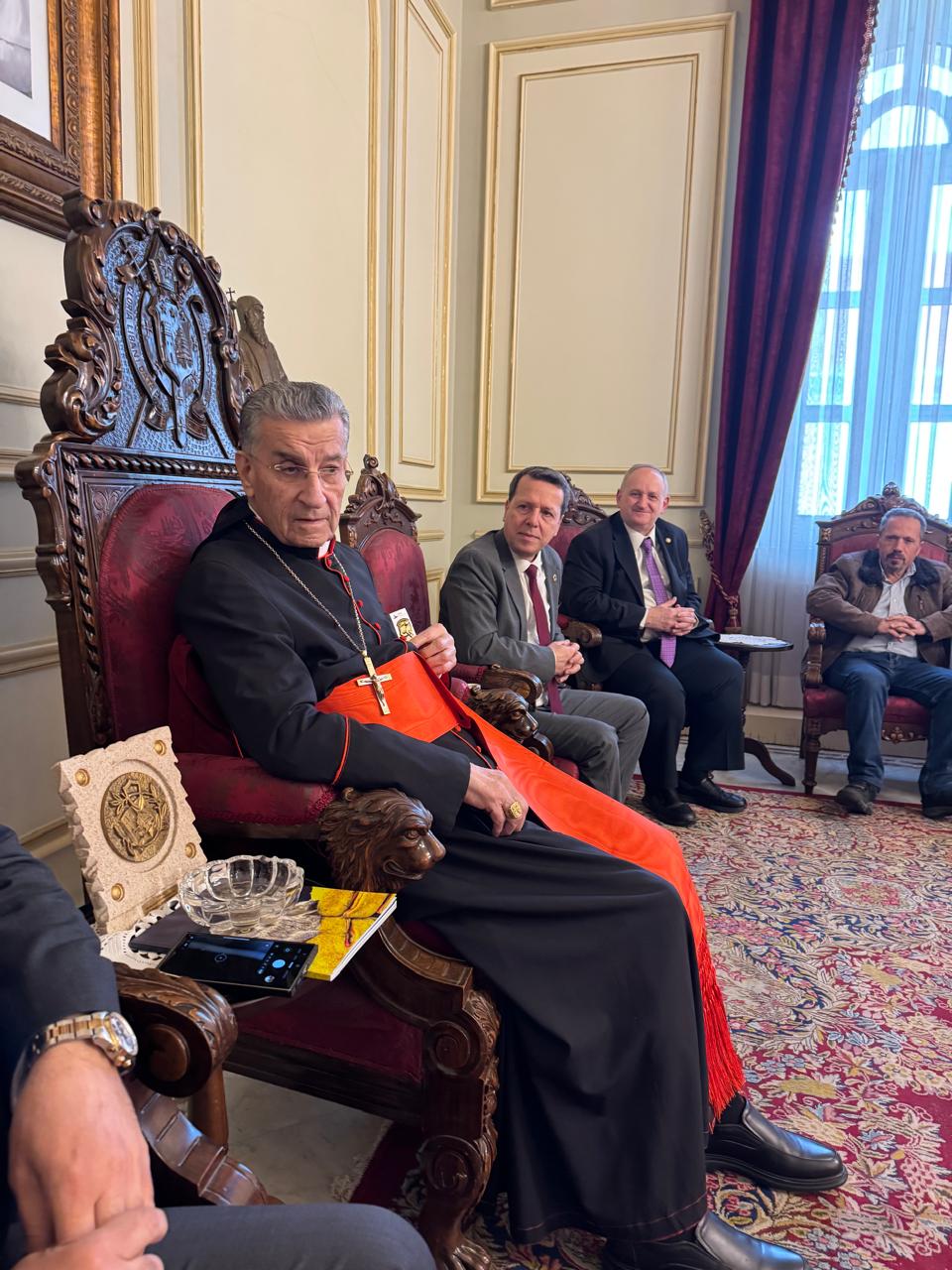



The Society for the Protection of Nature in Lebanon, SPNL, took part in a landmark national and environmental meeting with His Beatitude Cardinal Mar Bechara Boutros Al-Rahi at the Patriarchal See in Bkerke, reinforcing the importance of environmental awareness and shared national responsibility for protecting nature.
The meeting brought together a distinguished Lebanese environmental delegation from the International Union for Conservation of Nature, IUCN, Members’ Network, including representatives from civil society, academia, and media. SPNL played a central role in the discussions, reflecting its leadership in promoting the Hima approach and advancing community-based environmental governance in Lebanon and beyond.
His Beatitude commended the delegation’s efforts to protect the environment and conserve natural resources, emphasizing the Church’s support for initiatives that strengthen local communities and safeguard Lebanon’s natural heritage for future generations.
Assad Serhal’s Intervention, SPNL Vision and the Hima Approach
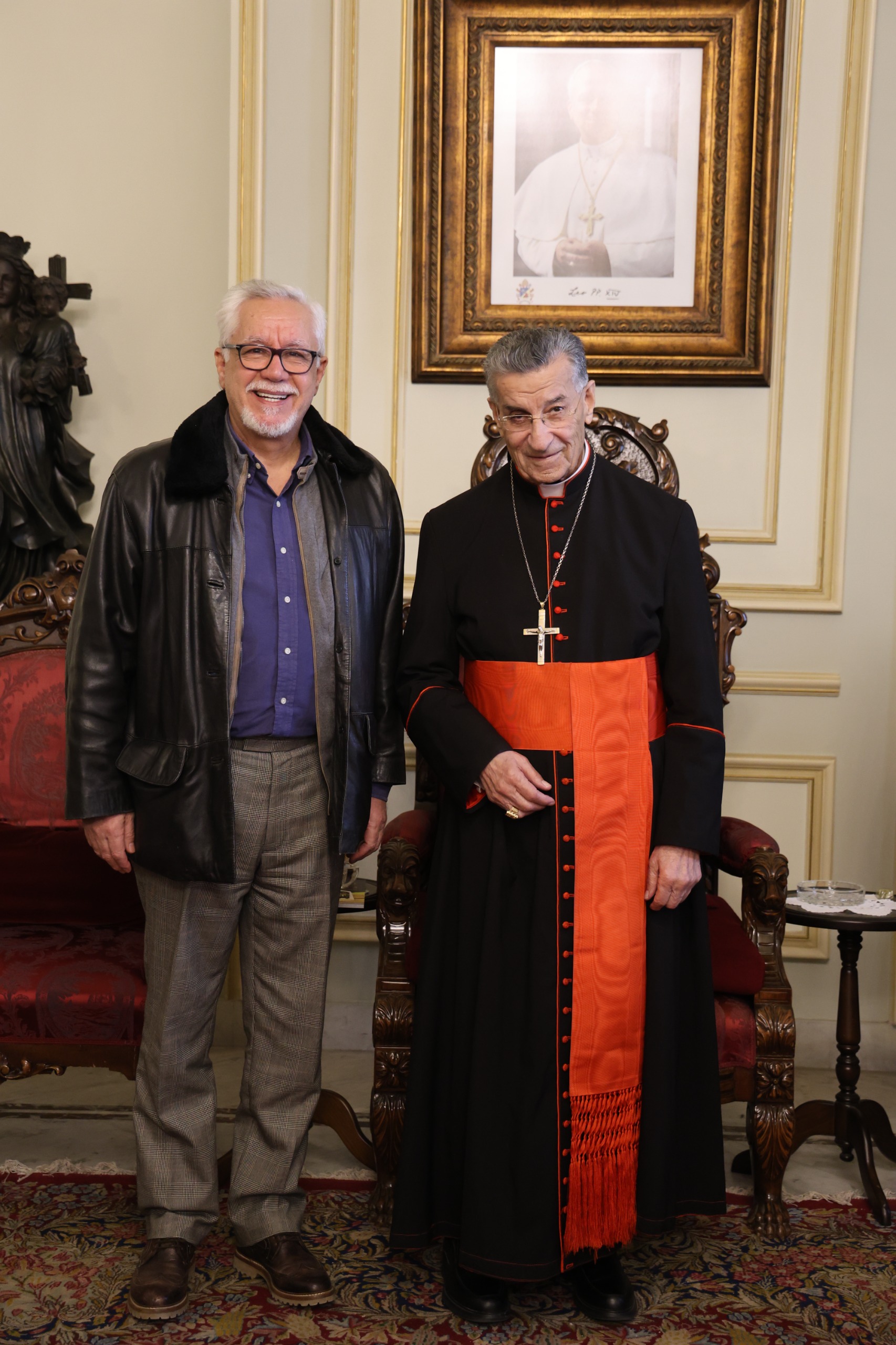
In a key intervention, Assad Serhal, Director General of SPNL and BirdLife International Regional Coordinator for the Middle East, presented a comprehensive vision highlighting Lebanon’s strategic ecological role and SPNL’s pioneering work.
Serhal noted that the timing of the meeting, coinciding with the passage of migratory birds over Bkerke, was more than symbolic. “It is a living reminder that Lebanon remains a vital sanctuary for life,” he said, “and that nature continues to send messages of resilience despite all challenges.”
He emphasized that Lebanon lies along one of the world’s three major bird migration flyways, placing a global responsibility on the country to protect these critical ecological corridors. “These migration routes are not only about biodiversity,” he added, “they are directly linked to ecological stability, food security, and the sustainability of natural resources.”
Serhal highlighted SPNL’s Hima approach as a uniquely Lebanese, community-driven model rooted in cultural heritage and adapted to modern conservation needs. “Hima is not just a protected area,” he explained, “it is a governance system that empowers local communities to manage and protect their natural resources, while ensuring both conservation and sustainable livelihoods.”
He further stressed that expanding the Hima network across Lebanon contributes to safeguarding migratory routes, protecting biodiversity, creating local economic opportunities, reducing rural displacement, and strengthening community resilience.
“Environmental protection is no longer optional,” Serhal stated. “It is a national and moral responsibility. Protecting nature means protecting identity, dignity, and the future of Lebanon.”
He also underlined the importance of collaboration between civil society, public institutions, and spiritual leadership, expressing appreciation for the Patriarch’s continued support. “The partnership between spiritual values and environmental action is essential to building a culture of care, respect for creation, and long-term sustainability,” he said.
A Shared Environmental and National Mission
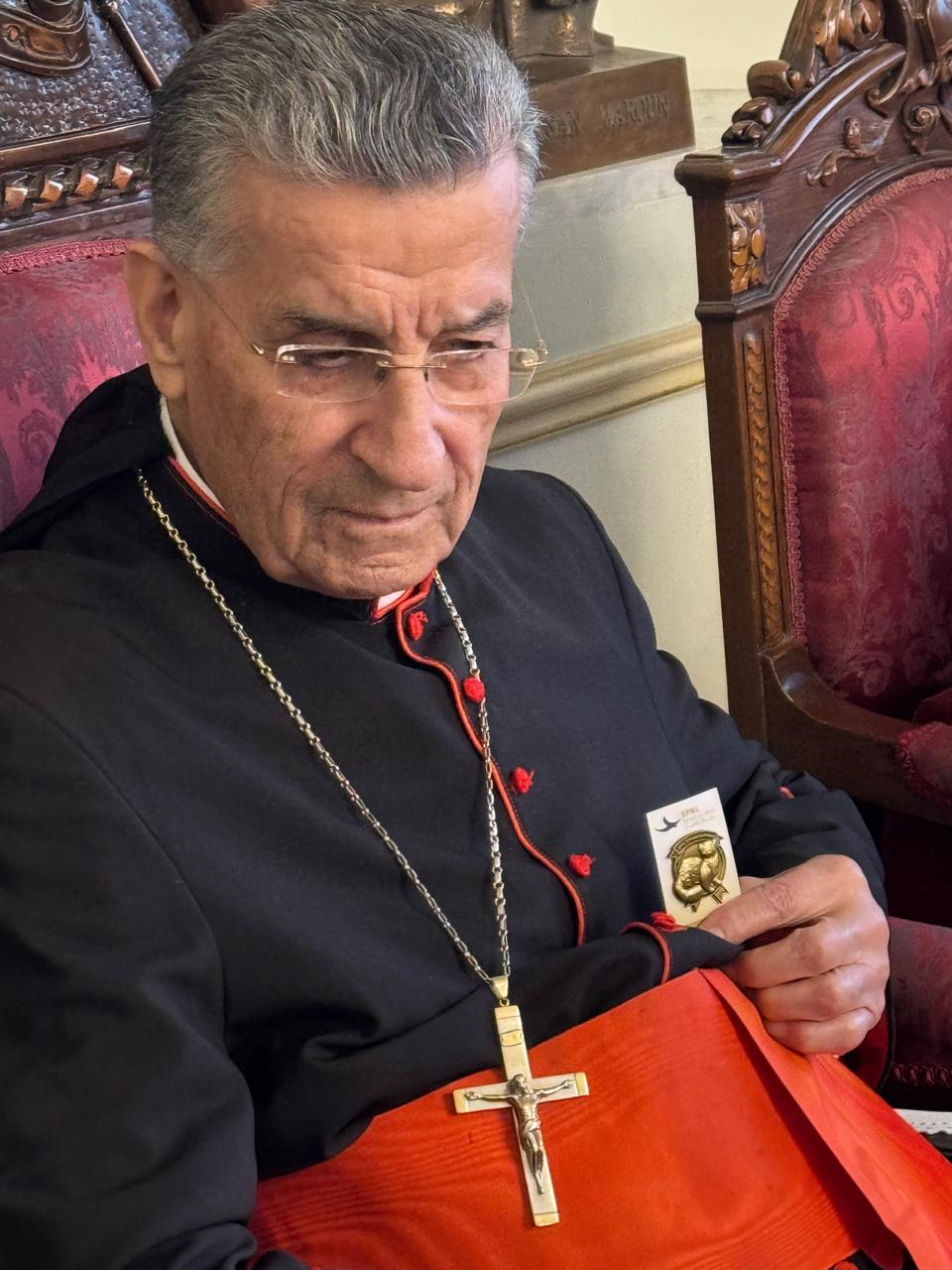
The meeting reaffirmed SPNL’s leading role in linking environmental action with national priorities and community empowerment, while positioning Lebanon as a platform for innovative, locally grounded environmental solutions.
It also highlighted the importance of SPNL initiatives, particularly the Hima model and the HimaEcoMedia platform, in raising awareness and fostering national and international partnerships.
In his concluding remarks, His Beatitude Cardinal Al-Rahi emphasized that protecting the environment is an integral part of moral and national responsibility, encouraging continued collaboration to preserve Lebanon’s natural heritage and build a more sustainable future.