


Exploration highlights ancient salt pans, historic cave, traditional olive press, and rich natural landscapes
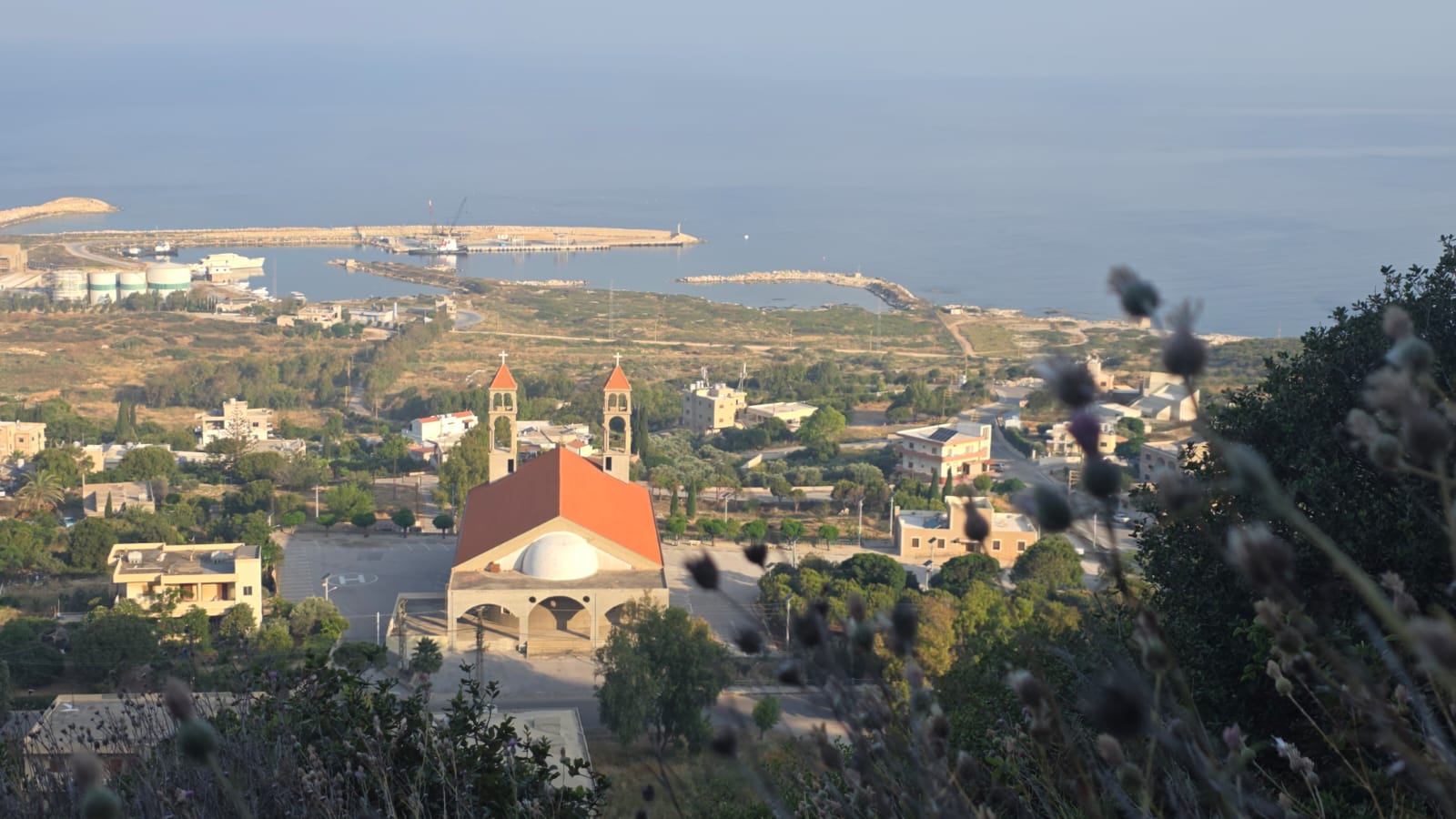
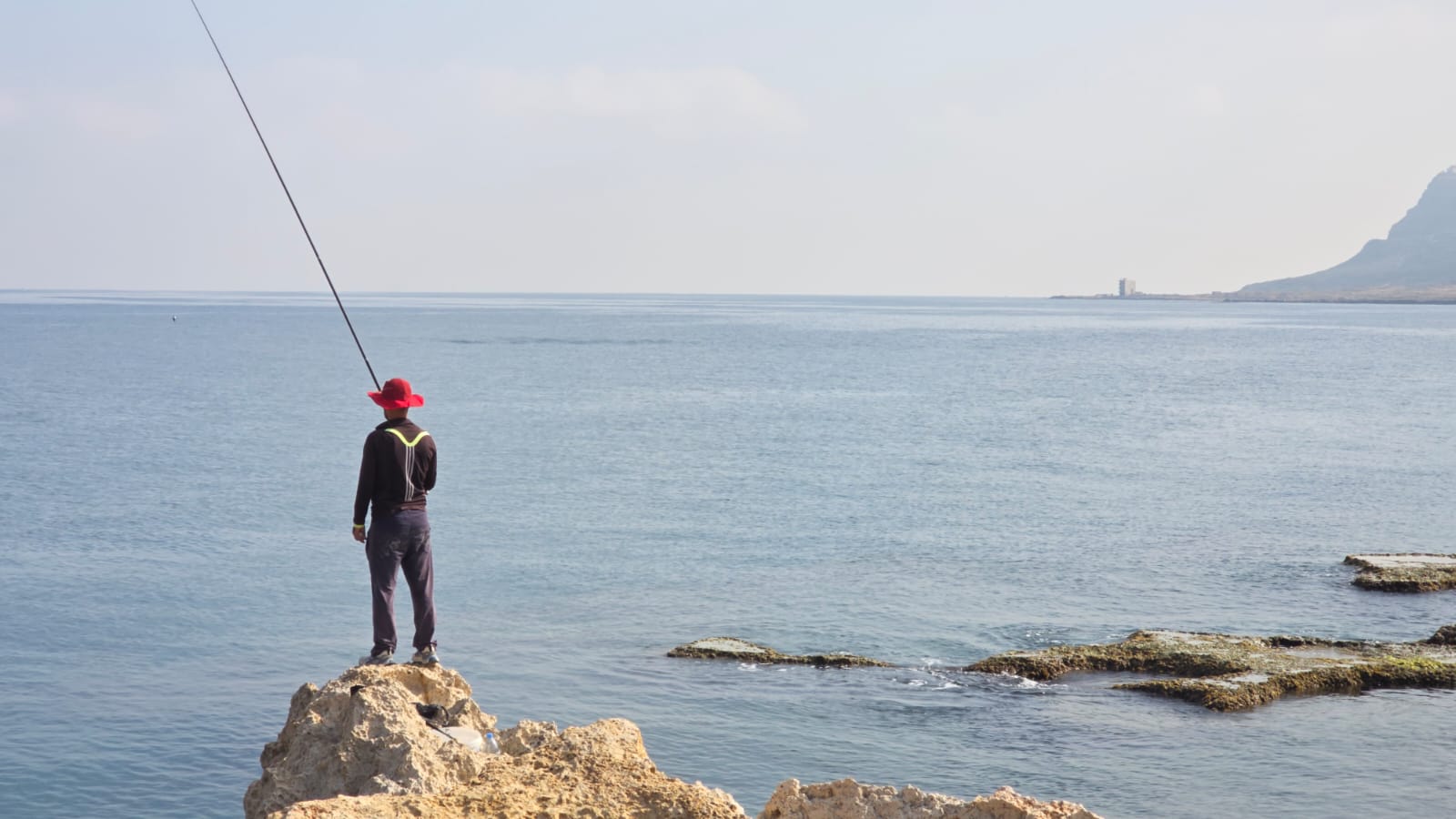
A team from the Society for the Protection of Nature in Lebanon (SPNL) has completed an exploratory field visit to a promising new trail in Selaata, revealing a unique route that connects mountain landscapes with the Mediterranean coastline while showcasing the area’s rich cultural and natural heritage.
The exploration was led by Andre Bechara, Homat Al Hima Program Manager at SPNL, accompanied by Hamada Molaeb, Doroub Al-Hima Program Manager, and Roukoz Salameh, Homat Al Hima Coordinator in Selaata. The visit forms part of SPNL’s ongoing efforts to identify and promote eco-cultural trails that strengthen the relationship between local communities, nature conservation, and sustainable tourism.
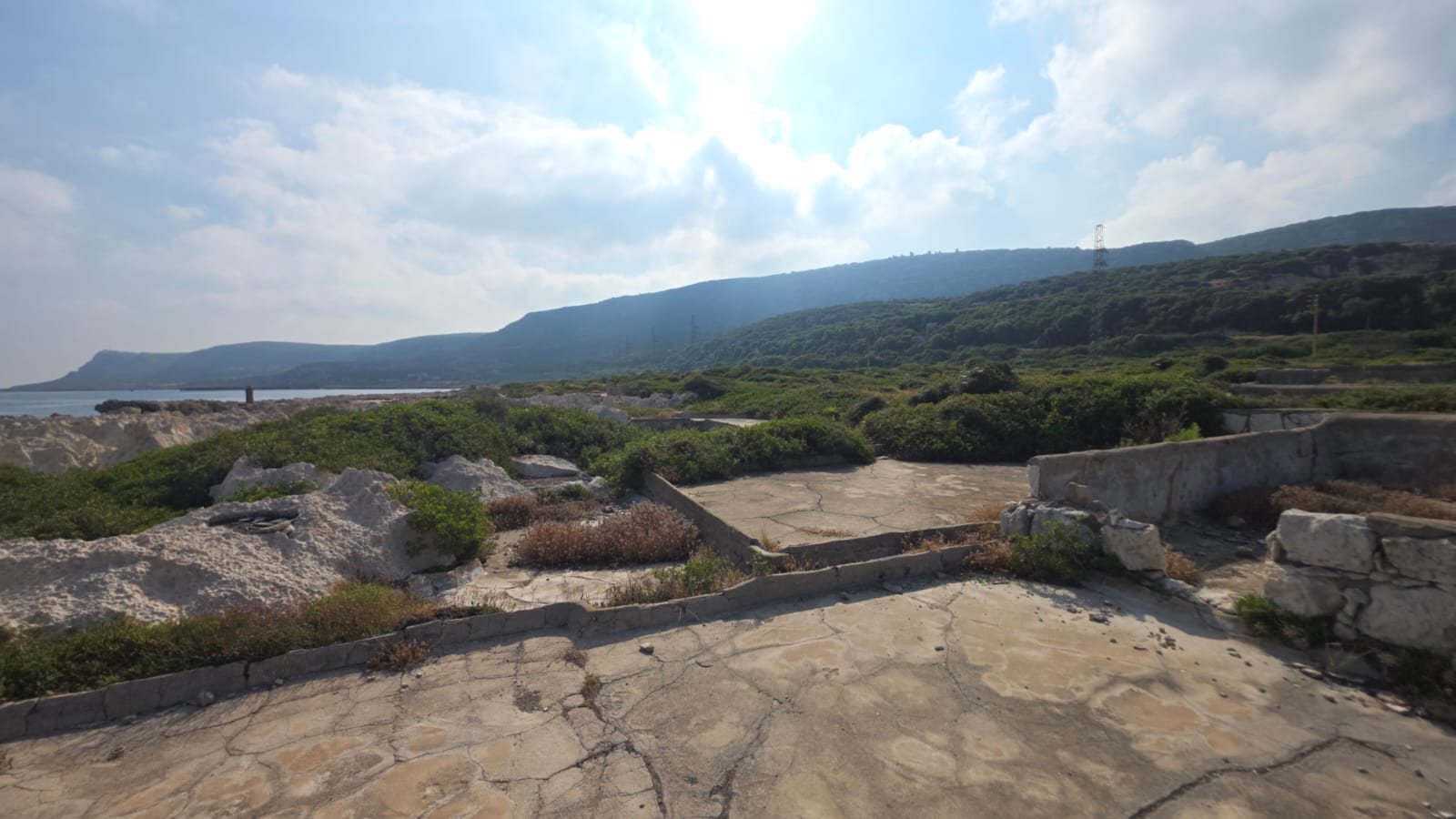
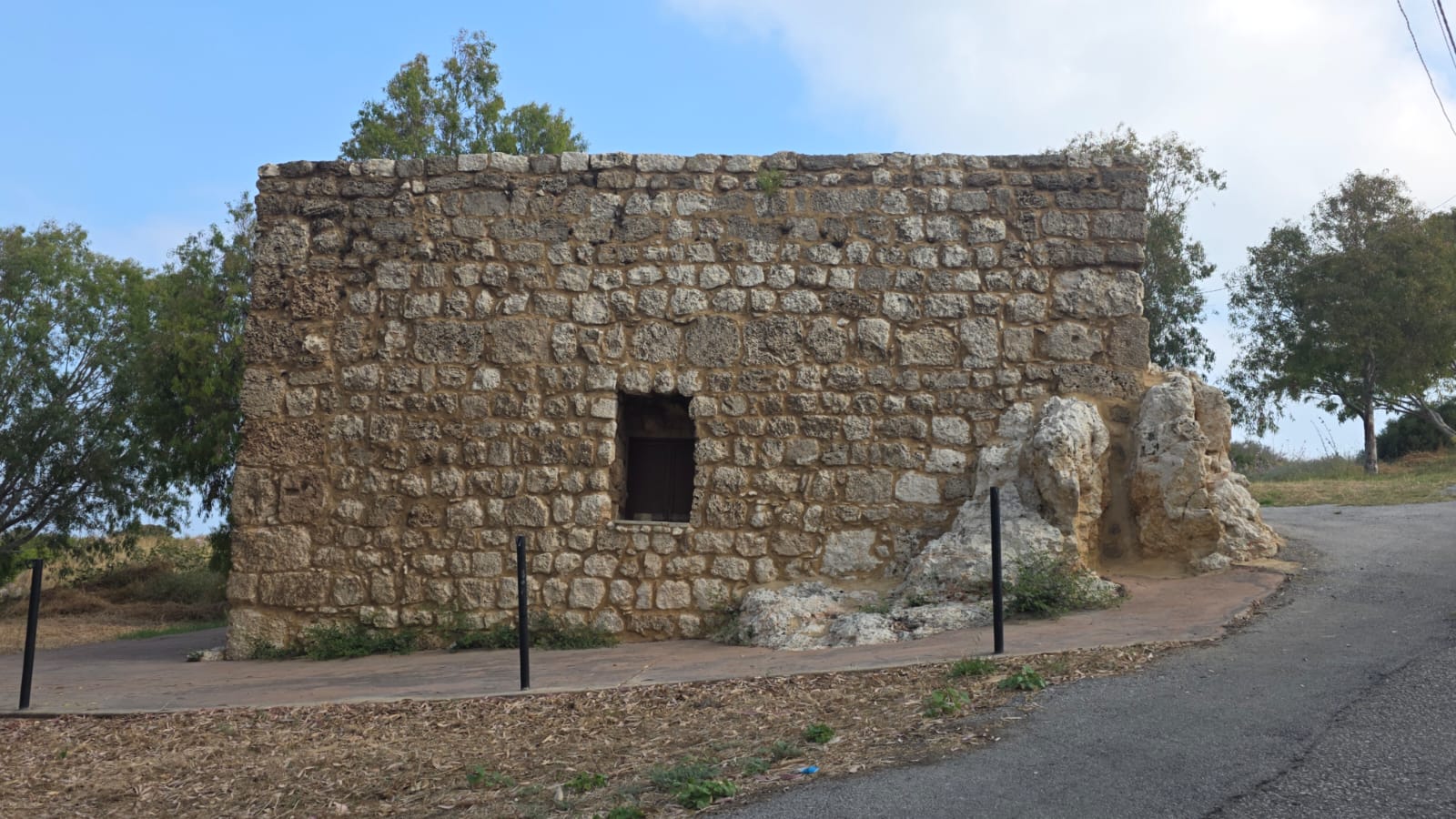
The route traverses a remarkable diversity of sites and ecosystems, offering visitors a journey through both nature and history. Among the highlights are ancient salt pans that bear witness to traditional coastal livelihoods, a historic cave of archaeological and cultural significance, and a traditional maasara (olive press), reflecting centuries-old agricultural practices that once sustained local communities.
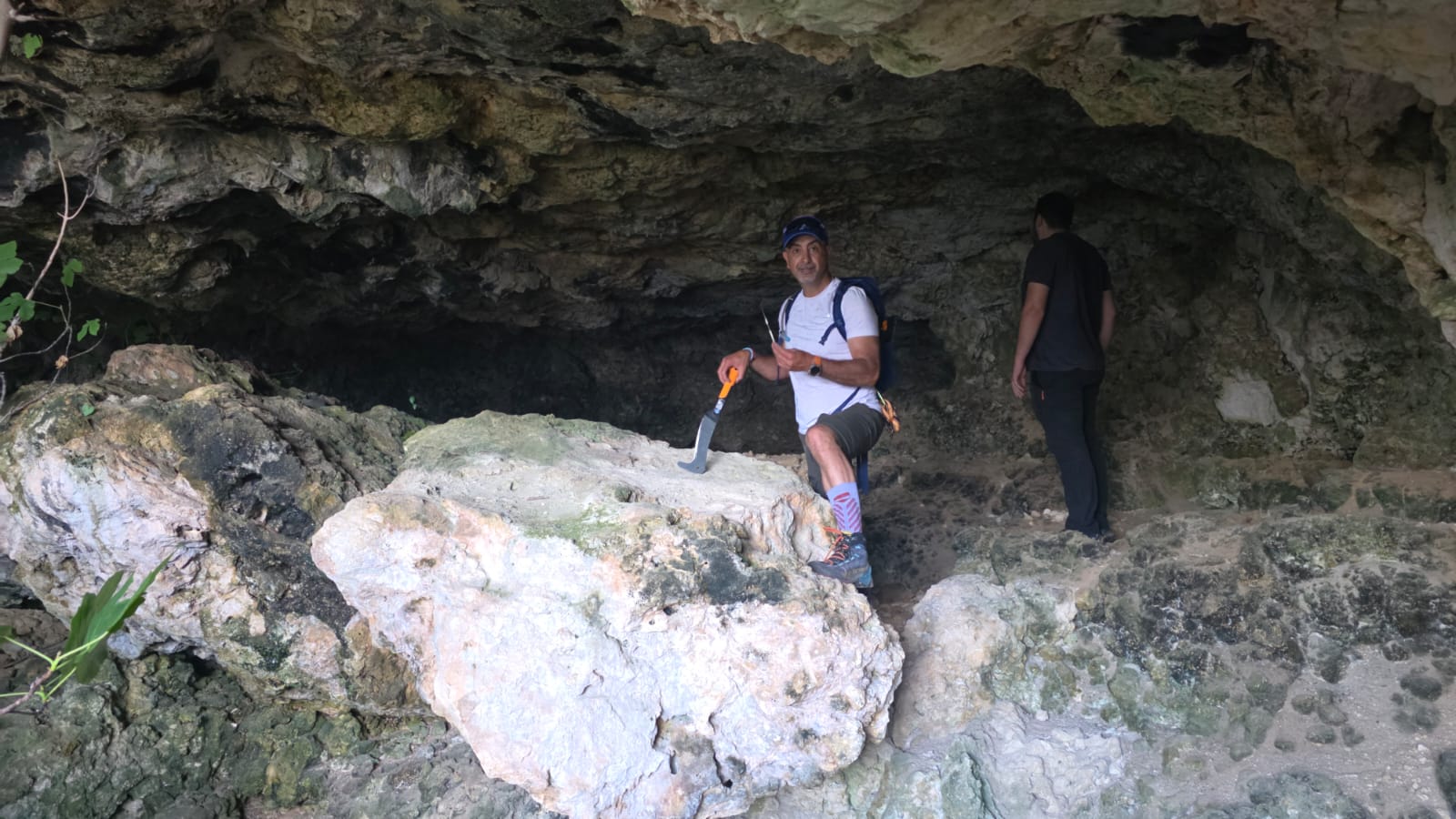
Beyond its historical landmarks, the trail passes through scenic landscapes that illustrate the ecological richness of the region, creating opportunities for hiking, environmental education, and cultural interpretation. The combination of natural beauty and heritage assets embodies the essence of the Hima approach, which promotes community-based conservation while safeguarding local traditions and cultural identity.
According to the SPNL team, the newly explored route demonstrates the potential of Selaata to become a destination for eco-cultural tourism, offering visitors an authentic experience that connects them with Lebanon’s diverse landscapes and living heritage.
The initiative also highlights the importance of preserving cultural landmarks alongside biodiversity. Ancient salt production sites, traditional agricultural infrastructure, and natural habitats are all integral components of the area’s identity and deserve recognition and protection for future generations.
As Lebanon continues to seek sustainable models for rural development and conservation, trails such as the one explored in Selaata provide a powerful example of how nature, culture, and community can come together within the framework of the Hima revival movement.
From mountain heights to the shores of the Mediterranean, Selaata reveals yet another chapter in Lebanon’s rich story—a landscape where history, culture, and nature remain deeply interconnected, and where some of the country’s most valuable treasures are still waiting to be discovered