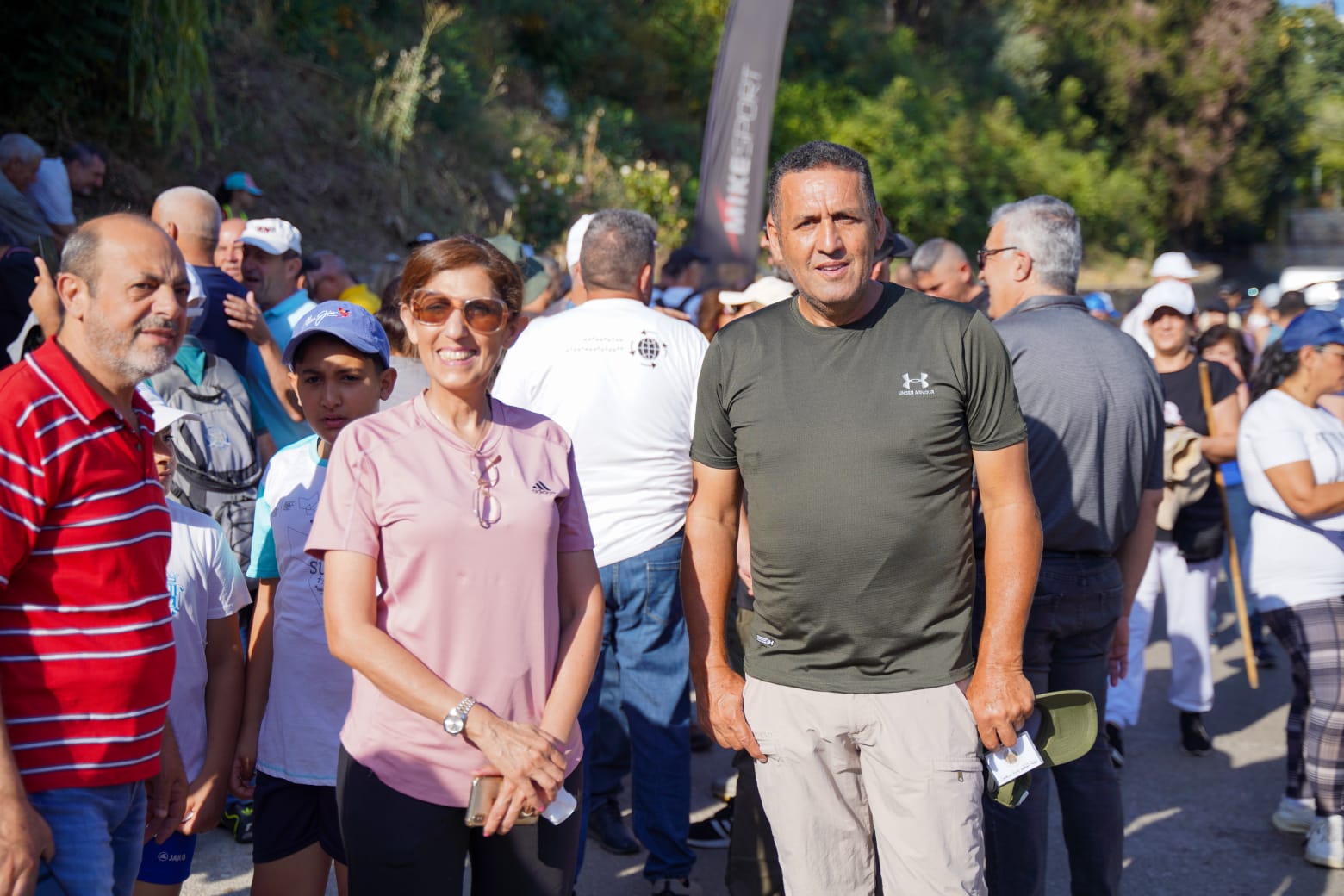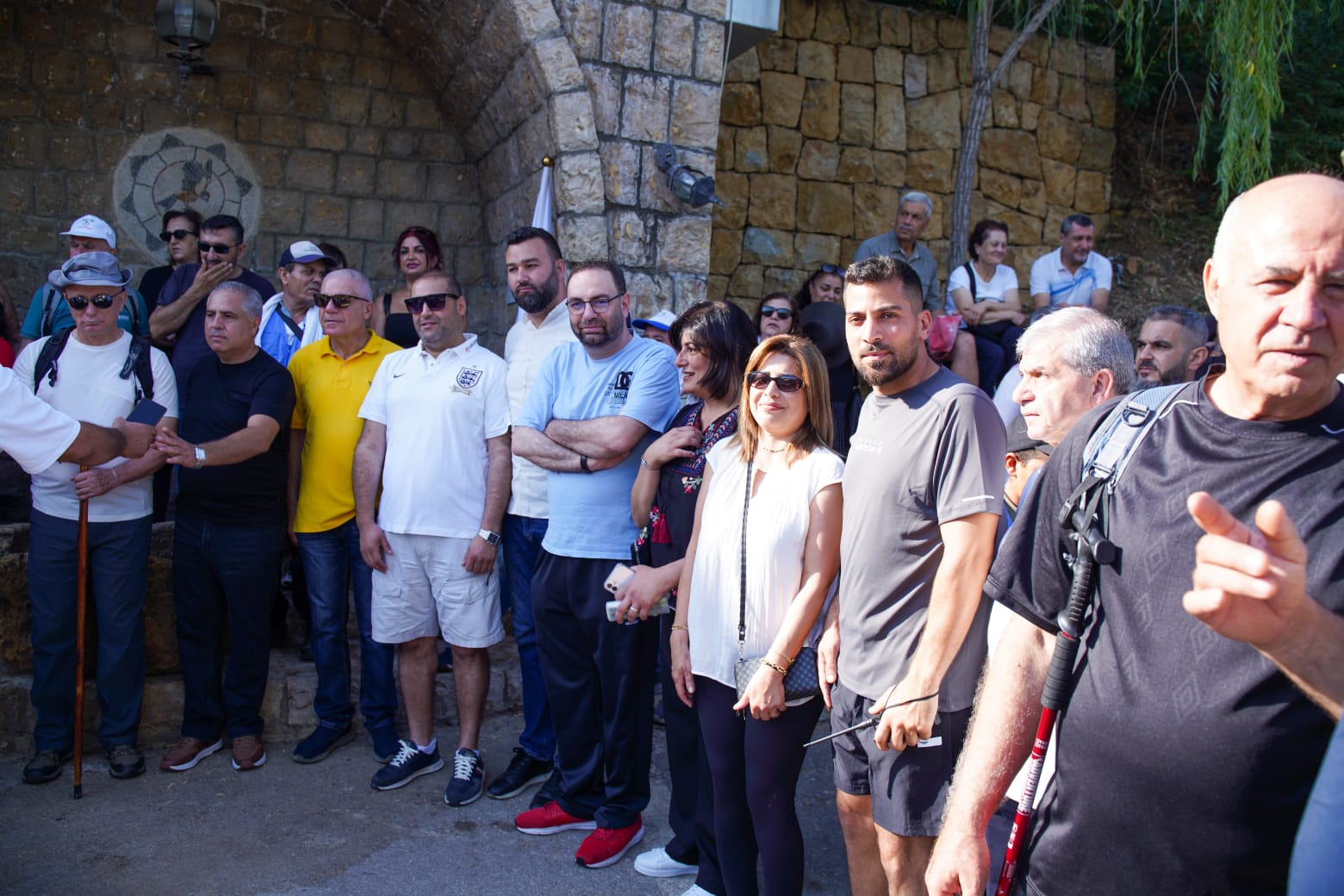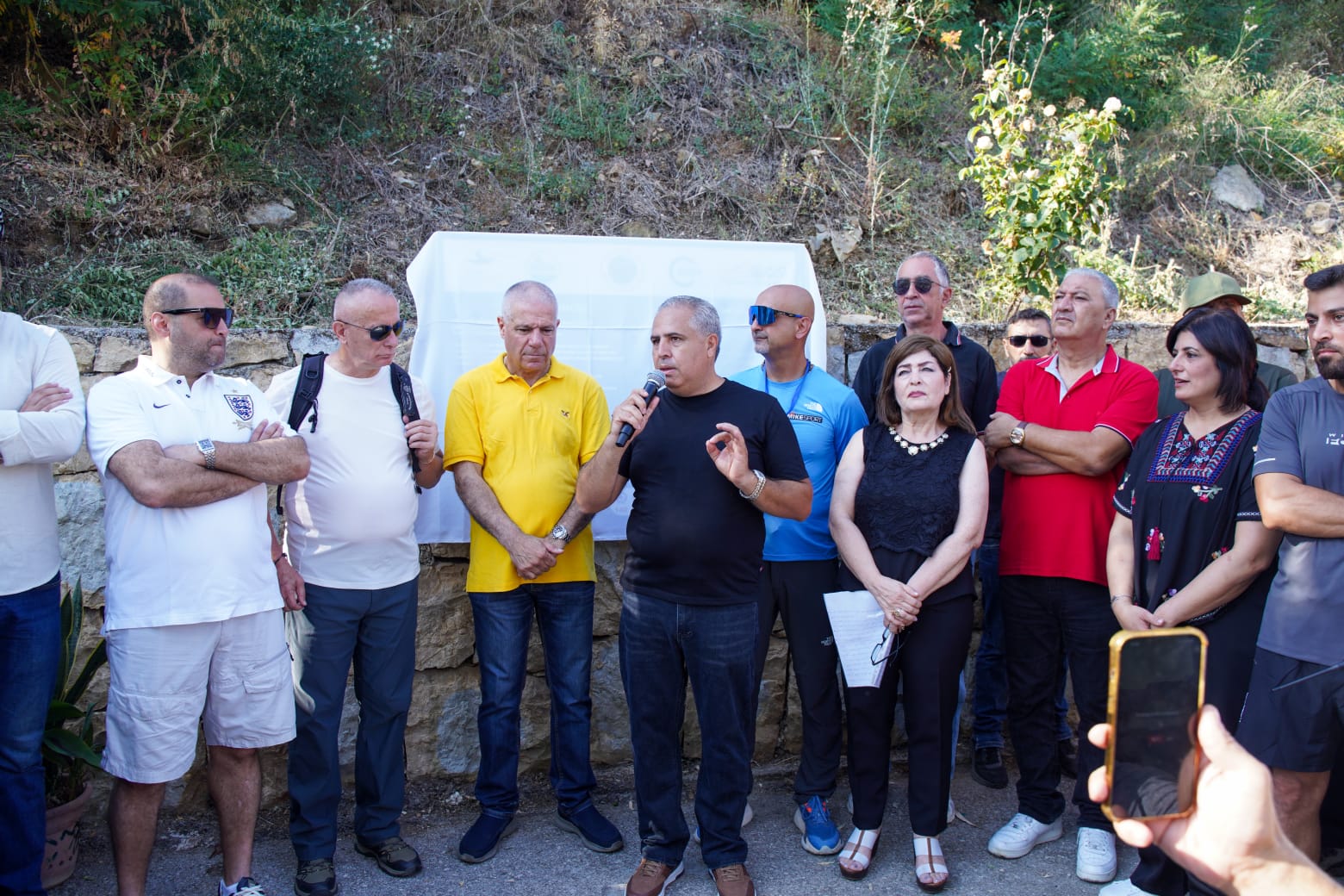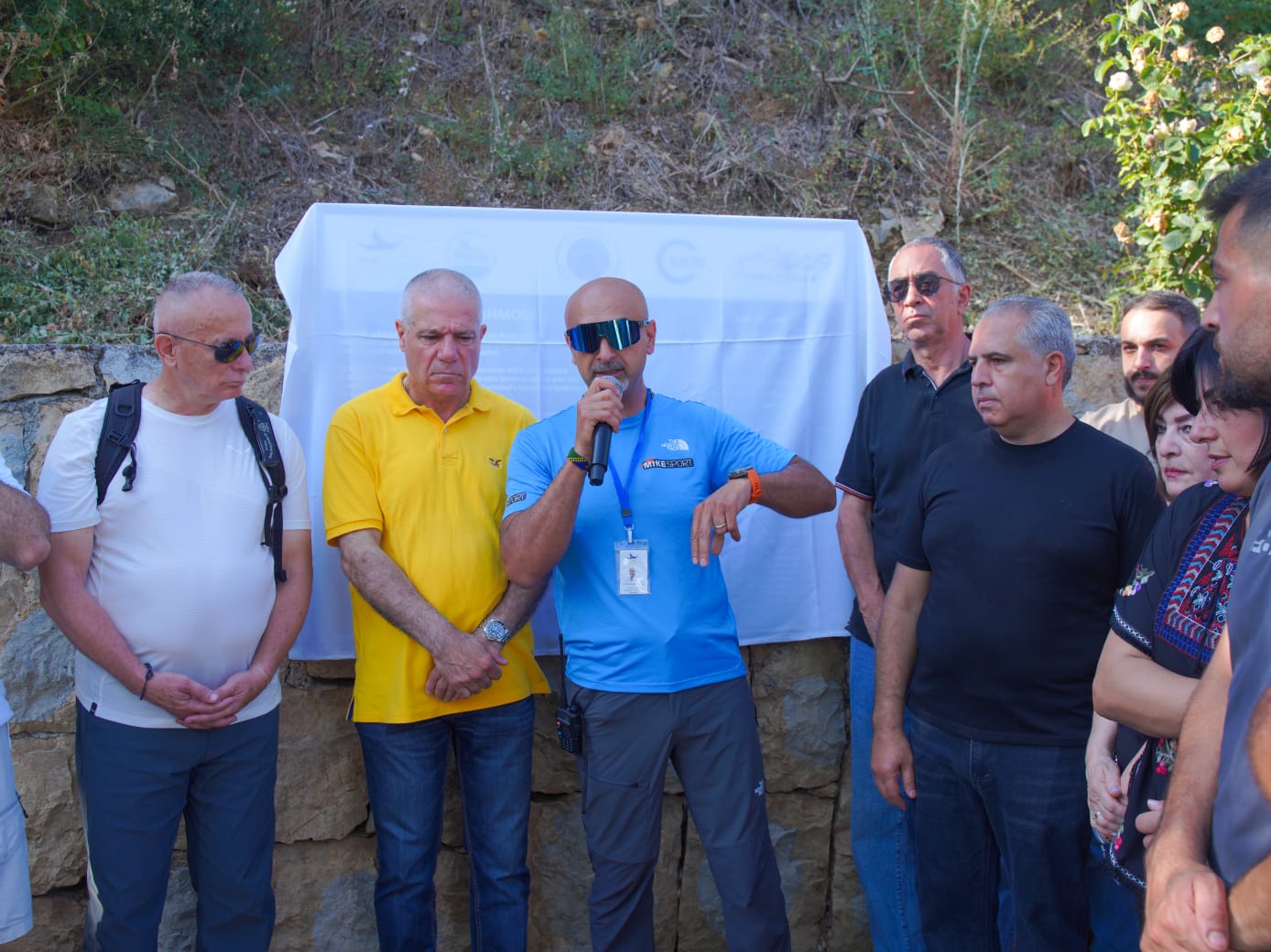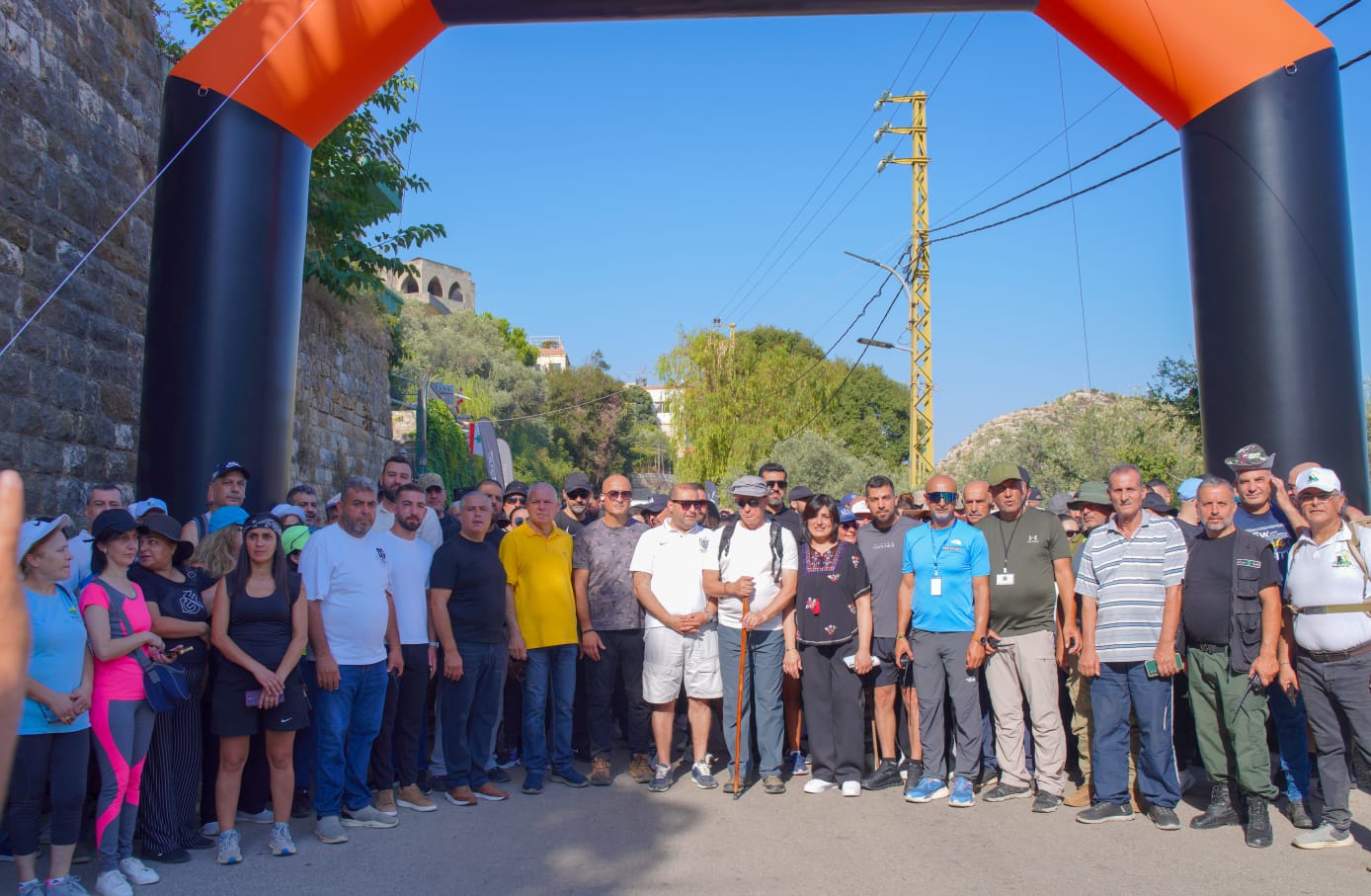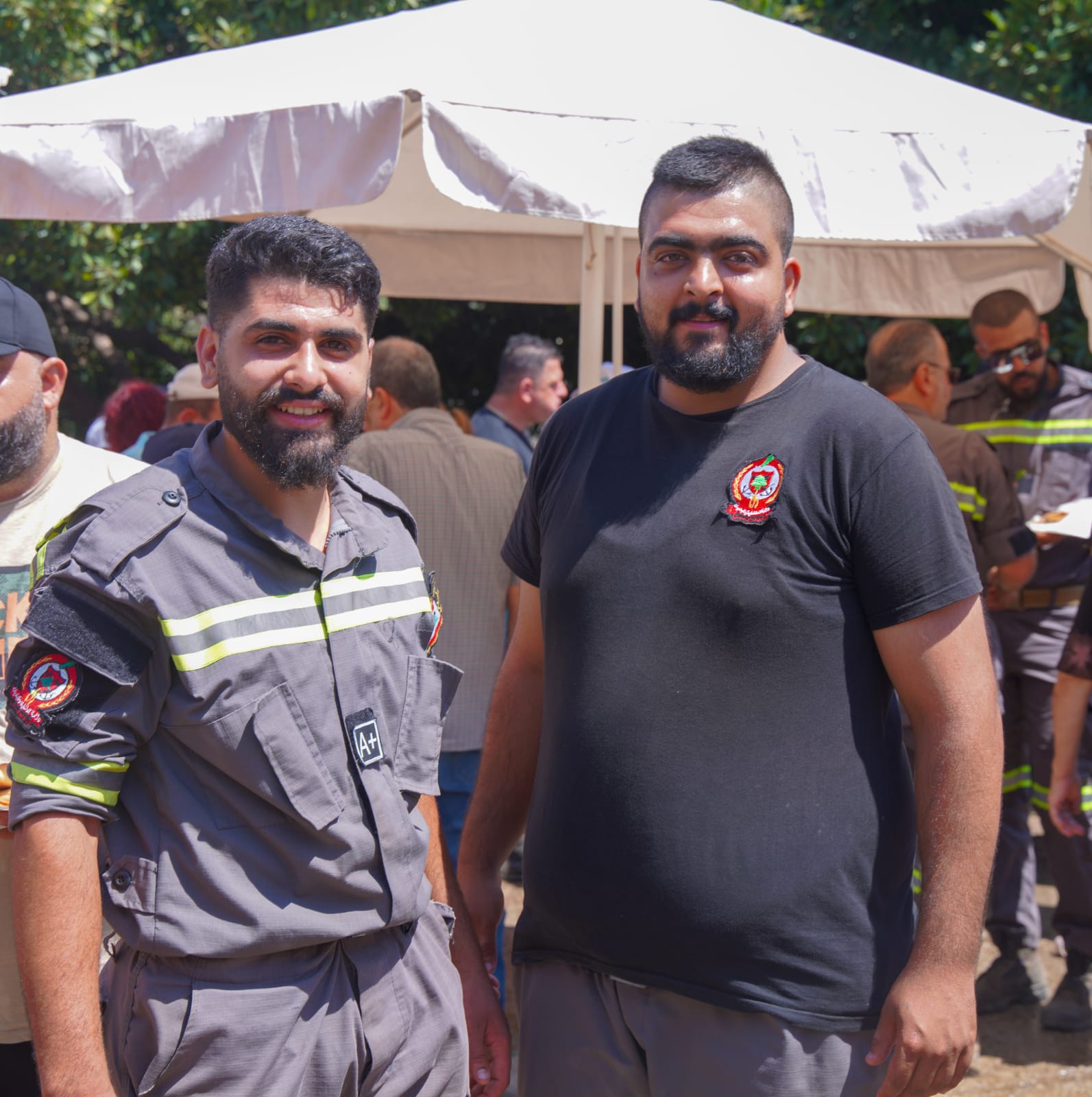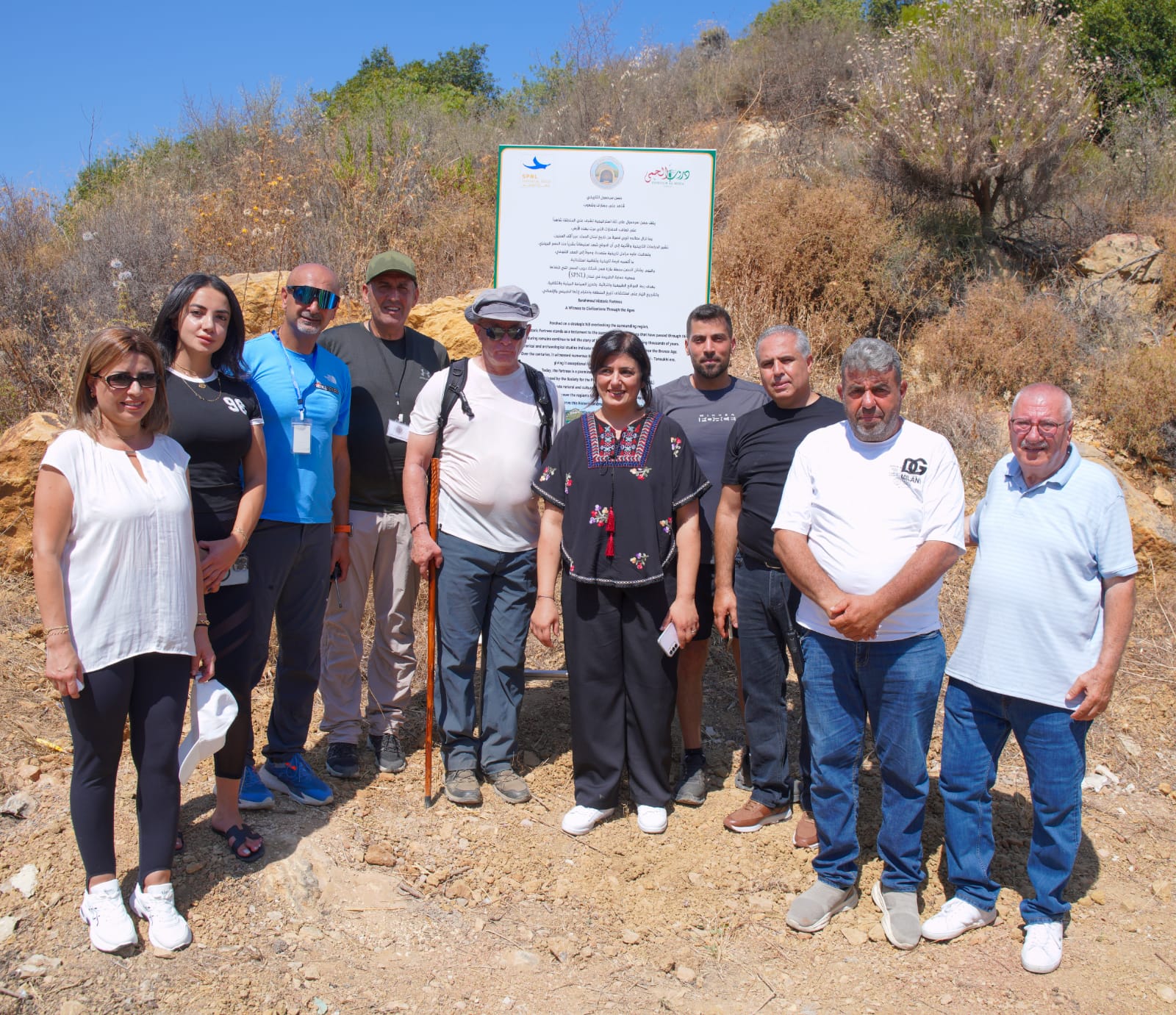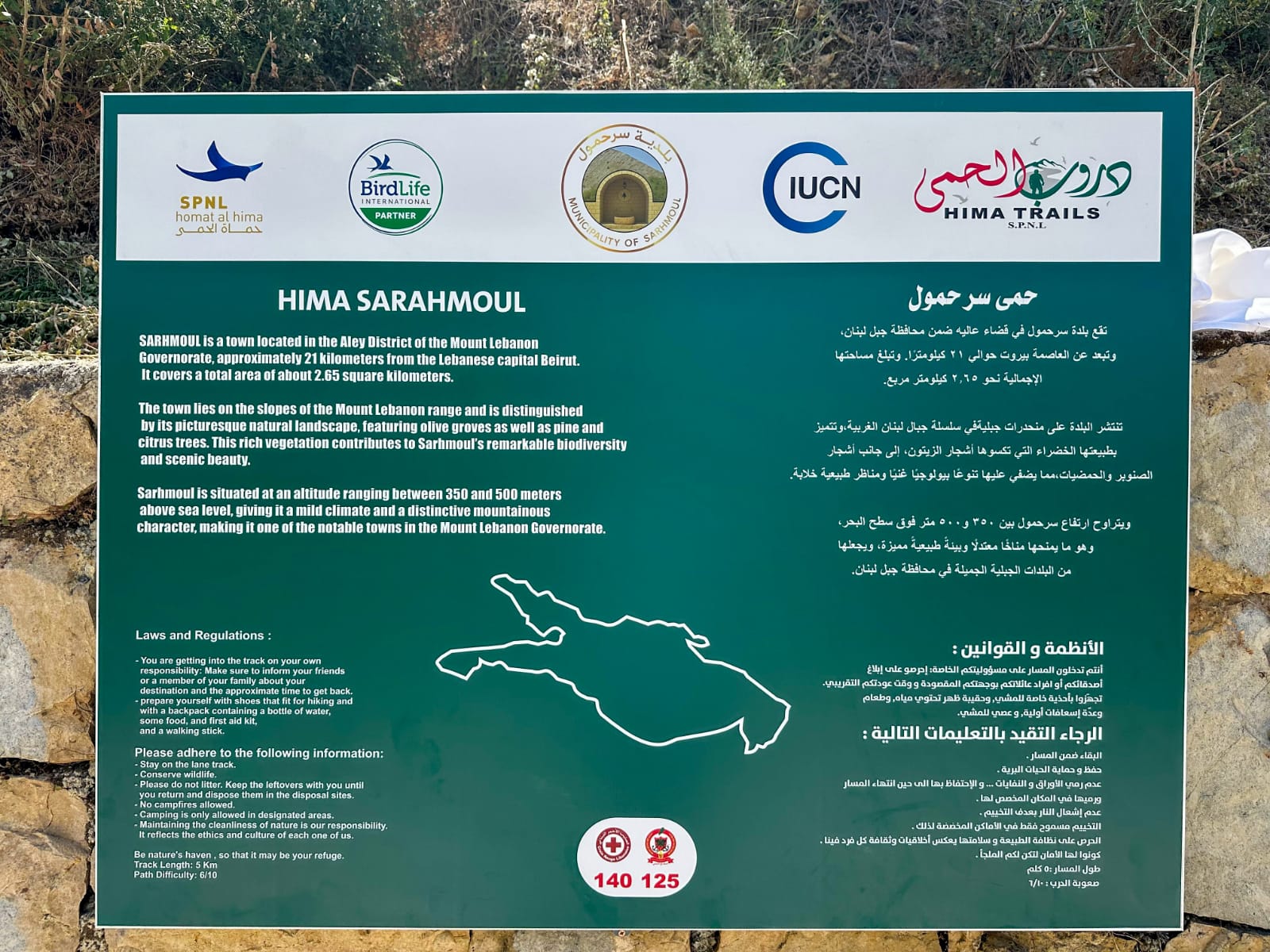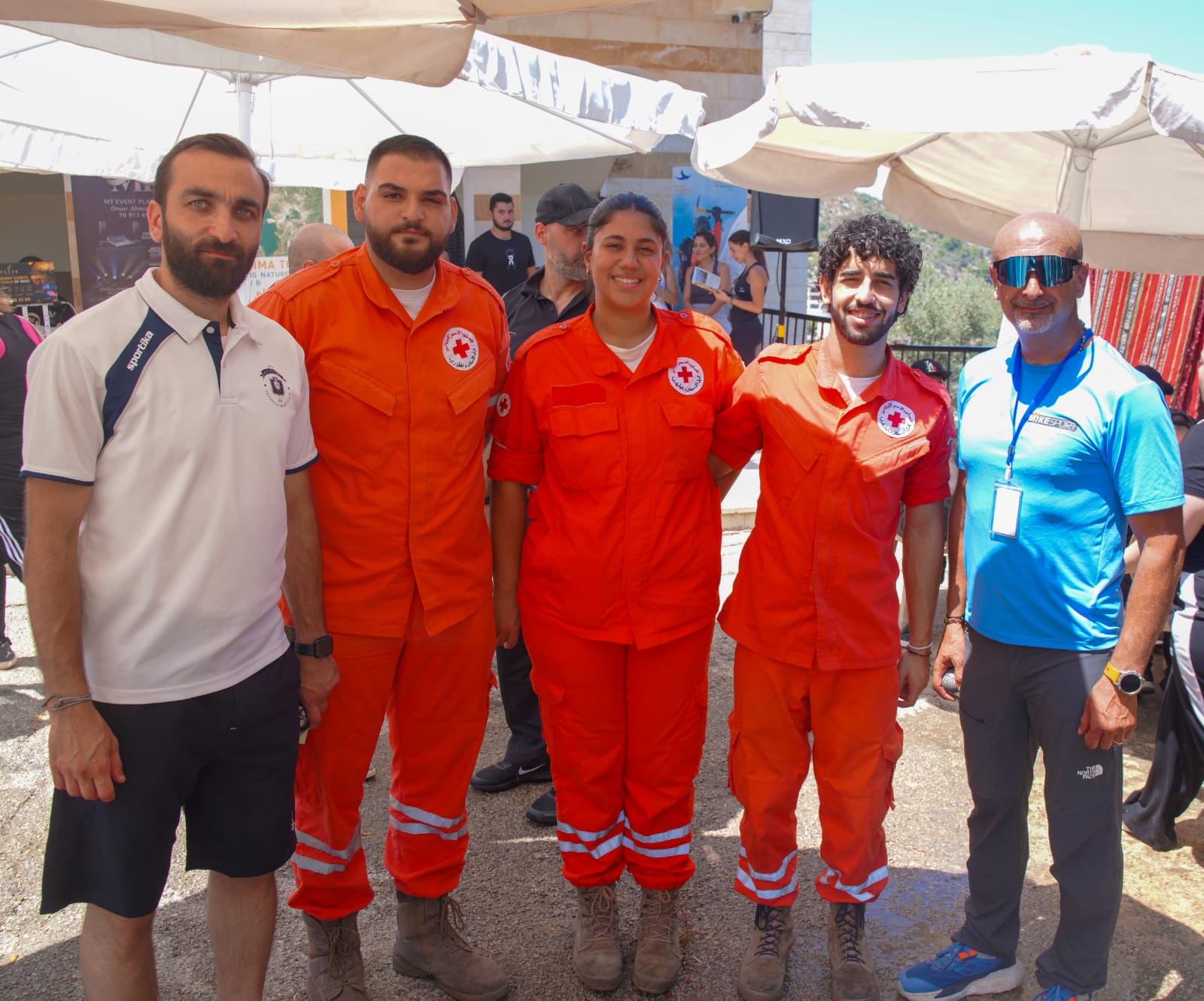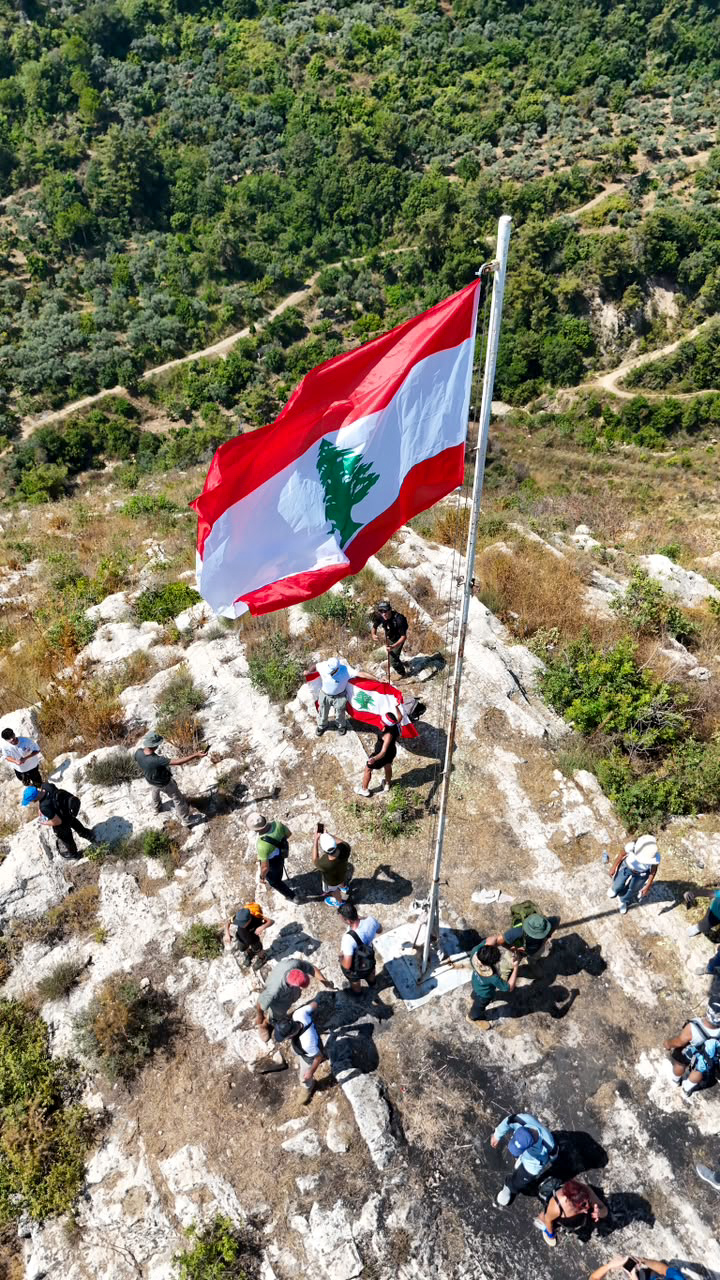



The Municipality of Sarhmoul, in cooperation with the Society for the Protection of Nature in Lebanon (SPNL), has officially inaugurated Al-Hosn Trail as part of the expanding Hima Trails Network. The initiative aims to promote ecotourism, support sustainable local development, and showcase the area’s remarkable natural, cultural, and rural heritage.
The opening of Al-Hosn Trail represents an important step toward connecting Lebanese villages through a national network of ecological trails. By encouraging responsible movement between neighboring communities, the network seeks to attract visitors to rural areas, stimulate local economic activity, and offer new opportunities for communities to benefit from their environmental and cultural resources.
Al-Hosn Trail provides visitors with an opportunity to experience Sarhmoul’s distinctive landscapes and discover the traditions that have shaped the community’s identity over generations. The trail passes through areas of rich natural beauty, featuring diverse plants, trees, wildlife, and scenic viewpoints that make it an appealing destination for hikers, nature enthusiasts, families, and visitors seeking an authentic rural experience.
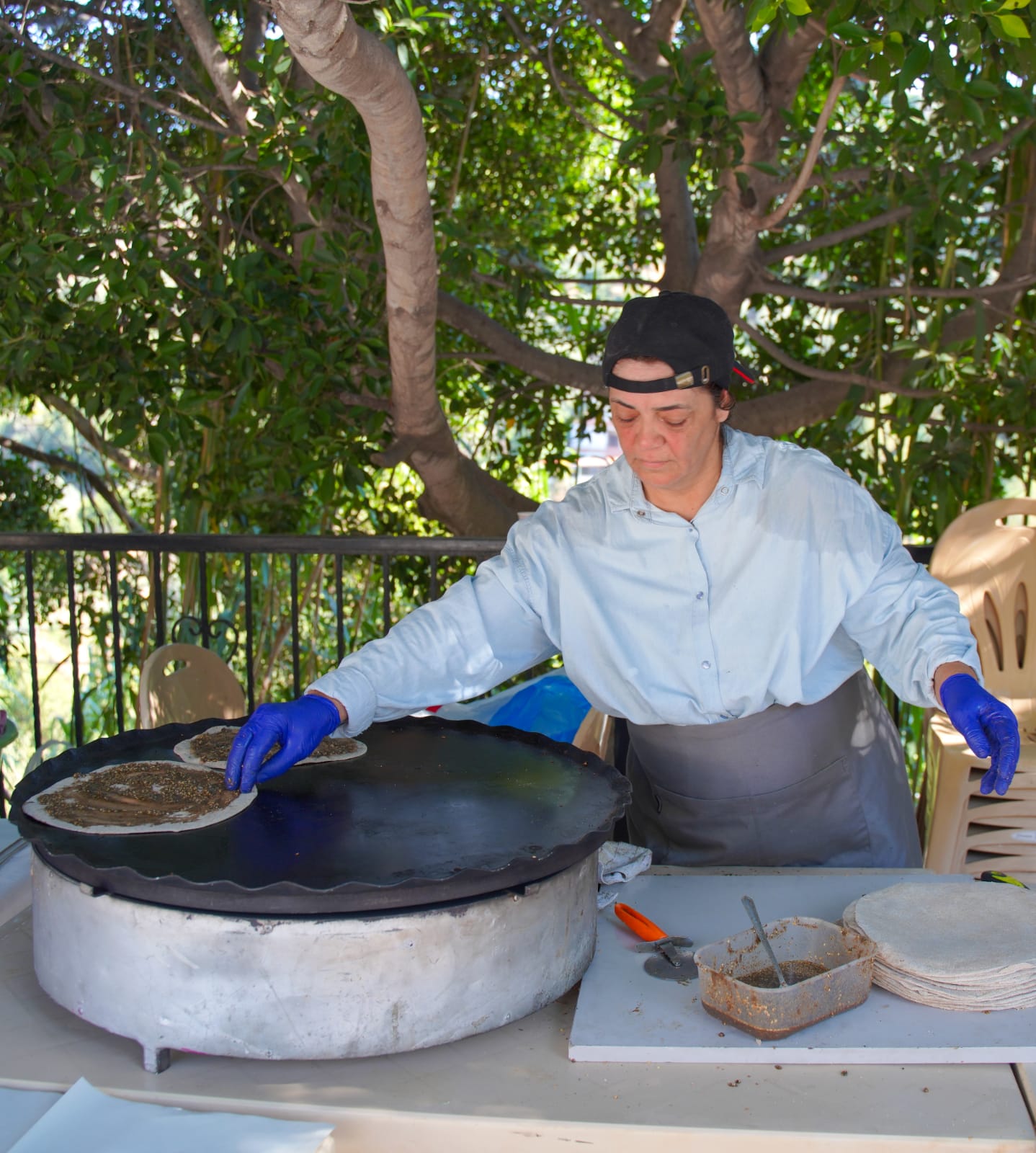
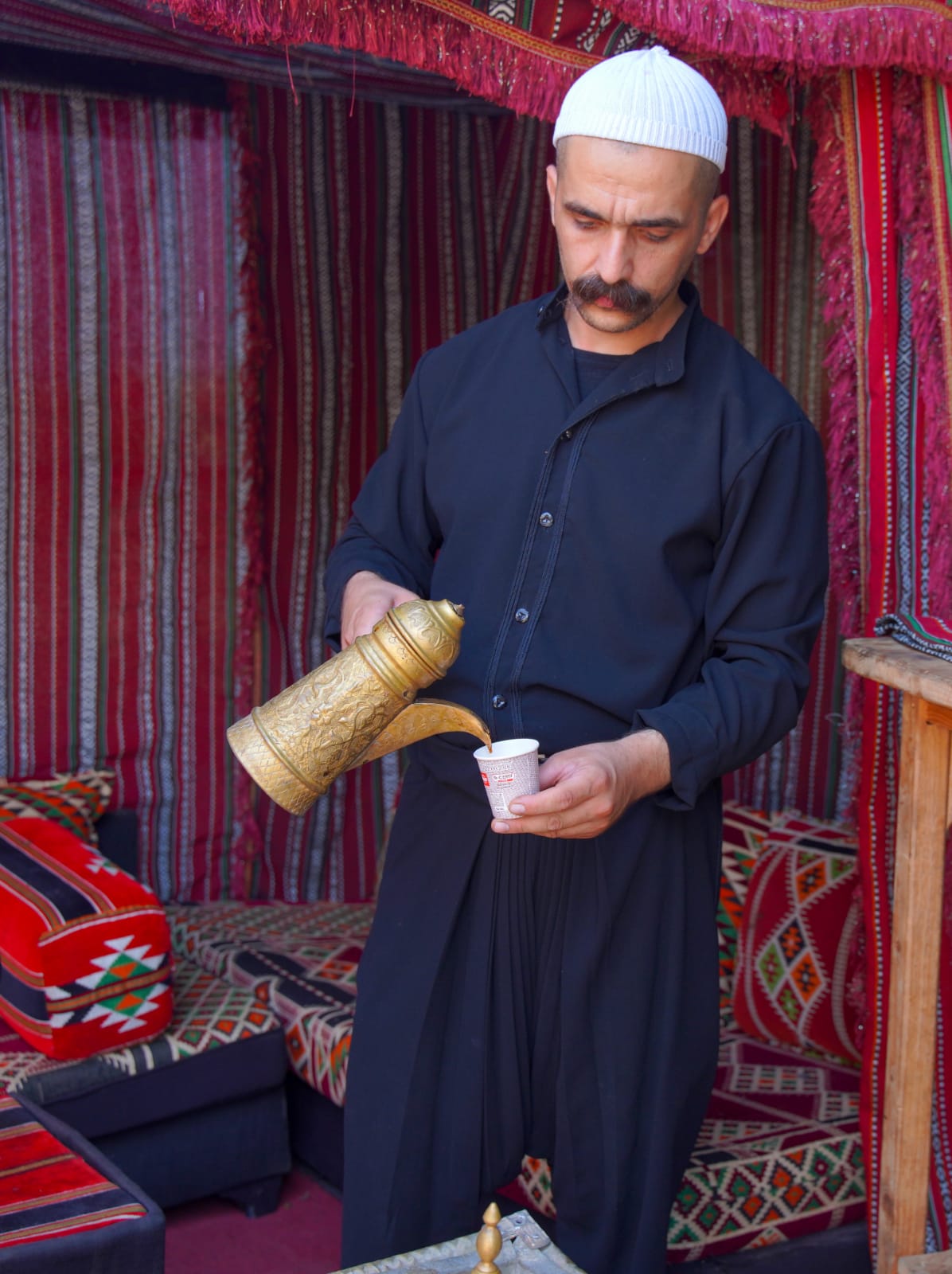
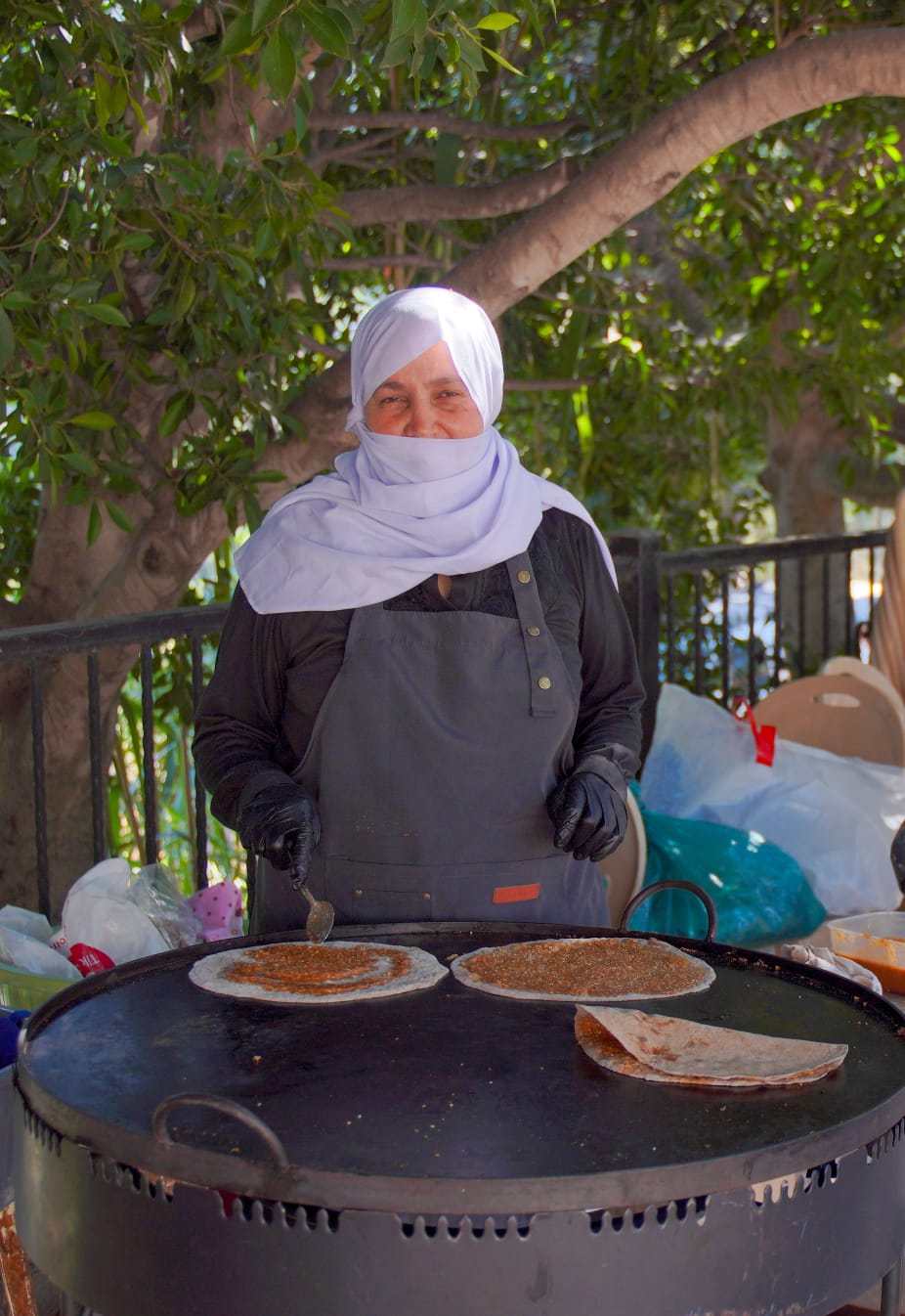
Beyond its environmental value, the trail places the local community at the heart of the visitor experience. It highlights the contributions of farmers, artisans, rural producers, guides, and local service providers, enabling them to introduce their products, knowledge, and traditions to a wider audience.
By encouraging visitors to purchase locally produced food, agricultural goods, handicrafts, and other rural products, the project contributes to generating sustainable income and strengthening livelihoods. It also helps preserve traditional knowledge and skills by demonstrating their cultural, social, and economic importance.
The initiative is rooted in the vision of connecting Lebanon’s villages through nature while ensuring that tourism contributes directly to community development. Al-Hosn Trail is therefore more than a hiking route: it is a platform for environmental education, cultural exchange, rural entrepreneurship, and community participation.
The project also reflects the principles of the Hima approach, a community-based conservation model revived and developed by SPNL across Lebanon and the wider region. Hima brings together biodiversity conservation, sustainable use of natural resources, local participation, and socioeconomic development. It recognizes local communities as essential partners in protecting the landscapes and ecosystems on which they depend.
Through the Hima Trails Network, SPNL and its municipal partners seek to establish responsible ecotourism destinations that protect sensitive natural areas while creating tangible benefits for residents. The network also encourages cooperation among neighboring villages, allowing each community to present its unique landscapes, traditions, products, and stories as part of a broader national ecotourism experience.
The inauguration of Al-Hosn Trail demonstrates the important role municipalities can play in conserving natural and cultural heritage. Working closely with civil society organizations, residents, and local stakeholders enables municipalities to develop tourism initiatives that are environmentally responsible, socially inclusive, and economically sustainable.
The project further emphasizes the importance of raising public awareness about biodiversity and encouraging visitors to respect natural habitats, avoid littering, remain on designated paths, and support local businesses. Responsible tourism practices are essential to ensuring that increased visitation does not place additional pressure on the environment or diminish the area’s cultural character.
Sarhmoul Municipality and SPNL invite nature lovers, hikers, schools, families, and visitors from across Lebanon and beyond to explore Al-Hosn Trail and experience the community’s natural beauty and hospitality. Visitors are encouraged to engage respectfully with the landscape and contribute to the local economy by supporting farmers, artisans, and rural enterprises.
The opening of the trail reflects a shared commitment to preserving Lebanon’s natural and cultural heritage for future generations. It also reinforces the position of Lebanese villages as leading destinations for ecotourism, responsible travel, and meaningful encounters with nature and local communities.
Through initiatives such as Al-Hosn Trail, the Hima approach continues to demonstrate that protecting nature and supporting people are complementary objectives. When local communities are empowered to manage and benefit from their natural and cultural resources, conservation becomes a lasting foundation for dignity, resilience, and sustainable development.