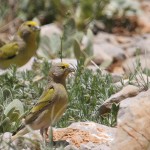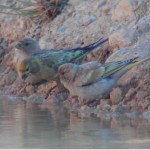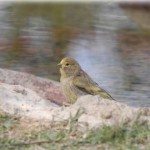

Syrian Serin Bird

The Syrian Serin or Serinus Syriacus bird (النّعار السوري) is considered globally threatened and is currently classified as Vulnerable (VU) by Birdlife International (2011). The population of Syrian Serin is gradually decreasing in most of its basic locations since 1996 due to the excessive tree-cutting, grazing, water abstraction, and random hunting. It breeds in mountains (900 – 1,900 m) in Lebanon, Syria, Palestine, Jordan, and Mount Hermon.
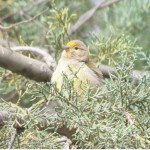
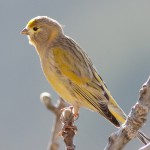
Syrian Serin pic 7

Description and Identification: small in size, 12 cm length, long tailed, and yellow faced.

Ecology: It breeds in rocky tracts of open or semi-arid Mediterranean woodland, usually dominated by conifers such as Cedrus (الأرز), Pinus(الصنوبر) , Abies(التنوب) , and Juniperus(العرعر). It’s a tree-nester that feeds on the seeds of low annual and perennial grasses and herbs. Moreover, it requires daily access to drinking water.

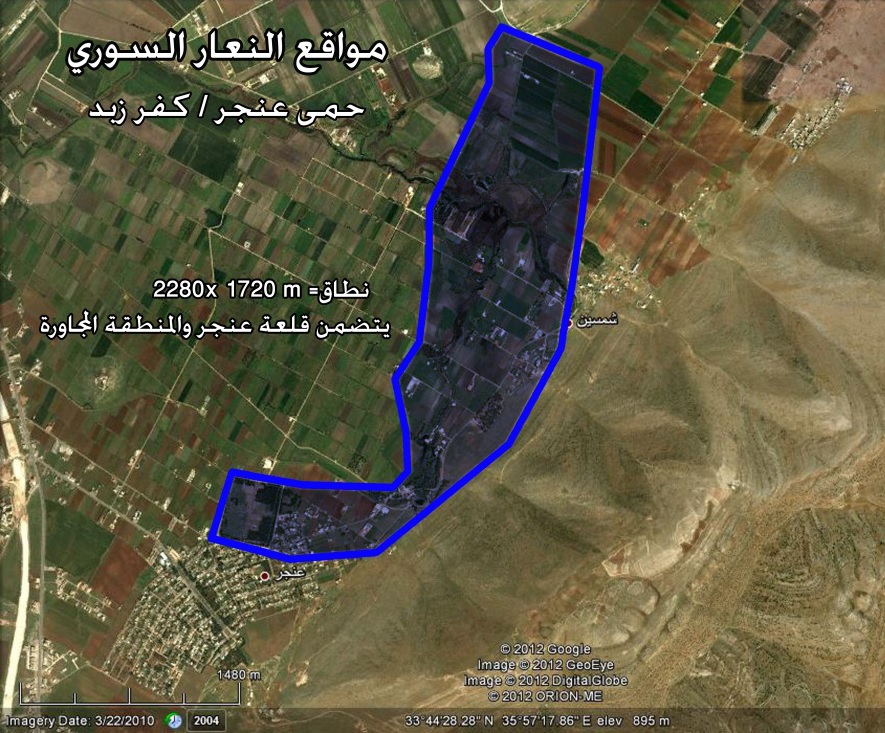
SPNL carried out several studies on the Syrian Serin breeding areas, in Anjar/Kfar Zabad, and Beqaa valley.
 

Al Hima Magazine 7h Issue

The Society for the Protection of Nature in Lebanon, SPNL, has officially released the seventh issue of Al Hima magazine, reaffirming its commitment to advancing community-led conservation and positioning Lebanon as a regional leader in nature-based solutions.
This latest edition comes at a critical moment for environmental action in Lebanon and the wider region, bringing together scientific insight, traditional knowledge, and global perspectives under the unifying theme: “From Ridge to Coast, One Hima at a Time.”

Read Previous issues

spot_img
spot_img
Previous article
Next article

More like this

New, simplified guidance for protecting birds

Today, the European Commission published guidelines for a pragmatic and proportionate implementation of the Birds Directive on the ground, while...
Buff-breasted Sandpiper - Credit © Luke Seitz | Cornell Lab of Ornithology.jpg

New UN-backed Atlas Maps Migratory Lifelines of Highly Vulnerable...

A powerful new online tool mapping the full annual journeys of an initial 89 highly vulnerable migratory...

At CMS COP15 in Brazil, the World Confronts a...

As global attention turns once again to biodiversity loss, world leaders, scientists, and conservation actors have convened...