


By Bassam Al Kantar (Al Hima Magazine 5th Edition)
Head of Campaign Strategy & Communications
Society for the Protection of Nature in Lebanon (SPNL)
As the truck retreated across the furrowed fields of Hima Anjar, a quiet miracle unfolded in its wake. The land, freshly tilled and breathing anew, released not only the scent of earth but a symphony of life hidden just beneath the surface. And it was there, amid the disrupted soil and scattered insects, that a lone white stork descended—graceful, curious, and seemingly drawn not only by instinct but something deeper.
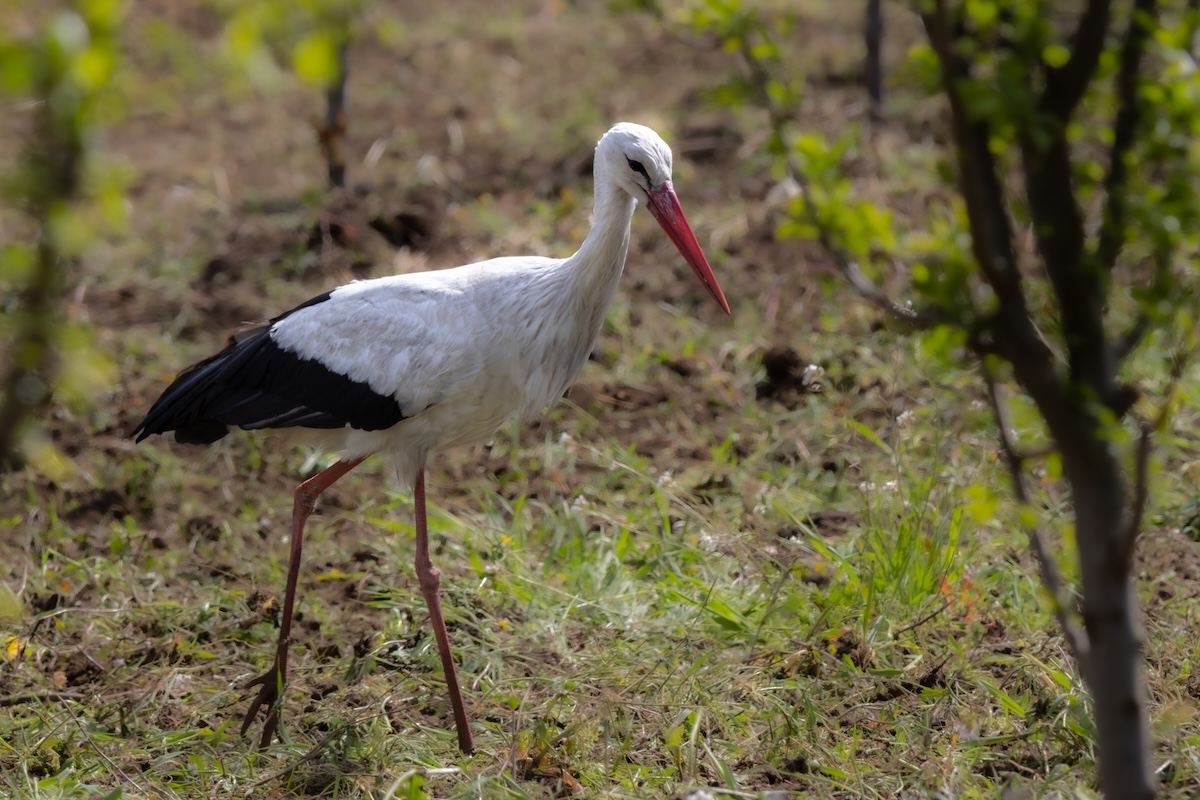
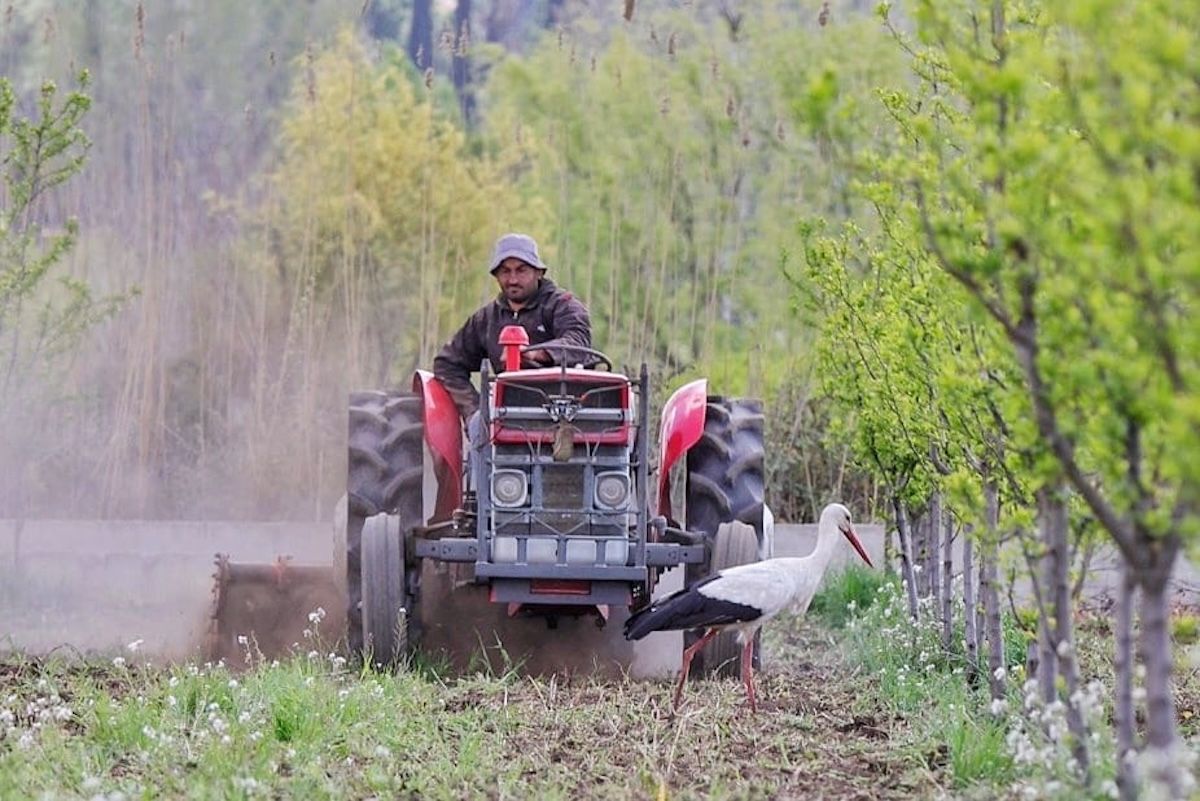
This intimate moment—captured through the lens of renowned bird photographer Tsolag Hergelian—reveals more than just a feeding ritual. It is a scene steeped in symbolism and soul, a testament to the profound interconnection between nature’s rhythms and the timeless traditions of Hima stewardship in the Bekaa Valley.
A Moment Caught in Flight and Feeling
The photograph, now circulating across wildlife circles and social media, shows the white stork mid-motion: beak plunged into the moist soil, wings half-lifted in a dance of balance and grace. Earth clings to its legs. Its gaze is focused, intense—not just on prey, but on purpose.
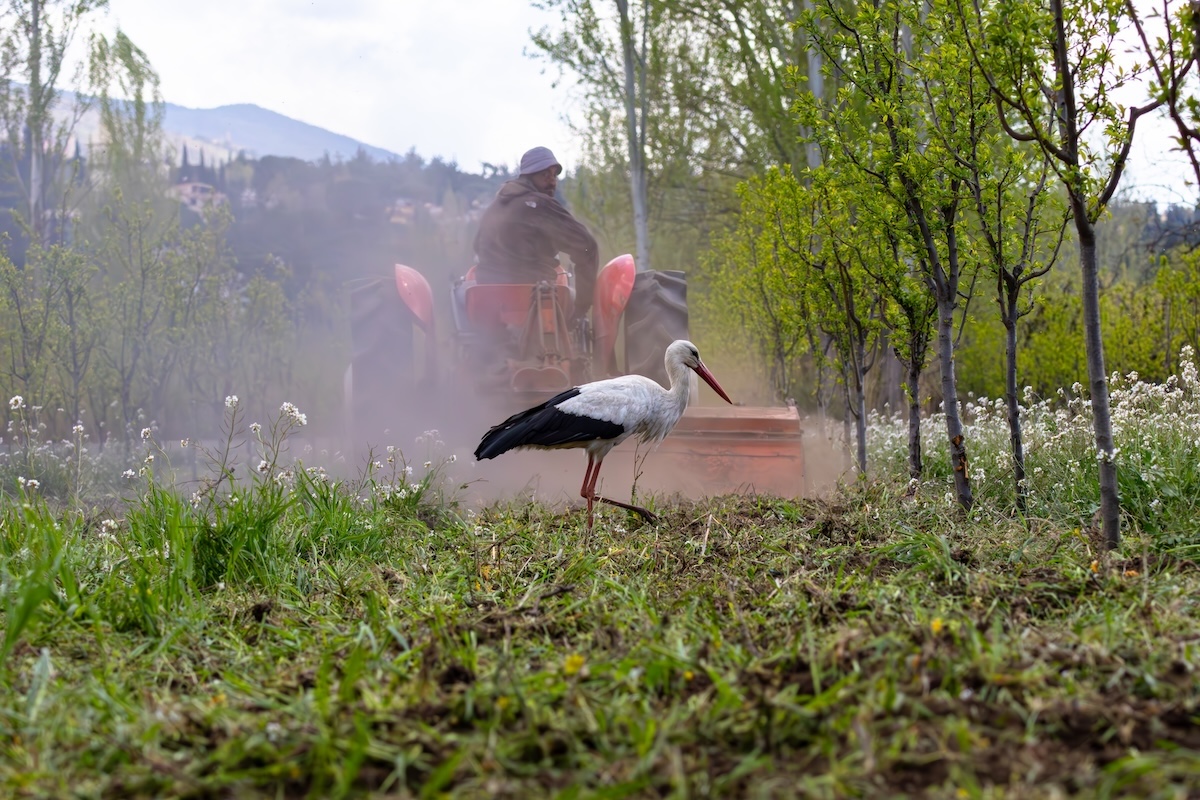
“It wasn’t just a stork feeding,” says Tsolag, whose Instagram page has become a visual diary of Anjar’s birdlife. “It felt like it was nourishing itself from the soul of the land. There was something almost sacred in the way it moved, as though recognizing the generosity of the earth.”
Tsolag, who runs the photography pages @macrobirds and @shutterplow, has been documenting avian life in the Anjar region for years. But this encounter was different. “I’ve seen storks feed before. But never like this. The freshly turned soil brought up life from below—and the stork arrived almost immediately, as if called by an ancient memory.”
Where Agriculture Meets Conservation
Hima Anjar is no ordinary farmland. It’s a mosaic of conservation and culture, where traditional agricultural practices are harmonized with ecological protection. Here, tilling is not merely an act of cultivation—it’s part of a living covenant between people and nature.
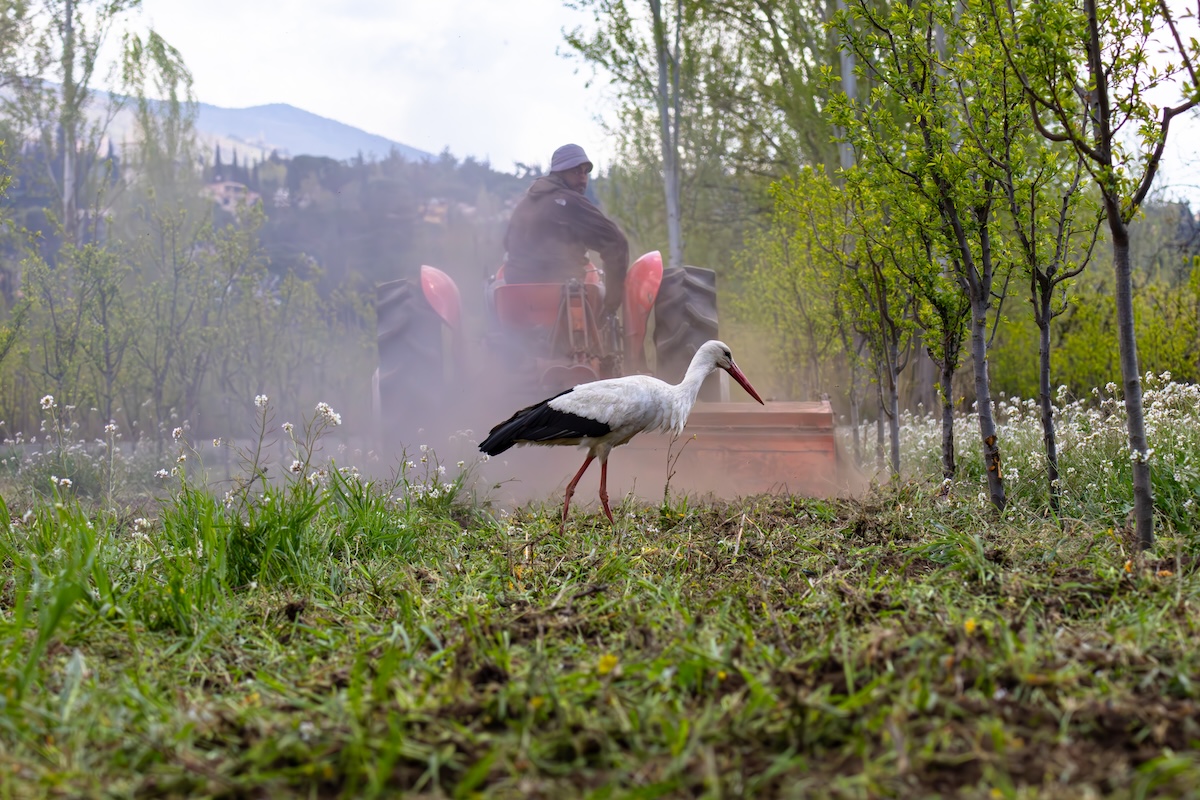
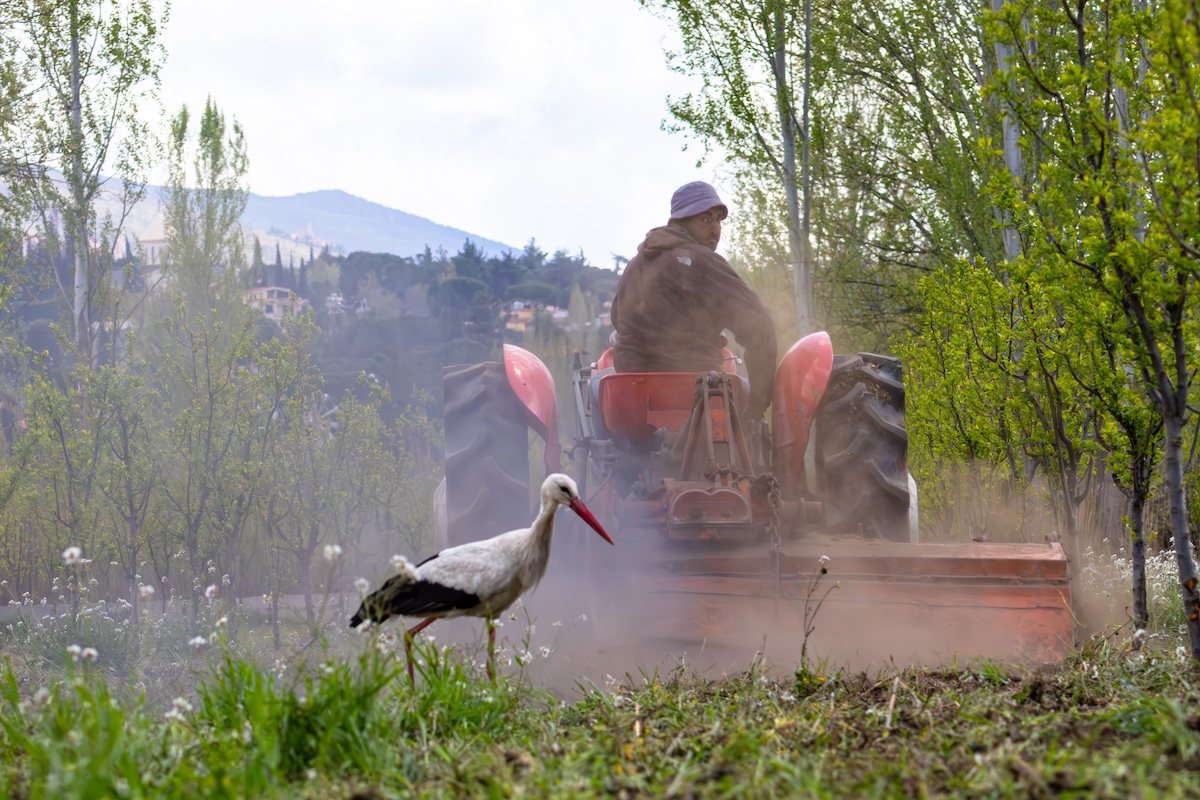
When the truck rolled across the field that morning, it wasn’t destroying; it was awakening. Worms, grubs, and insects stirred from their subterranean slumber. The stork responded—not with haste, but with reverence.
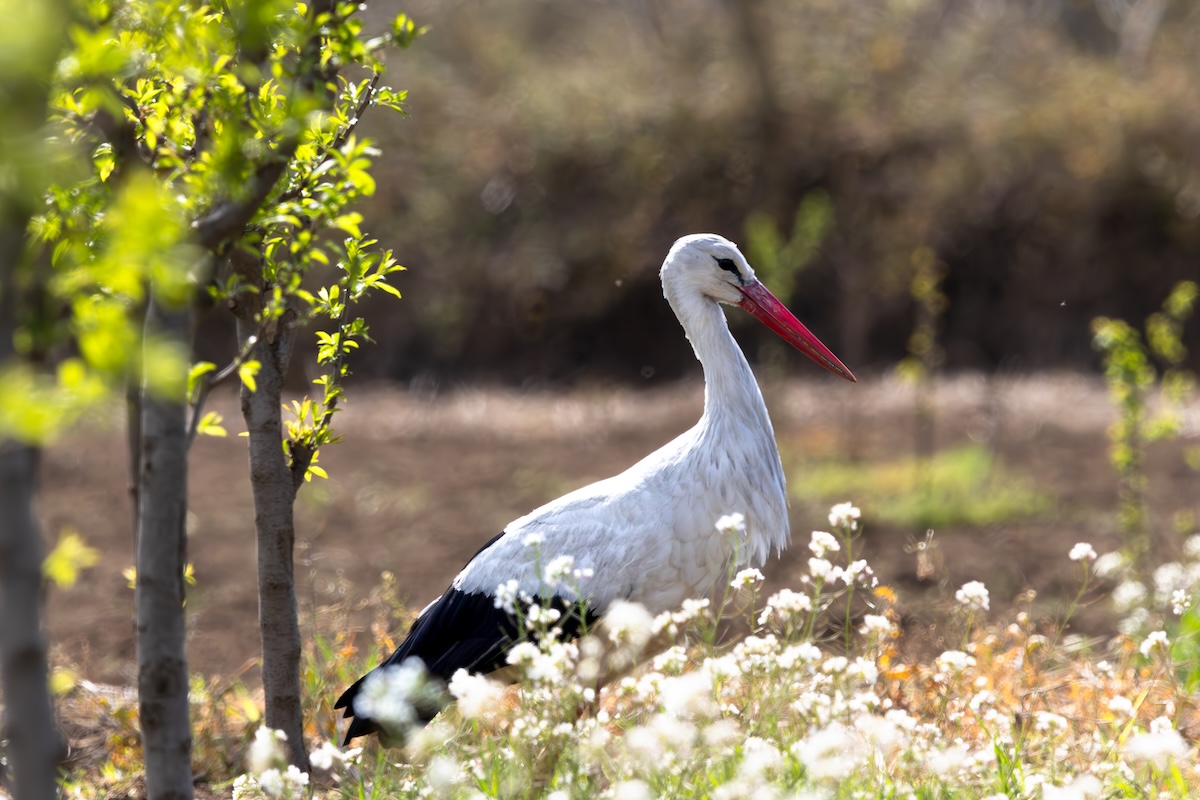
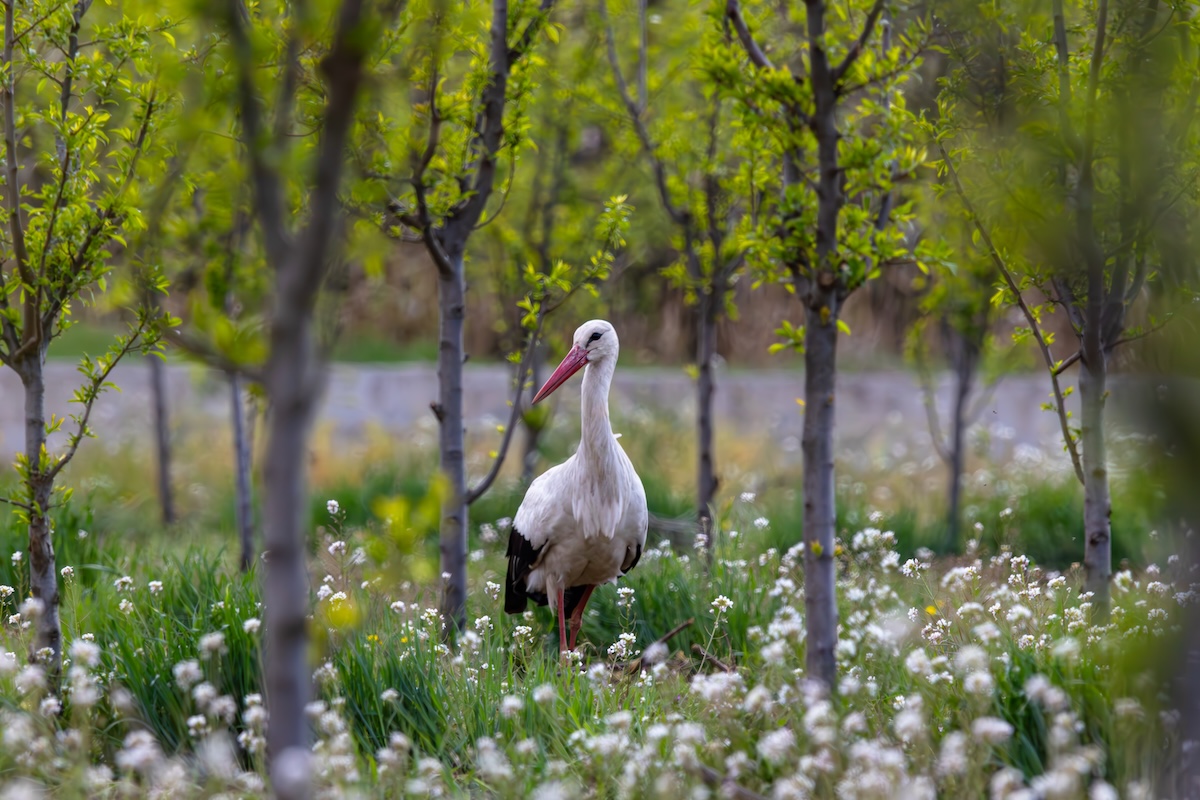
White storks are migratory birds known for their long journeys and symbolic presence across cultures. In Anjar, they are not just visitors—they are icons. Their arrival each year signals hope, fertility, and the cyclical wisdom of nature. For locals, seeing the stork feed after tilling is like witnessing the land breathe again.
The Eyes That Witness and Share
Tsolag’s photos are not merely beautiful; they’re invitations to slow down and look closely. His Instagram posts often pair images with poetic captions, drawing followers into the subtle dramas of birdlife—moments of courtship, flight, stillness, and survival.
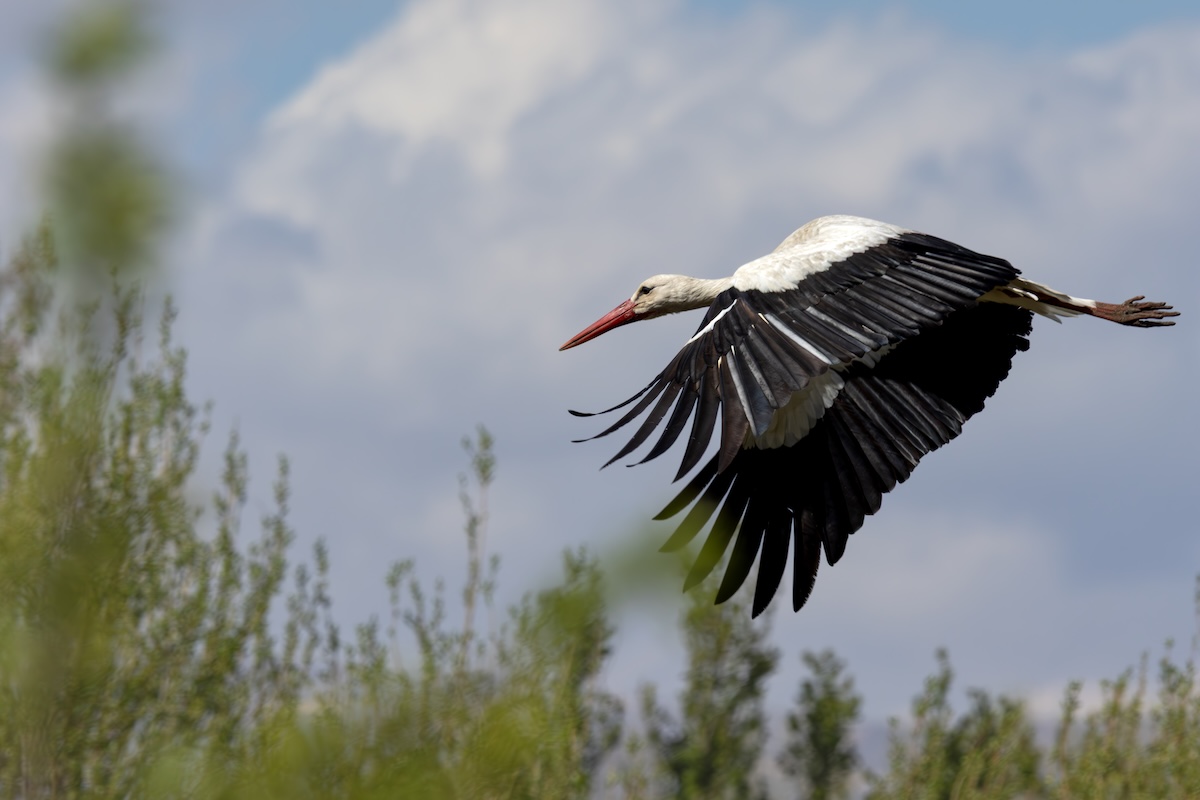
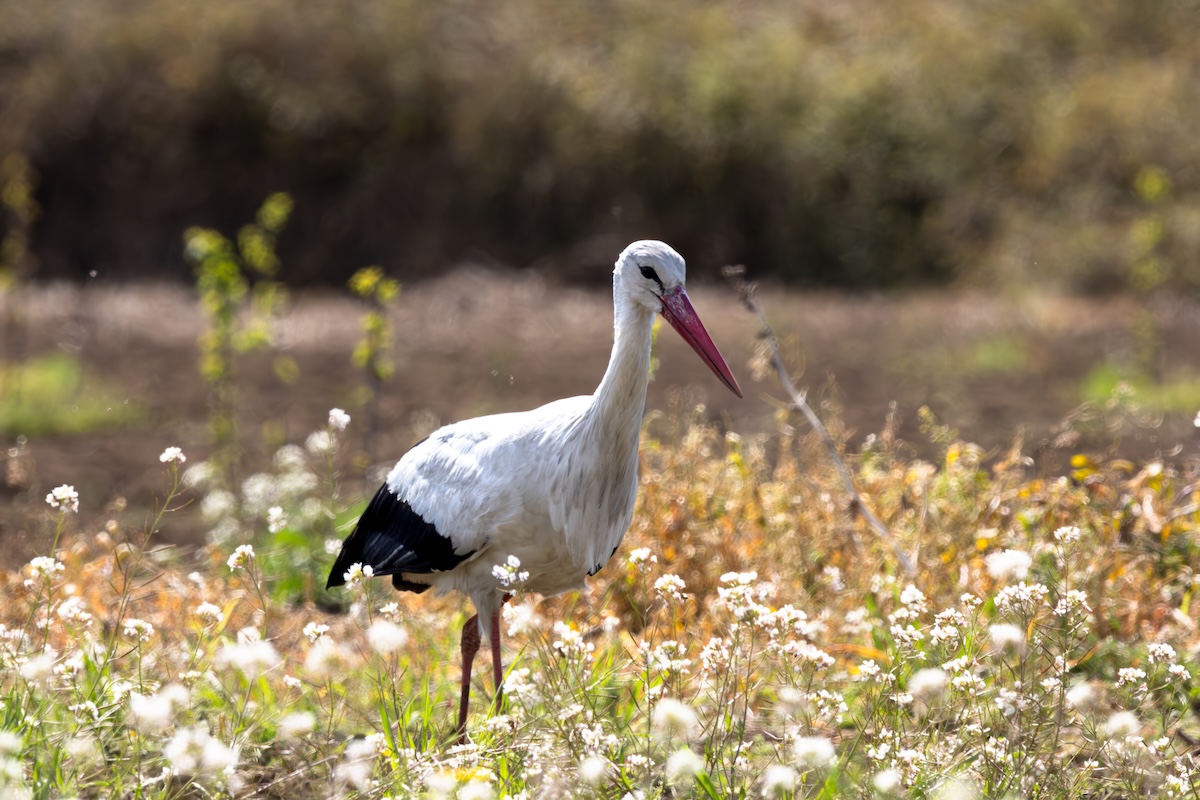
“I try to show not just the bird, but the story behind the bird,” he explains. “What brought it here? What does the landscape give it? What does the bird return in its presence?”
The image of the white stork feeding on freshly turned soil is now among his most shared, striking a chord with nature lovers, conservationists, and storytellers alike.
A Story Still Unfolding
Back in Hima Anjar, the land rests for a moment before its next chapter. The stork has moved on, perhaps to another field, another feeding ground. But the imprint remains—not just in the soil, but in the hearts of those who saw the photo, who felt in it something ancient and urgent.
As Tsolag’s images continue to circulate, the story of that morning ripples outward—a reminder that even in a single gesture of a bird feeding, entire ecosystems, histories, and emotions come to life.
Because sometimes, a white stork doesn’t just eat from the soil. It eats from the soul.
We hope you enjoy reading the Magazine
[pdf-embedder url=”https://www.spnl.org/wp-content/uploads/2025/05/Al-Hima-Magazine-Issue-No.5.pdf”]