


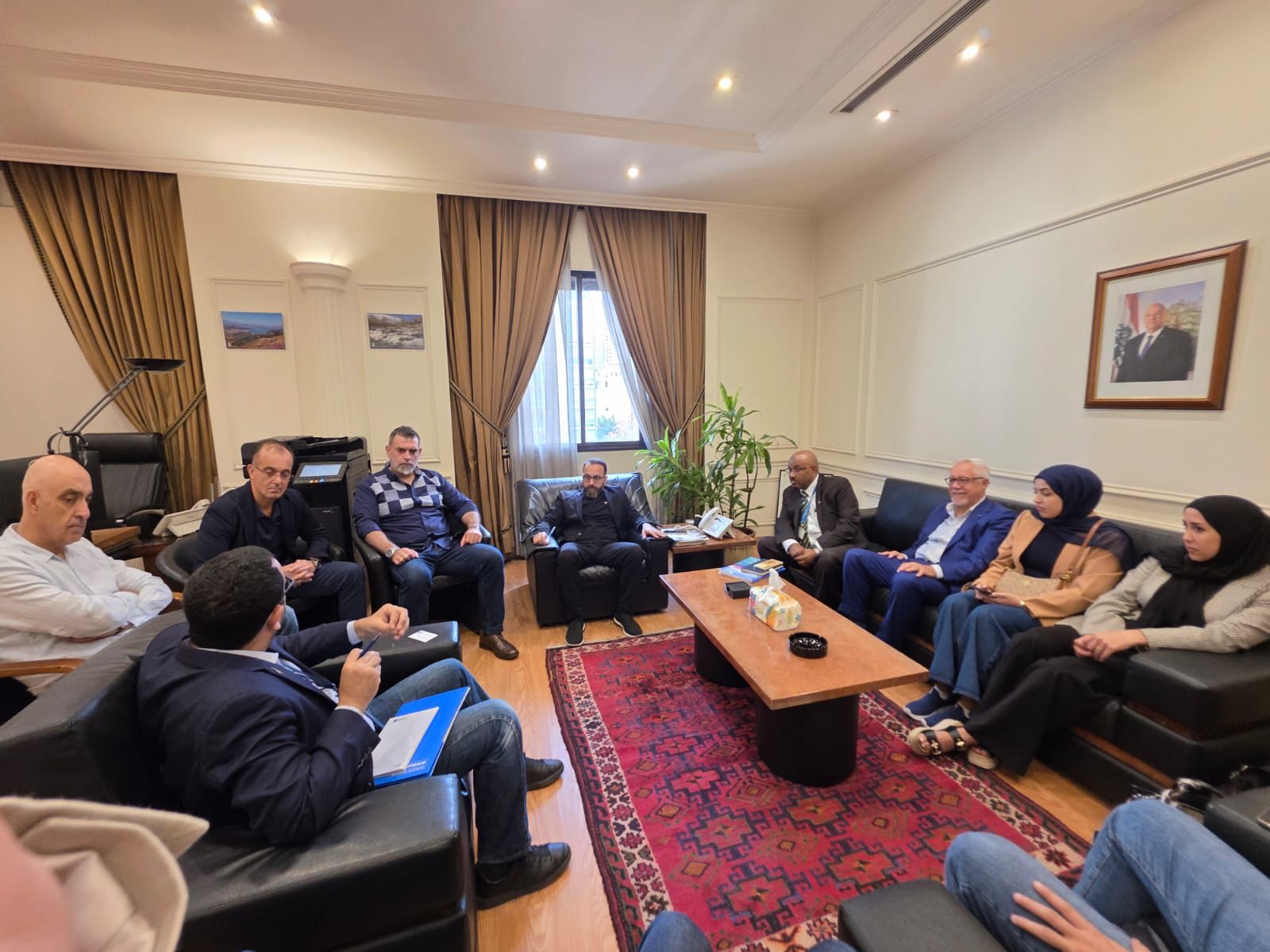
Lebanon’s longest river seemed to flow with a renewed sense of possibility. The Litani River Authority (LRA), led by Director General Dr. Sami Alawieh, convened a landmark meeting with UNESCO and the Society for the Protection of Nature in Lebanon (SPNL). Their shared mission: to chart the course for nominating the Lower Litani River Basin as an official UNESCO Biosphere Reserve.
This is not just another environmental project, it represents a turning point in how Lebanon views, values, and protects its natural heritage.
The meeting brought together key figures including Dr. Nazar Hassan, Regional Office Head of the Natural Sciences Section at the UNESCO Regional Office, and Dr. Georges Gharios, the National Programme Officer for Natural Sciences at UNESCO. From SPNL, Director General Assad Serhal, SPNL team members, and Raghida Haddad, Chief Editor of AlHima Magazine, played an active role in discussions and planning.
A River With a Story to Tell
Stretching across the Bekaa and deep into the southern landscape, the Lower Litani Basin is more than a waterway. It is a living archive of Lebanon’s ecological and cultural history. Its banks nurture fertile farmlands, shelter migratory birds, and sustain communities that have relied on its waters for generations.
But for years, the river has carried the weight of pollution, mismanagement, and neglect. Today’s initiative signals a shift from crisis to opportunity, anchored in science, collaboration, and hope.
Building a Path to UNESCO Recognition
At the meeting, experts from LRA, UNESCO, and SPNL sat around a shared table, mapping out the long road toward biosphere reserve designation. The stakes are high. UNESCO biosphere reserves are more than protected areas, they are living models of how humans and nature can thrive together.
The discussions dug deep into the details, including:
• the data required to demonstrate the basin’s ecological value,
• the communities whose livelihoods must be protected and empowered,
• and the alignment of the nomination with global standards of sustainability and conservation.
For UNESCO, the Litani’s case is unique. Unlike remote wilderness areas, this basin sits at the intersection of environment, culture, and daily life. Its preservation depends not only on ecological science but also on human cooperation.
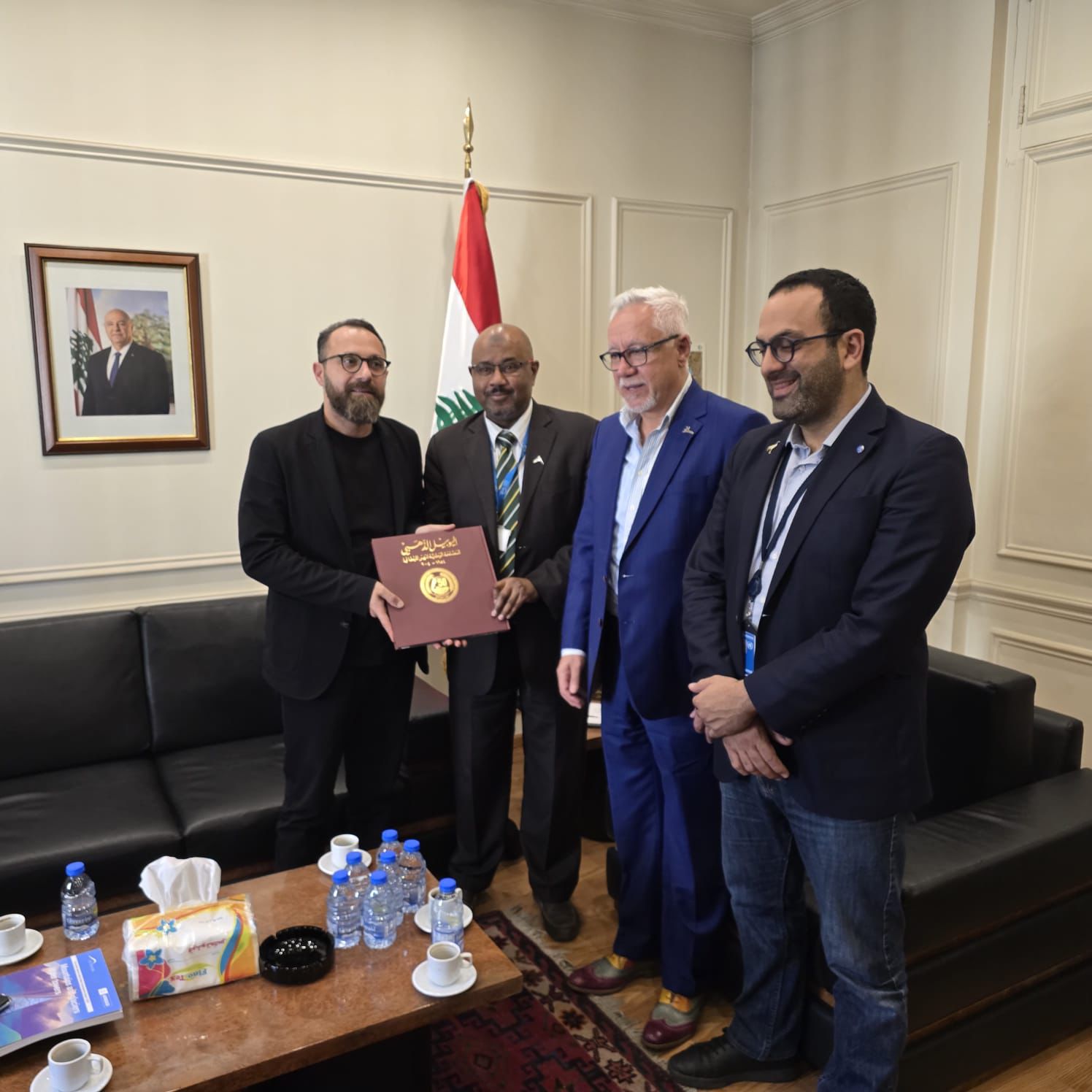
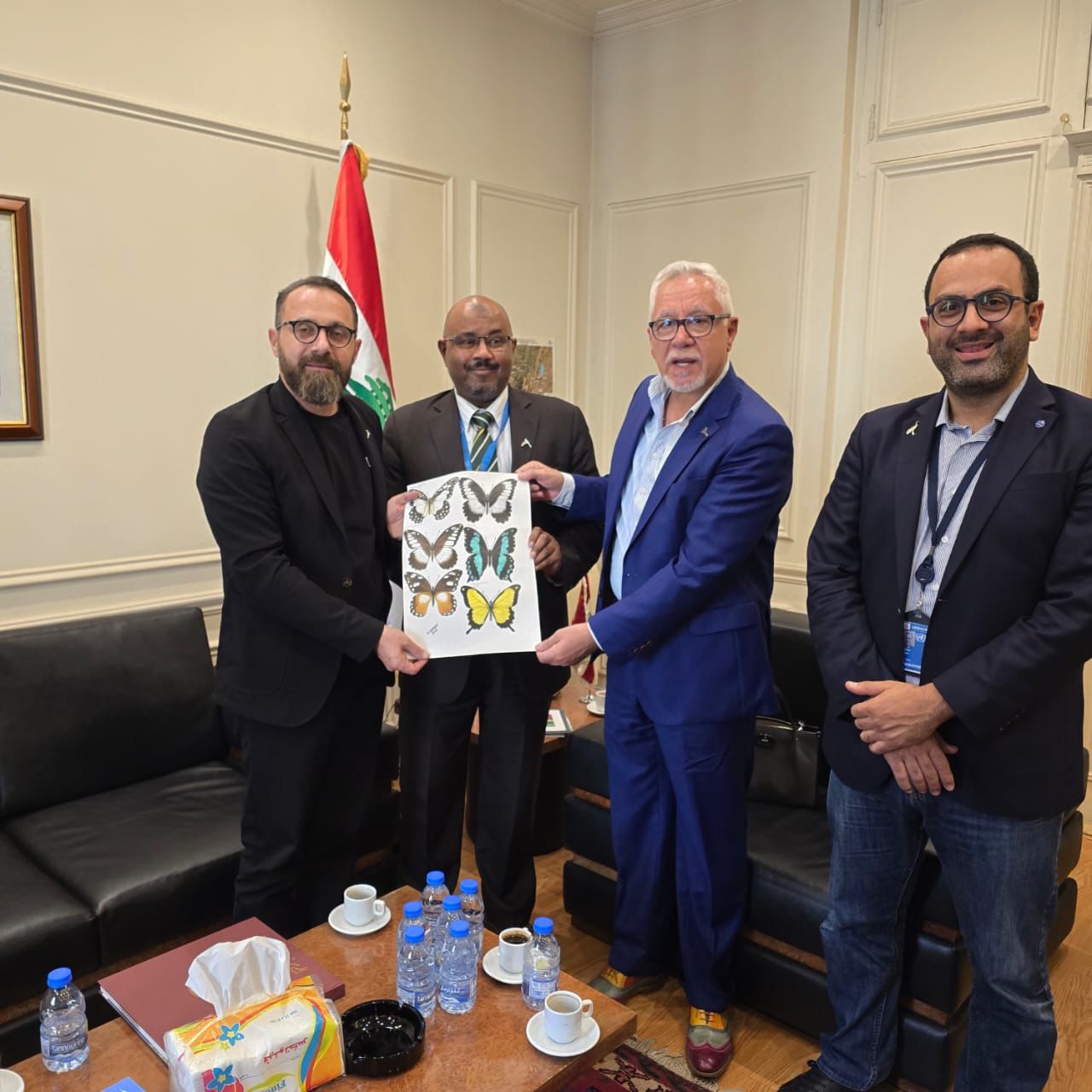
Nature, Heritage, and the Promise of Ecotourism
One of the most exciting prospects discussed was the potential for ecotourism. With its wetlands, bird habitats, traditional villages, and agricultural landscapes, the Lower Litani has the ingredients to become a destination for responsible nature tourism.
SPNL highlighted the success of the Hima model, a centuries-old community-based conservation approach it revived across Lebanon. Integrating Hima concepts into the management of the future biosphere reserve could empower local communities to become stewards of their land, benefiting both nature and livelihoods.
The basin is also home to valuable cultural and water heritage. Restoring these landscapes offers an opportunity to reconnect Lebanon’s identity with its environment.
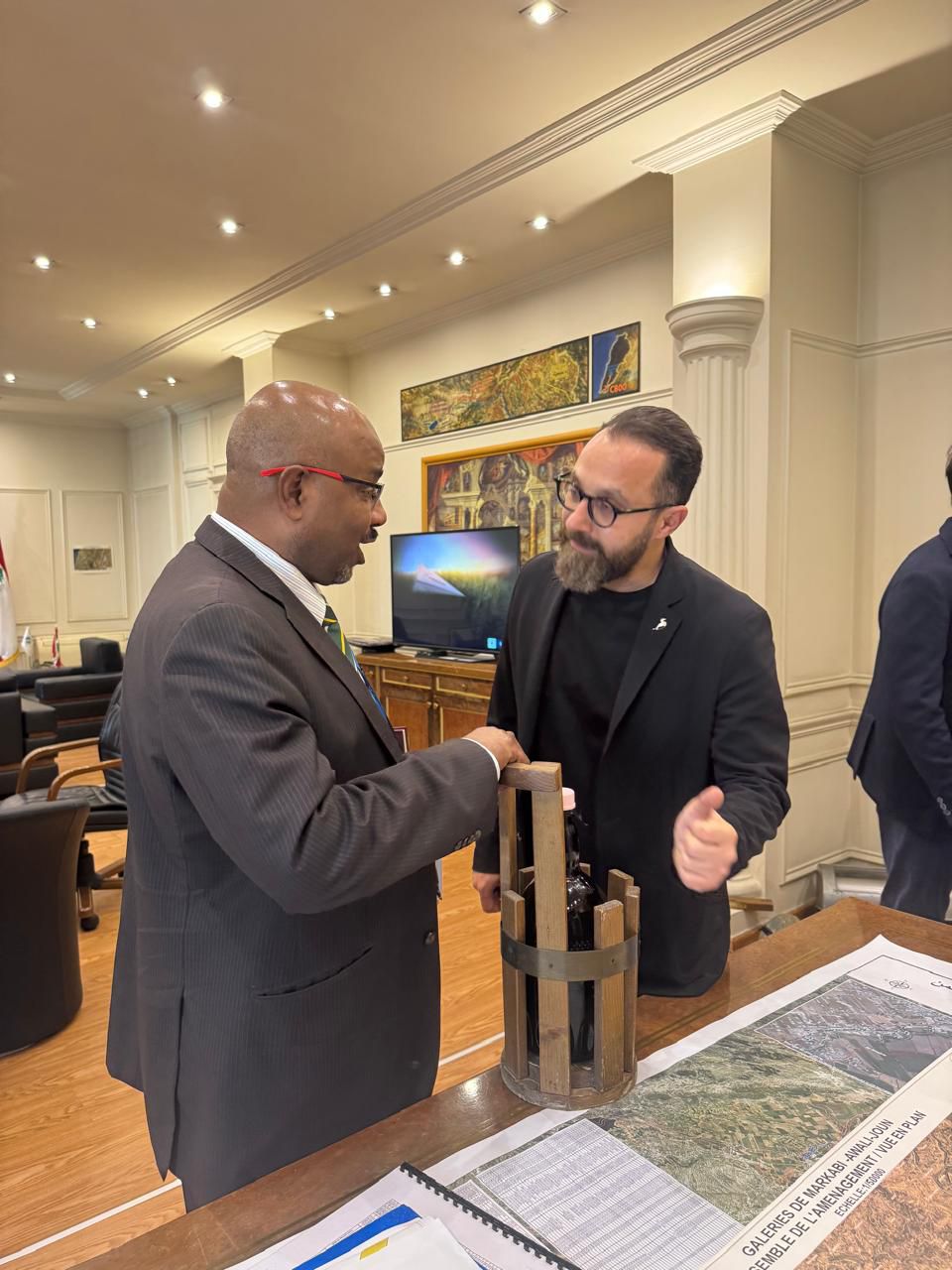
A Collective Commitment to the Future
As the meeting concluded, a clear message emerged: transforming the Lower Litani Basin into a biosphere reserve is not the work of one institution. It is a national effort, powered by partnership.
The LRA, dedicated to safeguarding Lebanon’s most important freshwater artery, UNESCO, promoting global standards for harmony between people and nature, and SPNL, rooting conservation in community values, are now walking a shared path.
Their collaboration marks a hopeful moment for Lebanon, a reminder that even in times of crisis, visionary ideas, science, and collective will can open the door to a better future.
The flow of the Litani continues, carving its way toward the sea. Today, it also carves a new chapter, one where the river is not only a source of life but a symbol of resilience, heritage, and sustainable possibility.