


As Ramadan approaches, Ummah For Earth, an initiative supported by Greenpeace Middle East and North Africa, is launching a regional campaign inviting communities to move from sustainable practices at the Iftar table to long-term, community-led protection of shared natural resources through the revival of Hima (الحِمى).
Ramadan has always been a month of worship expressed through fasting, reflection, and collective responsibility. This year’s campaign expands that spirit of care beyond individual practice to the land and water that sustain communities across the region.
Green Iftars: Sustainability Begins at Home
Across the world, many Muslims are embracing “Green Iftars” as a way to translate Qur’anic ethics into daily action. By conserving water, reducing food waste, and adopting zero-plastic approaches, families and communities are demonstrating that environmental stewardship can begin with simple, accessible steps.
To support this movement, Ummah For Earth has released Green Iftar Guidelines, offering a practical pathway rooted in Islamic values, climate best practices, and field-based case studies. The guidelines empower communities to plan, implement, and evaluate sustainable Iftar gatherings throughout Ramadan.
“Caring for the Earth is not a burden,” the campaign emphasizes. “It starts with small, conscious actions at home. But it should not end there.”
Hima: From Individual Action to Collective Care
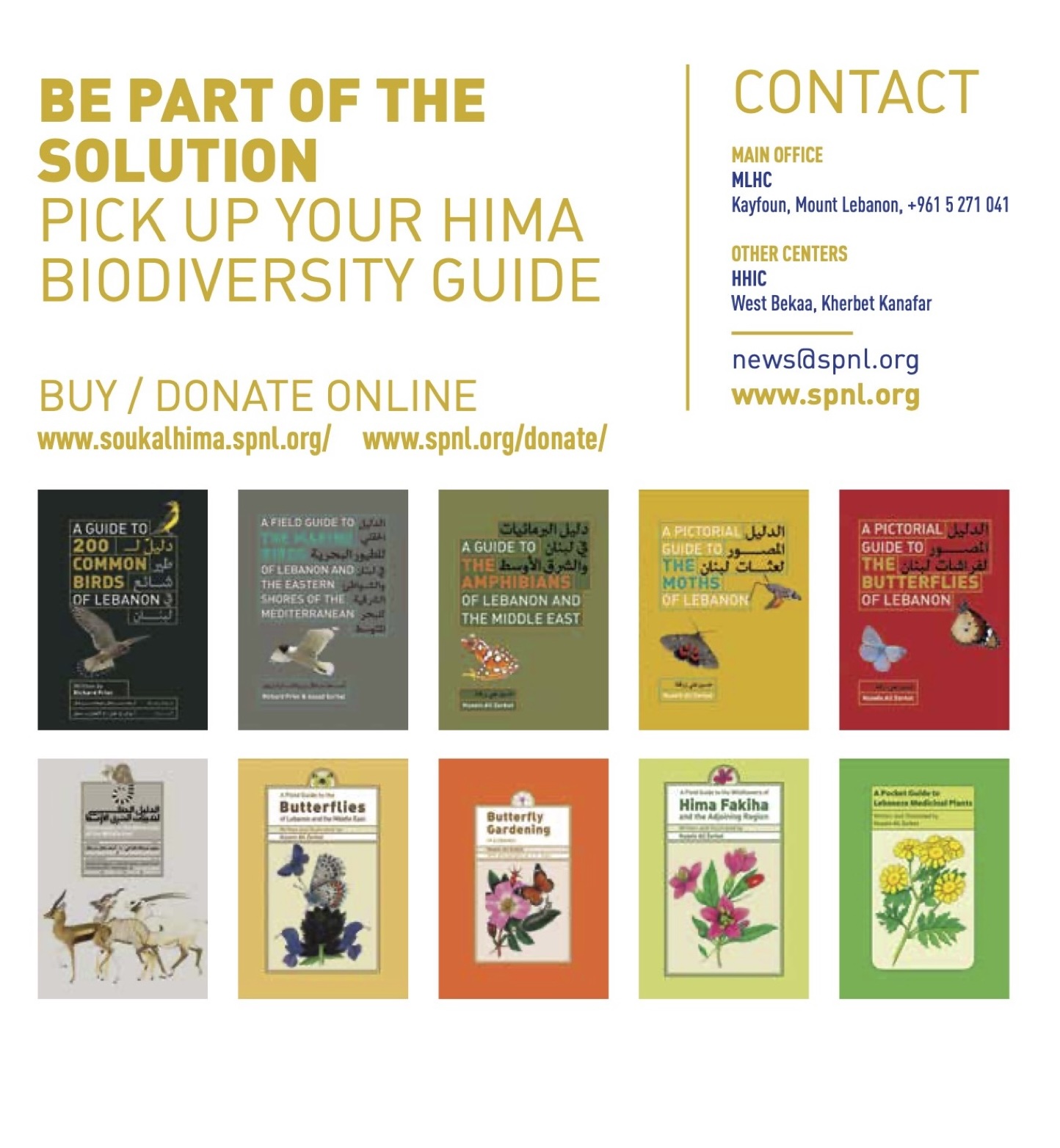
Building on these individual practices, the campaign highlights the revival of Hima (الحِمى), a deeply rooted Islamic tradition of community-managed protected areas. Historically, Hima systems conserved shared resources such as water sources, grazing lands, forests, and agricultural areas.
For centuries, Hima safeguarded livelihoods, reduced conflicts over resources, ensured fair access to land and water, and strengthened social cohesion. Unlike top-down conservation models, Hima is community-led, culturally grounded, and adaptable to diverse local realities.
In a time of growing environmental pressures, Hima offers a rare integrated approach, restoring ecosystems while strengthening resilience, well-being, and collective solidarity.
Ramadan 2026: A Moment to Reimagine Resource Protection
Ummah For Earth is calling on communities across the region to help revive Hima systems starting this Ramadan. Through a short regional survey, participants are invited to:
-
Identify at-risk shared resources in their communities, including degraded land, polluted streams, forests, or coastal areas
-
Assess community readiness to engage in long-term collective protection efforts
-
Contribute to shaping faith-based, community-led solutions grounded in Islamic teachings
The survey, which takes less than five minutes to complete, will help map vulnerable areas and guide future Hima revival initiatives across the Middle East and North Africa.
A Long-Term Vision Rooted in Faith
The campaign positions Hima as a natural extension of Ramadan’s spiritual discipline. While Green Iftars demonstrate how sustainability can begin at the individual level, Hima represents a long-term collective response to social, economic, and environmental challenges.
“Ramadan is the perfect time to rethink how we protect what we share,” the campaign states. “From the Iftar table to the grazing field, from water conservation at home to the revival of community-managed protected areas, our faith calls us to act with balance, justice, and responsibility.”
By bridging Islamic tradition with contemporary climate action, Ummah For Earth aims to mobilize communities to care for the Earth as both a shared trust and a collective duty.
To download the Green Iftar Guidelines or participate in the Hima survey, visit Ummah For Earth’s official platforms.