


The Hima Trails: Lifelines Connecting Nature, Heritage, and People Across Lebanon’s Villages
By Hamadeh Malaeb, Hima Trails Manager, Society for the Protection of Nature in Lebanon (SPNL)
In the heart of Lebanon’s landscapes—where mountains meet valleys and nature intertwines with centuries of human history—the Hima Trails have emerged as one of the country’s most inspiring environmental and community development initiatives. More than walking paths, they are living corridors that reconnect people with their land while linking nature conservation, cultural heritage, and sustainable rural livelihoods.
The concept of Hima dates back centuries as a traditional system of community-based natural resource management, through which local communities protected designated areas to ensure the sustainable use of land and resources. Today, the Society for the Protection of Nature in Lebanon (SPNL) has revived this heritage by developing the Hima Trails network, which now extends across approximately 187 kilometres of natural pathways connecting villages throughout Lebanon and showcasing the country’s remarkable ecological and cultural diversity.
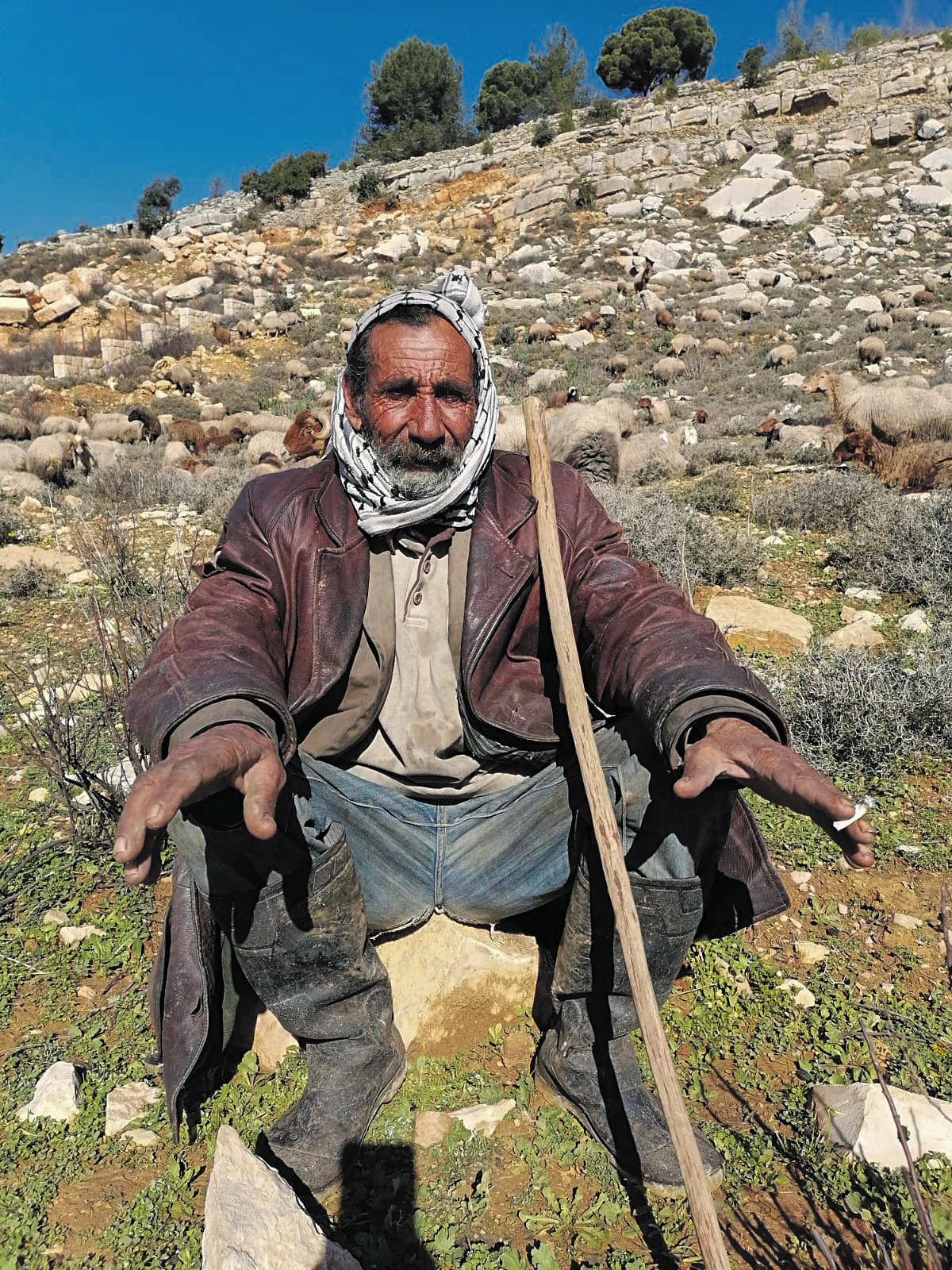
on the way
Connecting Villages Through Nature
The Hima Trails are designed to link Lebanese villages through forests, valleys, agricultural landscapes, and mountain ridges. This connectivity extends far beyond geography. It creates social and economic ties between communities while offering visitors an authentic journey through rural Lebanon.
Walking these trails is far more than a hiking experience. Each route tells a story, beginning in one village and ending in another, introducing visitors to local traditions, cultural heritage, and the rhythms of everyday rural life. Along the way, hikers encounter welcoming communities, traditional architecture, family farms, and landscapes shaped by generations of sustainable stewardship.
A New Model for Ecotourism
The Hima Trails have become a cornerstone of ecotourism in Lebanon, promoting a model of responsible travel that respects nature while encouraging biodiversity conservation. Rather than simply observing nature, visitors become active participants in it.
Activities along the trails include:
- Long-distance hiking;
- Birdwatching and wildlife observation;
- Nature photography;
- Discovering medicinal and aromatic plants;
- Cultural and heritage experiences.
Together, these activities foster a deeper understanding of Lebanon’s natural wealth while transforming tourism into an educational and immersive experience.
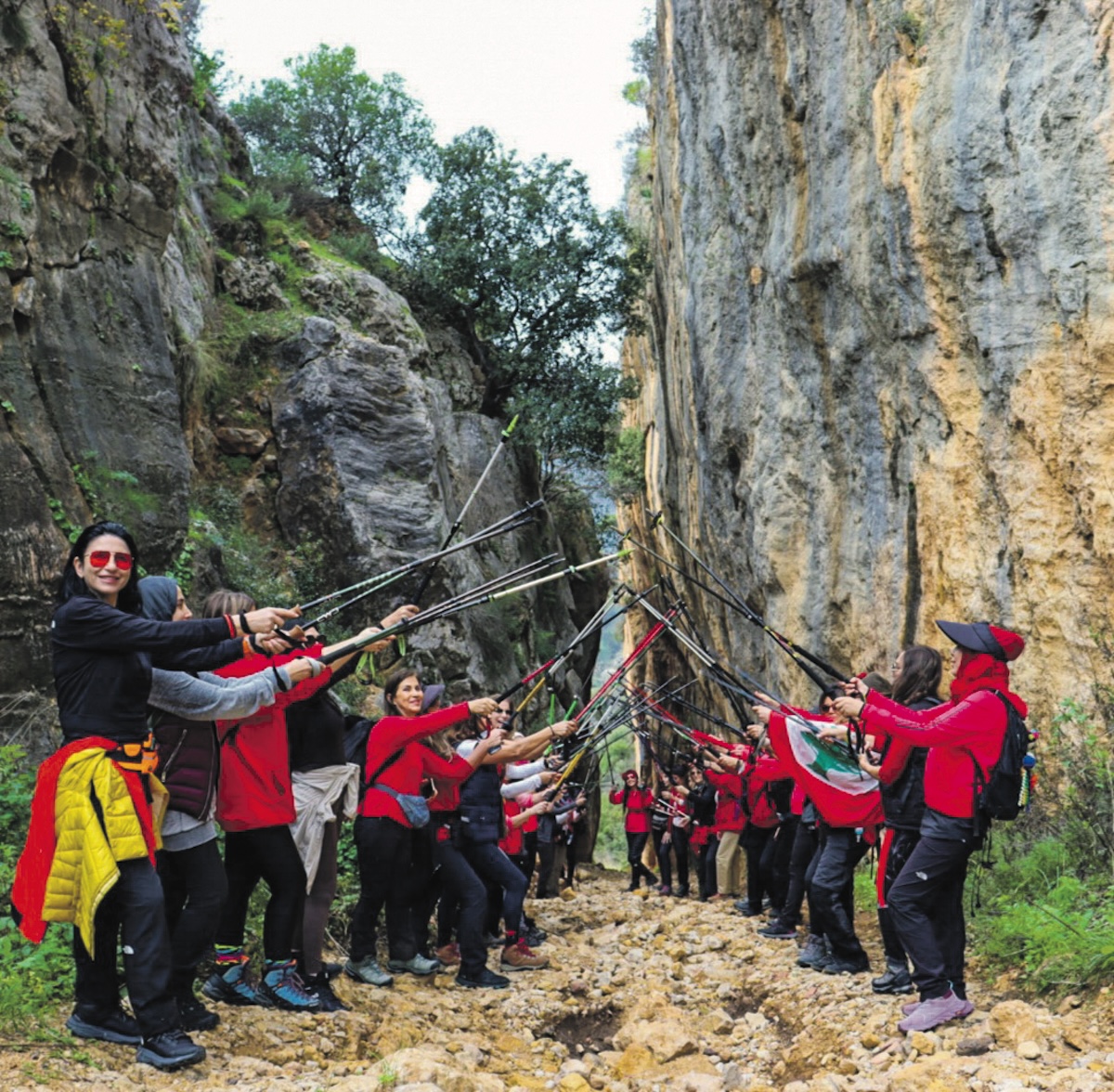
Supporting Sustainable Rural Livelihoods
The value of the Hima Trails extends well beyond environmental conservation. They create new economic opportunities for rural communities by enabling residents to benefit sustainably from their natural and cultural resources.
Key components include:
- Guesthouses, where local families welcome visitors into traditional homes, offering authentic Lebanese hospitality;
- Village dining experiences, featuring homemade meals prepared from fresh local ingredients;
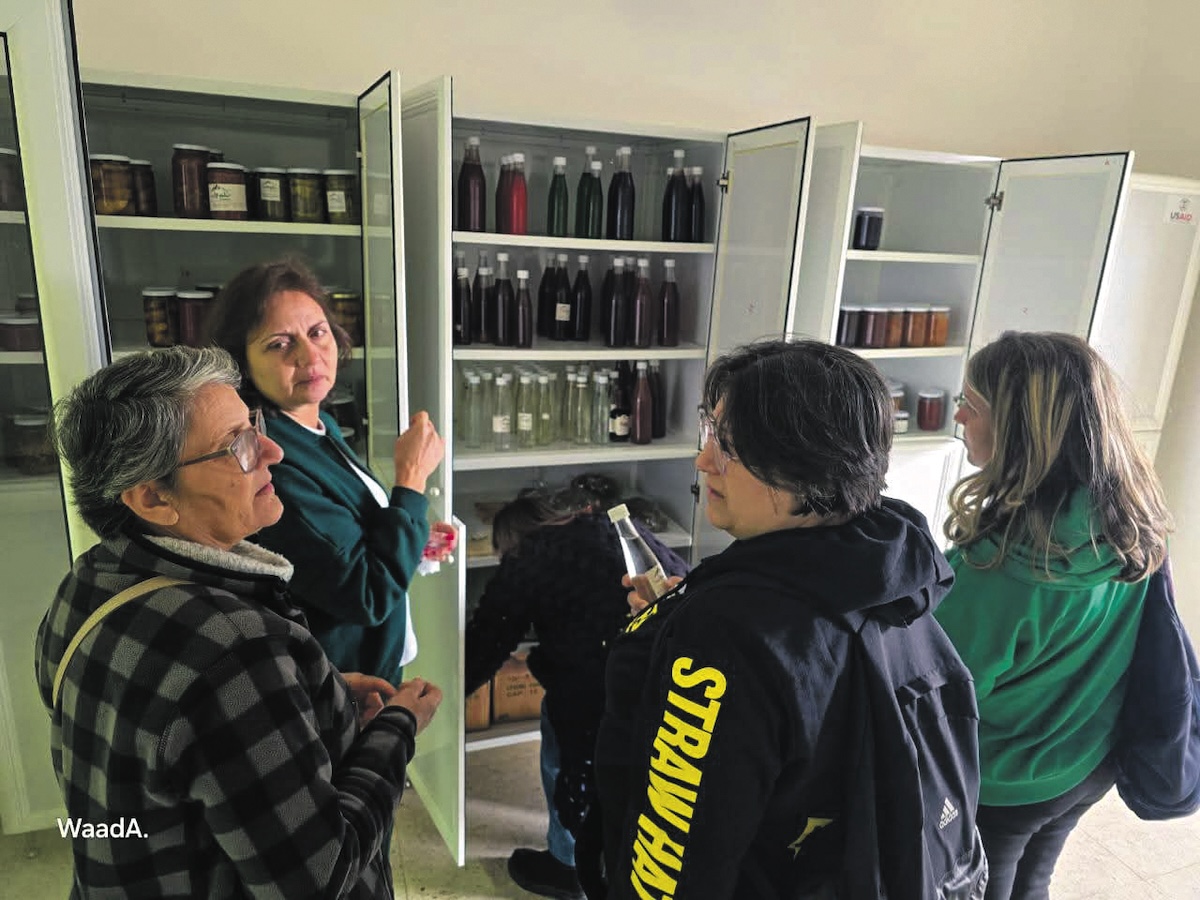
- Local products, including traditional pantry goods (mouneh), honey, medicinal herbs, aromatic plants, and handcrafted products;
- Local nature guides, trained from within the communities to interpret the area’s biodiversity and cultural heritage.
These initiatives generate employment, diversify local incomes, and help reduce rural migration by creating sustainable economic opportunities close to home.
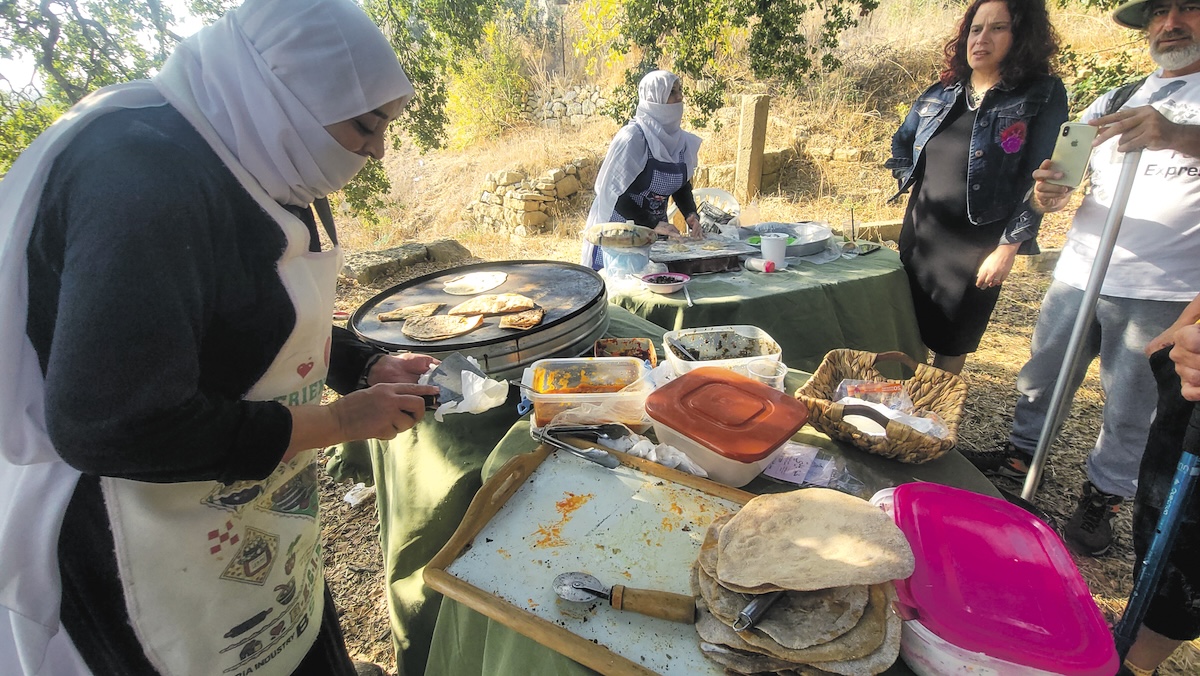
breakfast
Building Human Connections
One of the most distinctive aspects of the Hima Trails is the relationship they foster between visitors and local farmers.
Rather than simply passing through, visitors are invited to participate in everyday rural life—learning traditional farming practices, joining seasonal harvests, or preparing local dishes alongside their hosts. These shared experiences build genuine cultural understanding and lasting human connections.
Visitors often leave not only with memorable experiences but also as ambassadors for the villages they have discovered, sharing their stories with others and encouraging sustainable tourism.
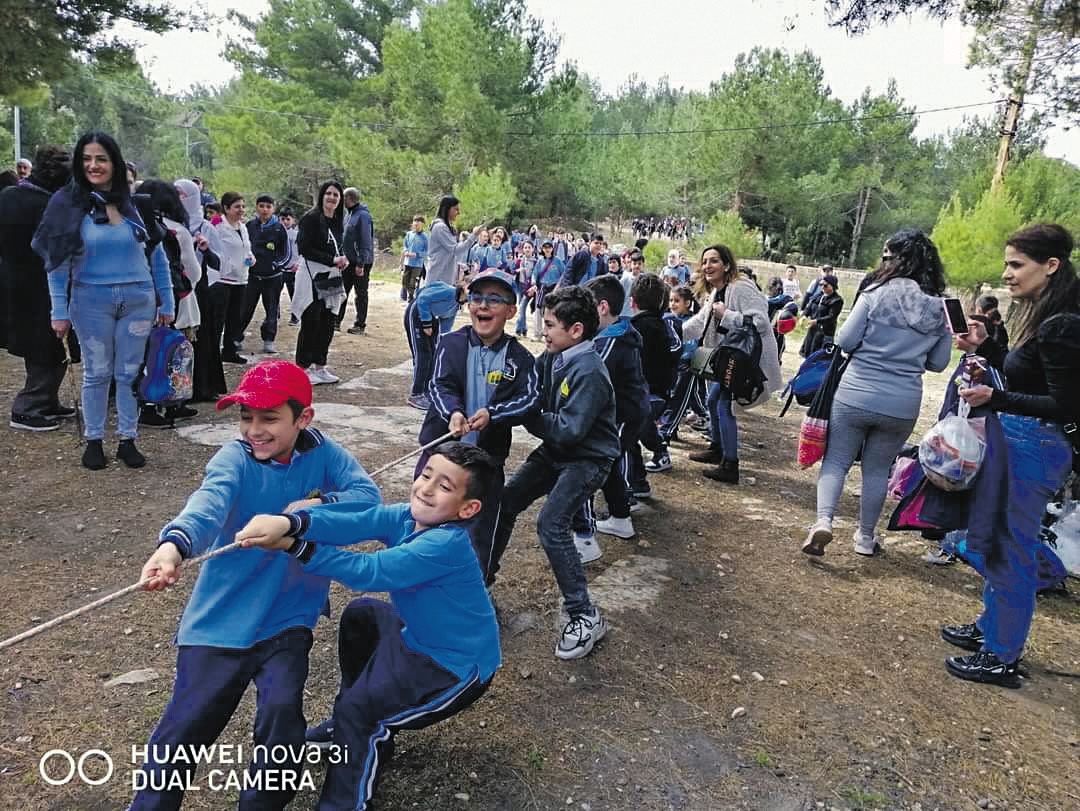
A Living Landscape of Experiences
Throughout the year, the Hima Trails become vibrant venues for a wide variety of activities, including:
- Environmental and cultural festivals;
- Trail races and sporting events;
- Educational workshops;
- School and university field trips;
- Environmental awareness campaigns.
This diversity transforms the trails into dynamic destinations rather than simple hiking routes. At the same time, they help preserve Lebanon’s rich cultural heritage—from traditional architecture and rural cuisine to handicrafts and local customs—while strengthening community identity and pride.
A Vision for Lebanon’s Sustainable Future
At a time when Lebanon faces growing environmental challenges—including pollution, climate change, habitat degradation, and biodiversity loss—the Hima Trails offer a practical model of sustainable development.
They demonstrate that nature conservation and economic development are not competing priorities but complementary objectives. By placing local communities at the centre of conservation efforts, the Hima approach creates resilient landscapes where people and nature thrive together.
The Hima Trails are therefore much more than paths through nature. They represent a vision for a more sustainable Lebanon—one where vibrant villages, healthy ecosystems, and cultural heritage are woven together into a shared future.
Every step along these trails tells a story.
Every village carries a heartbeat.
And every journey offers hope for a more sustainable tomorrow.
Hamadeh Malaeb is the Hima Trails Manager at the Society for the Protection of Nature in Lebanon (SPNL).
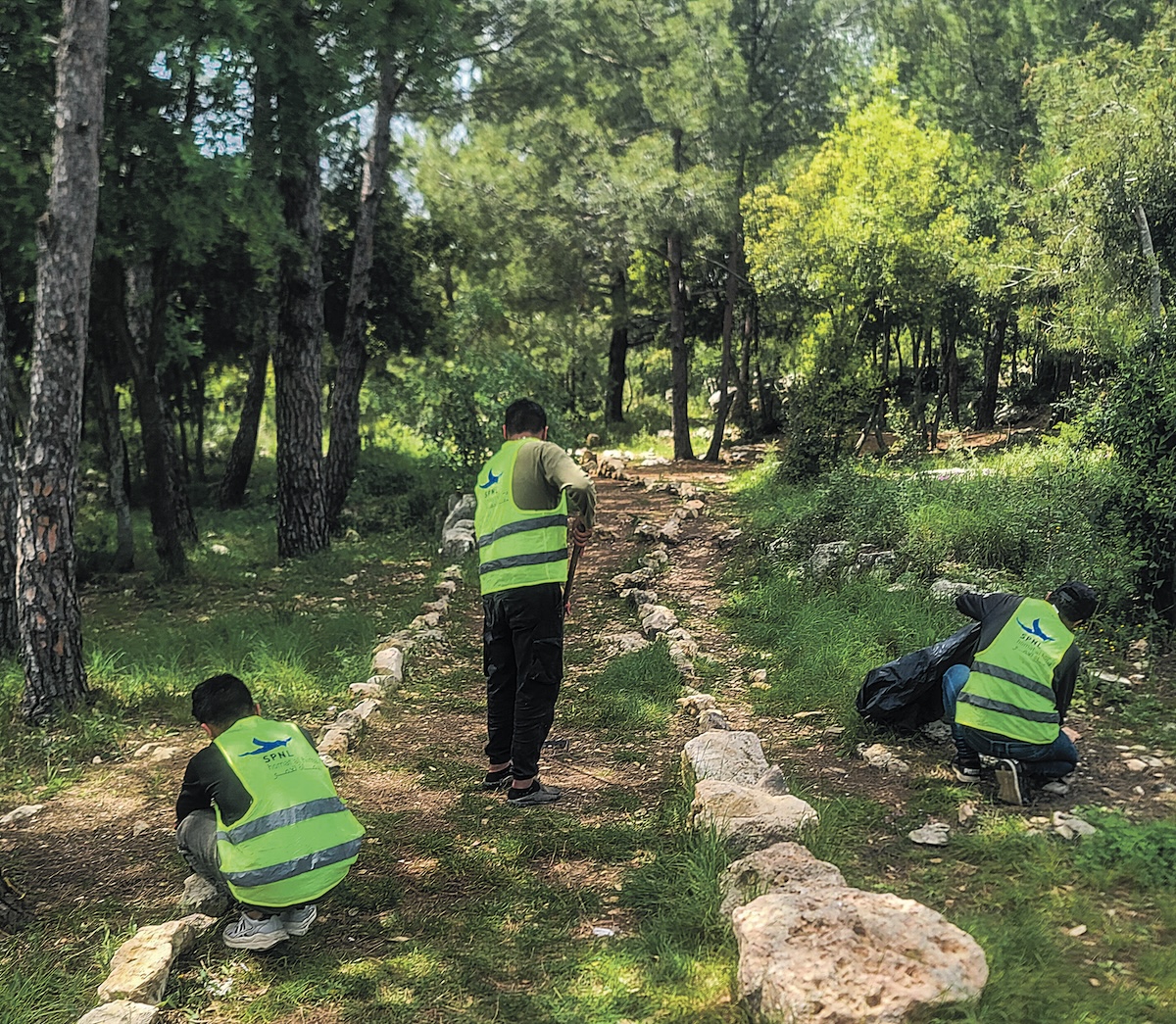
trail in Baisour