

On 11 November 2020 SPNL got an Email from Eagle Club Estonia about a Black stork named Vedru that’s fitted with a transmitter
Vedru was born and tagged in Estonia, and entered Lebanon on 7 November 2020 and stayed in the area between Ammiq and Mansoura in West Bekaa.
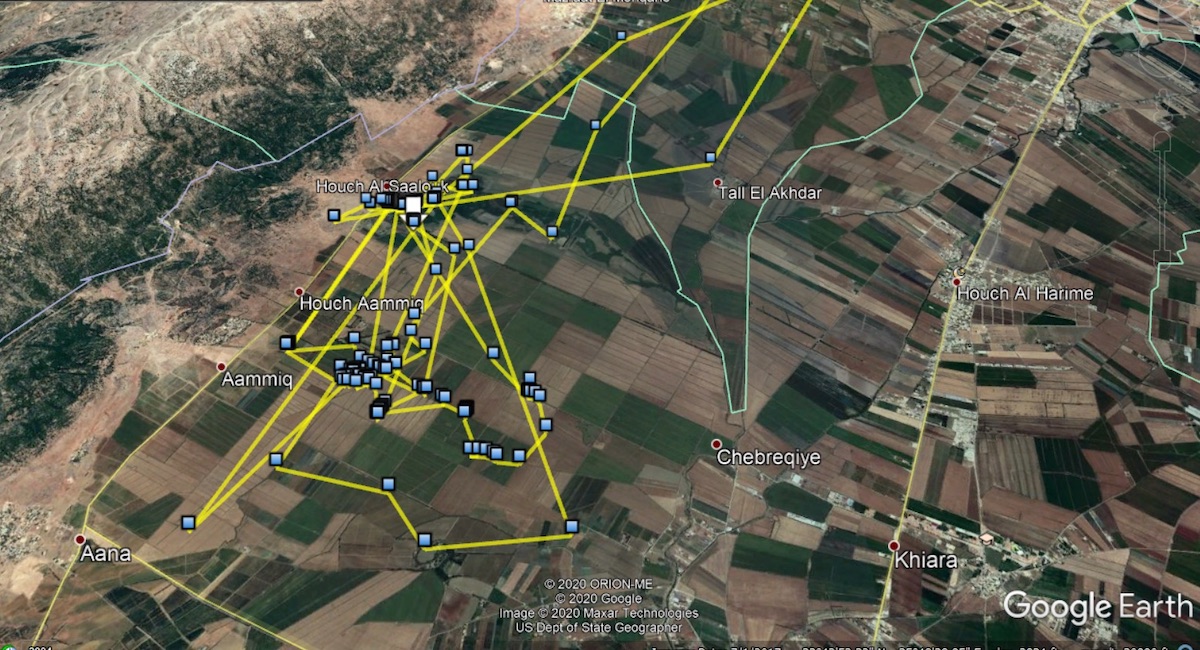
This behavior was strange since it did not continue southwards on its usual migration route to Africa, and its trackers were afraid because of Lebanon’s reputation as a black spot for migratory birds.
Next day a field officer from SPNL was deployed to the area to check why Vedru was staying there and not continuing its migration.
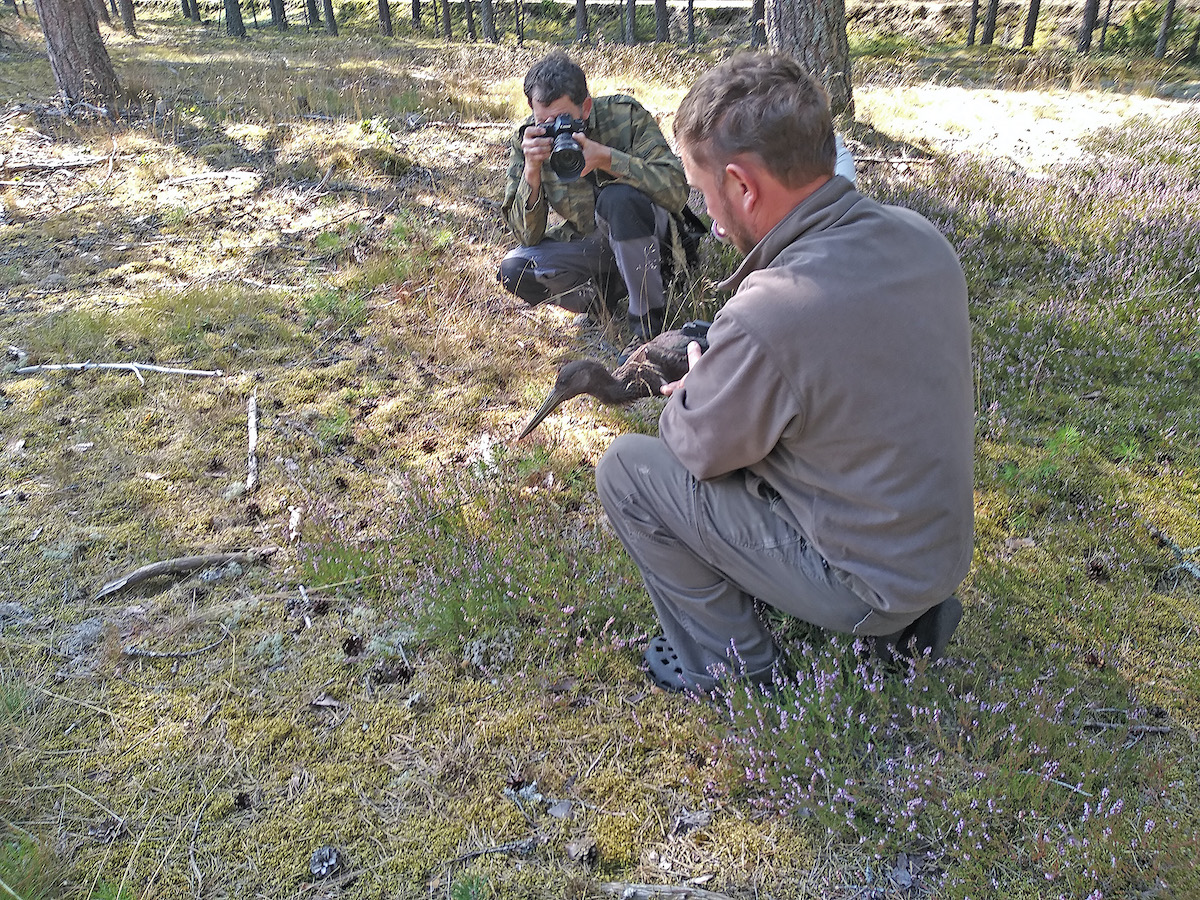
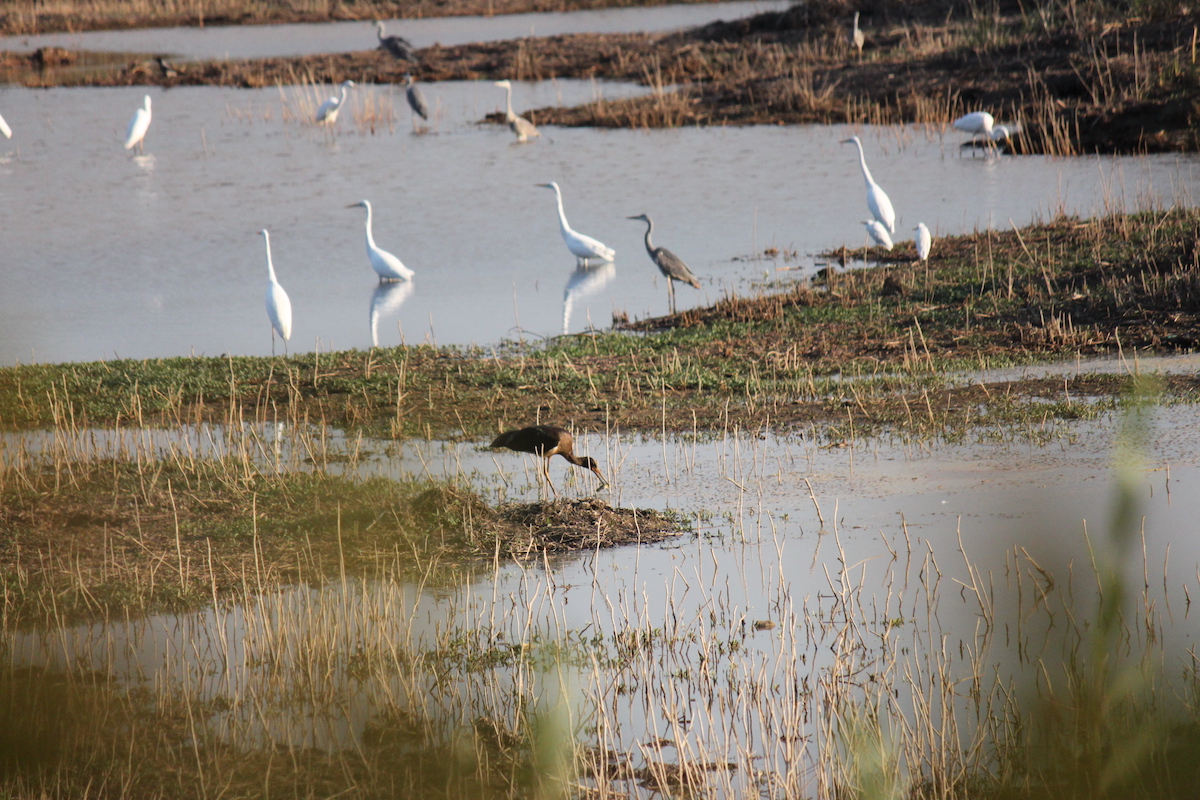
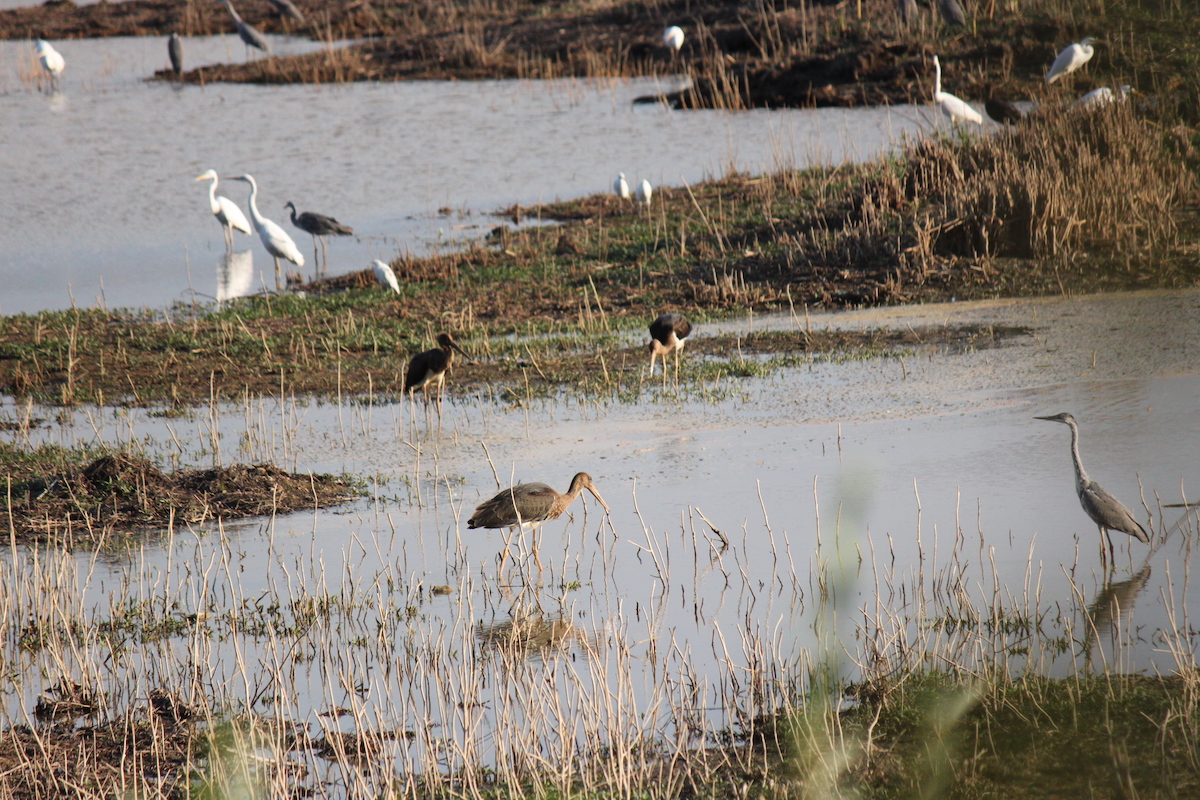
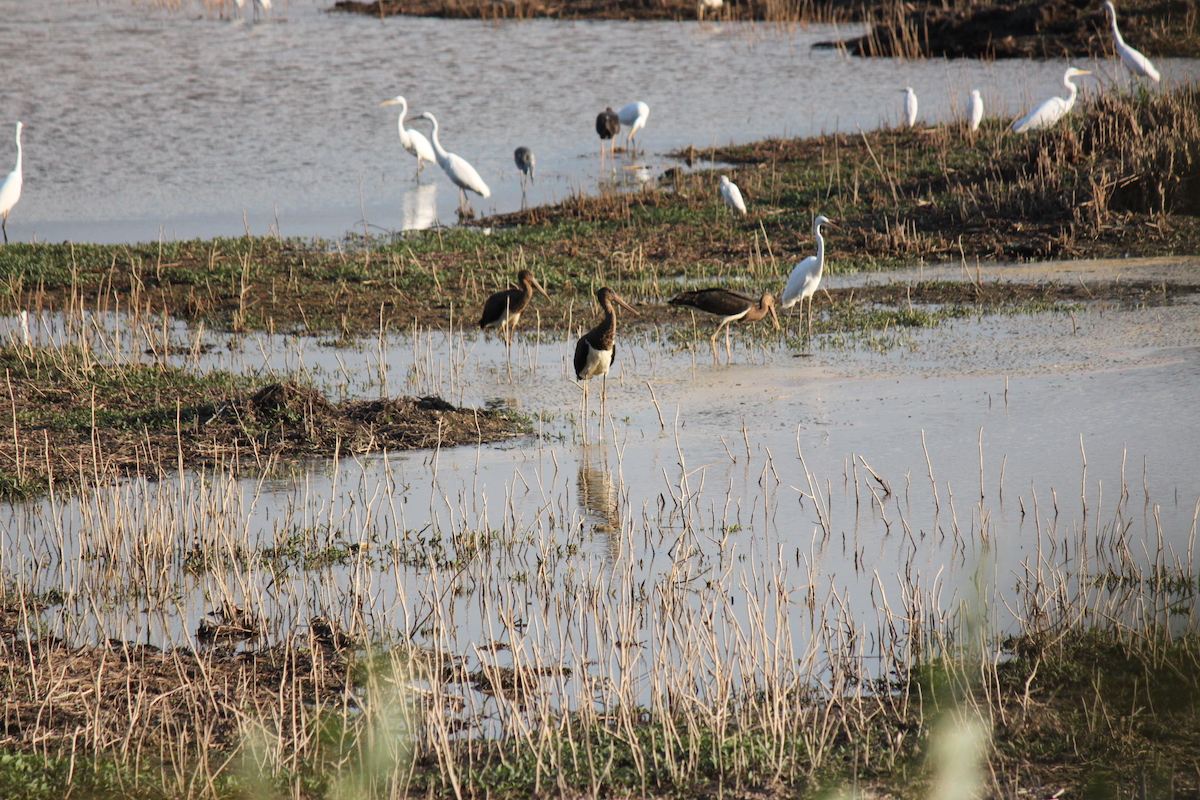
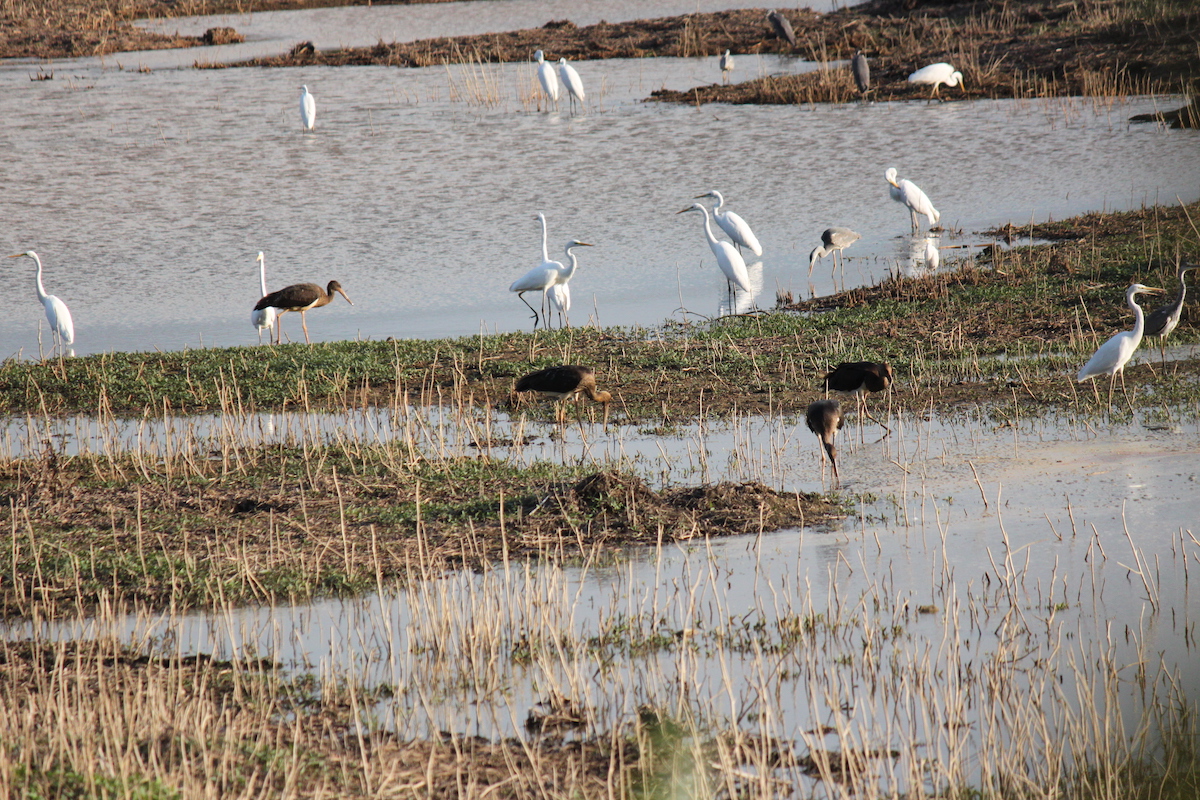
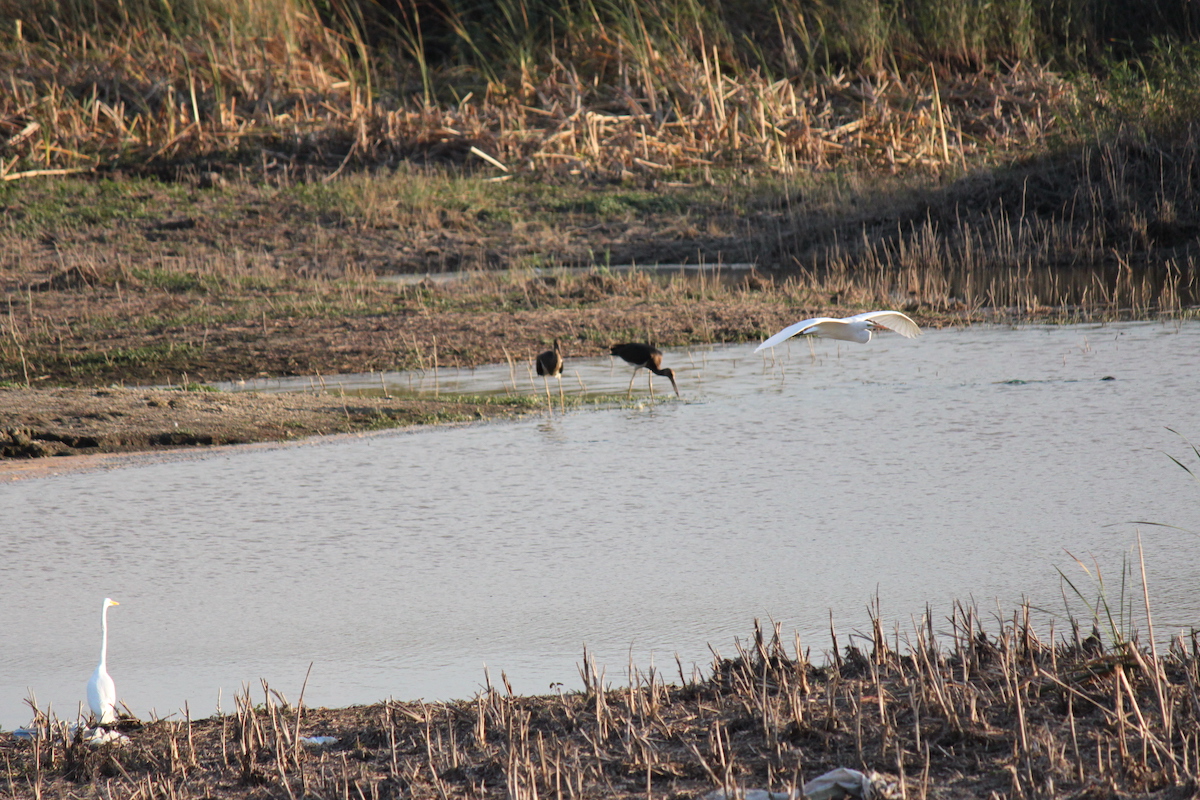
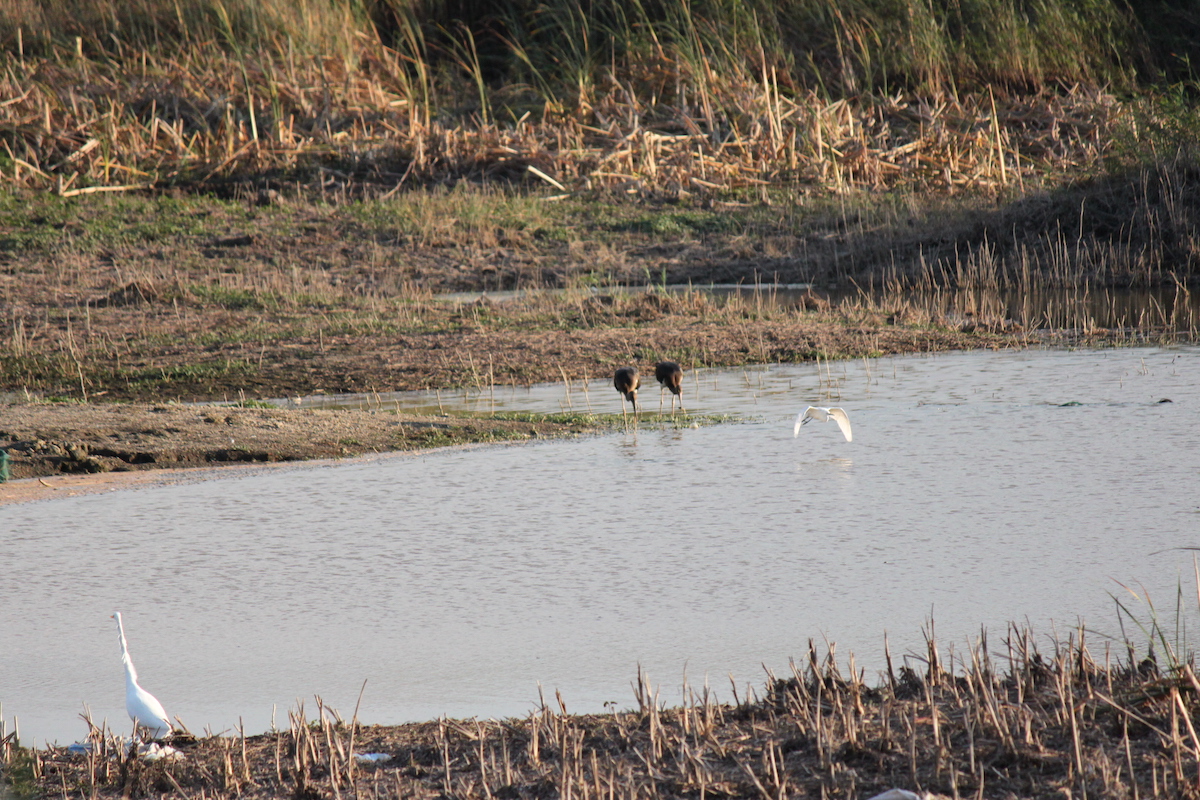
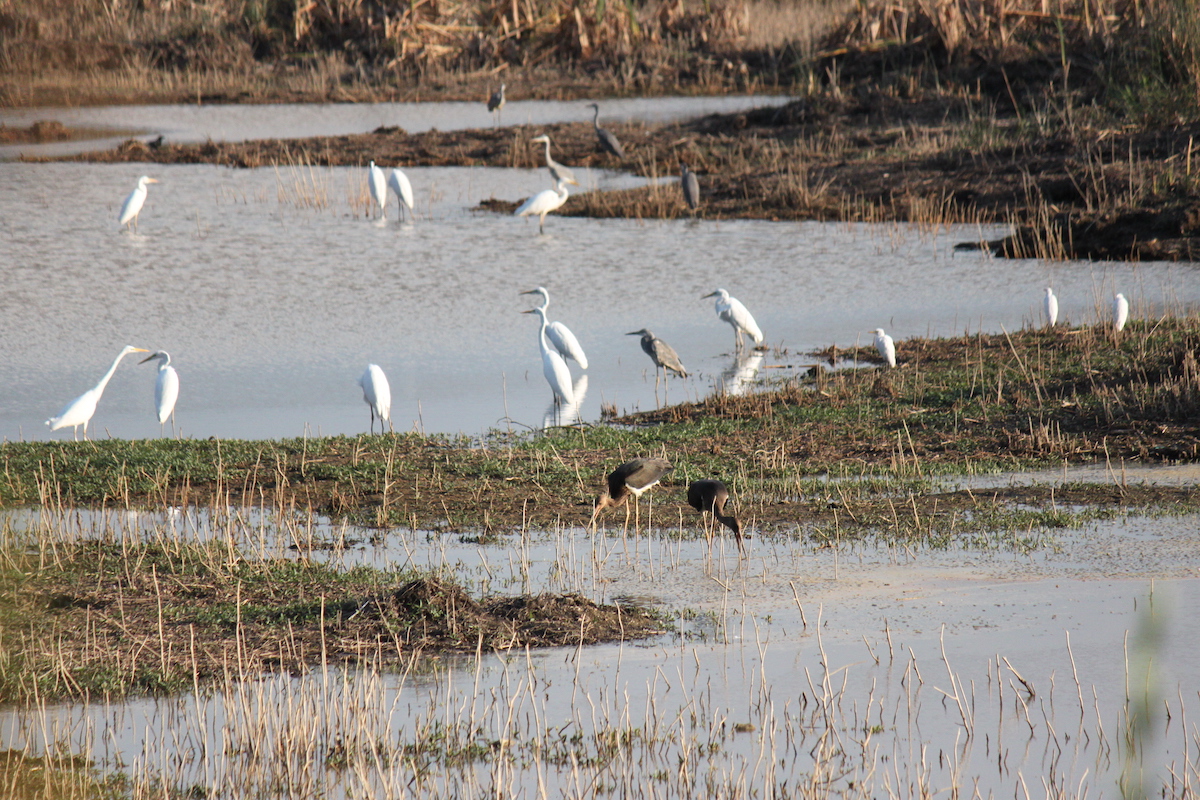
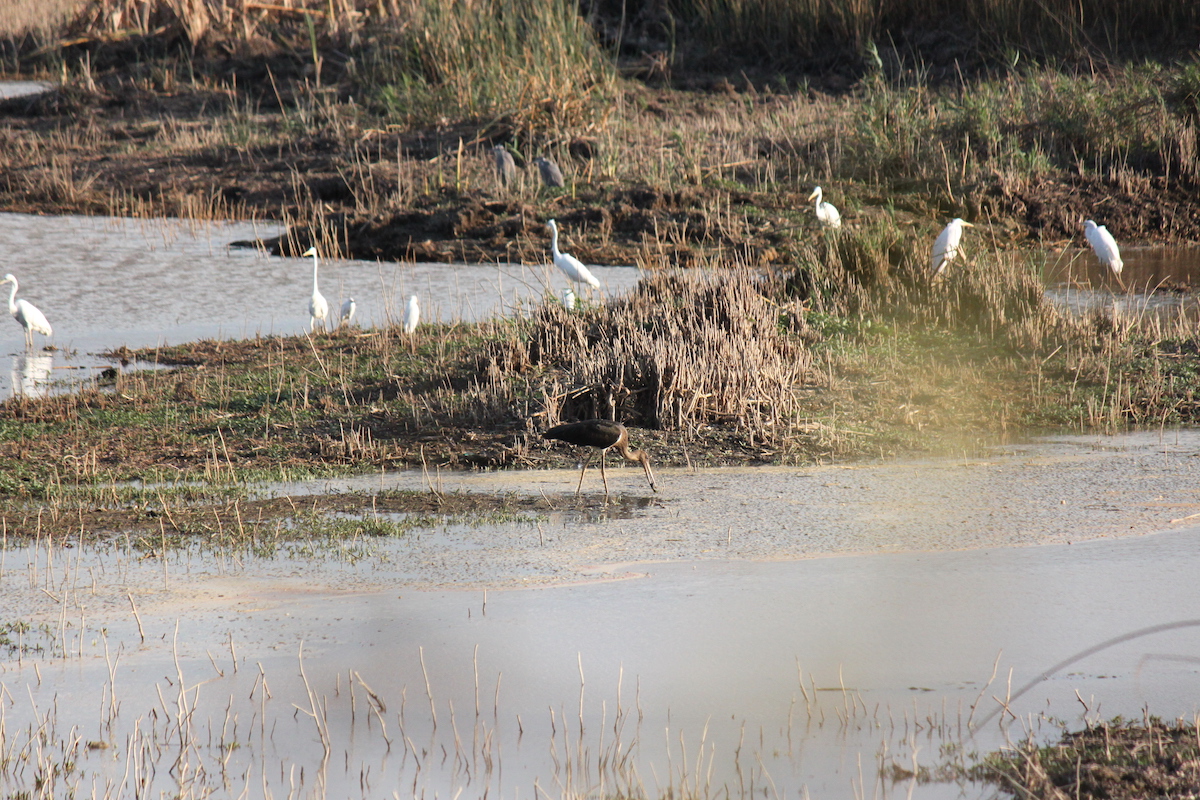
After some detailed field investigation our field officer came to the conclusion that due to the abundance of fish (mostly Common carp) trapped in the low water pools, many wading birds are taking advantage of this bounty and staying around the area, including a flock of juvenile Black storks (Ciconia nigra)
Due to climate change among other factors, Black storks in Estonia are facing serious problems, for example: the past three years were very dry which led to a shortage of food and the consequent starvation of chicks in the nest.
This emphasises the importance of Ammiq wetland as a stopover site and resting place for waterbirds on their migration route.
Vedru left Lebanon on 17/11/2020 to continue its great migration south. We can only estimate that Vedru gained weight on its ten days of eating Lebanese Cuisine.