

By Assad Serhal
Director General of the Society for the Protection of Nature in Lebanon (SPNL),Founder and Chairman of Homat Al Hima International (HHI).
In a powerful and heartfelt message, I reaffirm the urgent need for a united and strategic movement to combat the Illegal Killing of Birds (IKB) and protect Lebanon’s wildlife. This is not just about acknowledging ongoing efforts, but a rallying cry for greater action and collective commitment.
A Turning Point: Zero Tolerance for IKB
“We are on the right track,” I firmly believe, as I applaud the dedication and professionalism of those leading this battle. Real change will only come when this movement is perceived as a coordinated, well-planned initiative led by respected role models, rather than fragmented individual efforts.
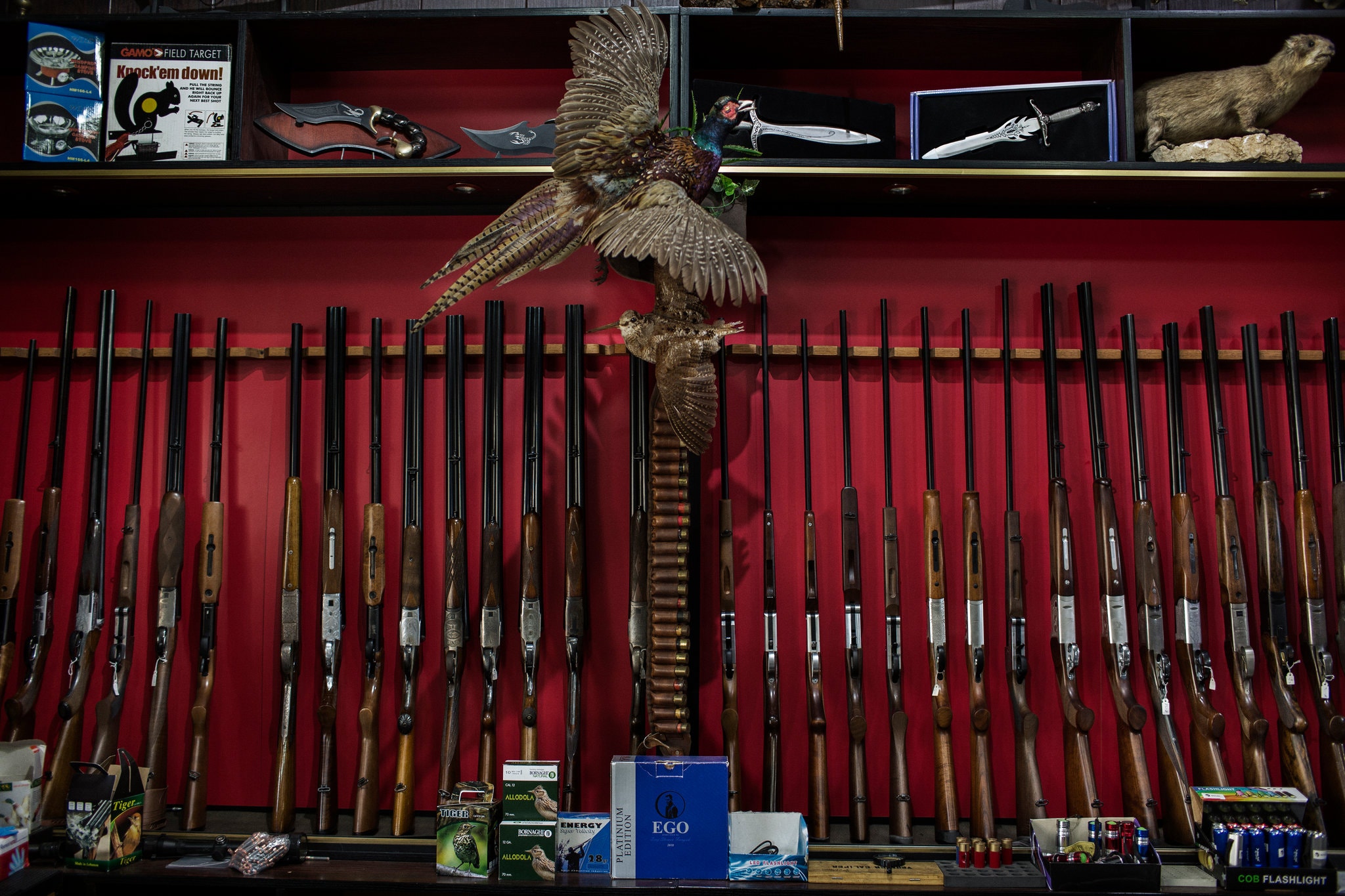
For too long, poachers—al-qawasīn, as they are locally known—have benefitted from political backing, marketing themselves as a large, unified group with significant influence. It is estimated that over 300,000 poachers operate across Lebanon, while even the strongest environmental NGOs struggle to mobilize a fraction of that number in active volunteers.
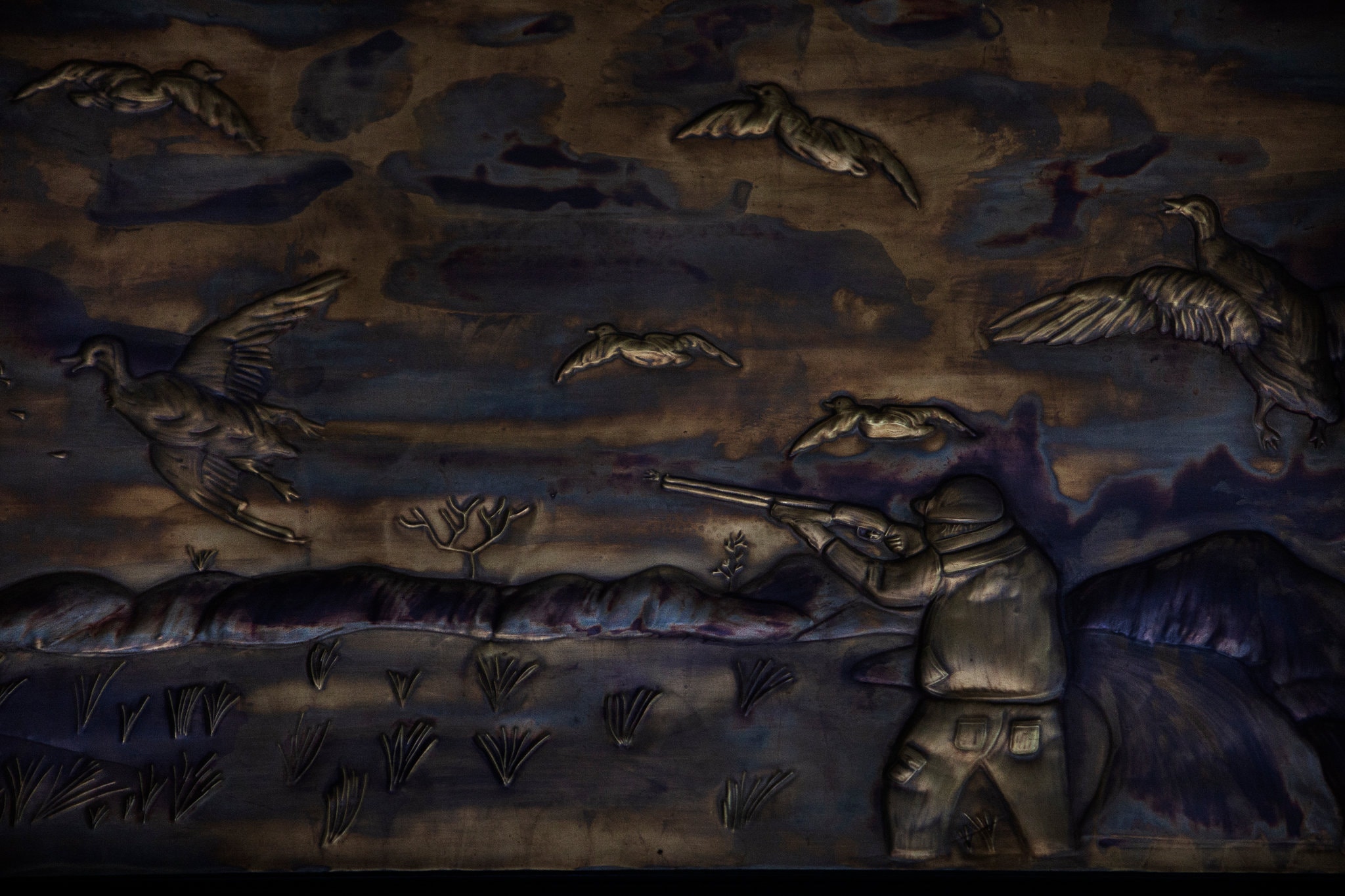
However, the tide is turning. A new generation of conservationists is stepping up, embracing professionalism, unity, and visibility. The recent training events and public engagements have set a precedent for how this movement can—and must—grow.
From Conflict to Collaboration
For the first time, Lebanon’s environmental community is working together in a positive and professional manner, moving beyond the past era of individual battles and internal conflicts. The importance of collaboration across ministries, organizations, and the public cannot be overstated.
Key stakeholders, including Balamand University, have identified at least one Responsible Hunting Area (RHA) in each muhafazah (governorate). These areas are backed by scientific studies and mapped out in official publications. The challenge now is to convince the government—including the Ministries of Environment, Interior, Justice, the Army, and the media—to take these efforts seriously and implement necessary policies.

Hope for a Future Without IKB Hotspots
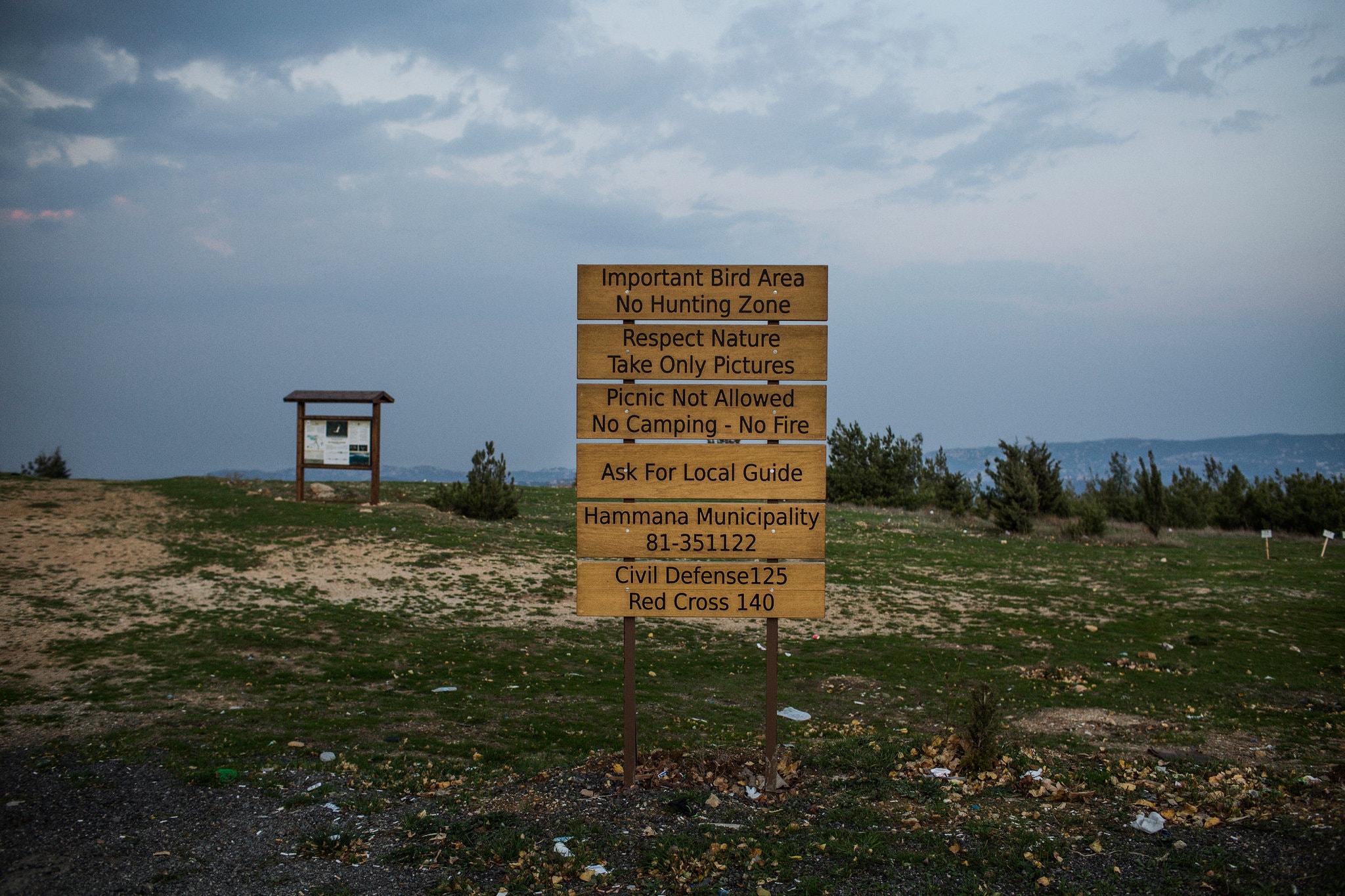
I envision a future where Lebanon’s IKB hotspots are completely eliminated, leaving only a few well-monitored RHAs for responsible hunters. This is not just an environmental goal—it is a national priority. The battle against illegal poaching is as much about conservation as it is about national identity, ensuring that future generations can experience the wonder of migrating birds and Lebanon’s rich biodiversity.
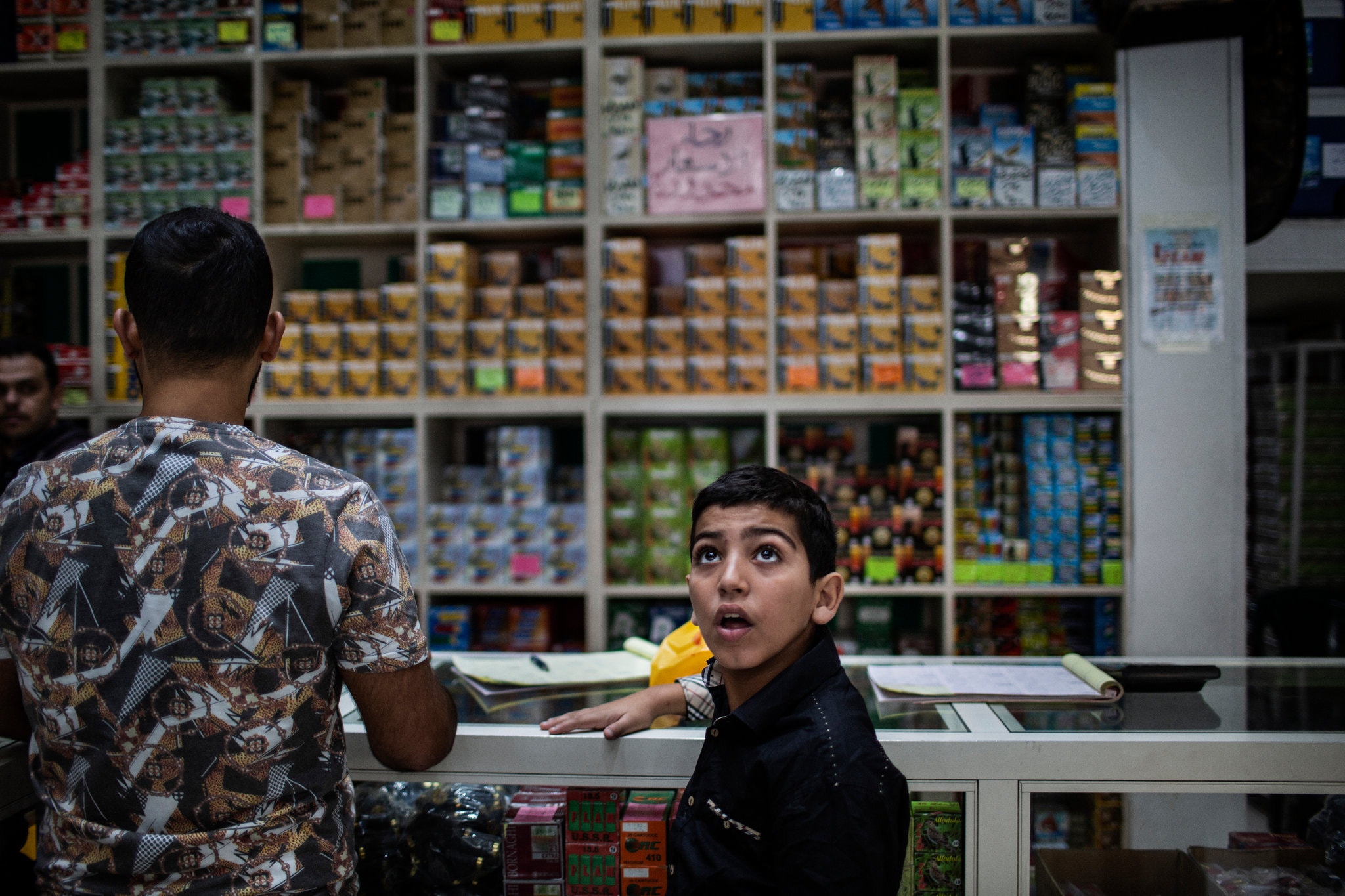
The efforts of this movement are already bearing fruit. Through BioConnect Project initiatives, mobile exhibits, and growing public awareness, Lebanon is witnessing a shift towards a culture of conservation rather than exploitation.
The Fight Against “Nature Bankruptcy” Must Continue
My closing remarks serve as a poignant reminder of what is at stake: “Nature Bankruptcy by poachers caught red-handed every migration season has to be stopped.” This can only be achieved if environmental advocates, decision-makers, and the public stand together as one.
I remain hopeful that through unity, persistence, and professionalism, Lebanon can win this battle—just as we did in establishing its protected areas system.
The message is clear: The time to act is now. The illegal killing of birds and wildlife in Lebanon and the Middle East can and will be stopped—by all of us, as one team.