

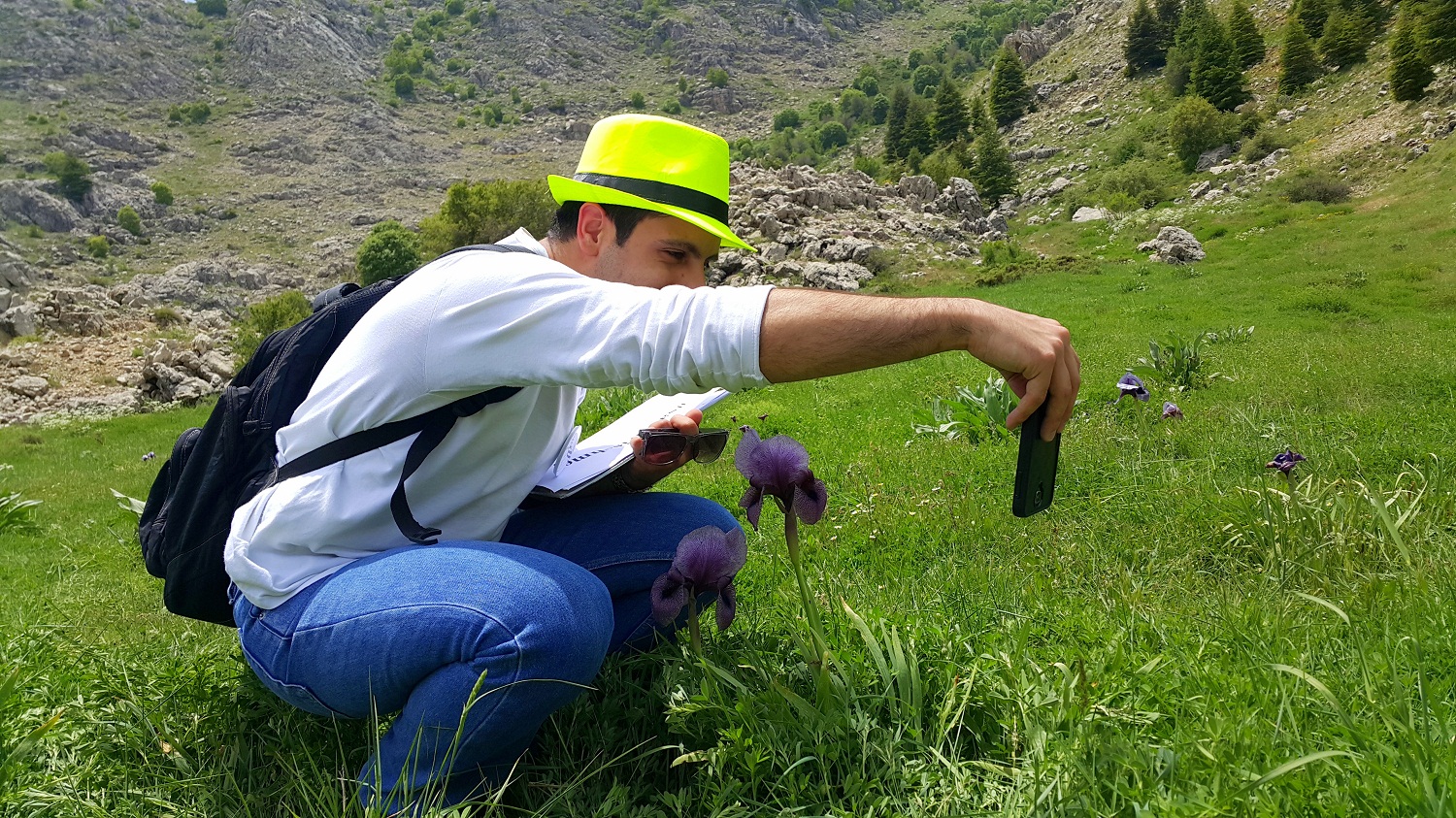
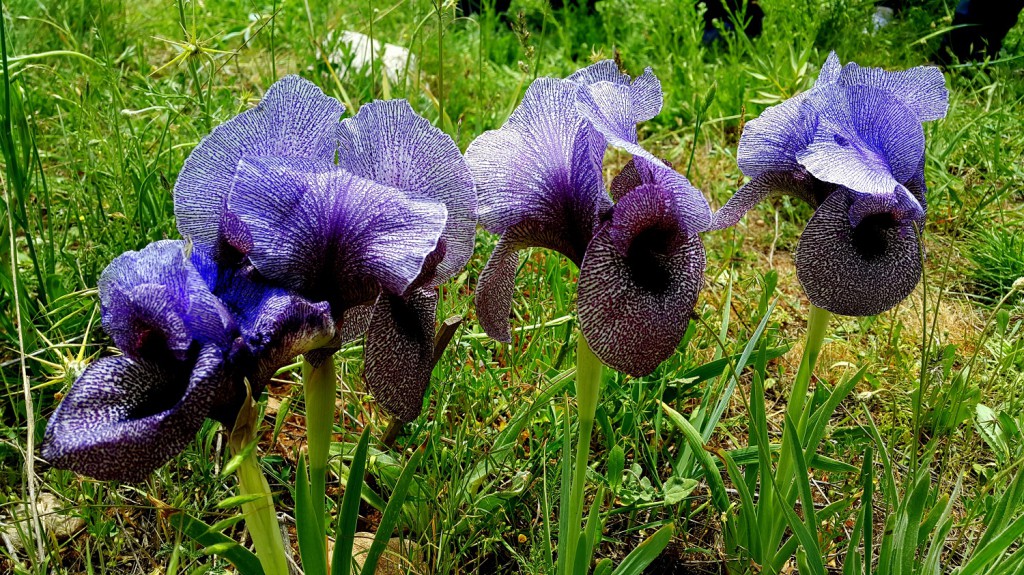
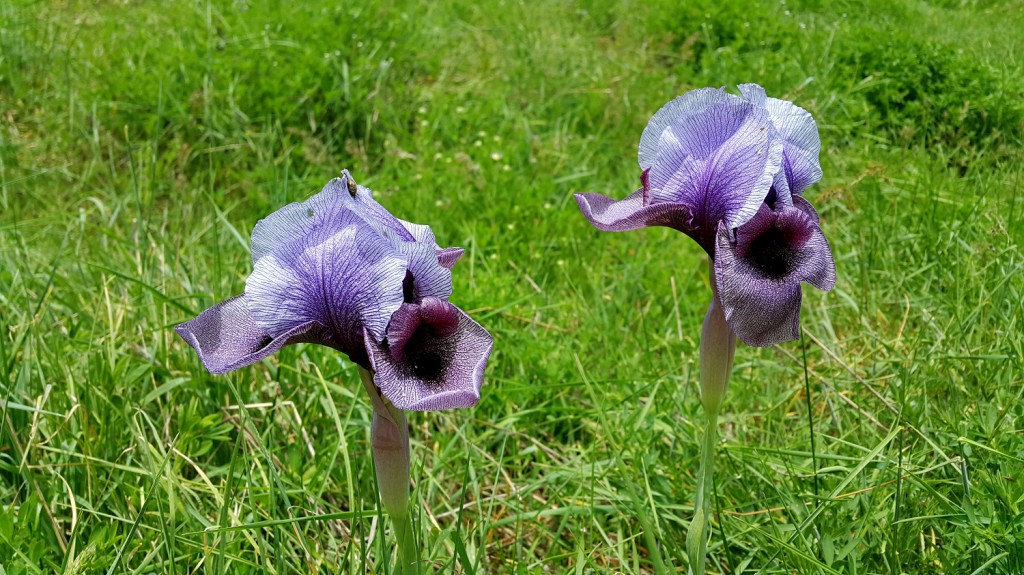
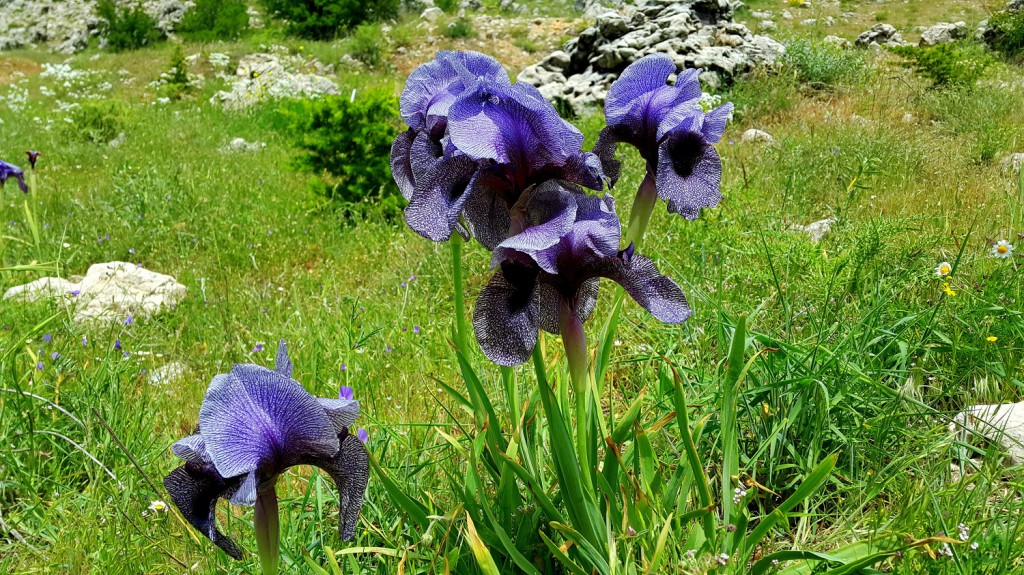
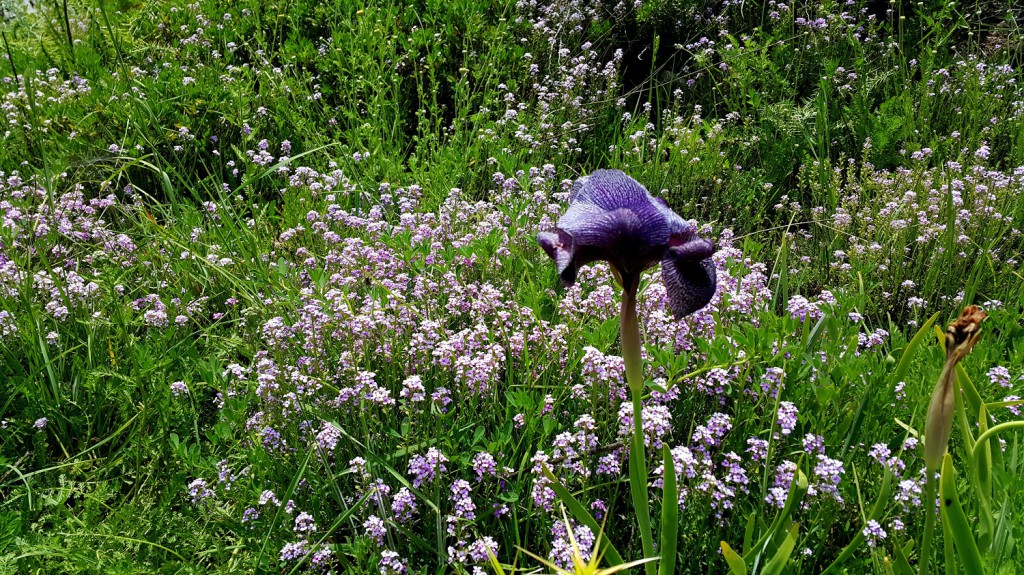
Iris Sofarana is an endemic species of Mount Lebanon, which means it only naturally occurs in Mount Lebanon. It grows only on a low herbaceous vegetarian and rocky slopes in mountainous regions between 1300 and 1700 meters of altitude.
It was first described by Sir Michael Foster in 1889, an English physiologist with specimens collected around the village of Sofar. Two forms within this species were described: the forma Kasruwana and forma Westii and differ mainly in sizes. Beside being an endemic, Iris Sofarana is a rare species known from only seven localities in Lebanon such as Ehmej, Ehden, Faraya, Dahr el baidar and Sofar.
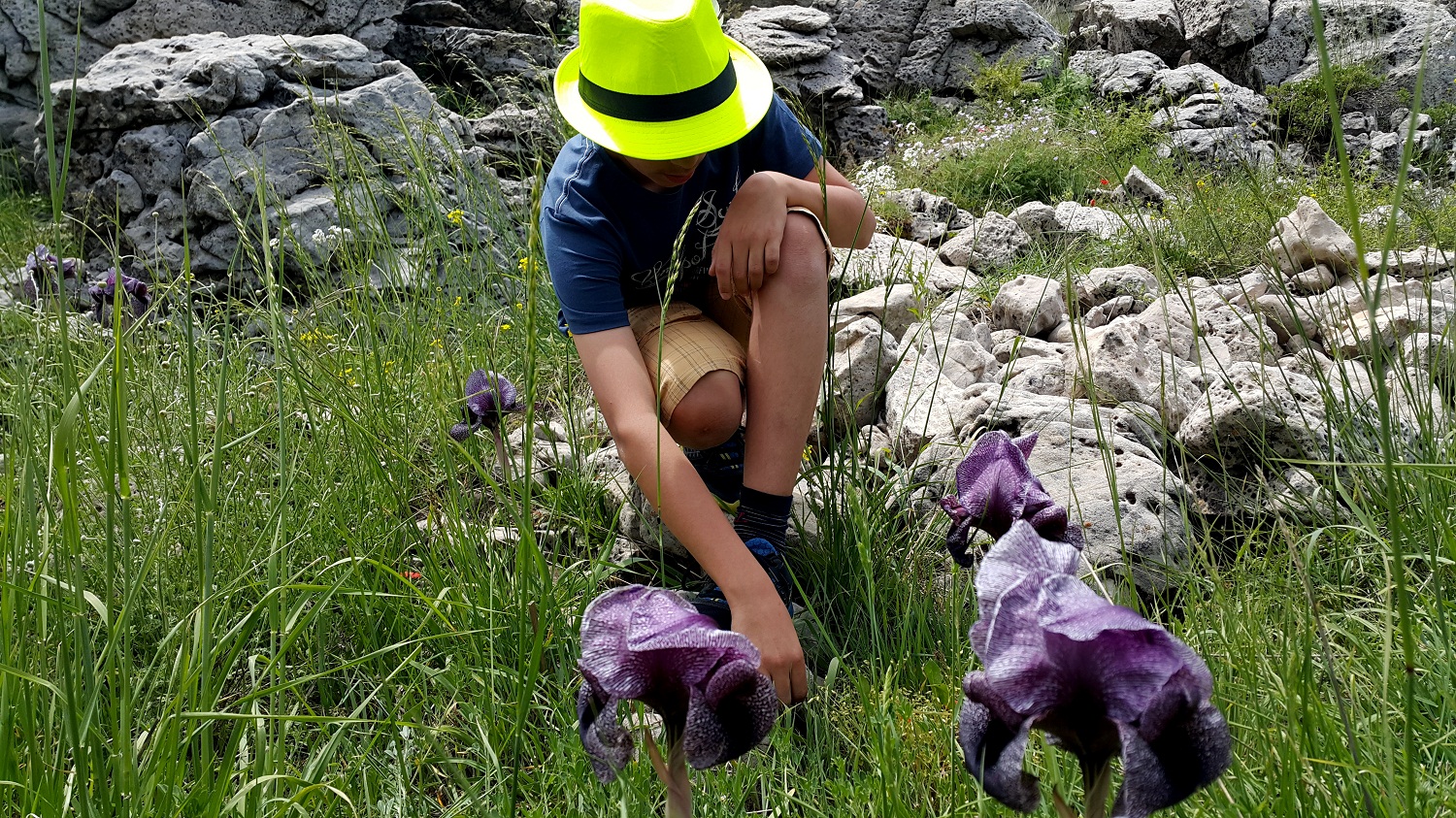
Many threats compromise the durability of the species, housing and roads construction are the most important threat as they destroy natural habitats, fragment them into isolated patches and prevent the movement of pollinators, therefore an isolated population of Iris Sofarana cannot transfer pollen with other population. Moreover in agricultural areas, the use of pesticide greatly impacts the ecosystem as it is fatal for the bees and other type of insects. These factors make the species quite vulnerable and it may still decline if conservation measures are not taken into consideration.
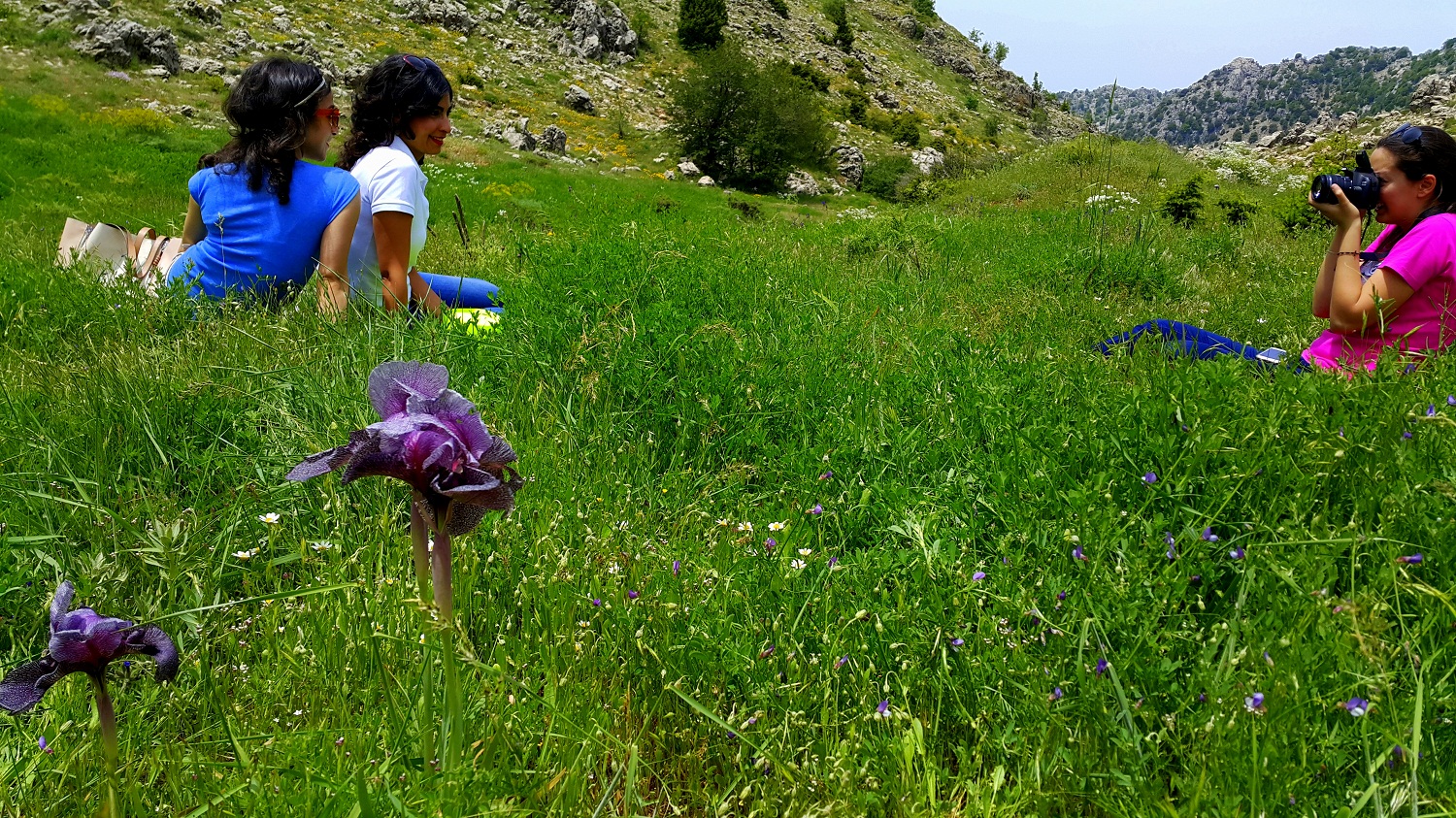
The natural site of Al Dichar in Ehmej, was created in May 2015 under the designation of protected natural site. More than 62 hectares of public lands were offered to make a sanctuary for nature. The scientific work and the studies on the flora were carried out by the Saint Joseph University with the kind and devoted cooperation of the municipality of Ehmej, the project was funded by CEPF which is a global program to help protect biodiversity hot spots, Earth’s most biologically rich yet threatened areas.
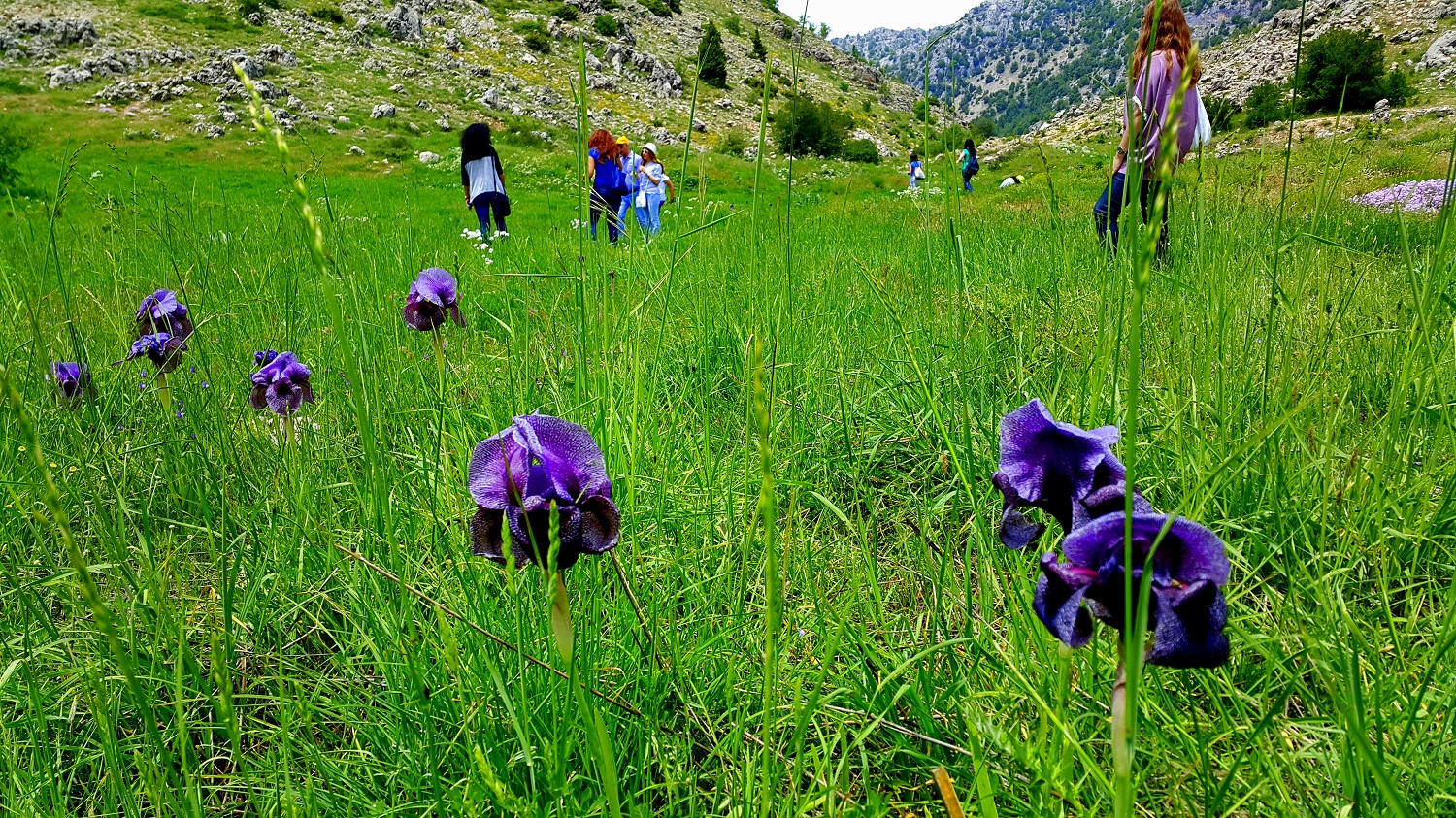
The site of Al Dichar can be considered as a plant micro reserve as it aims firstly at protecting a rare species endemic to Mount Lebanon Iris Sofarana and protecting the natural habitat of this Iris. Every other animal and plant species associated to it are also being conserved.
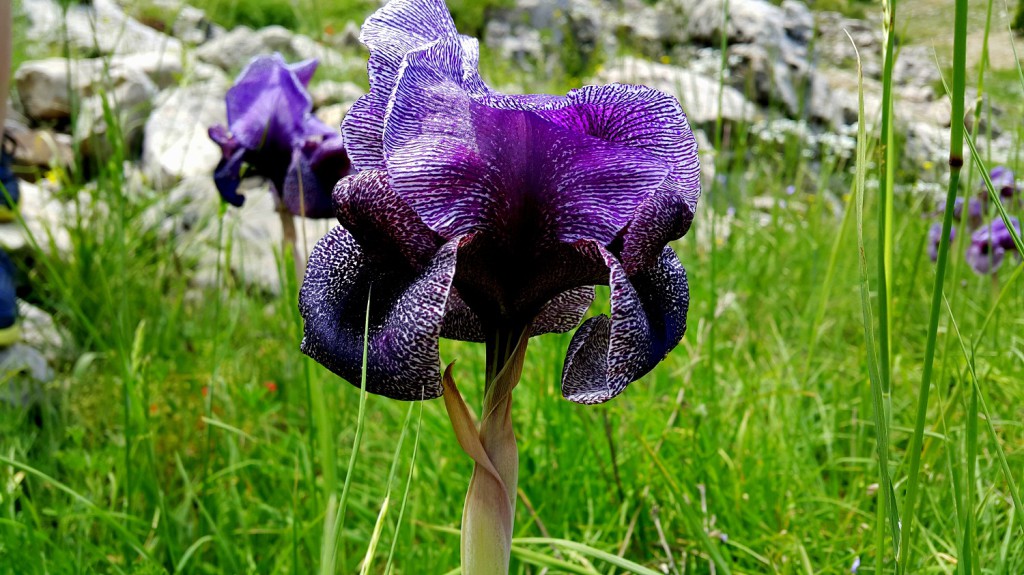
Where is the site of El Dichar:
The site of el Dichar is located next to the village of Laqlouq and Tannourine, however it is set back behind the slopes and known mainly by locals. The reason that motivated the selection of this site is to create a plant micro Reserve with the presence of one of ten left known locations for the population of of Iris Sofrana.
Iris Sofrana opens up its large flowers in May for an ephemeral and breathtaking spectacle.
Source: http://glamroz.com