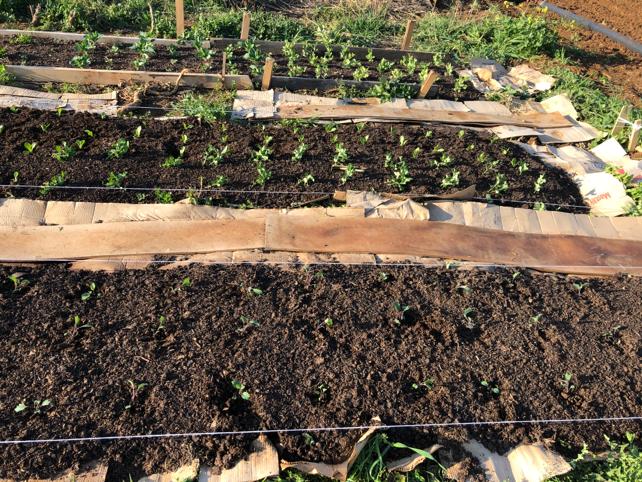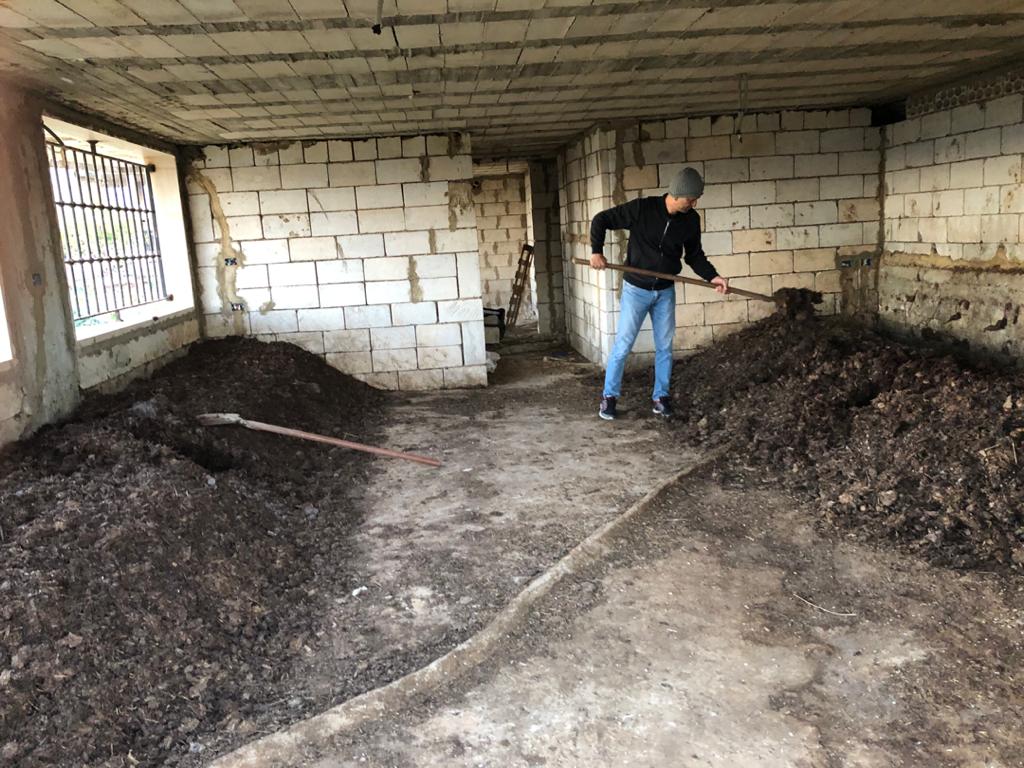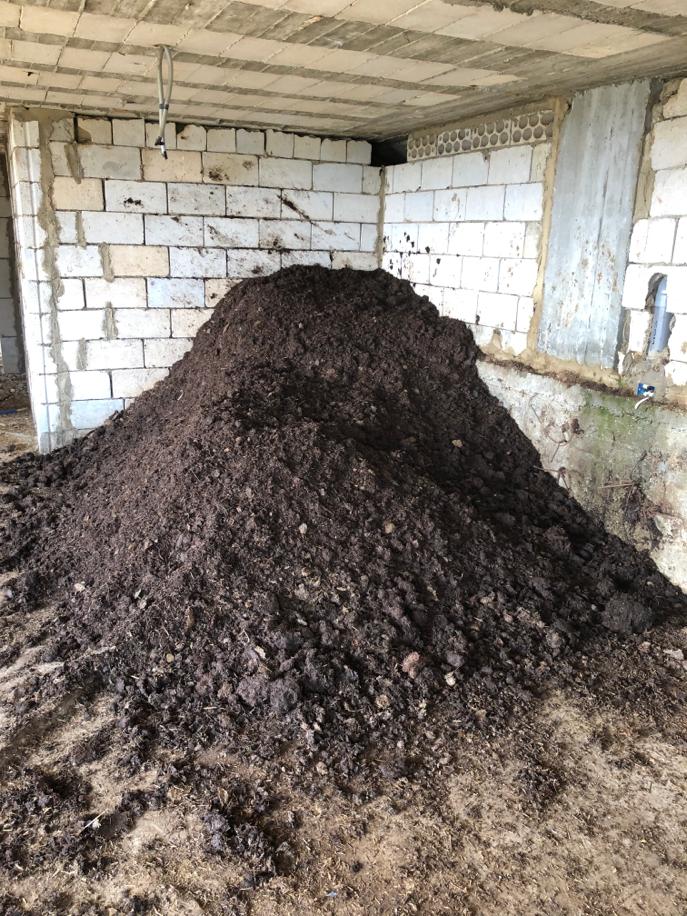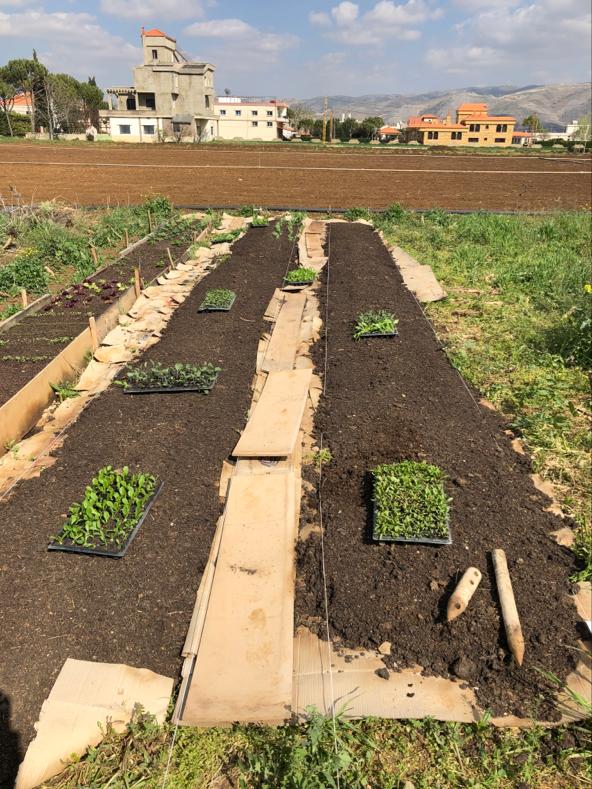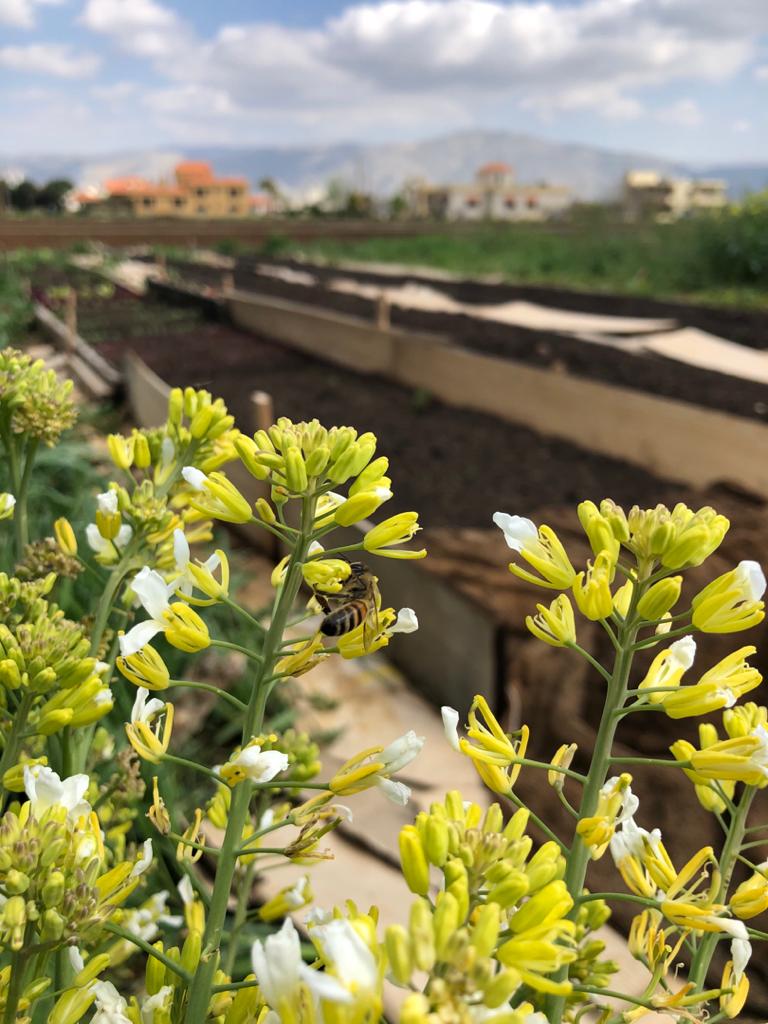


As a project manager, founder, and initiator of a micro-project with huge potential funded by SPNL, TDV, and FFEM, I am working closely with dairy-farm owners and managers in the West Beqaa area around Amiq wetland to teach them how to convert the cow manure produced by their farms into Grade A compost that they can sell or use on their lands instead of using chemical fertilizers.
The micro-projects aim is to reduce agricultural runoff that is polluting the waterways around the important Amiq wetland.
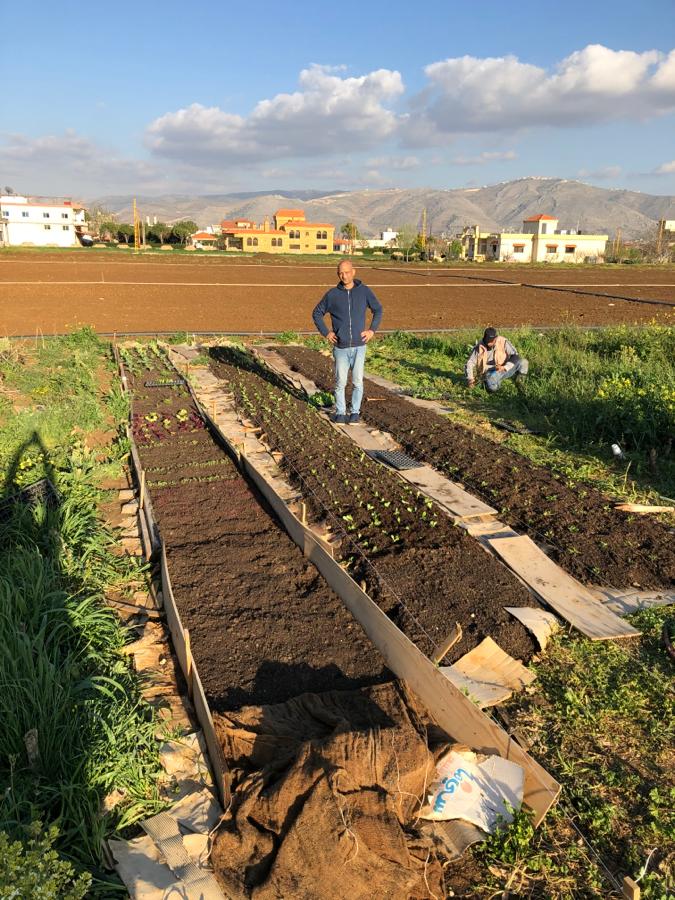
The project will also play a fundamental role as a nucleus to other projects targeting sustainable agriculture. By providing the basic material (compost) SPNL can encourage farmers to use this compost as a mulch to cut their water usage by more than half, eliminate or reduce greatly the use of chemicals, and enhance or regain their lands’ natural fertility and biodiversity, creating a better habitat for birds, reptiles, amphibians, and all other forms of wildlife in the process.
This ambitious micro-project is working on a tight budget and already the results are astounding and farmers from all over the surrounding areas are eager to see the results and participate in the best practices.
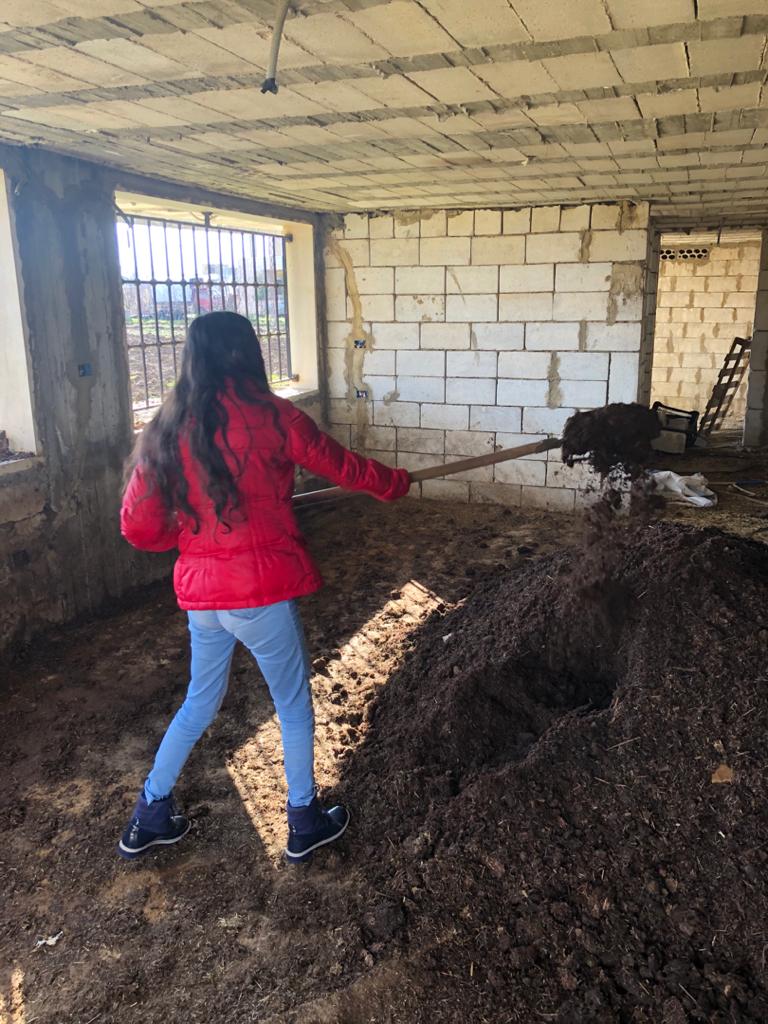
In order to have a serious impact on changing agricultural practices and deal with the huge amounts of manure produced daily by the more than 50 dairy farms in the area, The project is in need for urgent funds for the following:
A professional windrow compost turner to be able to convert all or most of the cow manure produced in the area into compost.
Also, a professional branch and a wood chipper to provide the wood chips as a base to be mixed with the cow manure for the composting process. This chipper will deal with the tones of branches discarded by orchards in the area after pruning season, which is usually burned as a common practice. As a welcome bonus, the use of this chipper to convert the branches into wood chips for composting will eventually sequester tones of carbon into the soil instead of it being released into the atmosphere through burning.