

By Husein Ali Zorkot
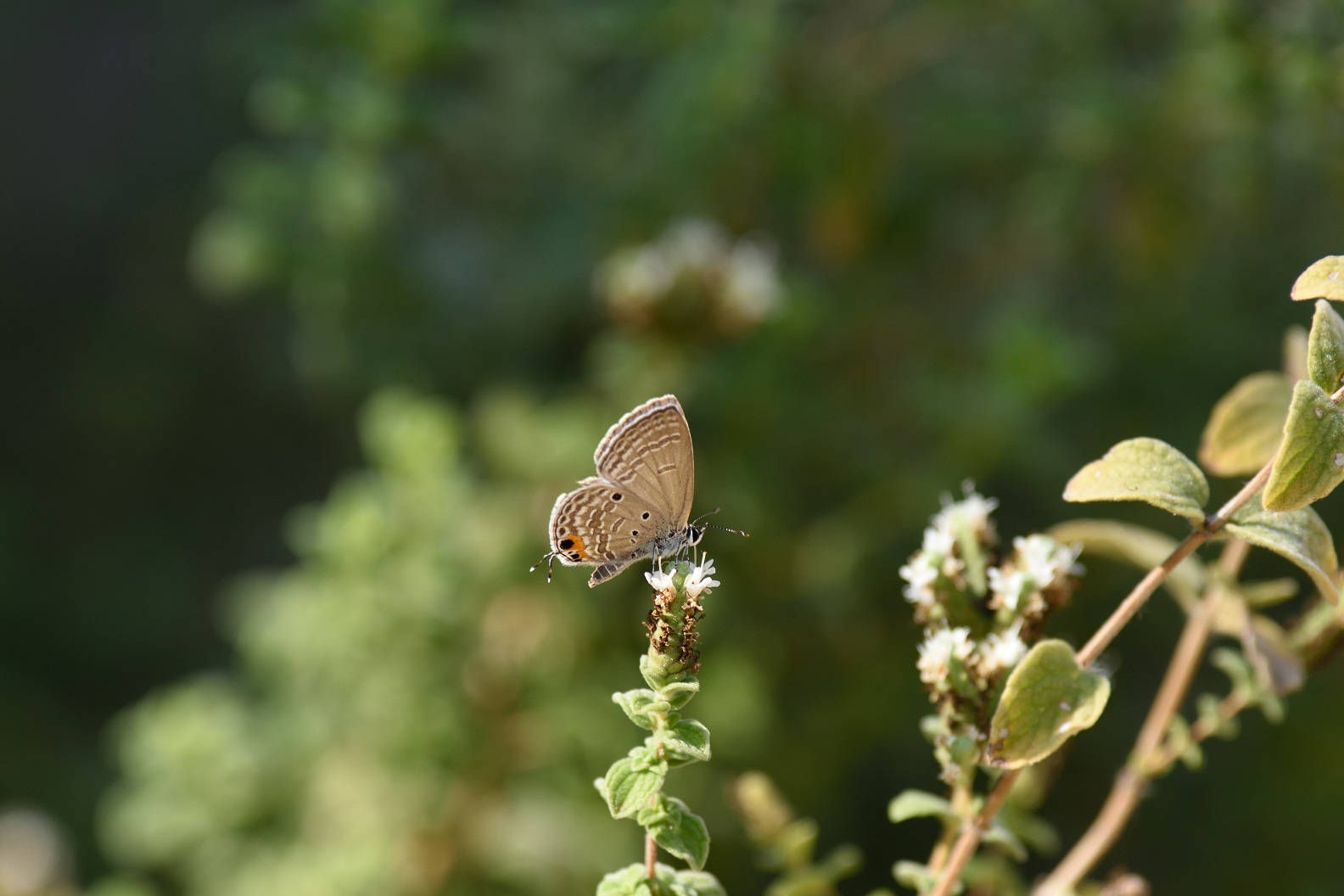
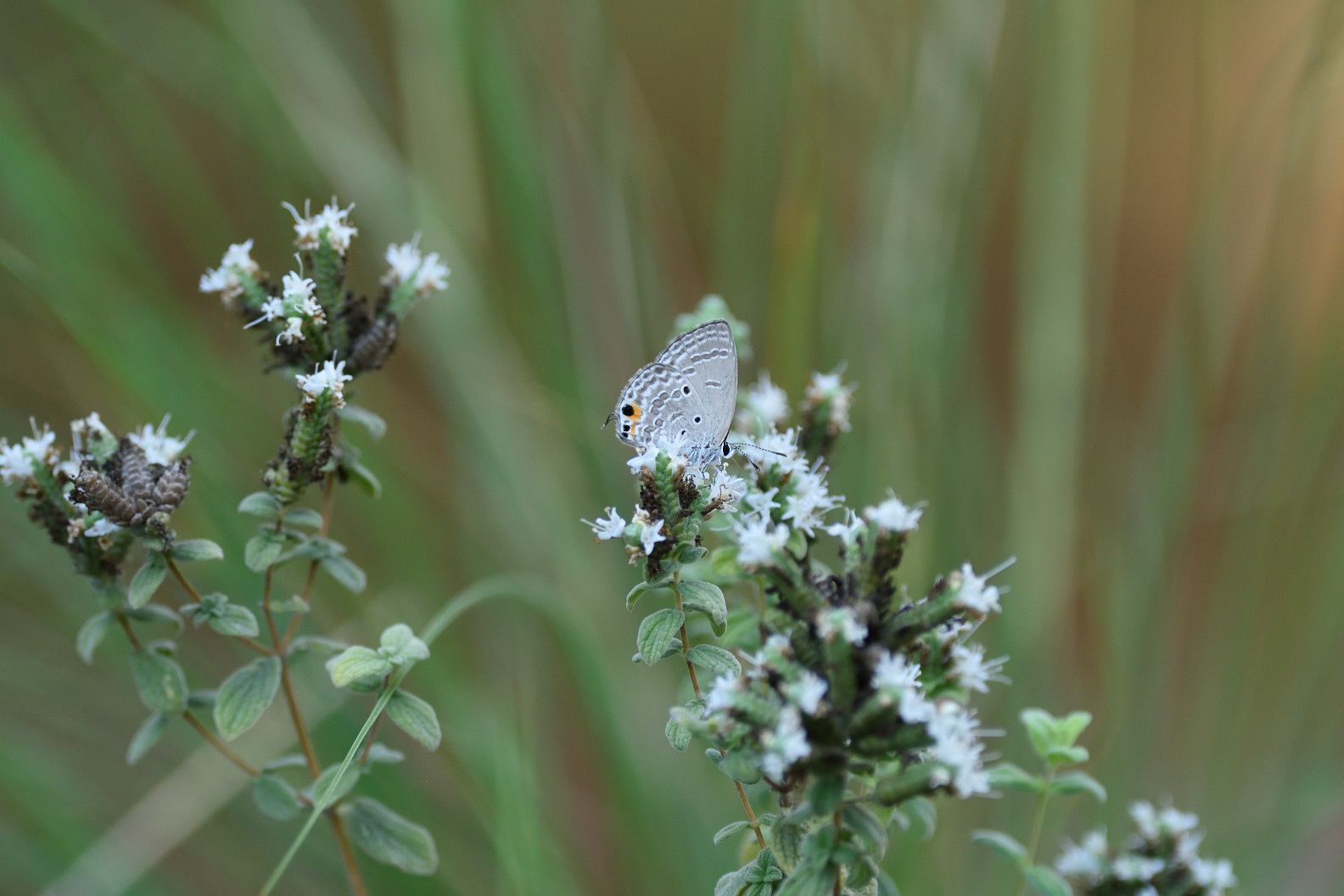
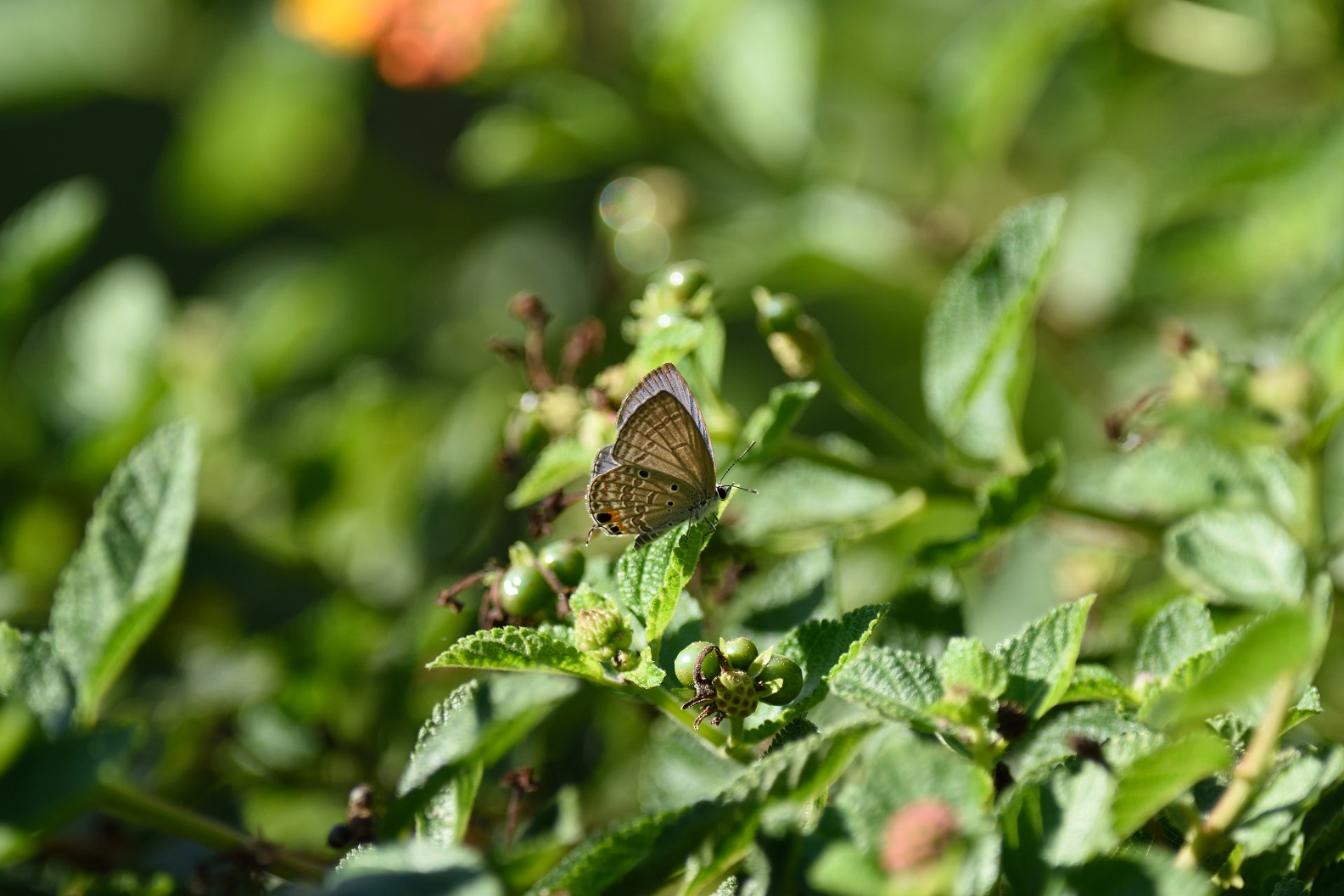
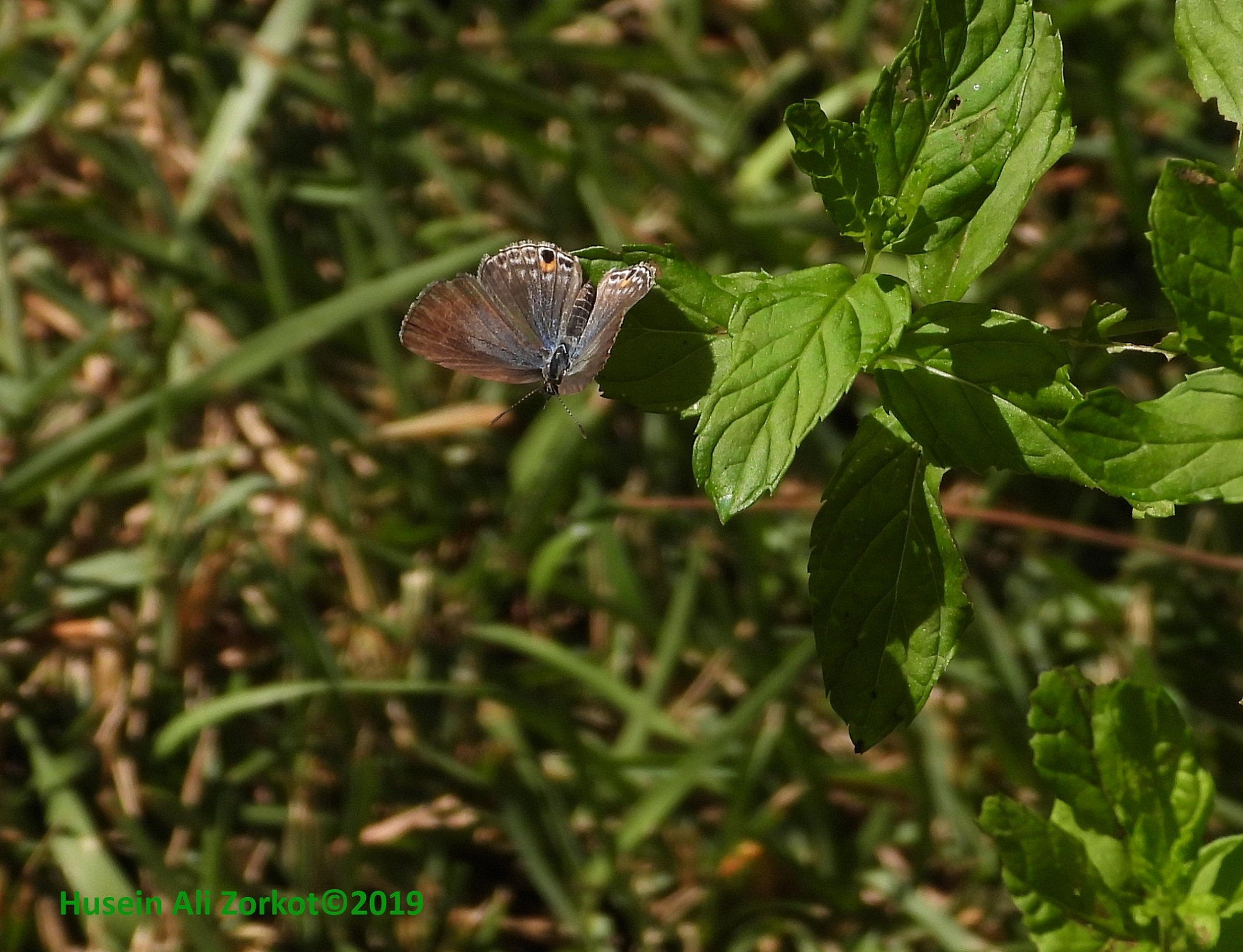
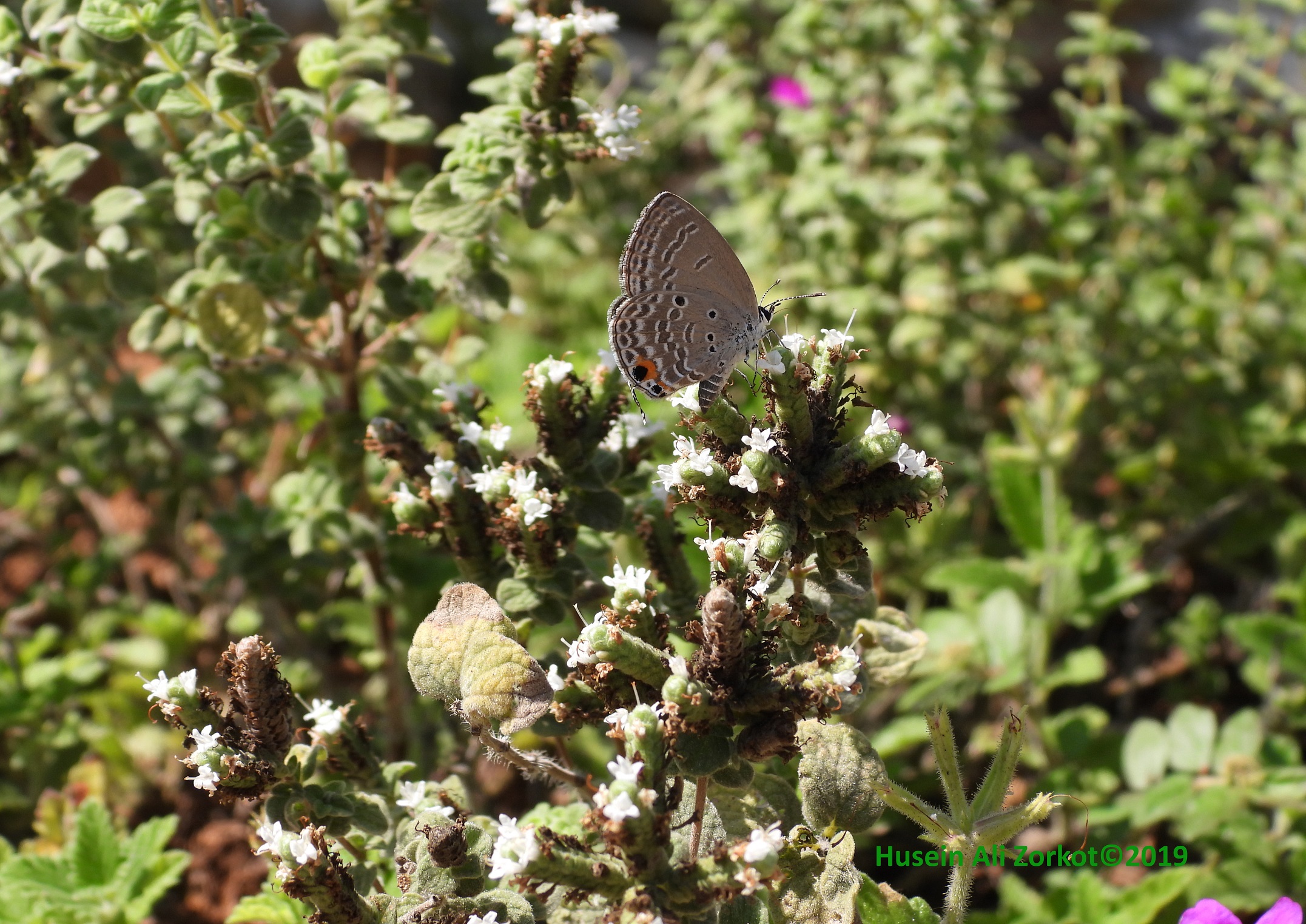
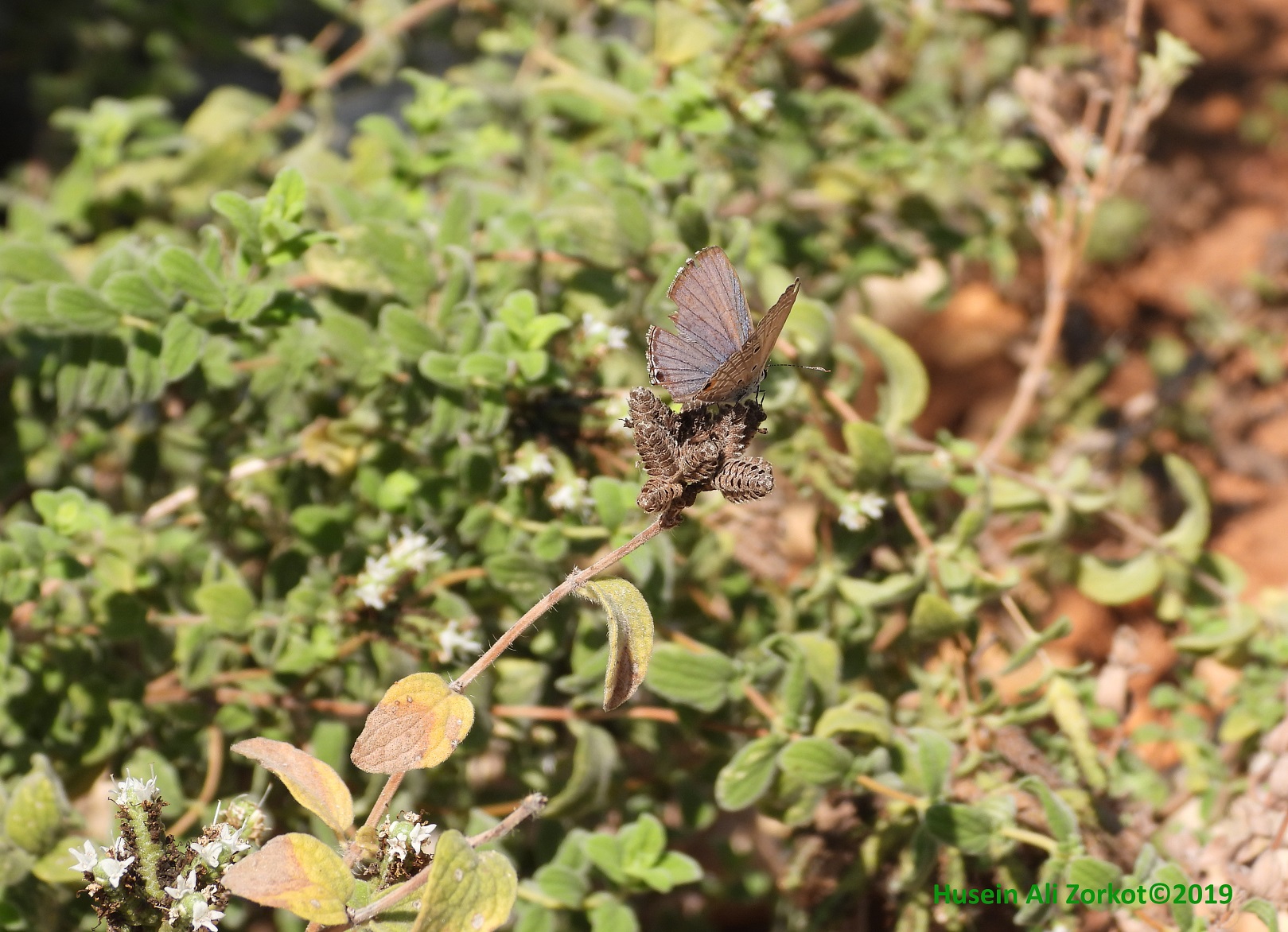
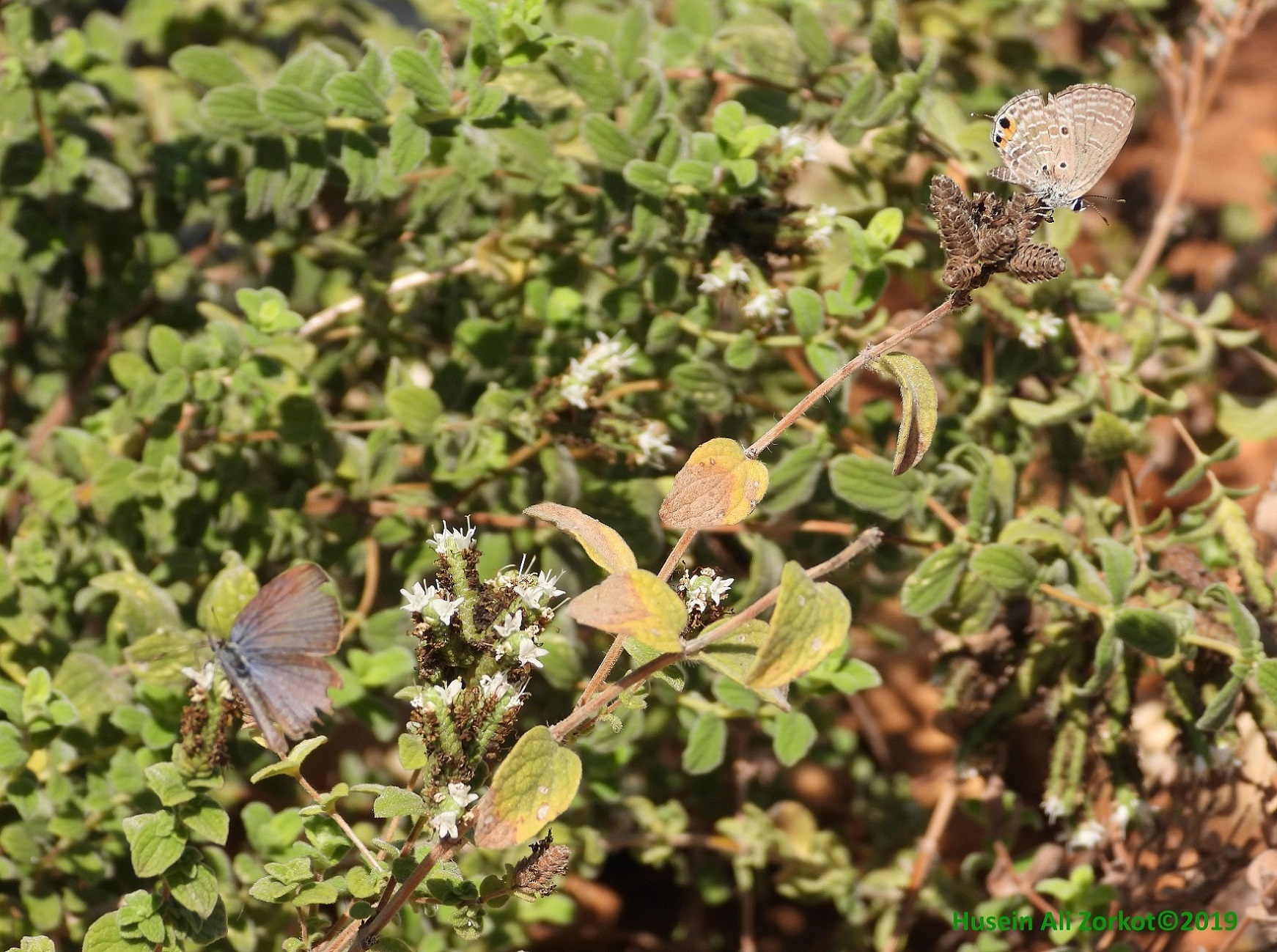
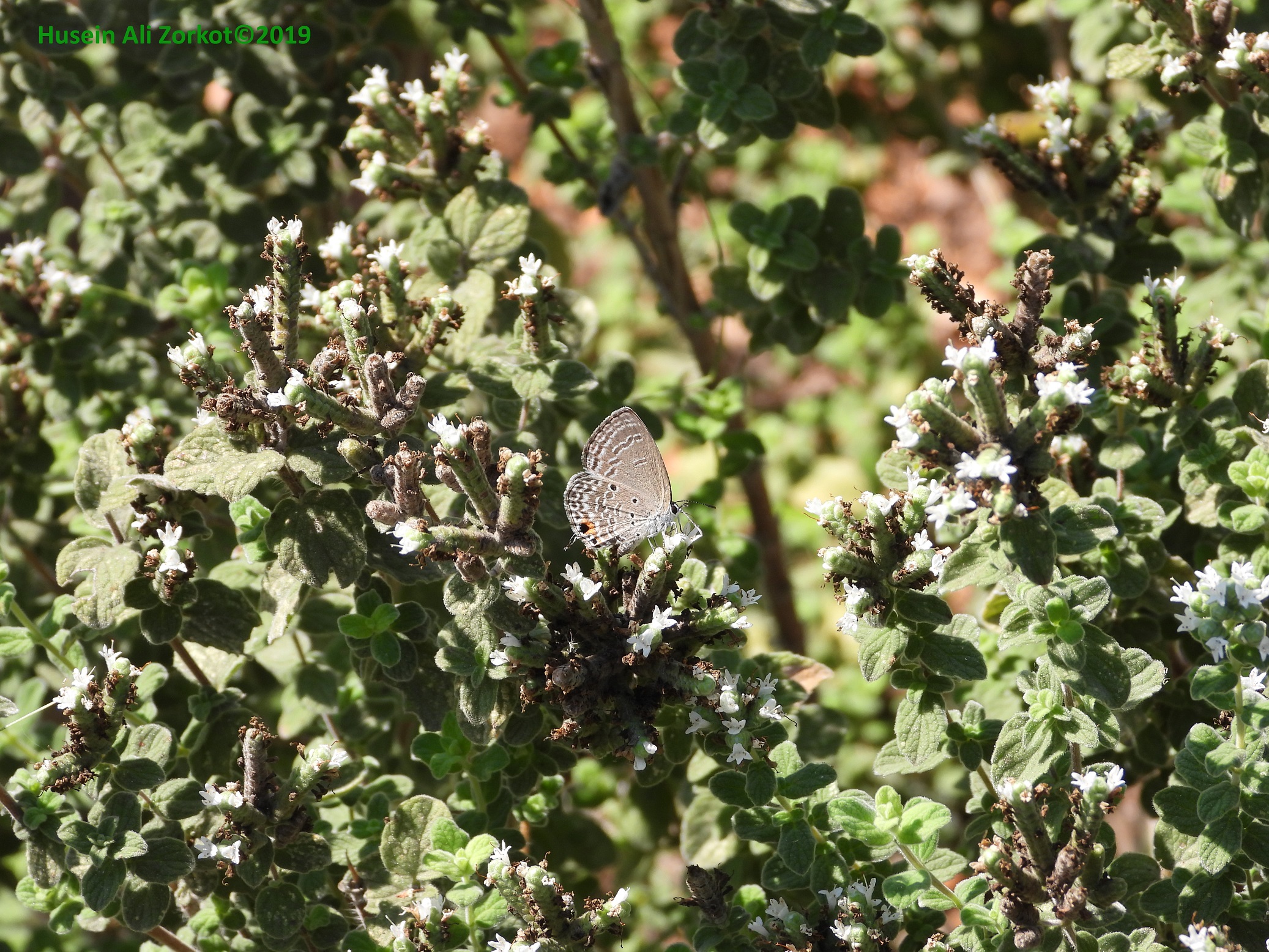
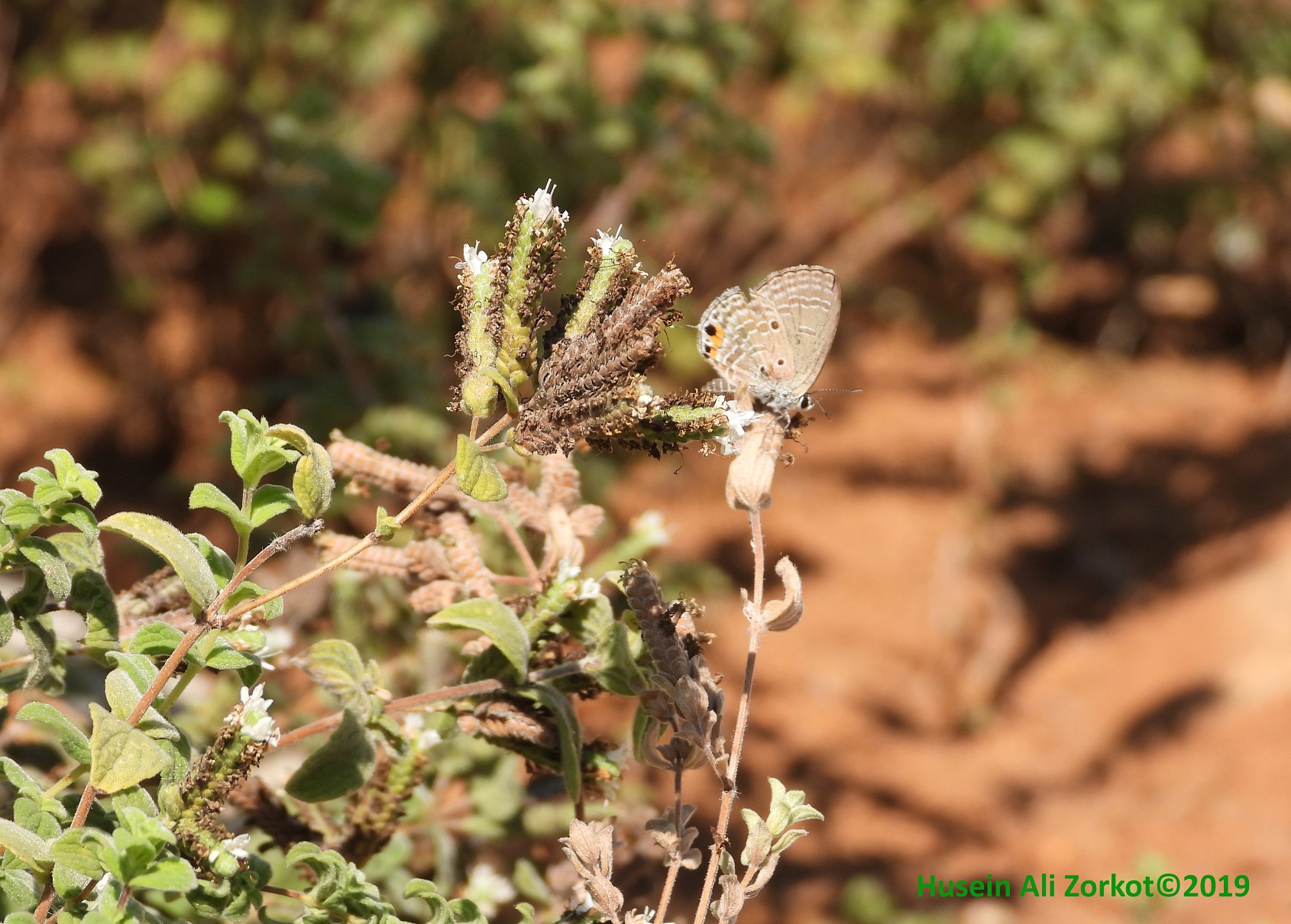
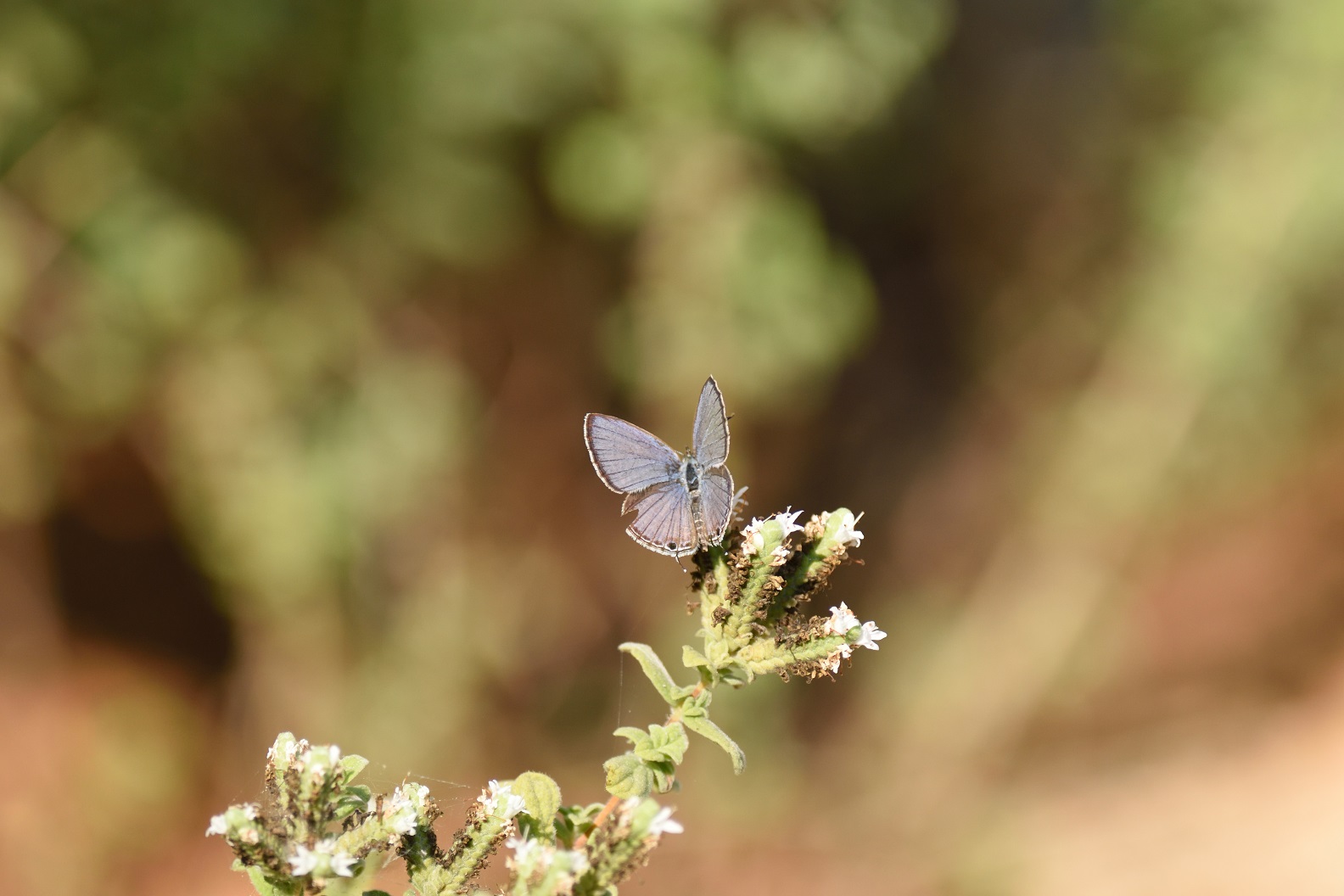
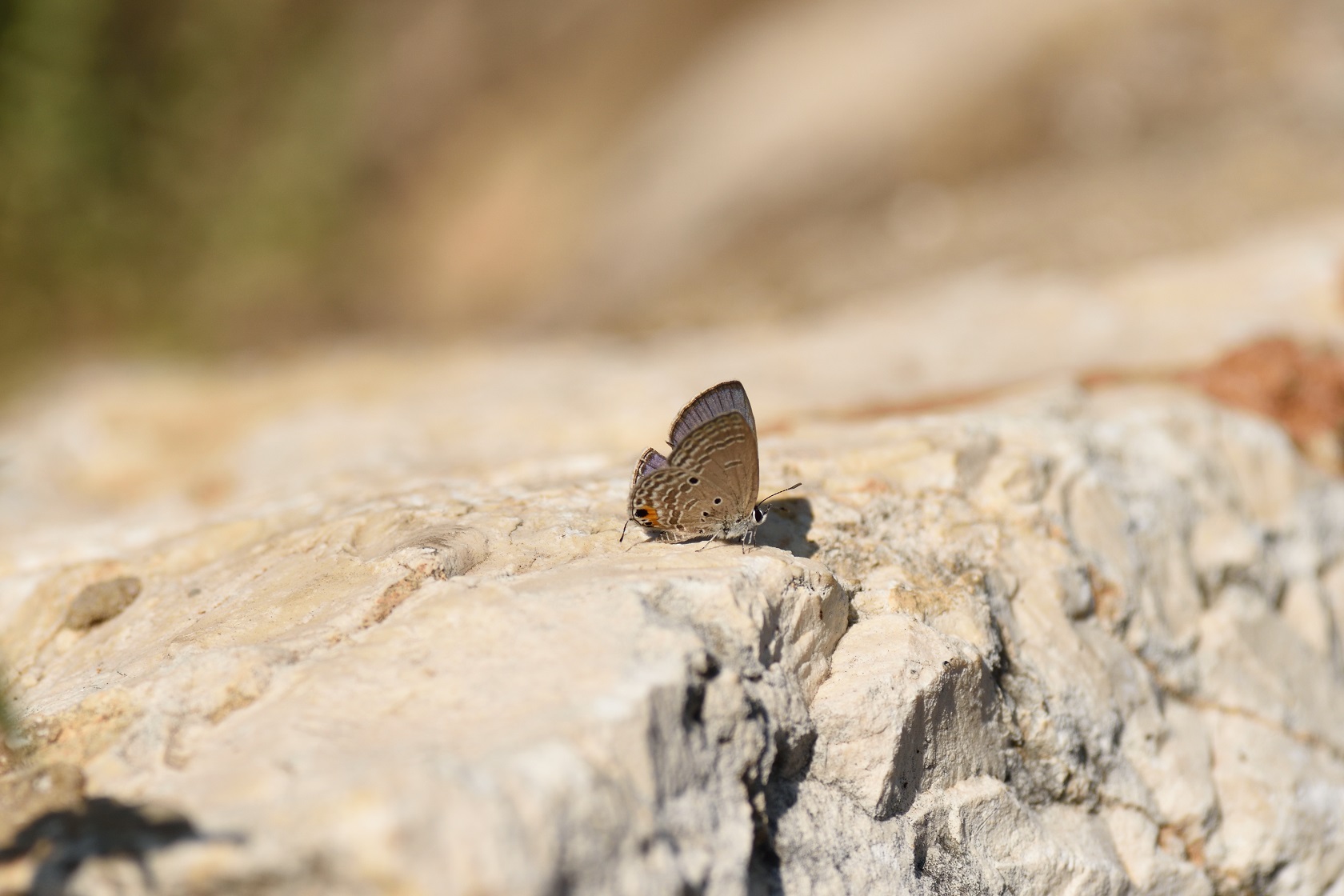
In October 2019, a small population of Plains Cupid (Luthrodes pandava) butterflies was identified in northern Lebanon, specifically in the university town of Deddeh, near Tripoli. The discovery was made through field observation, marking the first recorded presence of this invasive species in Lebanon.
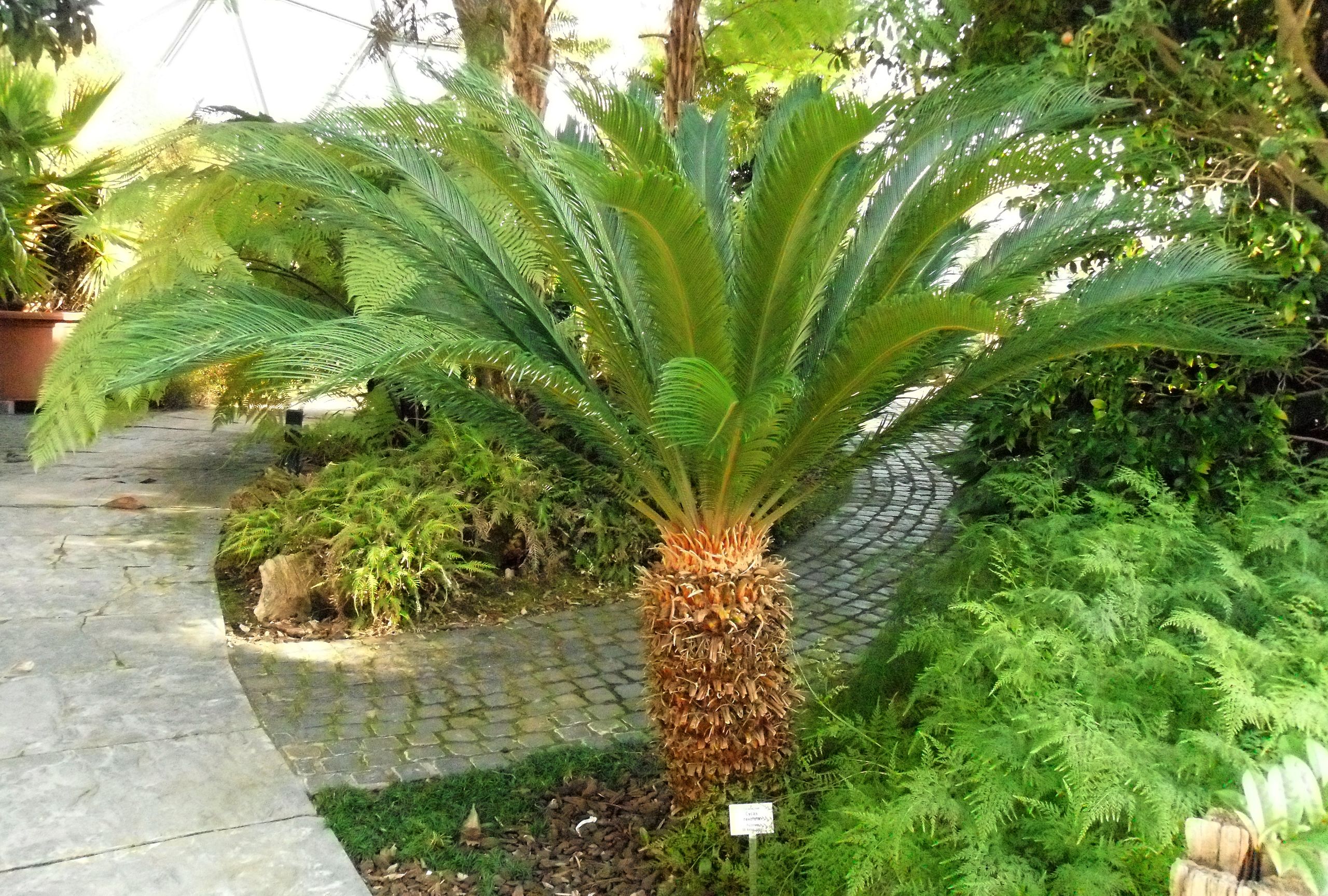
Local residents Nidal Issa and his wife Dalia reported seeing these butterflies as early as September, upon their return to Lebanon for vacation. According to them, the butterflies were spotted daily, circling around lemon thyme (Thymus citriodorus) planted in their garden. Their garden also features a variety of tropical species, including sago palms (Cycas revoluta), lantanas (Lantana camara), pomegranates (Punica granatum), mango trees (Mangifera indica), and various conifers.
A Case of Mistaken Identity
Initially, we suspected these butterflies to be Small Cupids (Chilades parrhasius), a species known to feed on Acacia trees (Acacia spp.). However, a closer inspection revealed a different identity—the Plains Cupid (L. pandava), a species that has gained a reputation as an invasive pest in recent years. Unlike the Small Cupid, this butterfly’s larvae feed on sago palms (Cycas spp.).
An Expanding Global Invasion
Originally found in India and Southeast Asia, the Plains Cupid has now spread to other parts of the world, including Egypt, the Persian Gulf, Madagascar, and even as far as Guam. The species is known to thrive in non-native environments, often causing significant damage to indigenous cycads, many of which are already threatened or endangered.
Like other blue butterflies, the Plains Cupid exhibits myrmecophilic behavior, meaning it depends on ants for survival during its larval stage. In return for protection, the larvae secrete honeydew, which the ants consume. While this relationship benefits the butterfly, it poses serious risks to native flora.
Threat to Native Plants and Butterflies
This invasive species is particularly harmful to native cycads. In regions where non-native horticultural species have been introduced, even native cycads have suffered extensive damage. The butterfly lays its eggs in the soft tissue of leaf buds and young leaves, which are then consumed by the larvae, leading to severe defoliation. Research suggests that the Plains Cupid may also affect other host plants, including acacias and legumes.
Lebanon is home to native butterflies such as the Small Desert Blue (Chilades galba) and the Jewel Blue (Chilades trochylus), both closely related to the Plains Cupid. The long-term impact of this invasive species on native butterfly populations remains uncertain, but given that they occupy similar ecological niches, competition could lead to harmful consequences for Lebanon’s biodiversity.
Climate Change and Butterfly Migration
The year 2019 has already been extraordinary for Lebanese butterflies, with millions of Painted Lady butterflies (Vanessa cardui) migrating through the country in early spring, likely due to increased rainfall in their tropical habitats. With global warming and climate change, Lebanon may witness a shift in butterfly populations, with desert and tropical species becoming more common, while native butterflies may be forced to migrate or become increasingly isolated on mountaintops.
The Need for Butterfly Gardening
So, what can be done to combat the spread of invasive butterfly species like the Plains Cupid? One of the most effective conservation strategies is butterfly gardening—a sustainable, organic approach to wildlife gardening that encourages the planting of native species as host and nectar-source plants. By cultivating native flora, we can help sustain local butterfly populations and limit the spread of invasive species that threaten Lebanon’s delicate ecosystem.
Lebanon’s rich biodiversity is under increasing pressure from climate change, habitat destruction, and the introduction of non-native species. Raising awareness and taking proactive conservation measures can help protect the country’s unique butterfly species and their natural habitats.
Attribution: Nidal Issa
Attribution: Nidal Issa
Attribution: Nidal Issa
Attribution: Nidal Issa
Attribution: Nidal Issa
Attribution: Holek (Wikipedia Creative Commons)