

Nature has long provided humans with remedies for health and wellbeing, while also ensuring the ecological balance of our surroundings. Two remarkable components of this natural symphony are lavender (Lavandula) and carpenter bees (Xylocopa), both playing unique yet interconnected roles in Lebanon’s environment.
The Healing Power of Lavender
Lavender, a fragrant and versatile herb, has been used for centuries in traditional and modern medicine. Its essential oil is widely recognized for its calming and healing properties. Scientifically approved studies indicate that lavender essential oil can significantly reduce anxiety, stress, and insomnia, making it a cornerstone in aromatherapy. Additionally, its anti-inflammatory and antimicrobial benefits make it effective for treating skin conditions such as acne, eczema, and minor wounds.
Beyond topical applications, lavender’s medicinal benefits extend to pain relief and improved cognitive function. Studies have demonstrated its efficacy in alleviating headaches and migraines, while some research suggests its potential role in reducing symptoms of neurodegenerative diseases such as Alzheimer’s. However, while generally safe, lavender essential oil should be used cautiously, particularly when applied directly to the skin or ingested.
Carpenter Bees: Lebanon’s Pollinators
Carpenter bees, often misunderstood due to their habit of burrowing into wood, are essential pollinators, particularly in Lebanon’s diverse ecosystems. These large, solitary bees contribute to the health of local flora by pollinating a wide variety of plants, including lavender. In Lebanon, 28 species of carpenter bees have been documented, playing a crucial role in sustaining biodiversity and agricultural productivity.
While carpenter bees are often mistaken for aggressive insects, they are, in reality, docile creatures. The females possess a stinger but rarely use it unless threatened, while the males, though intimidating with their hovering presence, are harmless. Their wood-boring habits can lead to structural damage over time, but this can be mitigated by painting and sealing exposed wood surfaces.
A Symbiotic Relationship
The relationship between lavender and carpenter bees is an example of nature’s intricate balance. Carpenter bees are among the primary pollinators of lavender plants, ensuring their propagation and the continued availability of their medicinal and aromatic benefits. In return, lavender provides these bees with an abundant and nectar-rich food source, supporting their survival and reproduction.
Protecting Nature’s Balance
Recognizing the significance of both lavender and carpenter bees in Lebanon’s natural landscape, conservation efforts should focus on promoting sustainable practices. Supporting organic farming, reducing pesticide use, and preserving wild habitats can help protect carpenter bee populations while ensuring the continued growth of lavender fields.
As Lebanon moves towards greater environmental awareness, the interdependence of its flora and fauna must be appreciated. Lavender and carpenter bees serve as a reminder of how nature’s elements work together in harmony, offering us both ecological benefits and natural remedies. By safeguarding these species, we contribute to a healthier environment and a more sustainable future.
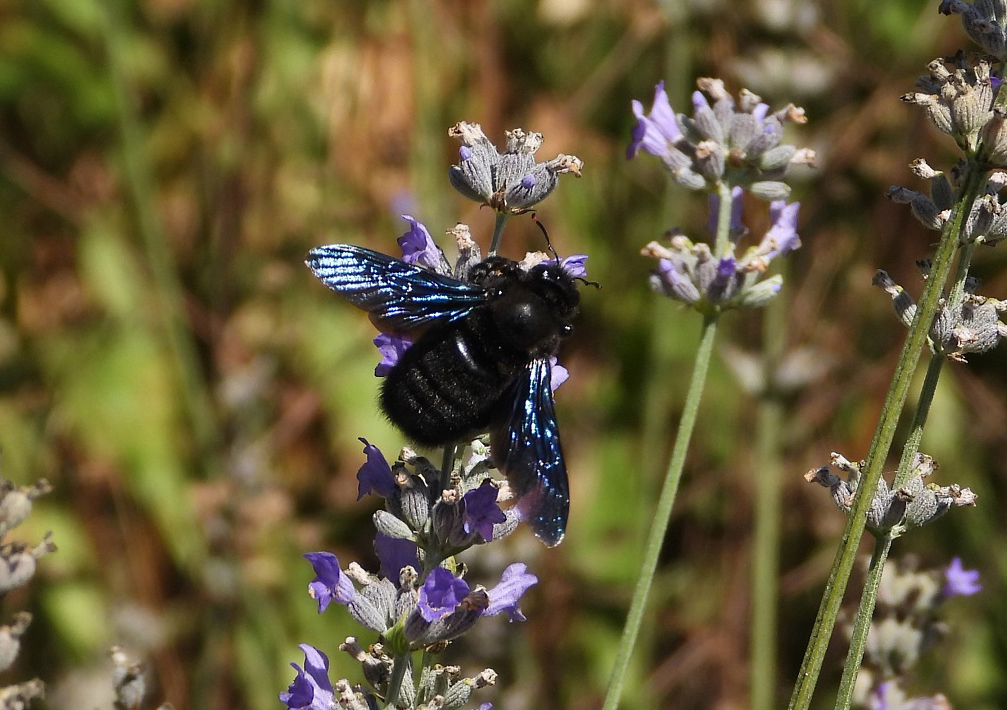
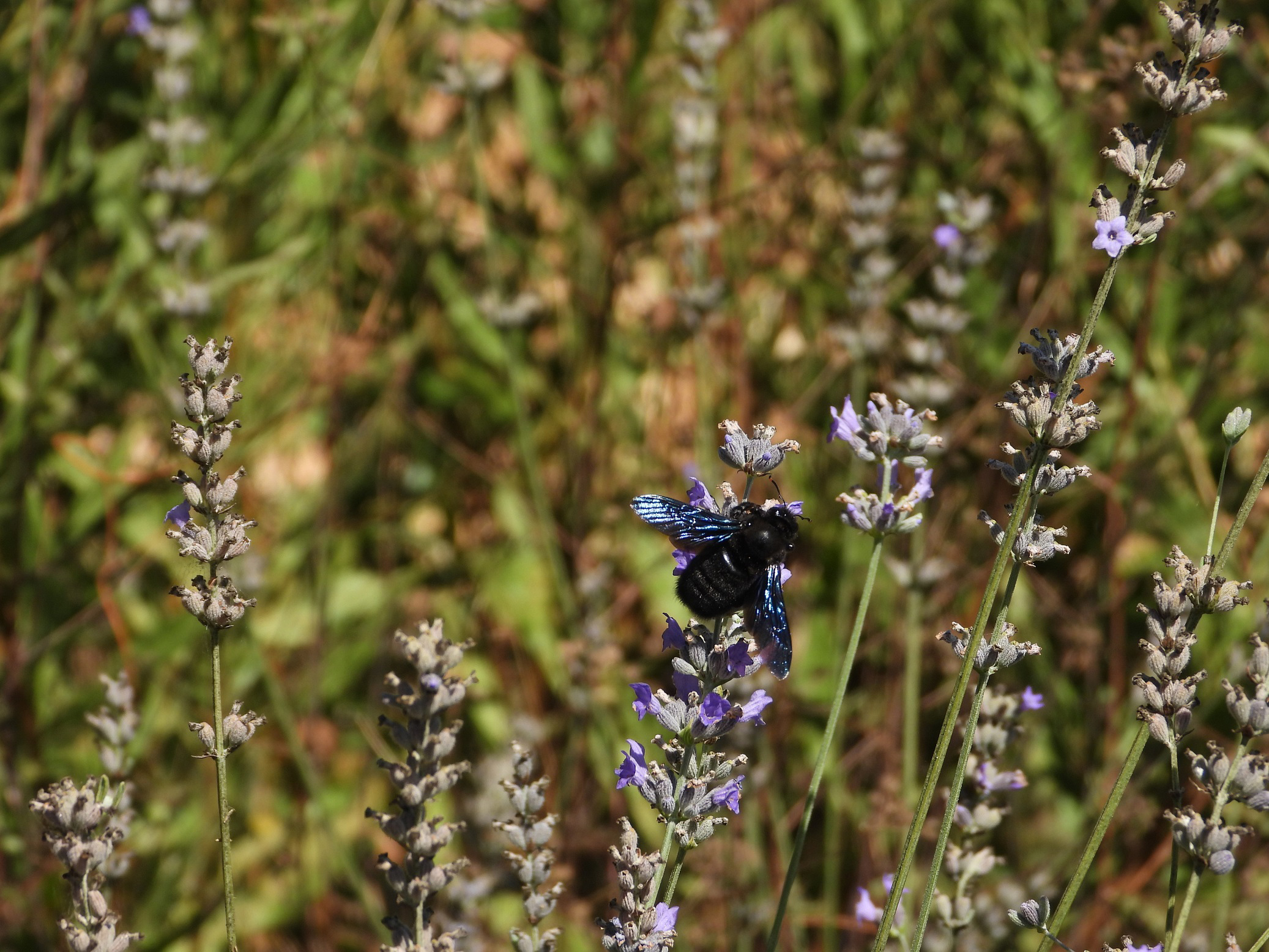
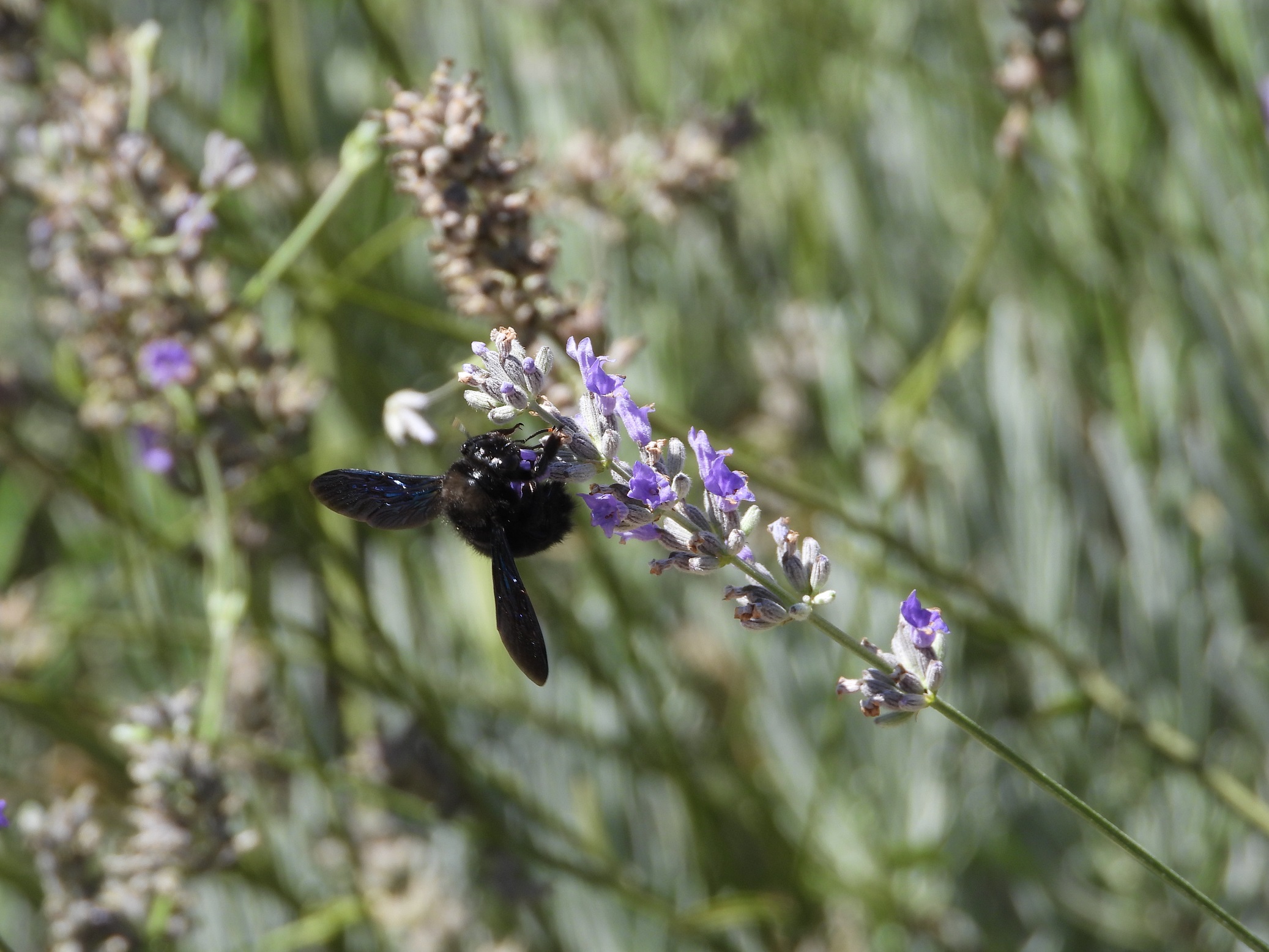
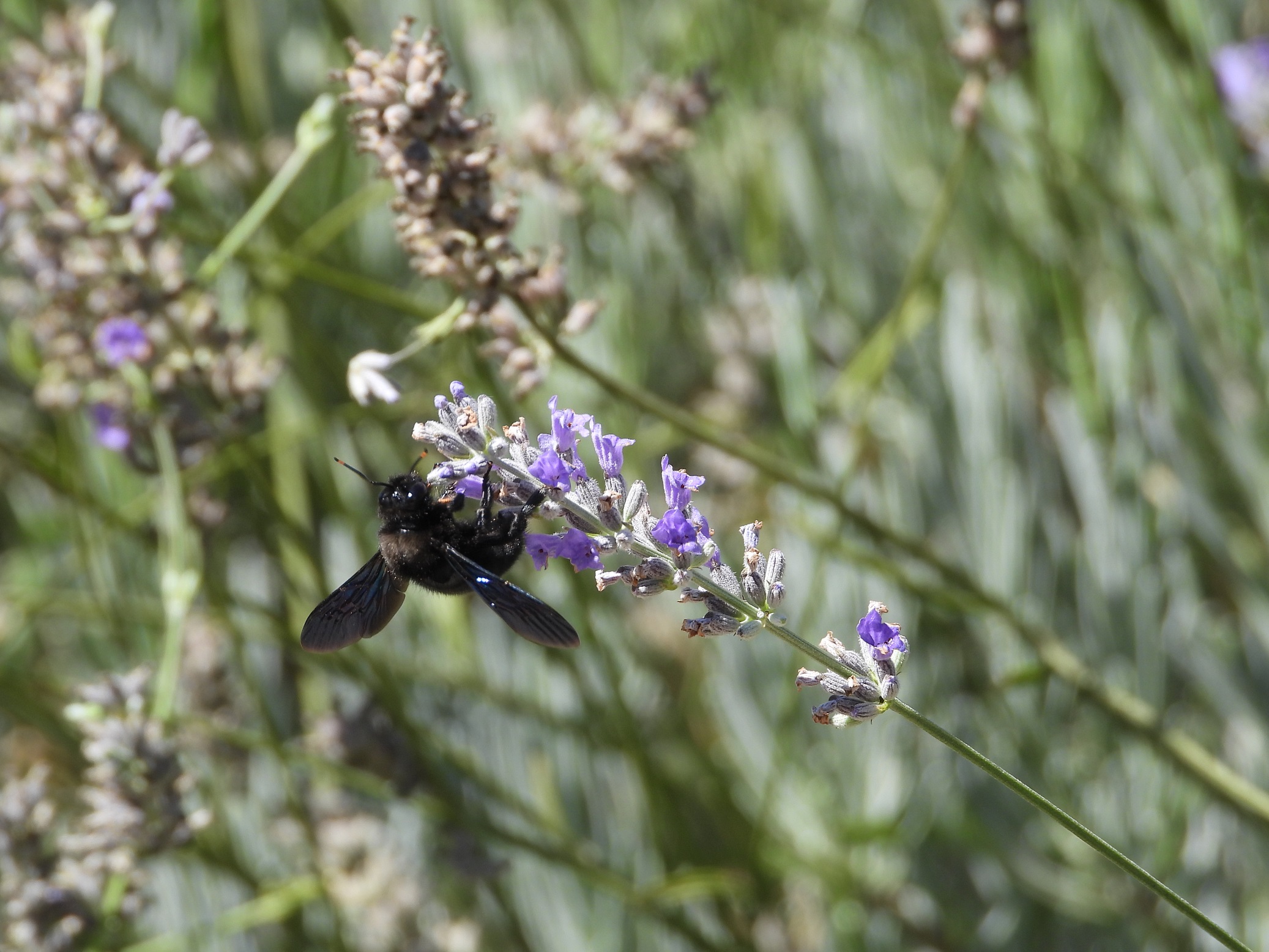
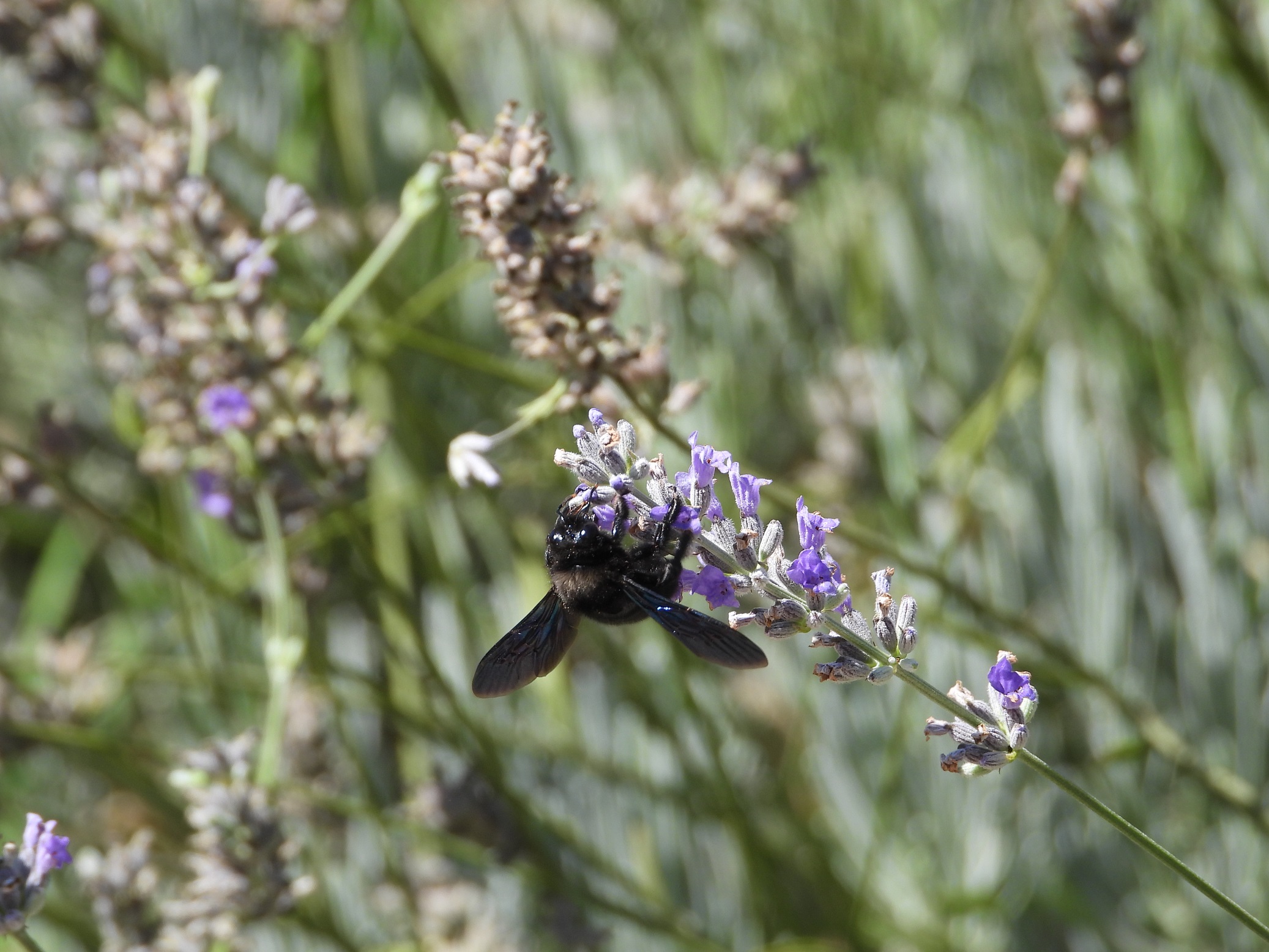
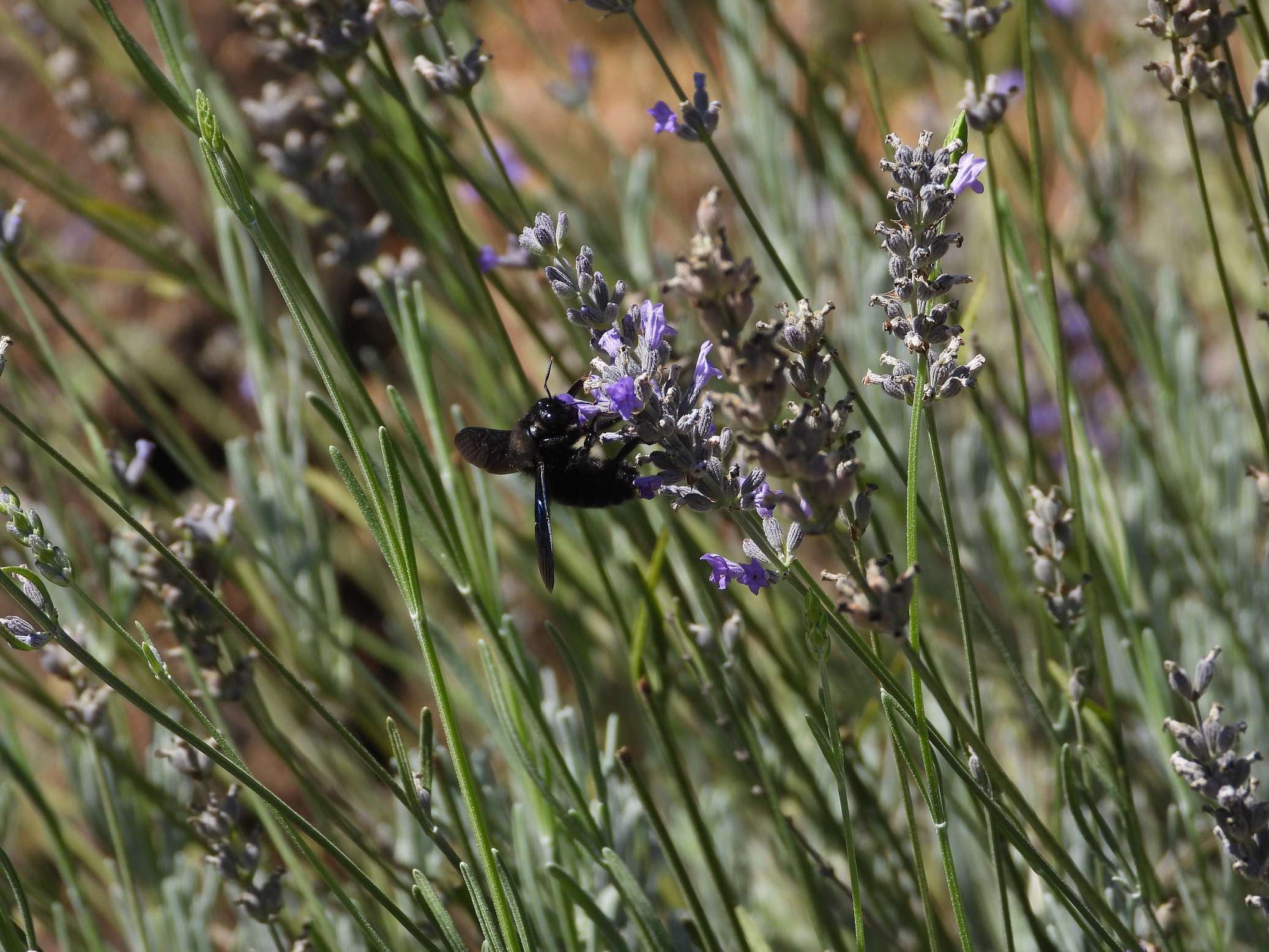
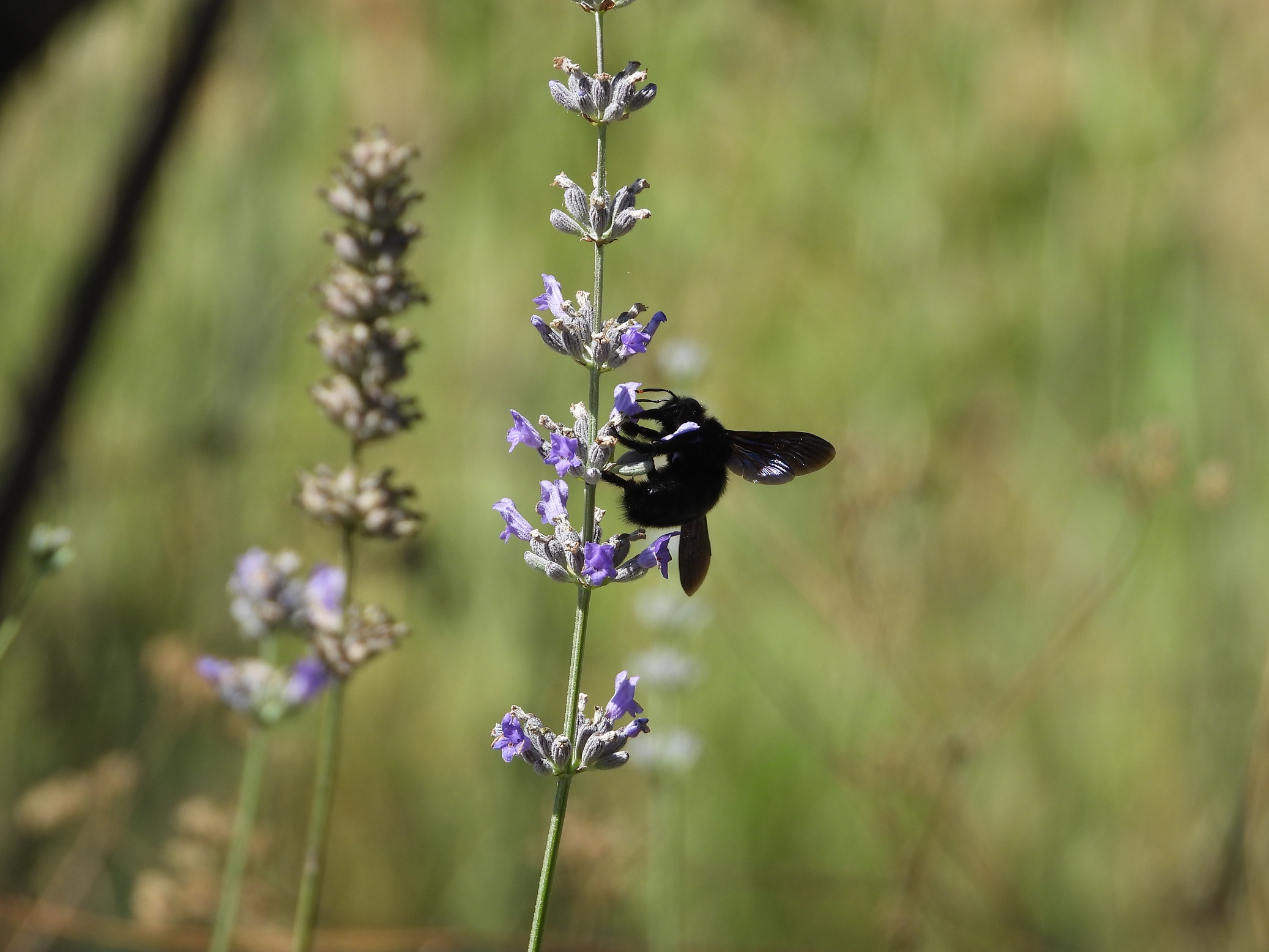
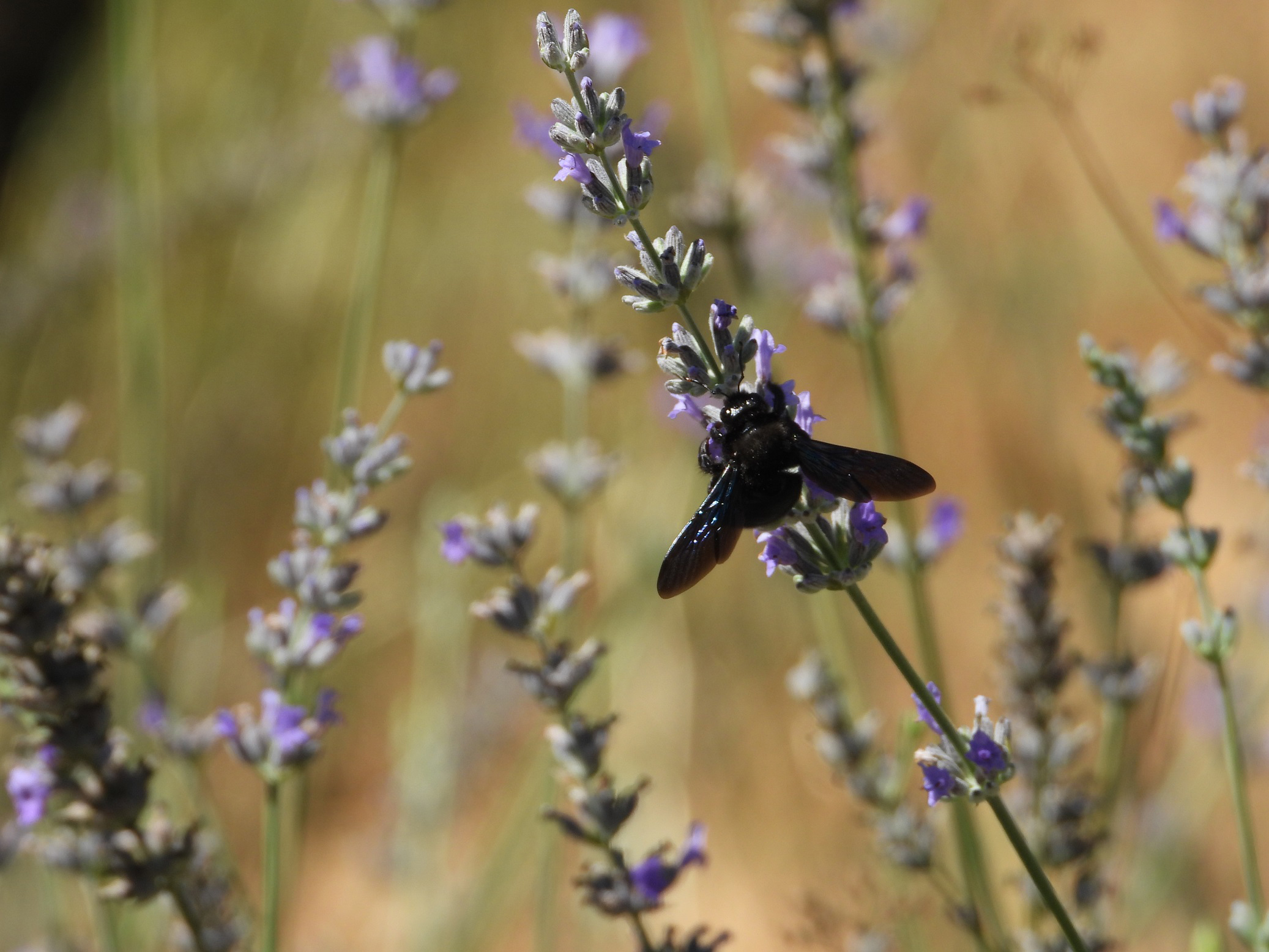
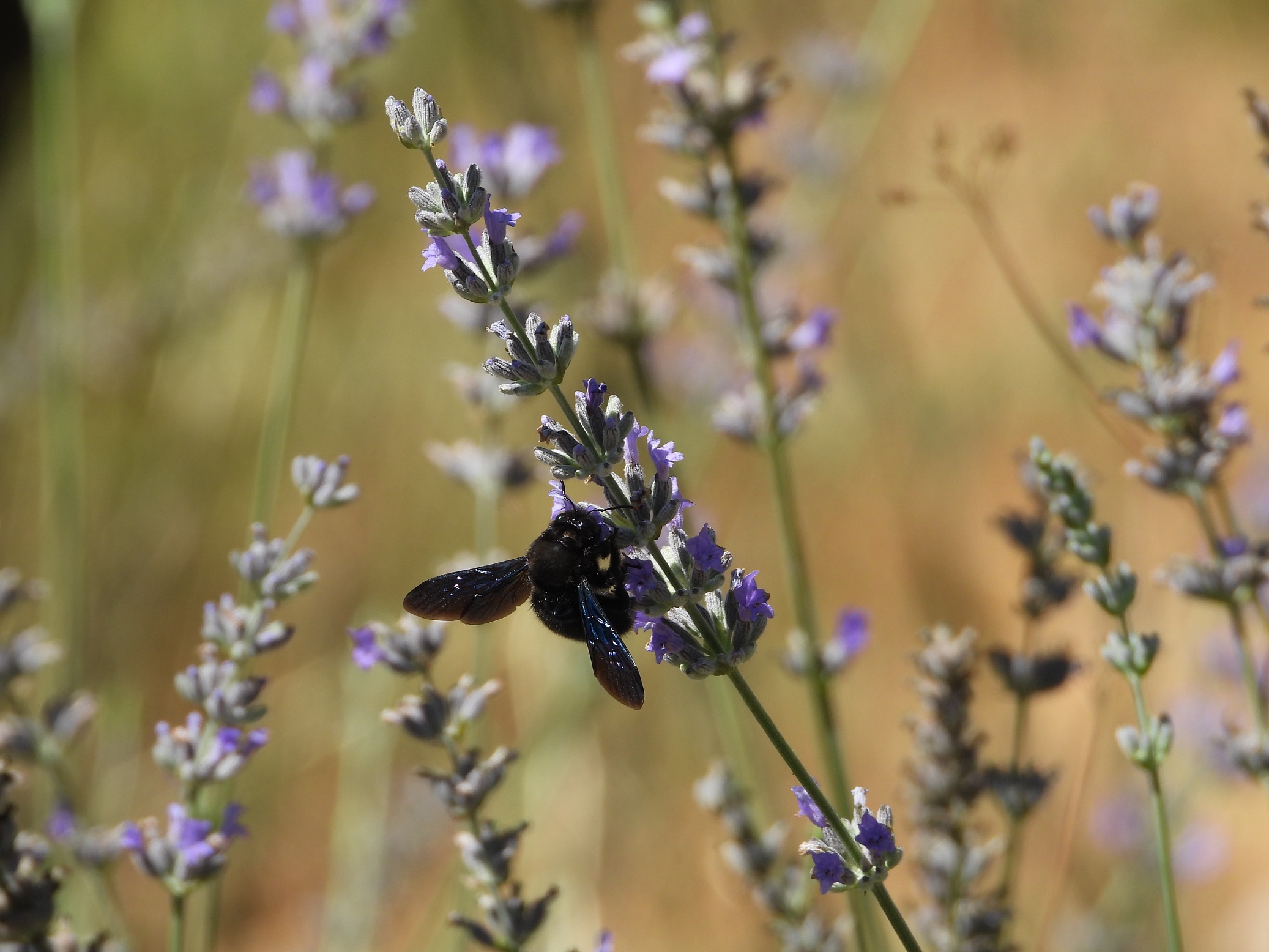
Photographs copyrights of Husein Ali Zorkot, Butterfly Garden Manager, SPNL