

Mount Lebanon Hima Center of the Society for the Protection of Nature in Lebanon (SPNL) is committed to restoring Lebanon’s forests by cultivating and planting native tree species across key reforestation and ecorestoration Hima sites. As part of our 2025-2026 objectives, we will focus on growing and planting species that are not only ecologically significant but also resilient to Lebanon’s changing climate.
Major Native Forest Species for 2025-2026
Our reforestation and afforestation projects will include a selection of Lebanon’s most iconic and ecologically valuable trees, ranging from majestic conifers to broad-leaved deciduous species.
🌲 Coniferous Forest Species
✅ Taurus Fir (Abies cilicica) – A rare and highly valued mountain tree
✅ Lebanon Cedar (Cedrus libani) – The national symbol of Lebanon and an essential reforestation species
✅ Greek Juniper (Juniperus excelsa) – A drought-tolerant species found in high-altitude forests
✅ Prickly Juniper (Juniperus oxycedrus) – Supports wildlife and helps prevent soil erosion
✅ Fetid Juniper (Juniperus foetidissima) – A vital species for reforesting degraded lands
✅ Cypress (Cupressus sempervirens) – A fire-resistant species commonly used in windbreaks
✅ Calabrian Pine (Pinus brutia) – An important pioneer species for reforestation
✅ Aleppo Pine (Pinus halepensis) – A resilient tree that thrives in dry, rocky soils
🌳 Broad-Leaved Deciduous Forest Species
✅ Kermes Oak (Quercus calliprinos) – A dominant tree of Lebanon’s Mediterranean forests
✅ Turkey Oak (Quercus cerris), Q. infectoria, and Q. look – Essential for restoring oak woodlands
✅ Syrian Maple (Acer obtusifolium) – A hardy tree suited for mountain ecosystems
✅ Hermon Maple (Acer hyrcanum) – An important tree species in Lebanon’s upland forests
✅ Poplar (Populus alba) – A fast-growing species vital for riparian habitats
✅ Willow (Salix alba) – Critical for wetland restoration and riverbank stabilization
✅ Oriental Alder (Alnus orientalis) – Helps enrich soils and prevent erosion
✅ Syrian Ash (Fraxinus angustifolia) – A valuable tree for mixed Mediterranean forests
✅ Manna Ash (Fraxinus ornus) – Known for its medicinal properties and importance in agroforestry
✅ Hop Hornbeam (Ostrya carpinifolia) – A slow-growing but ecologically significant species
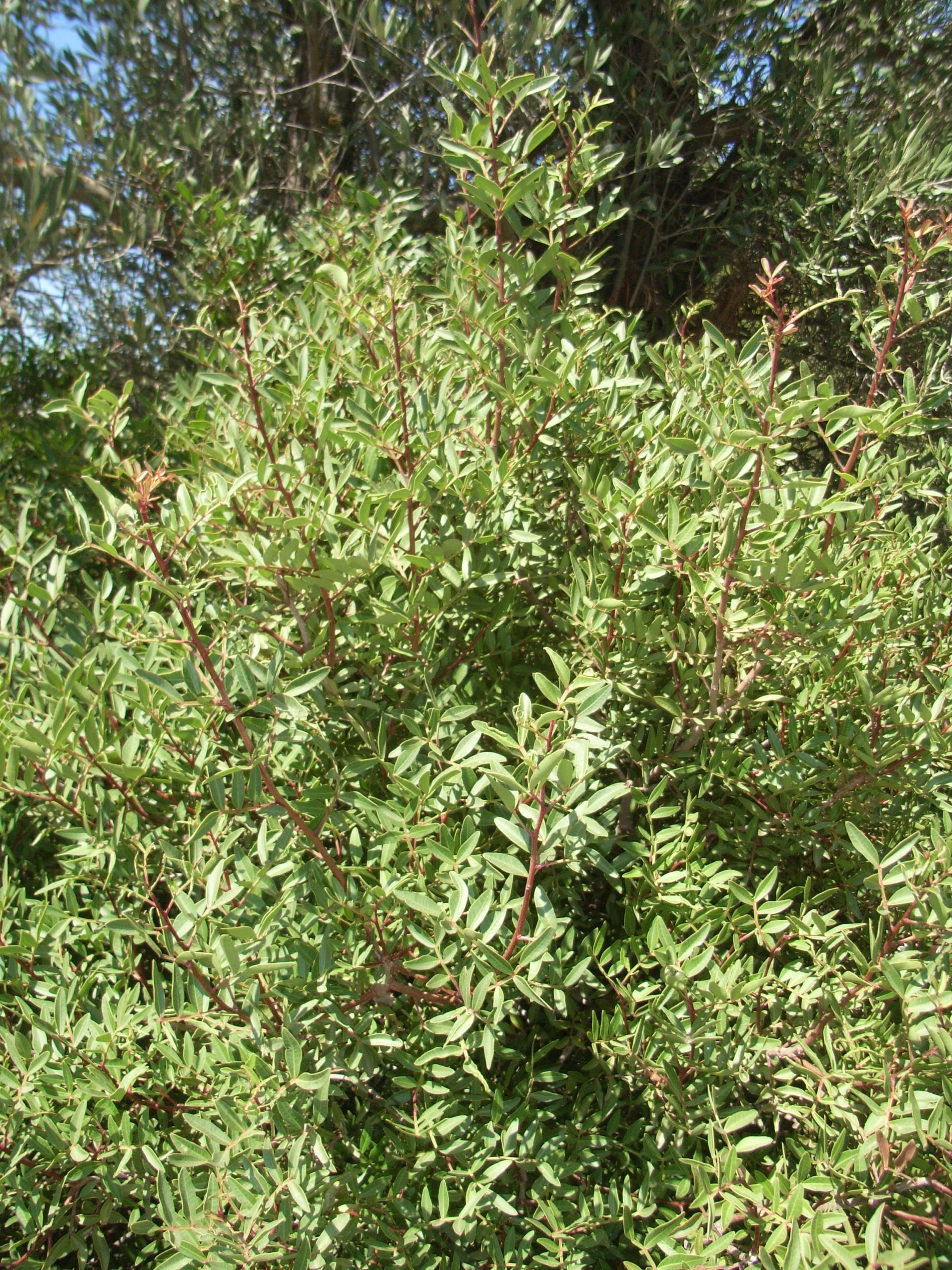
✅ Terebinth (Pistacia palaestina) – A key tree for wildlife and traditional medicine
✅ Lentisk (Pistacia lentiscus) – Provides essential food and shelter for many bird species
Additional Forest Species
SPNL will also be cultivating and planting additional species that support pollinators, biodiversity, and local ecosystems:
🌿 Strawberry Tree (Arbutus andrachne)
🌿 Myrtle (Myrtus communis)
🌿 Medlar (Crataegus azarolus)
🌿 Wild Almond (Prunus korshinskyi)
🌿 Bear Plum (Prunus ursina)
🌿 Mahaleb Cherry (Prunus mahaleb)
🌿 Syrian Pear (Pyrus syriaca)
🌿 Wild Apple (Malus trilobata)
🌿 Wild Service Tree (Sorbus torminalis)
Supporting Reforestation and Sustainable Land Restoration
The SPNL Native Woodland Nursery is dedicated to rebuilding Lebanon’s forests, mitigating the effects of deforestation, climate change, and land degradation. Our 2025-2026 reforestation objectives align with our commitment to sustainable forestry, ecosystem restoration, and biodiversity conservation.
💡 How You Can Get Involved
🌱 Volunteer to help with tree planting initiatives
🌱 Support native tree adoption programs
🌱 Partner with us for community-based reforestation projects
Some of the projected native woodland tree species we will be planting this year, as part of feasible ecorestoration and reforestation projects around Lebanon.
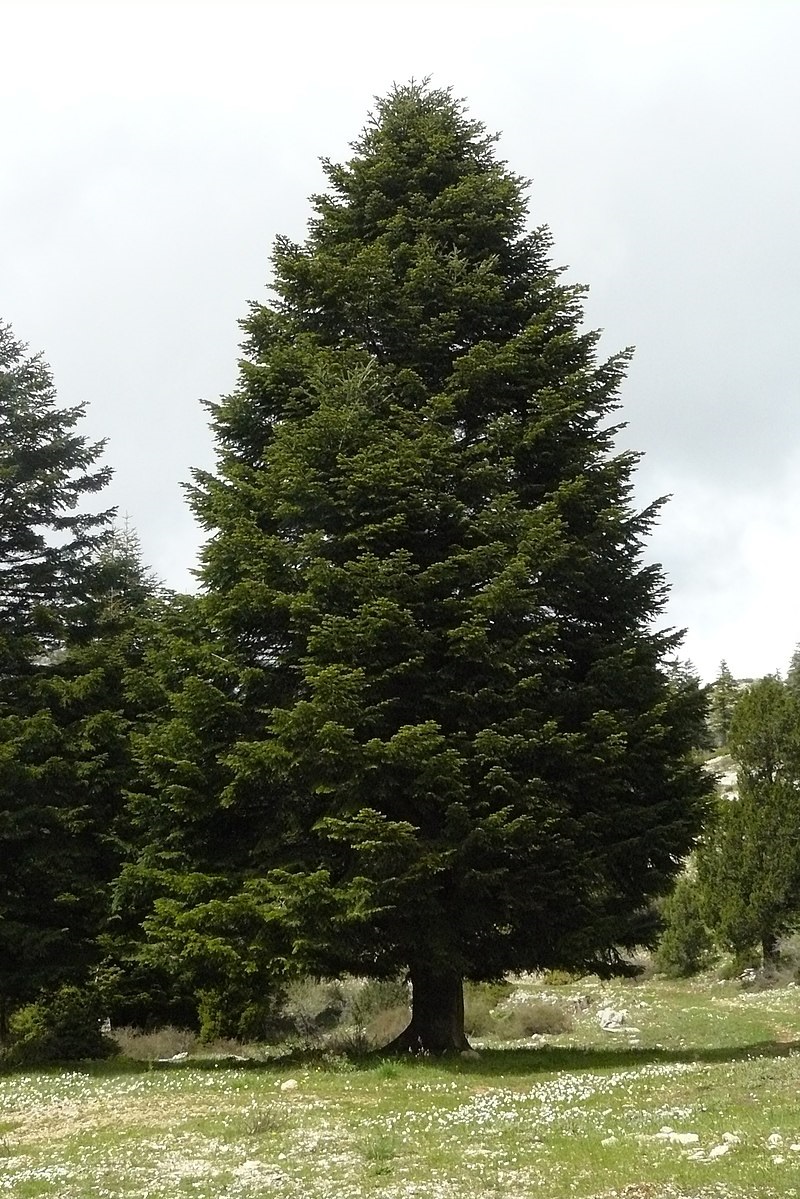
Taurus fir (Abies cilicica)
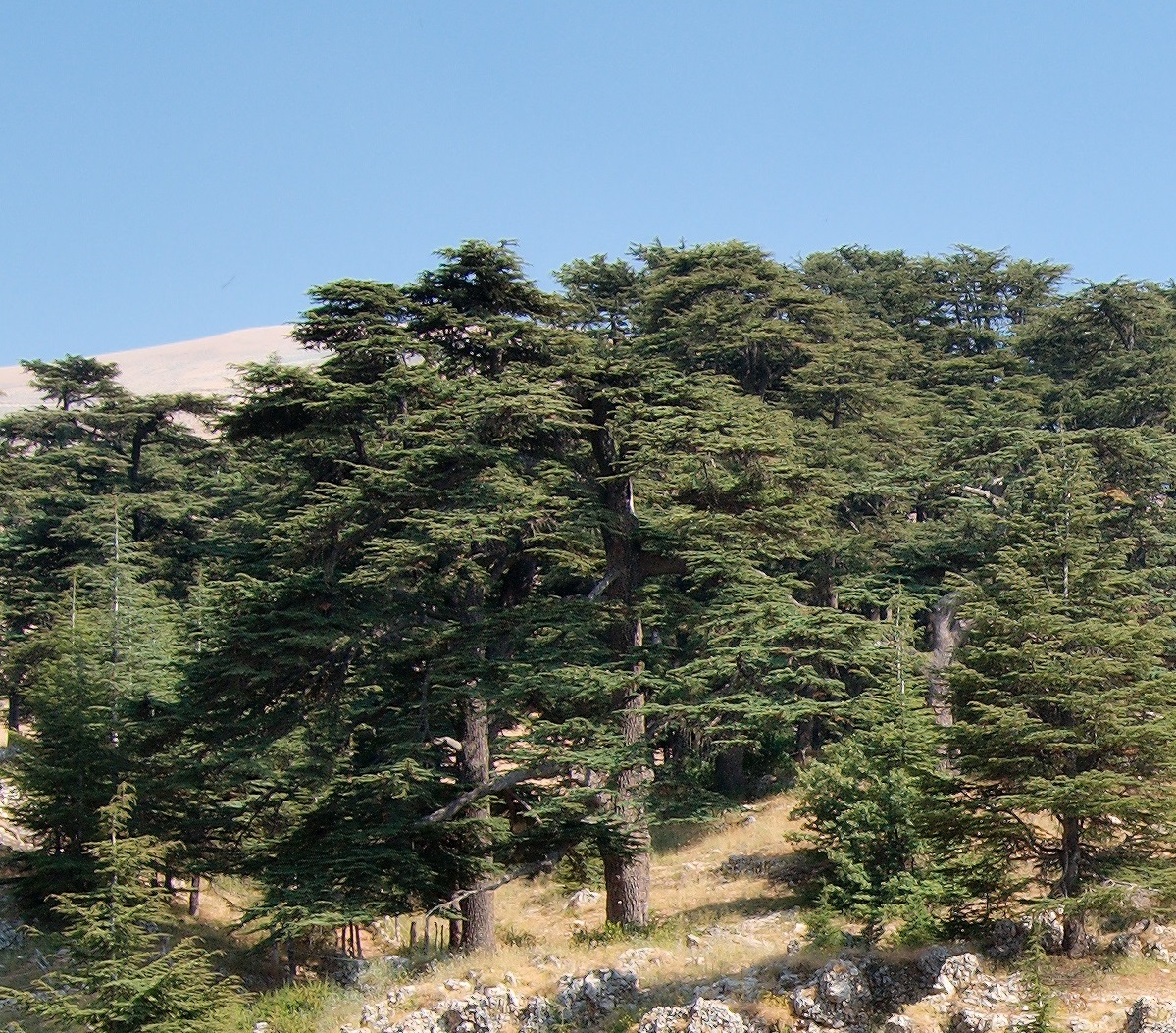
Lebanon cedar (Cedrus libani)
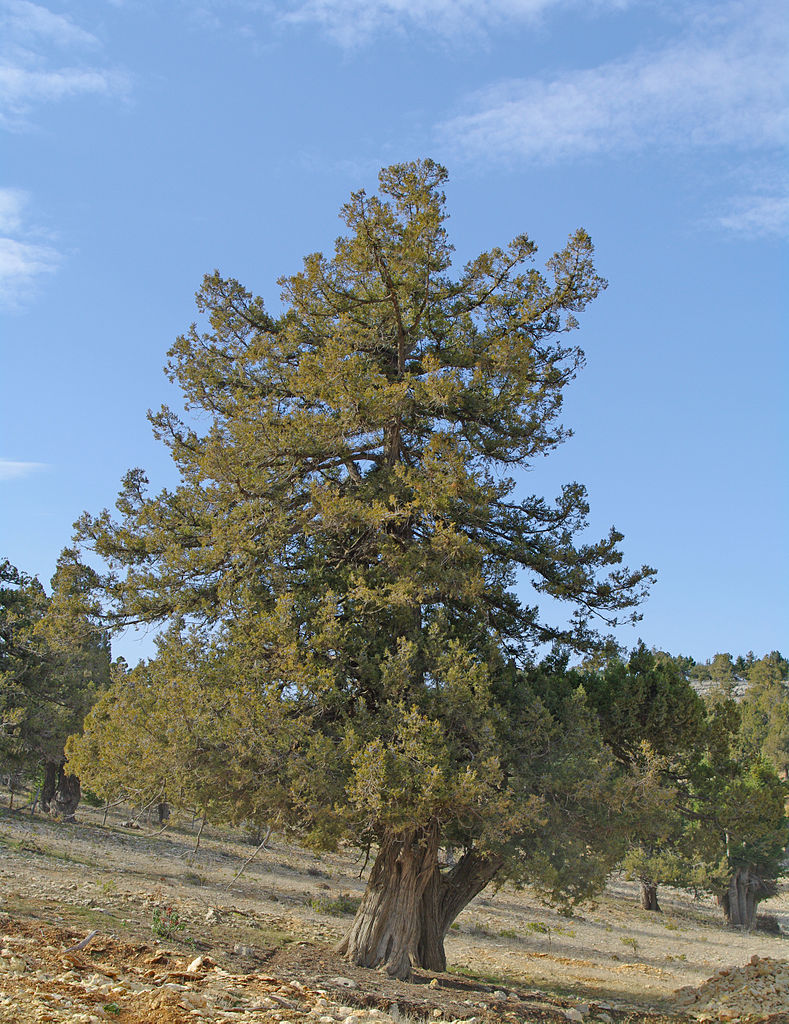
Greek juniper (Juniperus excelsa)
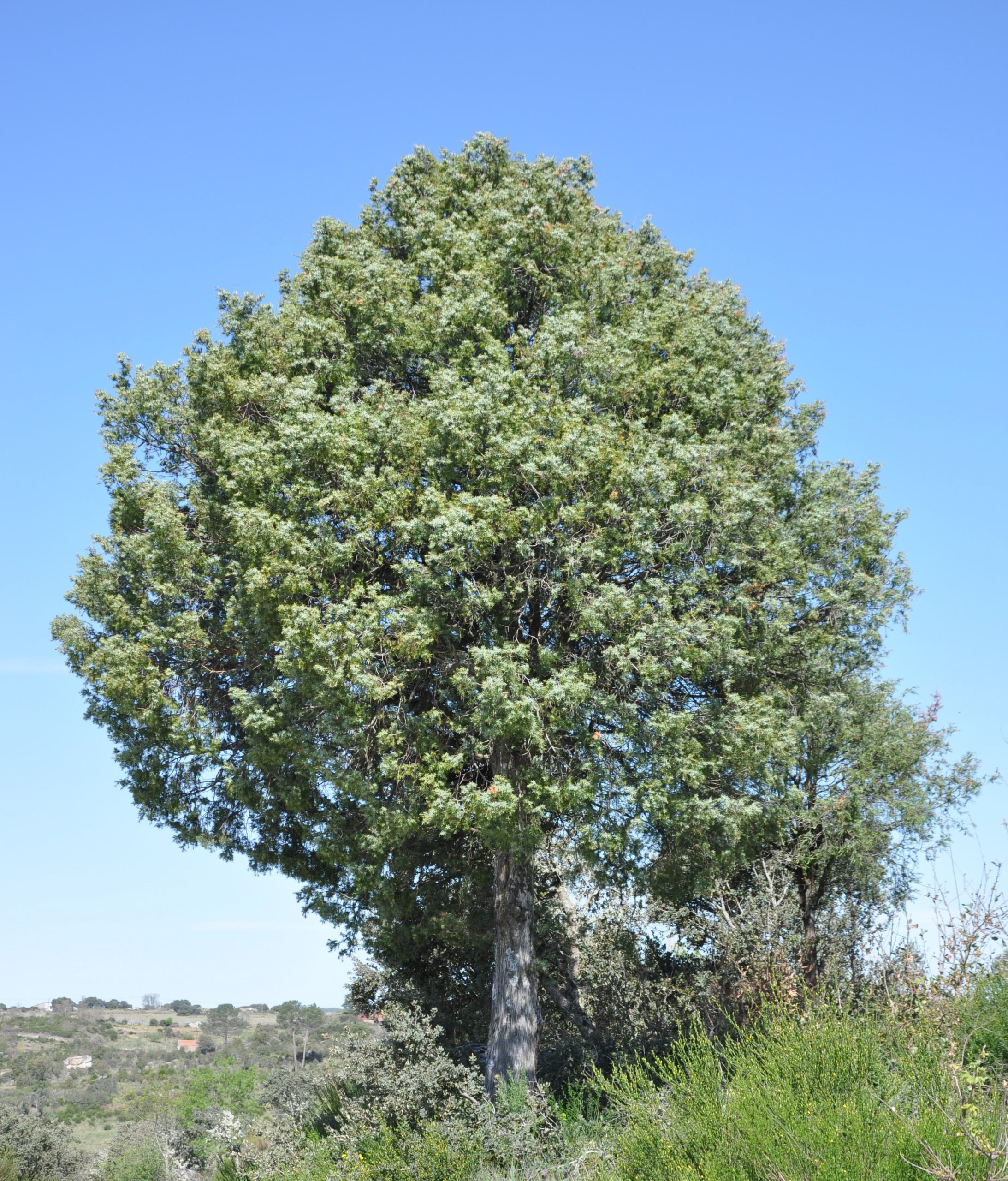
Prickly juniper (Juniperus oxycedrus)
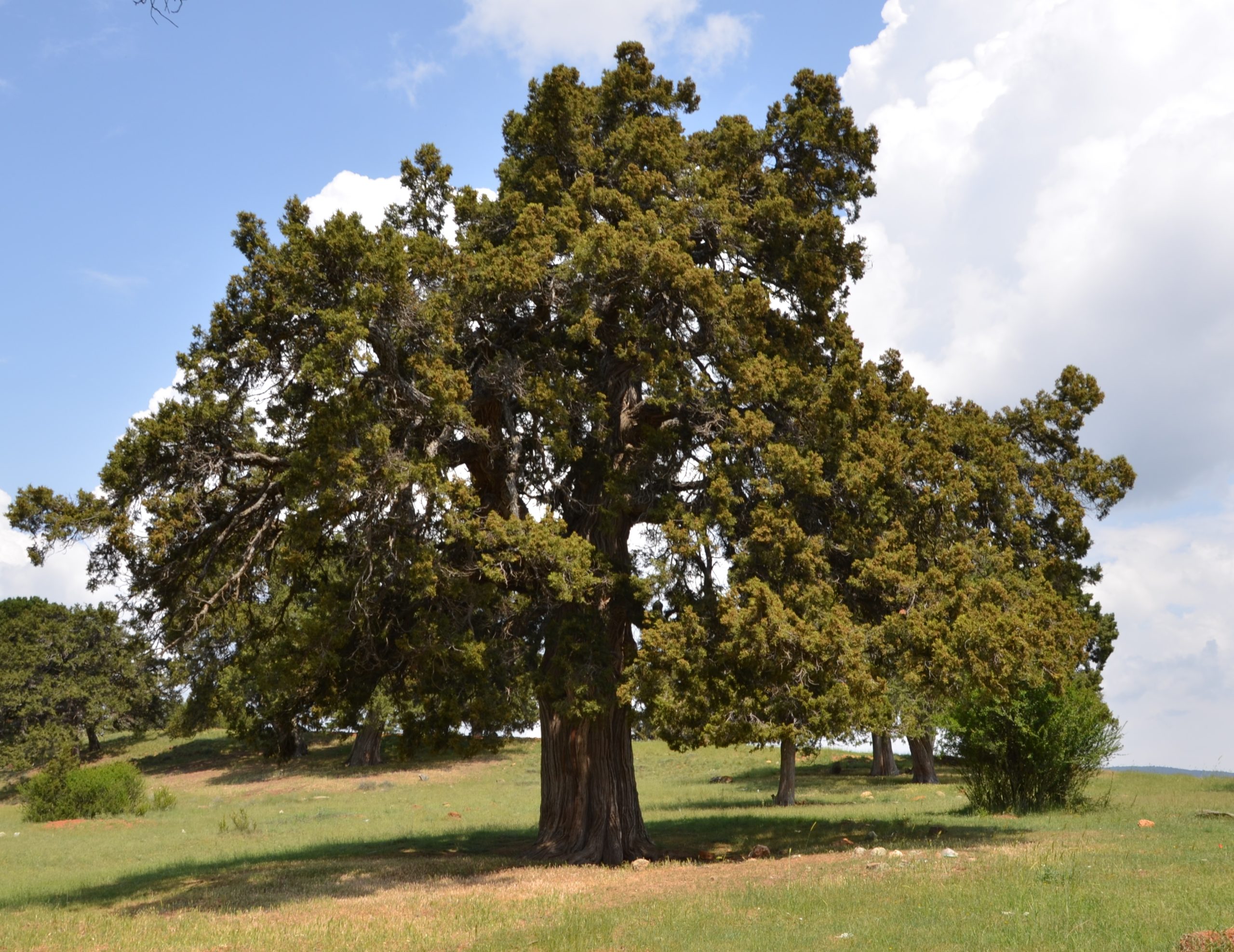
Fetid juniper (Juniperus foetidissima)
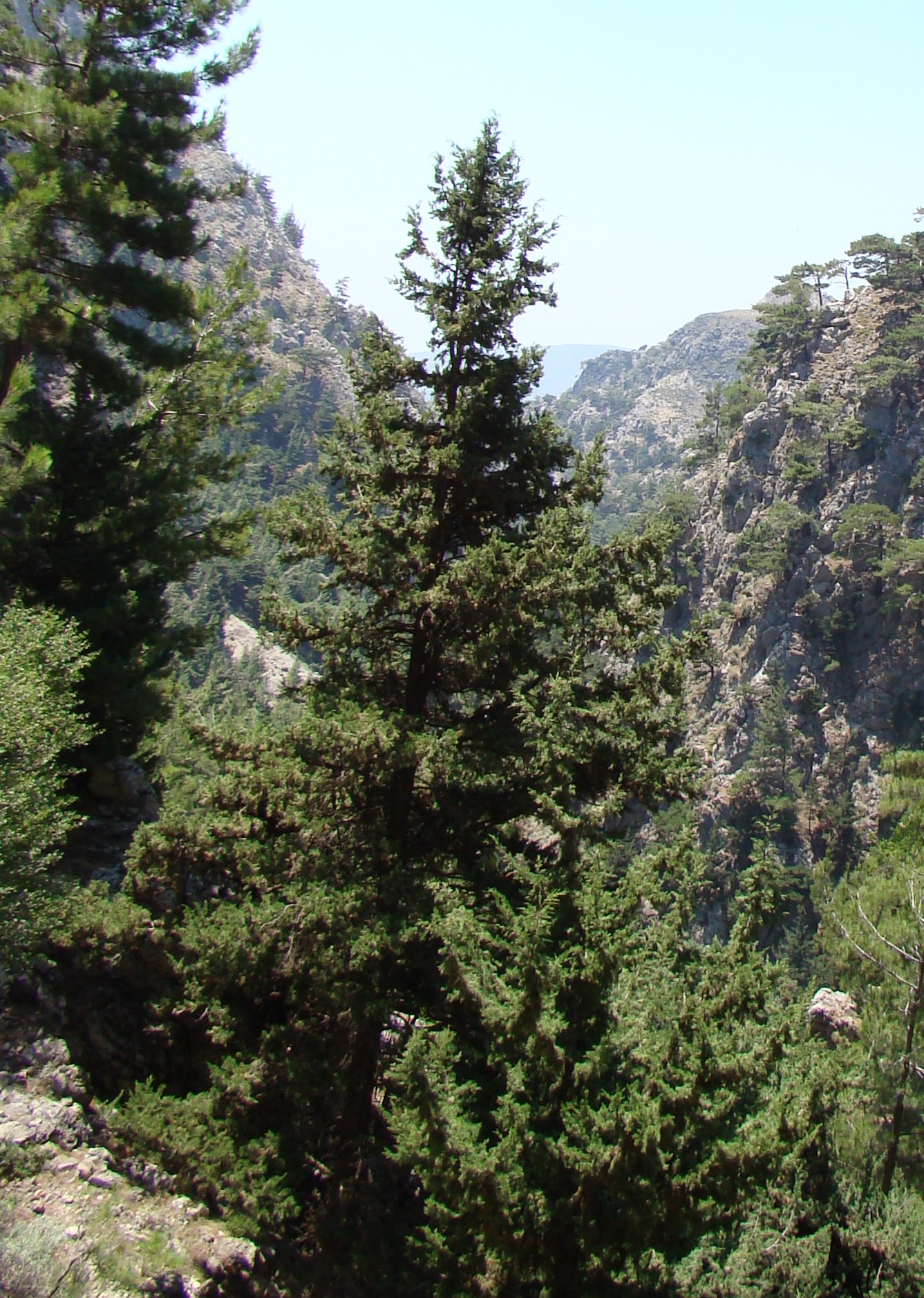
Cypress (Cupressus sempervirens)
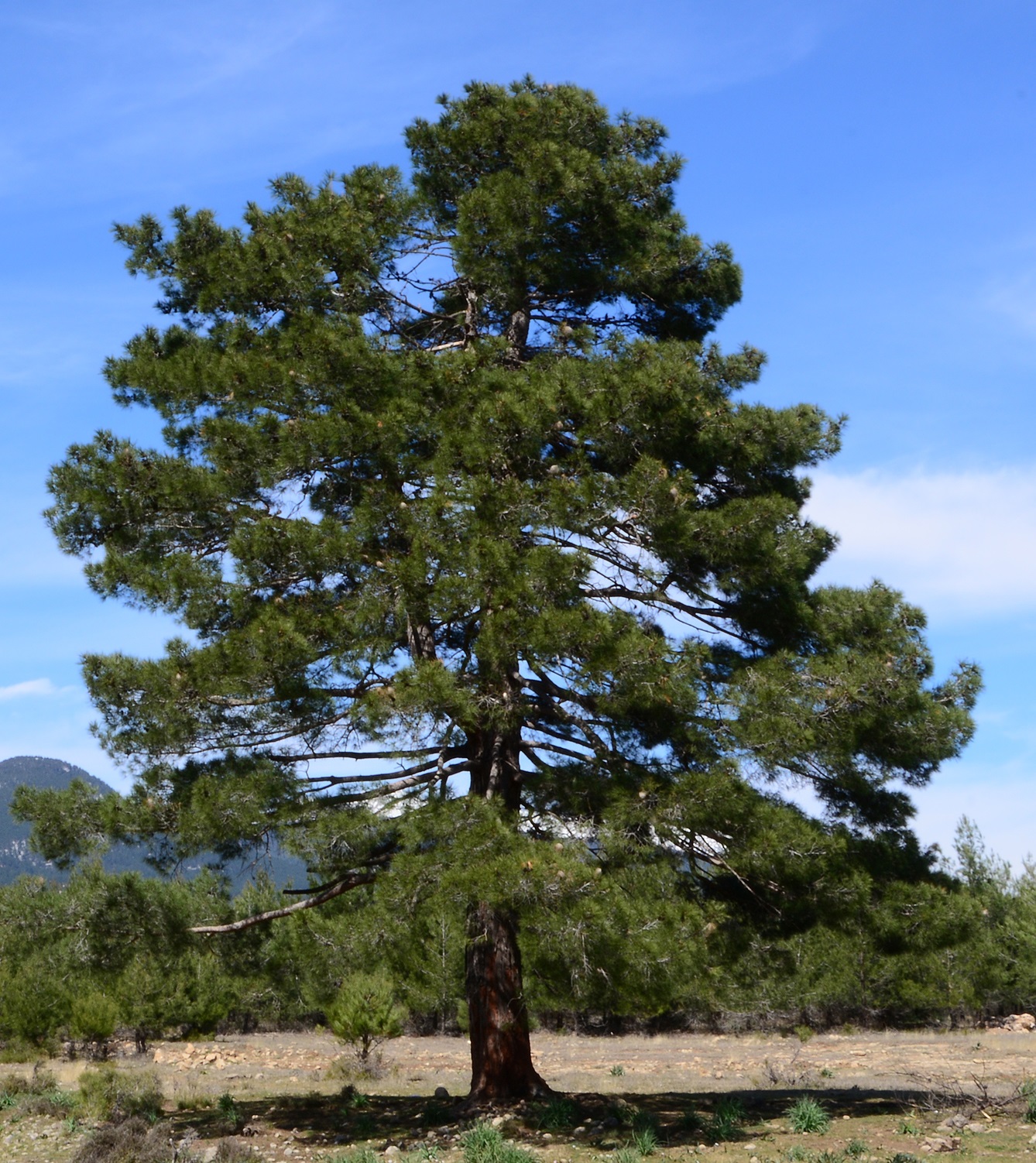
Calabrian pine (Pinus brutia)
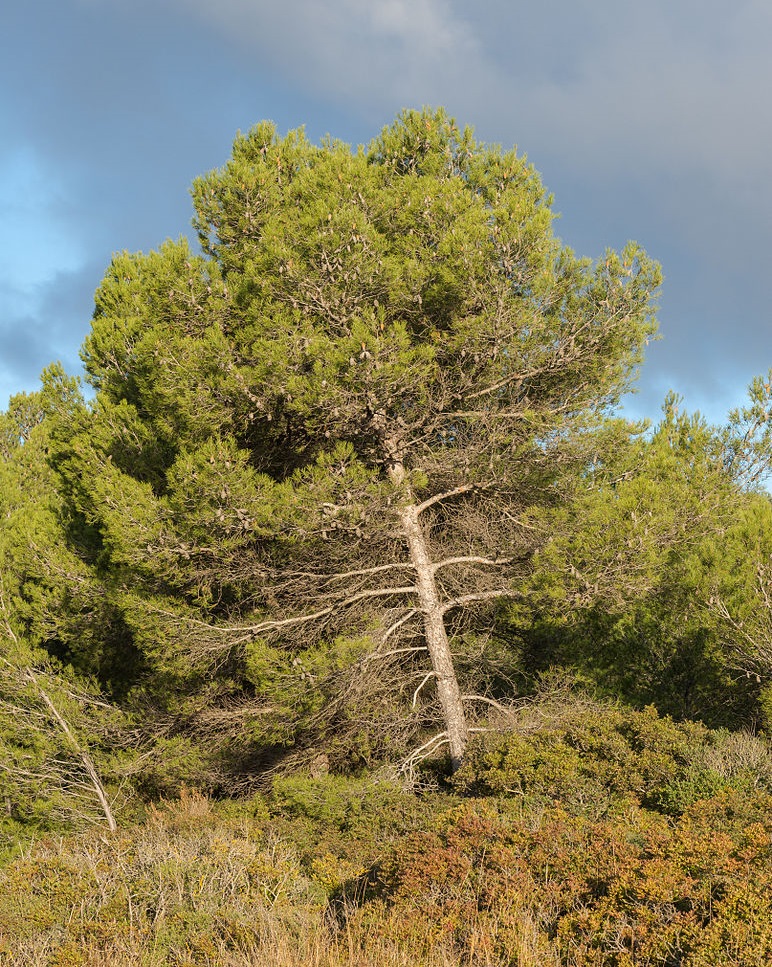
Aleppo pine (Pinus halepensis)
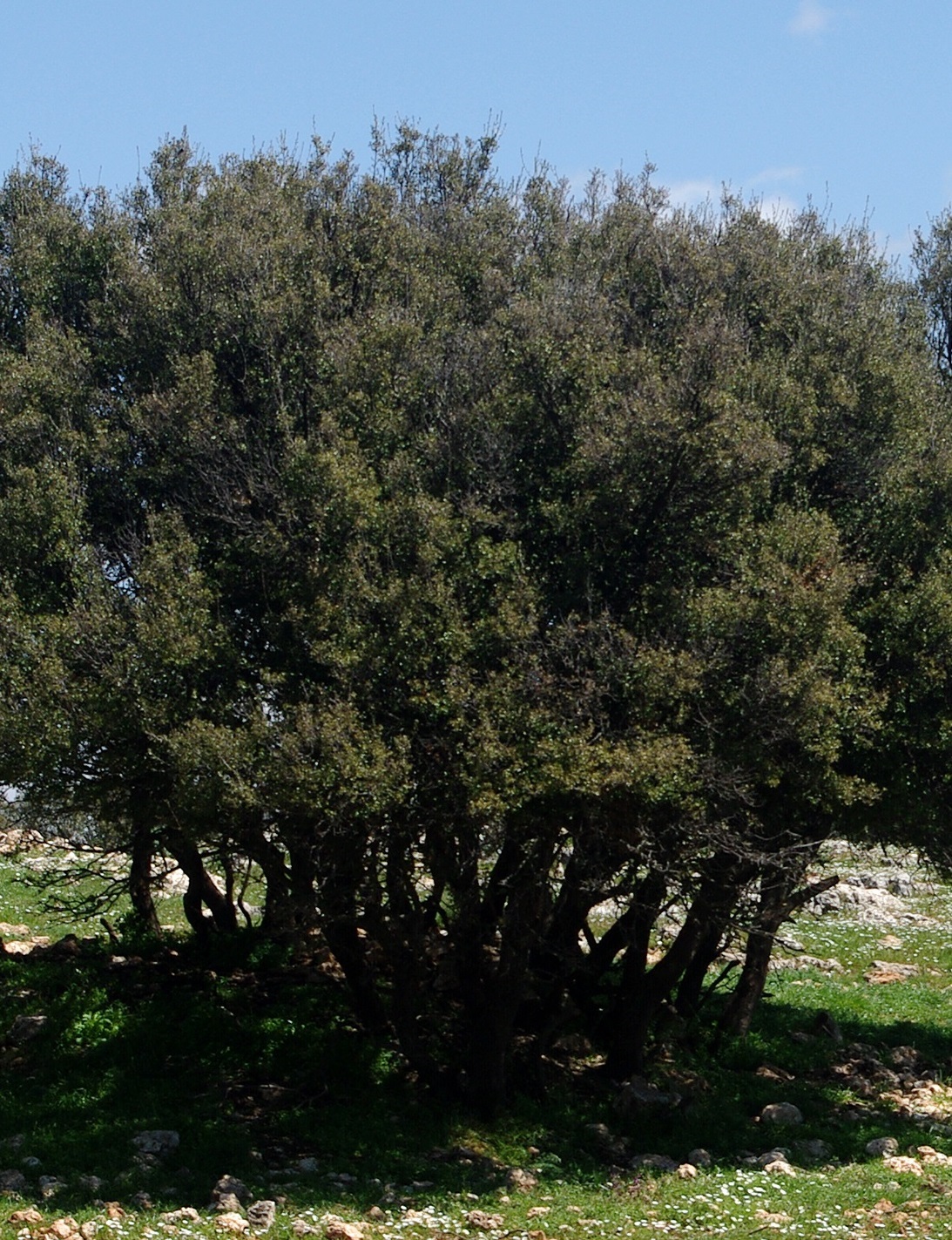
Kermes oak (Quercus calliprinos)
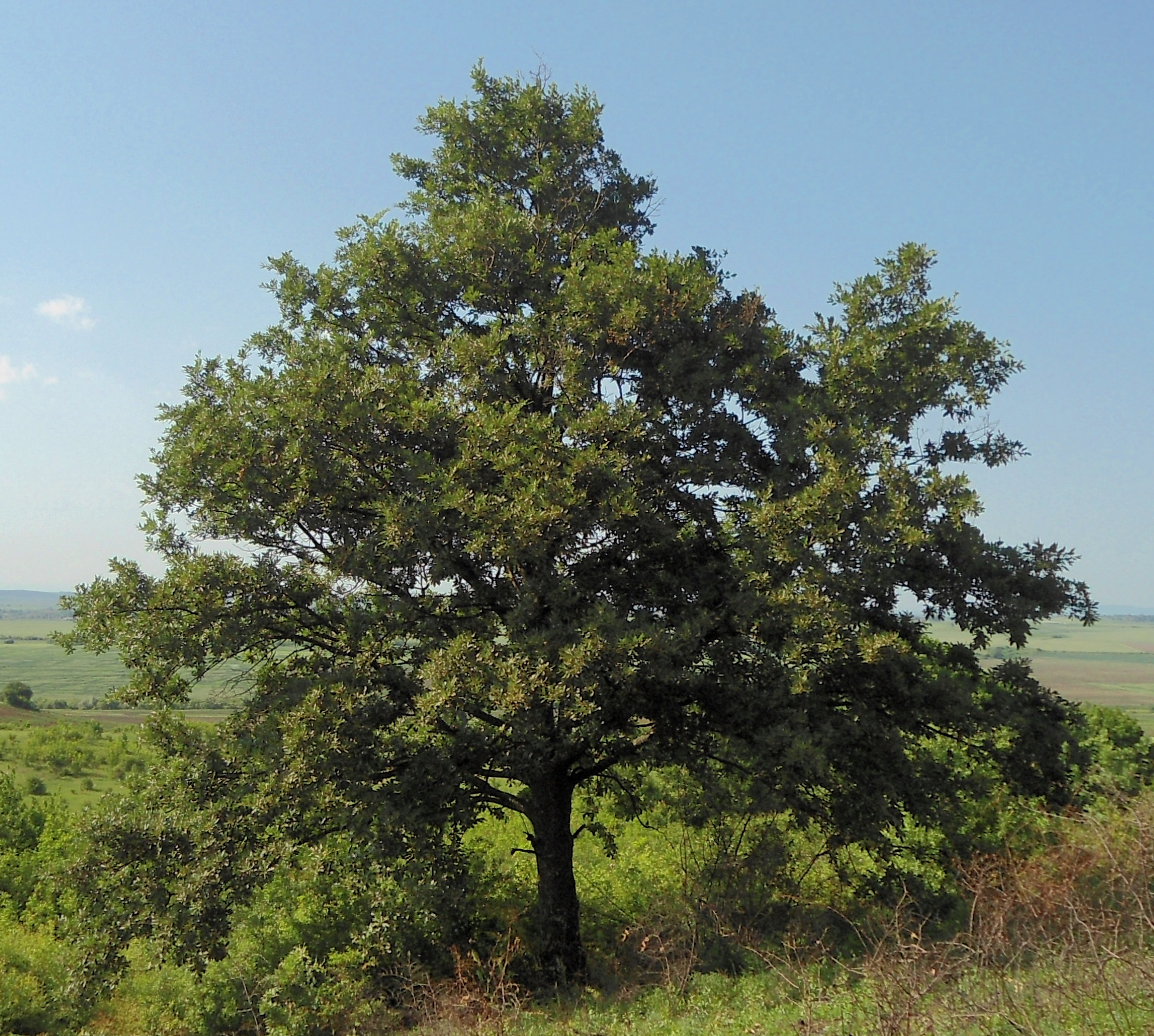
Turkey oak (Quercus cerris), Q. infectoria, and Q. look
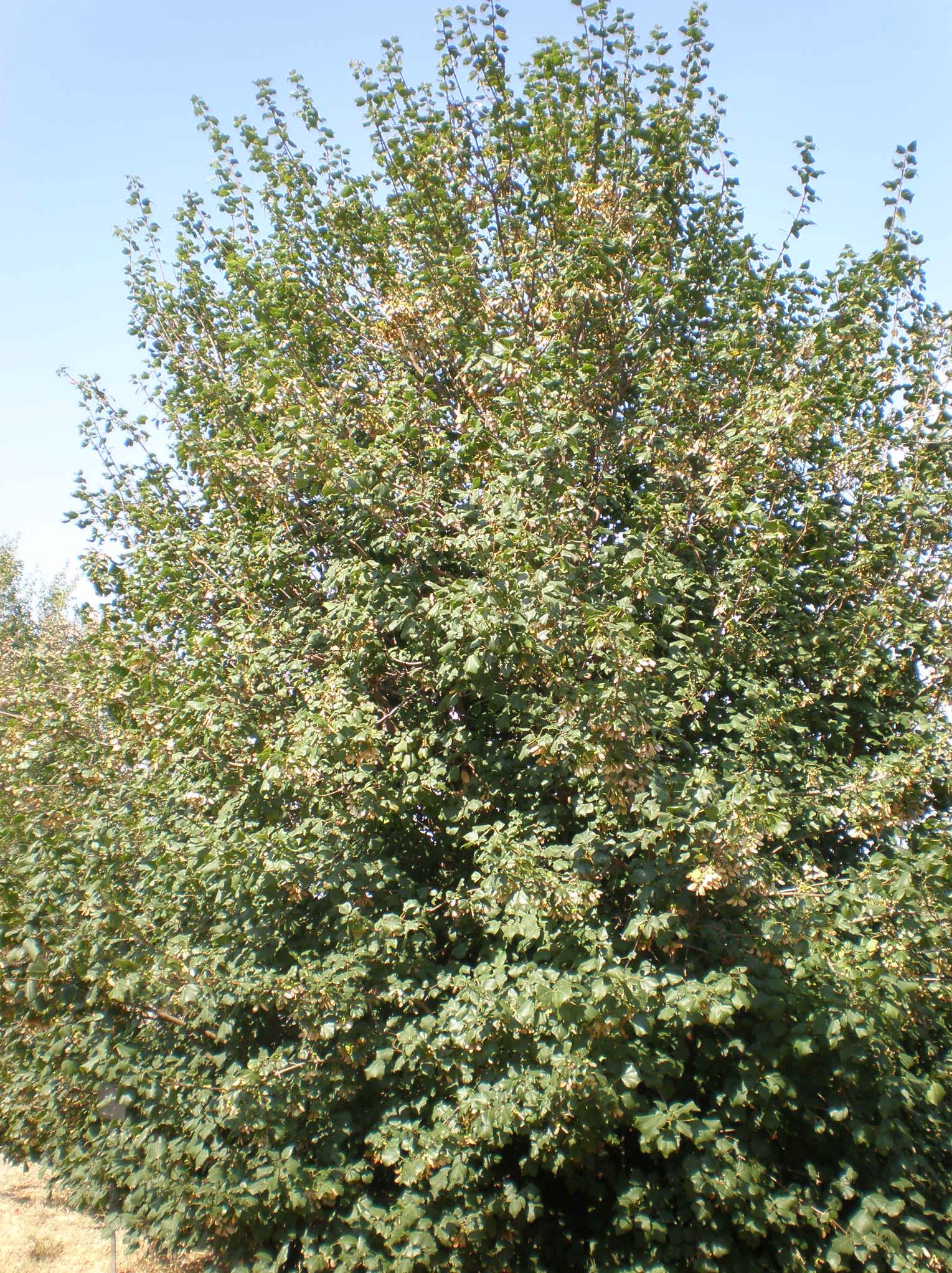
Syrian maple (Acer obtusifolium)
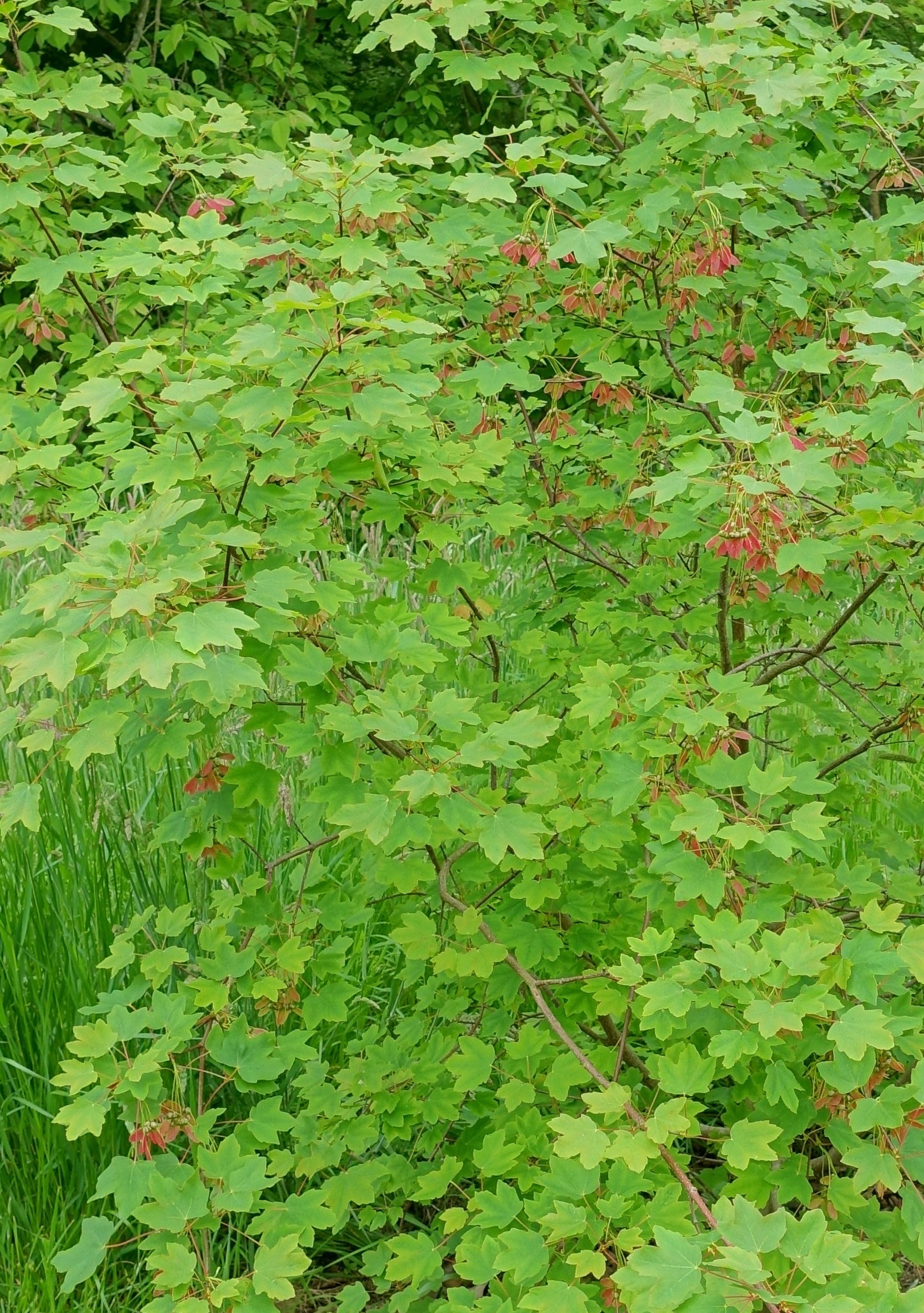
Hermon maple (Acer hyrcanum)
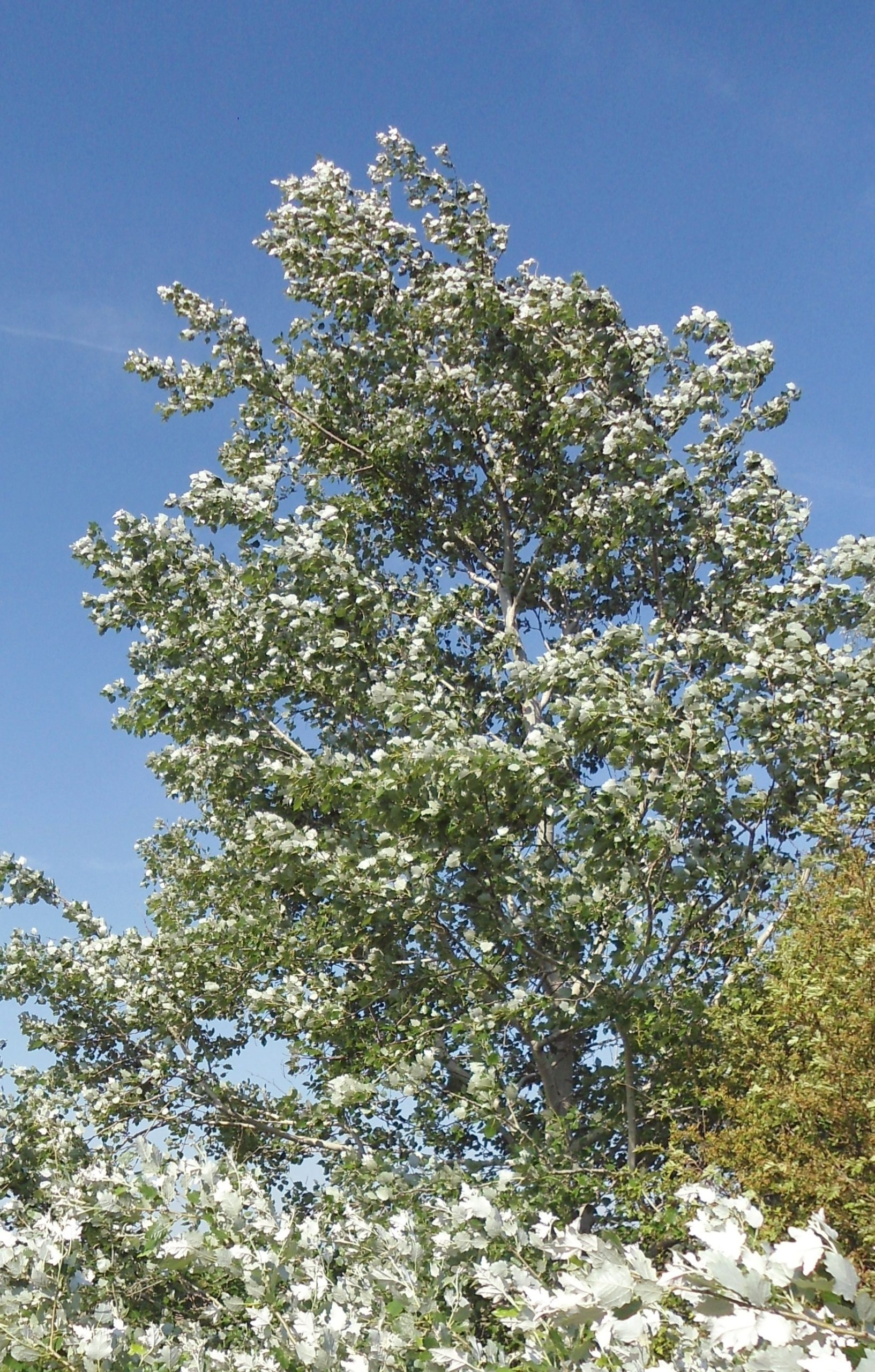
Poplar (Populus alba)
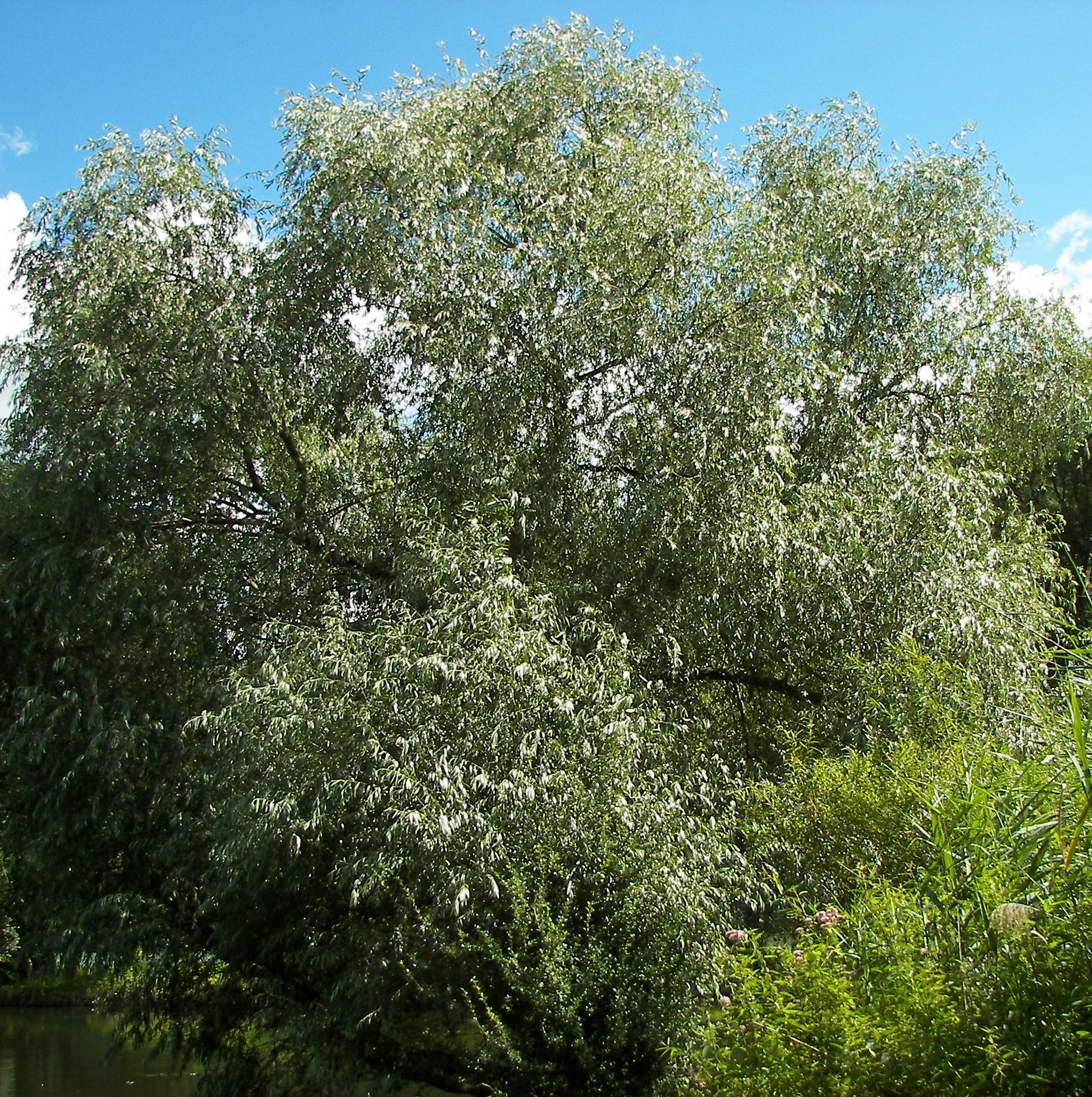
Willow (Salix alba)
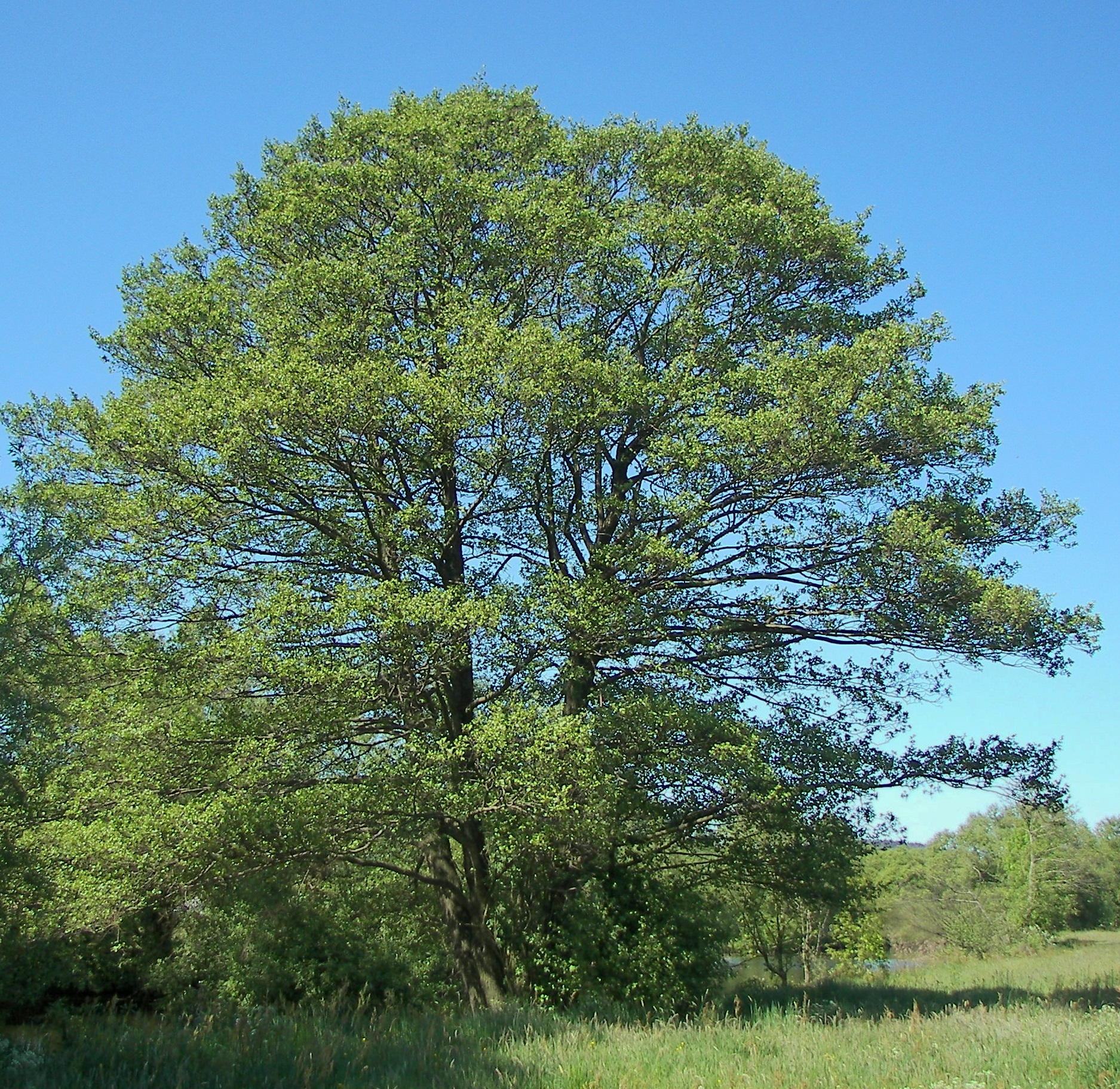
Oriental alder (Alnus orientalis)
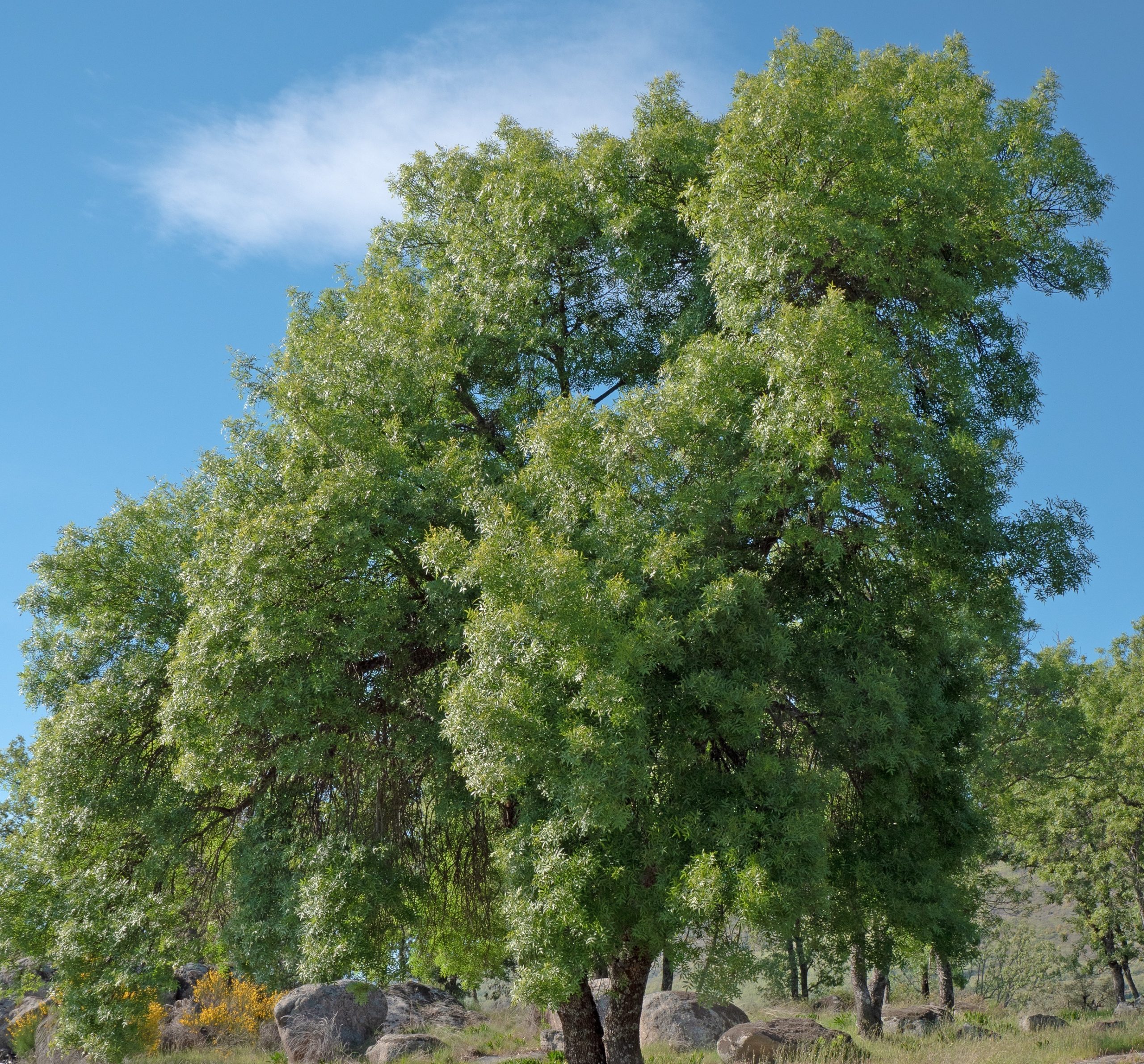
Syrian ash (Fraxinus angustifolia)
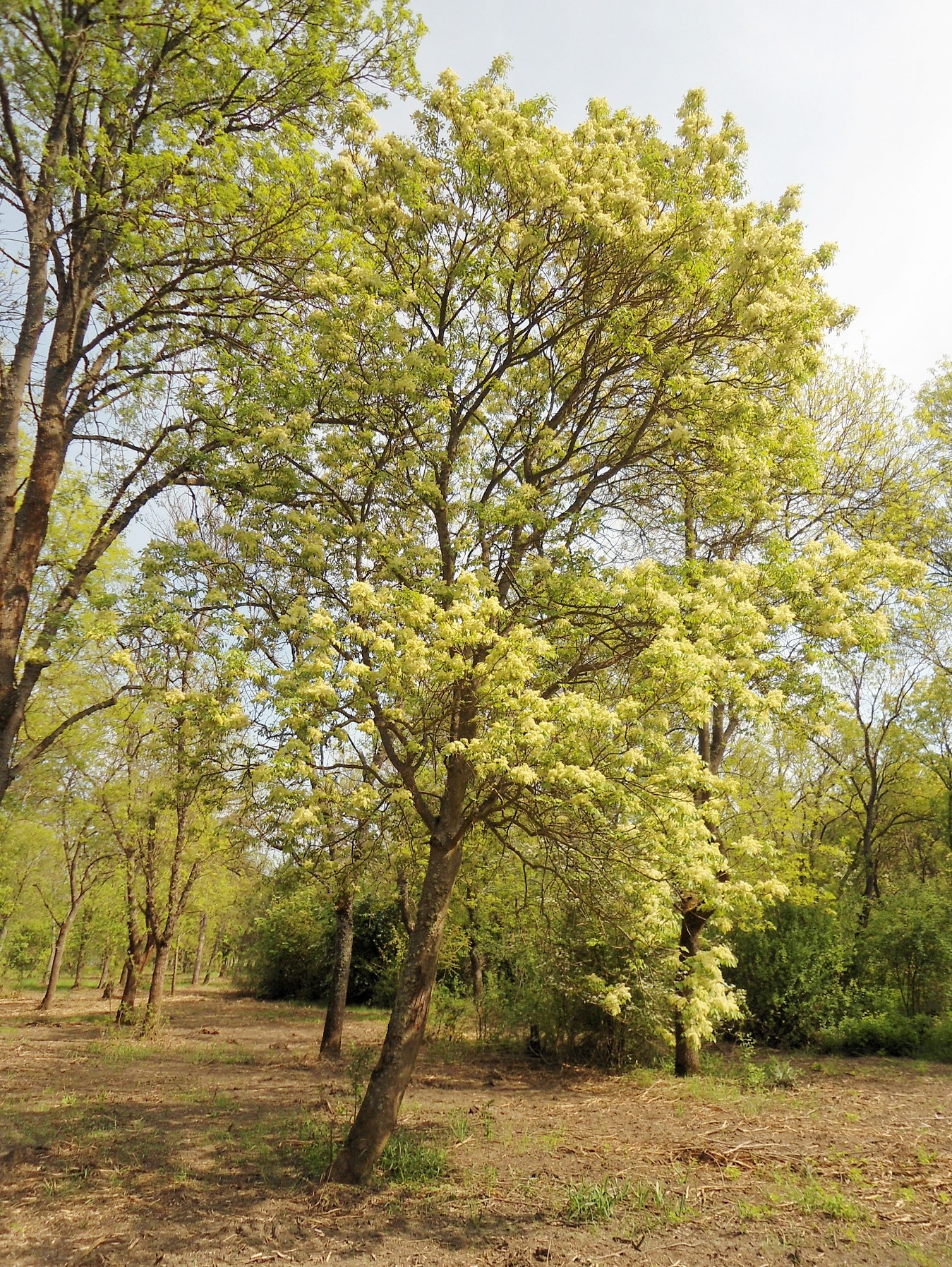
Manna ash (Fraxinus ornus)
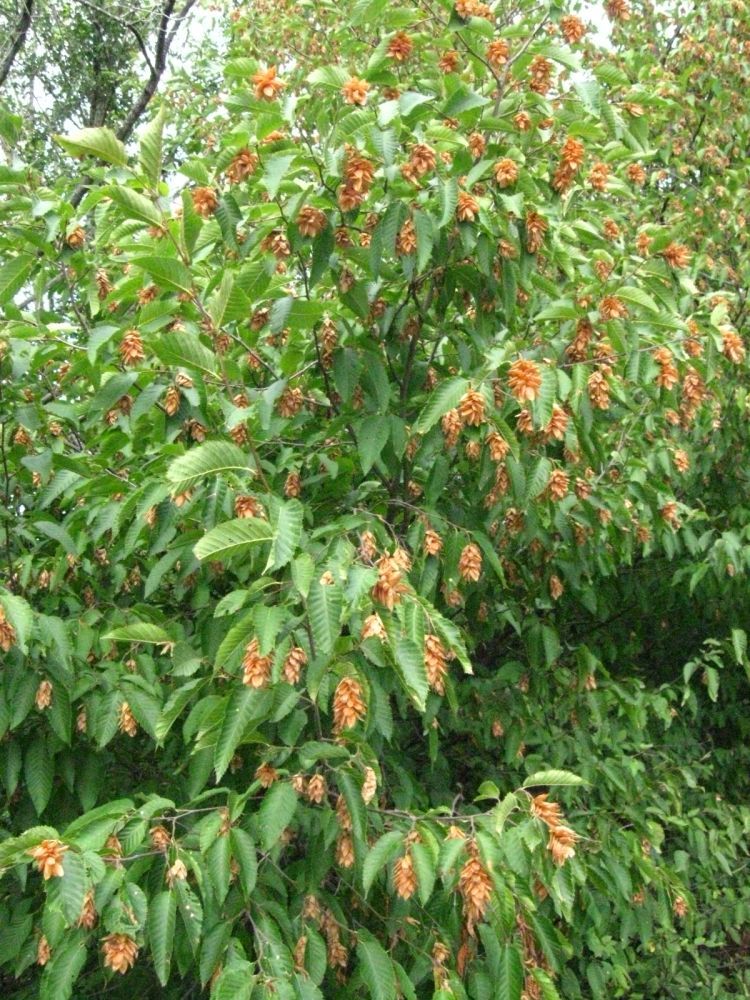
Hop hornbeam (Ostrya carpinifolia)
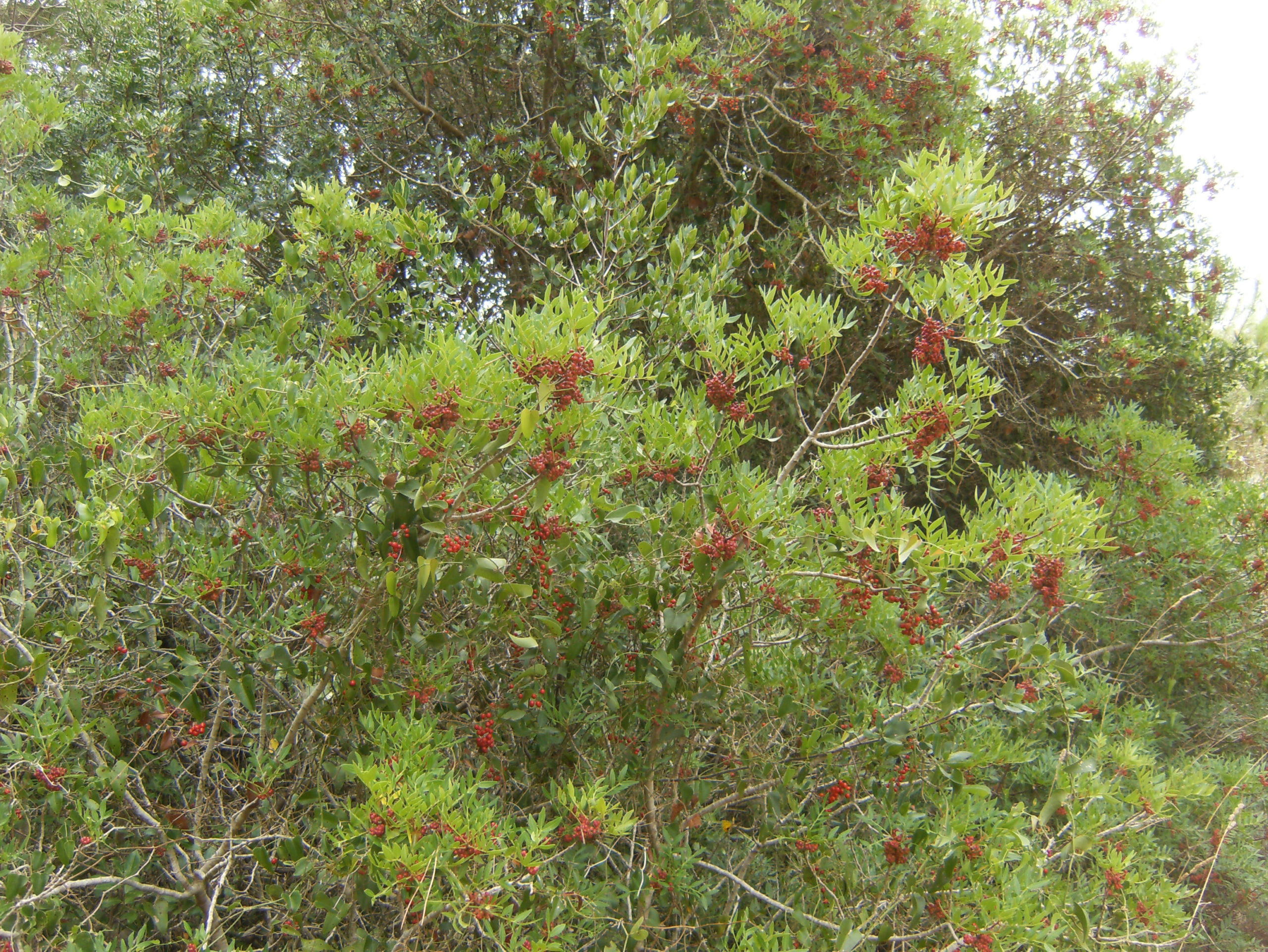
Terebinth (Pistacia palaestina)