

By Husein Ali Zorkot
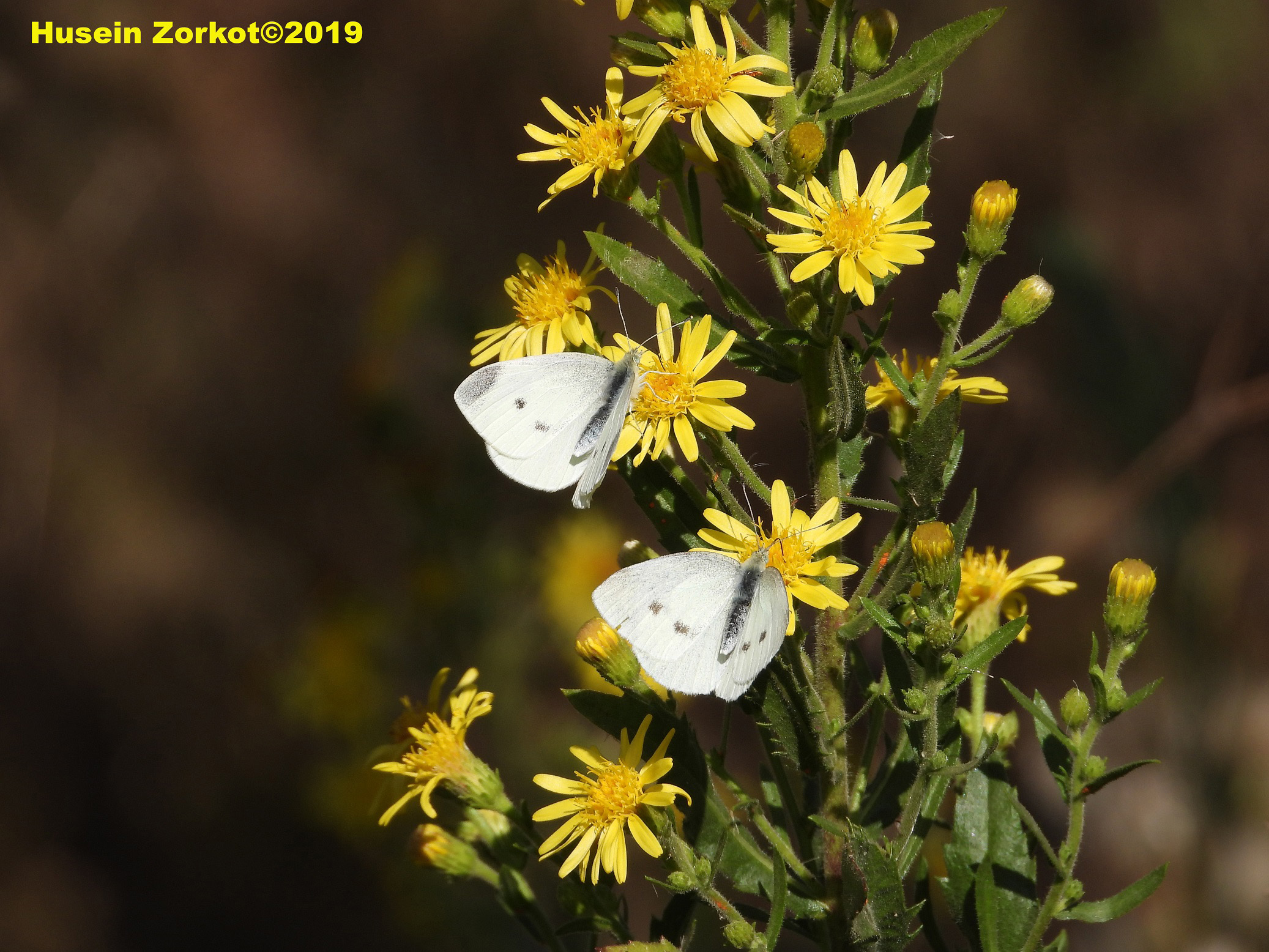
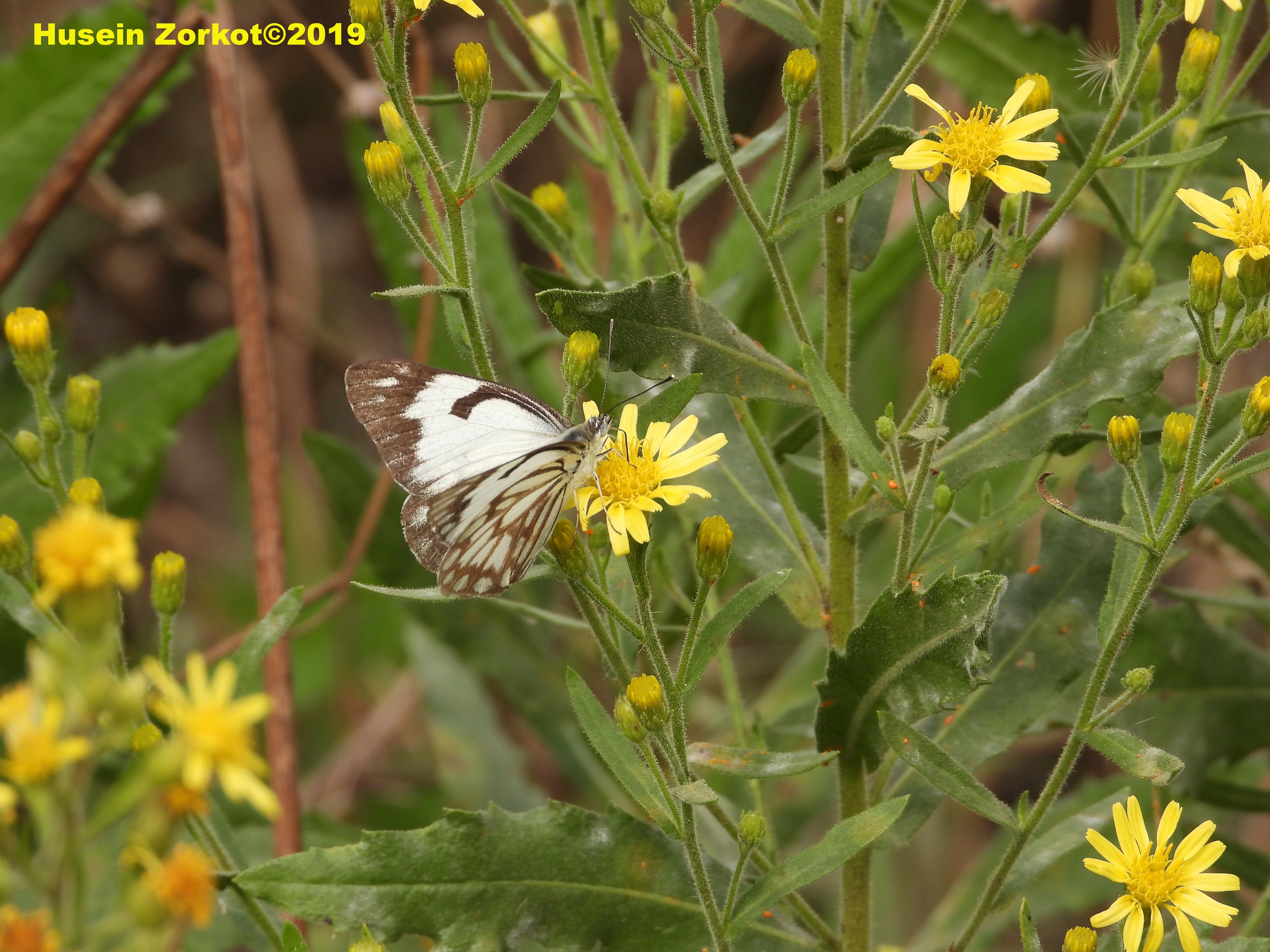
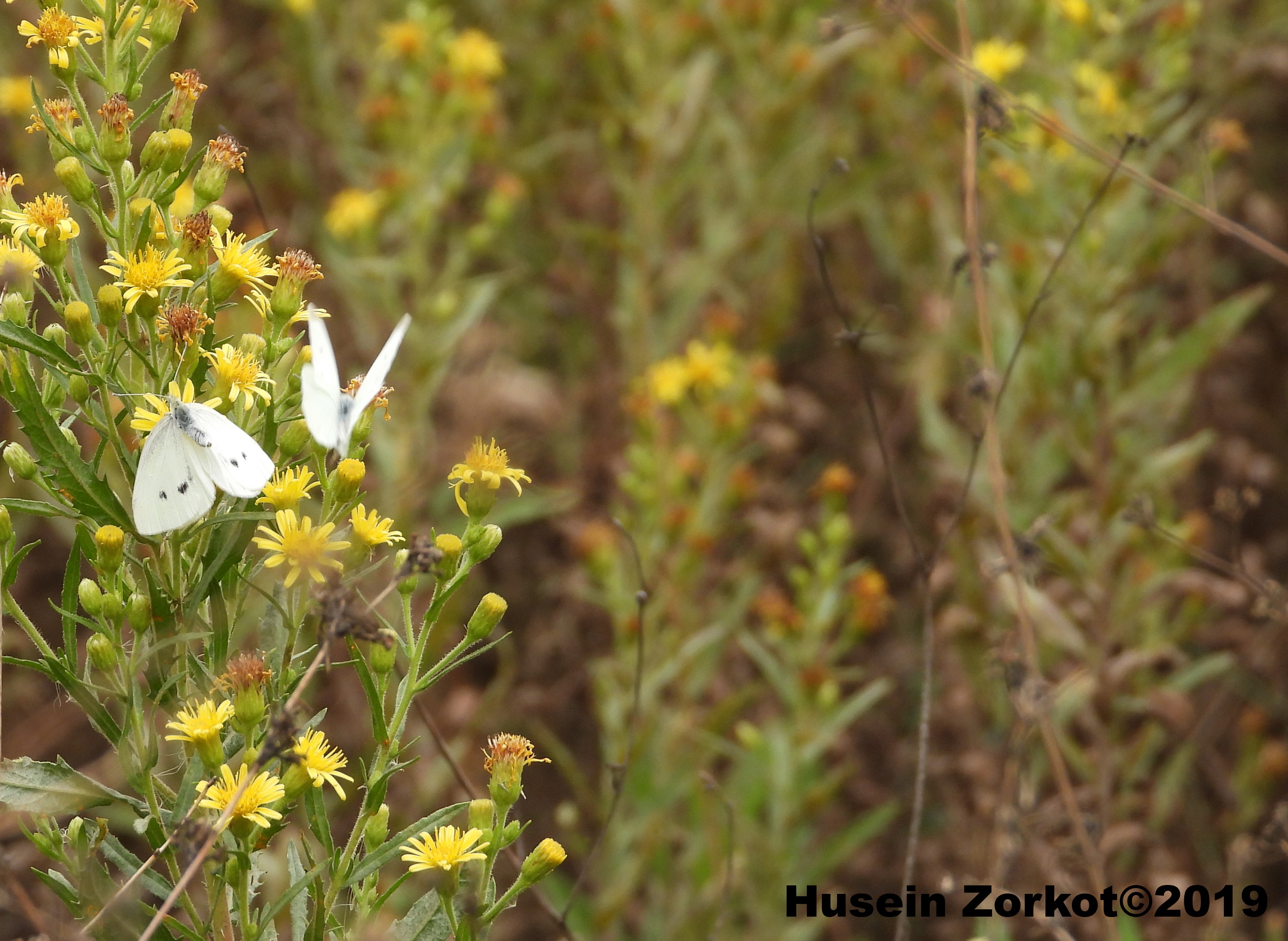
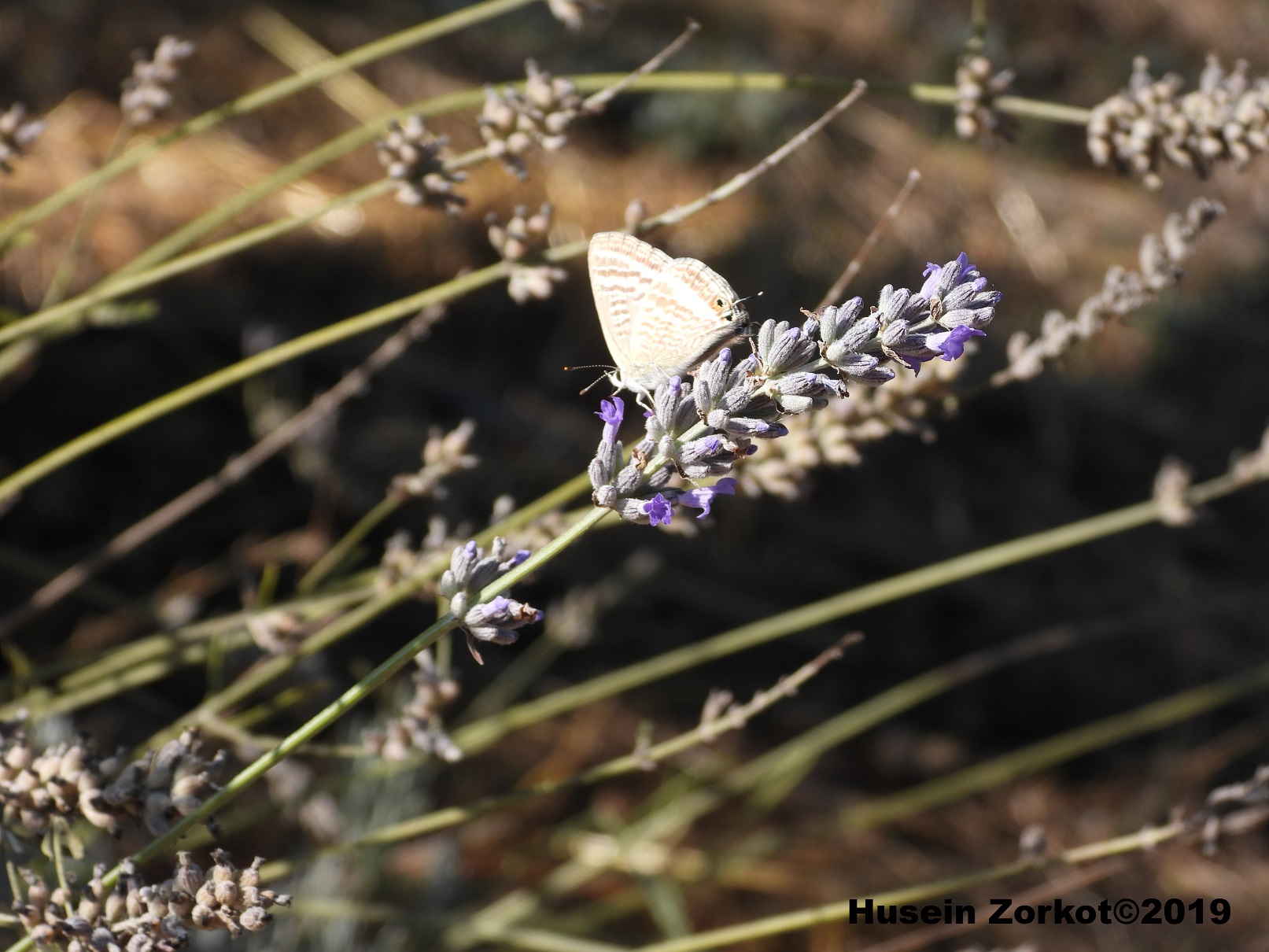
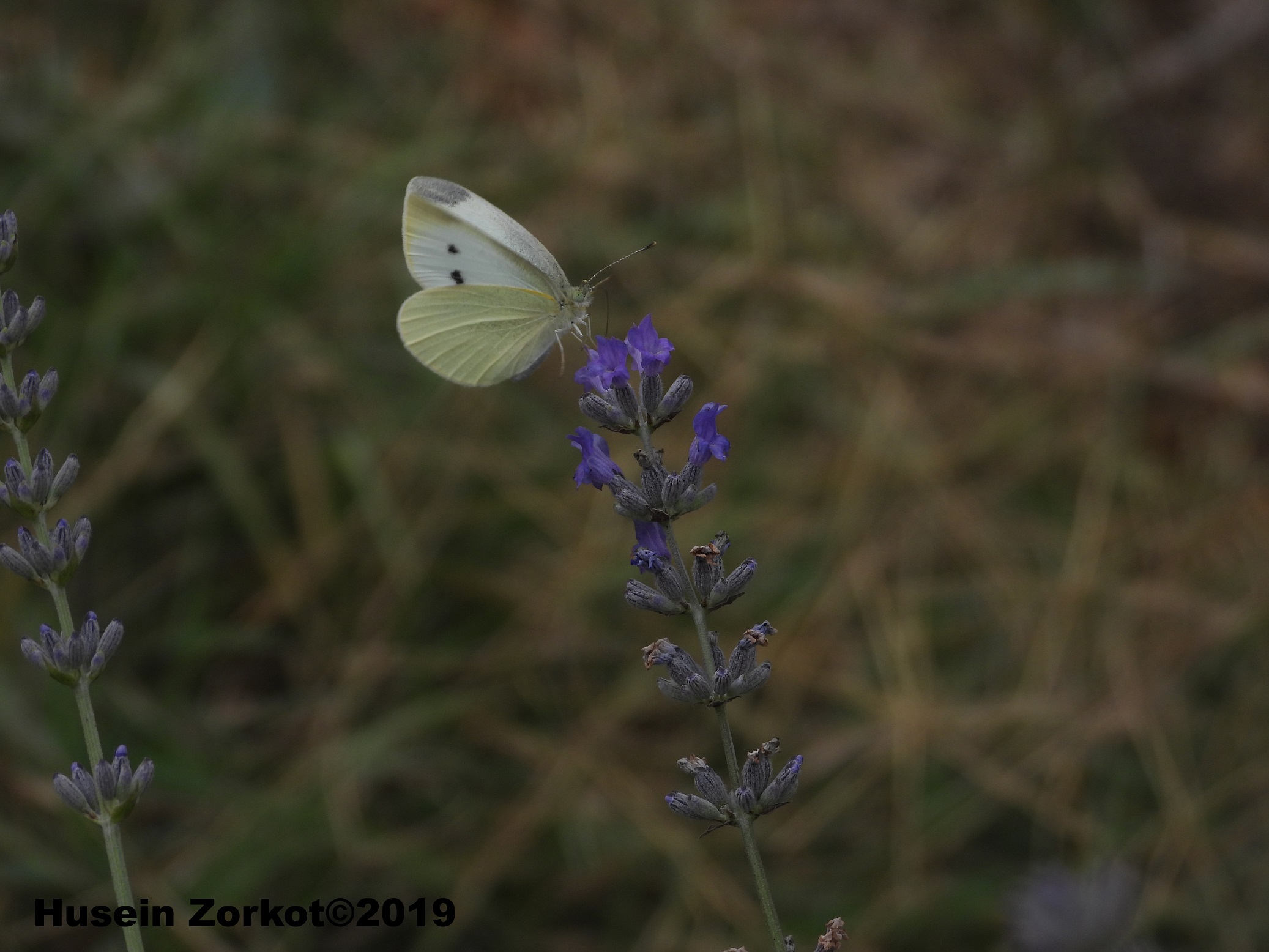
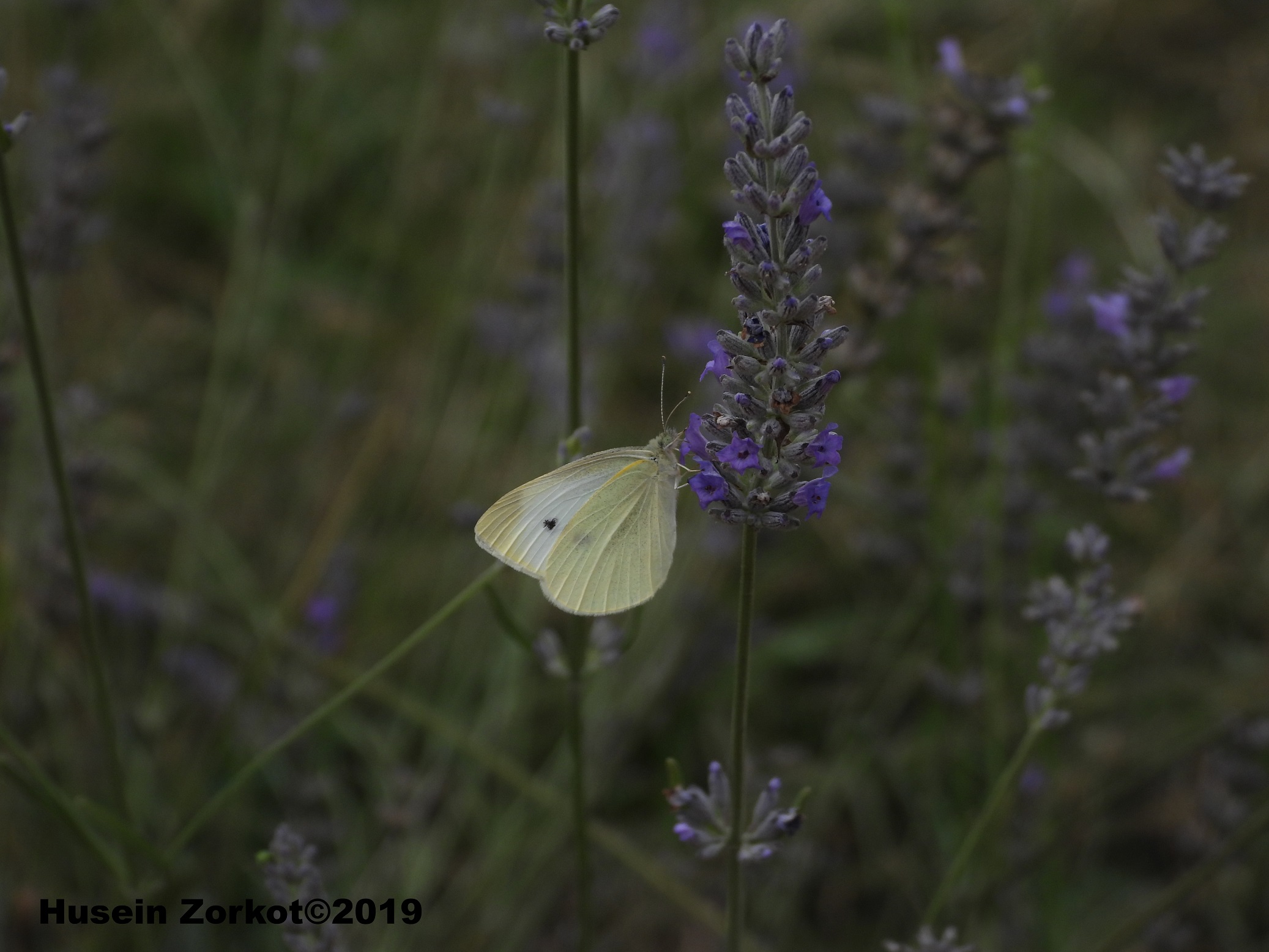
Autumn in Lebanon brings cool October rains, transforming the landscape into a lush, rejuvenated haven for wildlife. While many associate butterflies with warmth and sunshine, these delicate pollinators are still seen fluttering amid the autumn showers—a rare and phenomenal sight. The seasonal shift not only affects butterflies but also influences birds, amphibians, and mammals, each adapting in unique ways to the changing environment.
Butterflies in the Rain: A Rare Phenomenon
Butterflies and other pollinators are typically active in warm, sunny weather. Their fragile wings depend on dry conditions to maintain flight efficiency. However, with Lebanon’s mild autumn temperatures, some butterfly species continue to navigate gardens and wild landscapes, sipping nectar from the last blooming flowers of the season. These resilient insects highlight the adaptability of nature, proving that even creatures dependent on warmth can find ways to survive in cooler conditions.
Rain Birds: Seasonal Shifts in Lebanon’s Avian Life
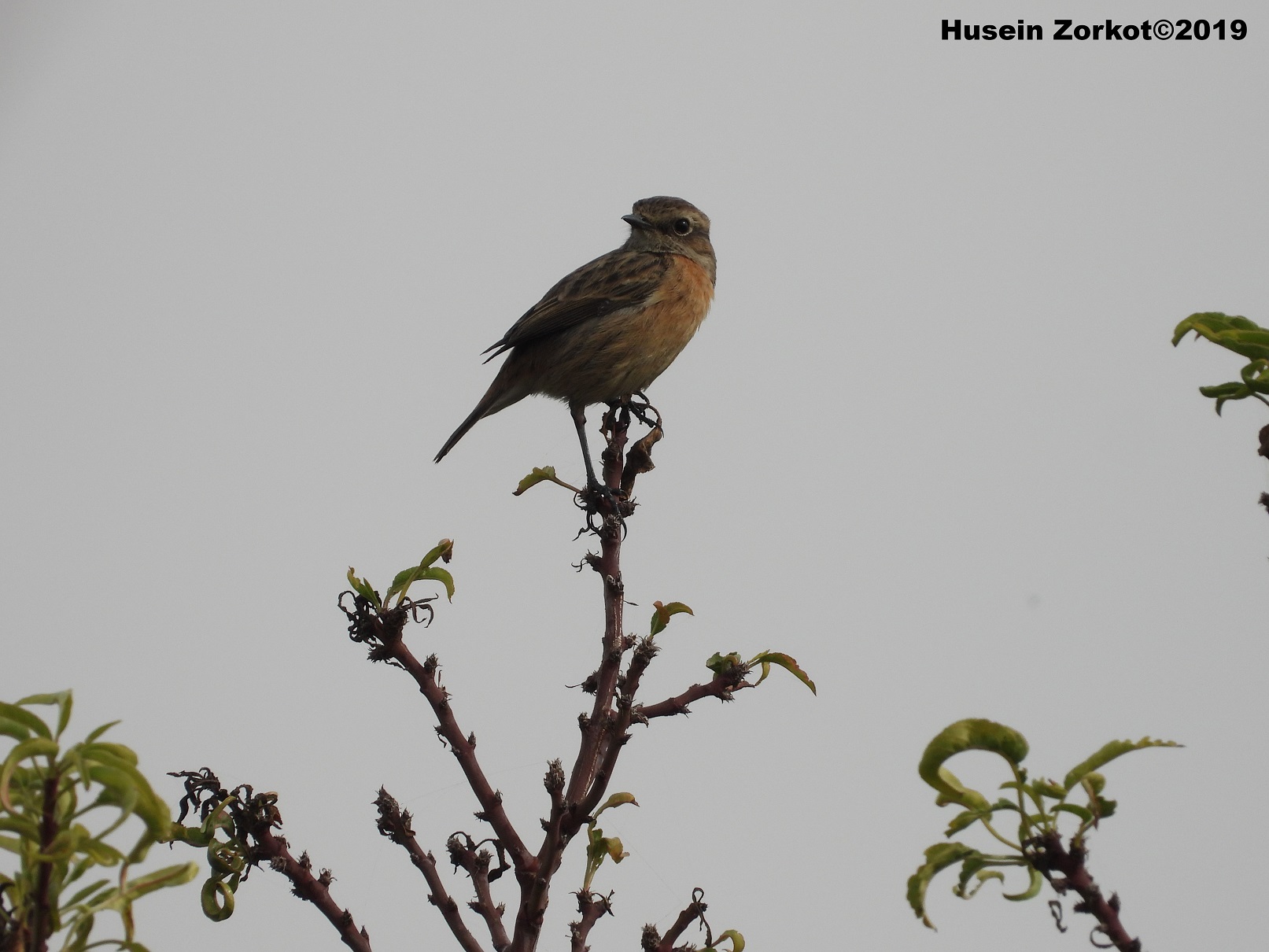
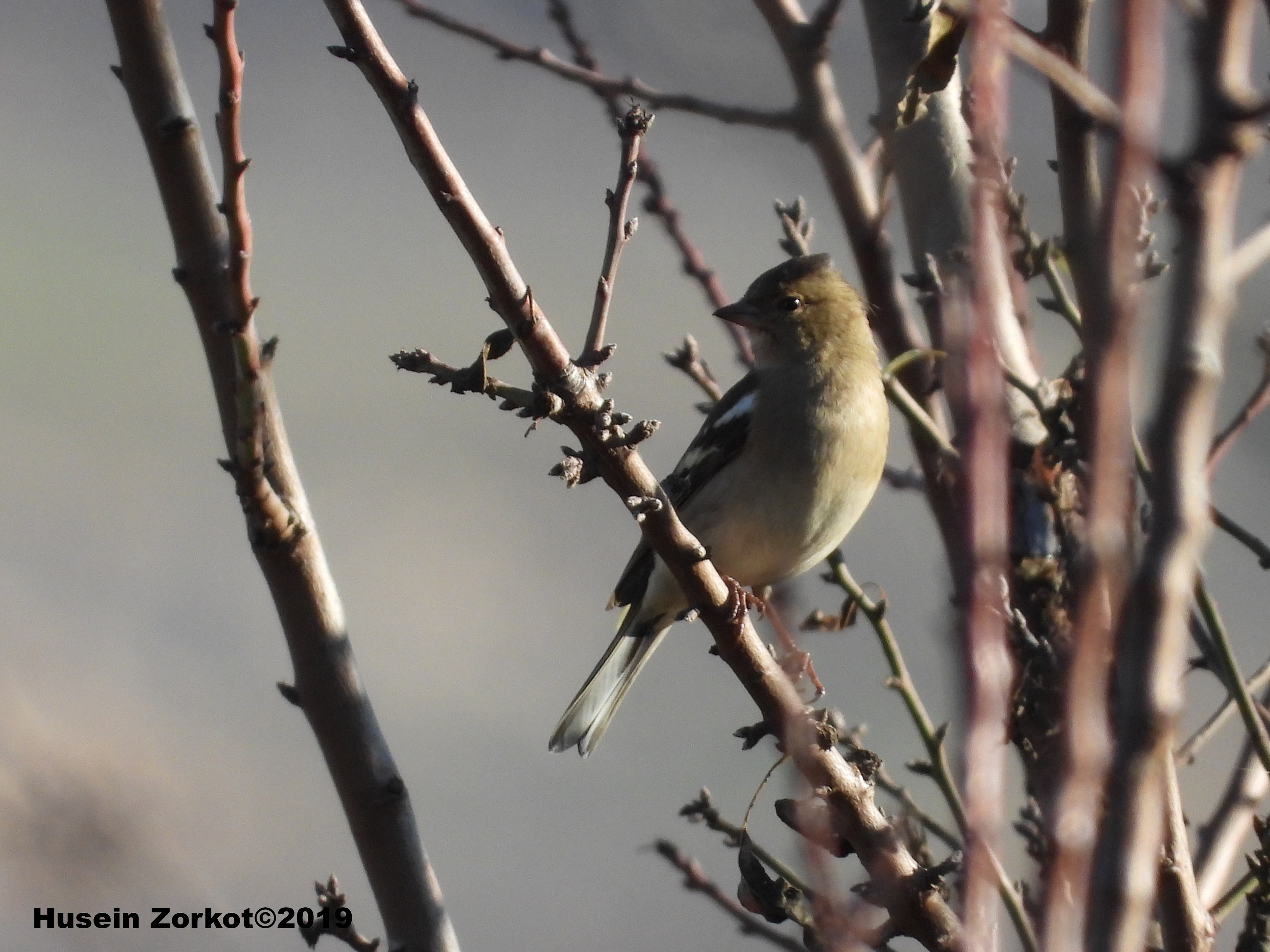
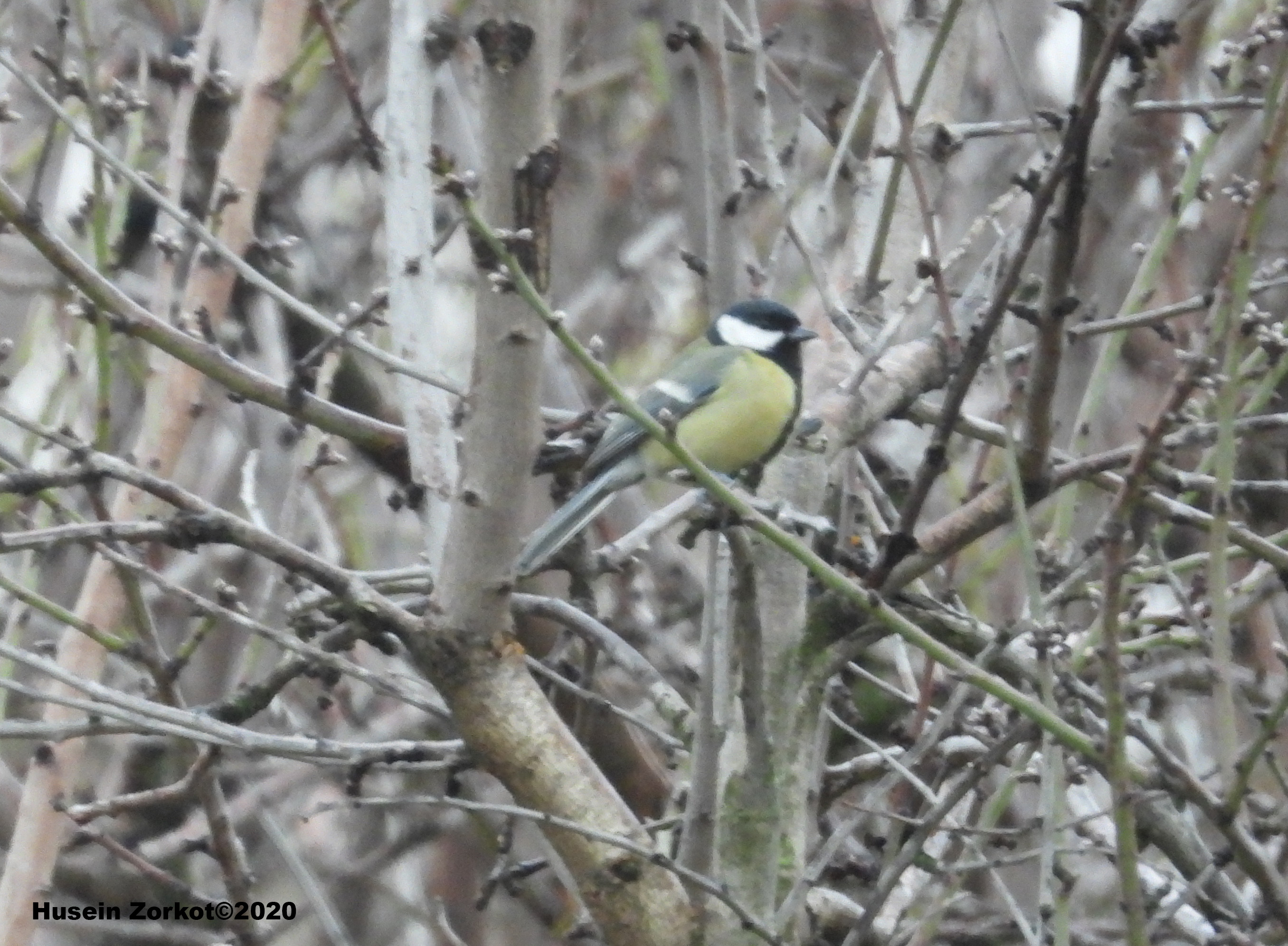
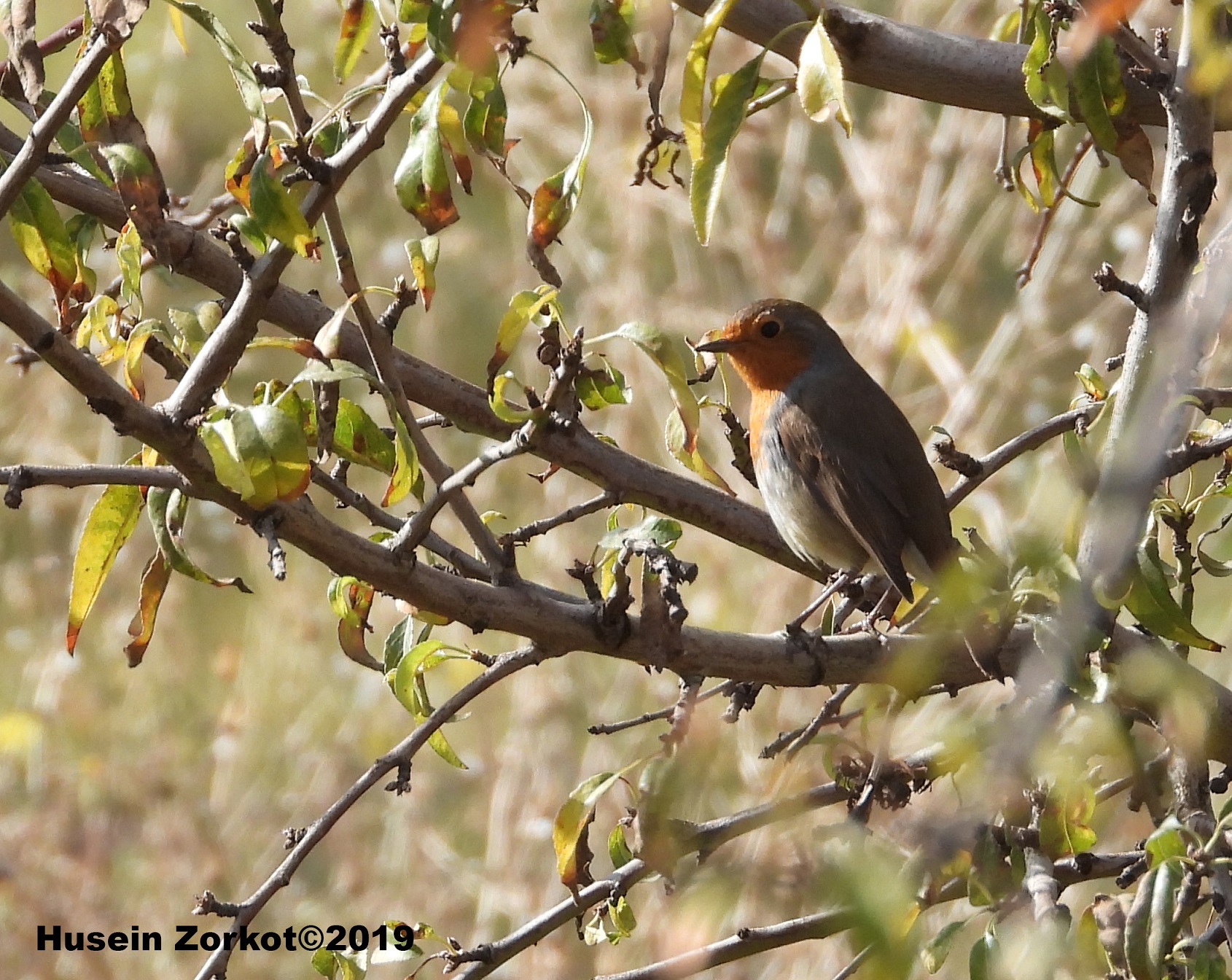
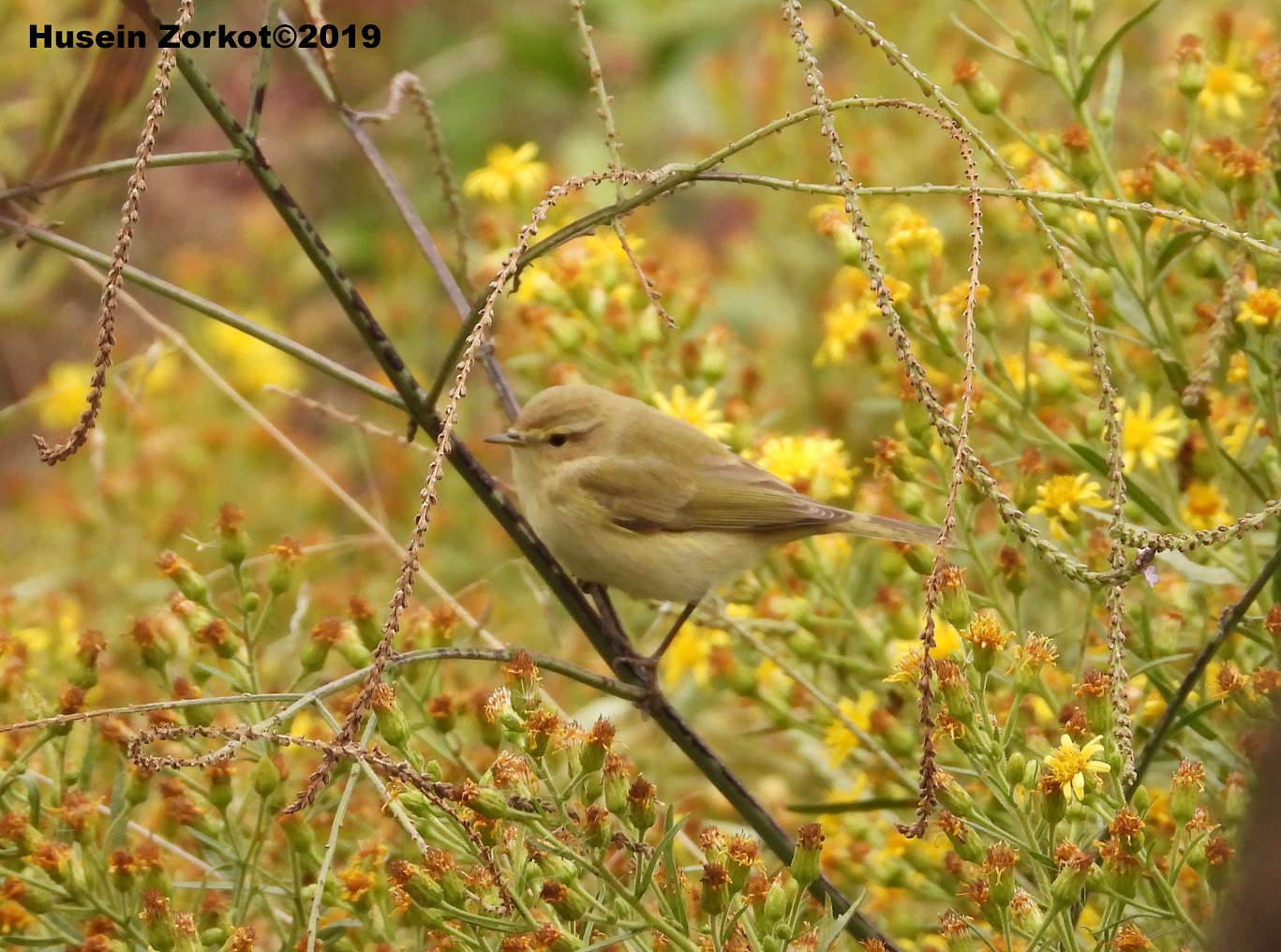
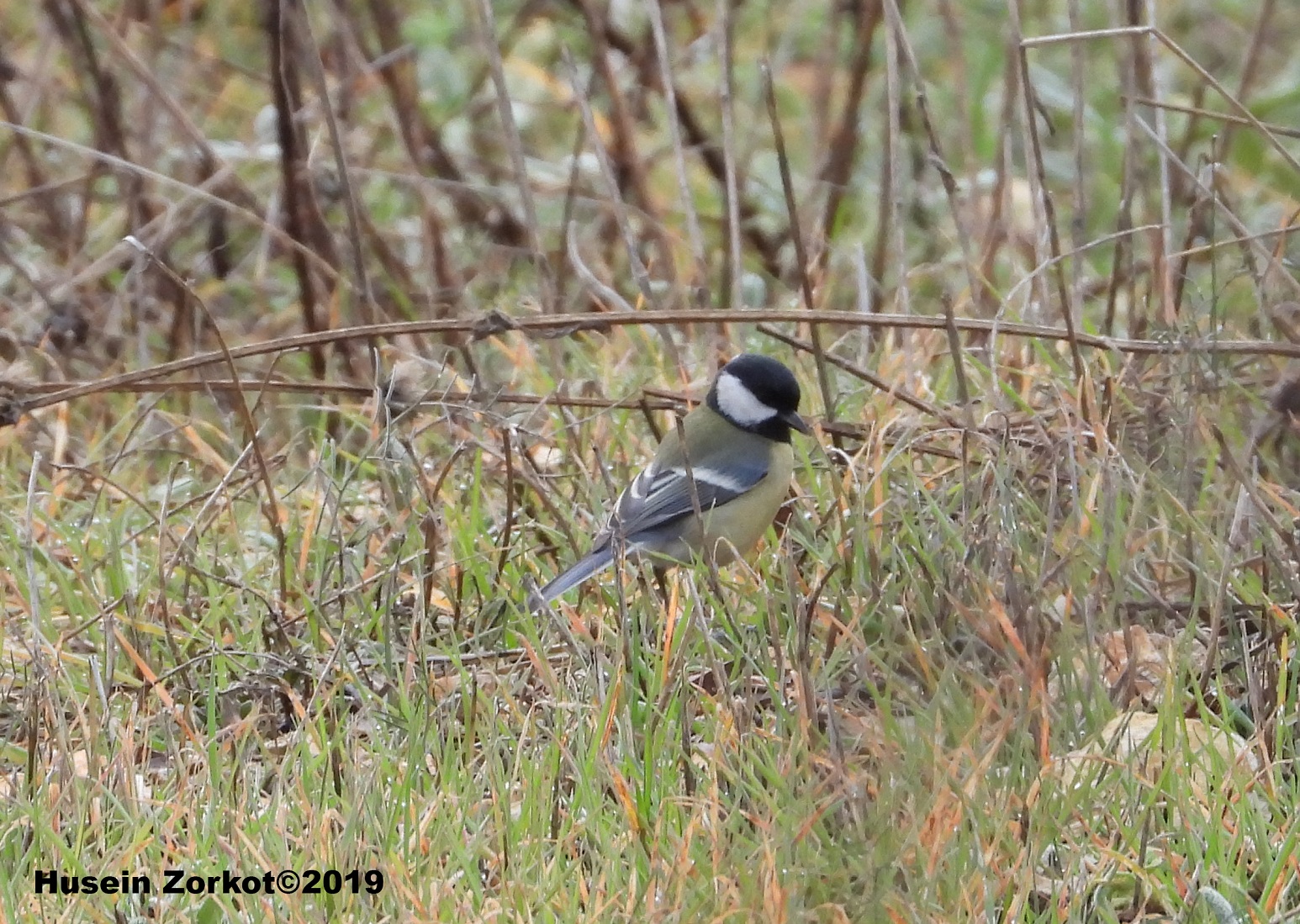
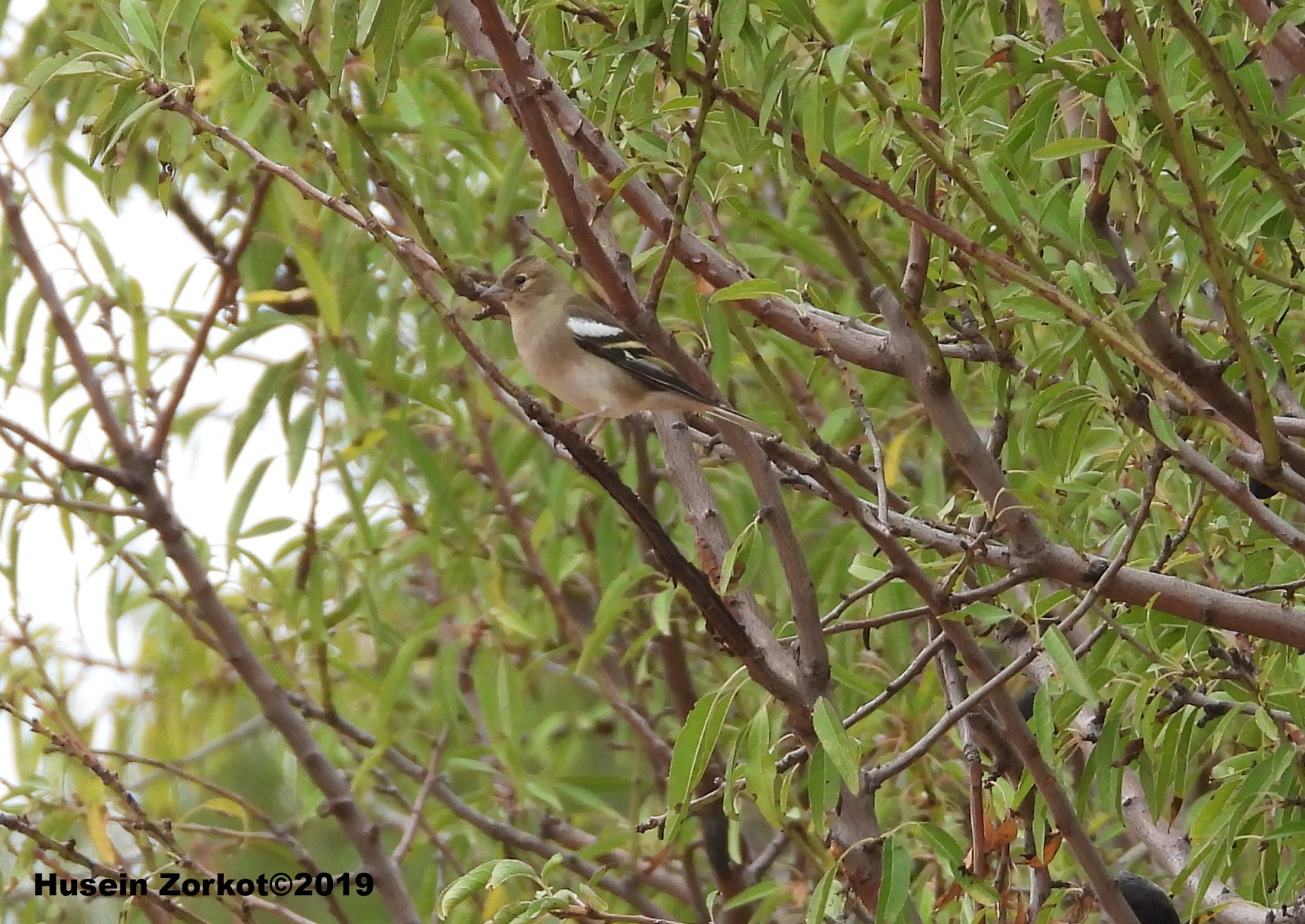
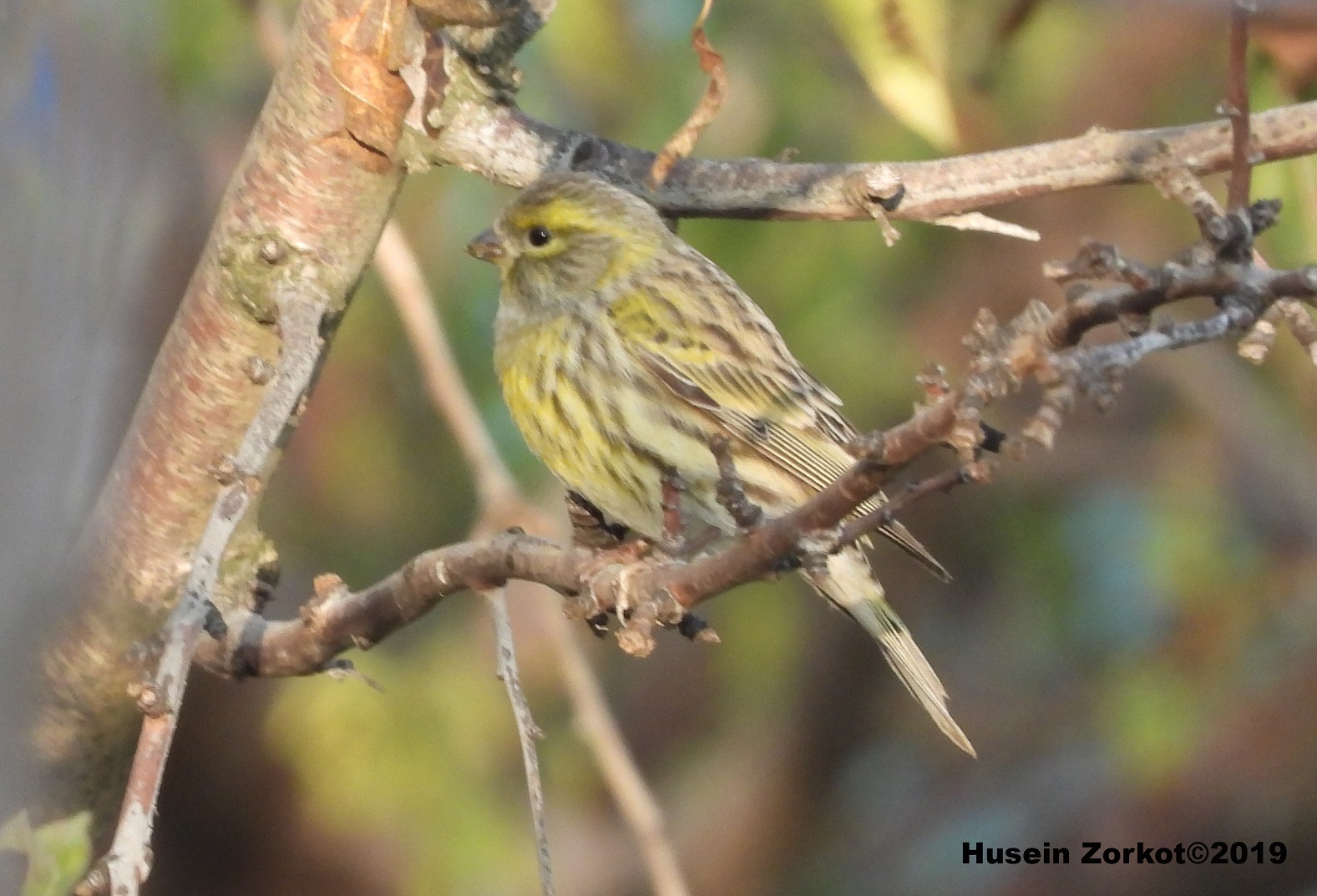
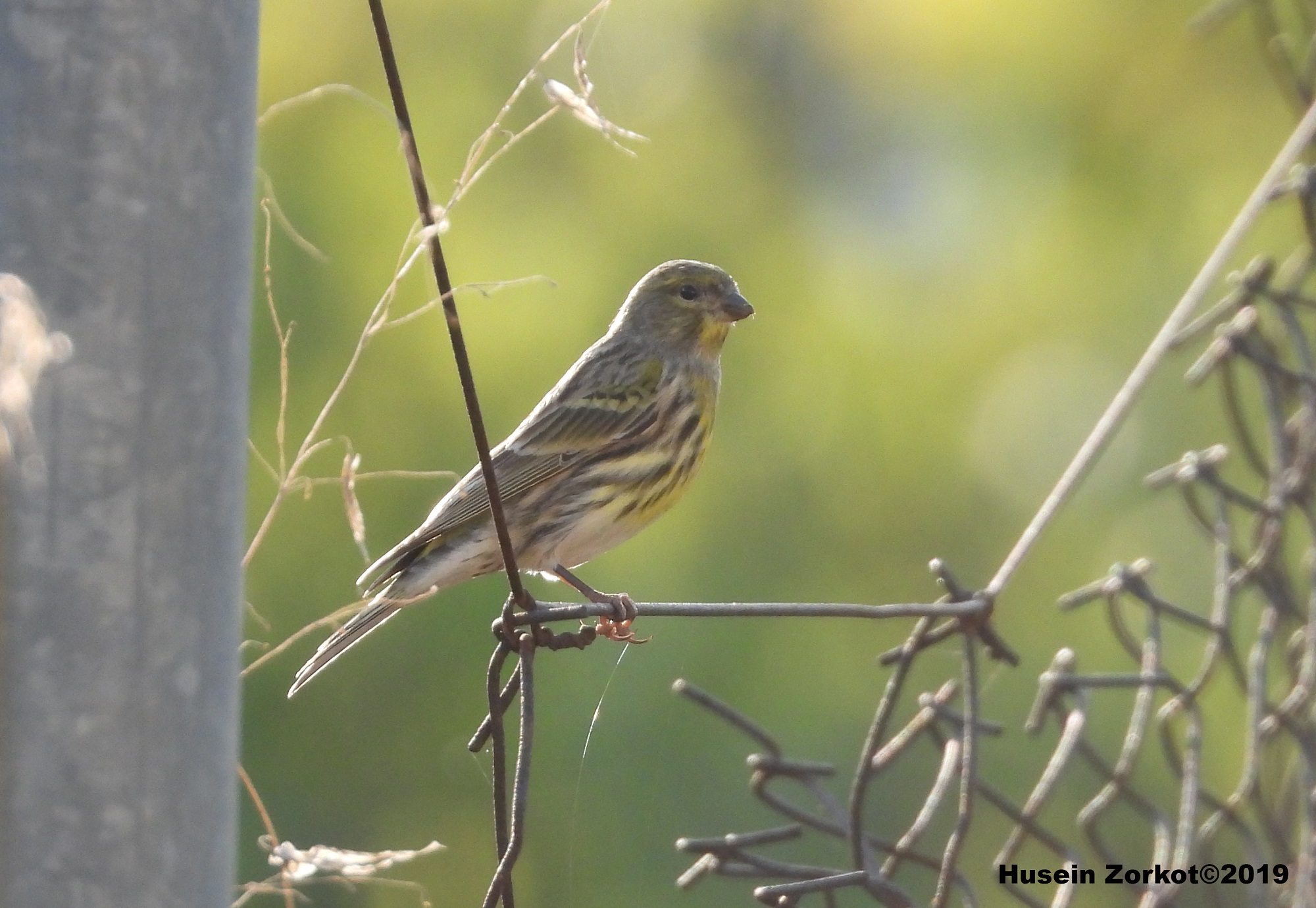
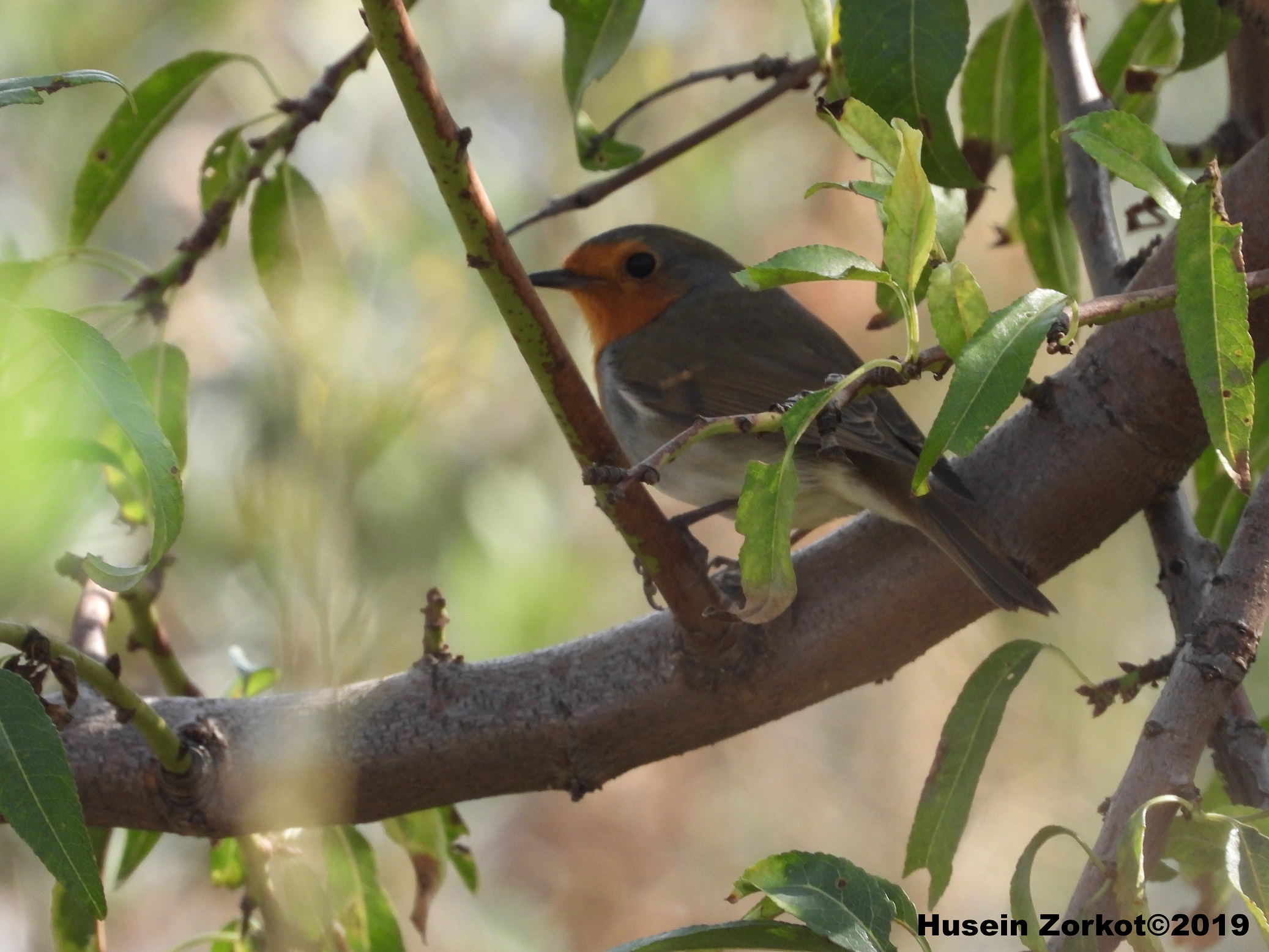
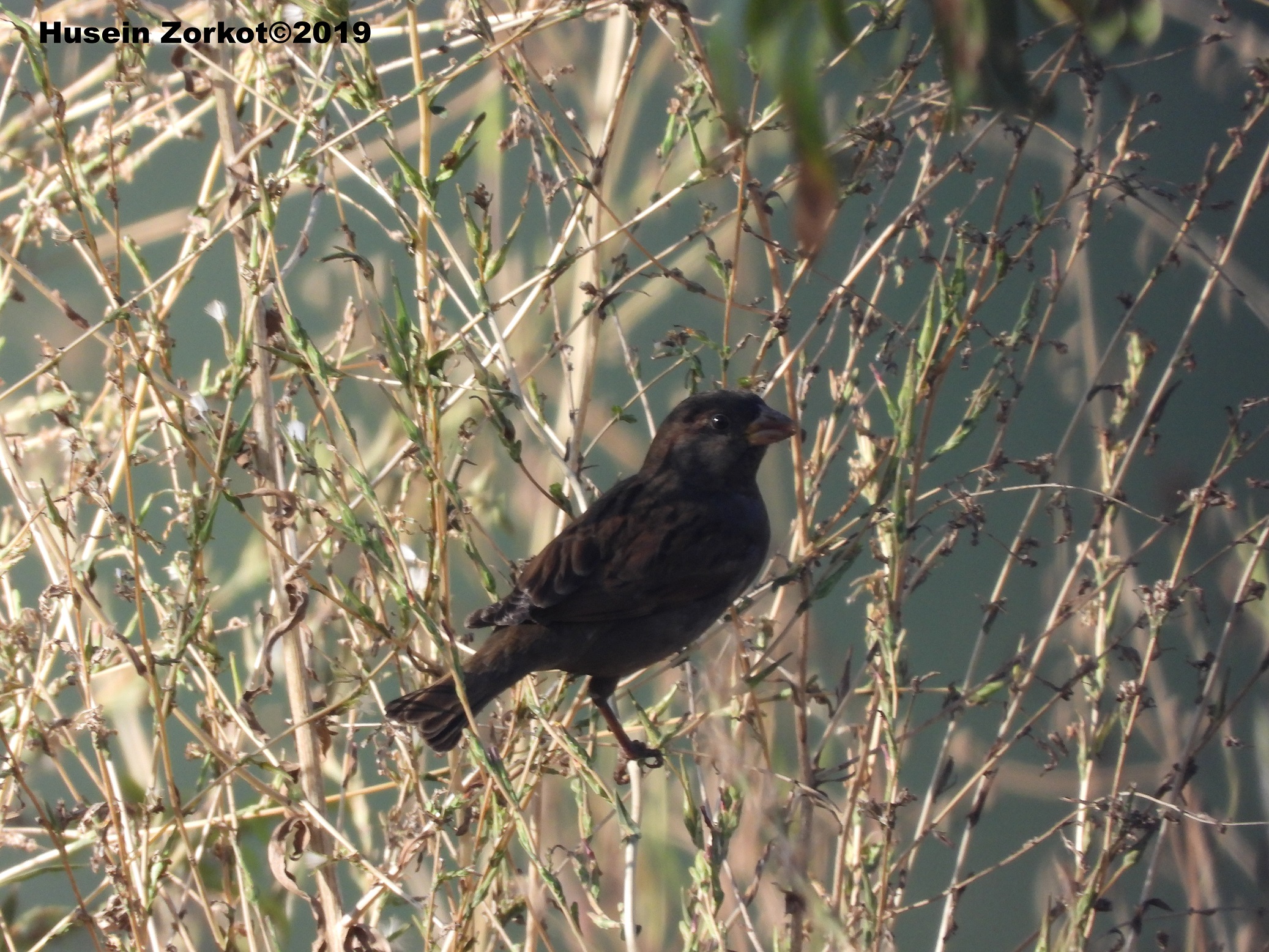
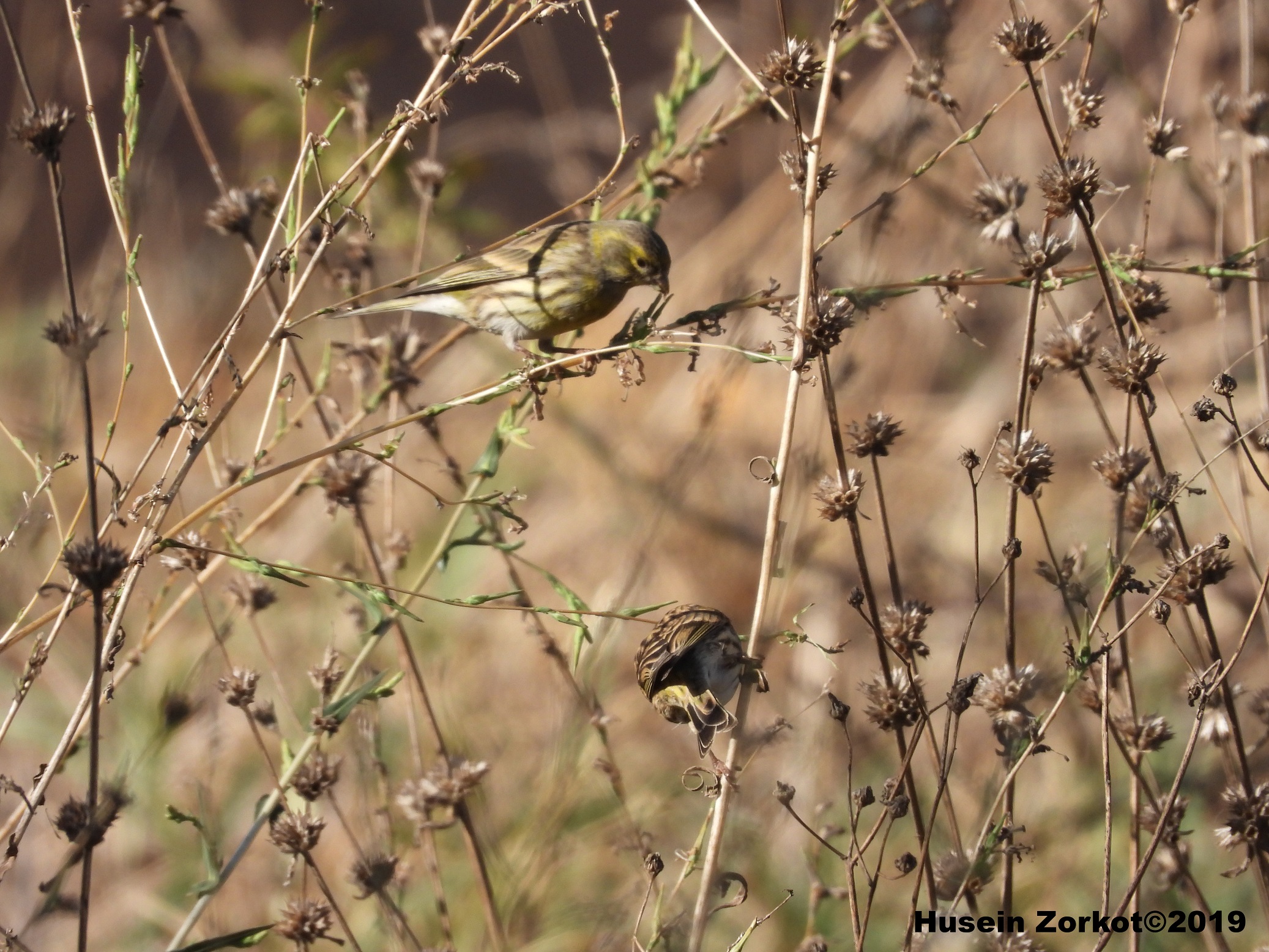
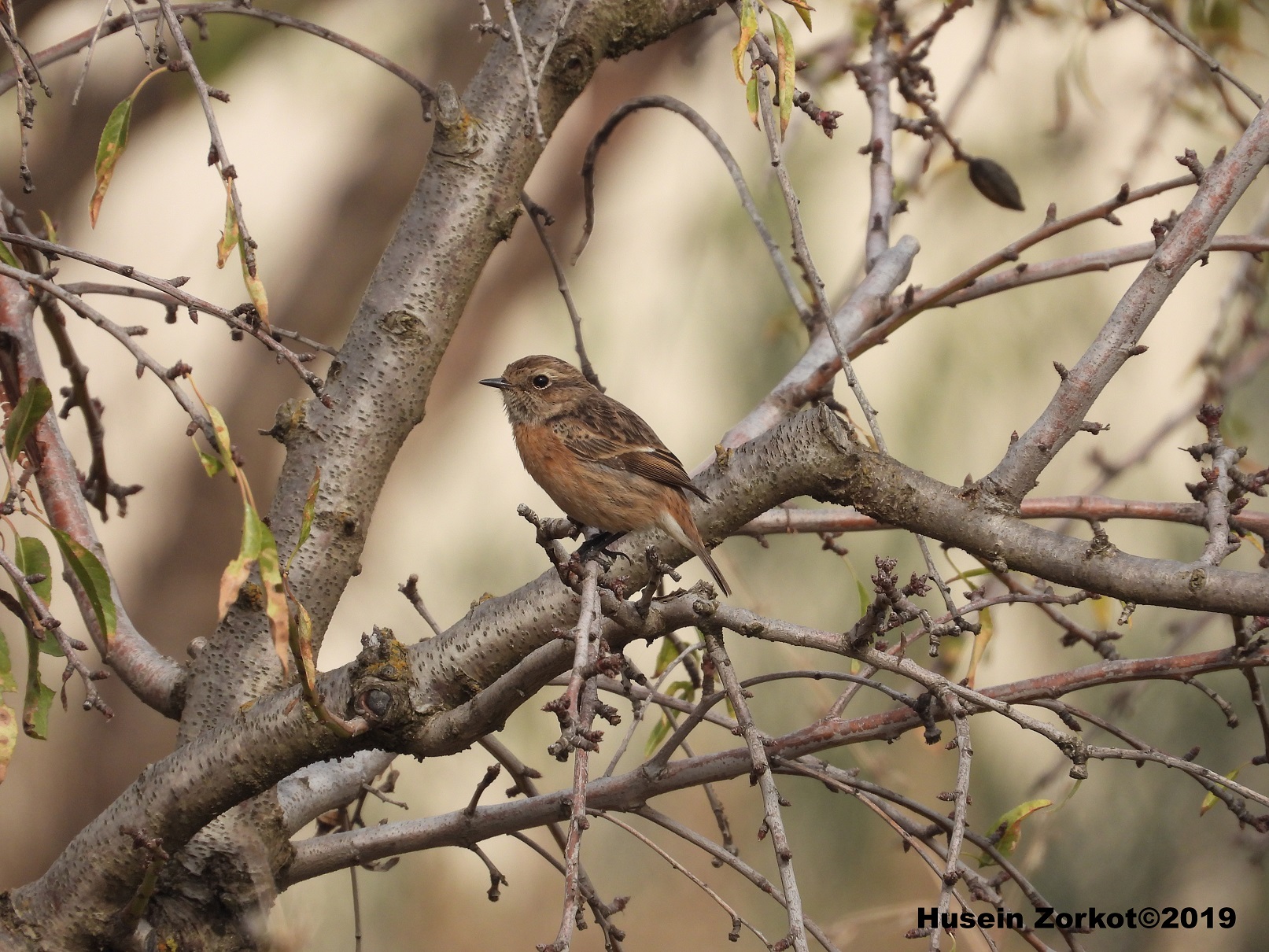
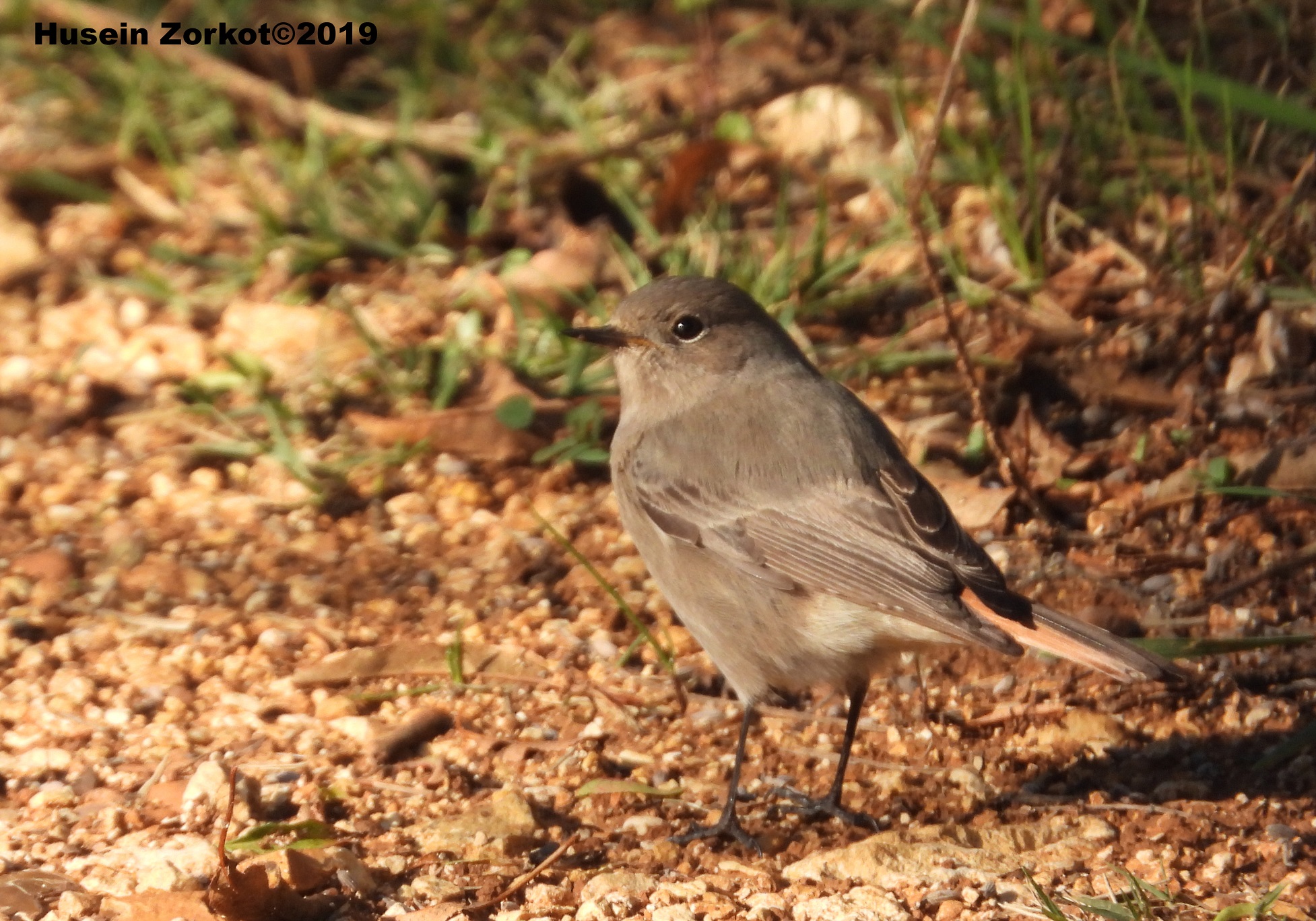
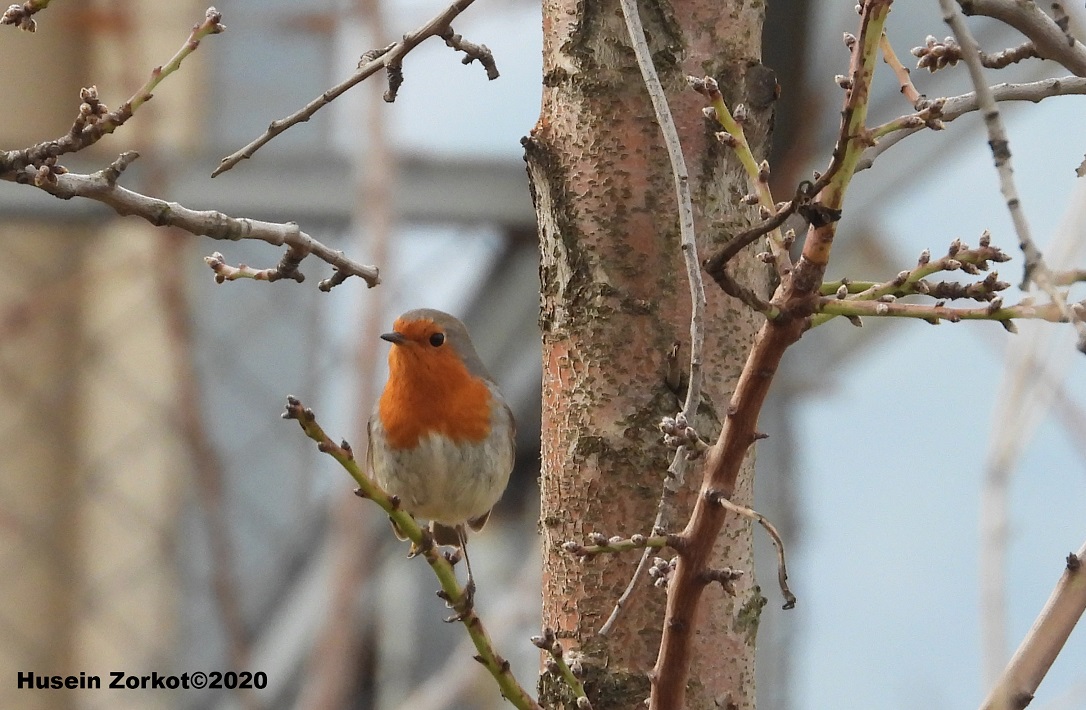
Lebanon is home to a diverse bird population, including year-round residents and seasonal migrants. As the weather cools, many species pause their migrations, taking refuge in local gardens and natural reserves. The presence of these birds during autumn rains provides an enchanting soundtrack to the season, with chirps and calls echoing through damp woodlands and urban green spaces.
Among the most commonly observed rain birds are warblers, finches, and robins, which thrive in the post-rain abundance of insects and seeds. Some raptors, like harriers and falcons, are also seen following rain patterns as they continue their migration towards warmer wintering grounds.
Mammals: Preparing for Winter
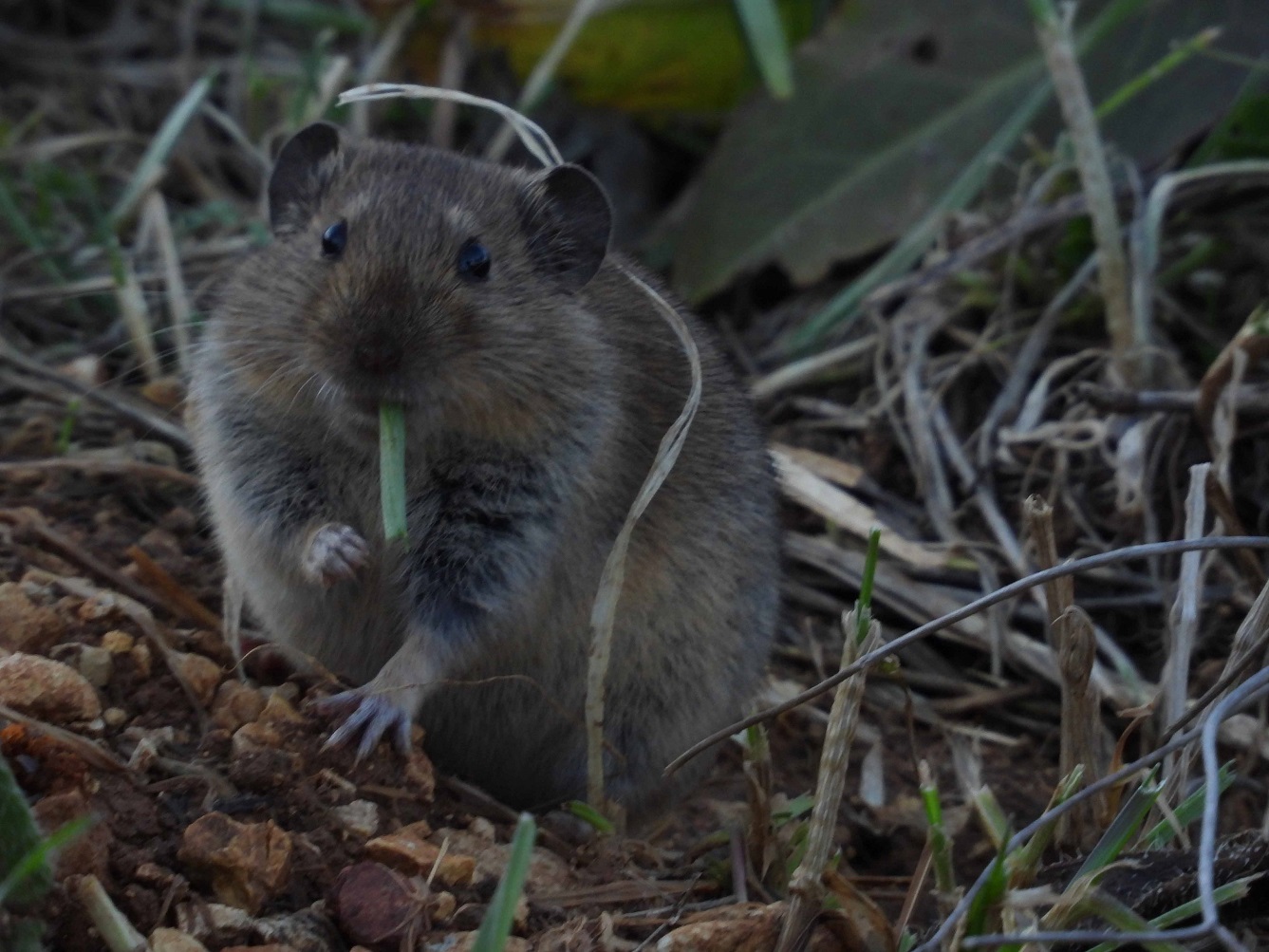
While some mammals in Lebanon enter hibernation during the colder months, others rely on alternative survival strategies. Species such as hedgehogs and dormice retreat into burrows, conserving energy until spring, while others—like foxes and wild boars—remain active, foraging for food even in rainy conditions. The transition from autumn to winter marks a critical period for these animals as they stockpile food and build up fat reserves to endure the colder months ahead.
Salamanders: Nocturnal Rainwalkers
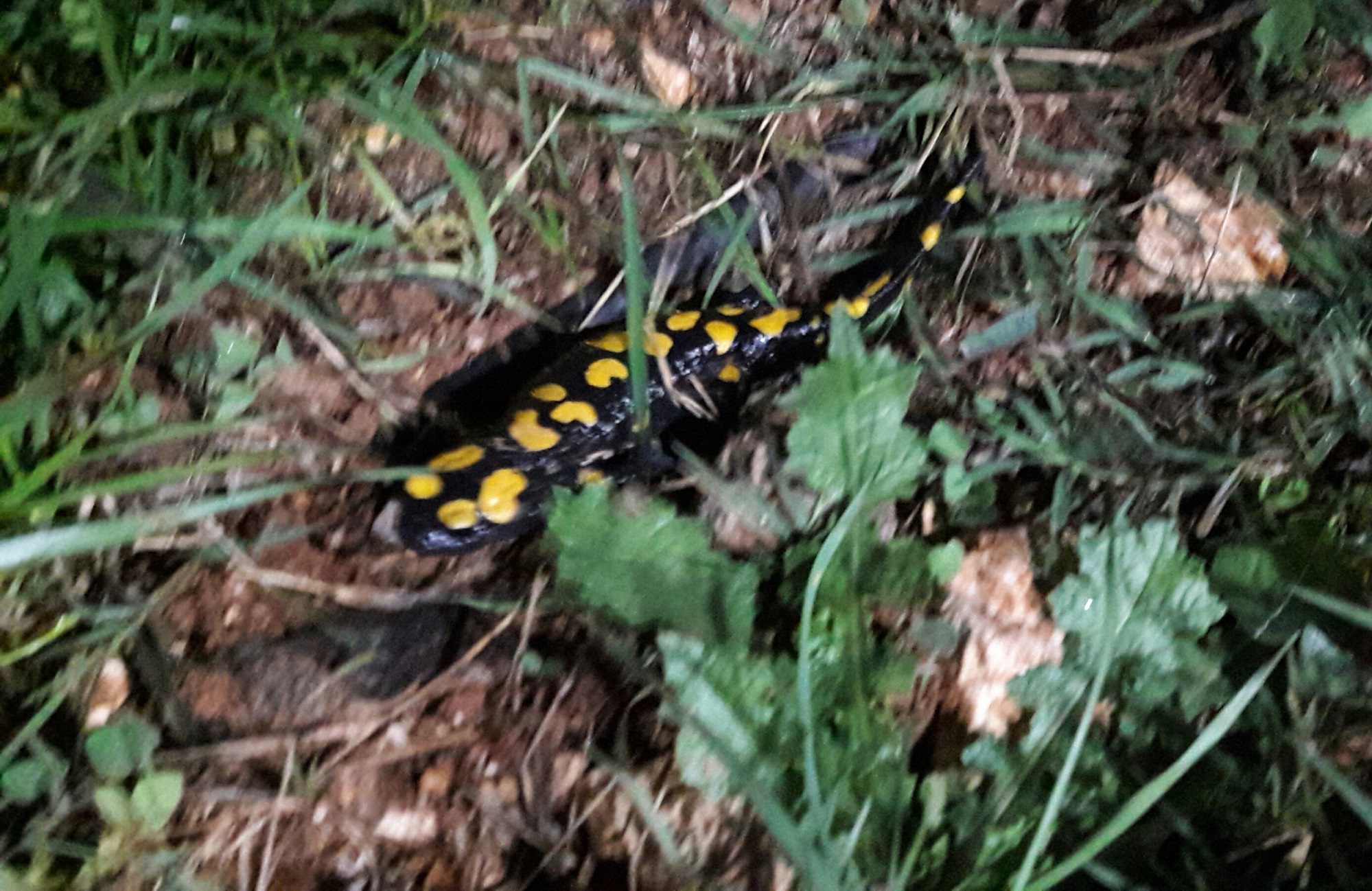
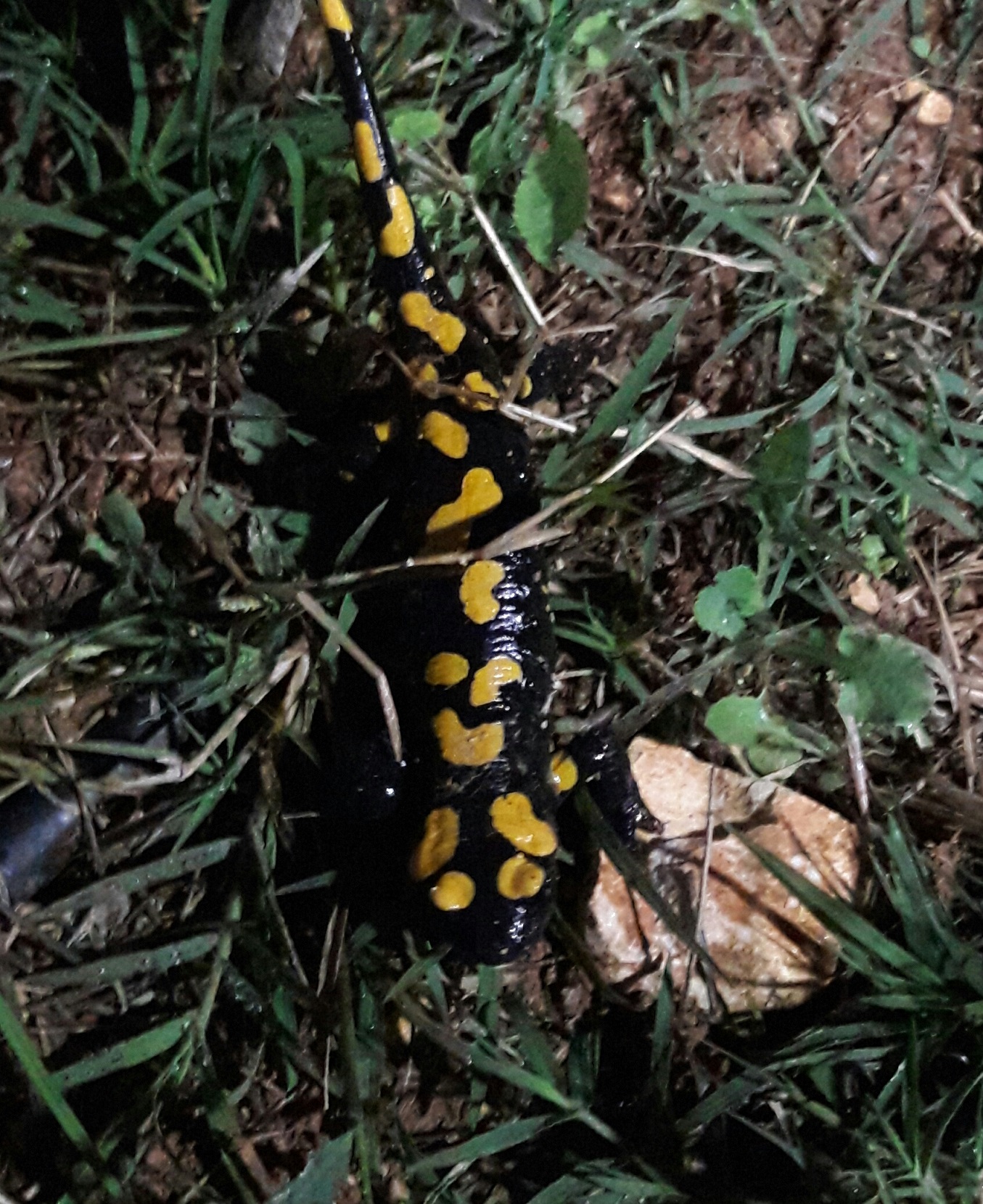
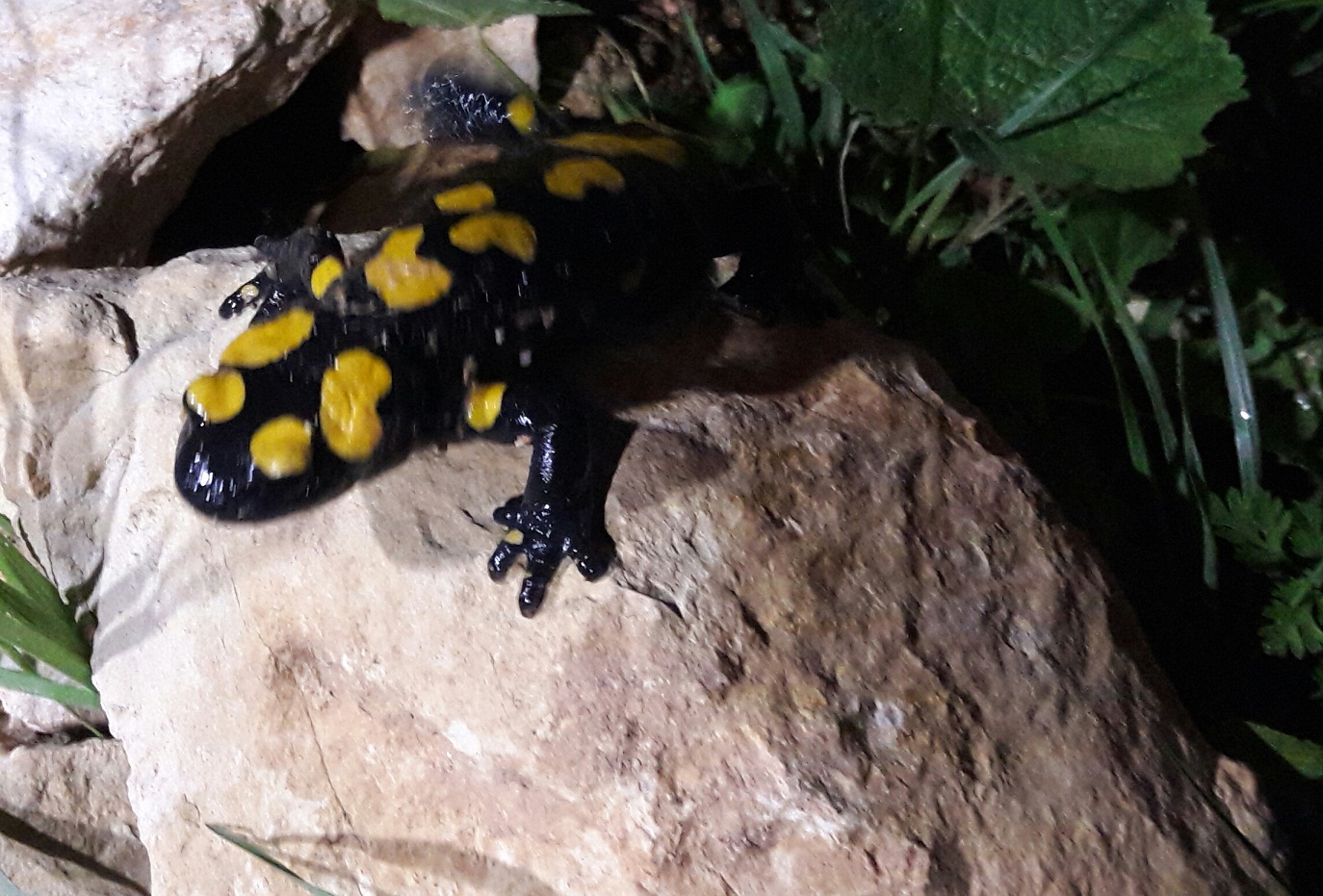
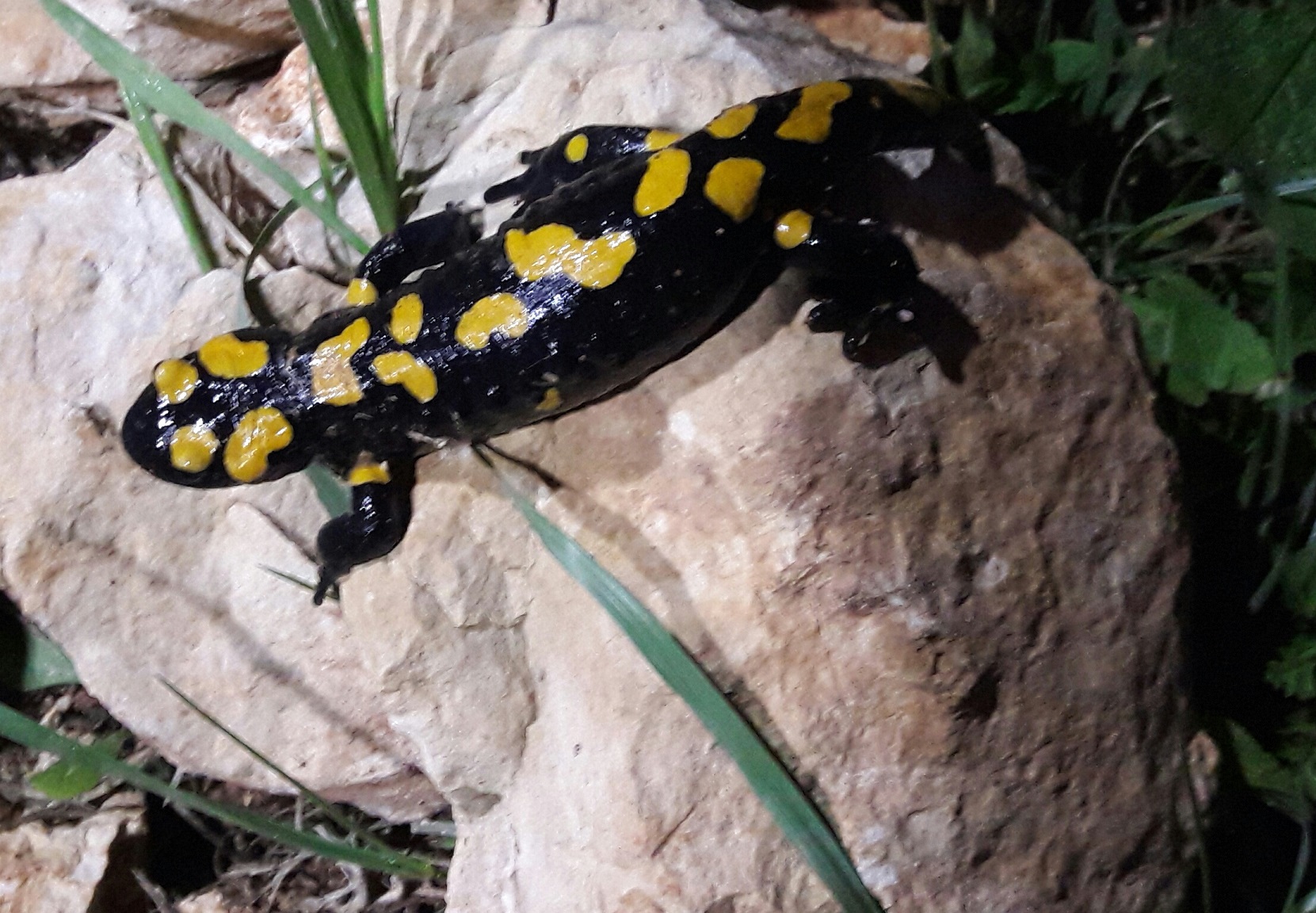
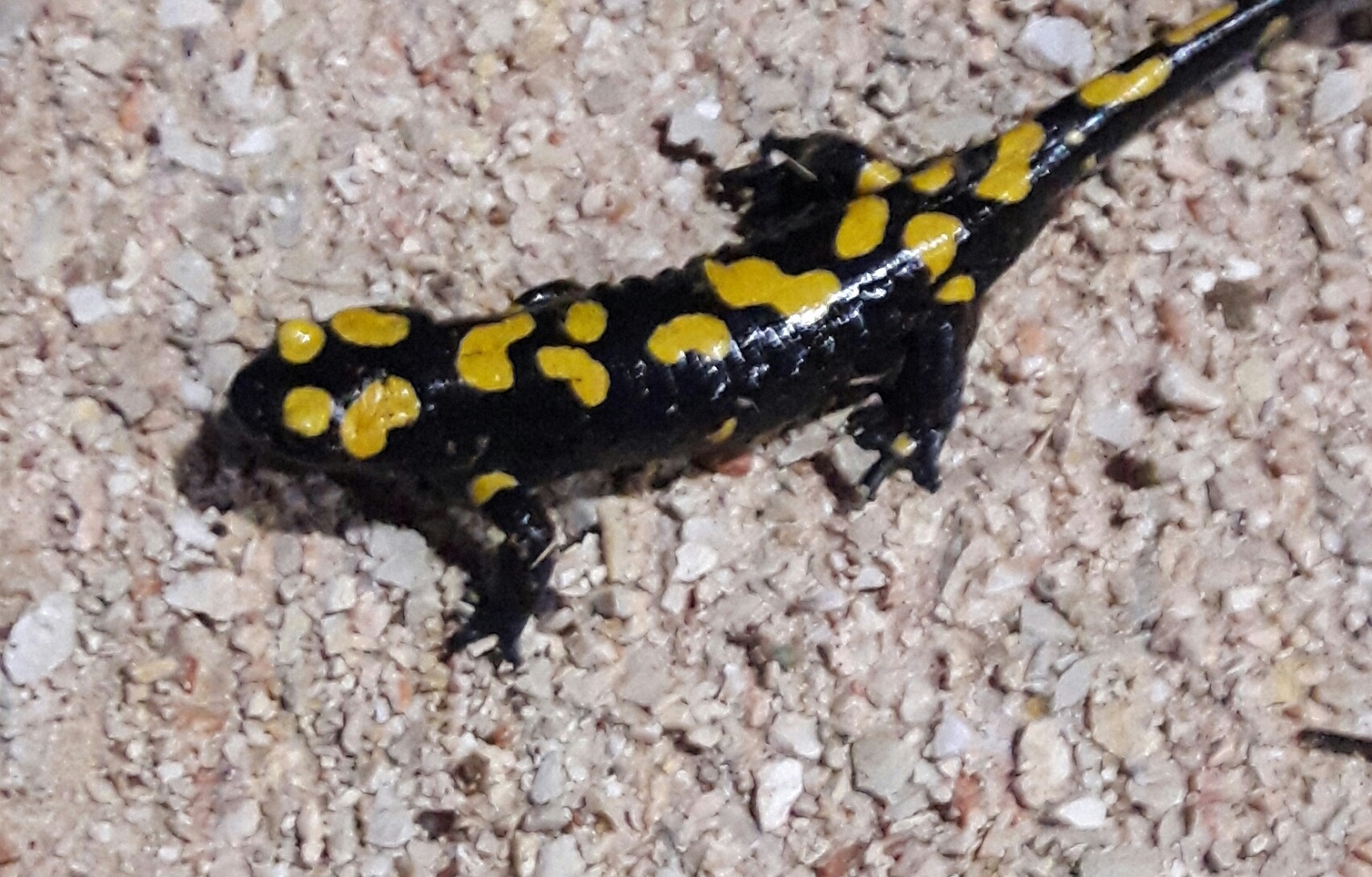
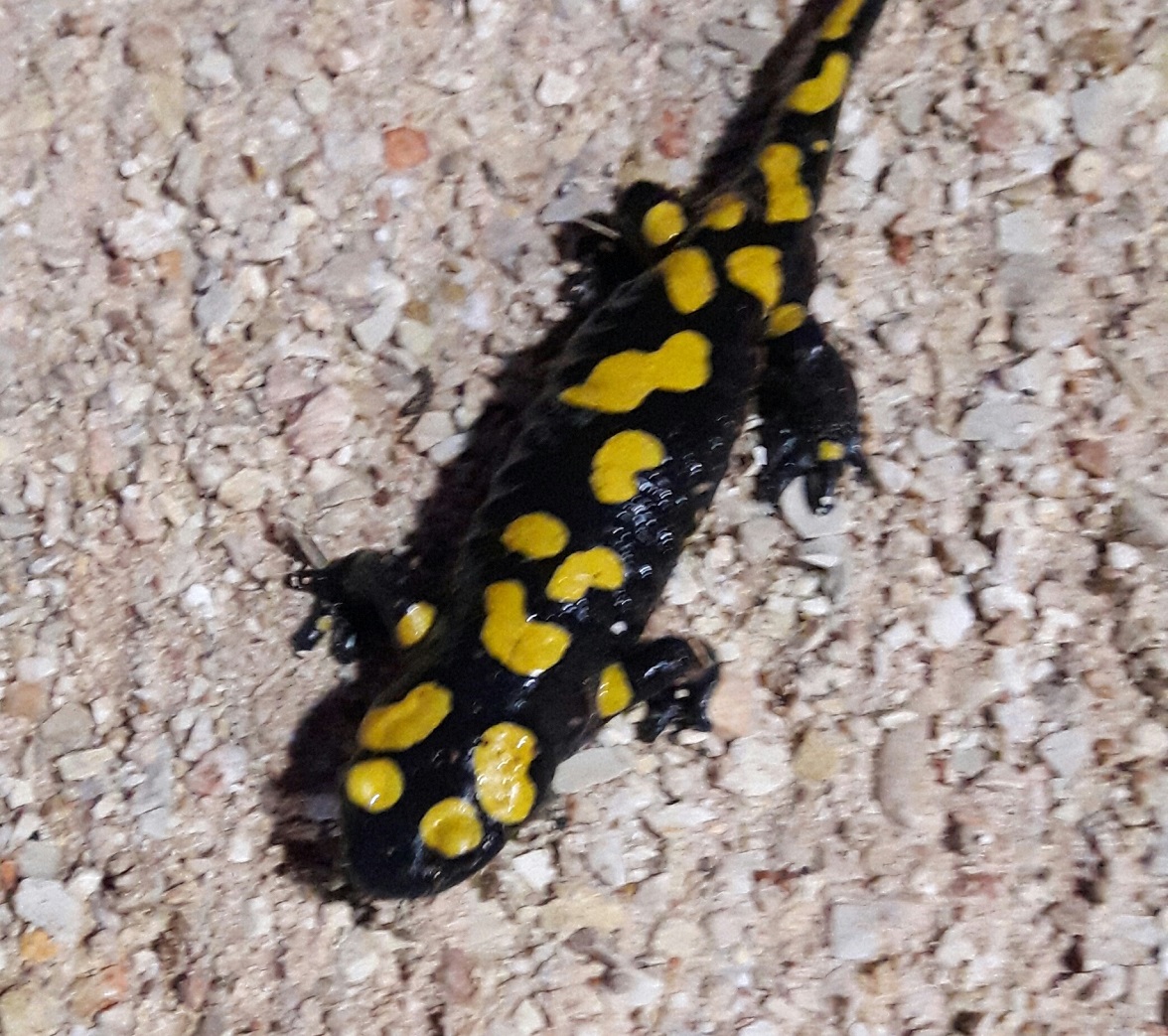
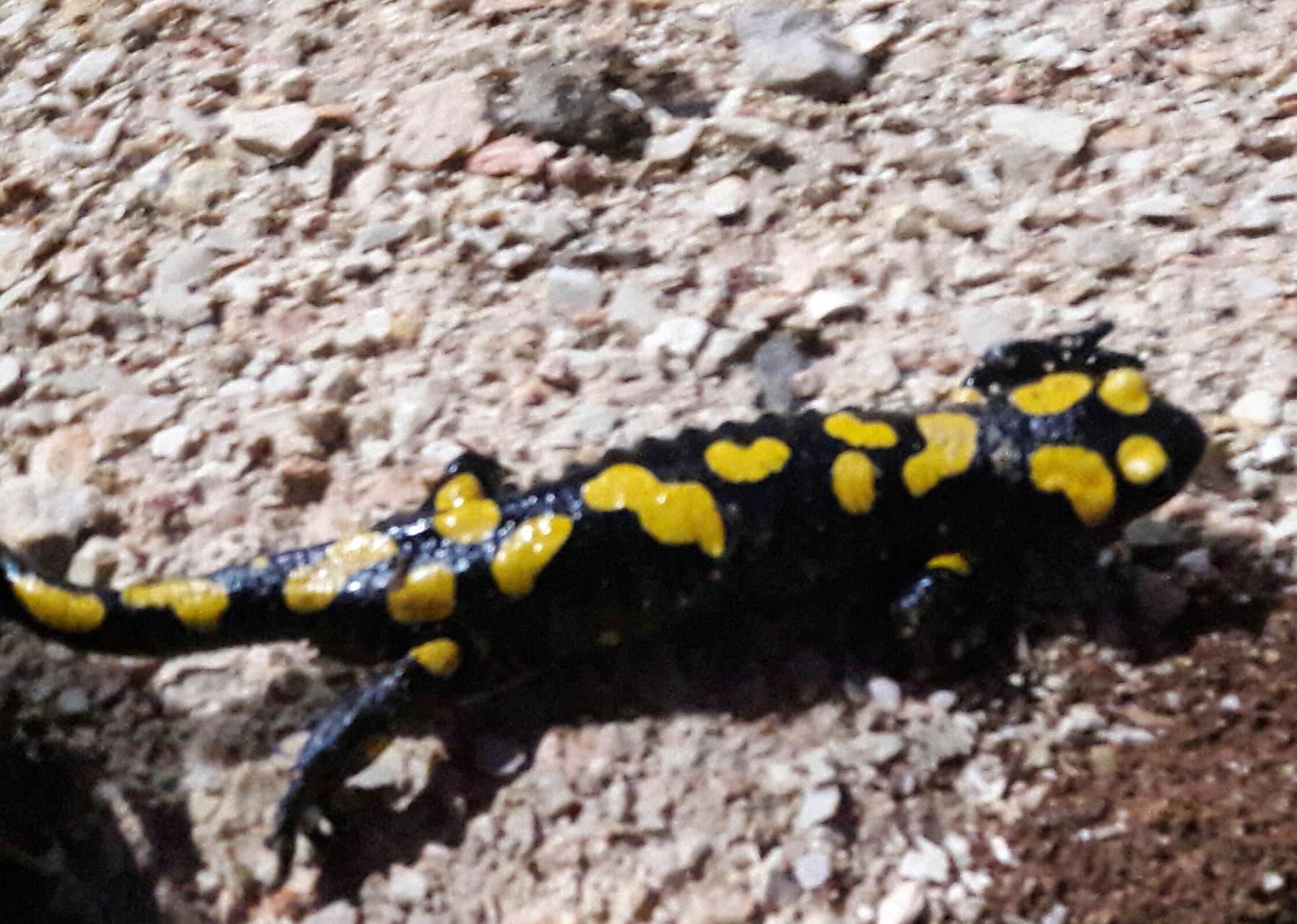
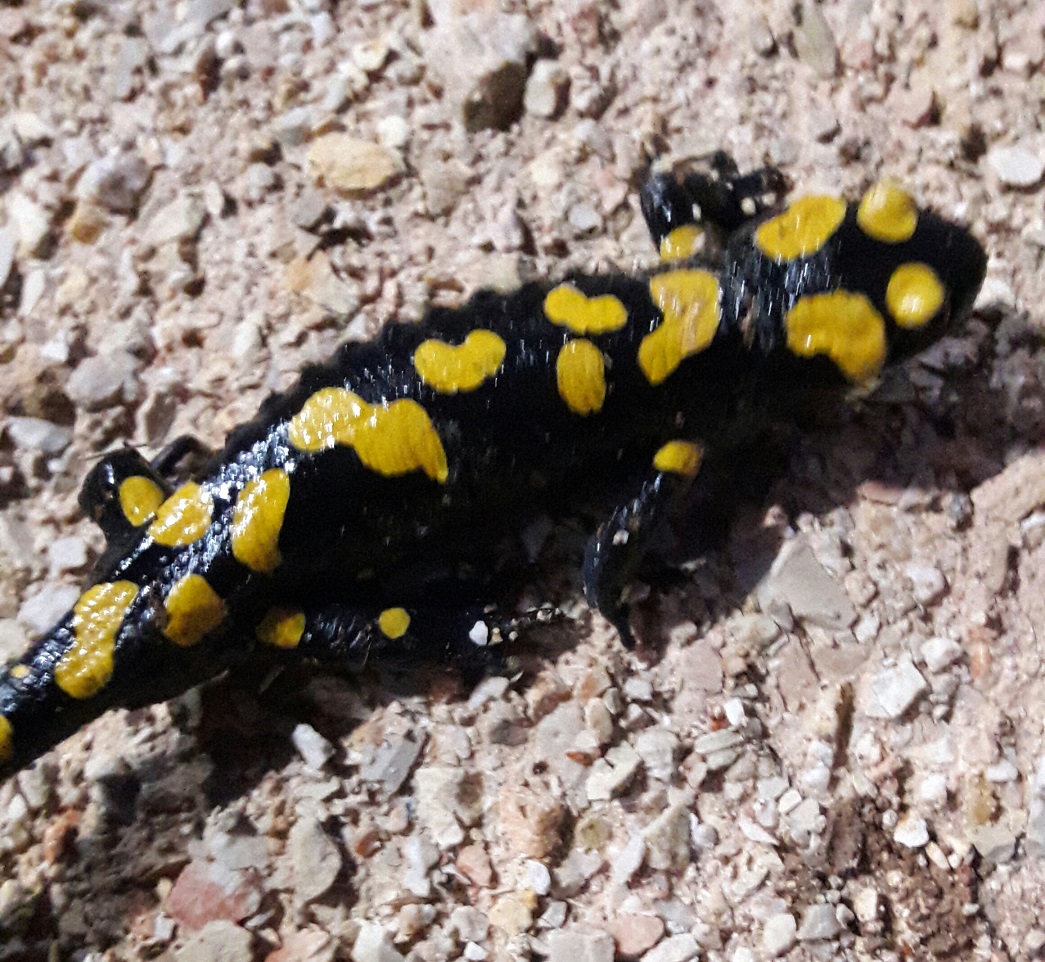
One of the most fascinating creatures to emerge during and after rainfall is the Lebanese salamander. These elusive, nocturnal amphibians remain hidden beneath leaf litter and moist soil for most of the year, only venturing out when the rain provides the perfect damp conditions. Unlike butterflies and birds, salamanders thrive in the humidity brought by autumn showers, making this season the best time to observe them in their natural habitat.
The Magic of Lebanon’s Autumn Rains
The interplay between butterflies, birds, mammals, and salamanders during autumn rains is a testament to nature’s adaptability. Rainfall is not merely a seasonal shift—it’s a life-giving force that reshapes ecosystems, influences migration patterns, and awakens dormant species.
For nature lovers, this time of year offers a unique opportunity to witness wildlife interactions that often go unnoticed. Whether it’s a butterfly braving the drizzle, a bird taking shelter in a garden, or a salamander slithering through the wet forest floor, Lebanon’s autumn rains bring an entirely new perspective on the resilience of nature.
So, next time the skies darken and the first drops begin to fall, take a moment to step outside—you might just witness something extraordinary.
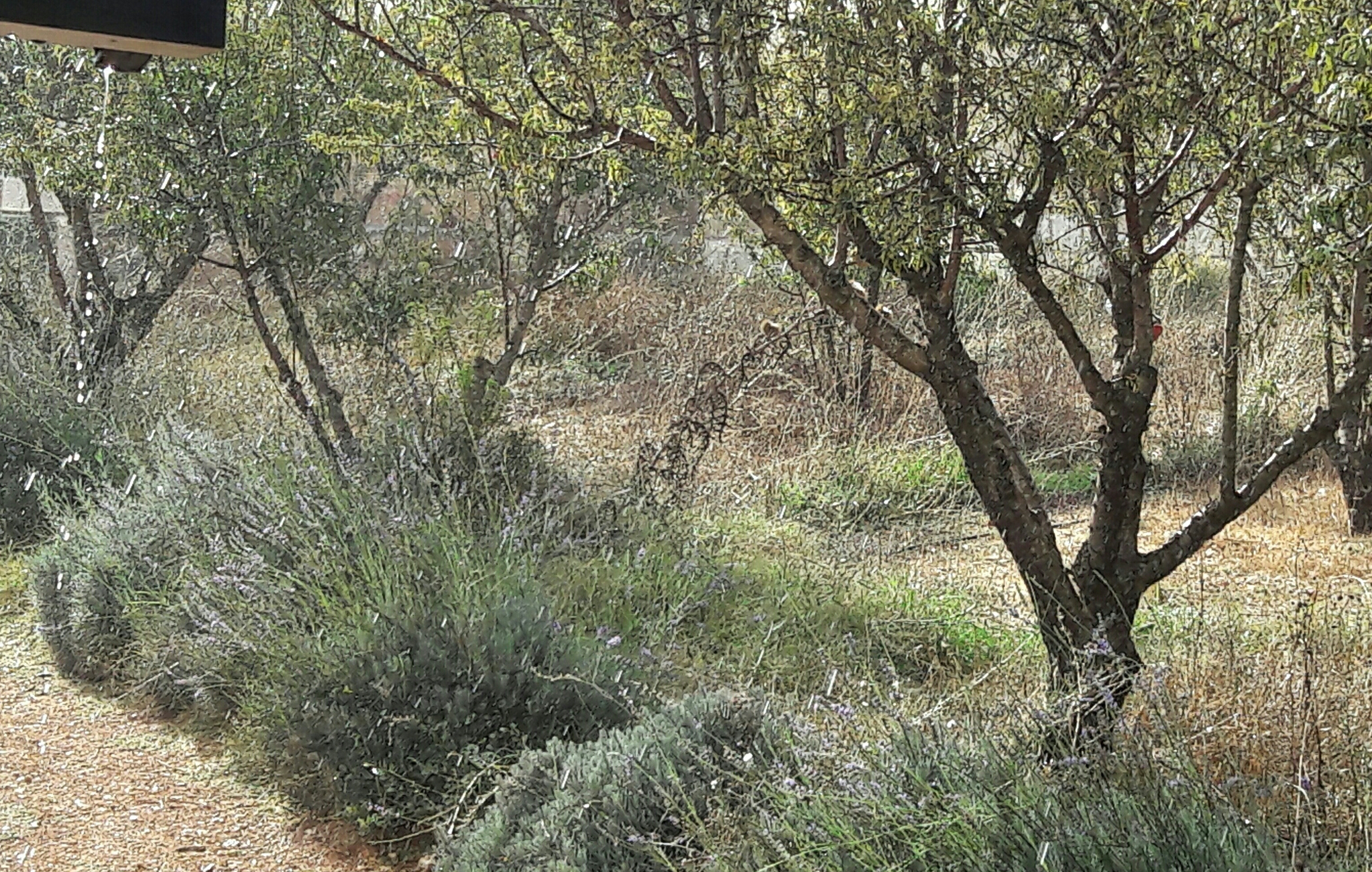
Butterflies and pollinators fluttering amid the cool October rains, a phenomenal sight considering they require plenty of warmth and sunshine.
Birds, a number of avian species make our garden their home year-round as residents or are migratory.
Some mammals hibernate in the winter, some have other strategies.
Salamanders are nocturnal animals, emerging amid rainshowers from leaf litter where they hide.