


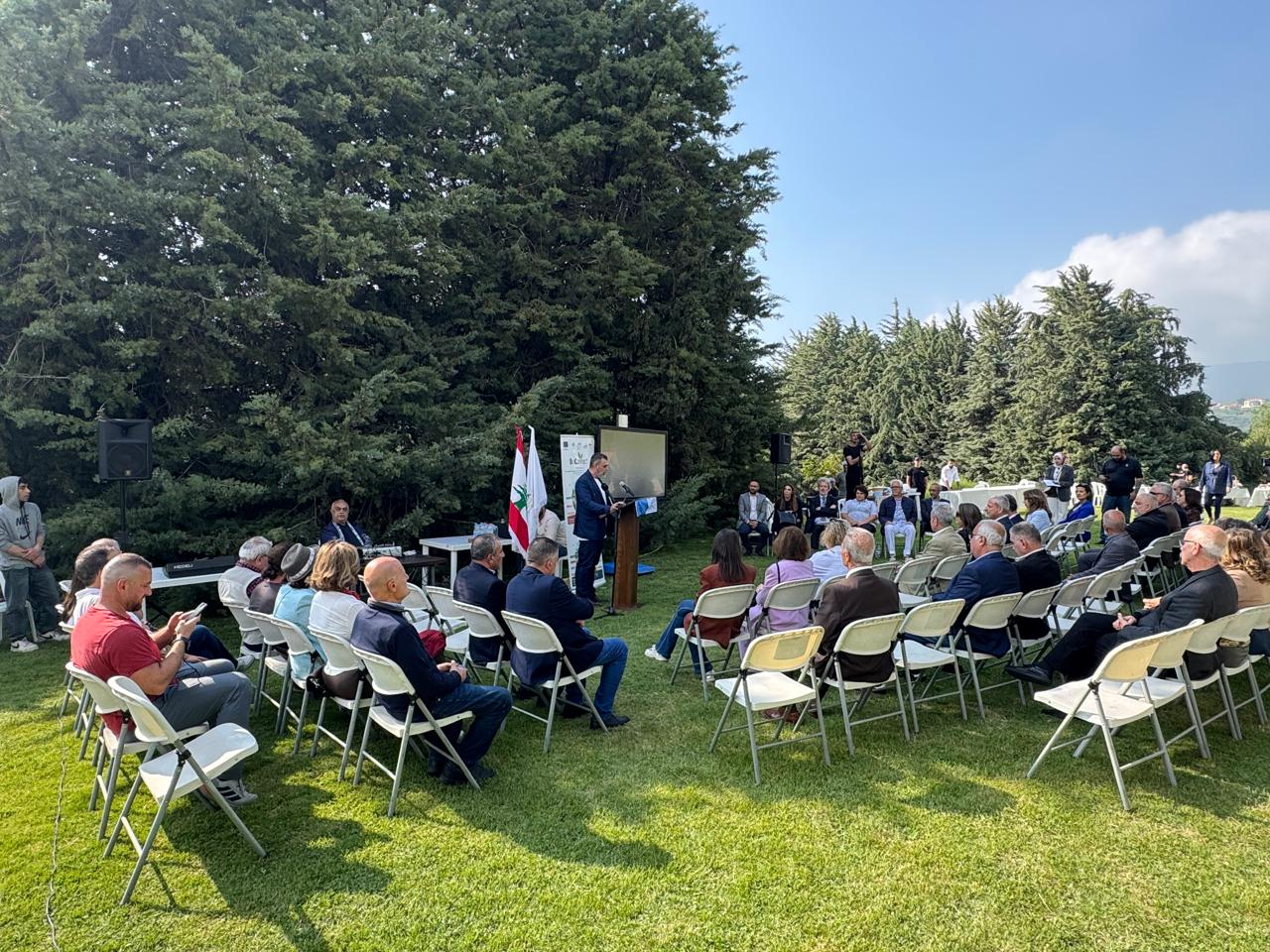
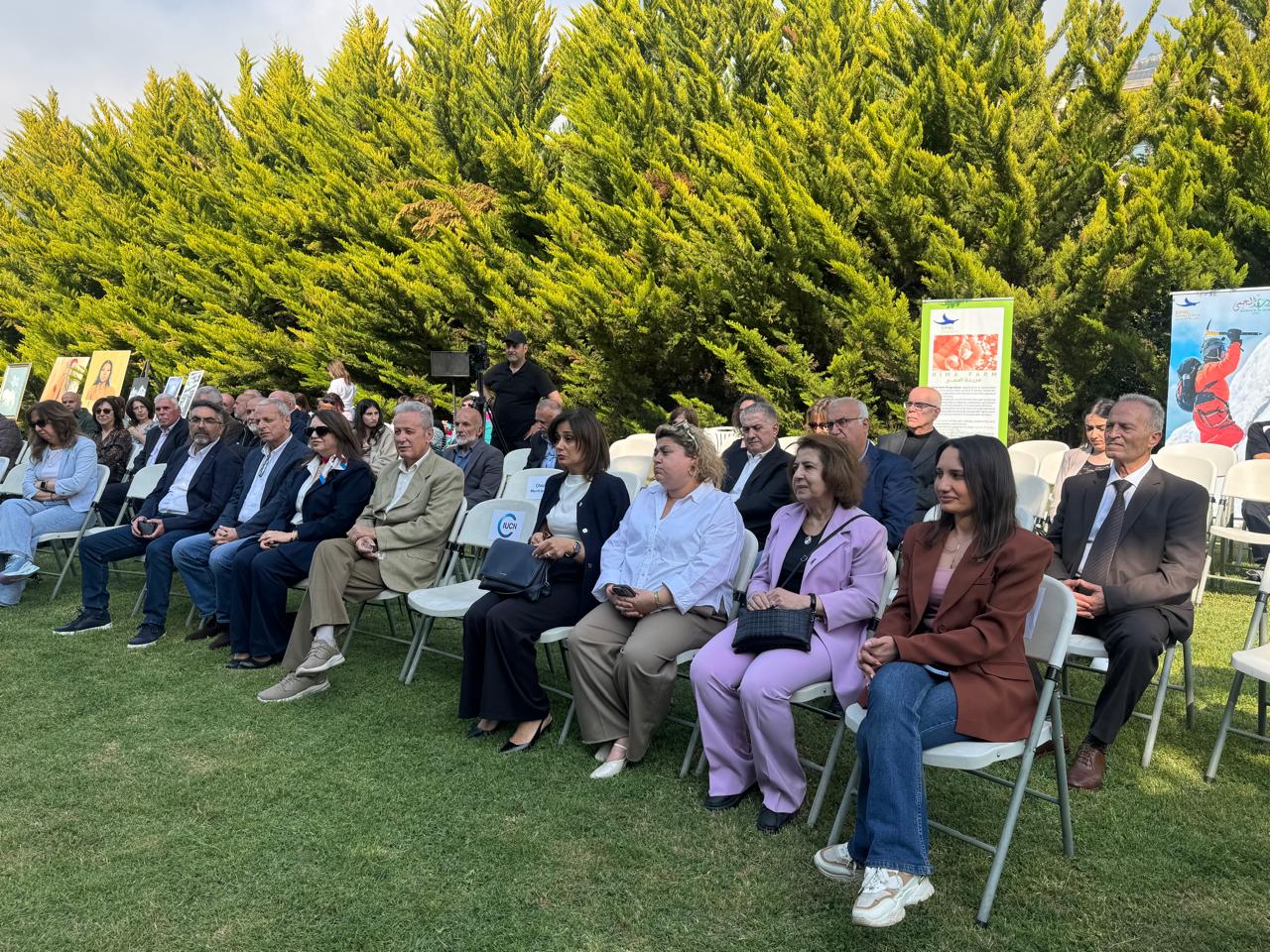
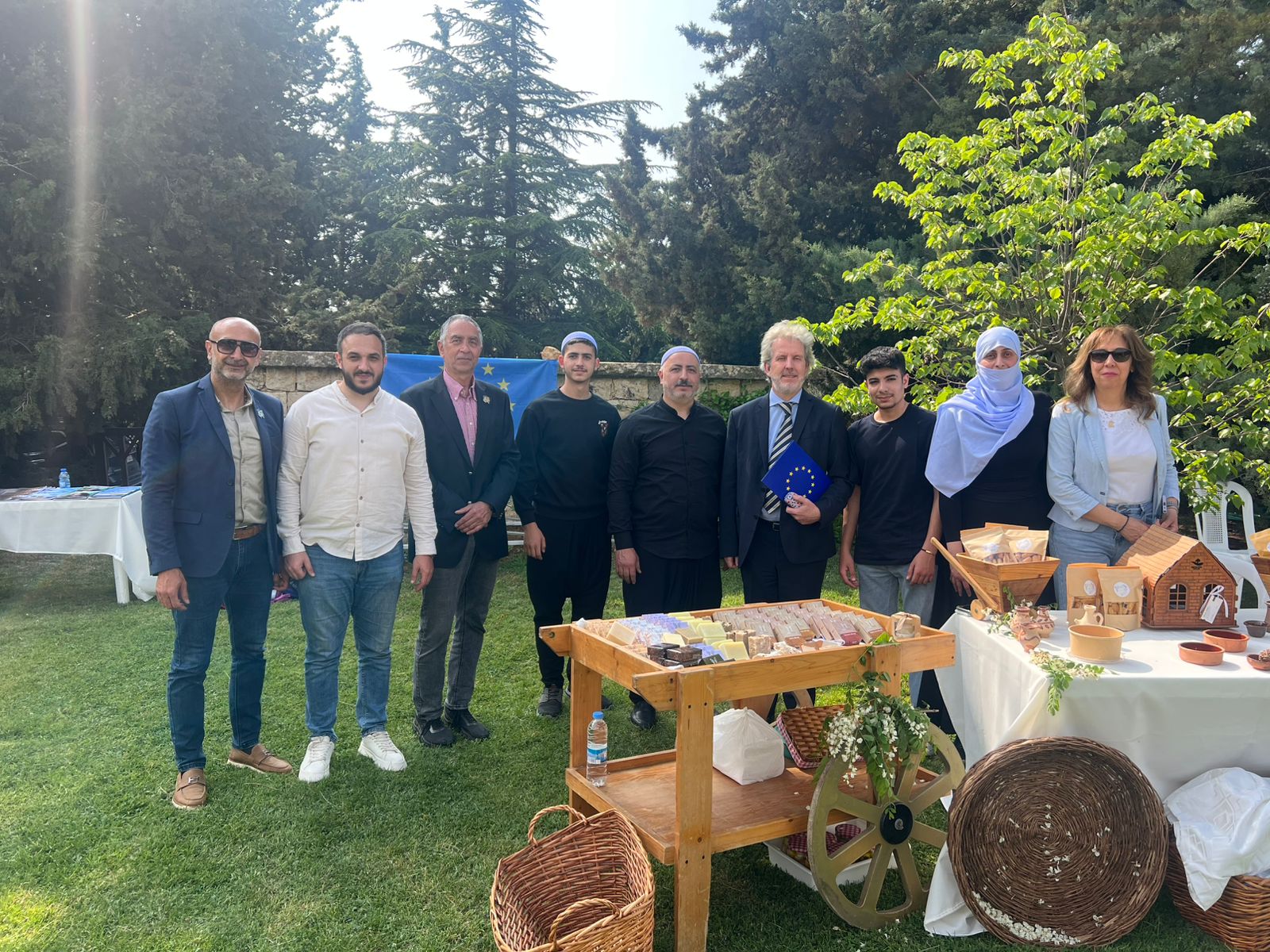
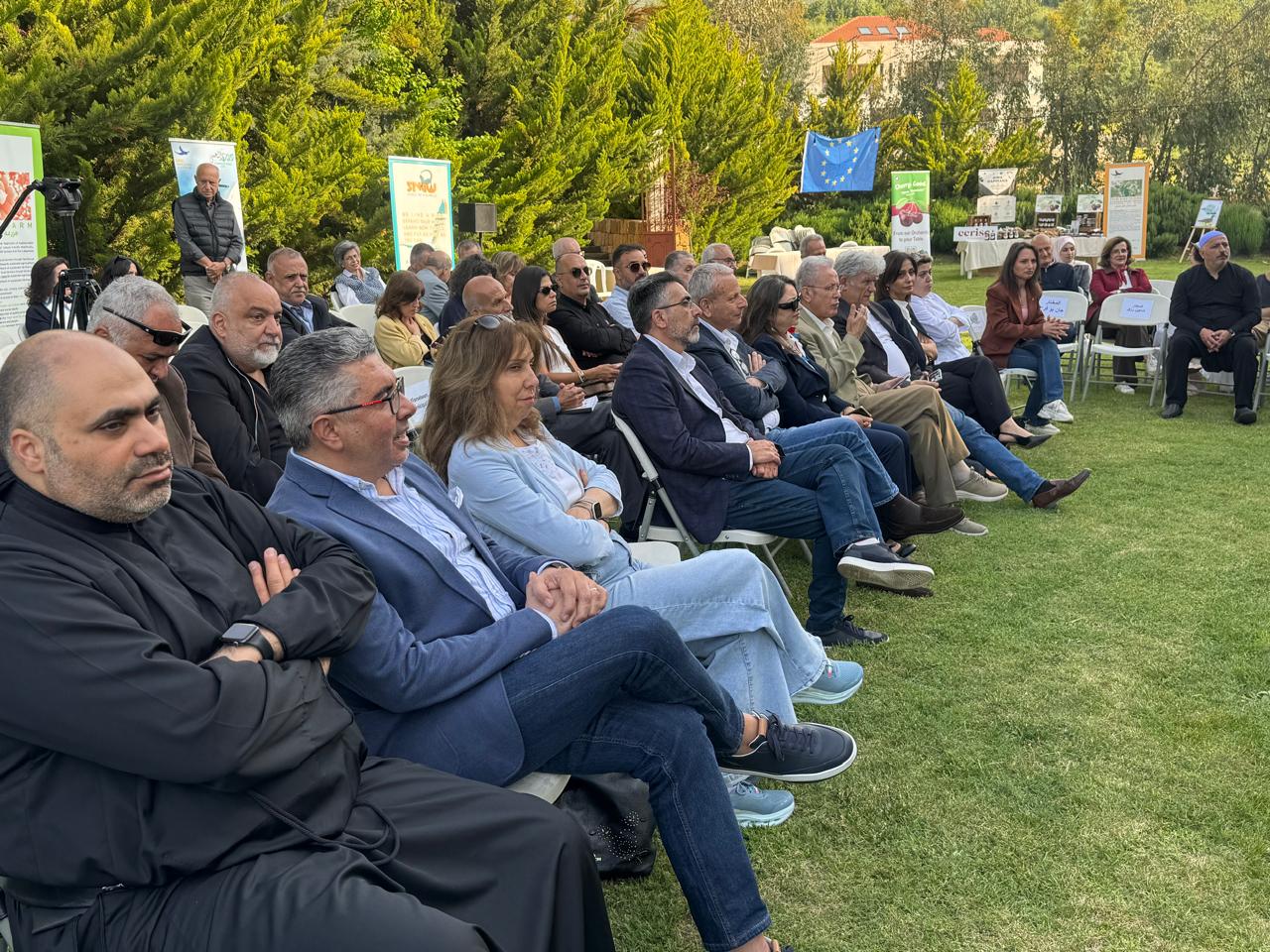
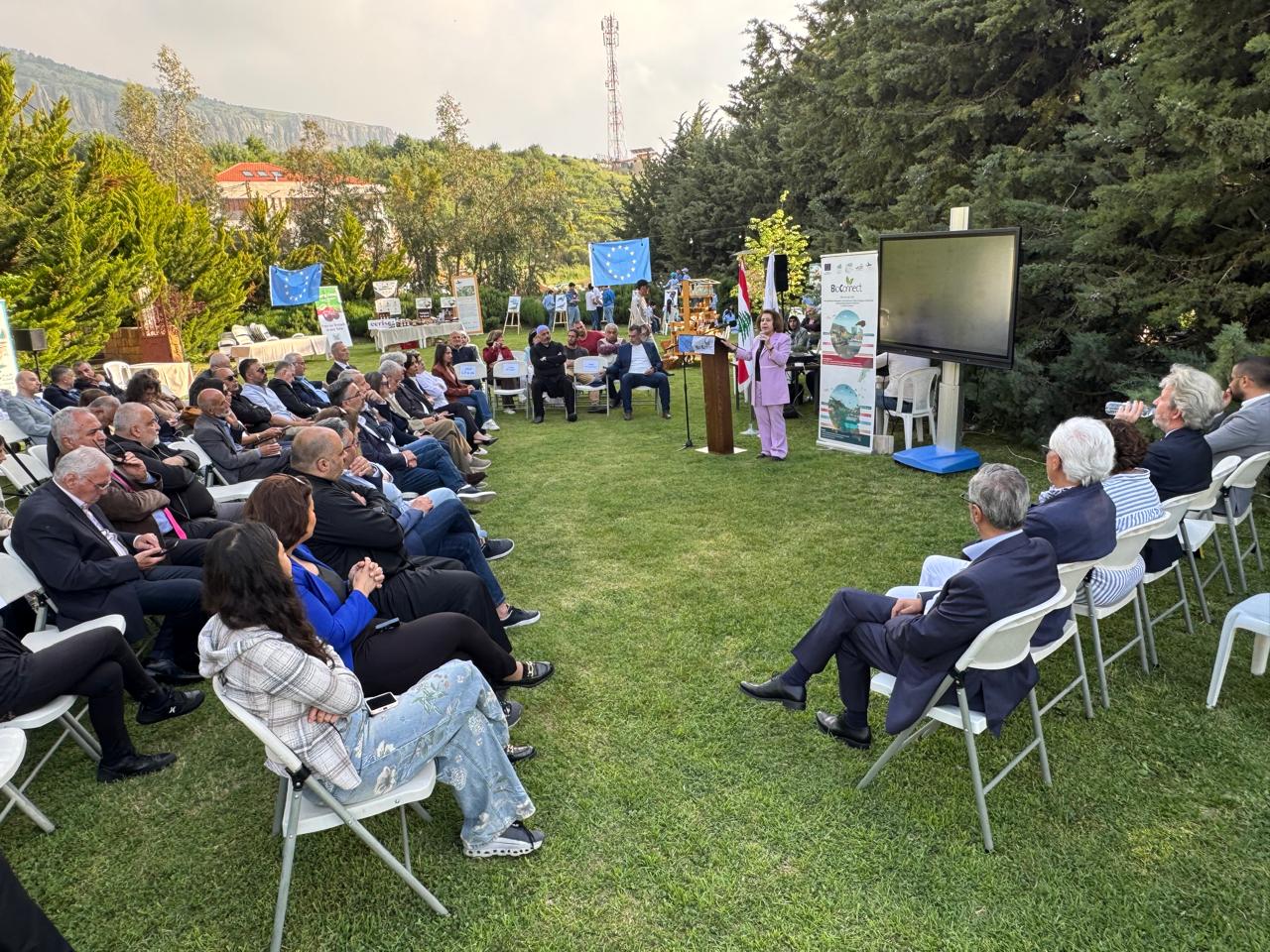
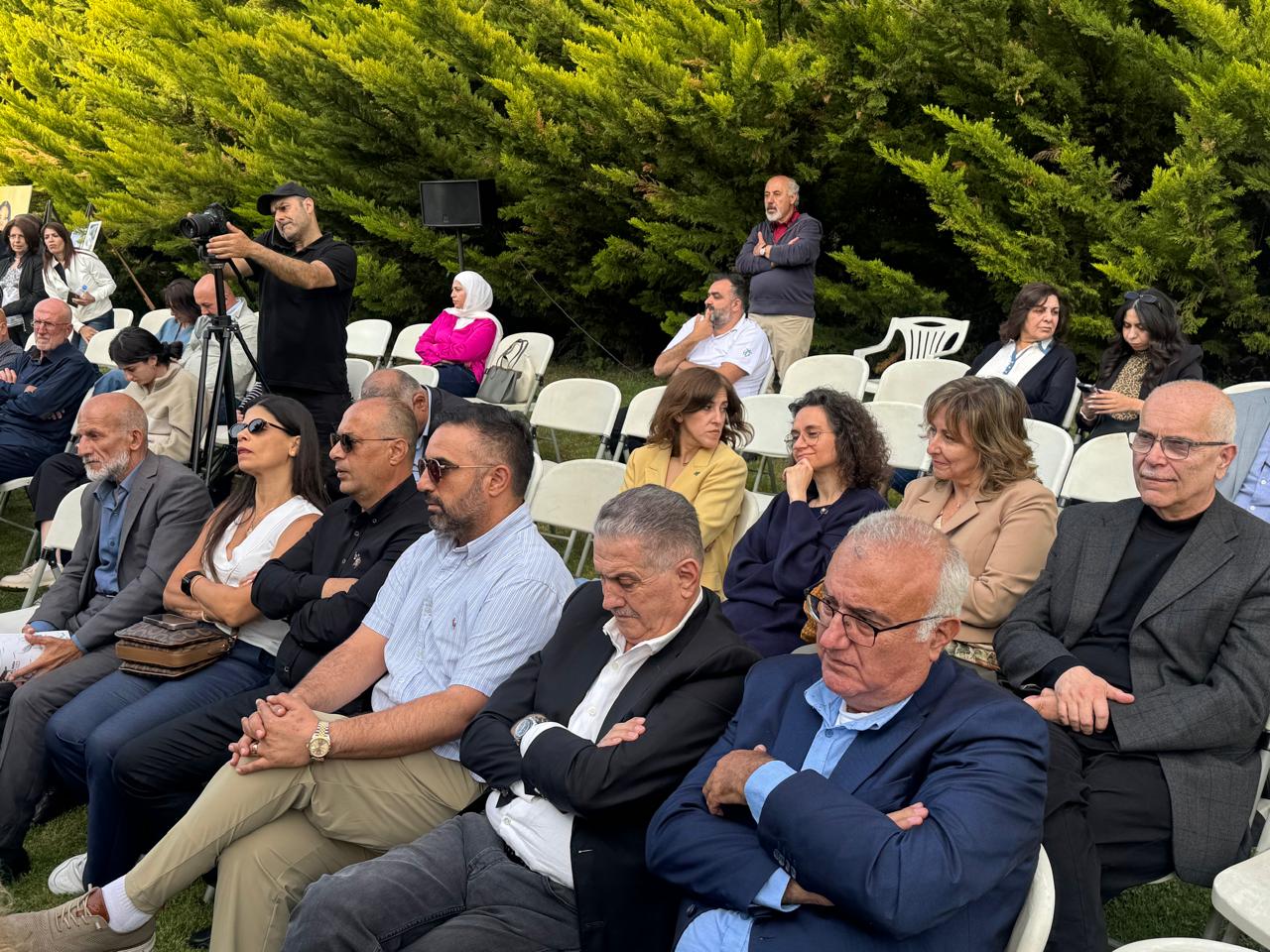
Under the patronage of Ministry of Environment Minister Dr. Tamara El-Zein, represented by Dr. Carla Khater, the Society for the Protection of Nature in Lebanon (SPNL) organized the Annual Hima Forum on Tuesday, 26 May 2026, at Hima Farm Hammana. The forum was organized for the third consecutive year to highlight the achievements under the EU-funded BioConnect project.
The forum served as an inclusive platform bringing together environmental experts, municipal leaders, civil society organizations, local communities, and international partners to showcase the achievements of the BioConnect Project and discuss the future of biodiversity protection and ecological connectivity in Lebanon.
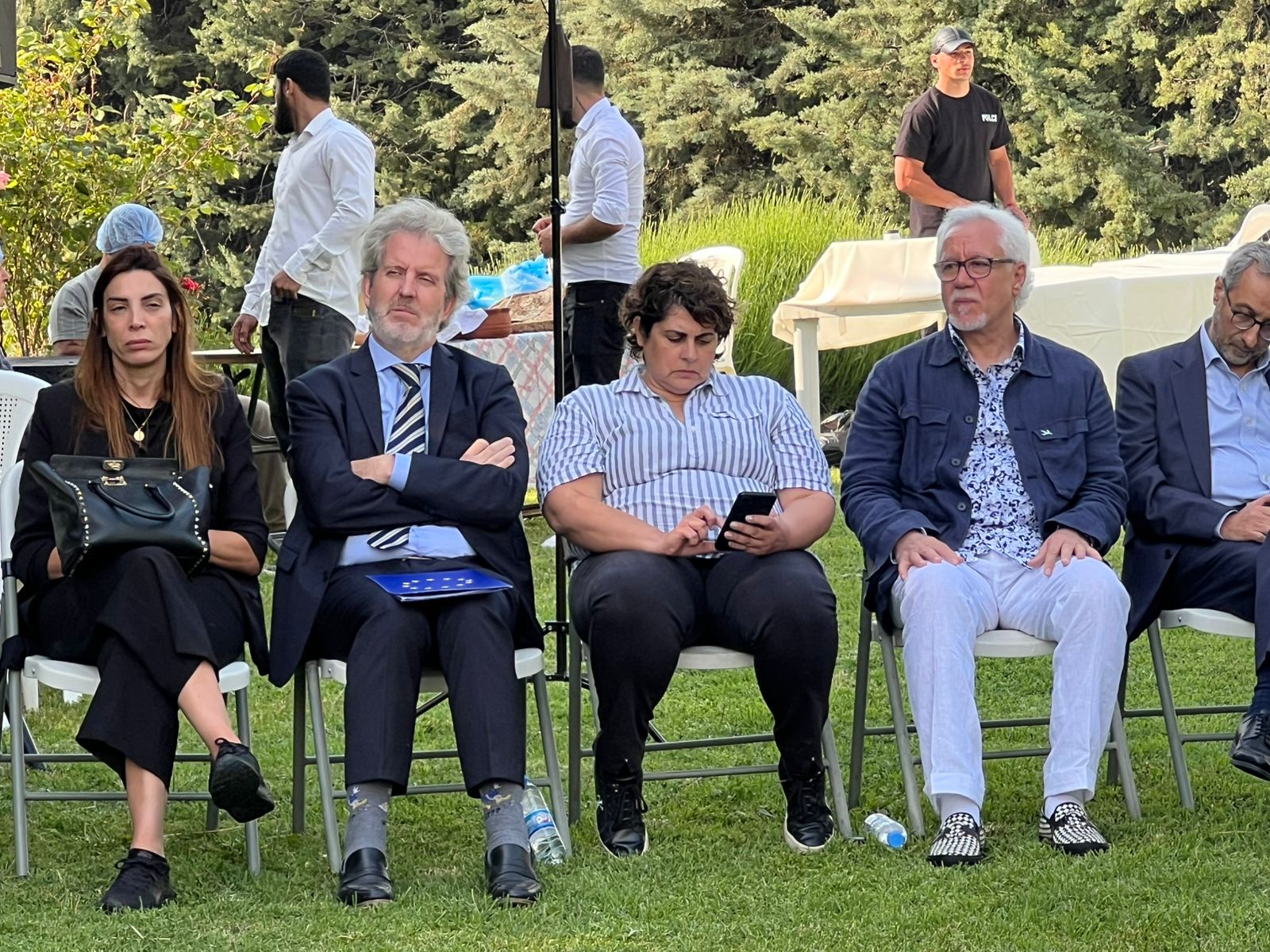
The event opened with a welcoming speech by Dr. Amin Lebbos, Mayor of Hammana, who highlighted the importance of community-based conservation and the role of municipalities in safeguarding Lebanon’s natural heritage through the Hima approach.
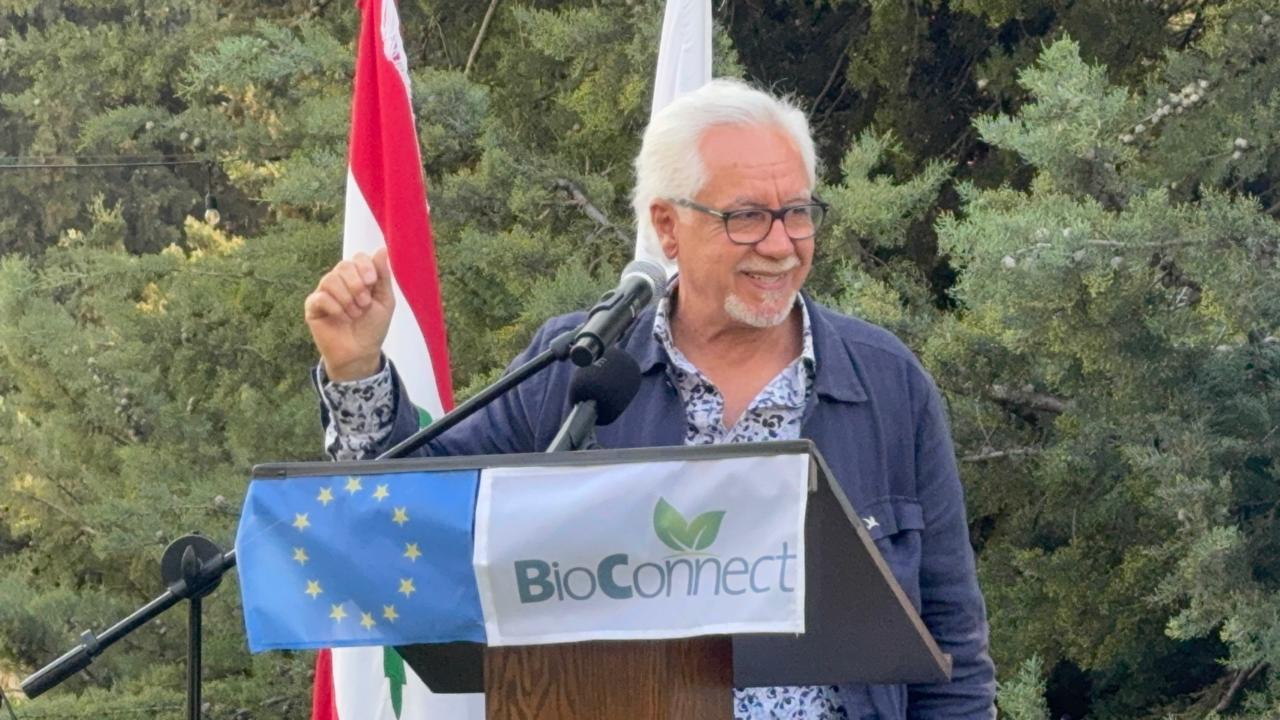
Mr. Assad Serhal, Director General of SPNL, emphasized that the Hima model continues to demonstrate how local communities can lead effective conservation efforts while supporting sustainable livelihoods, ecotourism, and environmental resilience. He stressed the importance of strengthening partnerships between municipalities, civil society, and international donors to ensure the sustainability of protected landscapes.
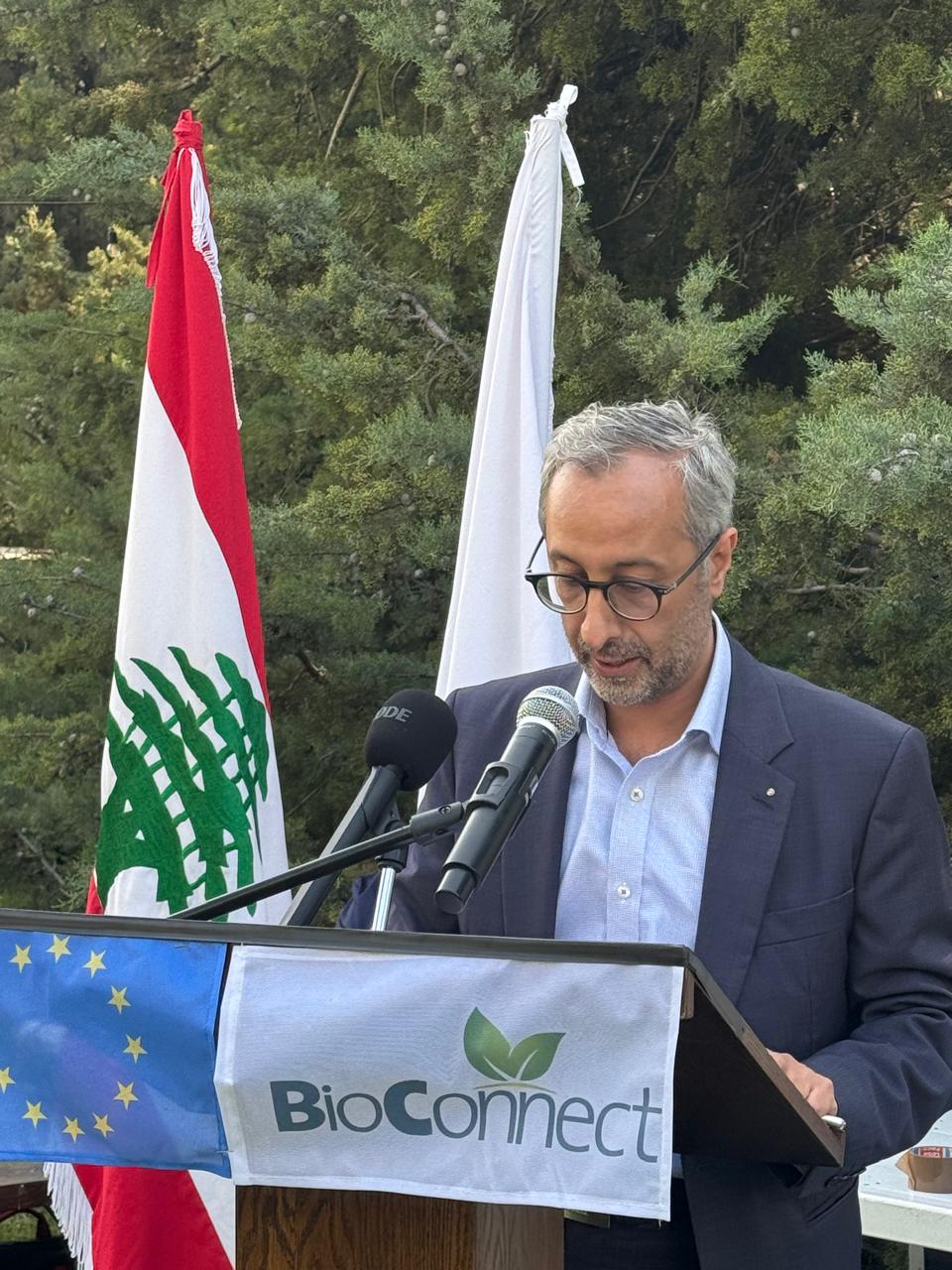
Speaking on behalf of the European Union Delegation to Lebanon, Cyril Dewaleyne said that it is always refreshing to step outside the urban density and reconnect with nature, culture, and people. Visiting places like Hammana, he noted, offers an opportunity not only to meet committed environmental actors and local citizens, but also to discover Lebanon’s rich cultural heritage, traditions, and local products, from its landscapes to its famous cherries. He emphasized that this is exactly what the Hima approach represents: people, environment, culture, and community coming together.
Dewaleyne warmly thanked the Society for the Protection of Nature in Lebanon (SPNL) for its longstanding commitment and partnership, recalling his first introduction to the Hima concept in 2012 through discussions with Assad Serhal. He acknowledged that while the concept initially faced some skepticism, the European Union quickly recognized its potential and decided to support one of the first Hima-based projects in Lebanon. Over the years, he said, the EU witnessed how rapidly and sustainably the Hima model expanded across the country through the dedication of SPNL, municipalities, and local communities.
He described the Hima initiative as one of the true success stories of cooperation between the European Union and Lebanon, stressing that sustainability remains at the core of the partnership. Dewaleyne also highlighted the achievements of the EU-funded BioConnect project and the importance of continuing efforts related to environmental awareness, youth engagement, local governance, and community-led conservation.
Referring to the difficult situation in South Lebanon, Dewaleyne expressed sadness over the impact of recent hostilities on several areas supported by the BioConnect project. He stressed that environmental protection cannot be separated from people’s daily lives, as nature is directly linked to food security, livelihoods, local economies, and community resilience. He warned that when the environment is damaged, communities inevitably suffer, and environmental degradation often accelerates under pressure and instability.
Dewaleyne further reaffirmed the European Union’s long-term commitment to Lebanon, emphasizing that while some international actors may have reduced their engagement, the EU remains a stable and committed partner to the country. He concluded by stressing that Europe deeply values the creativity, resilience, and contributions of the Lebanese people, calling for continued cooperation for nature, communities, and future generations, and ending with the words: “Long live Lebanon, and long live the partnership between Lebanon and the European Union.”
Mr. Kamal Bou Assi presented the achievements and vision of the BioConnect project, which focuses on ensuring effective management and governance of sites of ecological importance while expanding biodiversity protection across Southern Lebanon and other ecologically sensitive regions. The project is funded by the European Union and implemented through a partnership between SPNL, Al Shouf Cedar Society (ACS), Association for Community and Environment (ACE), and the Association for the Development of Rural Capacities (ADR).
In remarks delivered on behalf of Minister Dr. Tamara El-Zein, Dr. Carla Khater underlined the Ministry of Environment’s commitment to supporting initiatives that enhance biodiversity protection, climate resilience, and sustainable development. She commended the role of local communities and environmental organizations in preserving Lebanon’s ecosystems despite ongoing environmental and socio-economic challenges.
The forum also featured detailed presentations by implementing partners highlighting the project’s achievements across multiple regions and thematic areas:
- Bassima El Khatib presented SPNL’s achievements in biodiversity monitoring, Hima governance, citizen science initiatives, environmental education, and sustainable agriculture programs.
- Dr. Soumayya Ayyadipresented the achievements of ACE in strengthening local environmental engagement and awareness activities.
- Lara Kanso highlighted ACS achievements related to protected area management, ecological connectivity, and sustainable conservation planning.
- Hiba Fawaz presented ADR’s achievements in community development, capacity building, and local sustainability initiatives.
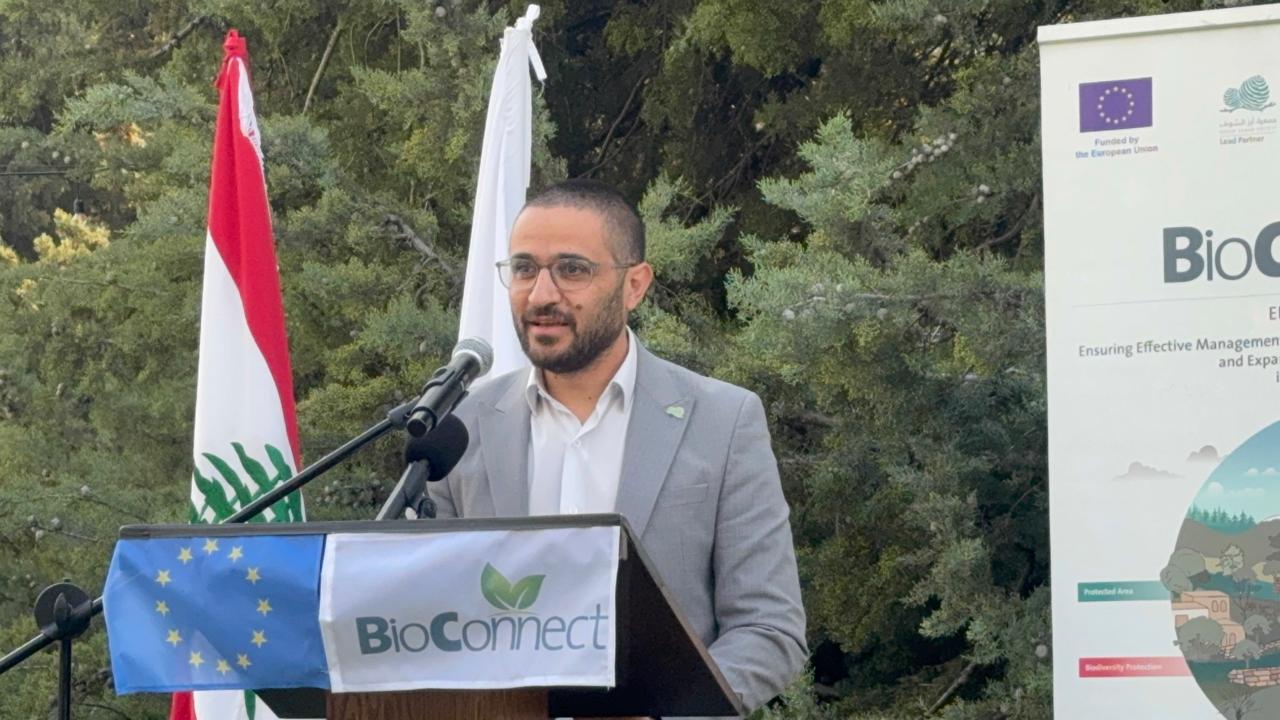
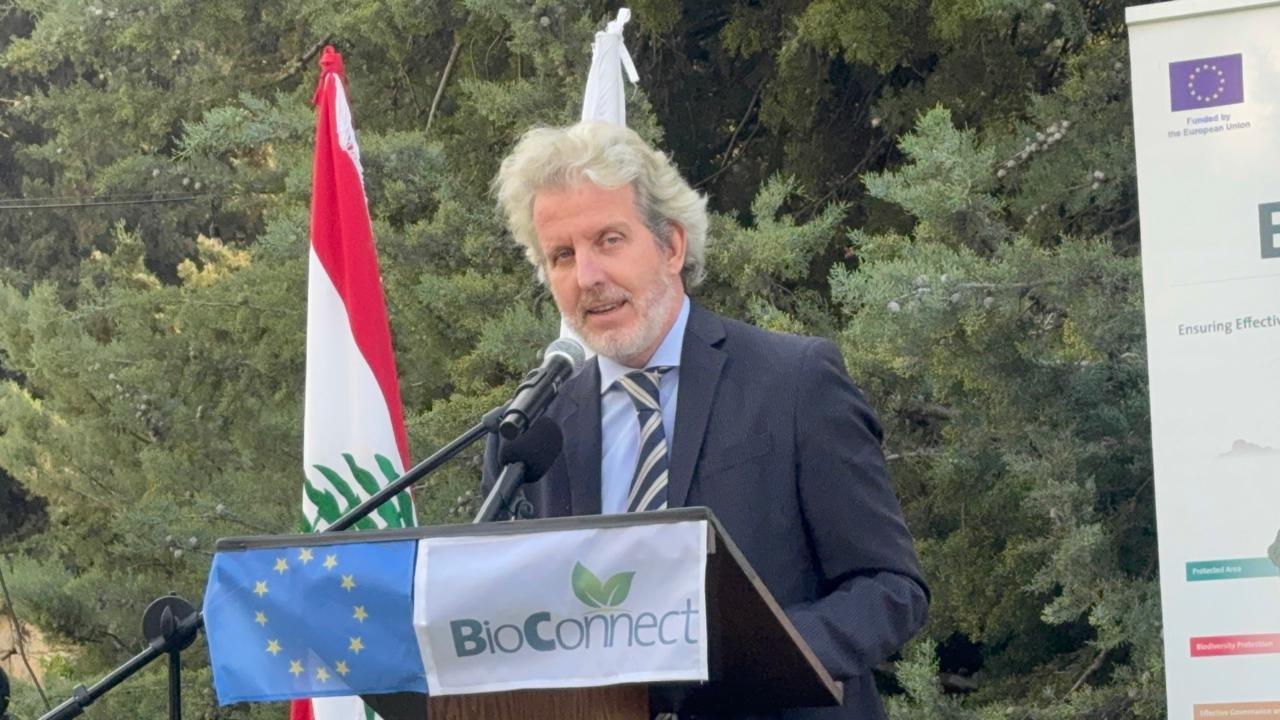
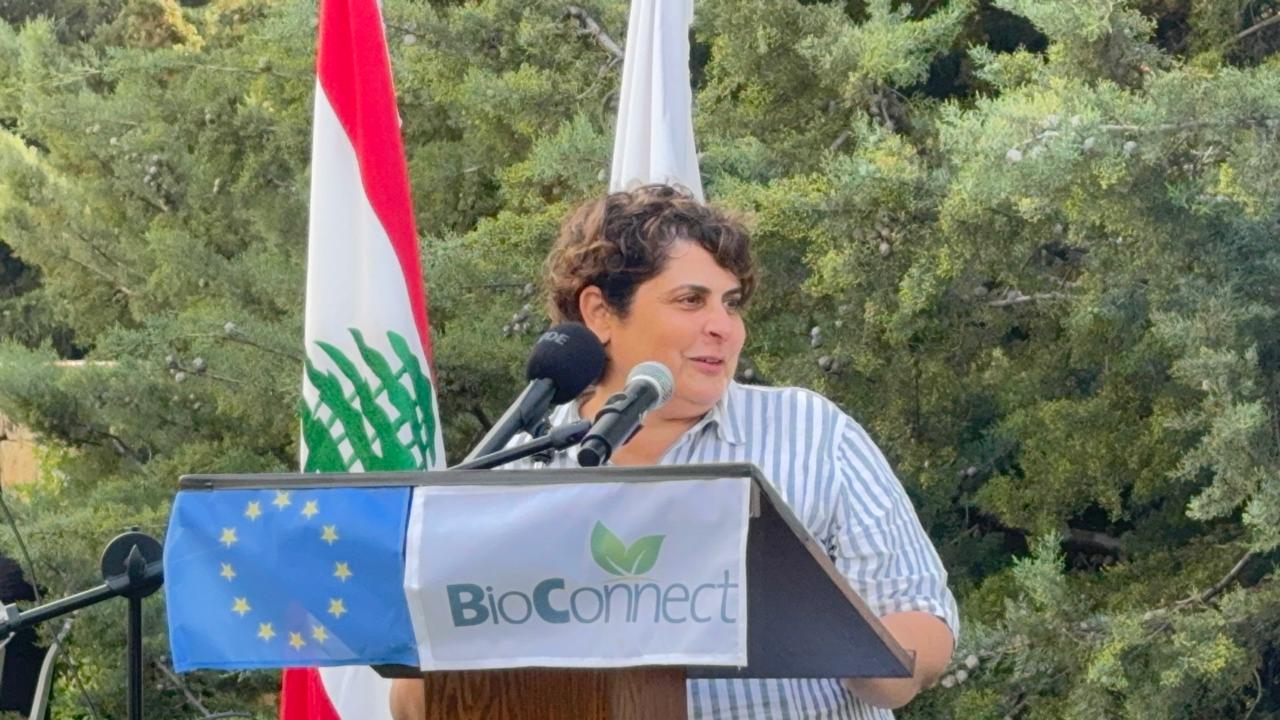
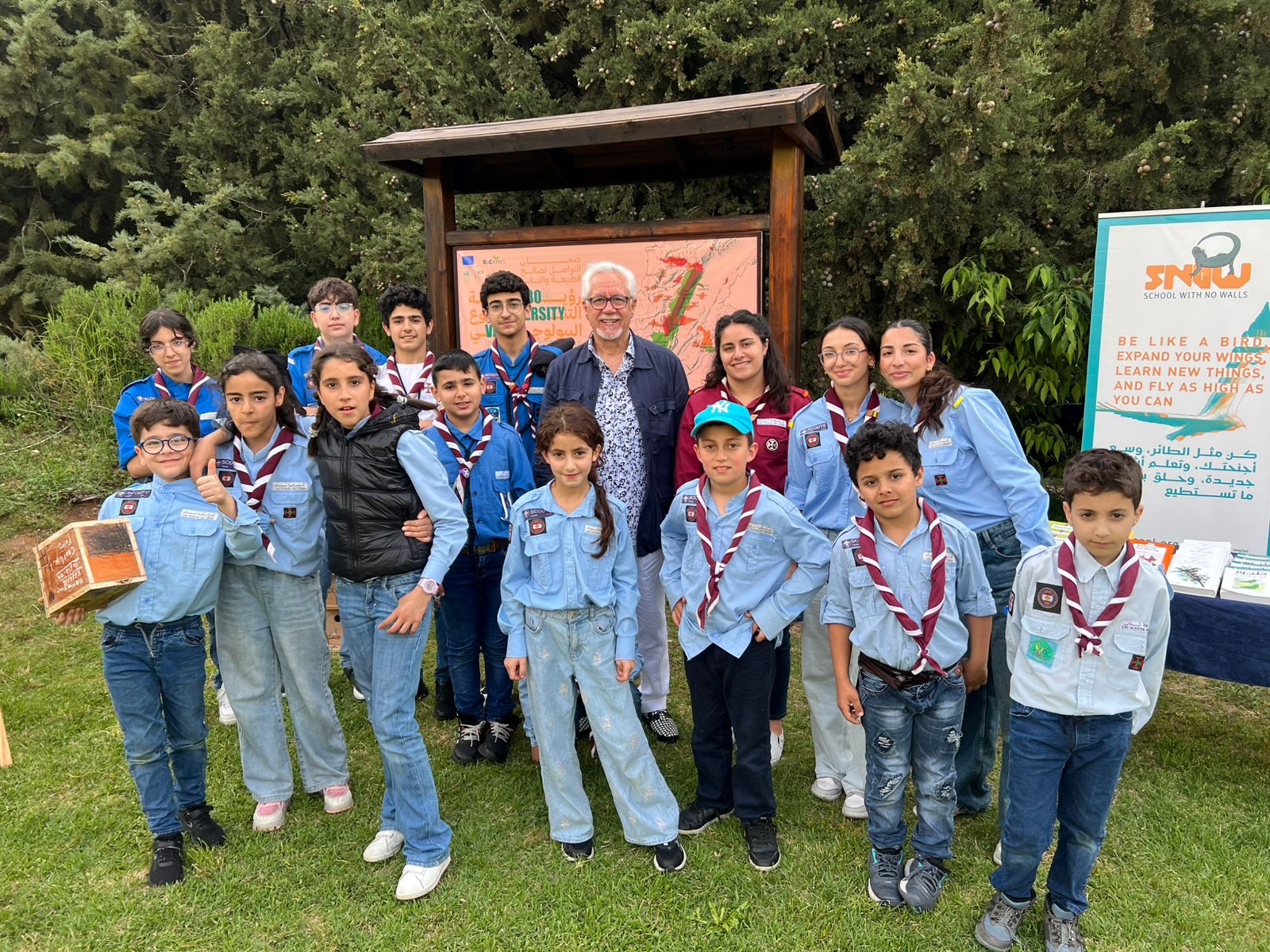
The BioConnect project has supported biodiversity monitoring schemes for birds, mammals, plants, and herpetofauna, strengthened sustainable agricultural practices under the Hima Farm initiative, expanded environmental education programs including “School with No Walls” and “Homat Al Hima,” and promoted ecosystem-based climate adaptation measures across several Hima sites in Lebanon.
The project operates across multiple ecologically important regions including Hammana, Ras El Matn, Ain Zebdeh, Kherbet Qanafar, Qoleileh, Mansouri, and Ebel El Saqi, aiming to enhance landscape connectivity and establish new protected areas and Other Effective Area-Based Conservation Measures (OECMs).
The Annual Hima Forum concluded with renewed calls for stronger environmental governance, expanded community participation, and continued international cooperation to preserve Lebanon’s biodiversity and natural heritage for future generations.
#EUBioConnect4Lebanon
The European Union supports Lebanon’s stability, independence and sovereignty, its prosperity and democratic order. It strives also to help protect its environment and natural resources by supporting sustainable enterprise and development.
Find out more about the EU’s work in Lebanon or follow it on Twitter, Facebook and Instagram at @EUinLebanon
Overview of the BioConnect Project
The BioConnect Project, funded by the European Union, aims to enhance the management and governance of environmentally significant sites in southern Lebanon and establish new protected areas to preserve natural landscapes and biodiversity on a broader scale in the region.
Project Partners
Four main partners implement the project:
- Shouf Biosphere Reserve Association (ACS)
- Association for Rural Capacities Development (ADR)
- Association for Community and Environment (ACE)
- Society for the Protection of Nature in Lebanon (SPNL)
These partners work collectively to:
- Improve the management of significant environmental sites.
- Establish new protected areas.
- Implement “Other Effective Area-Based Conservation Measures” (OECMs) for more comprehensive landscape preservation.
Main Objectives
The project seeks to achieve the following goals:
- Enhancing Ecosystem Health
- Improve social and economic benefits derived from ecosystems.
- Reducing Biodiversity Pressures
- Support local communities to ensure the sustainability of conservation efforts.