


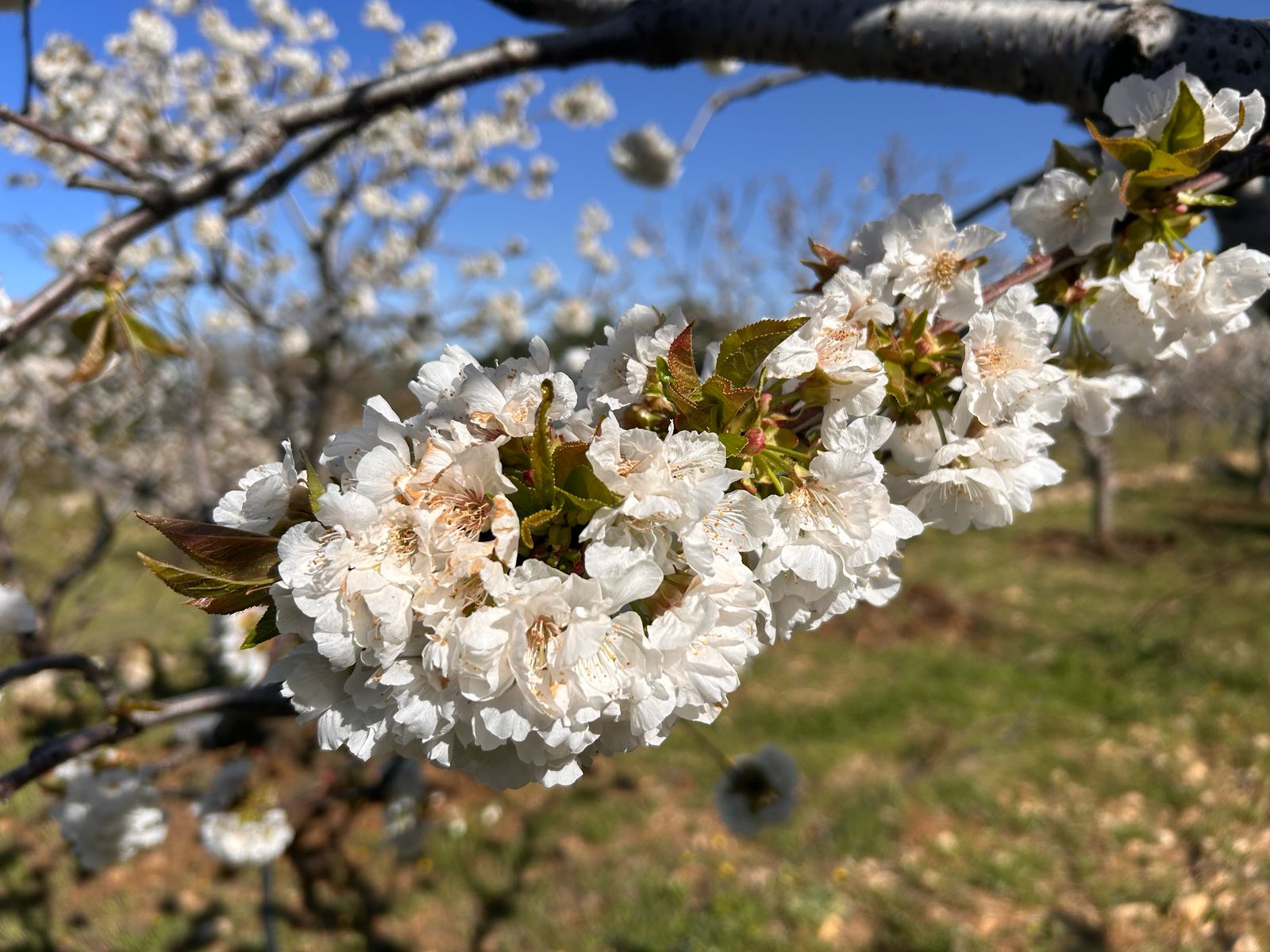
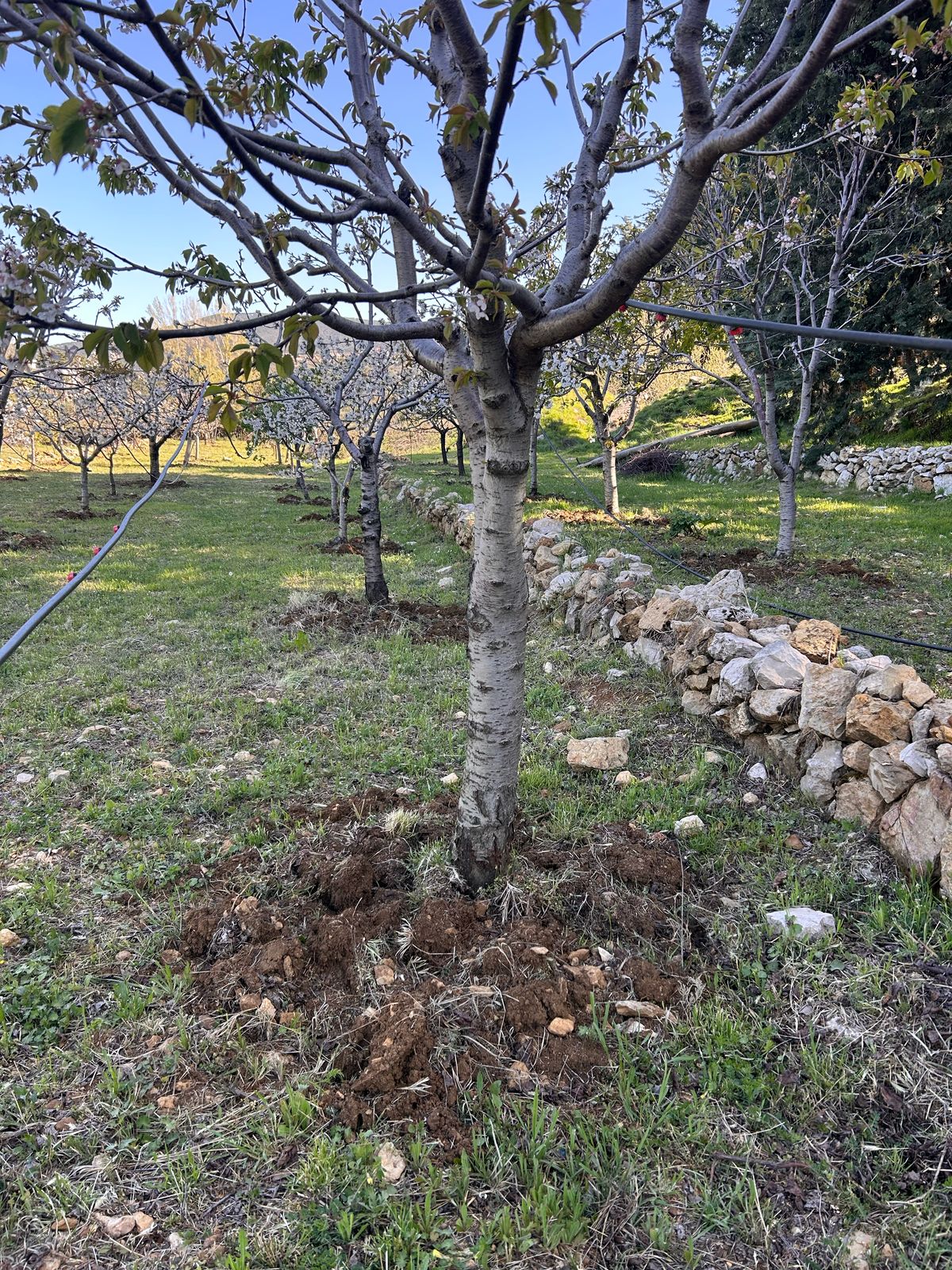
As the first rays of spring sunlight touch the slopes of Mount Lebanon, Hammana’s Hima Farm awakens with a beauty that is nothing short of breathtaking. The cherry trees, planted with care and vision, have burst into full bloom—clouds of soft pink and white petals swaying gently in the mountain breeze. For a moment, time slows, and the heart of Lebanon beats in harmony with nature.
The pond nestled within the farm is full again after the winter rains, reflecting the floral spectacle above like a mirror made of memory. Frogs sing from its edges, while flocks of birds flutter about, pairing off, chirping joyfully, and preparing their nests. From bee-eaters and goldfinches to robins and nightingales, the air is alive with courtship and celebration.
But what makes this spring particularly special is not just its beauty—it’s the story of harmony between humans and nature that unfolds here.
Hammana’s Hima Farm is part of the wider Hima network, a traditional community-based conservation system revived by the Society for the Protection of Nature in Lebanon (SPNL). Much like Japan’s revered Satoyama landscapes, the Hima model champions the balance between sustainable land use and ecological stewardship. Both systems are deeply rooted in cultural heritage, where farmers, families, and nature share the land in mutual respect.
In Japan, Satoyama valleys are famous for their cherry blossoms that paint the countryside with poetic colors each spring. Locals gather beneath the blossoms for hanami—a celebration of fleeting beauty and the cycles of life. In Hammana, the cherry blossom carries a similar emotional weight. Though not as globally famous, it is just as symbolic—of regeneration, of peace, and of Lebanon’s quiet resilience.
Here, instead of crowds and lanterns, you’ll find a more intimate setting: children learning about pollinators, farmers harvesting sustainably, and conservationists monitoring bird species. It is a working landscape, yes—but one that works with nature, not against it.
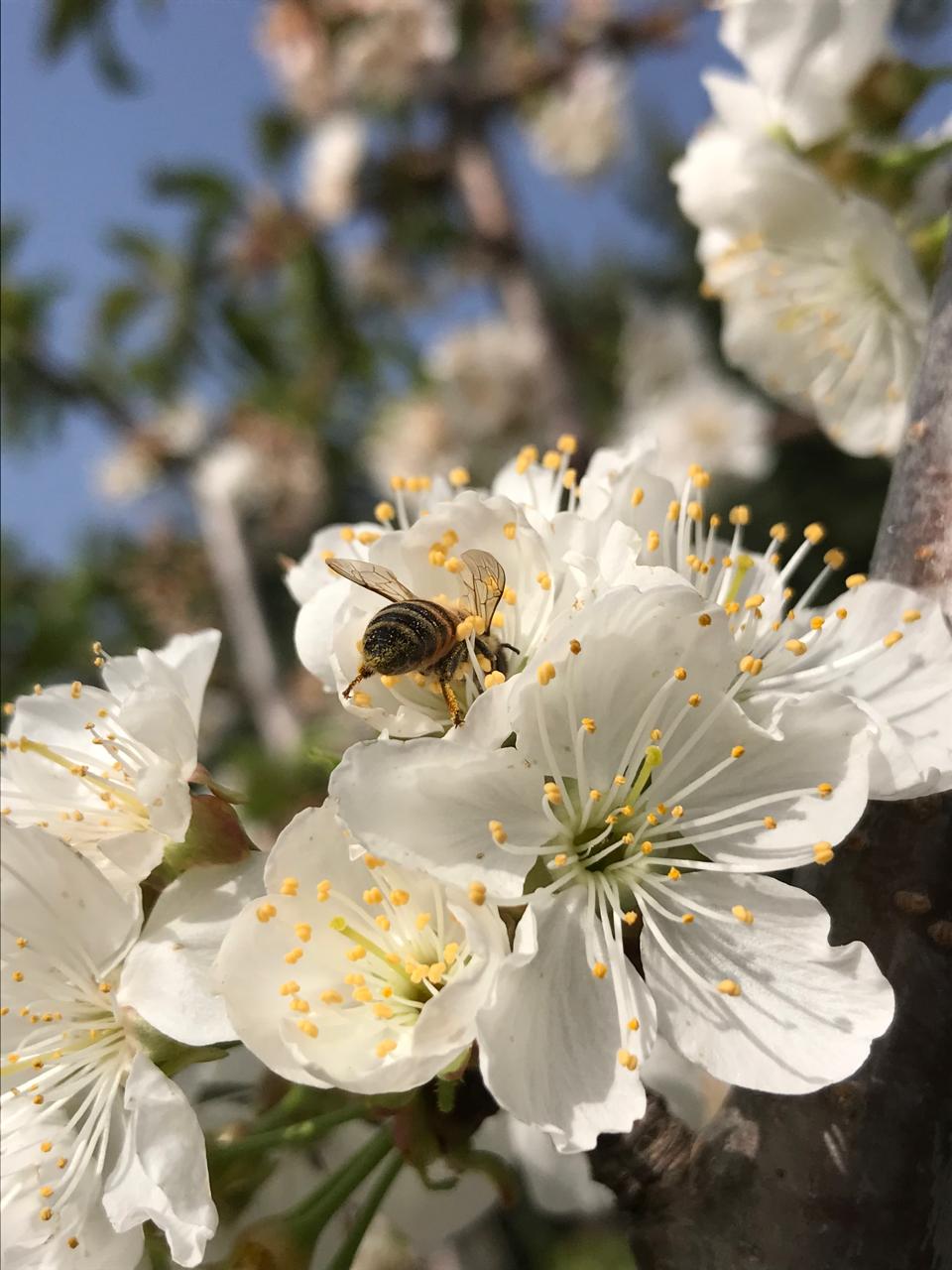
The revival of native ecosystems through the Hima model has transformed Hammana into a haven for biodiversity. It is now common to witness bees pollinating wildflowers, hedgehogs rustling under shrubs, and raptors circling high above. The cherry blossom is not only a visual marvel—it’s a signal that life, in all its forms, is thriving.
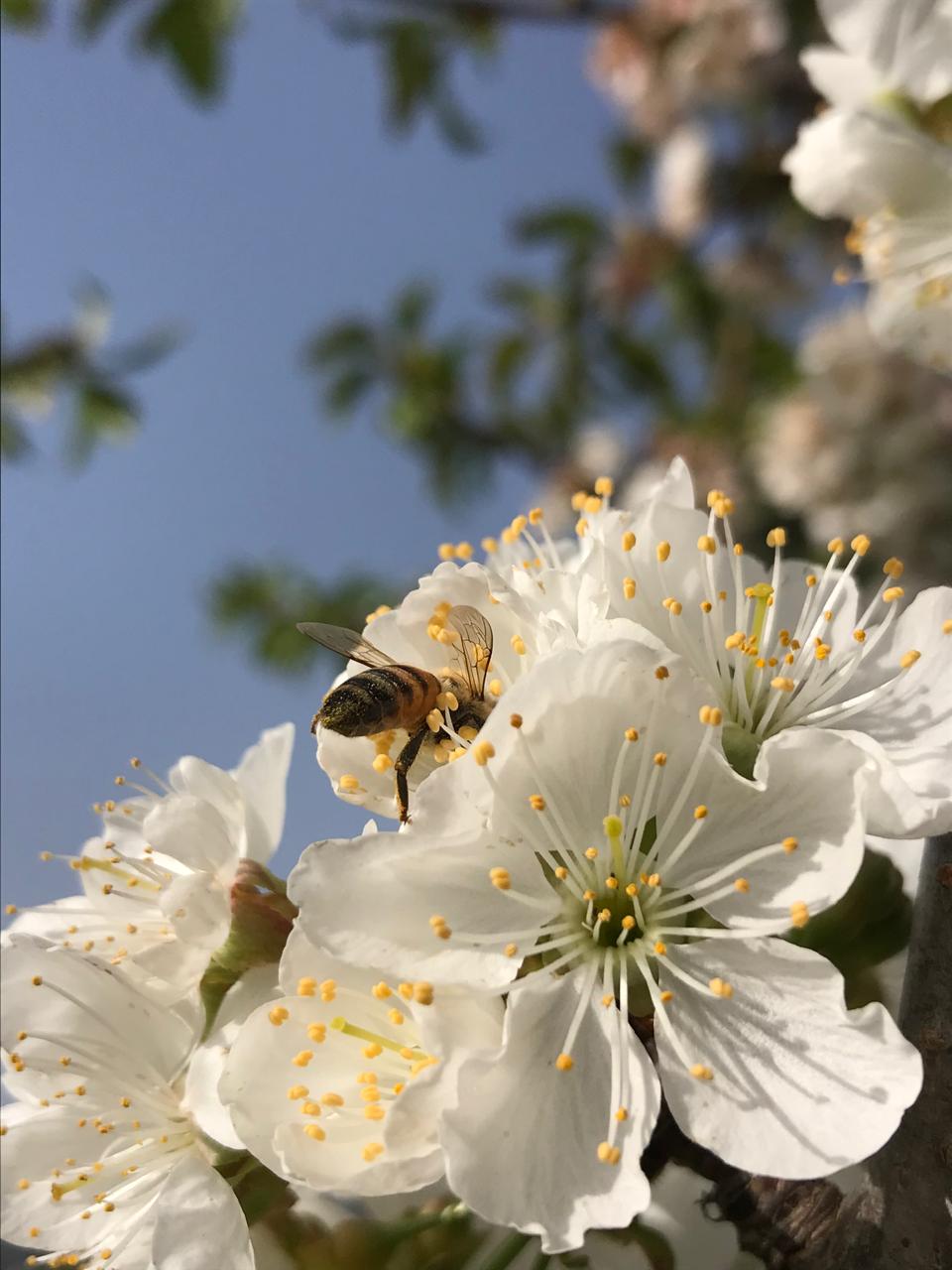
As Lebanon faces growing environmental challenges, Hammana offers a glimpse of hope—a living testament to how ancient wisdom, ecological awareness, and community effort can create a better future.
So this spring, as cherry petals fall like whispers to the earth, Hammana stands as Lebanon’s answer to Satoyama: a place where beauty and biodiversity bloom side by side.