

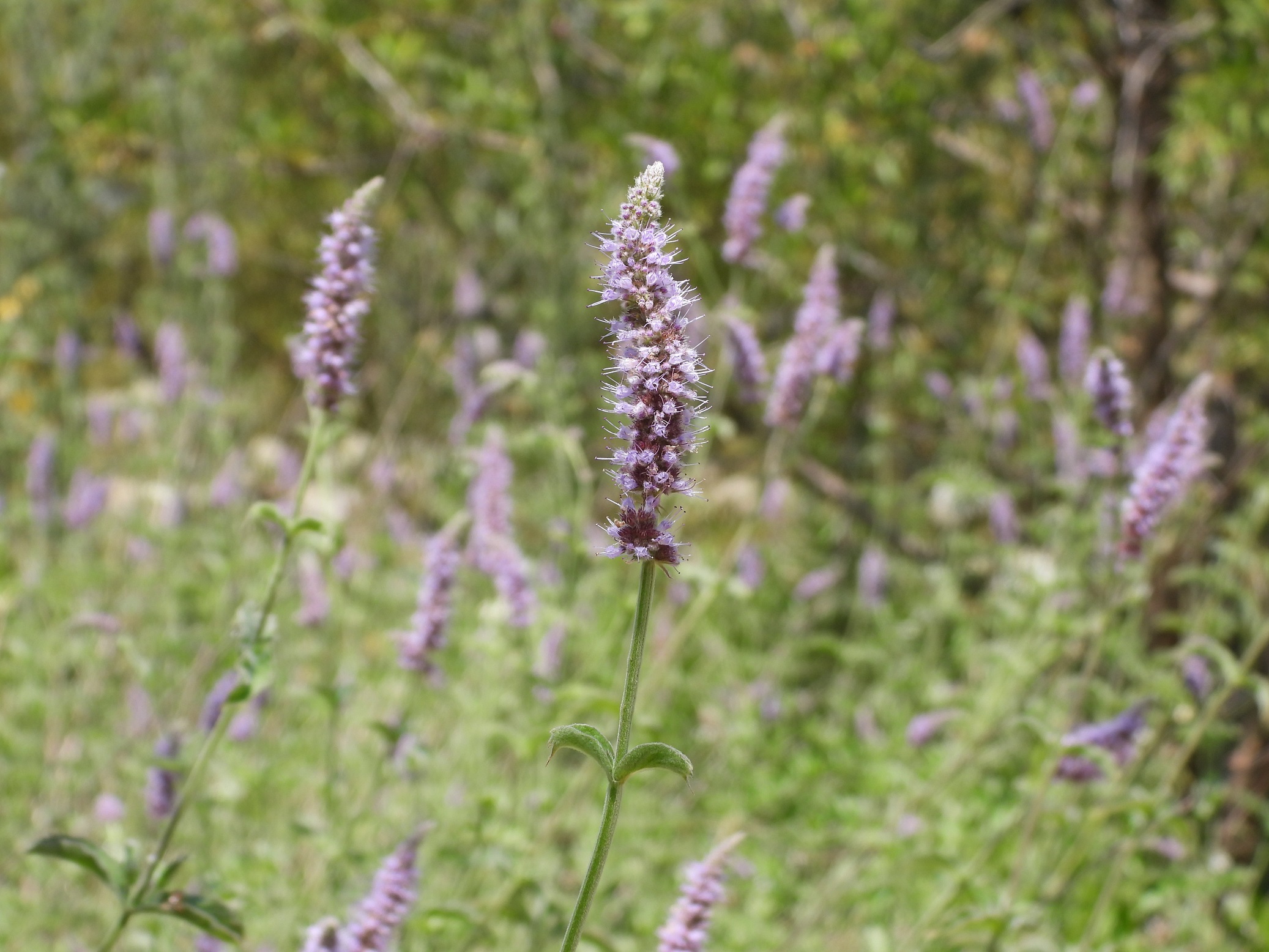
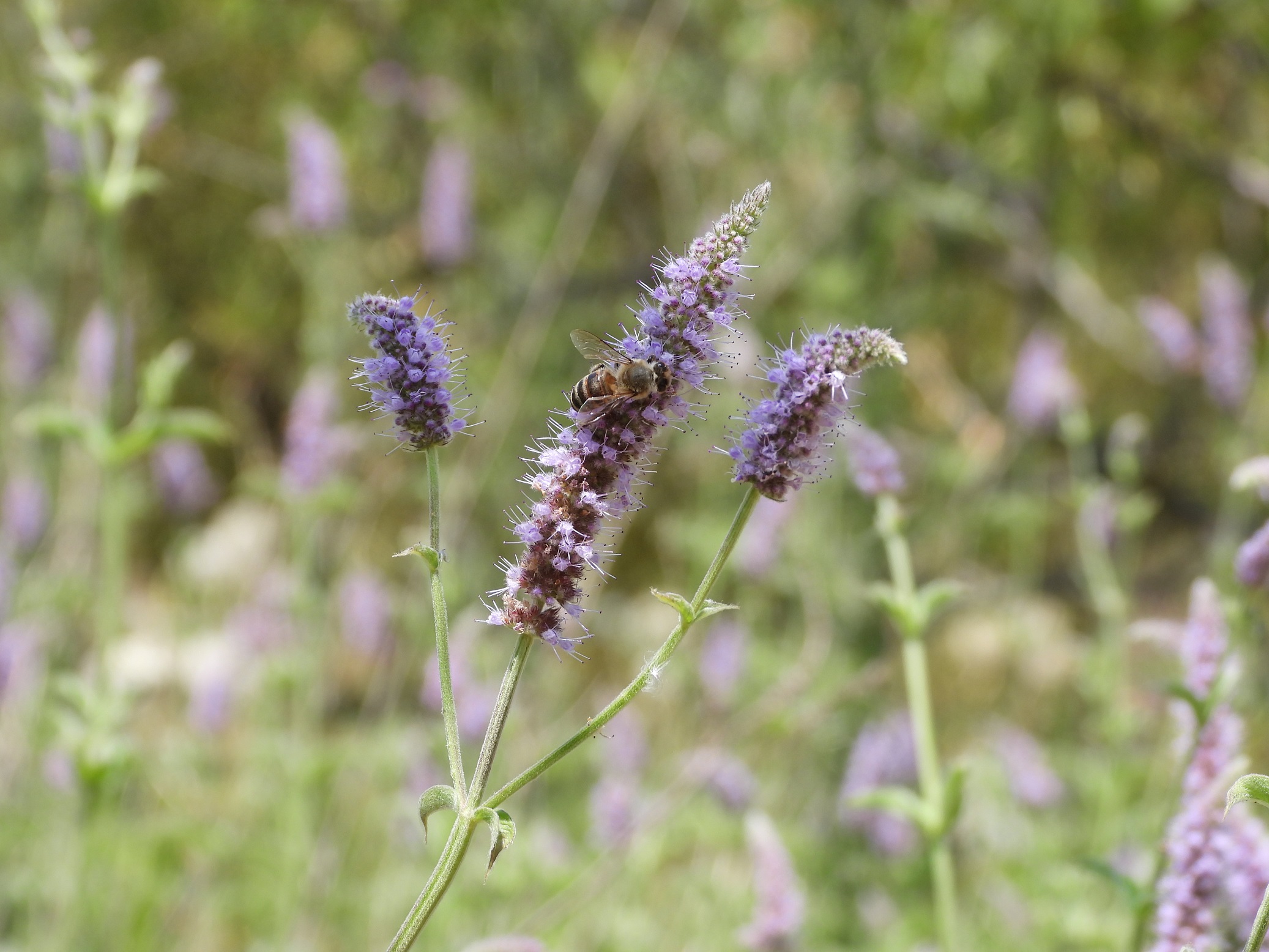
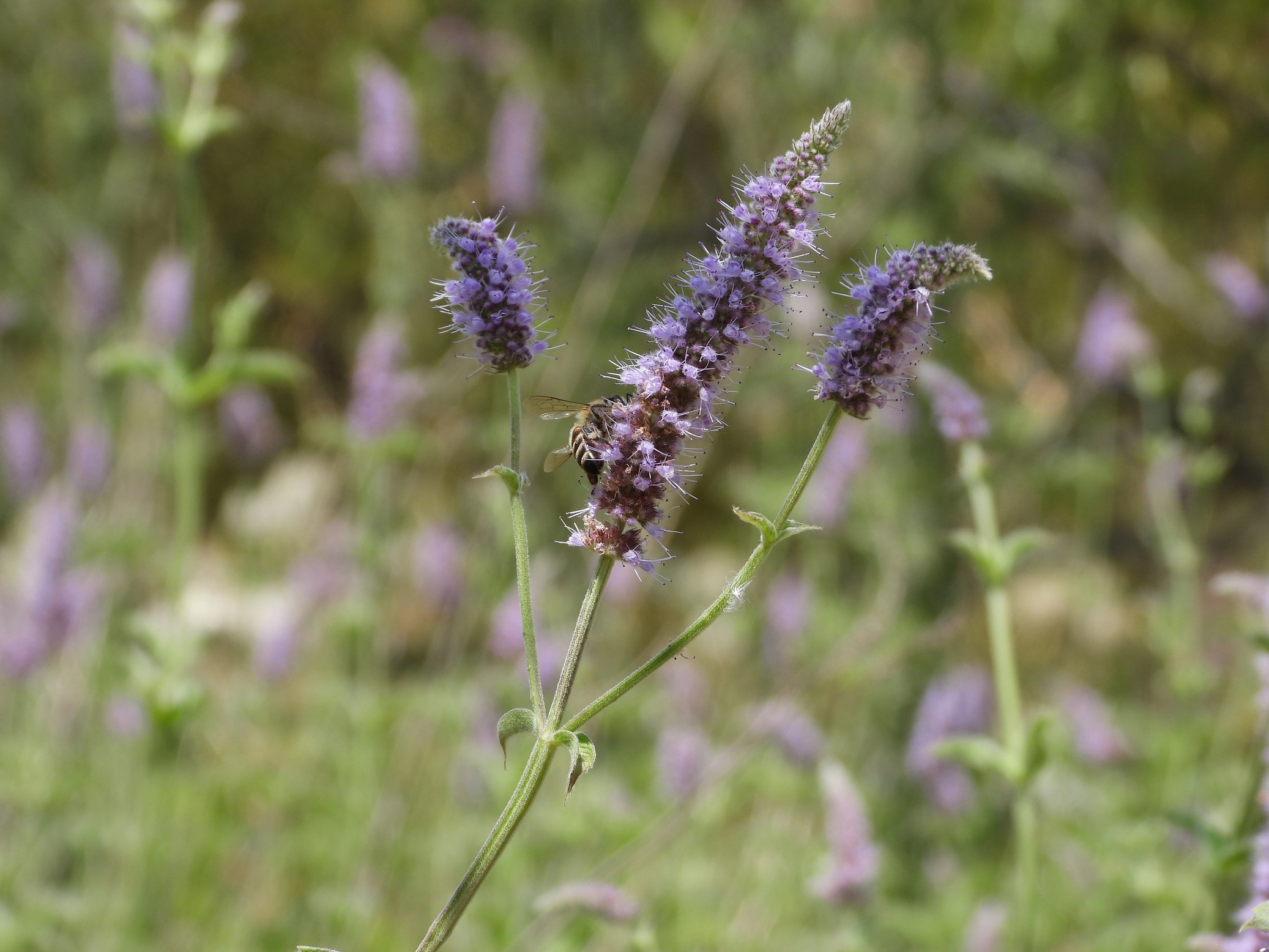
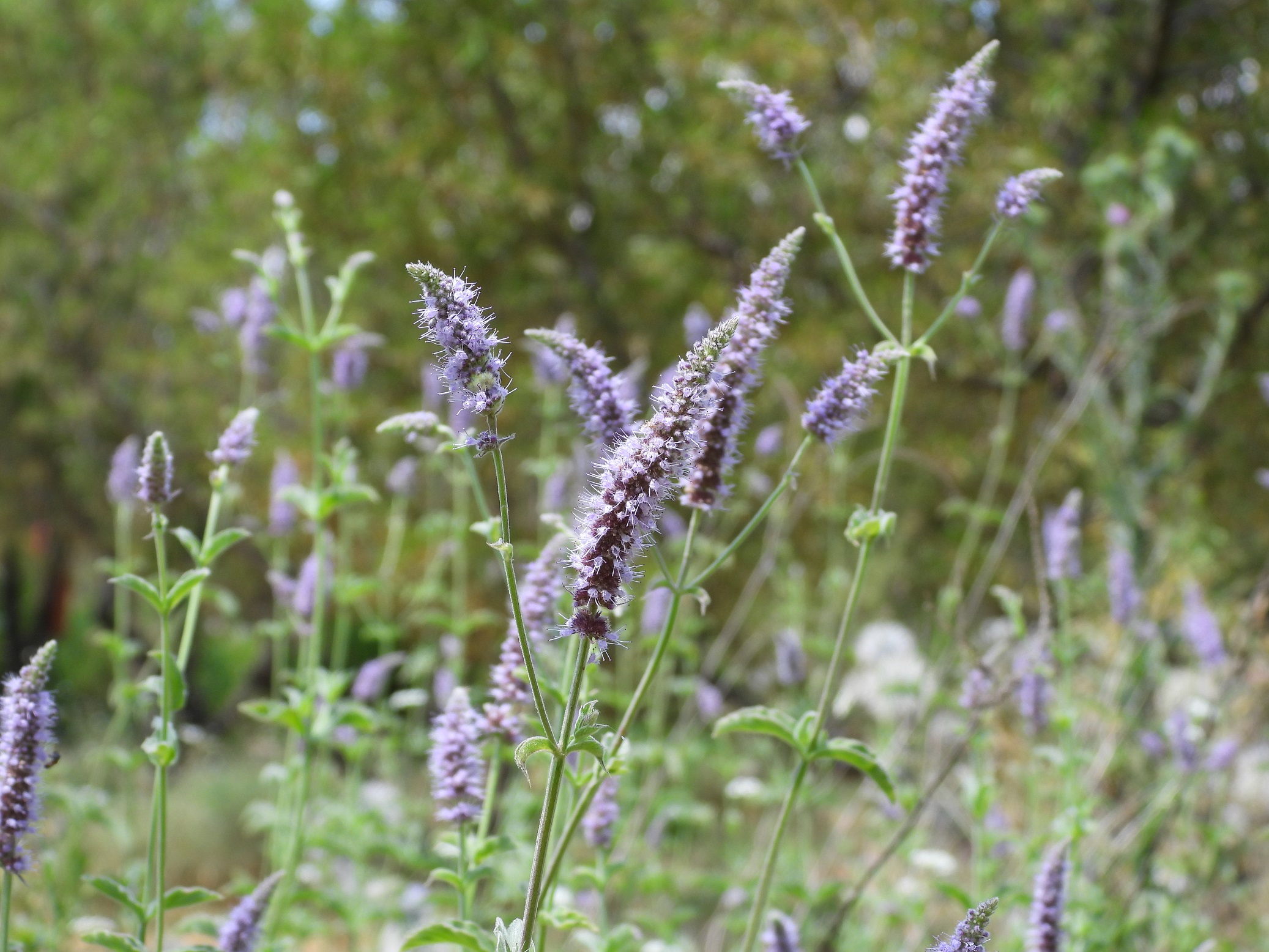
Lebanon’s nature is home to a diverse range of flora and fauna, with wild mint (Mentha longifolia) thriving in their rich ecosystems. Among the key pollinators of these aromatic herbs are bees, which play a crucial role in sustaining the biodiversity of Lebanon’s woodlands and grasslands. The interaction between bees and wild mint not only supports the reproduction of these plants but also contributes to the health of the broader ecosystem, benefiting both wildlife and local communities.
The Importance of Wild Mint in Lebanese Ecosystems
Wild mint is a resilient herbaceous plant found in Lebanon’s nature, particularly along riverbanks, wetlands, and shaded mountain slopes. This plant is prized for its medicinal properties, culinary uses, and its ability to support local wildlife. It provides a crucial nectar source for pollinators, particularly bees, ensuring the continuation of natural ecological processes.
The volatile constituents of Mentha longifolia (L.) Huds. var. asiatica (Boriss.) Rech. f. were isolated by steam distillation and analyzed by GC and GC/MS. The major constituents of the leaf oil were piperitone (67.6%), isomenthone (6.6%), and cis-piperitol (4.2%), while the flower oil contained piperitone (55.7%), carvone (16.2%), and pulegone (4.1%). These compounds contribute to the distinctive aroma and potential medicinal properties of the plant, further emphasizing its ecological and economic importance.
Bees: Nature’s Essential Pollinators
Bees are among the most effective pollinators in Lebanon’s nature. By transferring pollen from flower to flower, they facilitate the reproduction of wild mint and other native plants. This process enhances genetic diversity, strengthens plant populations, and supports various species that depend on these plants for food and habitat.
Among the most notable bee species pollinating wild mint in Lebanon are:
- Apis mellifera syriaca (Lebanese honeybee): A native honeybee species adapted to Lebanon’s climate and flora.
- Carpenter bees (Xylocopa spp.): Large solitary bees that are efficient pollinators of wild mint and other flowering plants.
- Bumblebees (Bombus spp.): Furry, robust pollinators that contribute to the reproduction of many wild plant species.
The Impact on Wildlife and the Environment
The pollination of wild mint by bees has far-reaching effects on the ecosystem. The increased availability of wild mint enhances soil stability, prevents erosion, and supports herbivorous animals that feed on its leaves. Additionally, the flowers provide nectar to butterflies and other insects, contributing to a balanced and thriving ecosystem.
The presence of healthy bee populations in Lebanese nature also benefits local agriculture by improving the pollination of crops. This connection between wild pollinators and agricultural productivity highlights the importance of conserving bee habitats.
Threats to Bees and Wild Mint in Lebanon
Despite their ecological importance, bees and wild mint face several threats, including:
- Habitat destruction due to deforestation, urban expansion, and agricultural development.
- Pesticide use that affects bee populations and disrupts their natural foraging behaviors.
- Climate change, which alters flowering patterns and reduces the availability of nectar sources.
- Overharvesting of wild mint for commercial and medicinal use, potentially reducing the plant’s regenerative capacity.
Conservation Efforts and Sustainable Solutions
To protect bees and wild mint in Lebanese nature, conservation efforts must be prioritized. Some key strategies include:
- Establishing protected areas to preserve bee habitats and prevent overharvesting of wild mint.
- Promoting sustainable beekeeping practices that support pollinators while ensuring honey production.
- Raising awareness about the importance of pollinators and encouraging the planting of wildflowers in urban and rural areas.
- Regulating pesticide use to minimize harmful effects on bee populations.
Bees and wild mint form an essential partnership in Lebanon’s nature, sustaining ecosystems and supporting biodiversity. Protecting these natural pollinators and their floral resources is critical for maintaining ecological balance, agricultural productivity, and the rich natural heritage of Lebanon. Through collaborative conservation efforts, Lebanon can ensure the survival of its native bees and the wild mint they so diligently pollinate, preserving the health of its nature for generations to come.
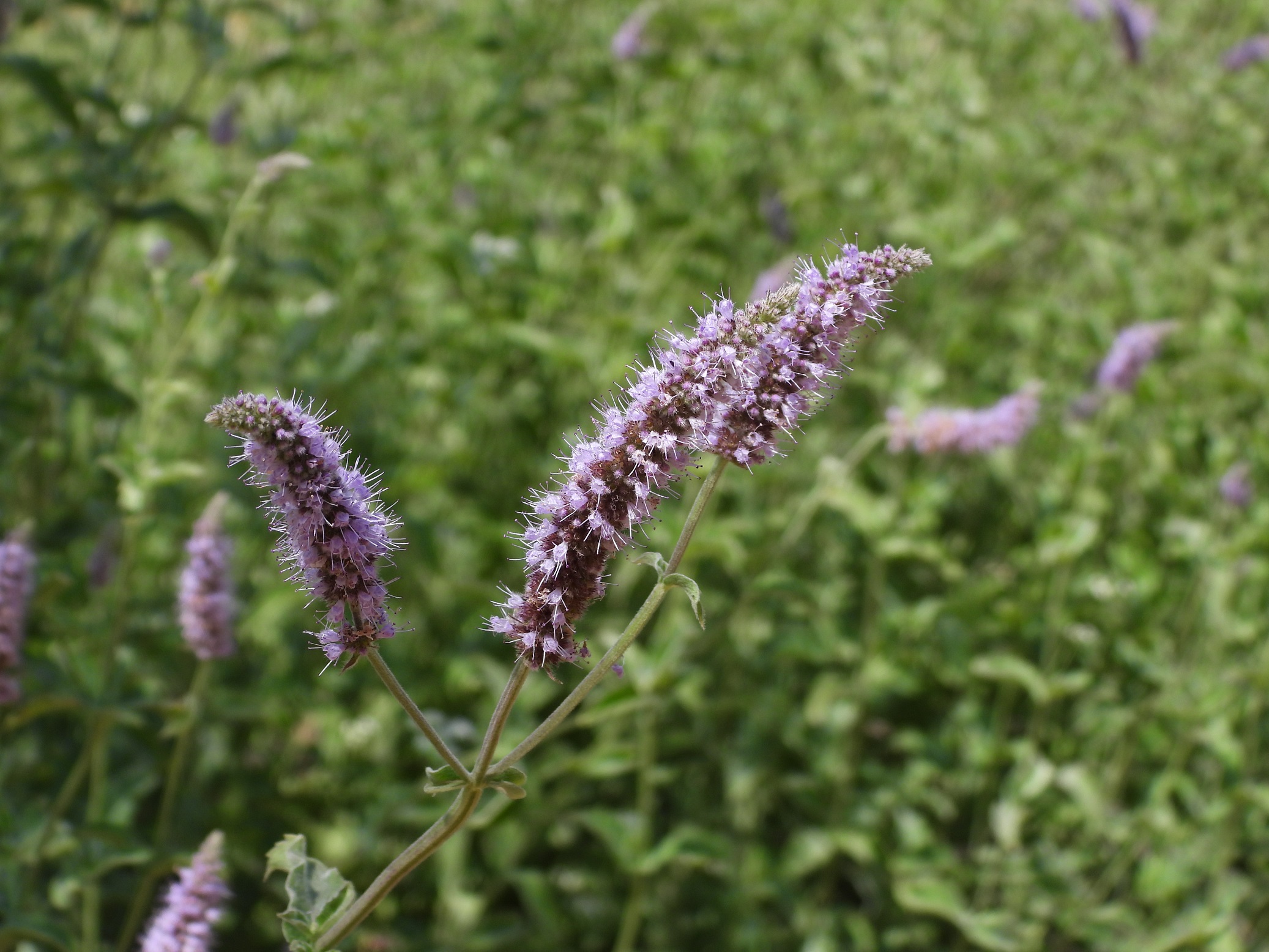
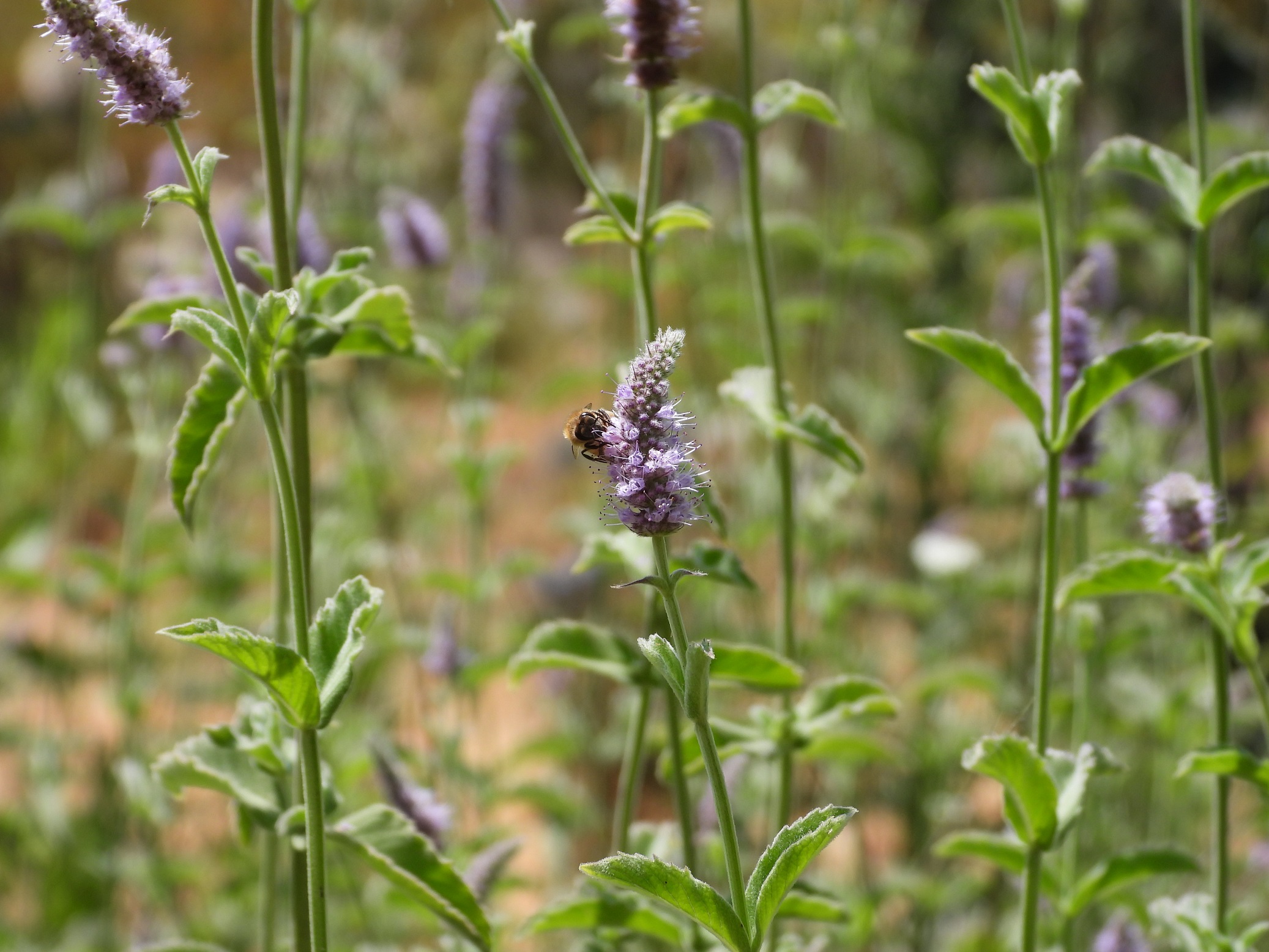
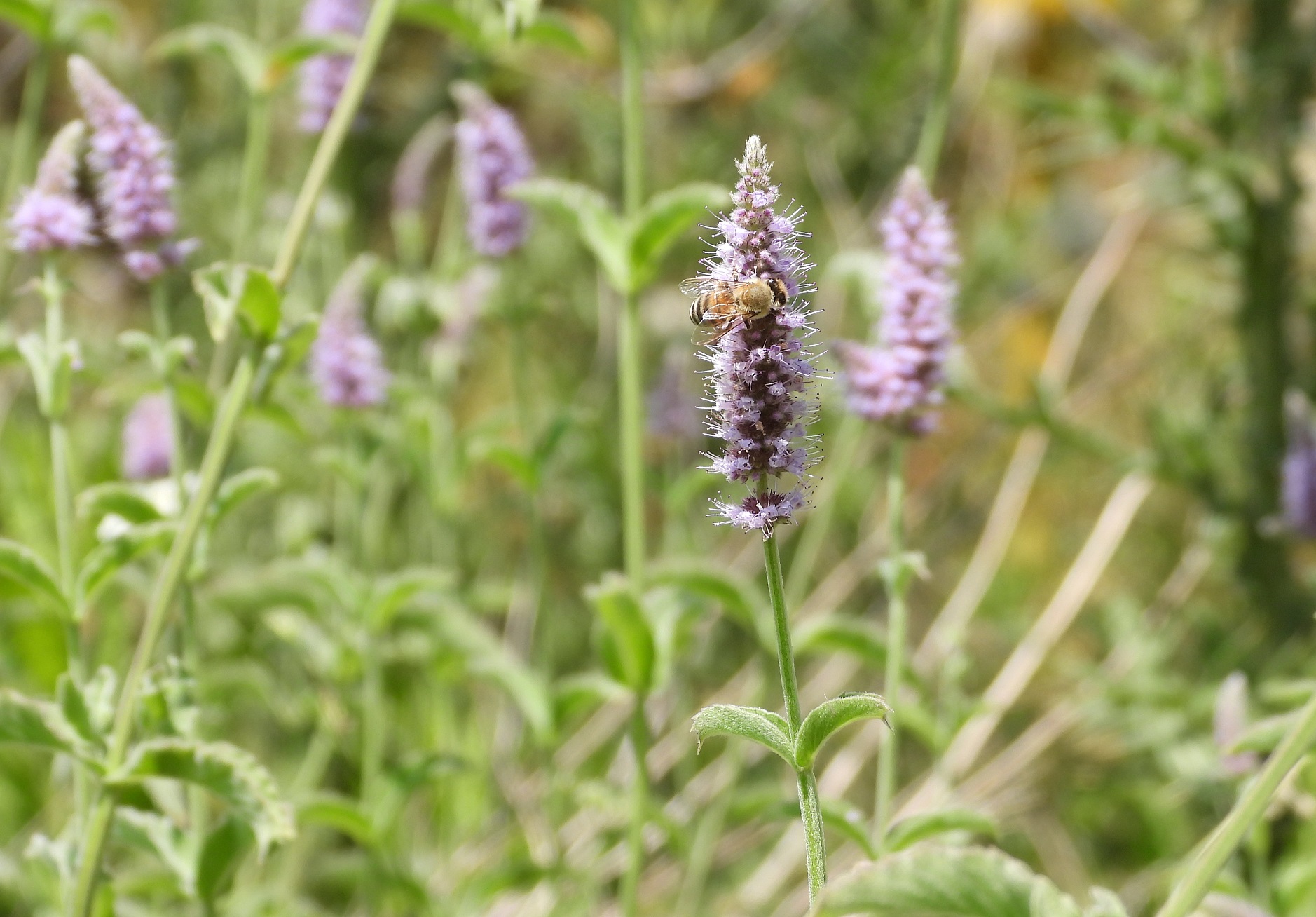
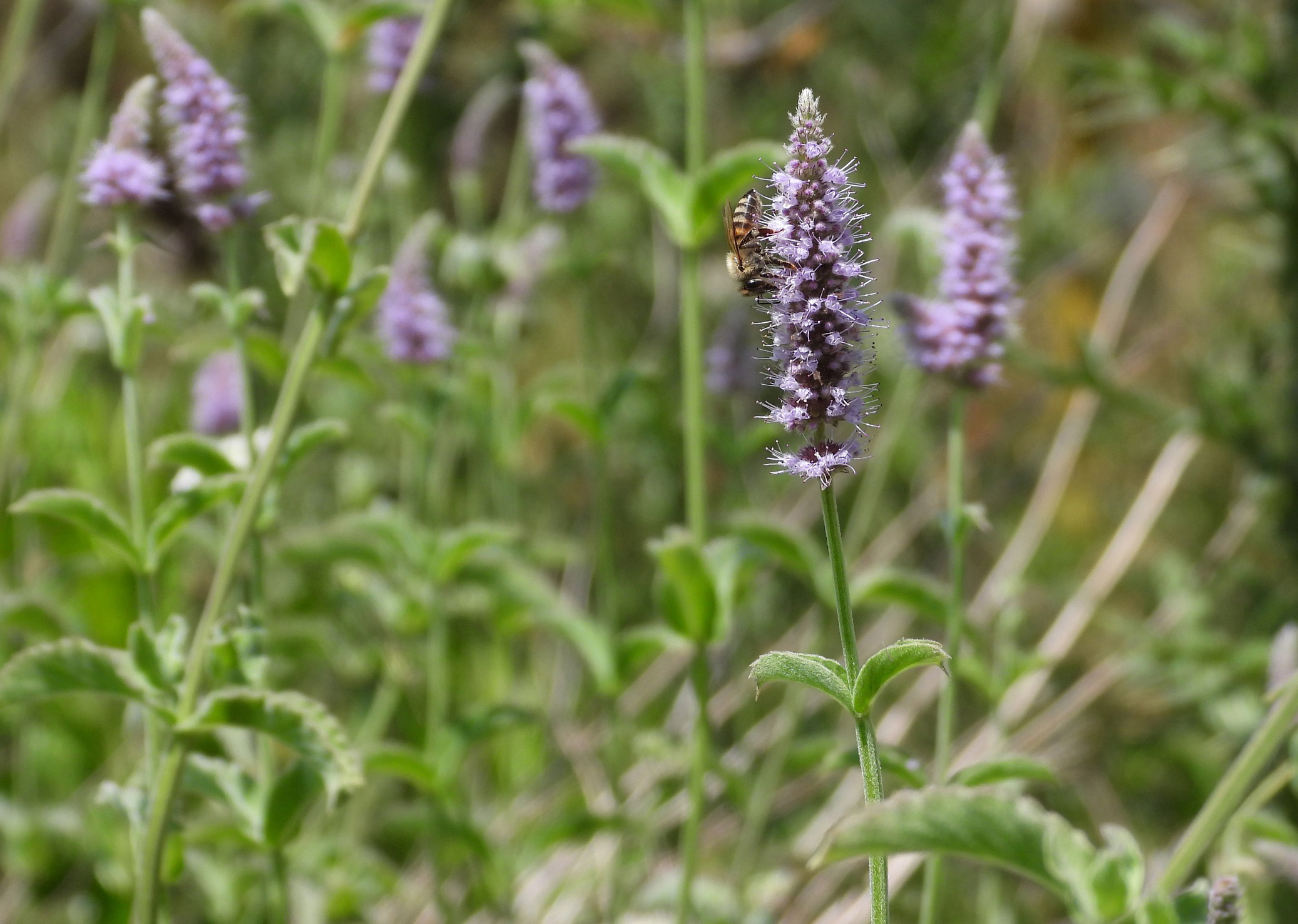
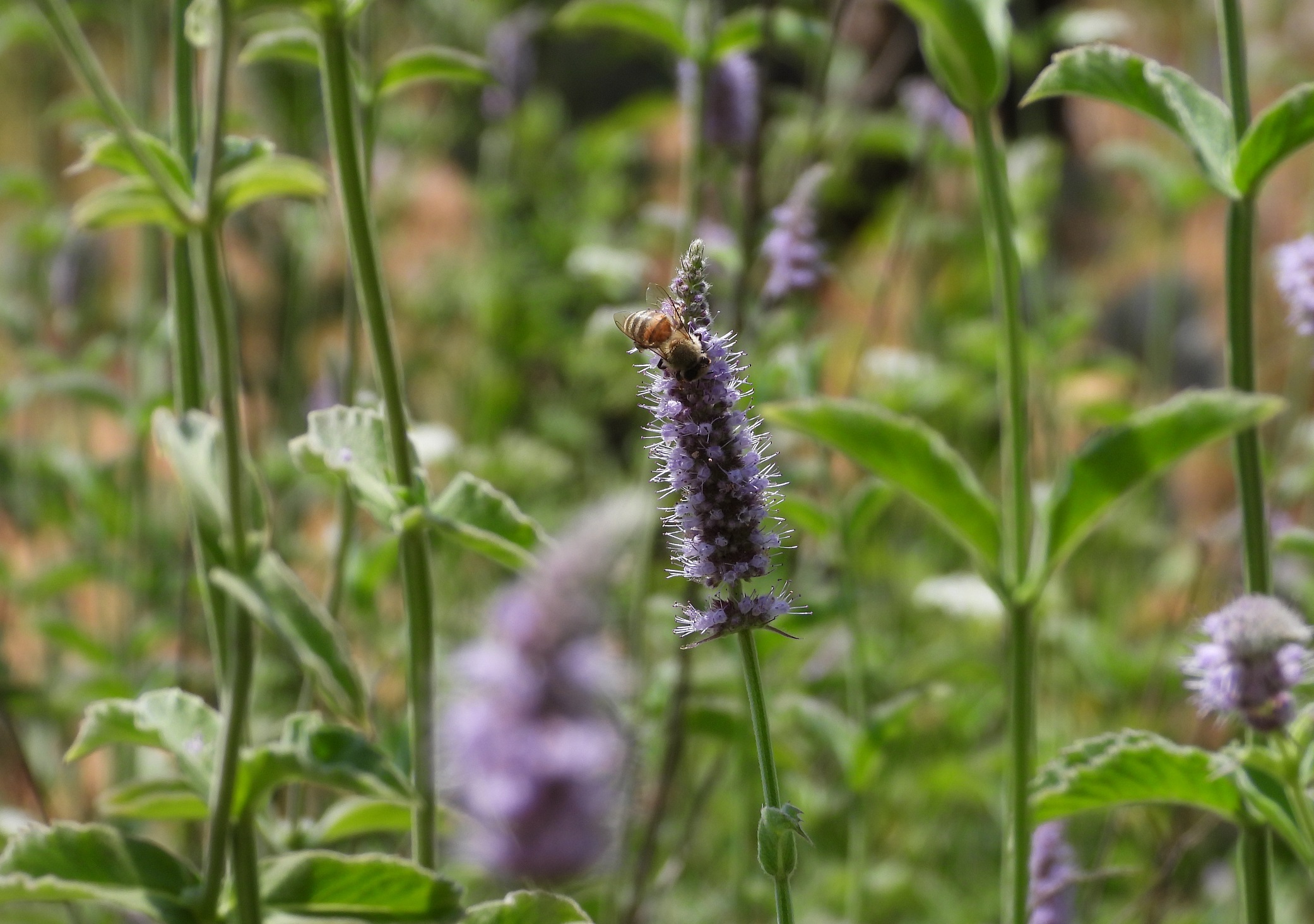
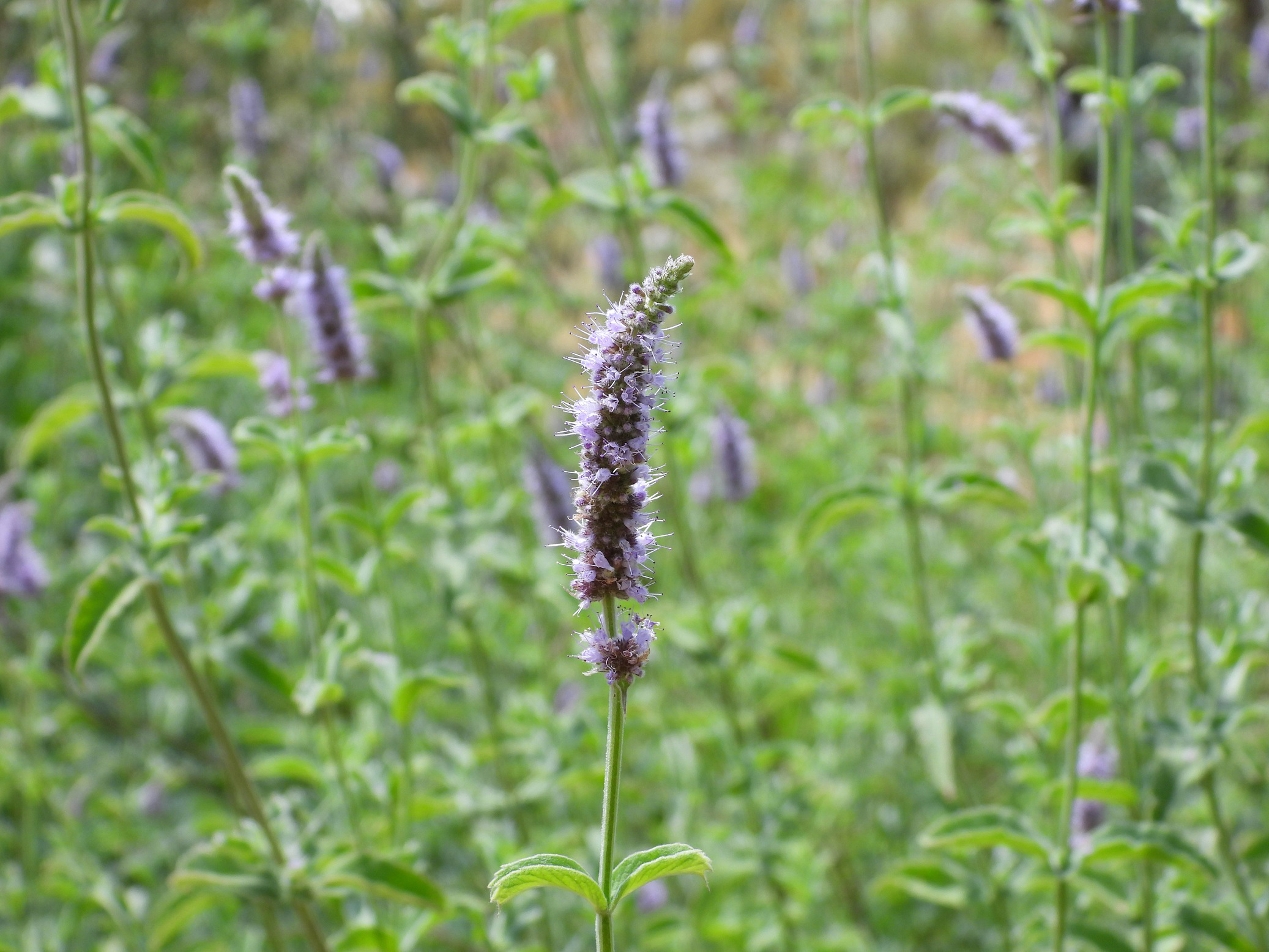
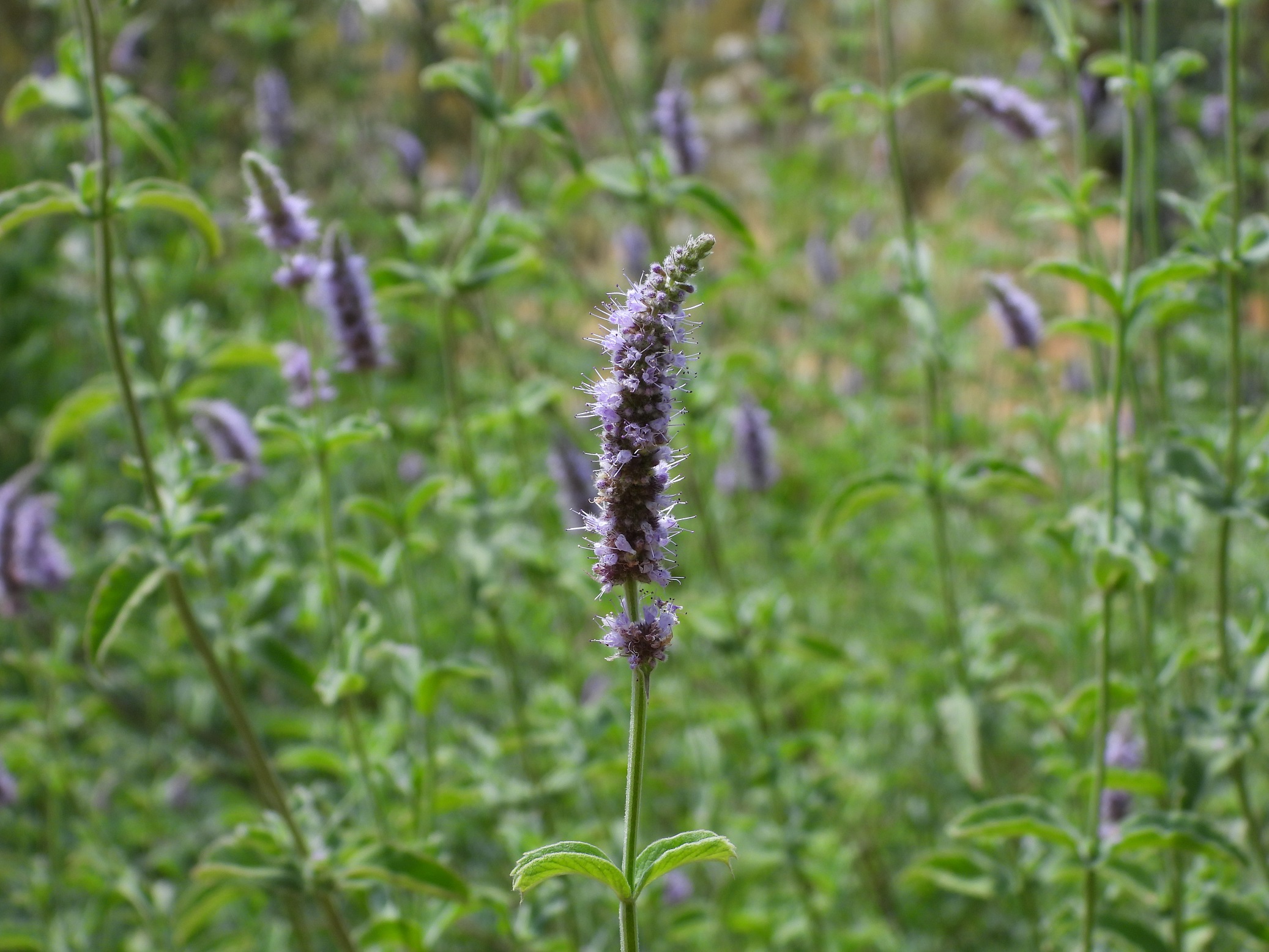
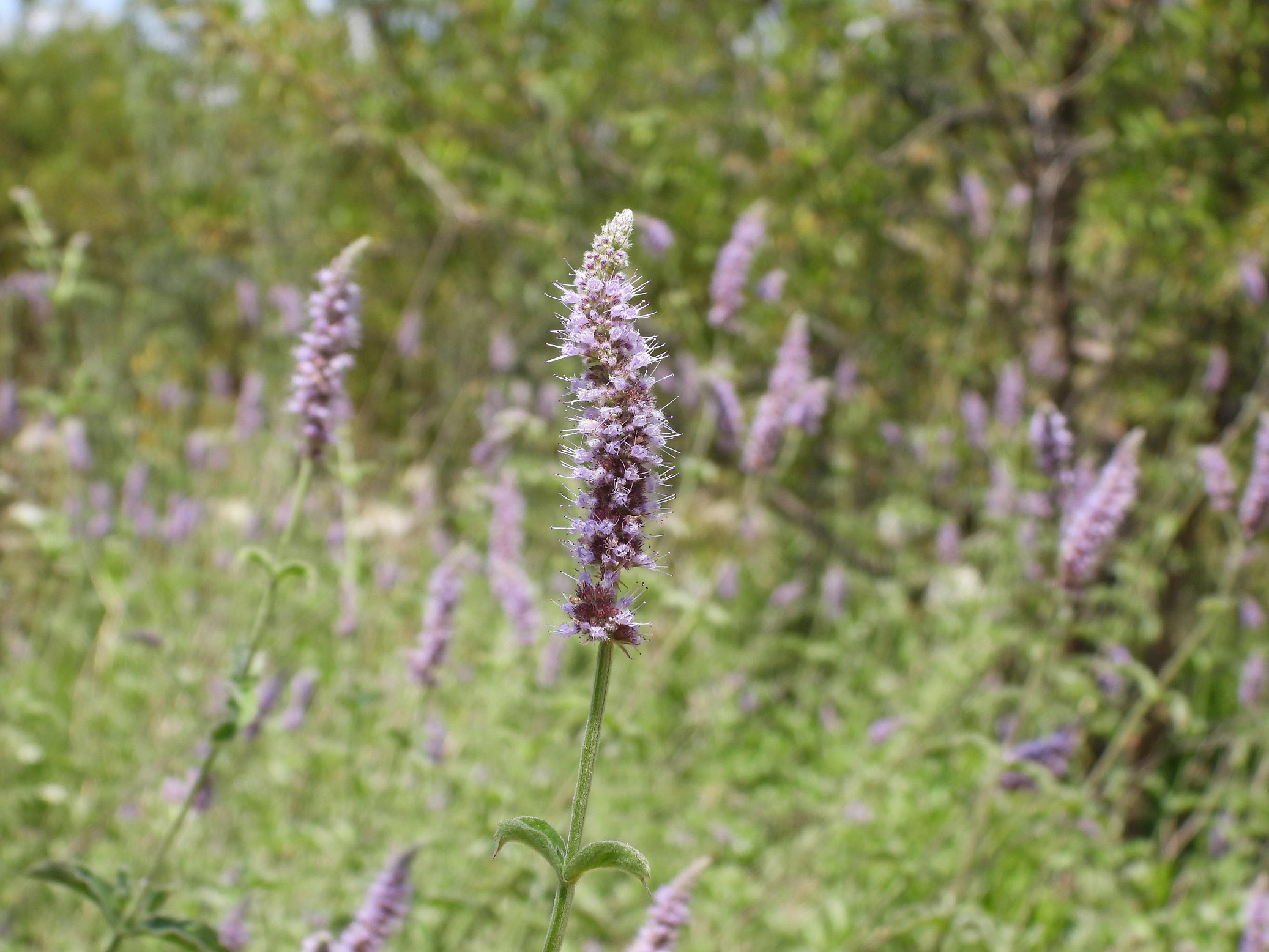
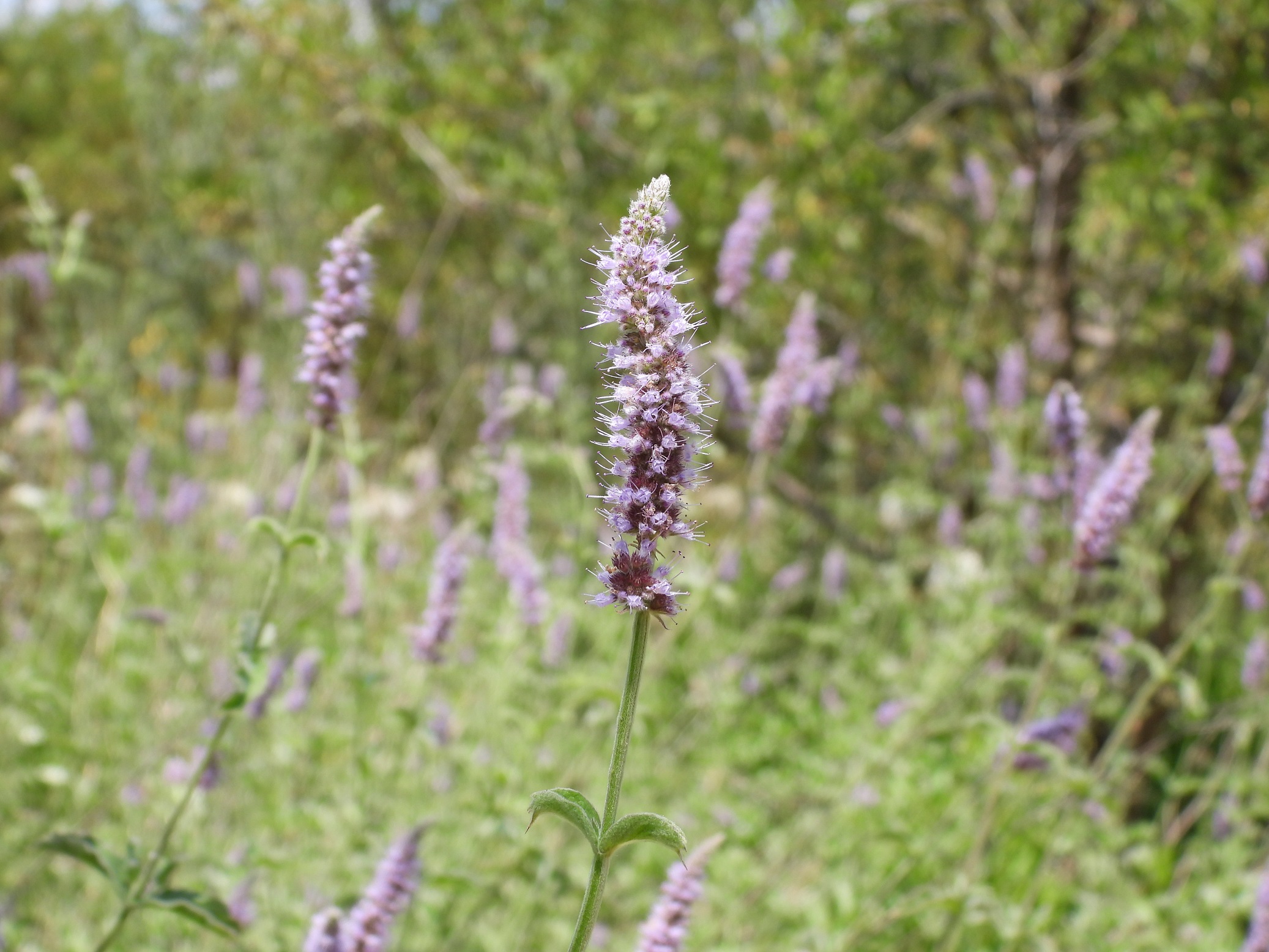
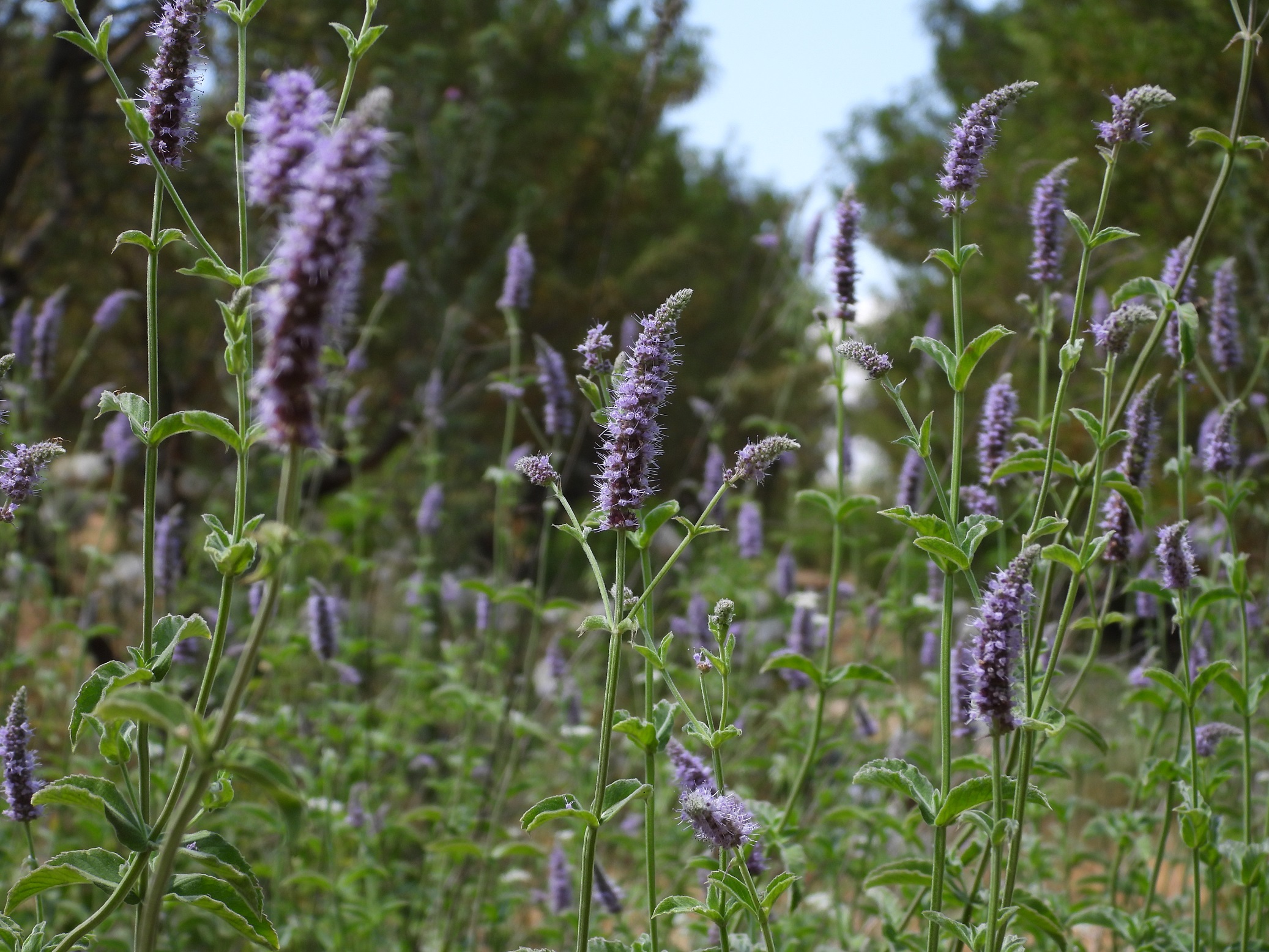
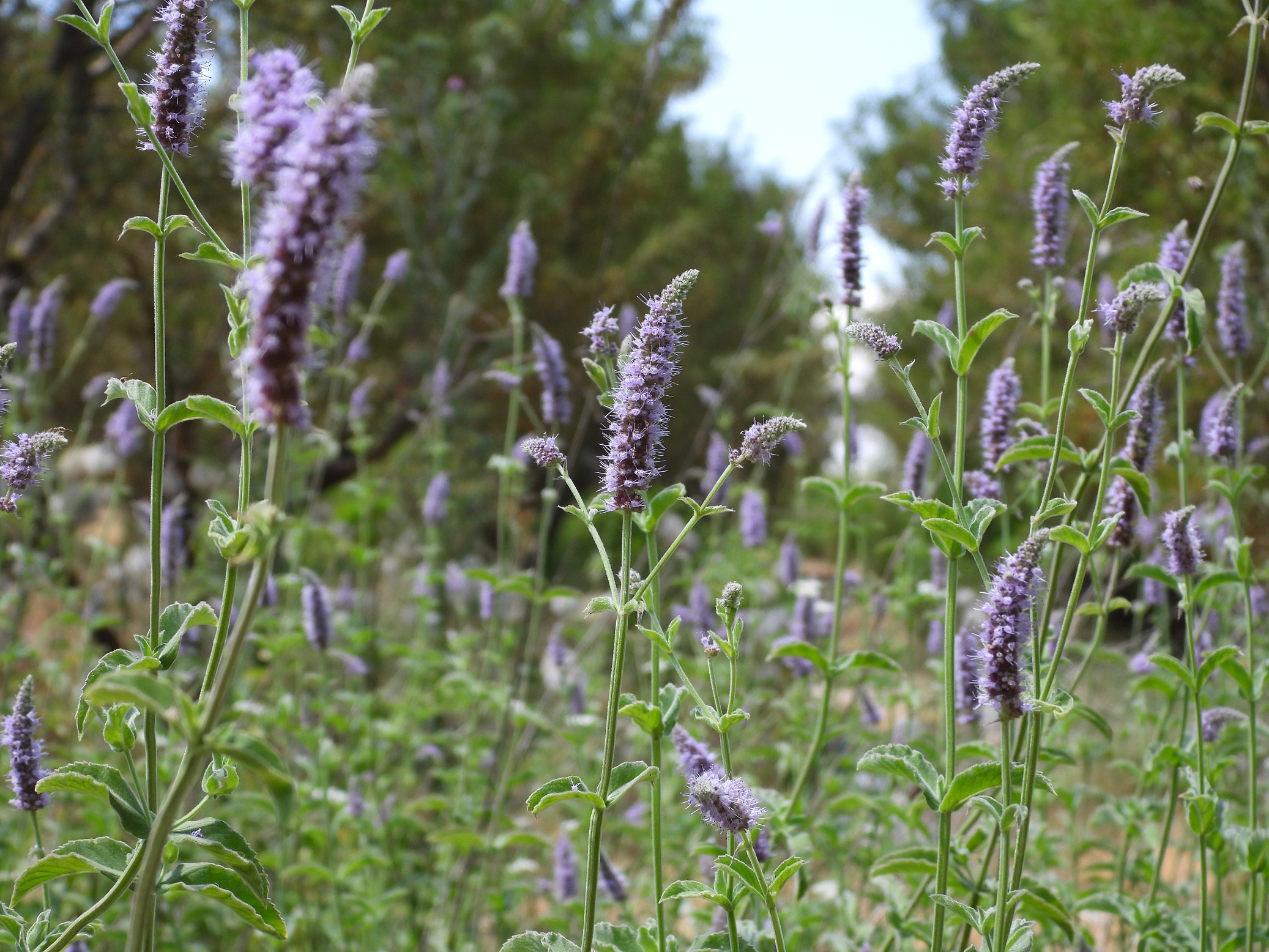
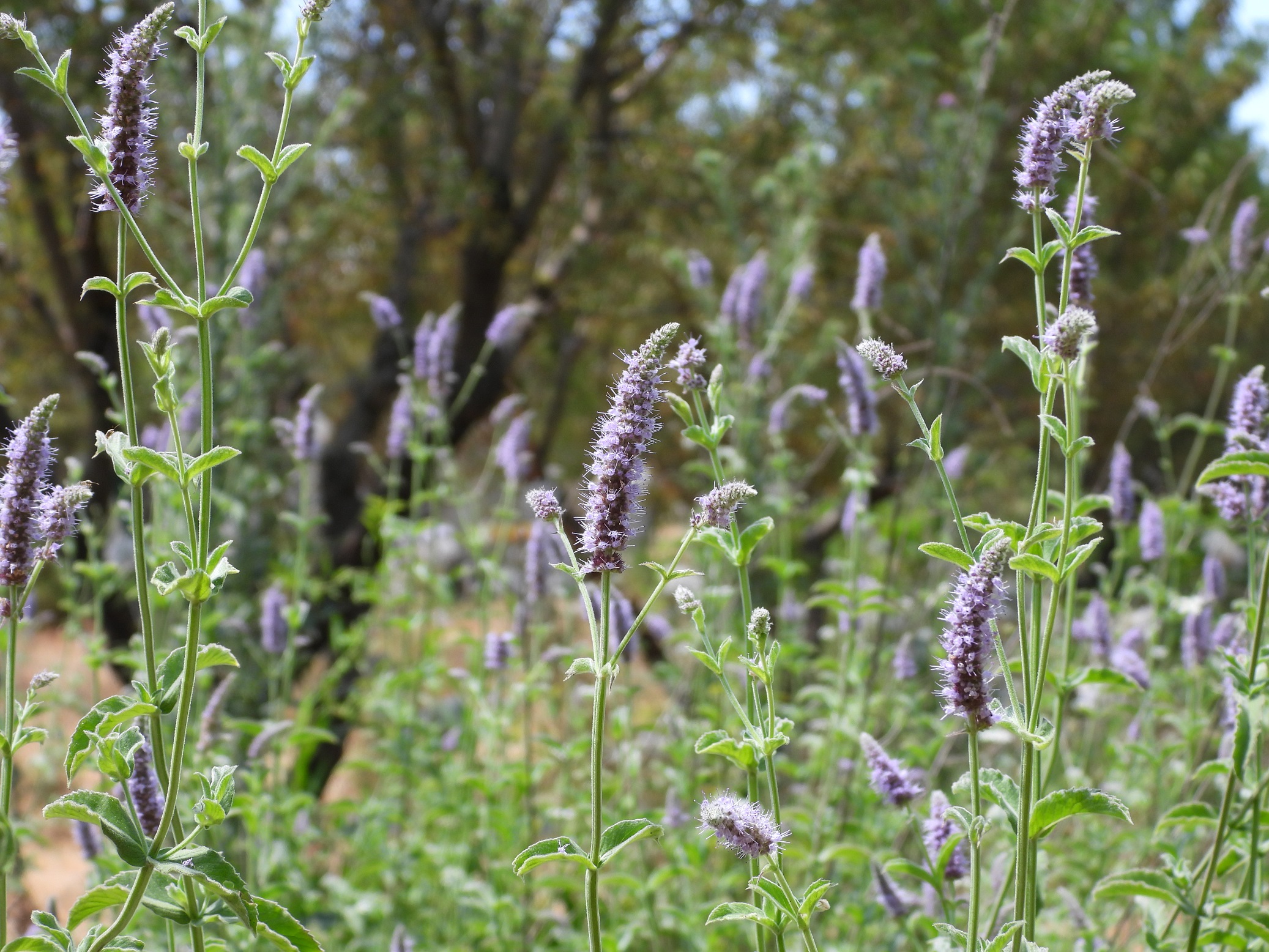
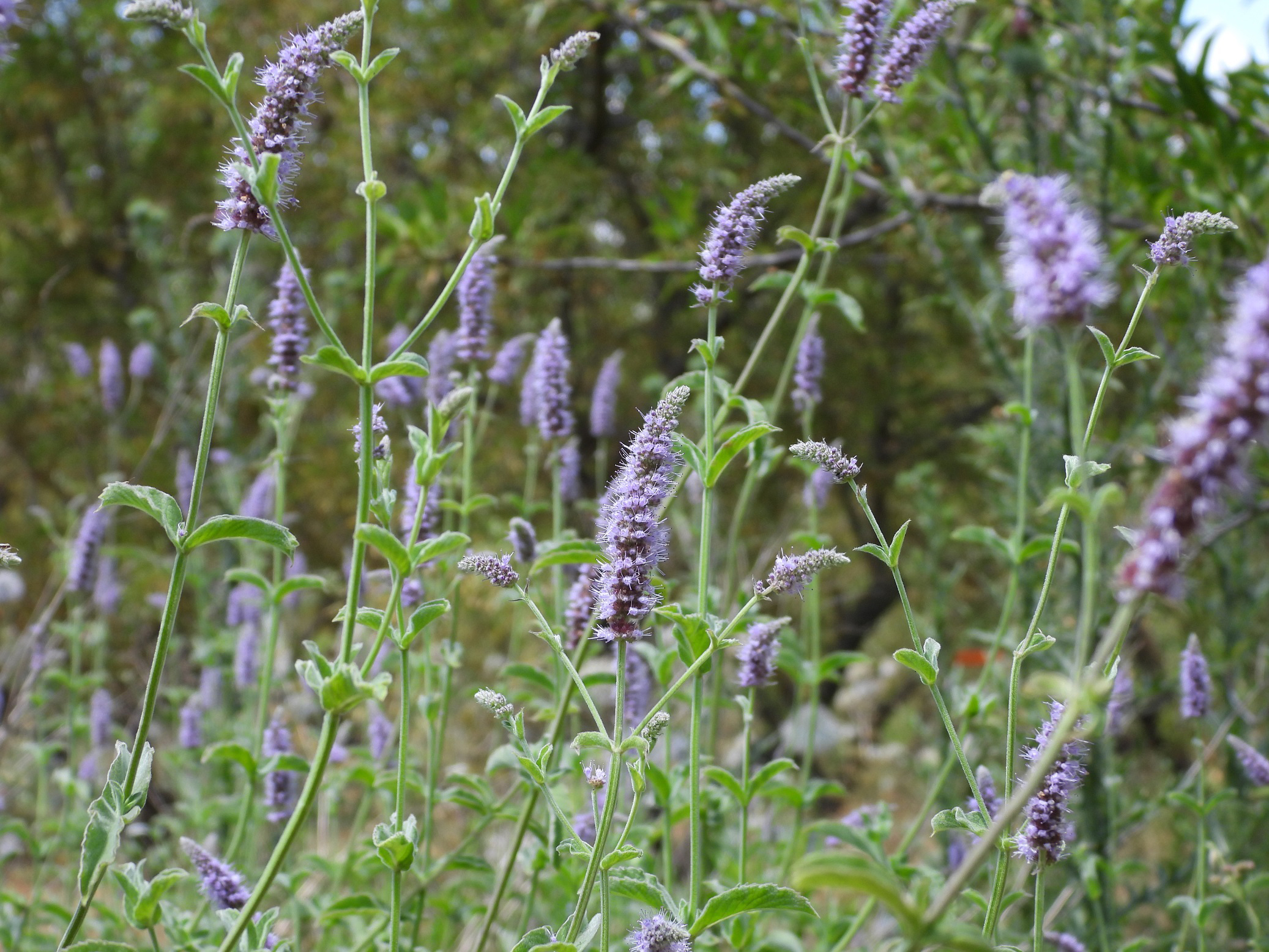
Photographs copyrights of Husein Ali Zorkot, Butterfly Garden Manager, SPNL