

Views: 3,567
By Husein Ali Zorkot
Monitoring butterflies offers vital insights into biodiversity and ecosystem health. Here’s a comprehensive guide on conducting weekly butterfly counts using transects.
Transect Setup and Characteristics
- Length: Each transect should be 1–5 km long, divided into 10 equal sections (~100 m each). Use a tape measure or metric strides for accuracy.
- Location: Select hiking trails, dirt paths, farmland, meadows, or grassy areas for higher diversity. Include a mix of habitats like woodland, wetlands, or urban parks to maximize ecological representation.
- Documentation: Record transect details, including name, GPS coordinates, habitat codes (e.g., using the Corine classification), and land management practices.
Team Roles
- Recorder: Conducts the count and logs data.
- Photo-Assistant: Carries equipment and helps with photography.
- Driver: Aids in team mobility between transects for efficient data collection.
Forms and Data Collection
- Butterfly Transect Details Form (filled once):
- Transect name, map, habitat description, land use, and recorder details.
- Butterfly Transect Recording Form (filled weekly):
- Date, time, weather conditions, and butterfly species count for each section.
Optimal Counting Conditions
- Conduct counts 10:45 AM–3:45 PM, preferably on:
- Sunny, warm, and calm days.
- Temperature: Above 17°C; or 13°C–17°C with at least 60% sunshine.
- Avoid rainy, overcast, or windy days.
Monitoring Guidelines
- Walk at a steady pace within a 5 m × 2.5 m recording box.
- Avoid:
- Backtracking, pausing excessively, or straying off-path.
- Disturbing vegetation or the butterfly habitat.
- Use laminated Butterfly Field Identification Sheets and track species using tally sheets.
Special Considerations
- Note butterflies basking, roosting, or puddling only if visible from the transect path.
- Document habitat edges or ecotones (e.g., forest-grassland edges).
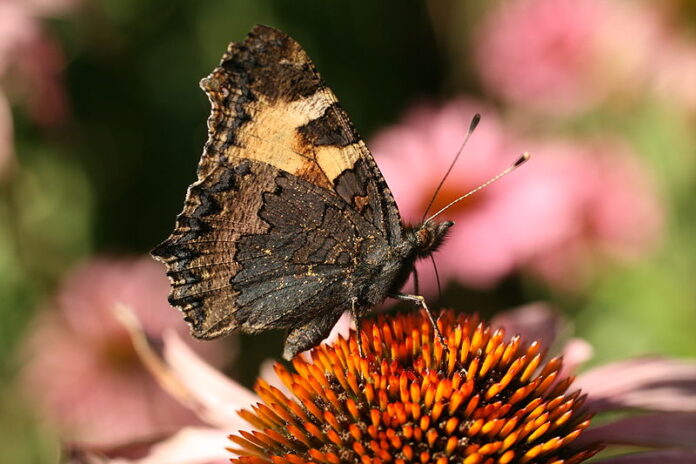
- Take photographs of butterflies and associated plants for detailed observations.
Wrap-Up
- Each count should take 45 minutes–1 hour.
- Compile species totals weekly and input data into a spreadsheet for population trend analysis.
- Seek expert validation of your findings annually.
Consistent monitoring contributes to conservation efforts and deepens our understanding of butterfly populations. Let’s tread lightly and make every count matter!