



On the occasion of World Wildlife Day, celebrated annually on 3 March, the Society for the Protection of Nature in Lebanon (SPNL) reaffirms its commitment to conserving biodiversity and promoting the sustainable management of natural resources, in line with this year’s global theme: “Medicinal and Aromatic Plants: Conserving Health, Heritage and Livelihoods.”
Medicinal and aromatic plants are among nature’s most valuable resources. For centuries, they have served as the foundation of traditional medicine, cultural heritage, and local knowledge systems. These plants not only contribute to human health but also play a critical role in sustaining rural livelihoods and maintaining ecological balance. According to the World Health Organization, between 70 and 95 percent of the global population, particularly in developing countries, rely on traditional medicine for primary healthcare, with medicinal plants forming the backbone of these systems.
In Lebanon, the country’s remarkable botanical diversity reflects this deep connection between people and nature. Across the country, 44 Hima sites have been officially declared, forming a growing network of community-managed conservation areas. These Hima collectively host more than 1,000 plant species, including dozens of species endemic to Lebanon, with nearly half classified as medicinal plants. Through the Hima approach, SPNL works with municipalities and local communities to promote sustainable management of natural resources, protect biodiversity, preserve traditional ecological knowledge, and support local economies based on responsible use of natural resources.
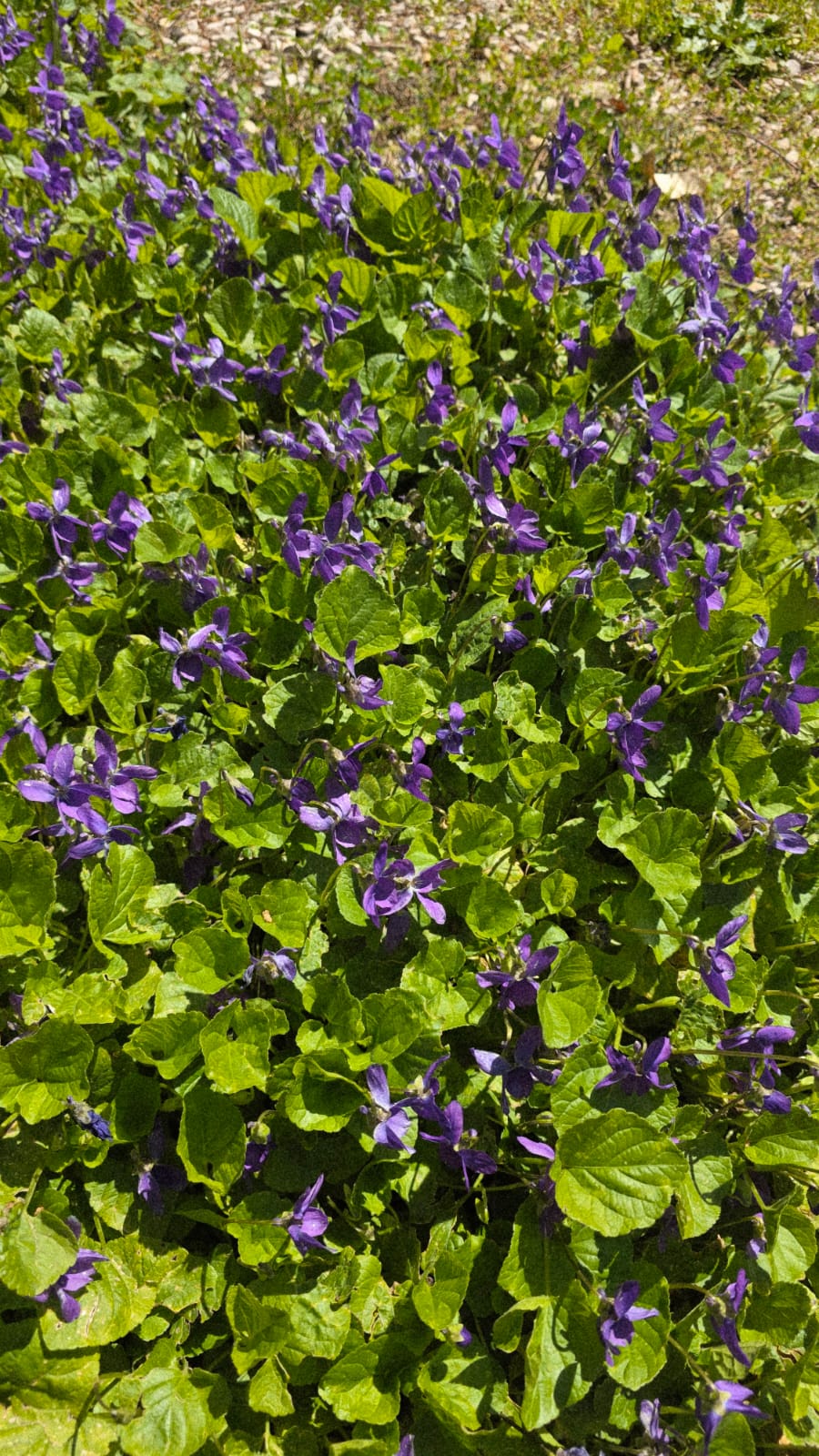
Beyond traditional nature reserves, the conservation of medicinal and aromatic plants is strengthened through a broader network of conservation initiatives. These include Other Effective Area-Based Conservation Measures (OECMs), natural parks, geological parks, and community-led conservation initiatives. Together, these efforts help create a connected ecological network that safeguards valuable plant species and strengthens ecosystem resilience.
Protecting medicinal and aromatic plants is increasingly urgent in the face of growing global pressures, including habitat loss, overharvesting, illegal trade, and climate change. Today, more than 20 percent of plant species used for medicinal and aromatic purposes are considered threatened with extinction, according to the IUCN Red List. Ensuring sustainable harvesting practices and equitable benefit-sharing with local communities is therefore essential for the long-term survival of these species.
SPNL emphasizes that conserving medicinal and aromatic plants directly contributes to achieving several targets of the Kunming–Montreal Global Biodiversity Framework, including the sustainable use of wild species, ecosystem restoration, and the recognition of the vital role of Indigenous peoples and local communities in conservation.
These efforts also contribute to advancing the global 30×30 target, which calls for protecting at least 30 percent of the planet’s land and oceans by 2030, ensuring that biodiversity thrives for present and future generations.
World Wildlife Day was proclaimed by the United Nations General Assembly in 2013 to be observed annually on 3 March, marking the anniversary of the signing of the Convention on International Trade in Endangered Species of Wild Fauna and Flora (CITES) in 1973. The day has since become a global platform to celebrate wildlife and raise awareness about the urgent need to protect biodiversity.
On this occasion, the Society for the Protection of Nature in Lebanon calls for strengthened efforts to conserve medicinal and aromatic plants, promote scientific research, support community-based conservation, and encourage sustainable harvesting practices that protect nature while sustaining local livelihoods.
By safeguarding these plants today, we preserve not only biodiversity, but also health, heritage, and the livelihoods of future generations.