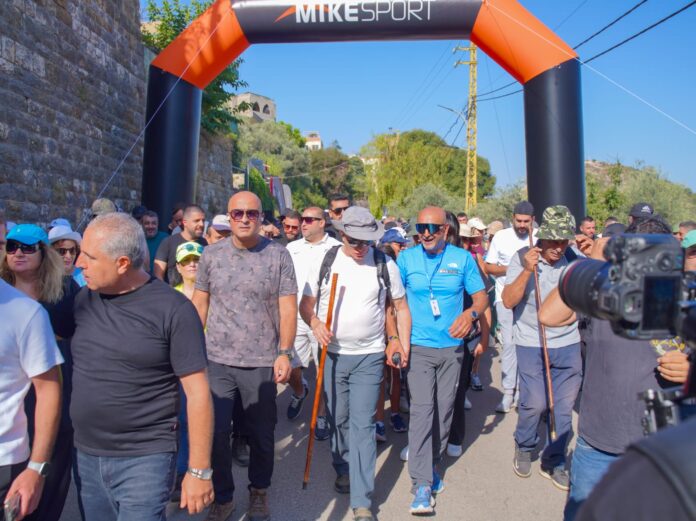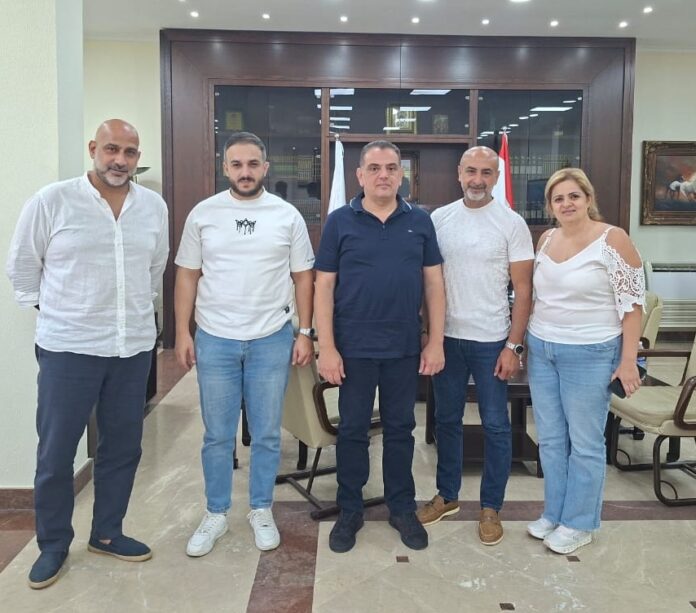



On March 10, Lebanon marks its National Protected Areas Day, a moment to recognize the ecological importance of the country’s protected landscapes. From mountain forests to wetlands and coastal ecosystems, these spaces form the environmental backbone of Lebanon, sustaining biodiversity, supporting local livelihoods, and preserving natural heritage for future generations.
This year, the occasion takes on a special meaning. While the difficult circumstances facing Lebanon have prevented the usual celebrations across the country’s eighteen protected areas, the commitment to protecting nature remains stronger than ever. It is within this context that a new initiative emerges: the Earthbound 30×30 Podcast Studio, a collaborative platform dedicated to environmental storytelling and the voices of conservation.
The initiative is launched through a partnership between Ghadi Association and Society for the Protection of Nature in Lebanon, building on decades of work promoting the Hima conservation approach, a community-based model that has become one of the most inspiring examples of nature stewardship in the region.
Through this collaboration, the new podcast studio aims to create a space where environmental knowledge, stories, and solutions can reach wider audiences. The Earthbound 30×30 Podcast will bring together conservationists, scientists, journalists, policymakers, and community leaders to discuss the future of biodiversity protection and sustainable development.
The project is supported by a broader network of conservation partners, including BirdLife International, International Union for Conservation of Nature, and UNESCO, alongside the environmental media platform Ghadi News and the global Homat Al Hima International movement.
At the heart of the initiative lies the “30×30” global conservation vision, which calls for protecting 30 percent of the Earth’s land and oceans by 2030. The podcast will explore how this global goal connects with local conservation experiences in Lebanon and across the Middle East, highlighting how communities, protected areas, and grassroots initiatives contribute to safeguarding nature.
The timing of the launch resonates deeply with the spirit of Lebanon’s National Protected Areas Day. As emphasized by the Shouf Biosphere Reserve, these protected spaces play a crucial role in sustaining clean air and water, preserving biodiversity, and strengthening the resilience of communities. Forest ecosystems also help mitigate climate change by absorbing carbon and maintaining ecological balance.
In this sense, the Earthbound 30×30 Podcast Studio represents more than a media initiative. It is a platform designed to amplify the voices of those who protect nature, share stories from Lebanon’s landscapes, and inspire collective action toward a more sustainable future.
Through compelling conversations and stories from the field, the podcast will showcase how environmental protection is not only about conservation policies, but also about people, communities, and the cultural values that shape our relationship with nature.
As Lebanon navigates a period of profound challenges, initiatives that highlight resilience, collaboration, and environmental stewardship carry particular importance. By connecting local conservation efforts with global environmental dialogues, the Earthbound 30×30 Podcast hopes to inspire a new generation of environmental leadership.
The microphones are almost ready. Soon, the stories of Lebanon’s landscapes, guardians, and ecosystems will reach audiences far beyond the country’s borders.
Because protecting nature today is an investment in tomorrow.