


Launch of the “Diman Call” to Support Community-Led Nature Conservation Initiatives and Sustainable Development in the Mashreq Region
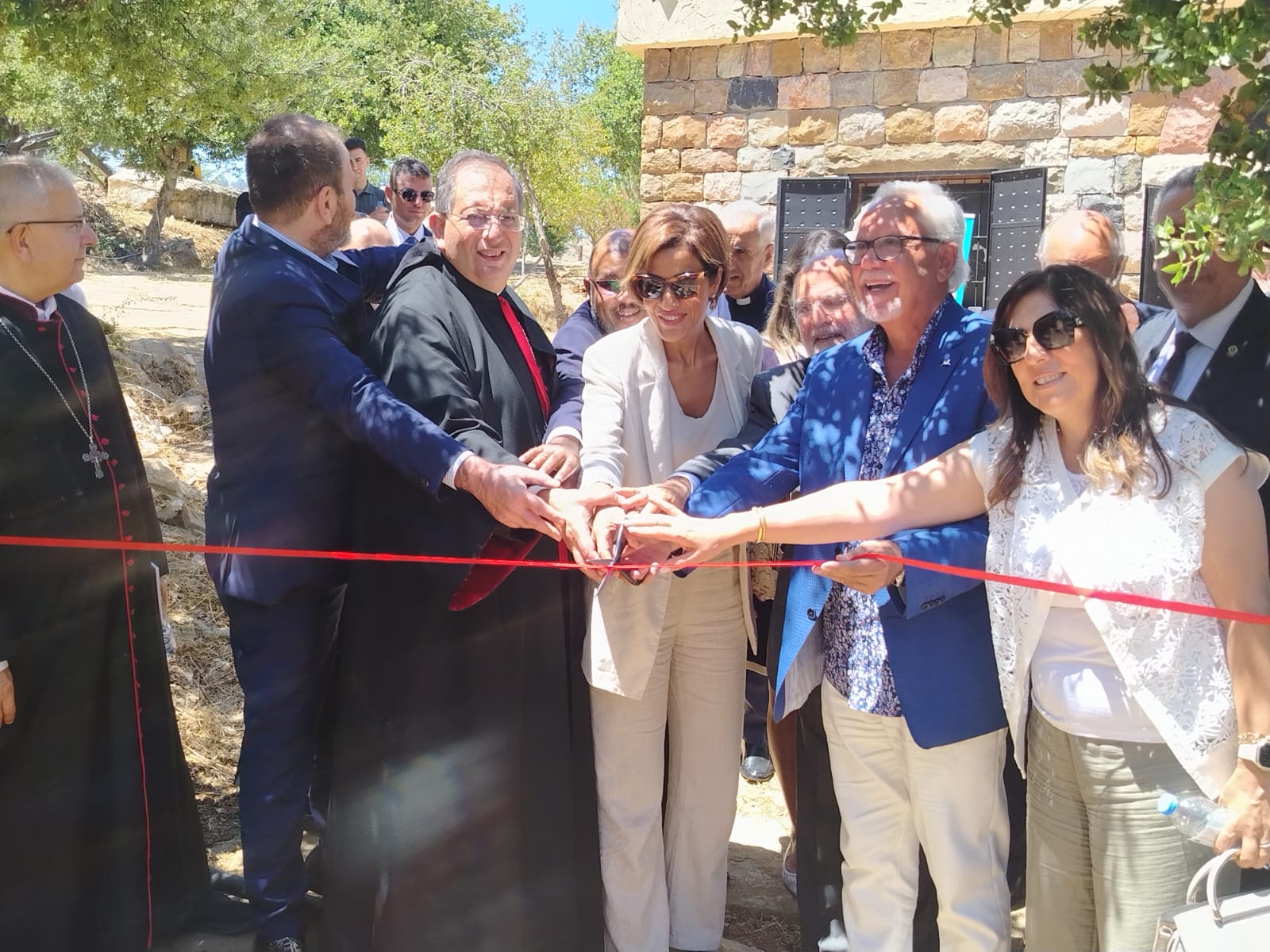
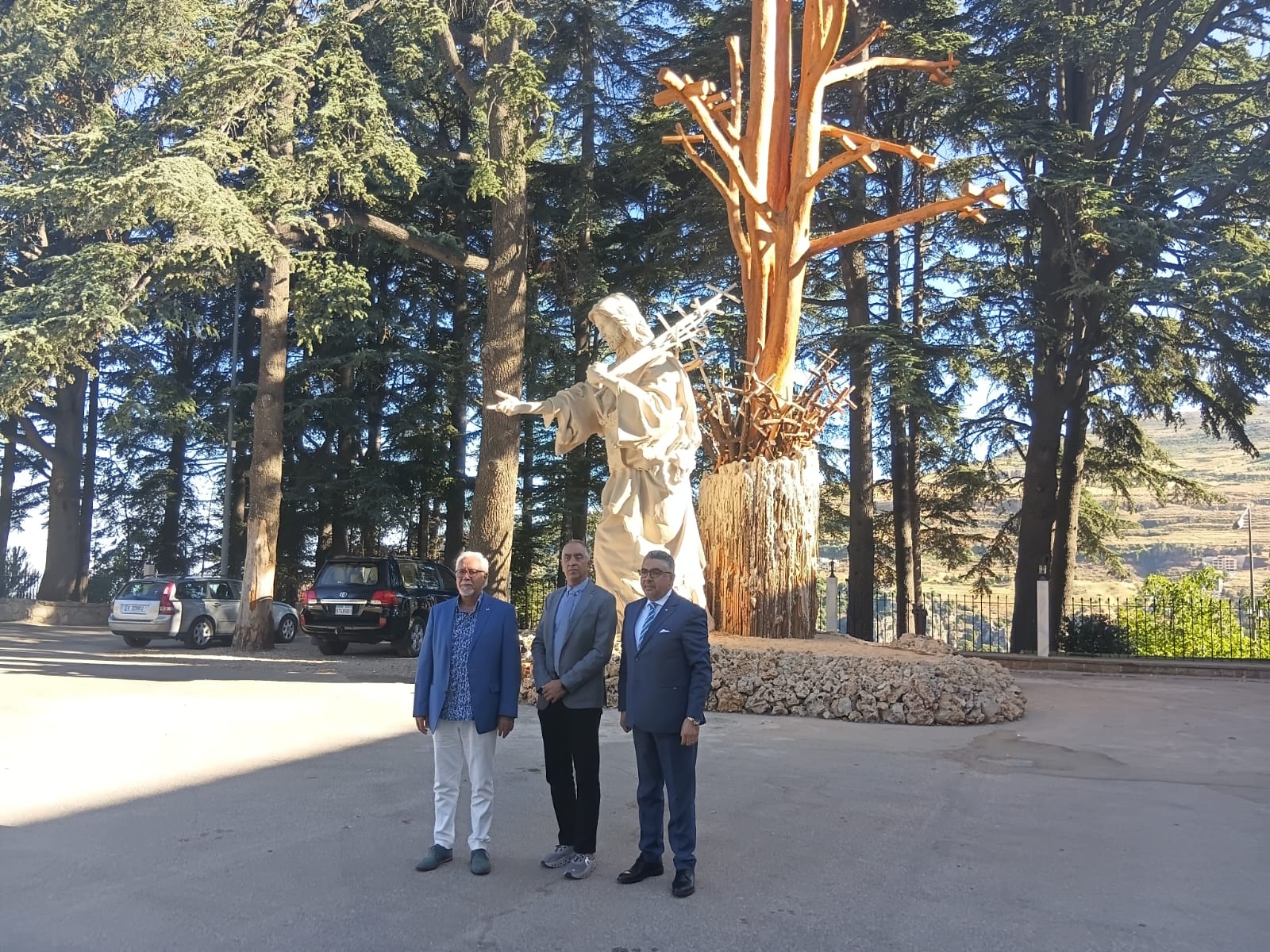
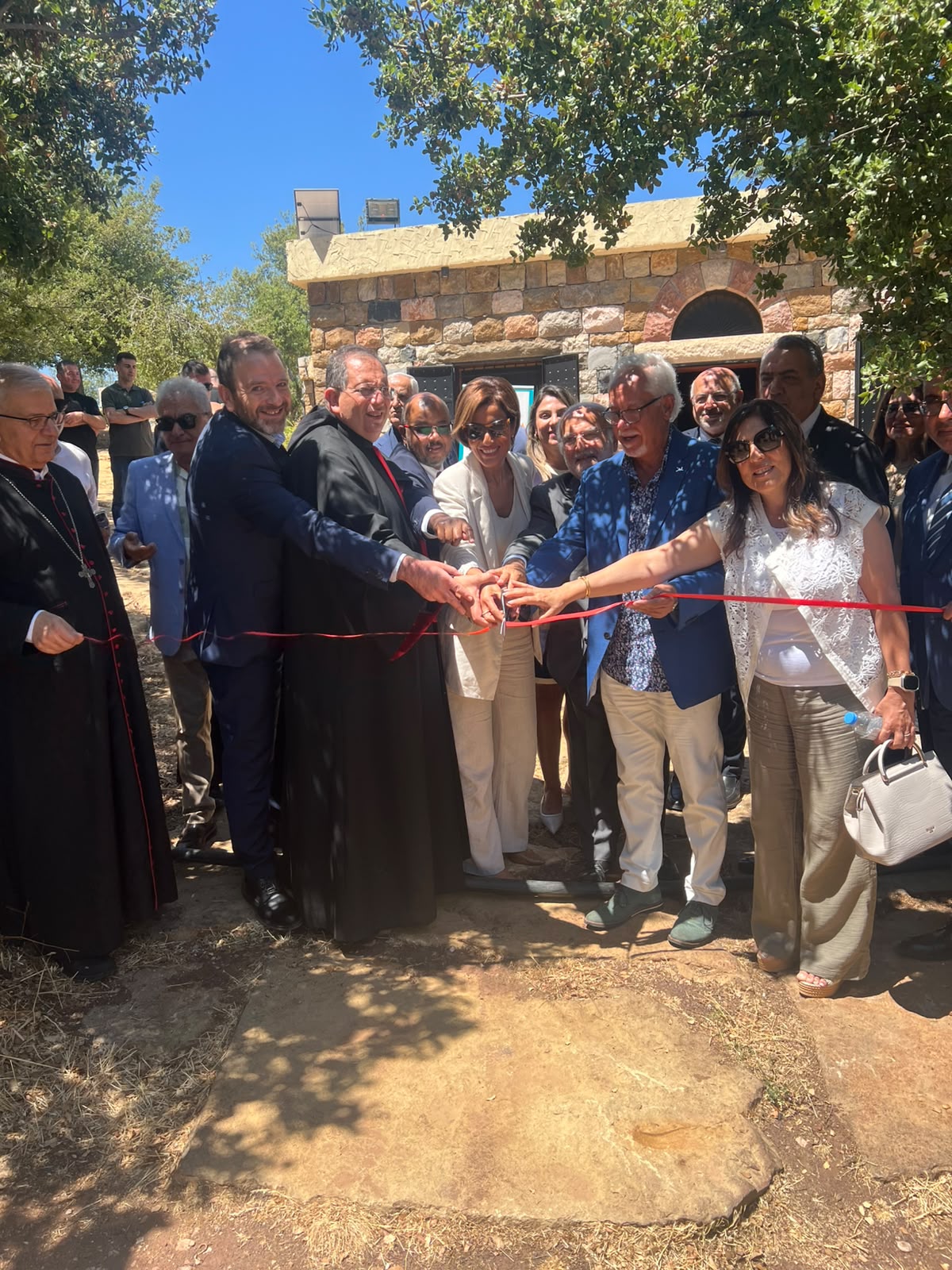
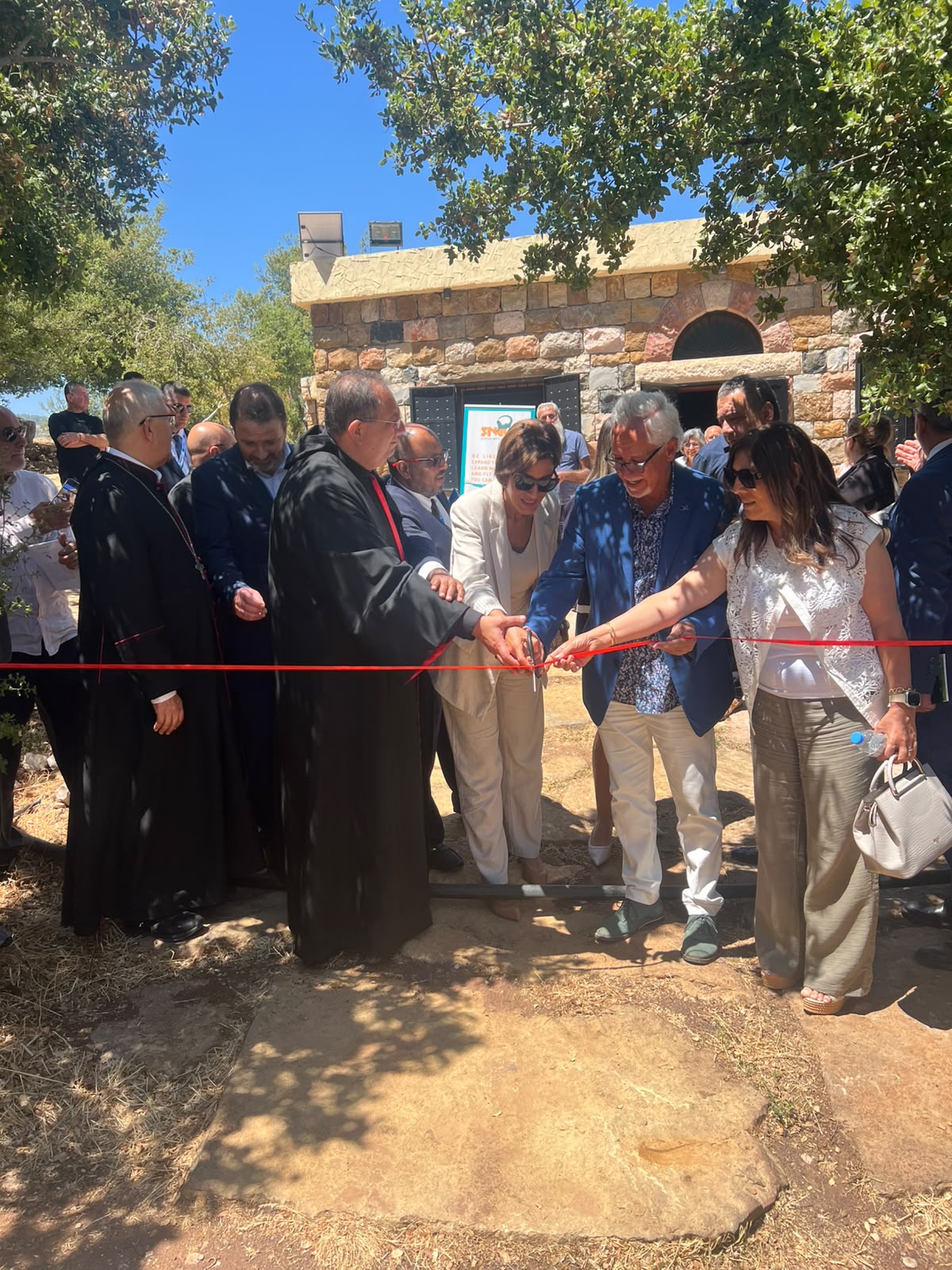
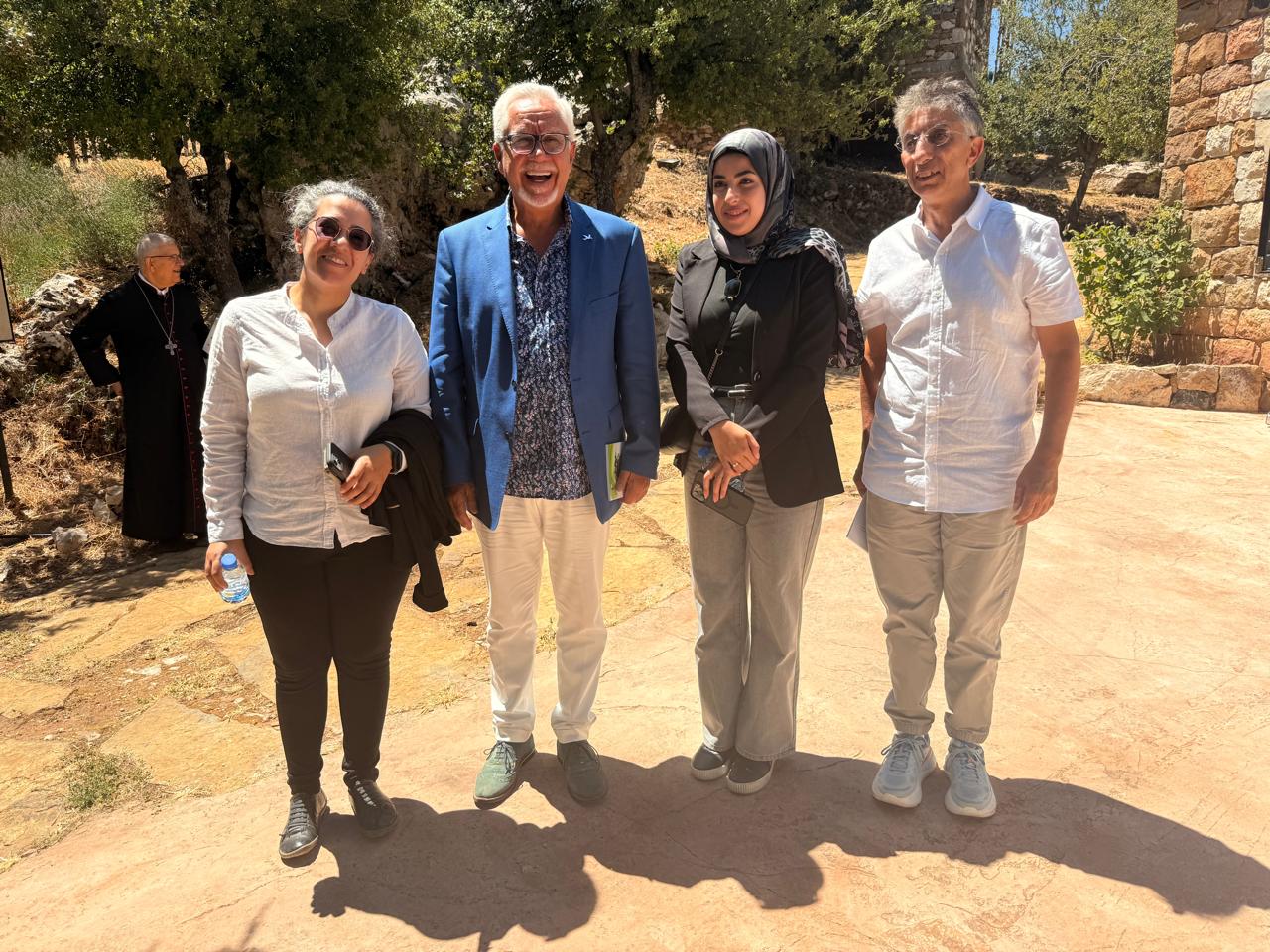
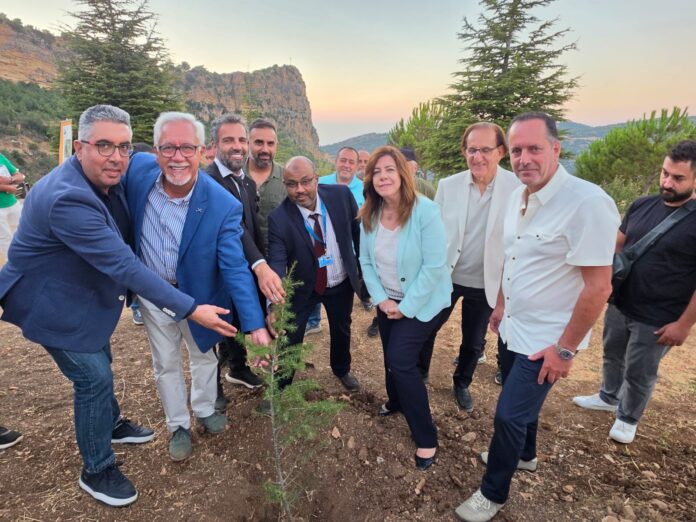
The “Patriarchs’ Garden – Diman” was officially declared a Hima during a ceremony held on Thursday morning, 6 August 2026, at the Patriarchs’ Garden in Diman, within the UNESCO World Heritage-listed Qadisha Valley.
The declaration represents an important step towards protecting the valley’s natural, cultural and spiritual heritage, strengthening the role of local communities in managing natural resources, conserving biodiversity and advancing sustainable development.
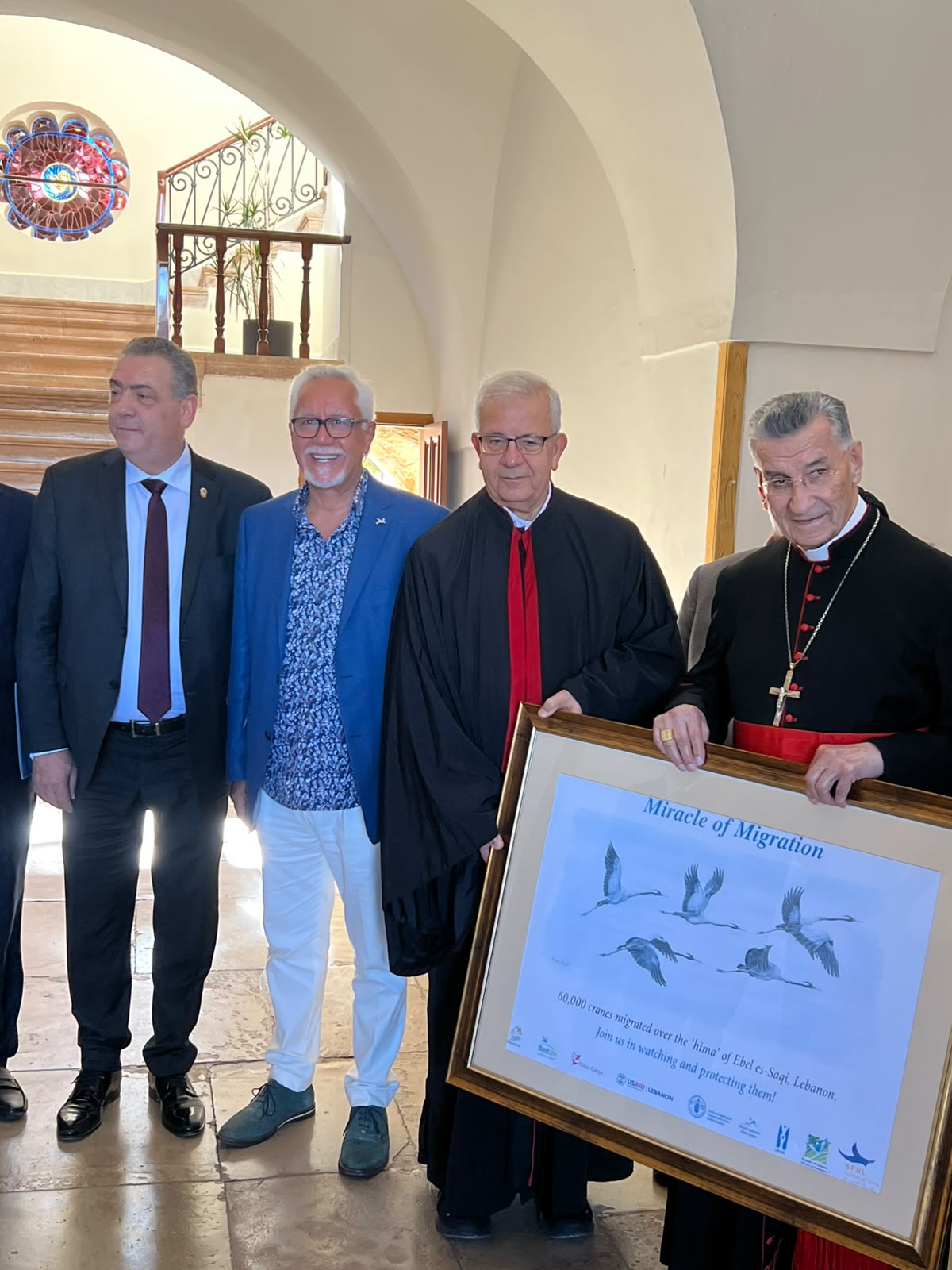
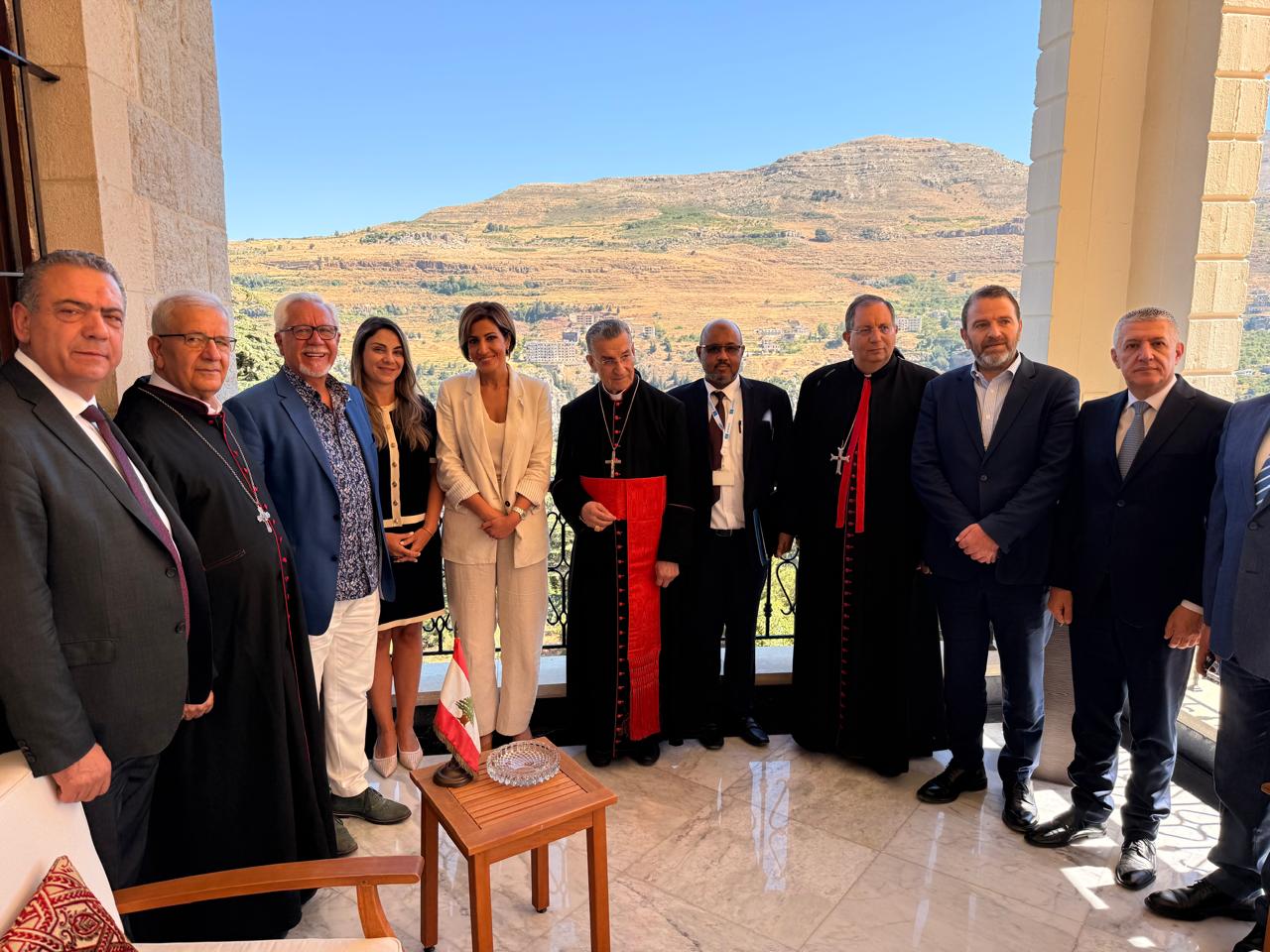
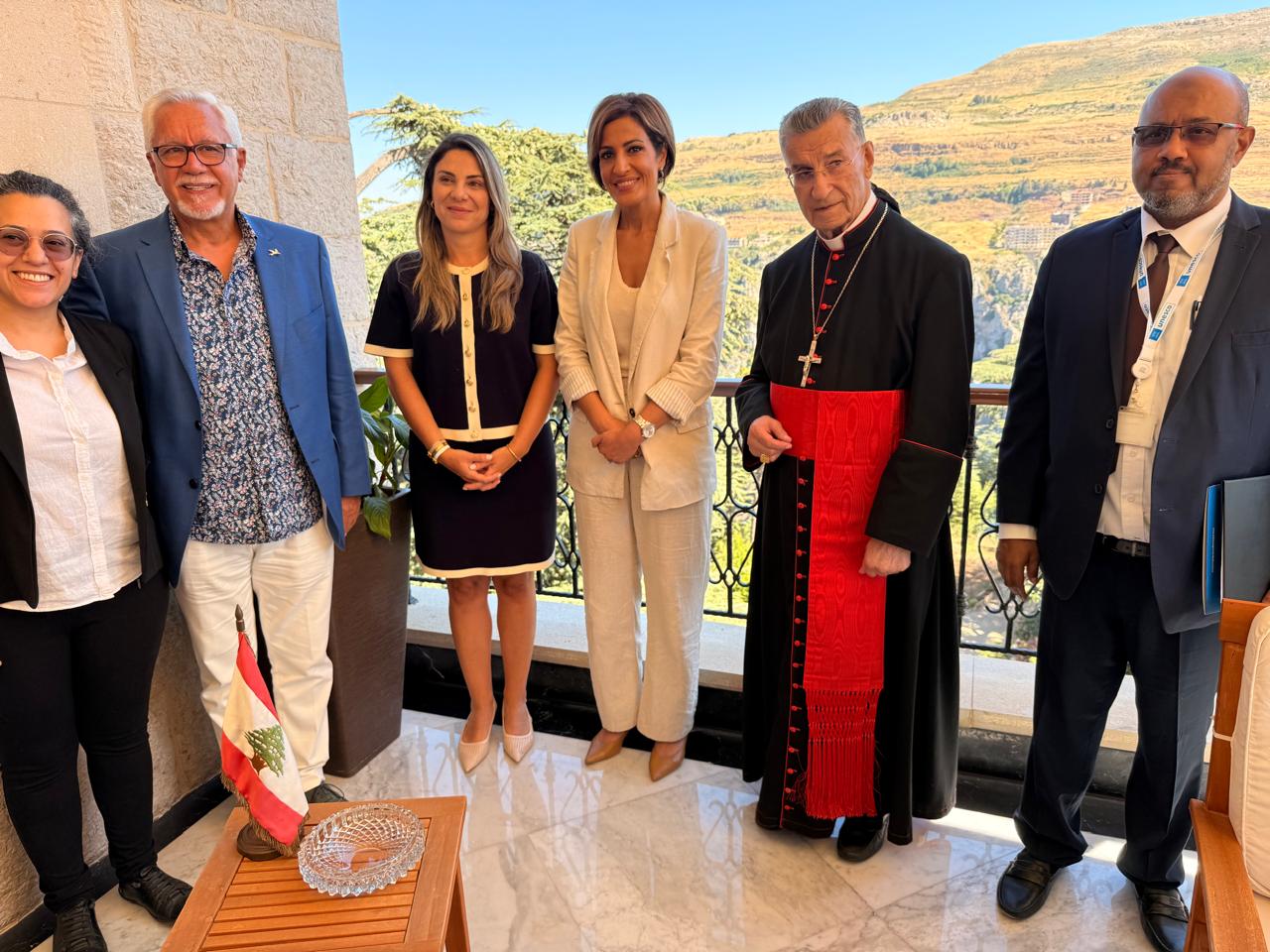
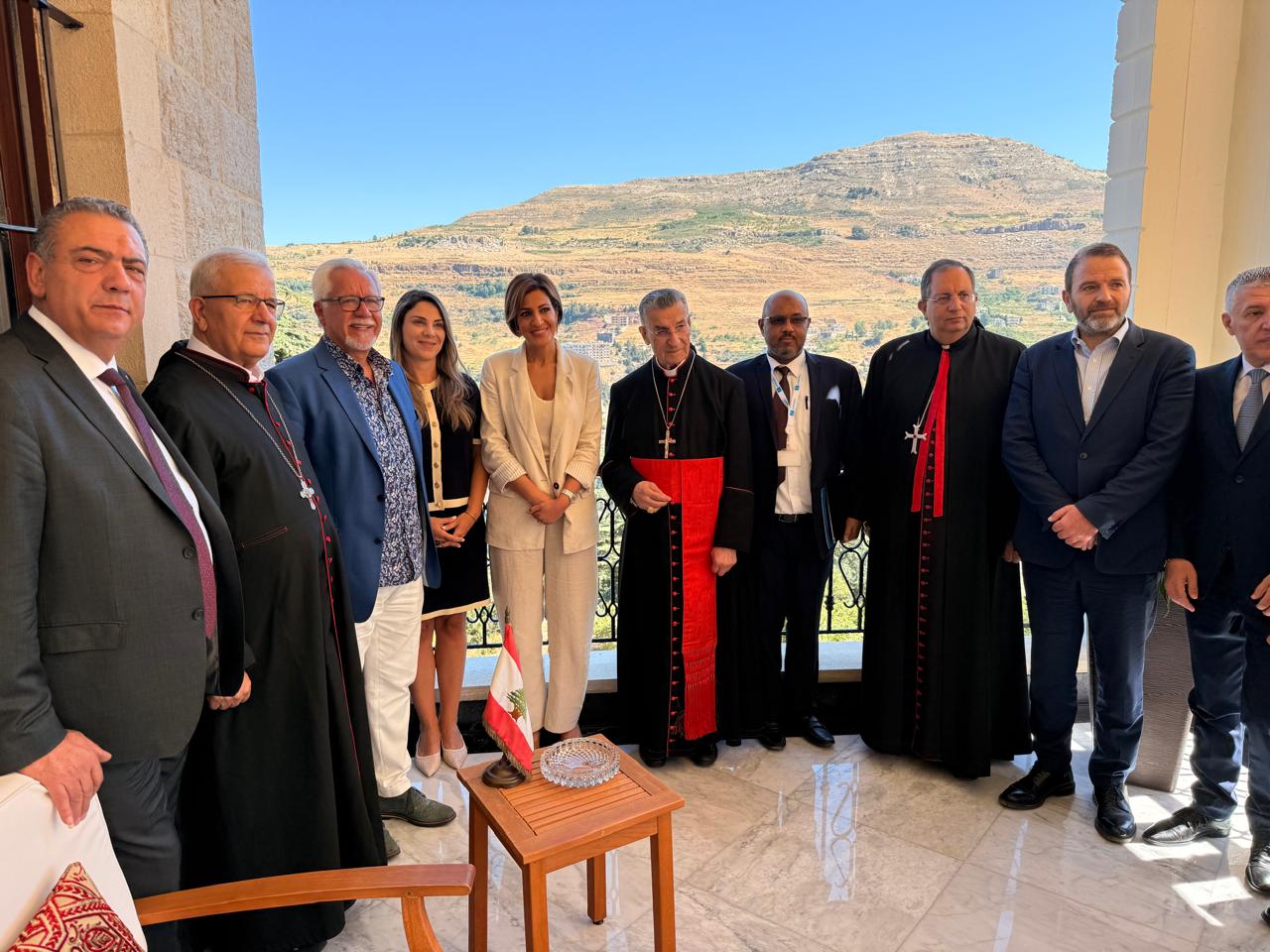
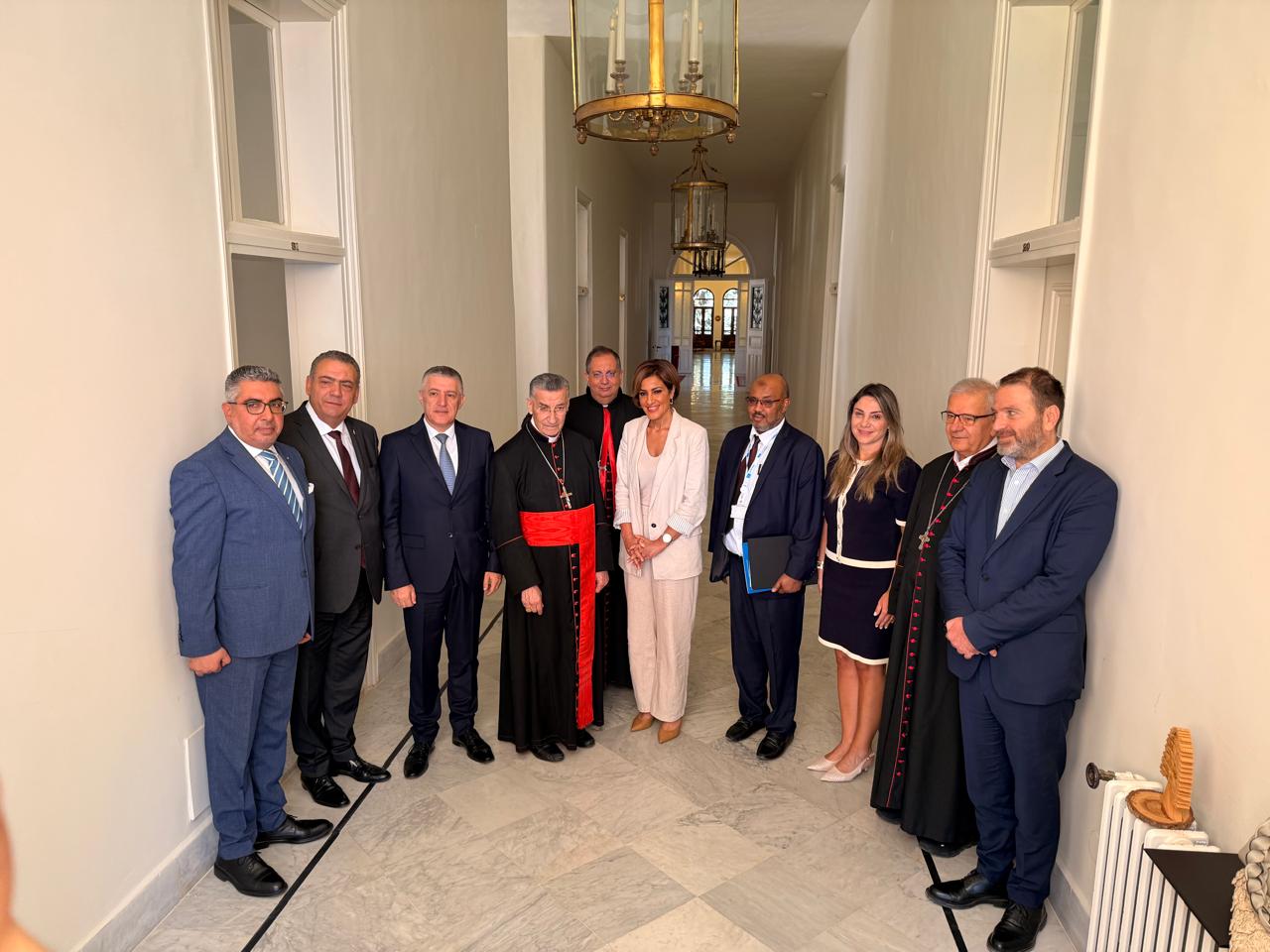
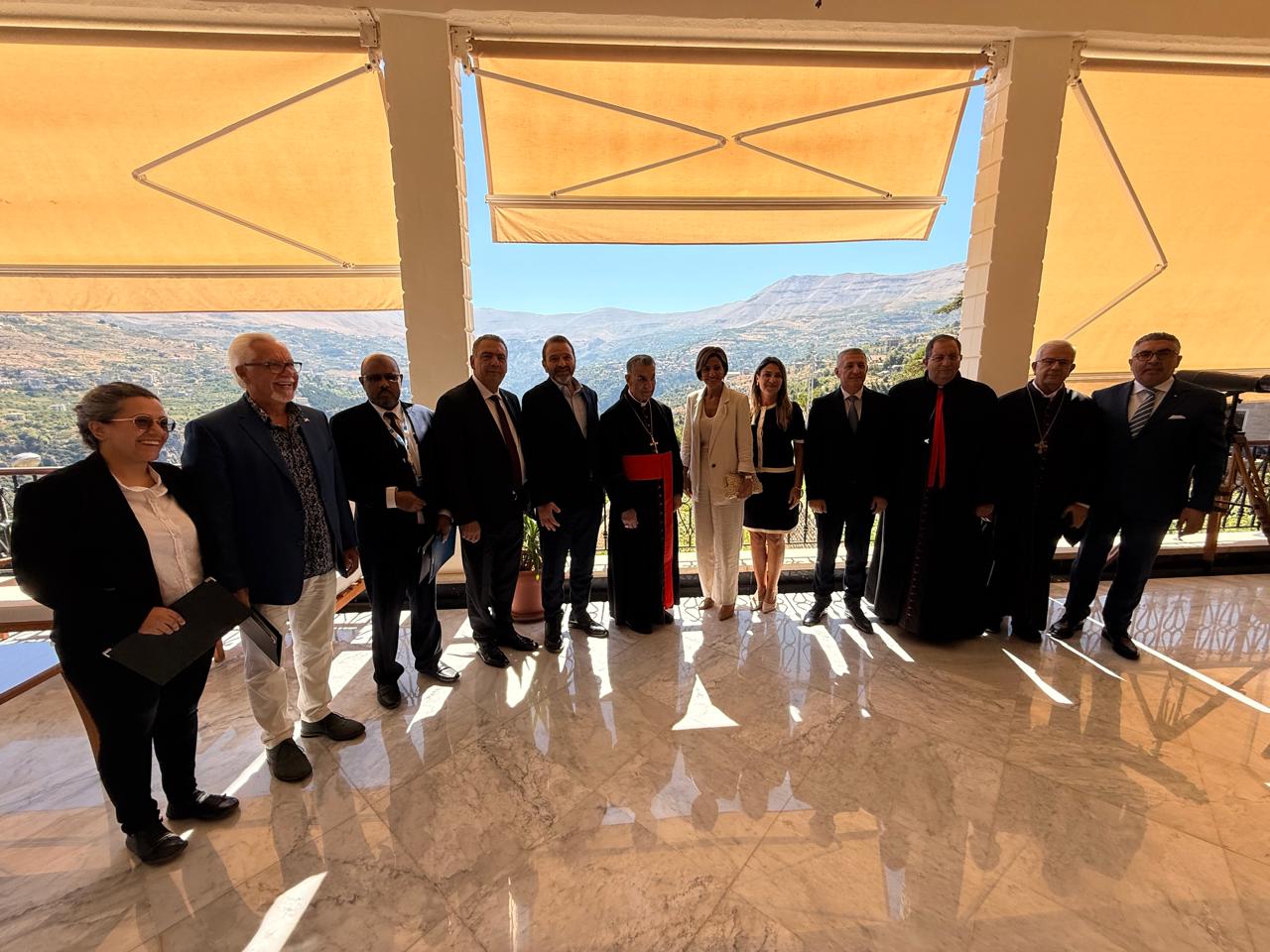
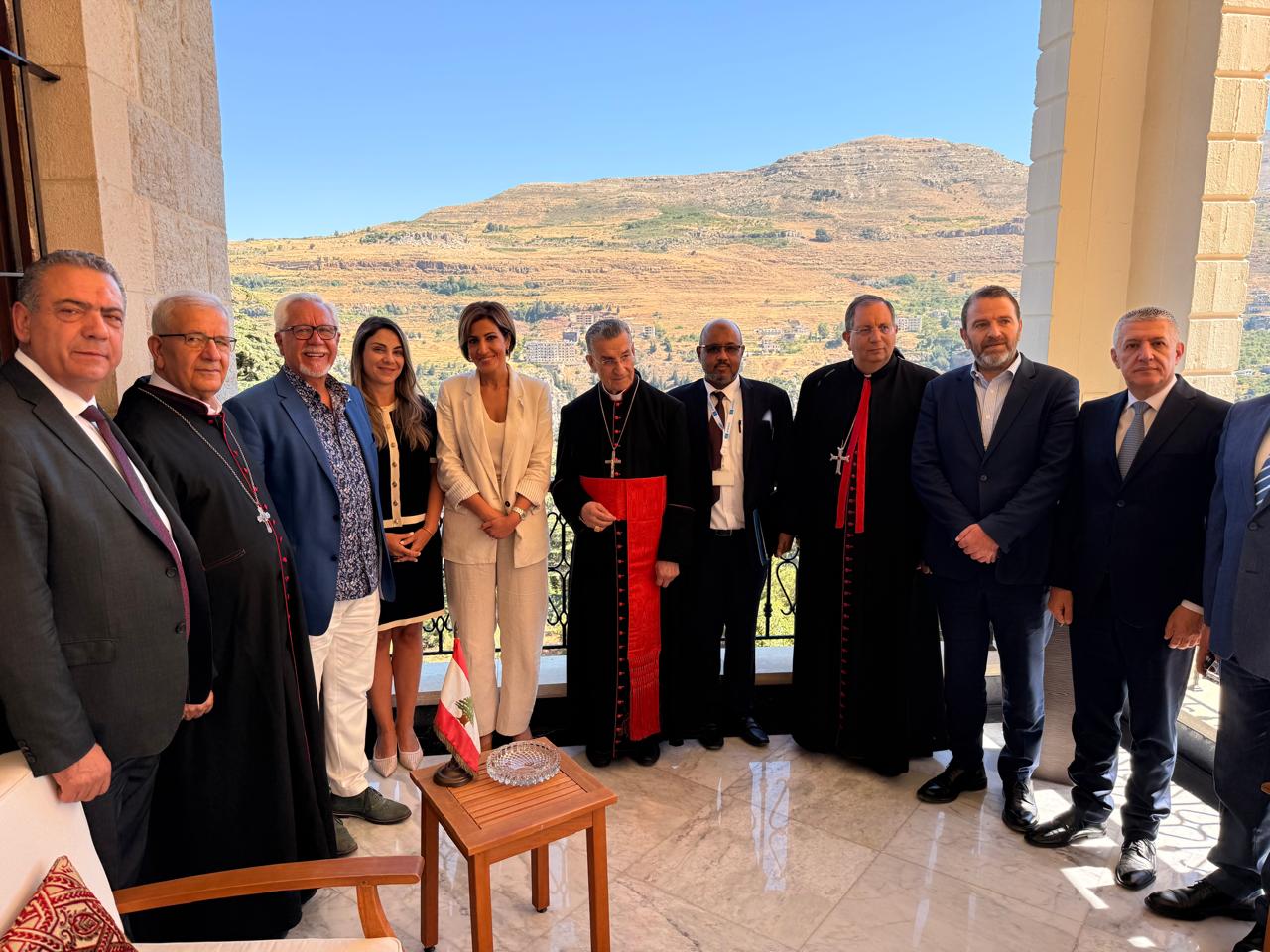
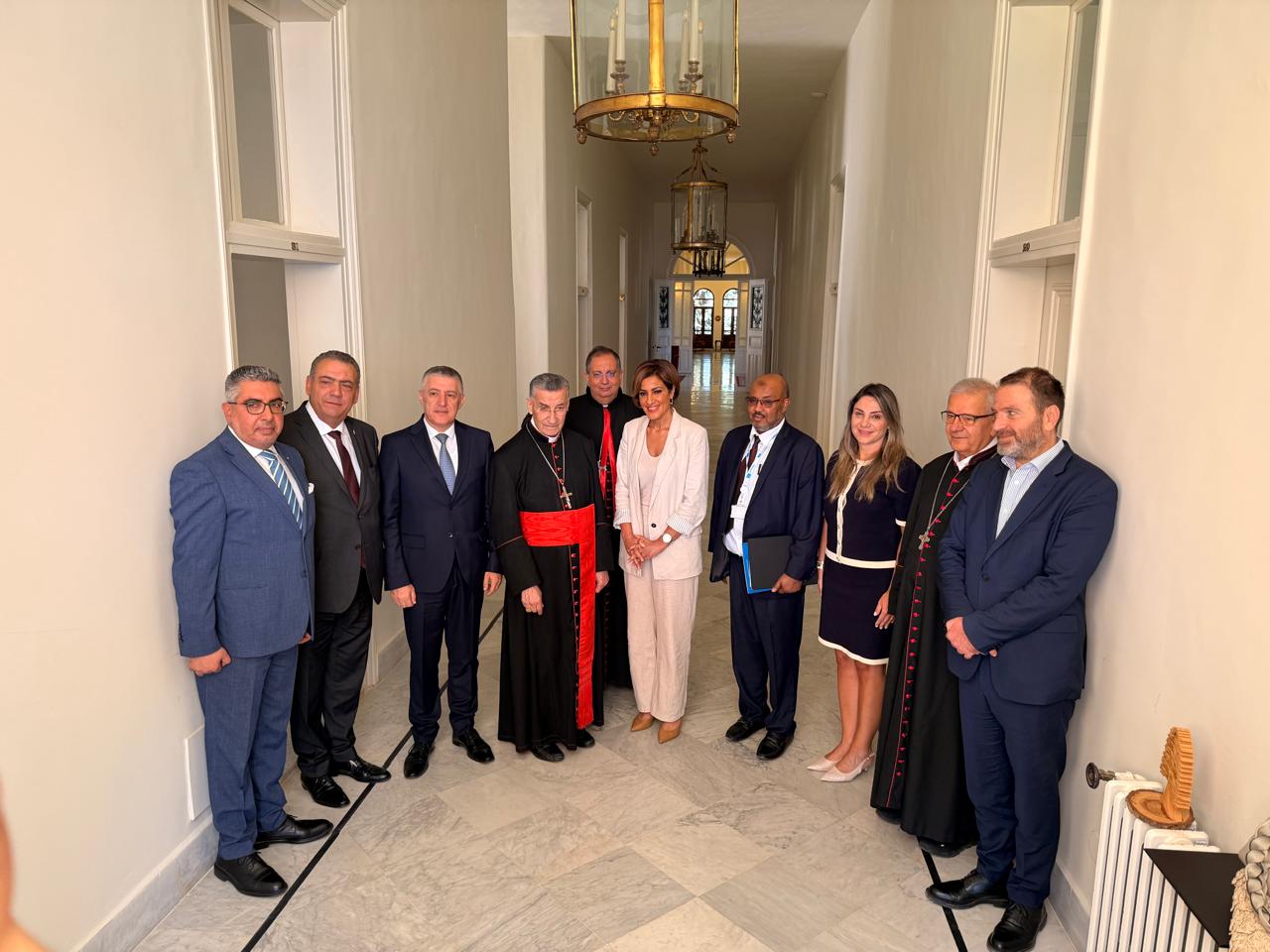
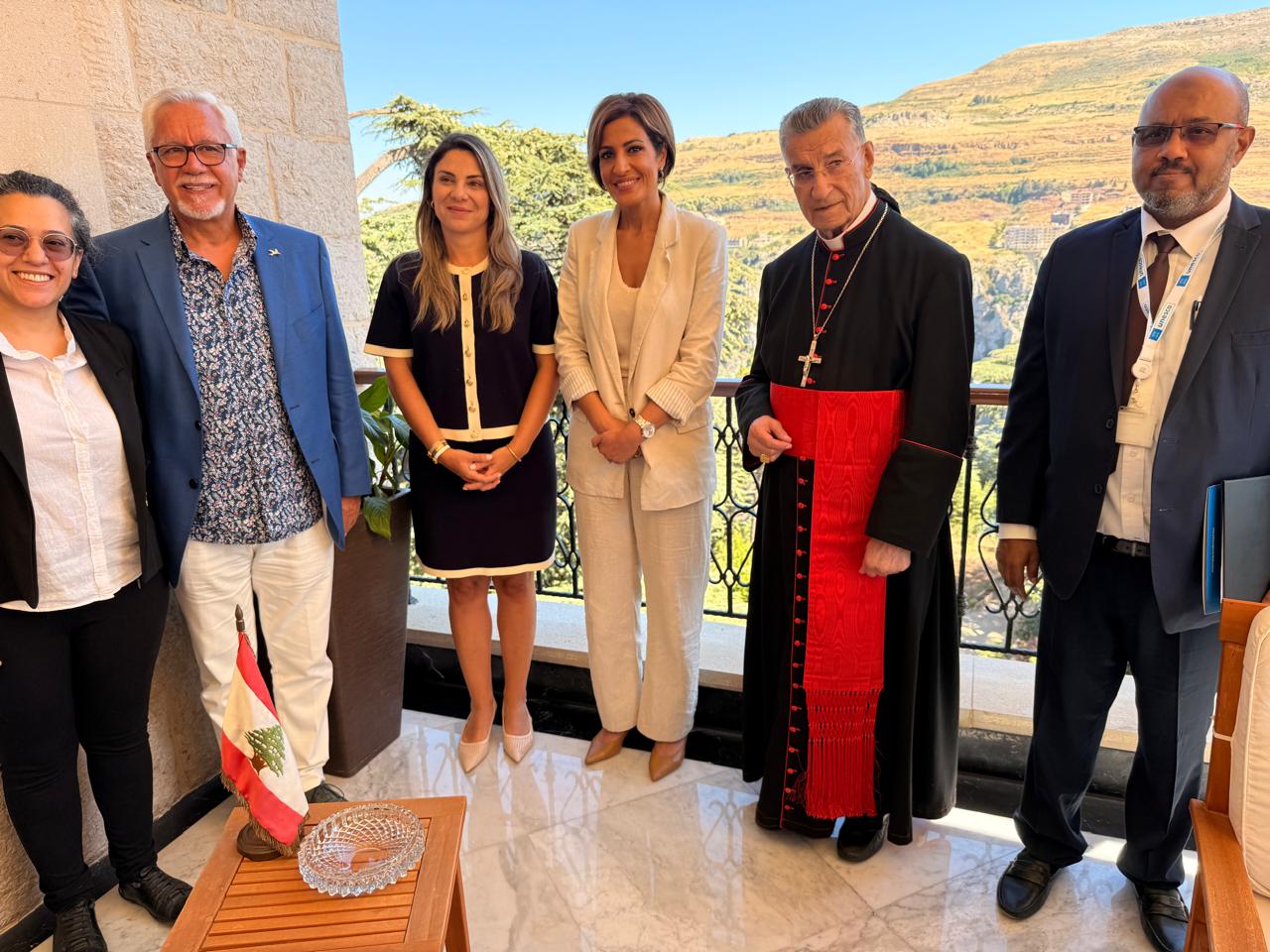
The ceremony was held under the patronage of Minister of Environment Dr Tamara El Zein, with the participation of Bishop Joseph Naffah, Patriarchal Vicar for the regions of Jebbeh and Zgharta–Ehden, representing His Beatitude Maronite Patriarch Cardinal Mar Bechara Boutros Al-Rahi.
Also attending were Dr Nizar Hassan, Senior Adviser for Science and Technology for the Arab States and Head of the Natural Sciences Section at UNESCO’s Regional Office, and Assaad Serhal, Director General of the Society for the Protection of Nature in Lebanon (SPNL) and BirdLife International Global Council Member for the Middle East.
The ceremony was attended by MP George Atallah; MP William Tawk; Bsharri District Commissioner Ruba Al Shafshaq; Elie Makhlouf, President of the Union of Municipalities of the Bsharri District; engineer Sonia Al-Abyad, Head of the North Lebanon Agricultural Department; Rania Wardan, Head of the Rural Development Department in North Lebanon; Father Khalil Arab, Head of the Chancery at the Patriarchate in Diman; Father Tony Al-Agha, Patriarchal Administrator in Diman; and Mersal Hanin, Vice-President of the American University of Technology (AUT).
Participants also included Nofal Al-Shidrawi, President of the Qannoubine League for Mission and Heritage; Alexi Fares, President of the Association of Mukhtars of the Bsharri District; Ambassador Antonio Al-Andari; Sophie, Coordinator of the Sustainable Qadisha Project; Antoine Francis, President of Al-Ittihad Al-Dimani Club; Victor Touma, Mukhtar of Wadi Qannoubine; Father Nafez Saib, parish priest of Diman; engineer Jean Mourad, Head of the Bsharri Agricultural Centre; lawyer Tony El-Sayed, official responsible for diaspora affairs at the Qannoubine League; and writer and researcher Sarkis Abu Zeid.
Also present were Fadi Ghanem, Coordinator of the IUCN Members’ Network and President of the G Association; Lion Elias Antonios, District Governor of Lions Clubs International – District 351; George Arab, Director of the Comprehensive Cultural Survey of the Heritage of Wadi Qannoubine, the Holy Valley; Osama Al-Nouri, representative of BirdLife International’s Middle East Office; and Dr Hanadi Al-Sadat, Chairperson of the Board of the Syrian Society for the Protection of Life.
Michelle Jalkh, National Programme Officer for Water and Sanitation at the Cooperation Office of the Embassy of Switzerland in Lebanon, also participated in the ceremony.
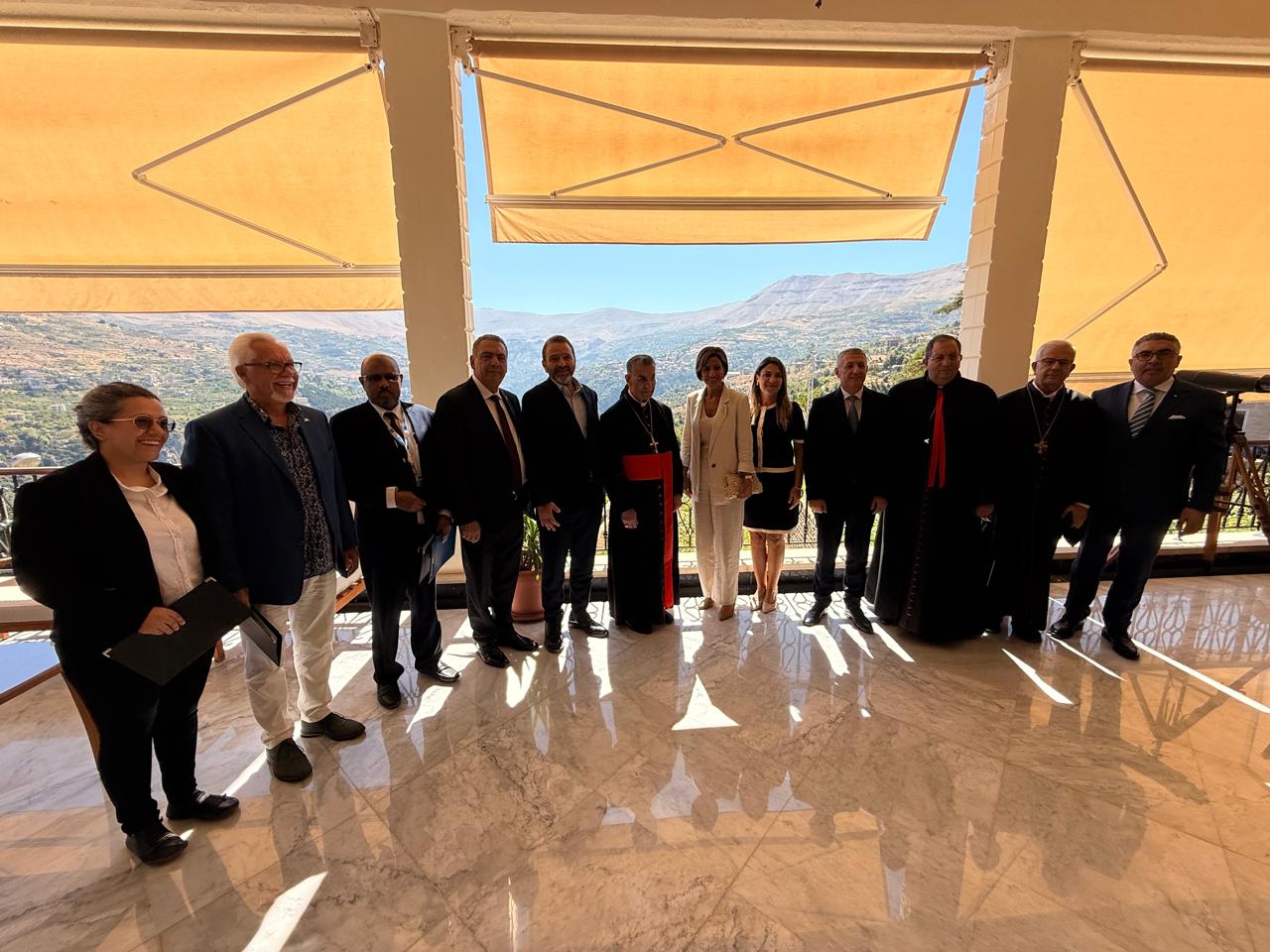
The event further brought together representatives of municipalities, local communities, religious and educational institutions, research bodies, environmental organisations, civil society organisations, landowners, young people, women, government institutions and conservation and sustainable development partners.
Official Declaration of the Hima
The ceremony began with the registration and reception of participants and guests, followed by the Lebanese national anthem.
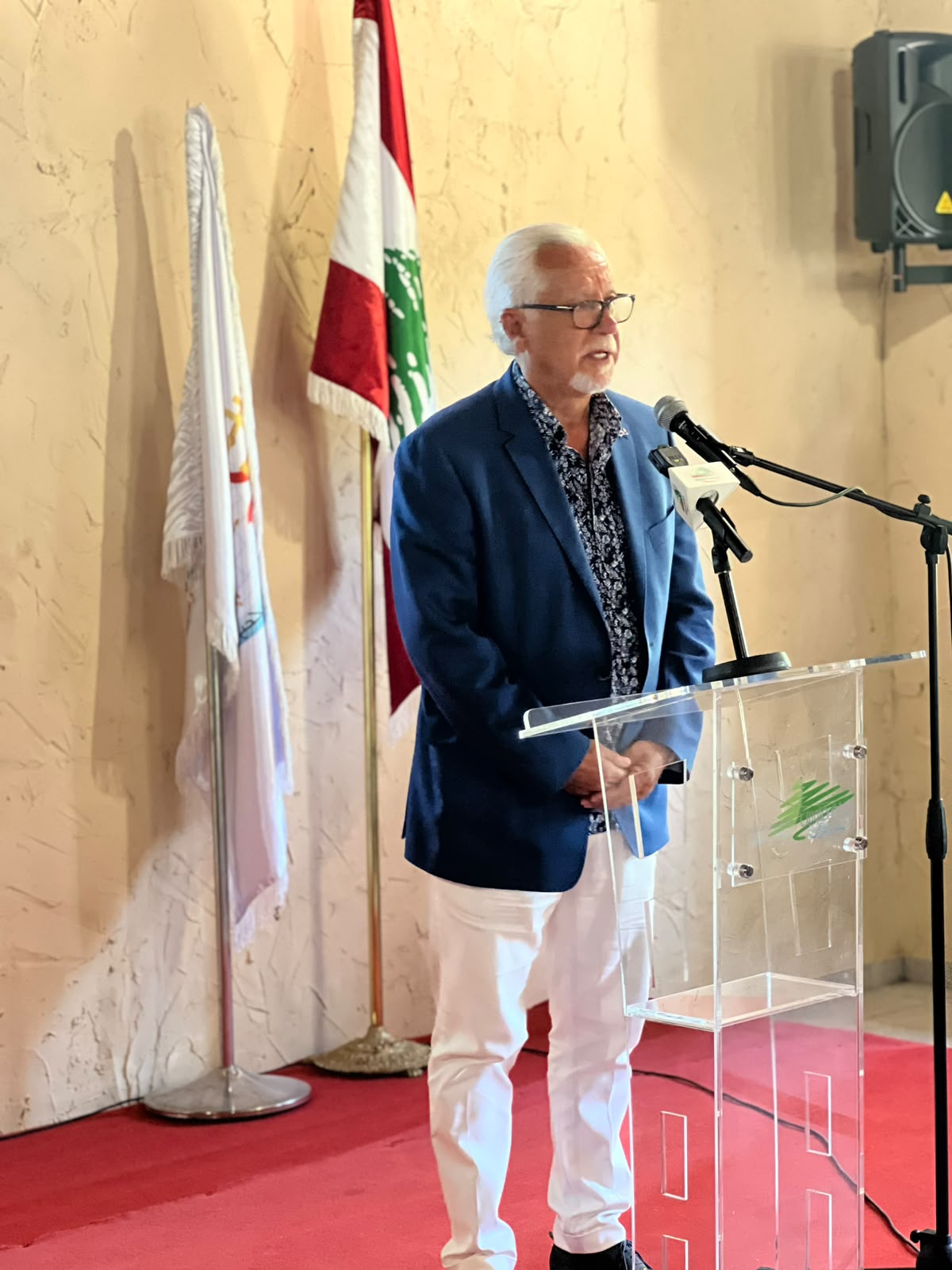
Nofal Al-Shidrawi, President of the Qannoubine League for Mission and Heritage, delivered the opening address. He discussed the importance of the Patriarchs’ Garden in preserving the spiritual, cultural and historical memory of the Holy Valley, as well as the League’s role in protecting, promoting and raising awareness of this heritage at the national and international levels.
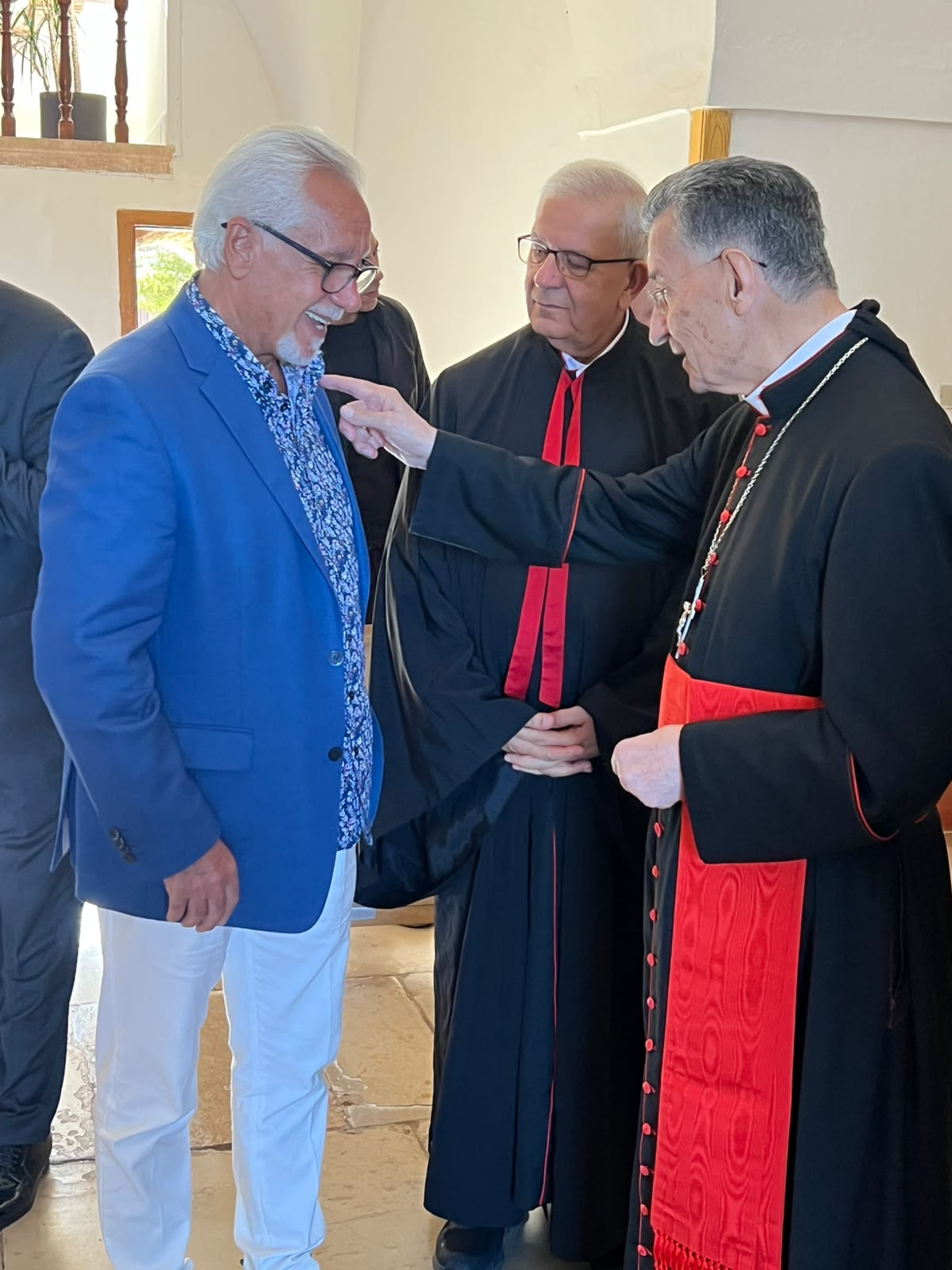
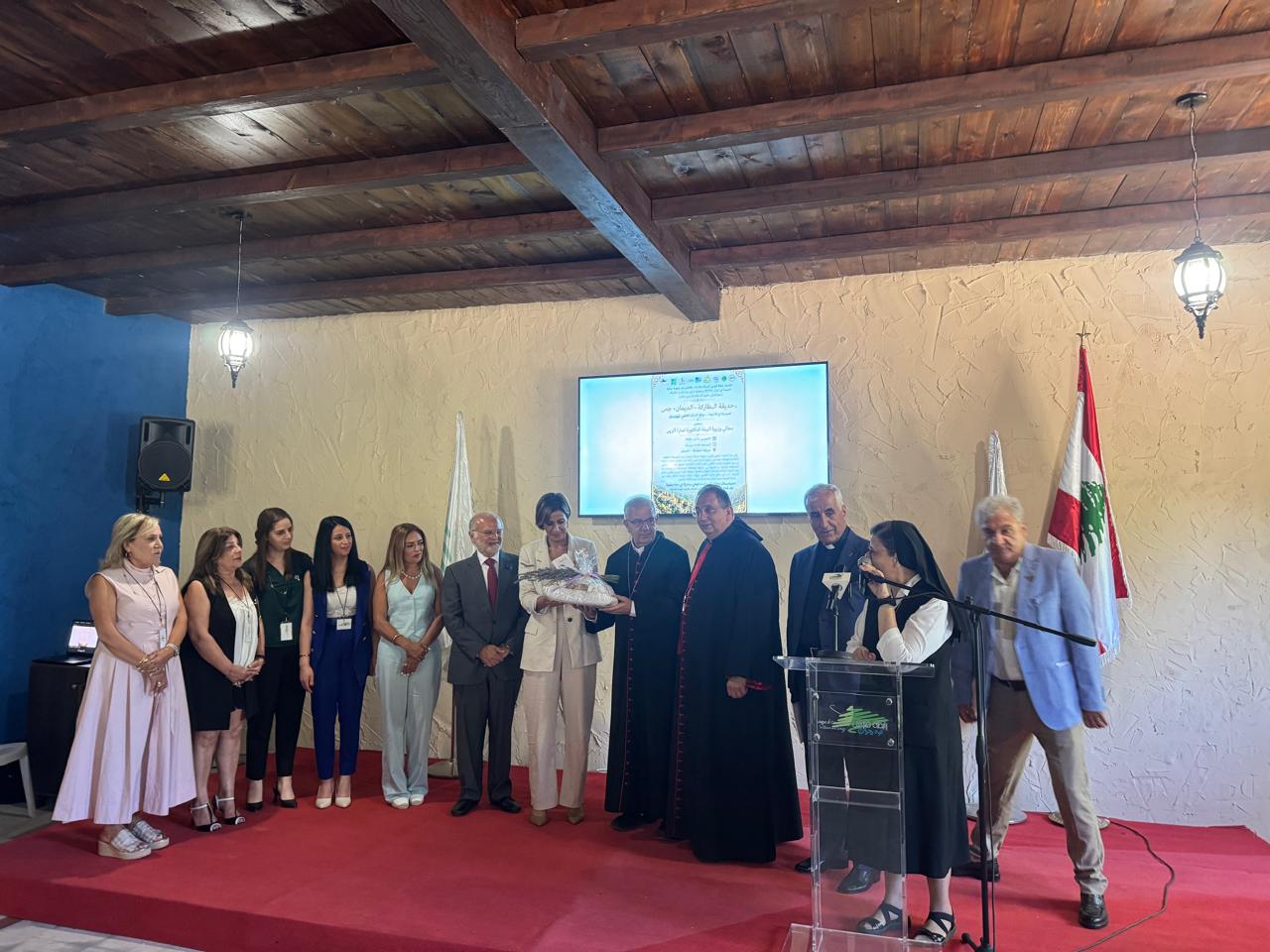
Bishop Joseph Naffah, Patriarchal Vicar for the regions of Jebbeh and Zgharta–Ehden and supervisor of the Qannoubine League for Mission and Heritage, then delivered an address on behalf of His Beatitude Maronite Patriarch Cardinal Mar Bechara Boutros Al-Rahi.
The address included the official declaration of the “Patriarchs’ Garden – Diman” as a Hima, reinforcing its status as a place of exceptional natural, cultural and spiritual value within the Qadisha Valley.
The declaration is particularly significant because of the Garden’s location within the UNESCO World Heritage-listed Qadisha Valley, which represents a unique intersection of nature, religious heritage, cultural history and community life.
Declaring the Garden a Hima seeks to support the sustainable management of the site, protect its natural resources and biodiversity, and encourage residents, municipalities and local organisations to participate in designing and implementing conservation and sustainable development programmes.
Participation of the Ministry of Environment and UNESCO
Dr Nazar Hassan, Senior Adviser for Science and Technology for the Arab States and Head of the Natural Sciences Section at UNESCO’s Regional Office, delivered an address highlighting the importance of integrating the protection of natural heritage with the preservation of cultural heritage.
He also addressed the need to strengthen the sustainable management of sites of global significance through scientific knowledge, institutional cooperation and the active participation of local communities.
Minister of Environment Dr Tamara El Zein, patron of the ceremony, delivered an address emphasising the importance of local initiatives that bring together nature conservation and sustainable development.
She also highlighted the role of the Hima system in empowering local communities to care for their natural resources, protect them and preserve them for future generations.
The declaration of the “Patriarchs’ Garden – Diman” as a Hima forms part of wider national efforts to protect environmentally sensitive areas, strengthen integration among environmental, cultural and social policies, and engage municipalities and local communities in managing natural and heritage sites through a participatory and sustainable approach.
The Cultural Heritage of Wadi Qannoubine and the Role of Partners
George Arab, Director of the Comprehensive Cultural Survey of the Heritage of Wadi Qannoubine, the Holy Valley, spoke about the importance of documenting the valley’s cultural, historical, spiritual and natural features.
He also highlighted the need to develop a comprehensive knowledge base that supports the preservation, management and promotion of this heritage.
Lion Elias Antonios, District Governor of Lions Clubs International – District 351, delivered an address on the importance of community and institutional partnerships in supporting environmental and cultural initiatives, encouraging volunteerism and serving local communities.
The ceremony included the screening of a short documentary on the concept and historical roots of the Hima, the significance of the Qadisha Valley as a World Heritage site, and the role that the Hima system can play in combining nature conservation, heritage preservation and community participation.
Assaad Serhal, Director General of SPNL and BirdLife International Global Council Member for the Middle East, delivered an address outlining the revival of the Hima system in its modern form in Lebanon and the importance of this model in empowering local communities and strengthening their responsibility for protecting natural resources.
Fadi Ghanem, Coordinator of the IUCN Members’ Network and President of the G Association, also spoke about the importance of cooperation among environmental organisations, municipalities and local bodies. He underlined the need to integrate nature conservation into local development processes and strengthen communities’ capacity to confront the consequences of climate change.
The programme concluded with an open discussion addressing ways to protect the Patriarchs’ Garden and the Qadisha Valley, mechanisms for managing Hima sites, and the respective roles of municipalities, local communities, government authorities, religious and academic institutions, and environmental organisations in ensuring the initiative’s success and sustainability.
Presentation of the “Diman Call” to Patriarch Al-Rahi
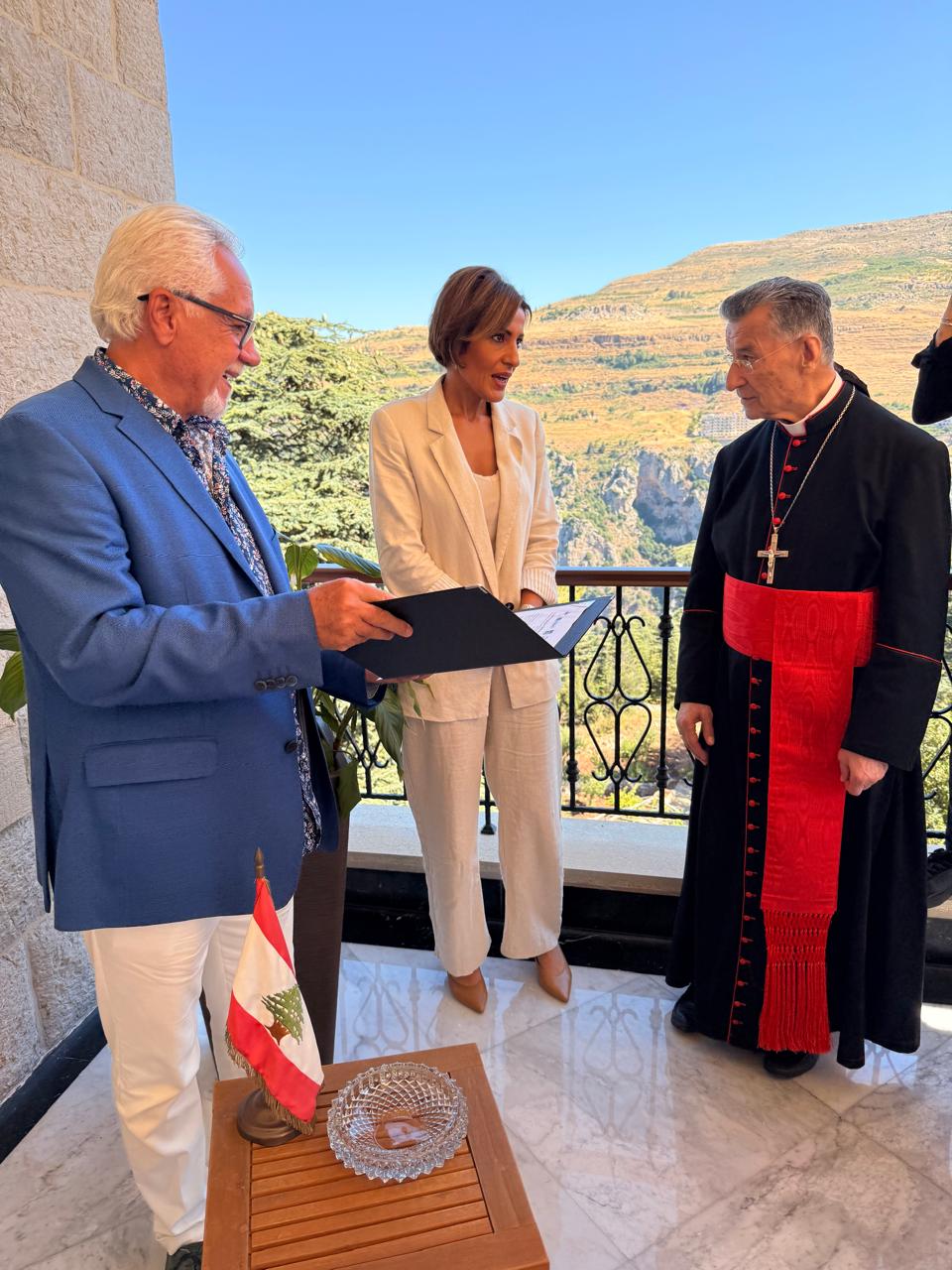
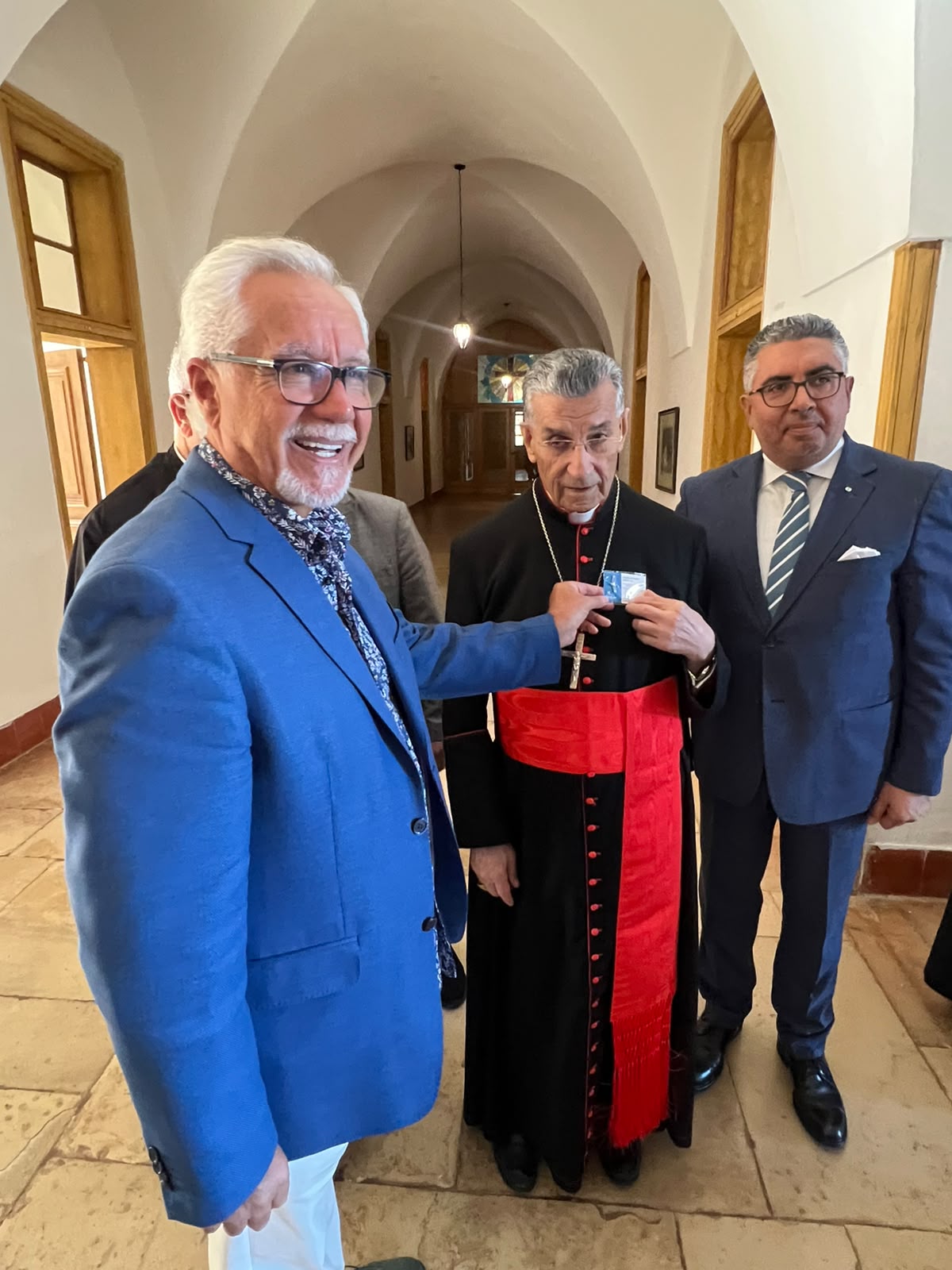
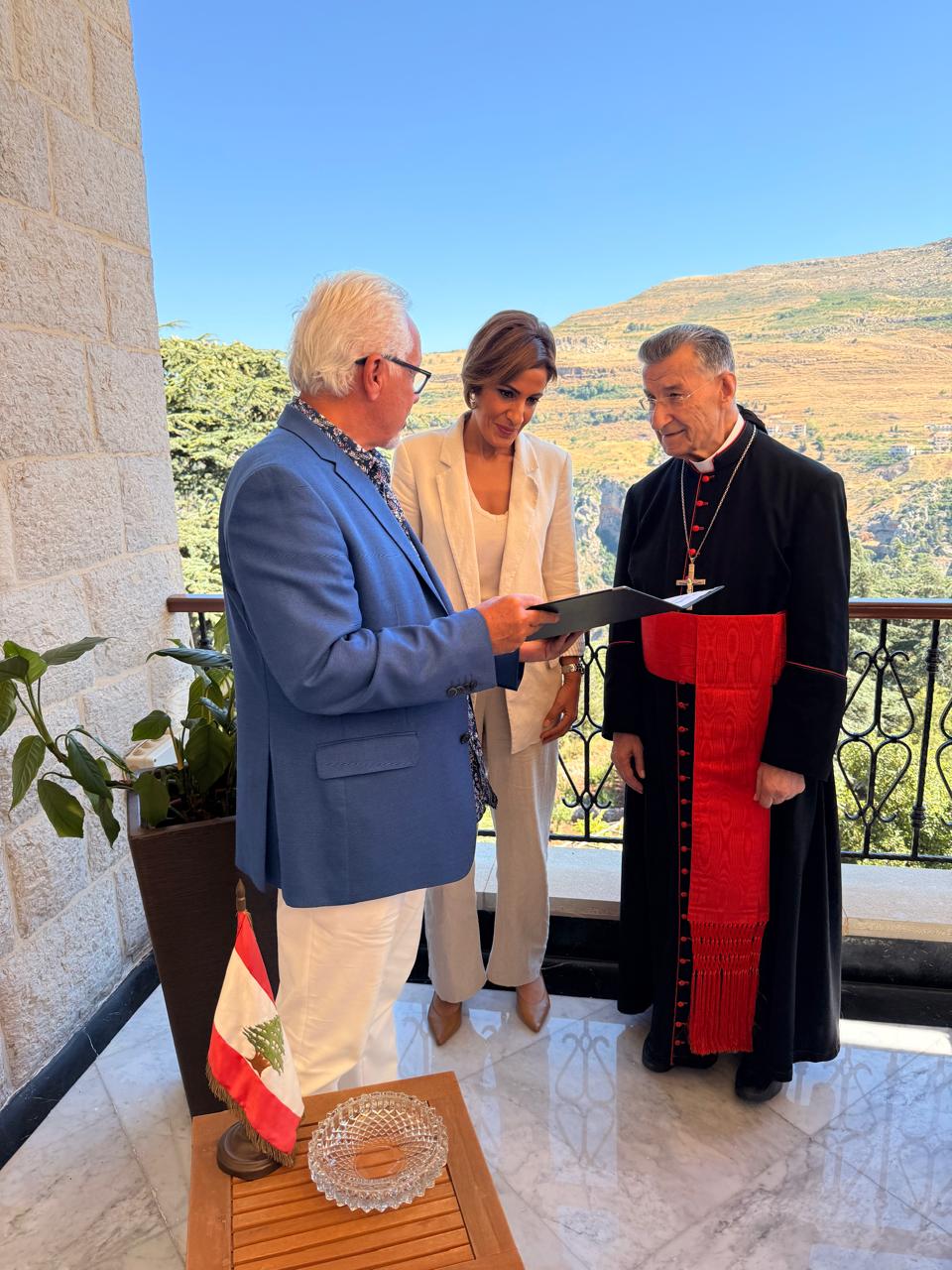
In the context of the declaration of the “Patriarchs’ Garden – Diman” as a Hima within the Qadisha Valley, Assaad Serhal presented His Beatitude Maronite Patriarch Cardinal Mar Bechara Boutros Al-Rahi with a copy of the “Call to Support Community-Led Nature Conservation Initiatives,” in the presence of Minister of Environment Dr Tamara El Zein.
The presentation of the Call to Patriarch Al-Rahi expressed appreciation for the role of the Maronite Patriarchate in protecting the Qadisha Valley and its spiritual, cultural and natural heritage.
It also reaffirmed the importance of partnership with religious authorities, landowners, municipalities and local communities in ensuring the site’s protection and long-term sustainability.
Launch of the “Diman Call”
The ceremony included the launch of the “Call to Support Community-Led Nature Conservation Initiatives,” known as the “Diman Call,” as a shared commitment to community-led conservation and sustainable development inspired by the revival of the Hima movement in Lebanon.
The Call was adopted during the “Hima in the Mashreq Region Gathering,” held at the Patriarchs’ Garden in Diman on 6 August 2026.
It expresses the commitment of municipalities, local communities, civil society organisations, religious authorities, educational institutions, landowners, young people, women, government bodies and conservation partners to supporting community-led protection of natural resources and promoting sustainable development in Lebanon.
The Call draws on the concept of Hima, a system through which local communities protect land and manage its resources. This system was practised across the Arabian Peninsula and the Mashreq region for more than fourteen centuries before being revived in its modern form by the Society for the Protection of Nature in Lebanon.
The Call reaffirms a shared responsibility to protect biodiversity, preserve cultural heritage and strengthen the resilience of local communities.
It recognises that healthy ecosystems are the foundation of sustainable communities and that the Hima system represents one of the world’s oldest and most enduring forms of community governance.
The Diman Call also recalls the commitments undertaken by states under the Convention on Biological Diversity, the Kunming–Montreal Global Biodiversity Framework, the United Nations Framework Convention on Climate Change, the Ramsar Convention on Wetlands and the United Nations Convention to Combat Desertification.
It notes that Hima provides a locally accepted and well-established means of implementing these commitments through community governance, including as a recognised management approach within Lebanon’s protected areas framework.
Protecting Nature and Restoring Ecosystems
The Diman Call includes a commitment to conserving and restoring the ecosystems on which local communities depend, including forests, wetlands, rangelands, rivers, and coastal and marine environments.
It also calls for the protection of local wildlife, threatened species and bird migration routes connecting the Mashreq region with Africa, Europe and Asia.
This commitment emphasises the importance of moving beyond responding to environmental damage after it occurs and adopting a long-term preventive approach based on protecting natural habitats, restoring degraded ecosystems, improving the management of natural resources and strengthening ecological connectivity among areas of environmental importance.
Strengthening Community Stewardship of Nature
The Call seeks to empower local communities and the traditional custodians of their resources, including women, young people, farmers, pastoralists and fishers, to manage their Hima sites through transparent, inclusive and participatory decision-making mechanisms.
It also stresses the need to define in writing the rights, responsibilities and boundaries associated with each Hima and to agree upon them with the relevant municipality and competent public authority.
This approach is intended to ensure transparent management, enable the participation of different stakeholders and safeguard the rights of residents and traditional users of natural resources.
Promoting Sustainable Livelihoods
The Diman Call emphasises support for local green economies through responsible ecotourism, Hima trails, sustainable agriculture, grazing and fisheries, as well as the production of traditional foods and handicrafts.
It also calls for the local community managing each Hima to retain an agreed share of the revenue generated from it.
This would help create economic and social incentives for sustained conservation, generate local employment opportunities and strengthen the resilience of rural populations and communities living in and around natural areas.
Preserving Hima as a Shared Heritage
The Call commits to preserving Hima as a living cultural heritage by documenting the knowledge, customs and governance practices that have contributed to sustaining the relationship between people and nature throughout the region.
It also calls for supporting recognition of this heritage within national and international heritage frameworks.
This commitment recognises that Hima is more than a tool for managing natural resources. It is also a social and cultural system rooted in the history of communities across the Mashreq region and based on shared responsibility, solidarity, and the regulated and equitable use of resources.
Empowering Future Generations
The Call places particular emphasis on environmental education and the empowerment of children and young people by expanding the “School with No Walls” programme (SNOW), the Hima Guardians programme, participatory science, outdoor learning and youth volunteering.
It also calls for cooperation with national education authorities to integrate the principles of Hima stewardship into school curricula, strengthening environmental awareness among future generations and connecting education with the natural and cultural realities of local communities.
Building Resilience to Climate Change
The Diman Call includes a commitment to protecting water resources, combating desertification and applying nature-based solutions that help local communities adapt to climate change in line with the national adaptation priorities of participating states.
It recognises that empowering local communities to manage ecosystems is essential to strengthening their ability to confront drought, land degradation, water scarcity, wildfires and other growing consequences of climate change.
Integrating Knowledge and Innovation
The Call encourages the integration of traditional ecological knowledge with scientific research, biodiversity monitoring and spatial analysis.
It also calls for the resulting data to be made openly available, enabling Hima management to be adapted based on scientific evidence.
This approach seeks to benefit from the inherited experience of local communities while employing modern scientific and technological tools to develop conservation plans that respond more effectively to environmental and social changes.
Strengthening Ecological Connectivity and Regional Cooperation
The signatories commit to developing an interconnected network of Hima sites and ecological corridors that contributes to protecting migratory species, restoring ecosystem connectivity and achieving national, regional and global conservation objectives.
The Call also encourages partnerships bringing together local communities, municipalities, governments, academic institutions and international organisations to establish Hima as a recognised regional model for conserving biodiversity, strengthening climate resilience and achieving sustainable development.
A Shared Vision for the Mashreq Region
The Diman Call sets out a shared vision for a Mashreq region in which local communities and nature flourish together through the Hima tradition; biodiversity is preserved, cultural heritage is celebrated, sustainable livelihoods are secured and cooperation extends across borders.
The Call affirms that local community stewardship of natural resources is essential to achieving environmental sustainability, social well-being and resilience to climate change.
It further recognises that reviving Hima is not merely about restoring a historical practice, but about establishing a practical and contemporary framework for conserving nature and empowering local communities.
Operational Structure of the Call
Under the adopted operational structure, the Society for the Protection of Nature in Lebanon, as the organisation leading the modern revival of the Hima system, will serve as the initial secretariat for a three-year term, renewable by decision of the signatories.
The secretariat will facilitate cooperation among the signatories, promote the principles contained in the Call, encourage new entities to endorse it, convene a meeting of signatories at least once every two years, and submit a report to that meeting on the implementation of the commitment.
At any such meeting, the signatories may review the secretariat arrangements and decide whether to continue them or transfer the responsibilities to another organisation.
The secretariat will perform its functions in partnership with municipalities, civil society, governments, academic institutions, and regional and international organisations, including UNESCO, the International Union for Conservation of Nature and BirdLife International.
The declaration is collectively owned by all its signatories and will remain an open platform for voluntary cooperation throughout the Mashreq region and beyond.
It represents a living commitment to reviving Hima as a shared heritage and a framework for collective action to conserve nature and empower local communities across the region.
Nothing in the Call creates legally binding obligations, alters the mandate or powers of any public authority, or affects the position of any state regarding sovereignty, borders or relations with other states.
The endorsement of the Call by a public institution strengthens its support for the stated objectives but does not imply recognition of any other endorsing entity or the assumption of any obligation towards it.
Endorsement of the Diman Call
The Diman Call is open for endorsement by:
- Municipalities and local authorities
- Ministries and public institutions
- Educational and research institutions
- Religious institutions
- Civil society organisations
- National and regional conservation organisations
- UNESCO, the International Union for Conservation of Nature, BirdLife International, and other regional and international partners
- Private-sector partners committed to sustainable development
The declaration of the “Patriarchs’ Garden – Diman” as a Hima and the launch of the Diman Call represent a new milestone in the revival of the Hima system in Lebanon and the Mashreq region.
Together, they provide a model for cooperation among religious institutions, public authorities, municipalities, local communities, scientific institutions and environmental organisations to conserve nature, preserve cultural heritage and advance sustainable development for present and future generations.