


The Society for the Protection of Nature in Lebanon (SPNL) has released a new bilingual publication presenting Hima Niha and Hima Hardine as two interconnected landscapes where biodiversity, cultural heritage, faith, and community stewardship come together.
Nestled in the highlands of Batroun District in North Lebanon, Niha and Hardine are described in the publication as “sister villages,” connected by a shared mountain ridge, a common cultural and religious heritage, and nearly 3,000 years of sacred history.
The Phoenician temple crowning the cliffs of Niha and the Roman Temple of Mercury in Hardine stand along the same geological formation. Together, they tell the story of communities whose identities have been shaped by their mountains, forests, water sources, agricultural traditions, archaeological sites, and places of worship.
Niha and Hardine-notebook 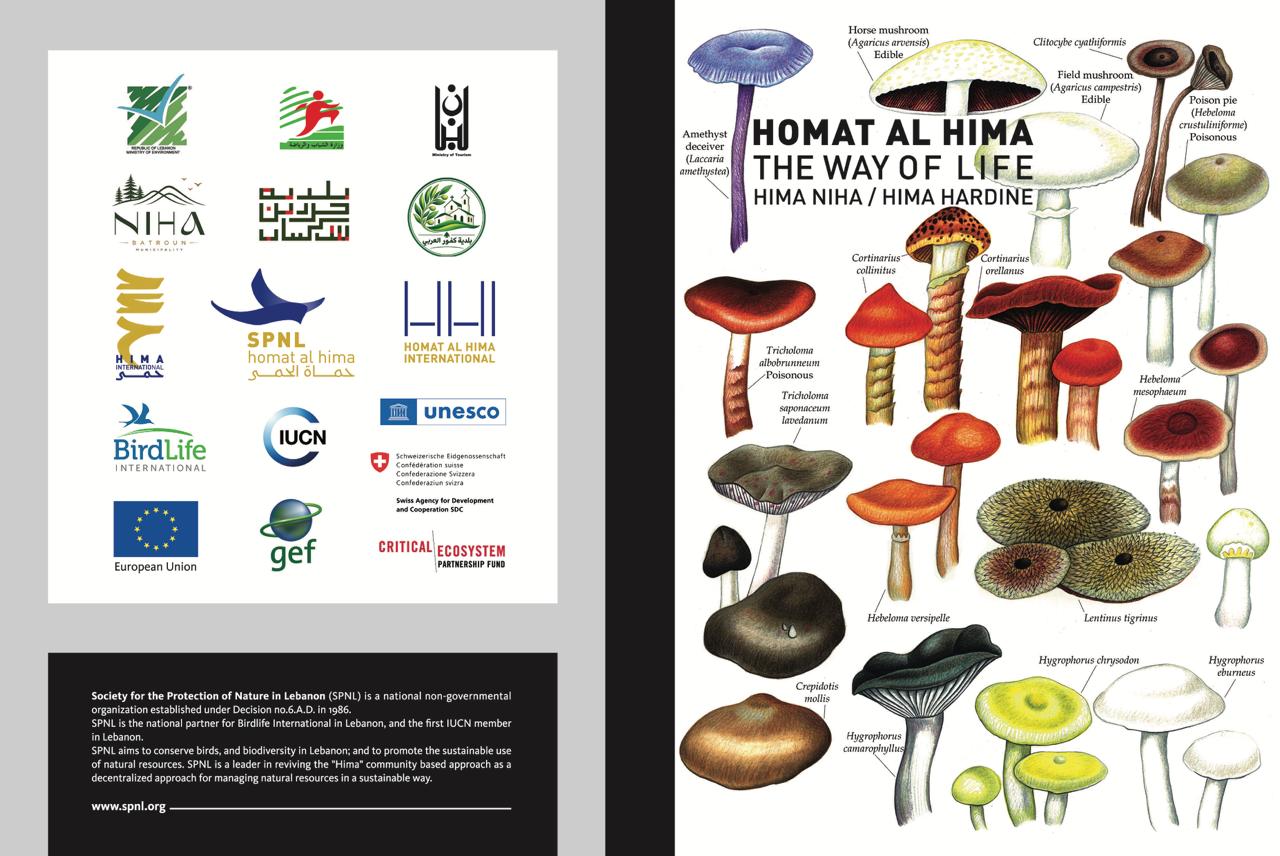
Reviving the Hima way of life
The publication, titled “Homat Al Hima: The Way of Life – Hima Niha / Hima Hardine,” highlights the revival of the Hima approach as a community-led model for conserving natural and cultural resources while strengthening sustainable local development.
Hima is not presented merely as a protected area. It is a living system of stewardship in which municipalities, residents, farmers, young people, local organisations, diaspora communities, and national and international partners share responsibility for protecting the landscape and managing its resources sustainably.
Both Niha and Hardine were declared Hima sites in 2026, opening a new chapter of cooperation between their municipalities, local communities, and SPNL.
Hima Niha: Cedars, water, biodiversity, and sustainable livelihoods
Situated between 1,300 and 1,850 metres above sea level, Niha is surrounded by ancient cedar forests, fertile agricultural terraces, mountain springs, and rich wildlife habitats.
The publication documents the ecological importance of the Niha cedar forest, which protects mountain soils, replenishes groundwater, supports diverse plants and wildlife, and contributes to mitigating the effects of climate change.
Niha also occupies a strategic position along the African-Eurasian Flyway, one of the world’s most important bird-migration corridors. Among the long-term ambitions of Hima Niha is the establishment of a high-altitude wetland capable of providing water, food, and shelter for migratory birds while strengthening the wider mountain ecosystem.
The publication presents an ambitious vision for the village, including the proposed Abrahamic Gate Peace Park, botanical gardens, responsible nature tourism, environmental education, organic agriculture, local food markets, hiking trails, birdwatching, climbing, snowshoeing, and community-led visitor experiences.
A five- and ten-year master plan seeks to preserve Niha as a traditional working village while generating meaningful employment for residents. The plan prioritises support for farmers, herders, dairy producers, guides, park workers, women, and young people, allowing local communities to benefit directly from conservation and sustainable tourism.
Hima Hardine: Where faith, history, and nature meet
Hardine, located between 1,100 and 1,465 metres above sea level, offers a remarkable combination of religious, archaeological, and environmental heritage.
The publication describes this combination as “triangular tourism”: religious tourism, historical and archaeological tourism, and nature-based tourism within one village.
Hardine is renowned as the birthplace of Saint Nimatullah Kassab Al-Hardini and contains more than thirty churches, monasteries, hermitages, and sacred sites. Its spiritual landscape includes ancient rock-cut places of worship, historic pilgrimage destinations, and religious monuments reflecting centuries of Christian history.
Its archaeological heritage is equally exceptional. The Roman Temple of Mercury rises on the village’s highest summit, while Phoenician and Roman tombs and sarcophagi remain carved into the surrounding rock formations.
Hardine’s forests, dramatic cliffs, traditional stone terraces, agricultural plains, and native flora add an important environmental dimension to this cultural landscape. The publication highlights opportunities to strengthen management of the Hardine oak forest, restore natural habitats, prevent wildfires, conserve native species, and expand environmental education through SPNL’s School with No Walls – SNOW programme.
It also calls for renewed investment in sustainable agriculture, including the rehabilitation of traditional terraces, improved water management, renewable energy, organic certification, local branding, and greater support for farmers and cooperatives.
Conservation that creates opportunities
A central message of the publication is that protecting nature and heritage must also improve people’s lives.
The development plans for the two Hima sites place employment and local economic opportunities at the heart of conservation. Proposed initiatives include training community guides and forest wardens, supporting guesthouses and local enterprises, developing sustainable agricultural products, restoring historic sites, improving visitor services, and creating new opportunities for women and young people.
The publication demonstrates that rural conservation can help communities remain connected to their land while building resilient local economies capable of facing environmental, social, and economic pressures.
An invitation to partners
SPNL and the municipalities of Niha and Hardine invite public institutions, universities, conservation organisations, diaspora communities, donors, and responsible private-sector partners to support the development of the two Hima sites.
Priority areas include biodiversity monitoring, habitat restoration, wildfire prevention, water infrastructure, renewable energy, environmental education, archaeological conservation, sustainable agriculture, community tourism, trails, visitor centres, and training for local residents.
Through these investments, Hima Niha and Hima Hardine can become leading national and regional examples of how biodiversity, cultural heritage, responsible tourism, and community livelihoods can work together.
The new publication captures the essence of this vision: two sister villages, united by geography and history, working with their communities to protect a shared living heritage for future generations.
Download “Homat Al Hima: The Way of Life – Hima Niha / Hima Hardine”