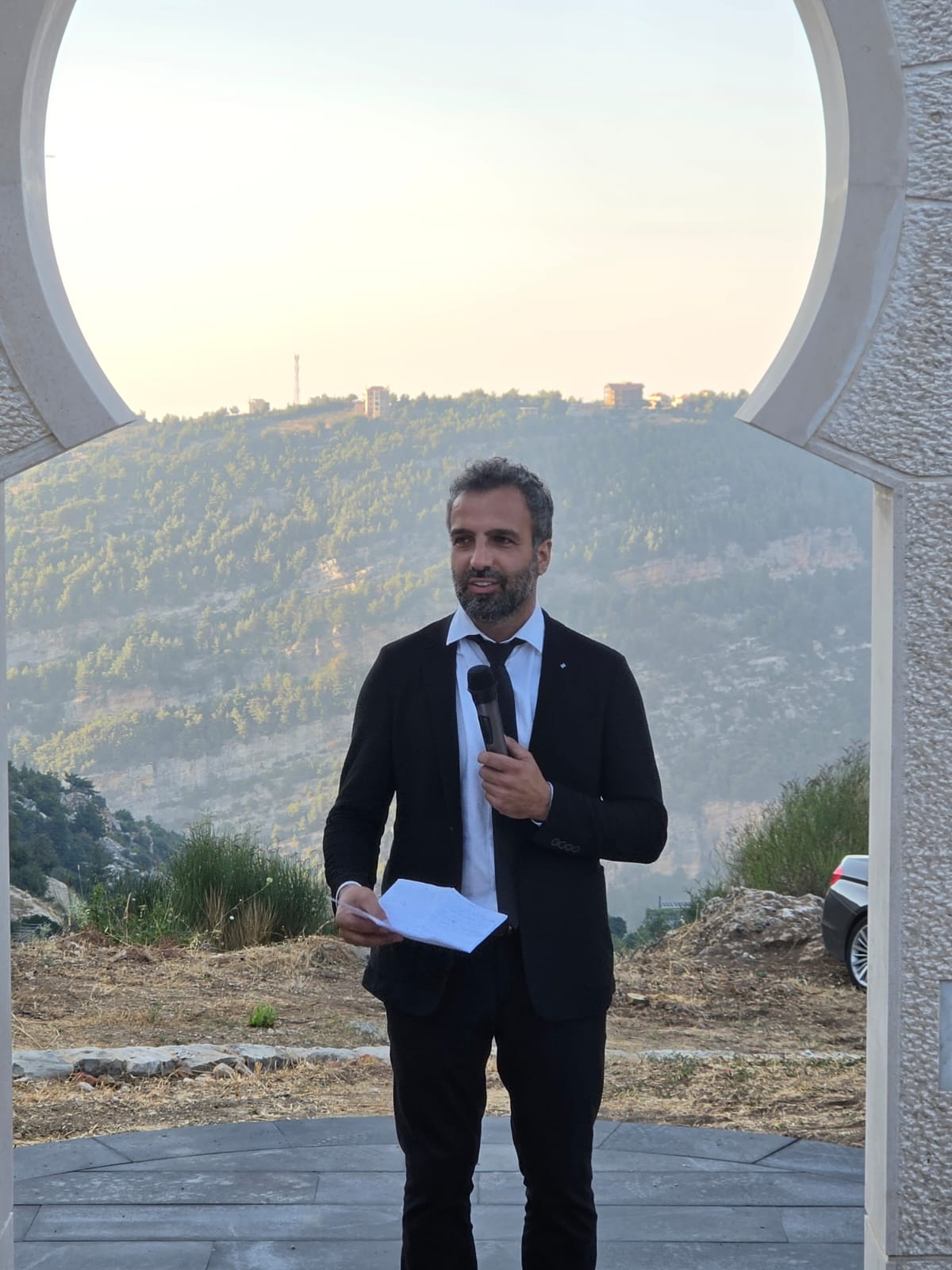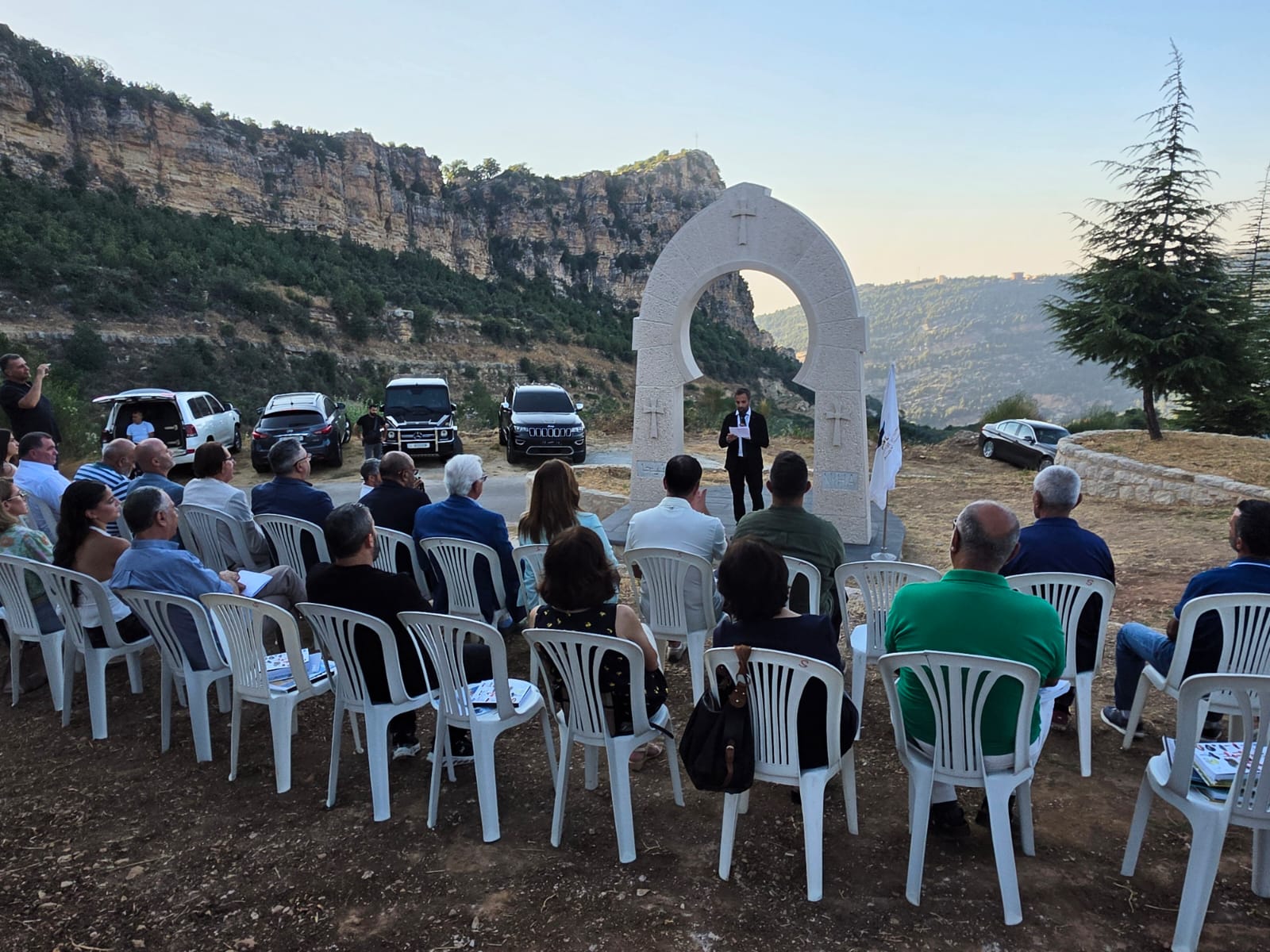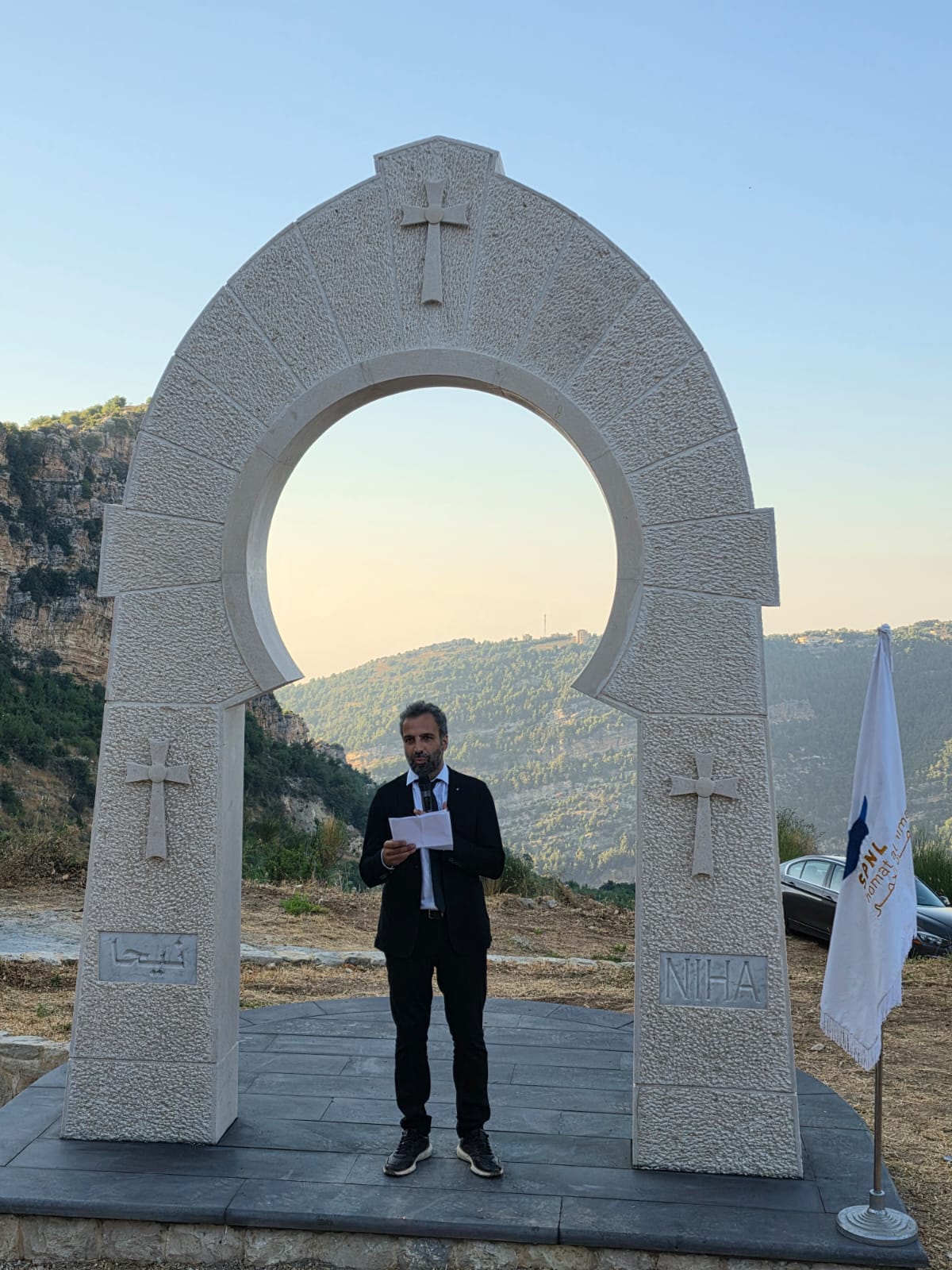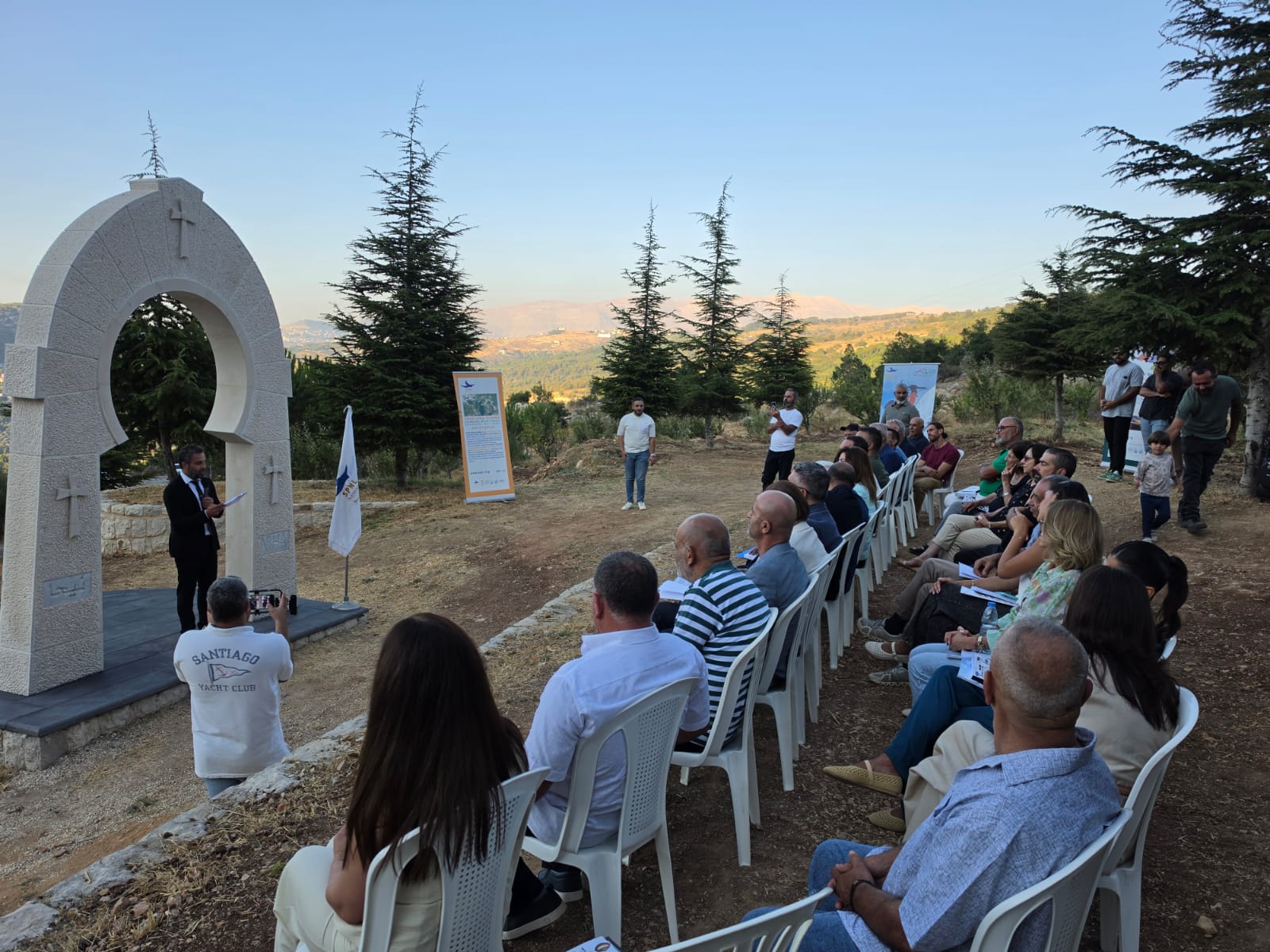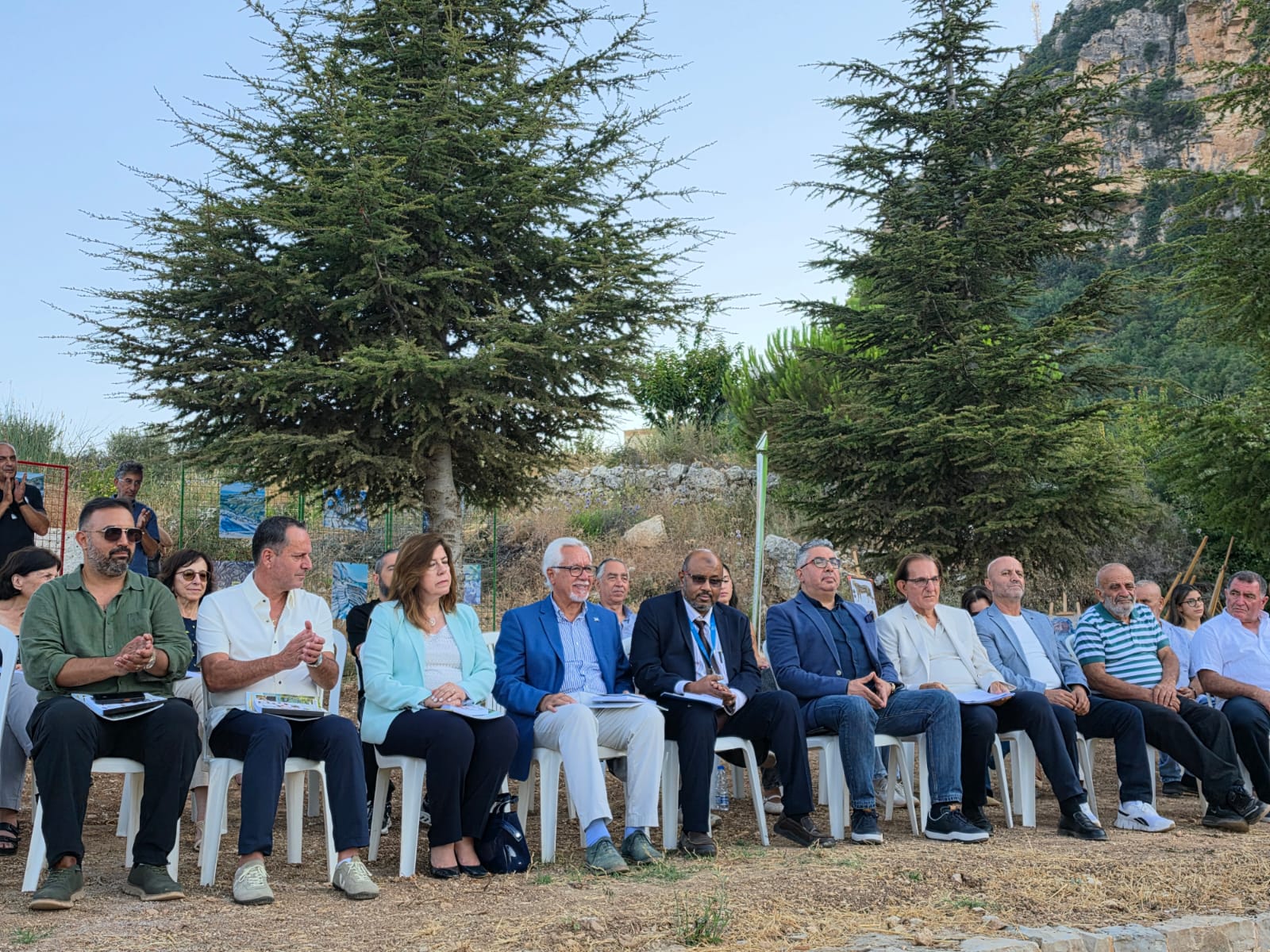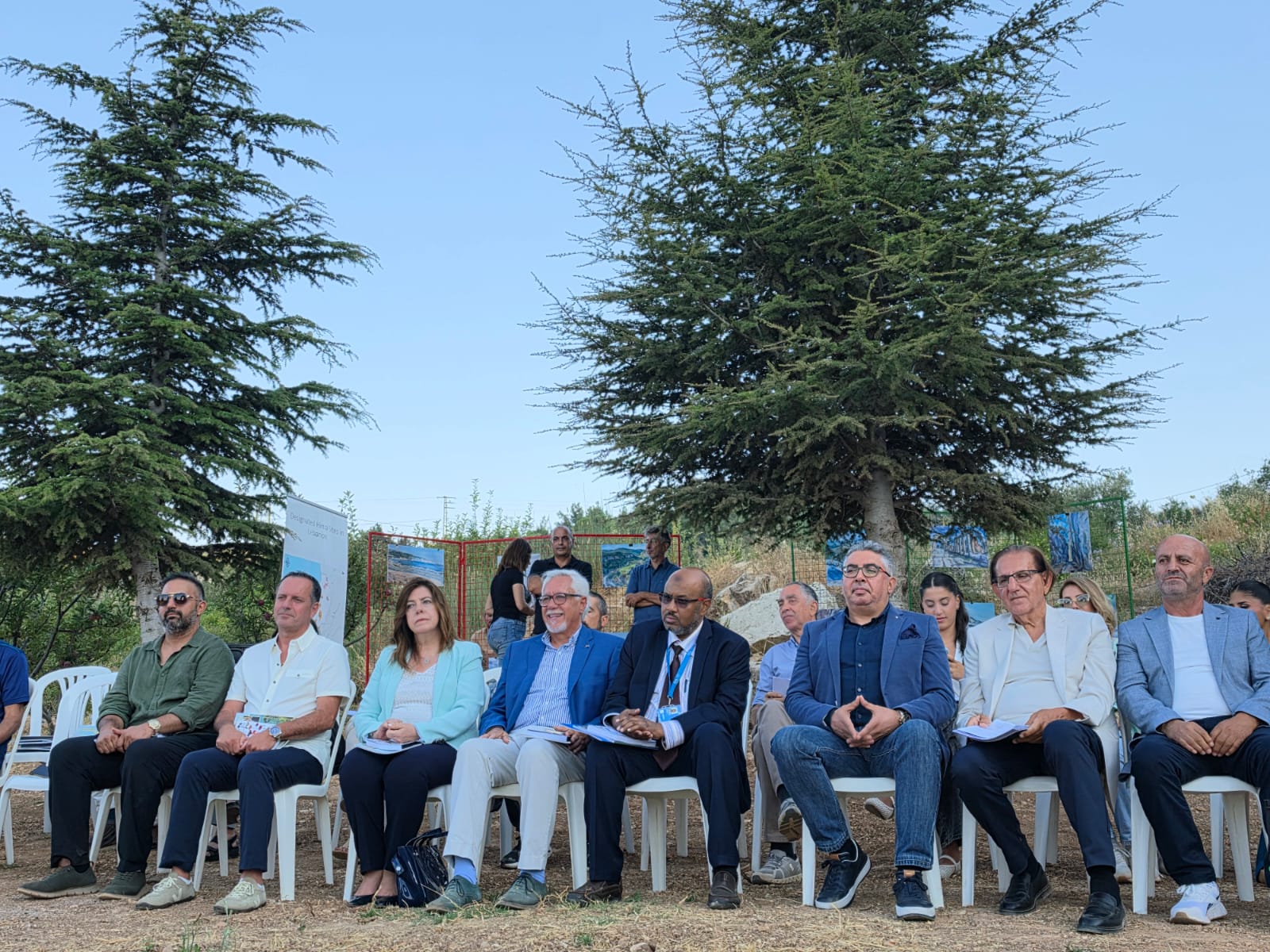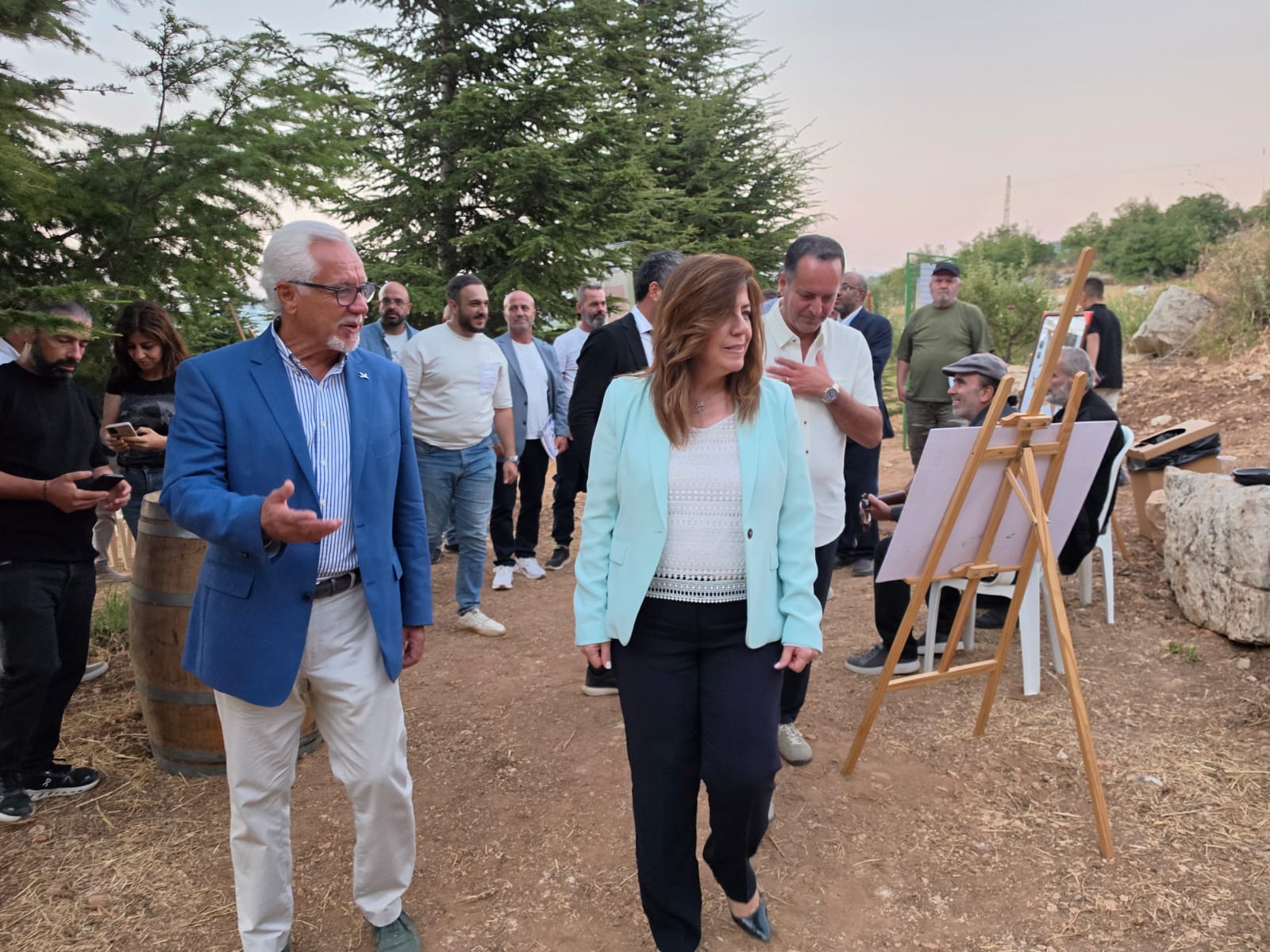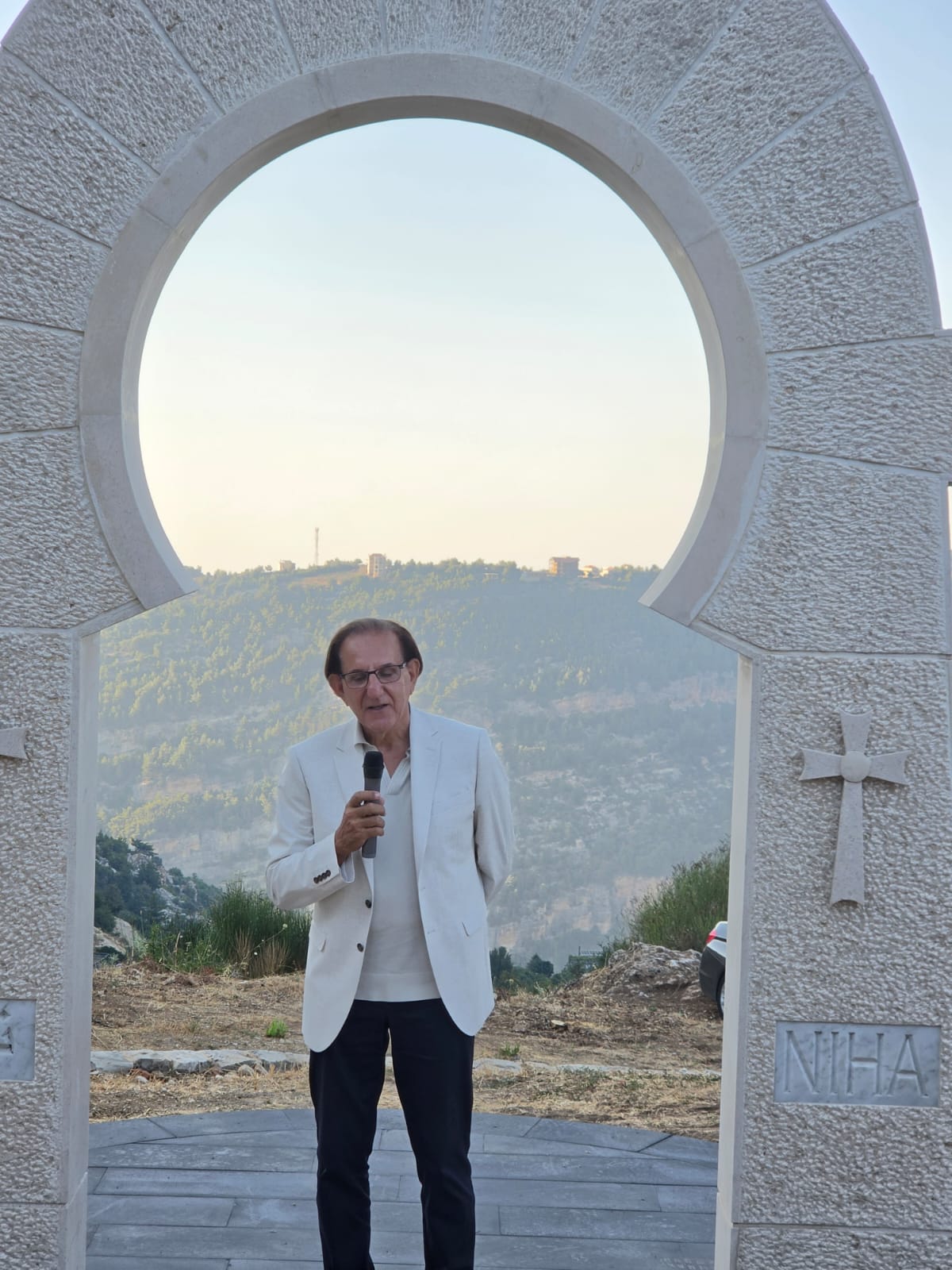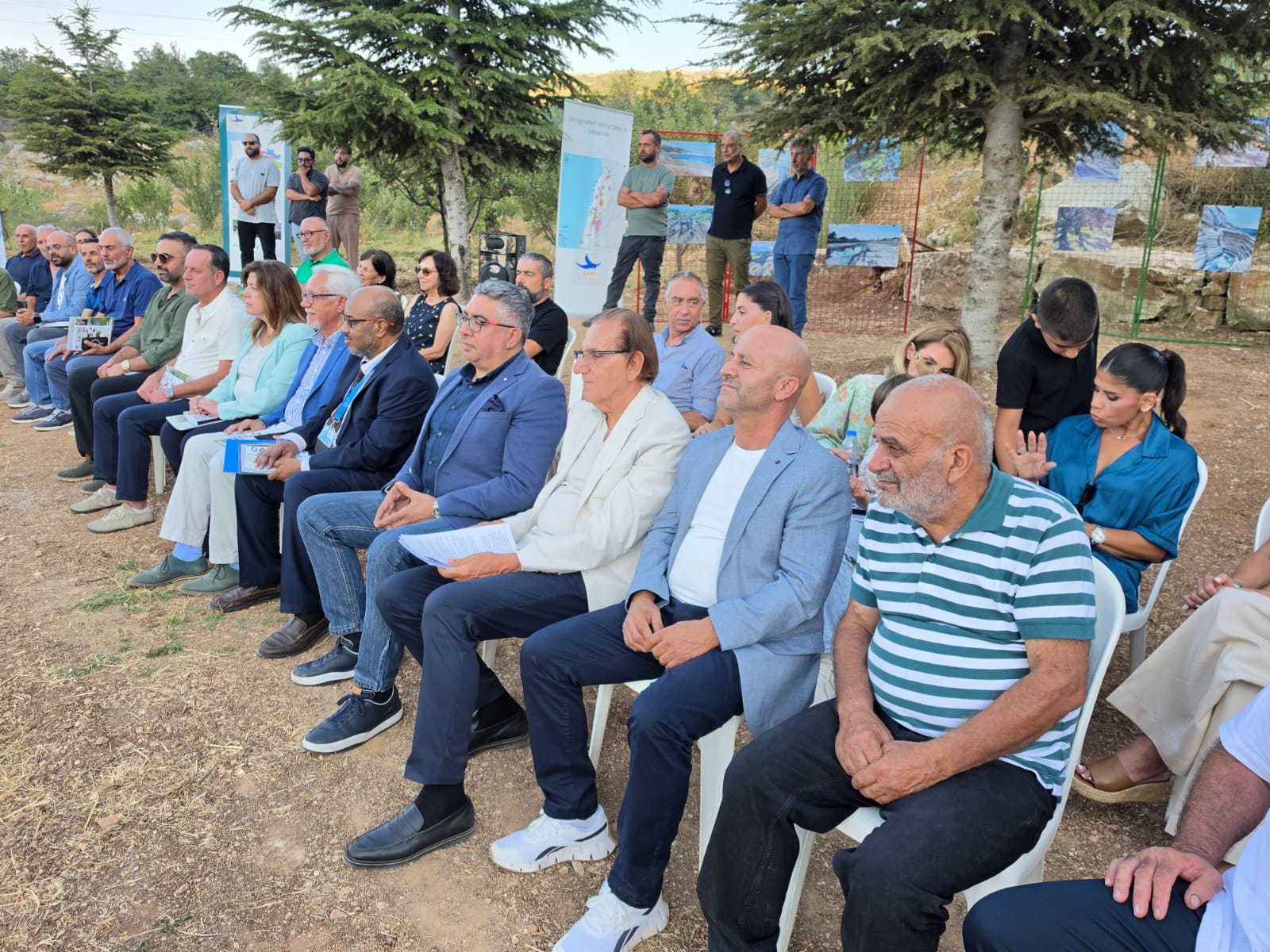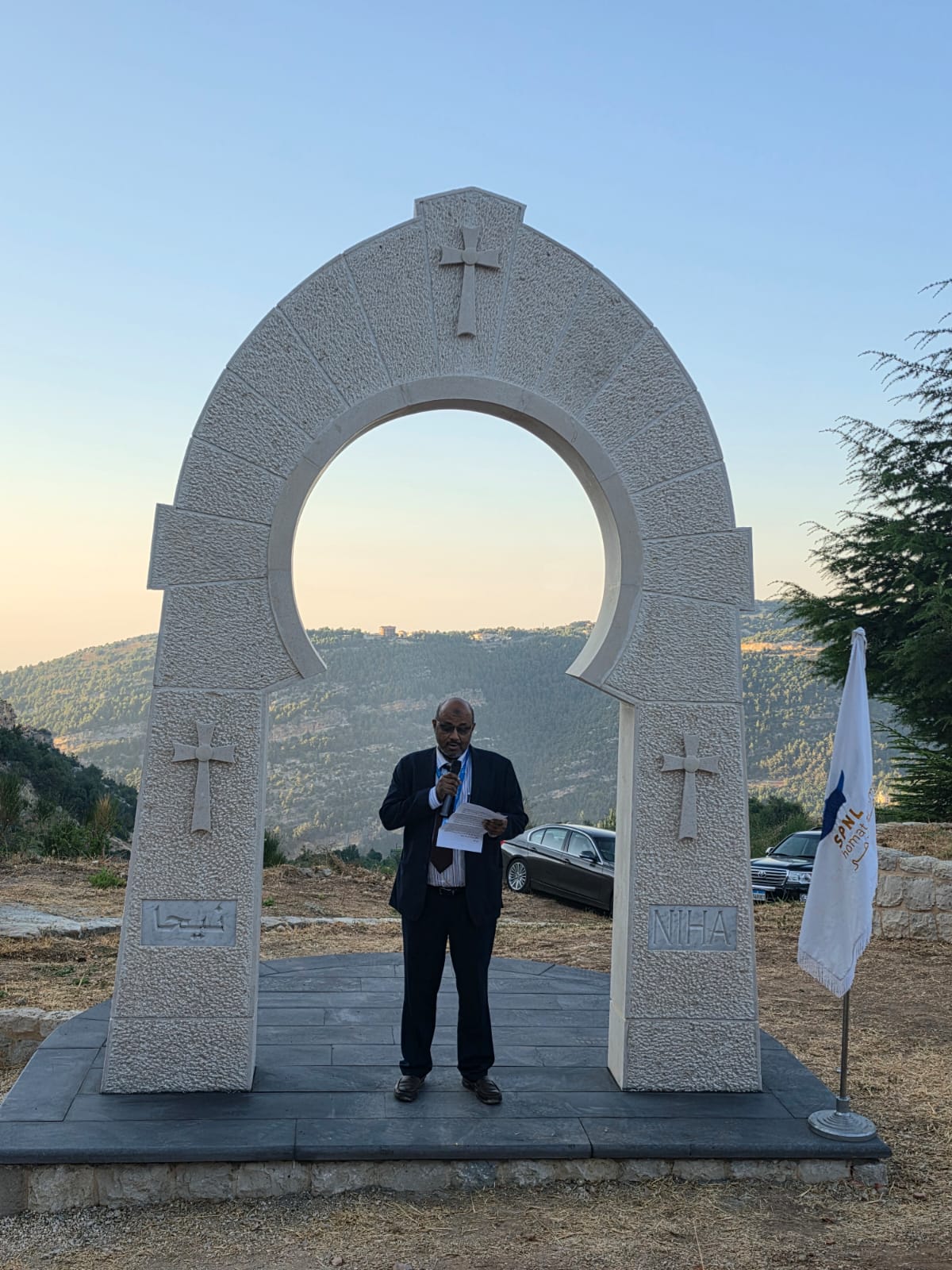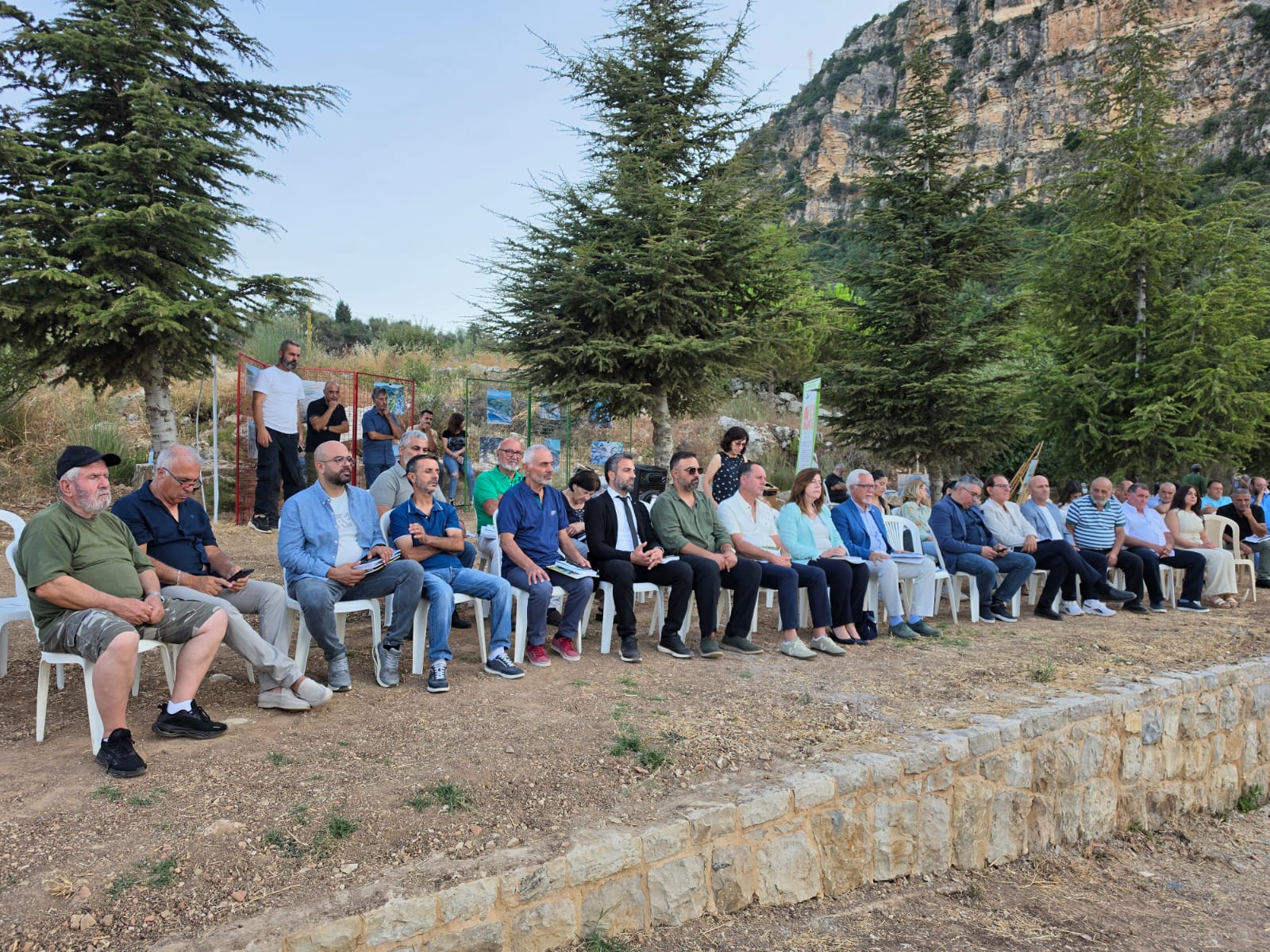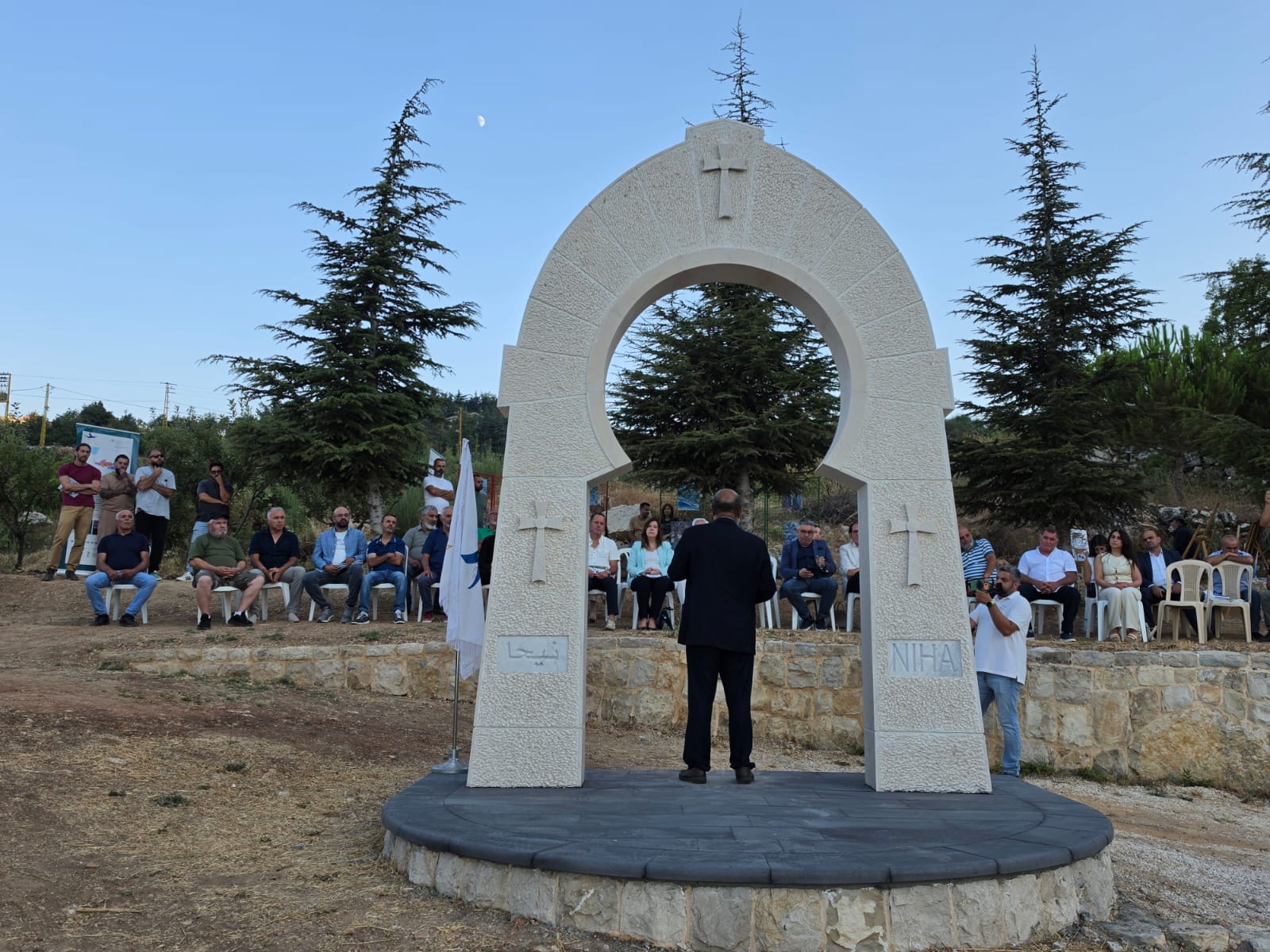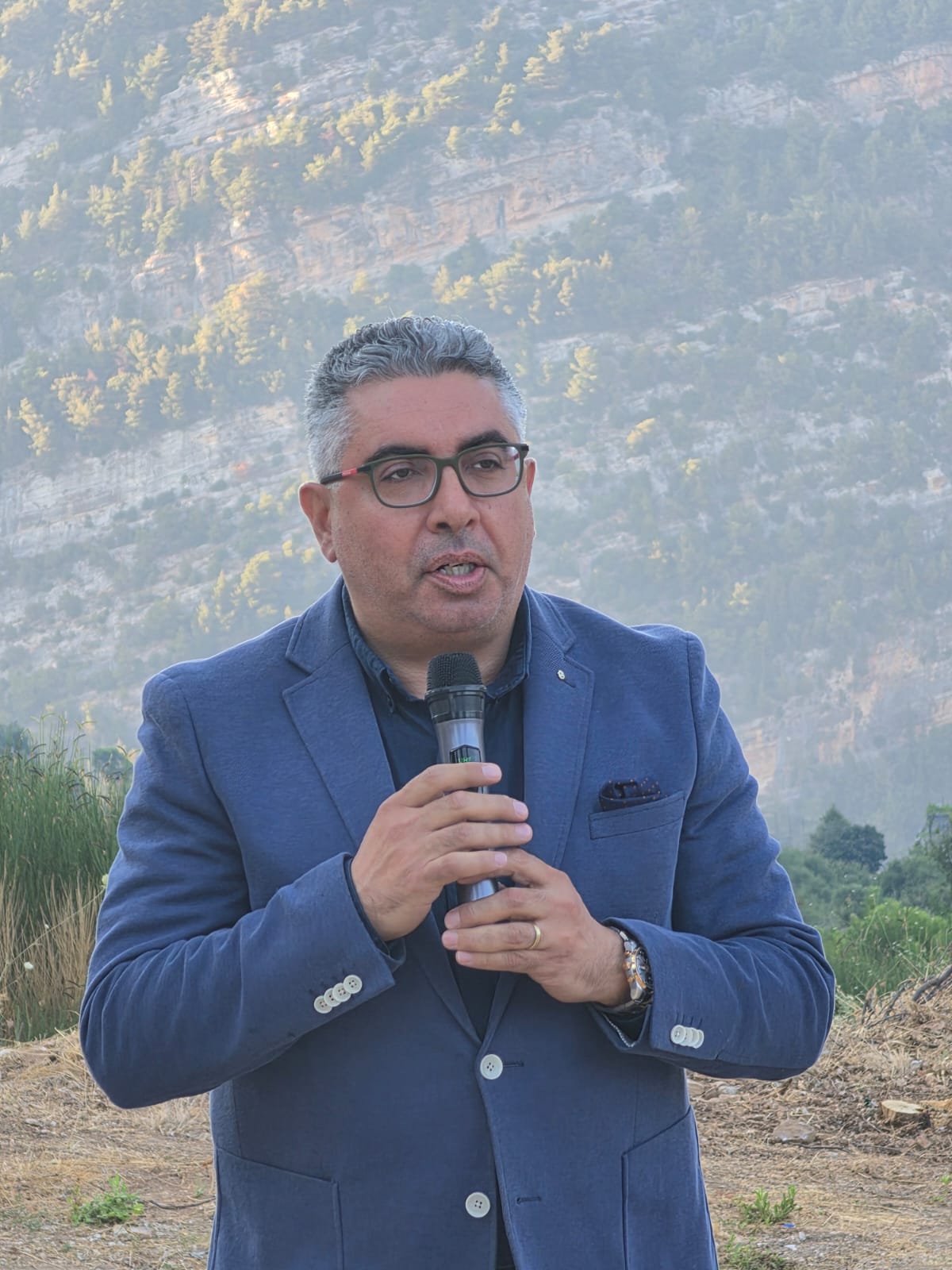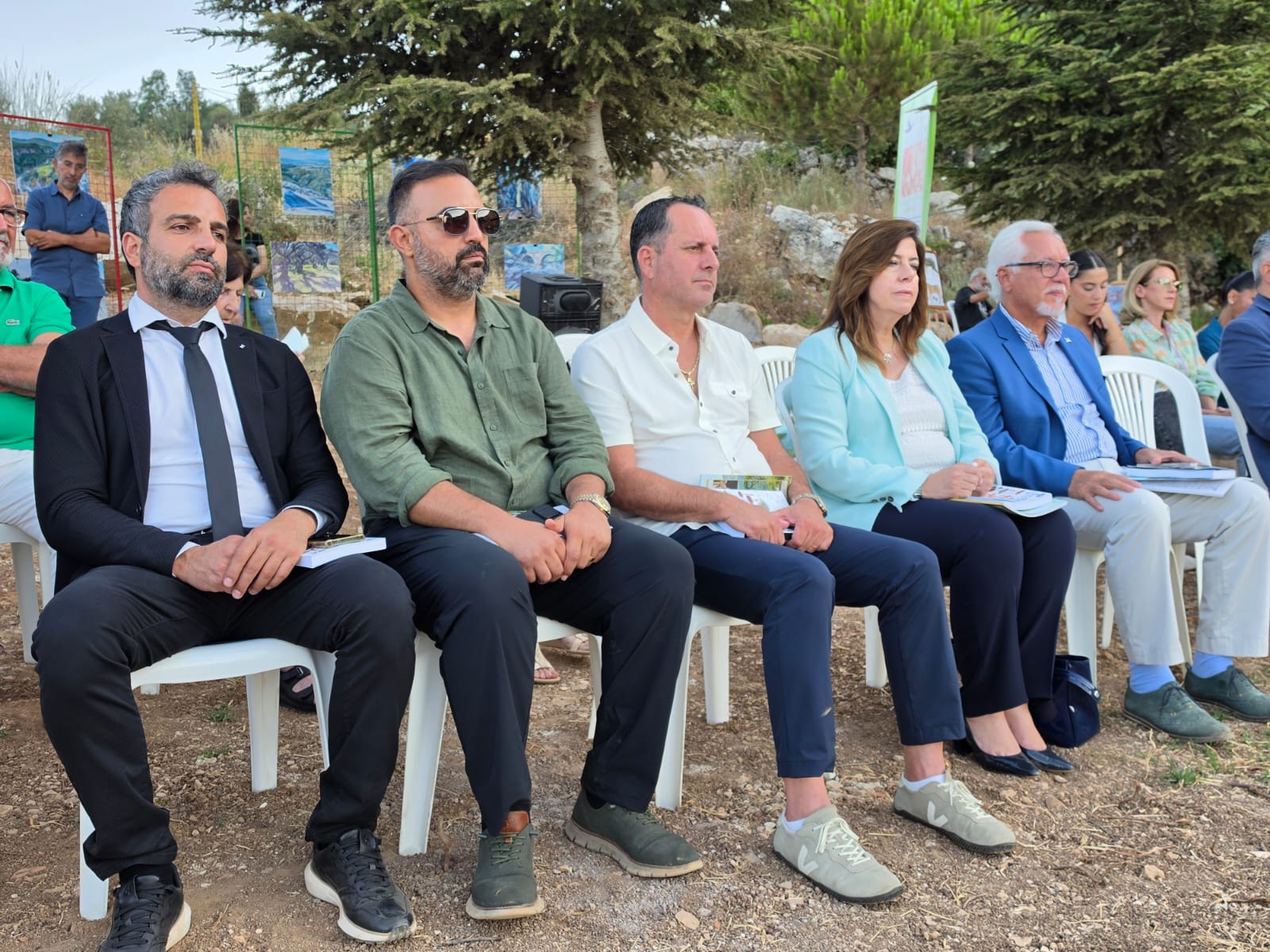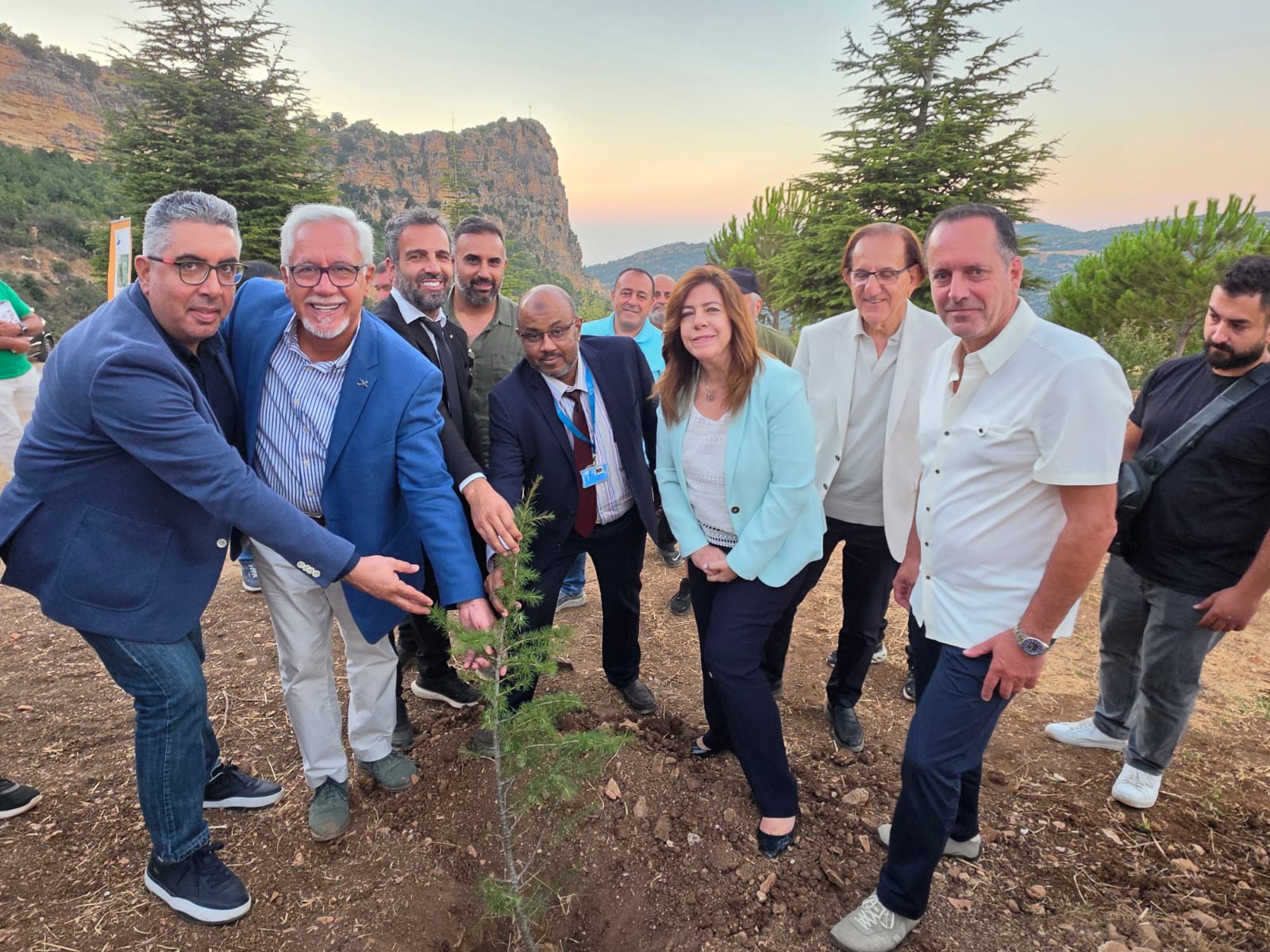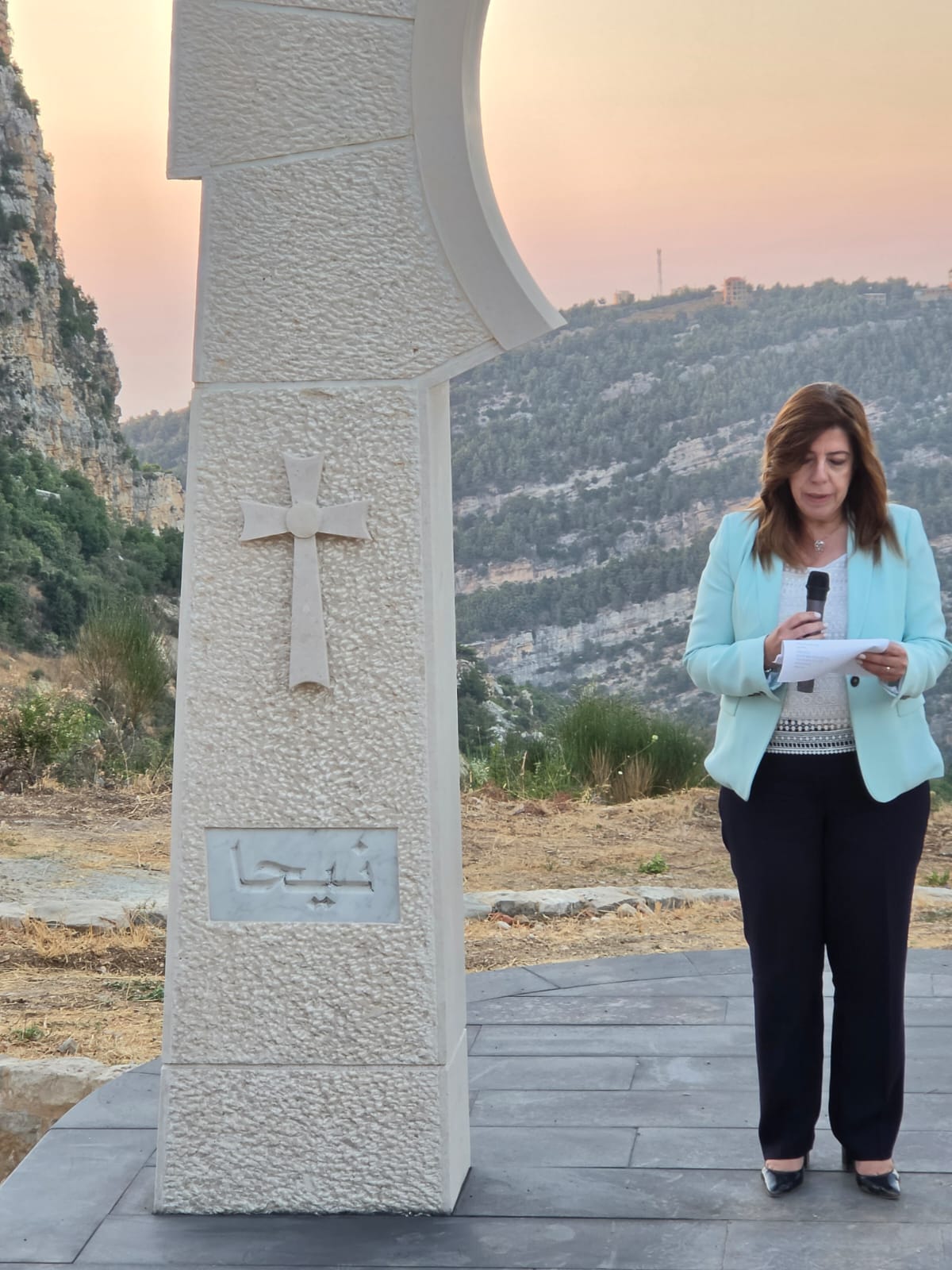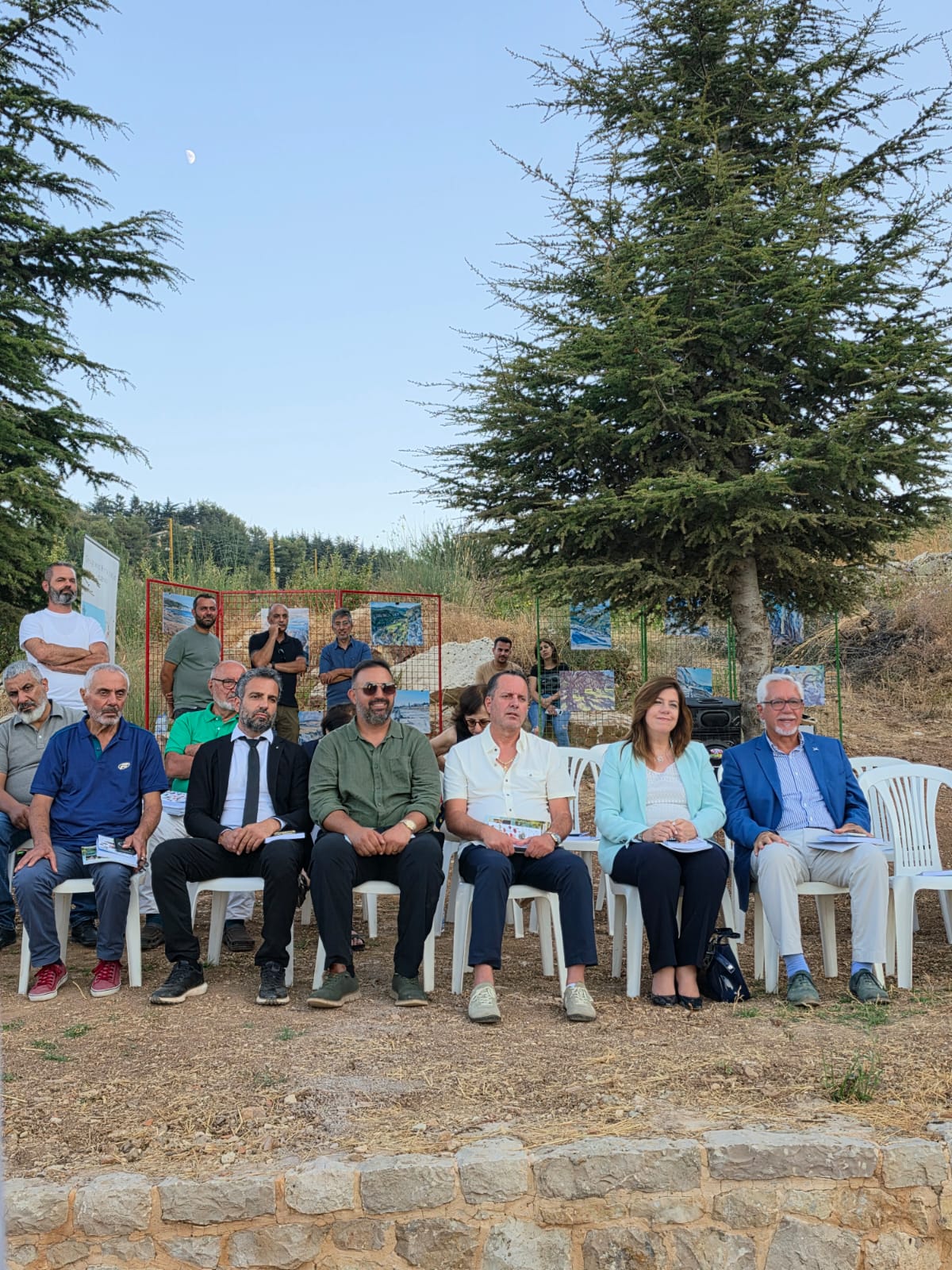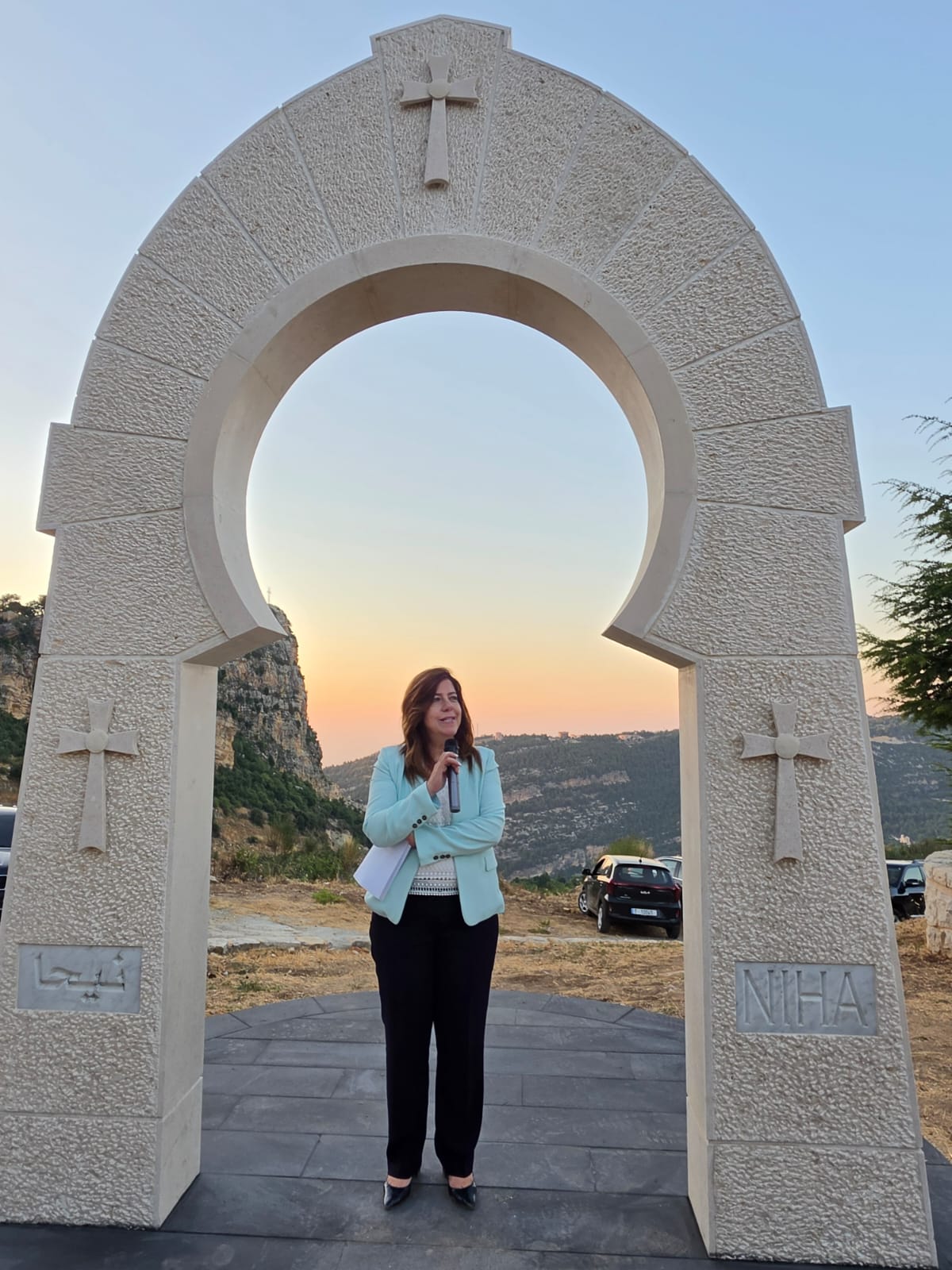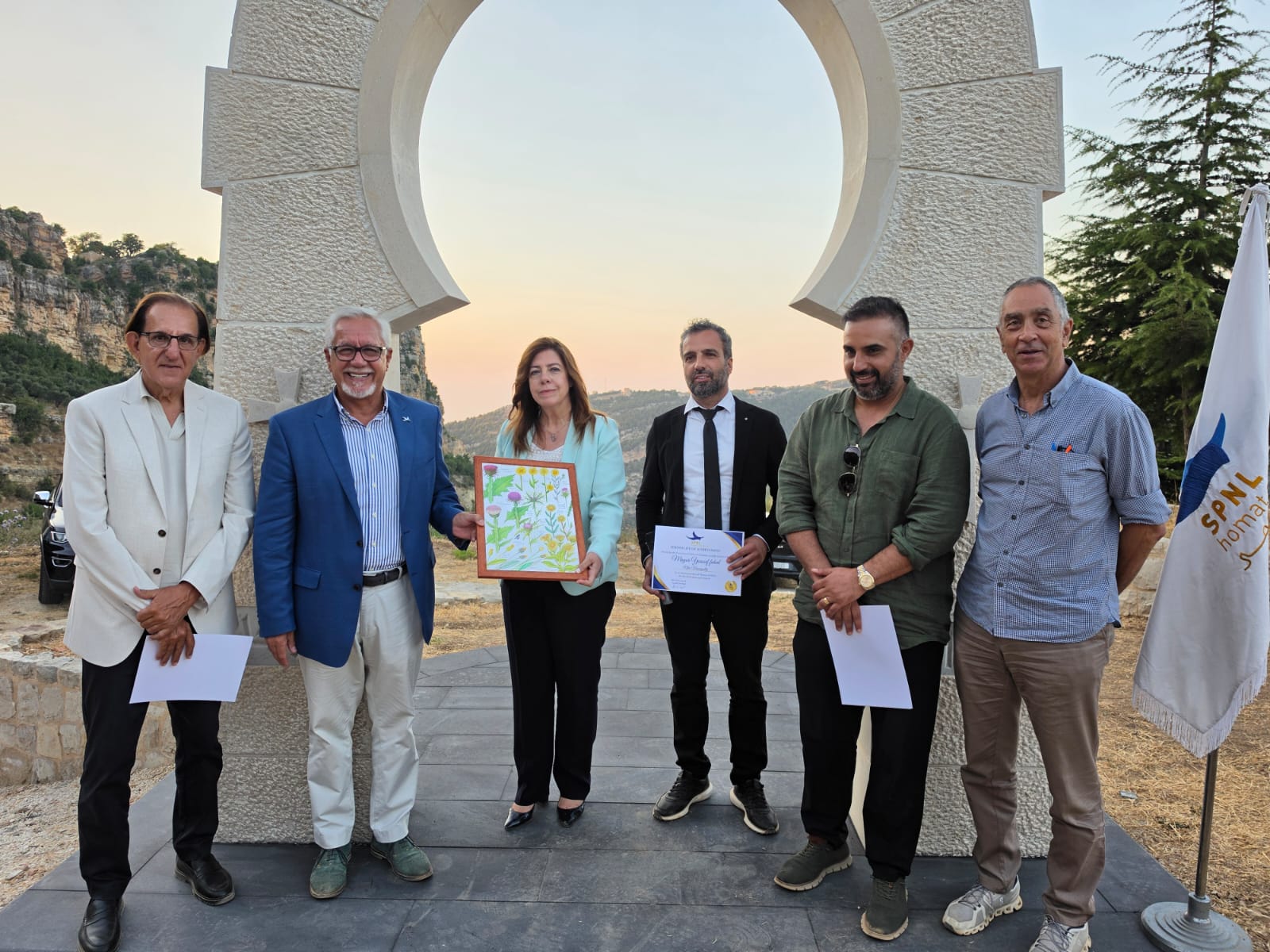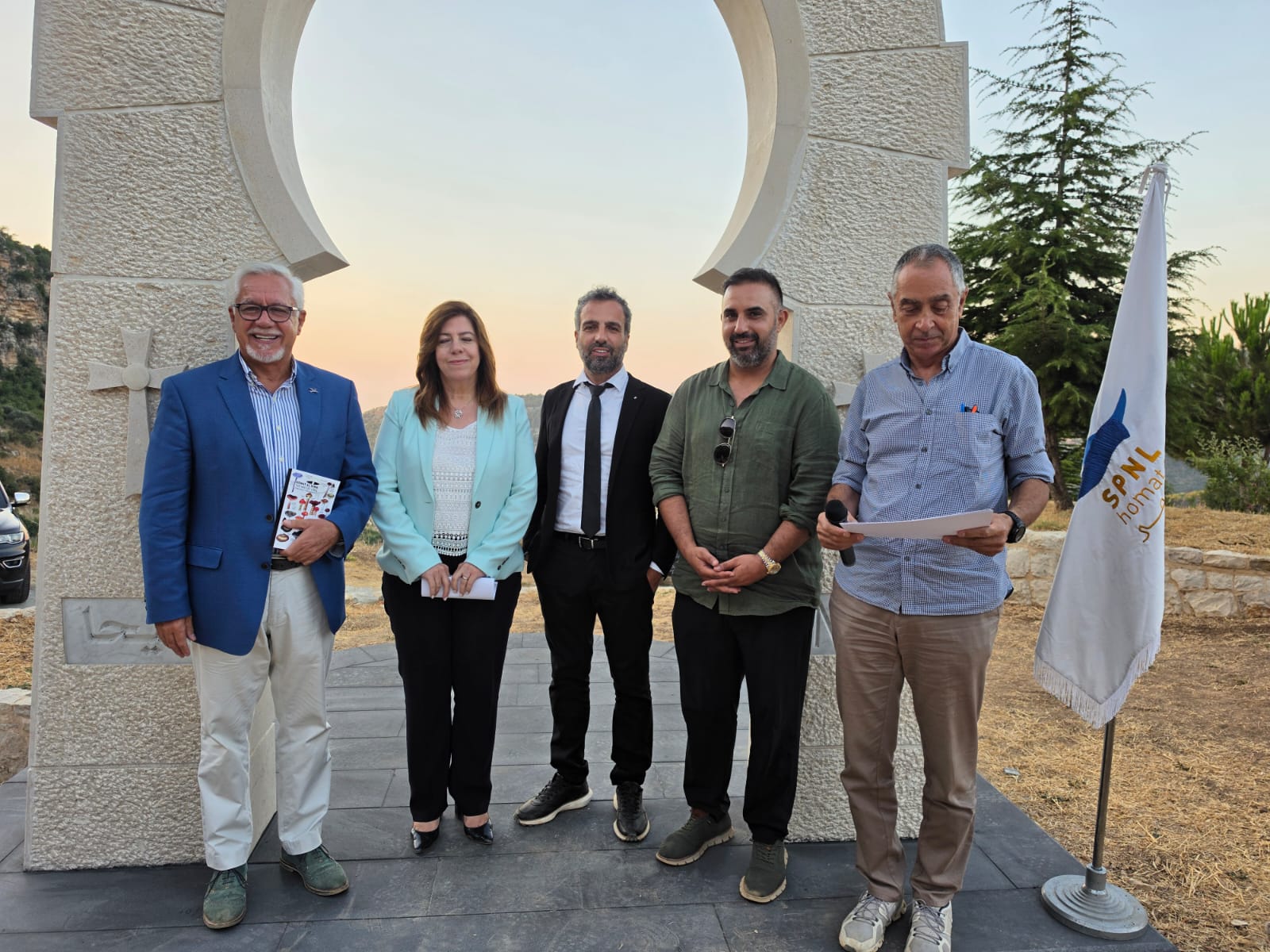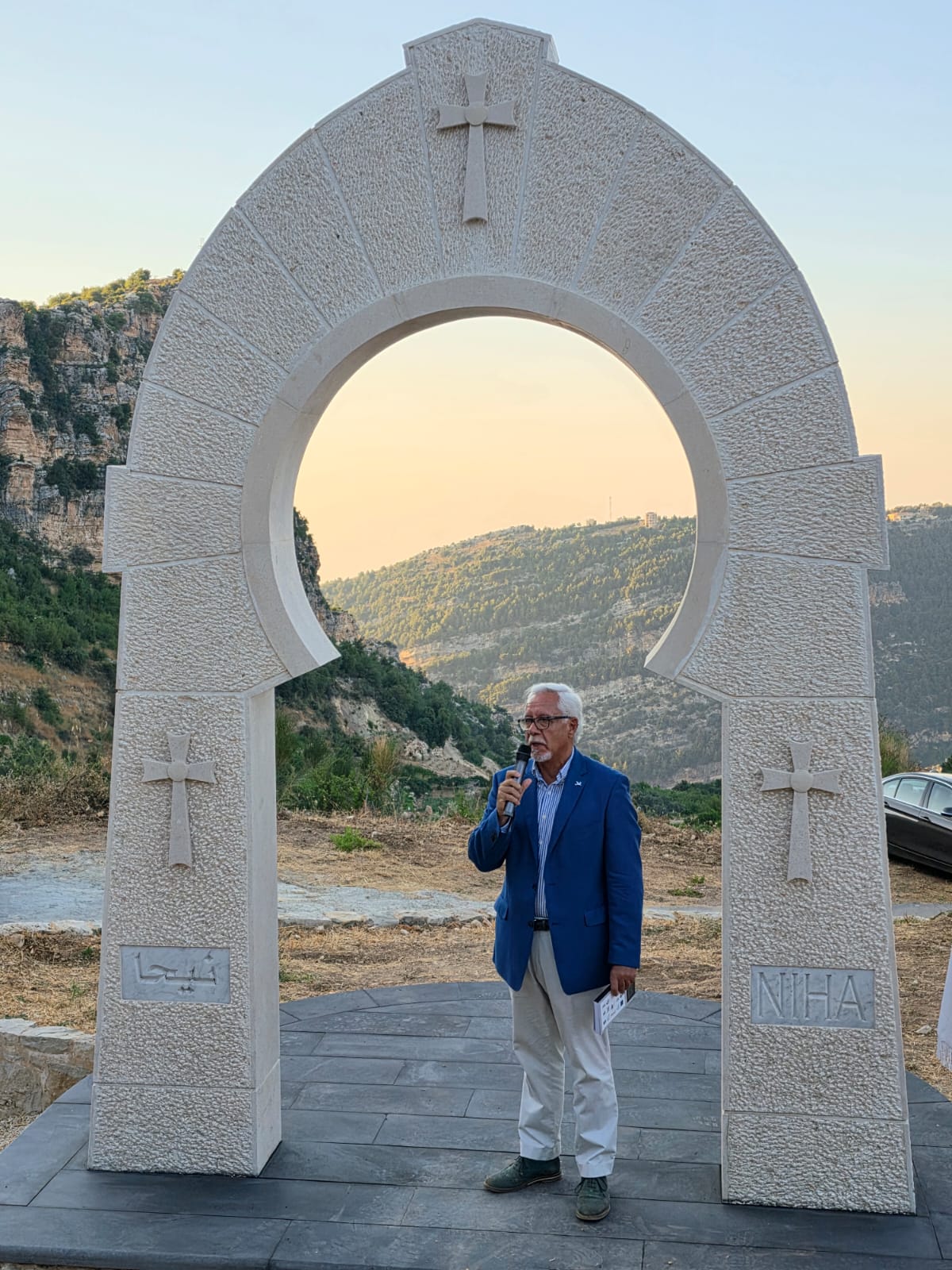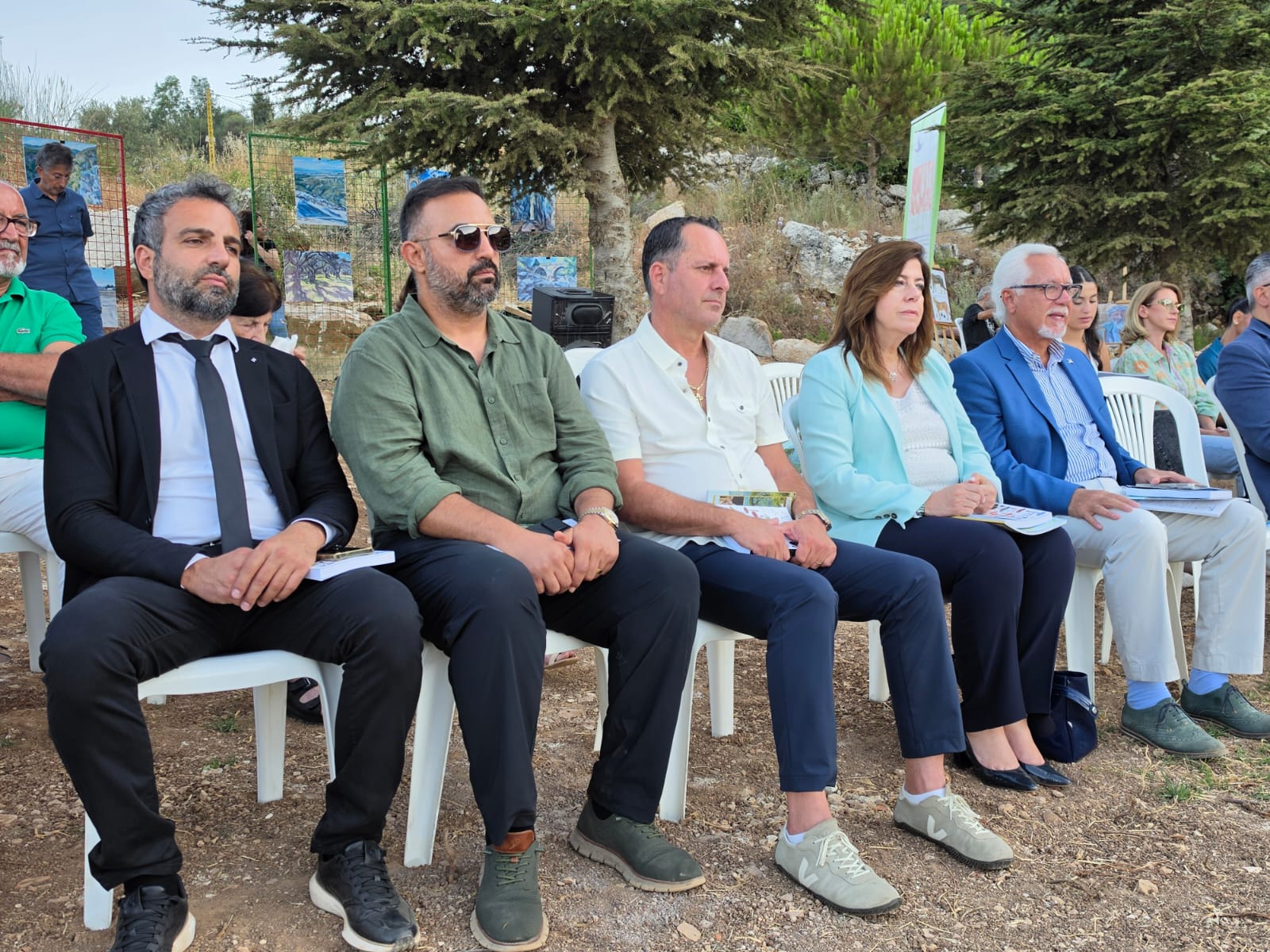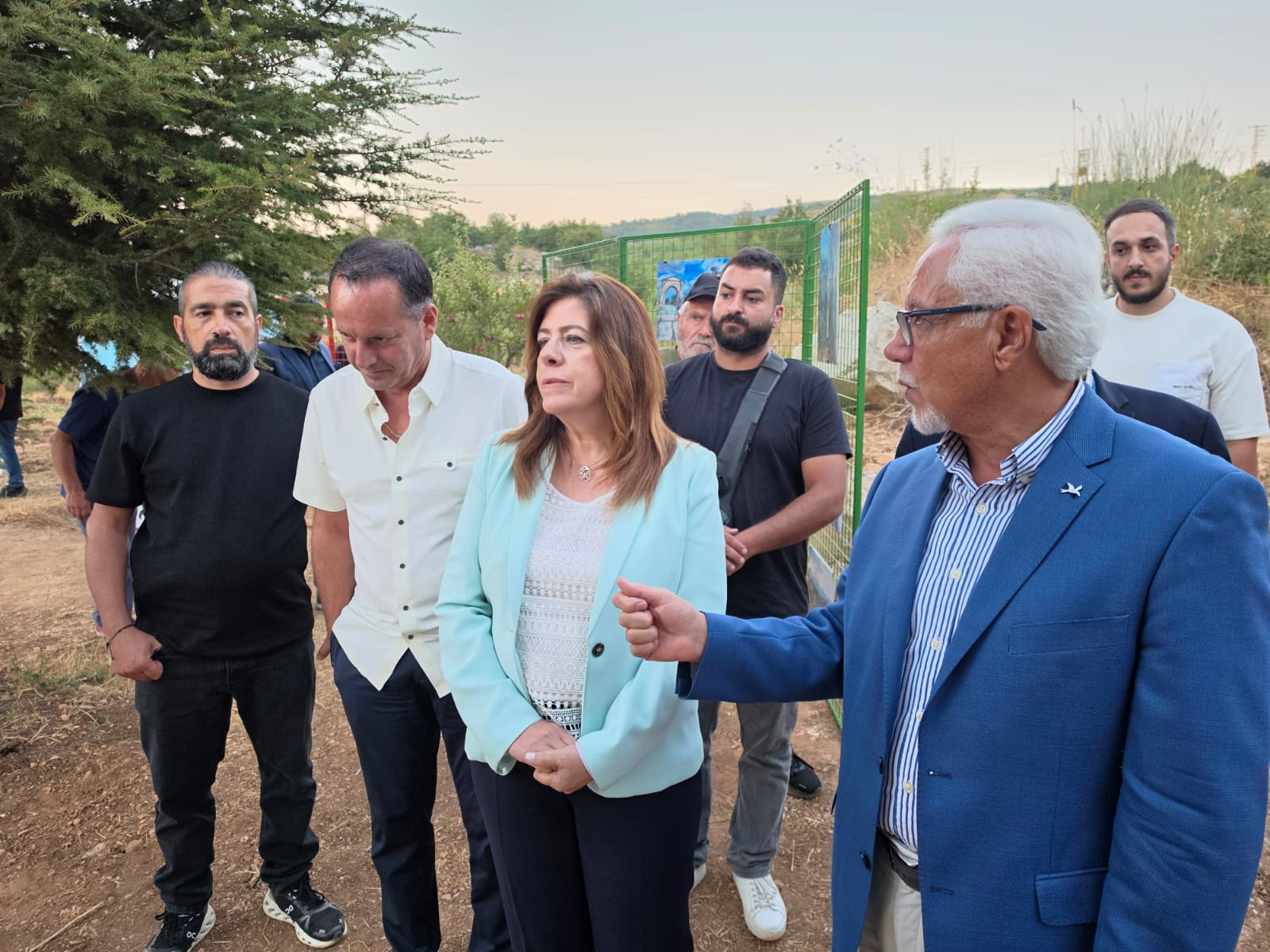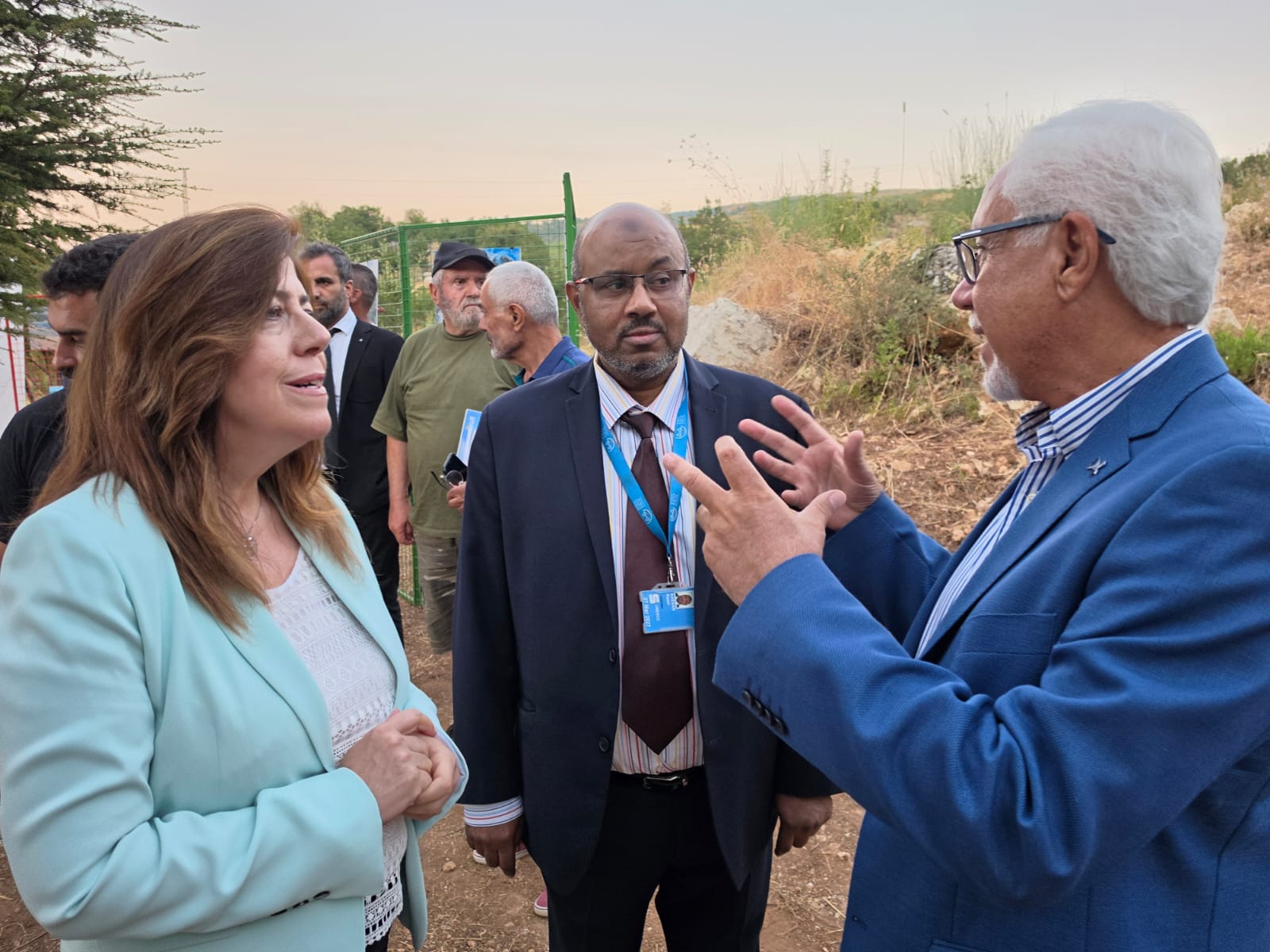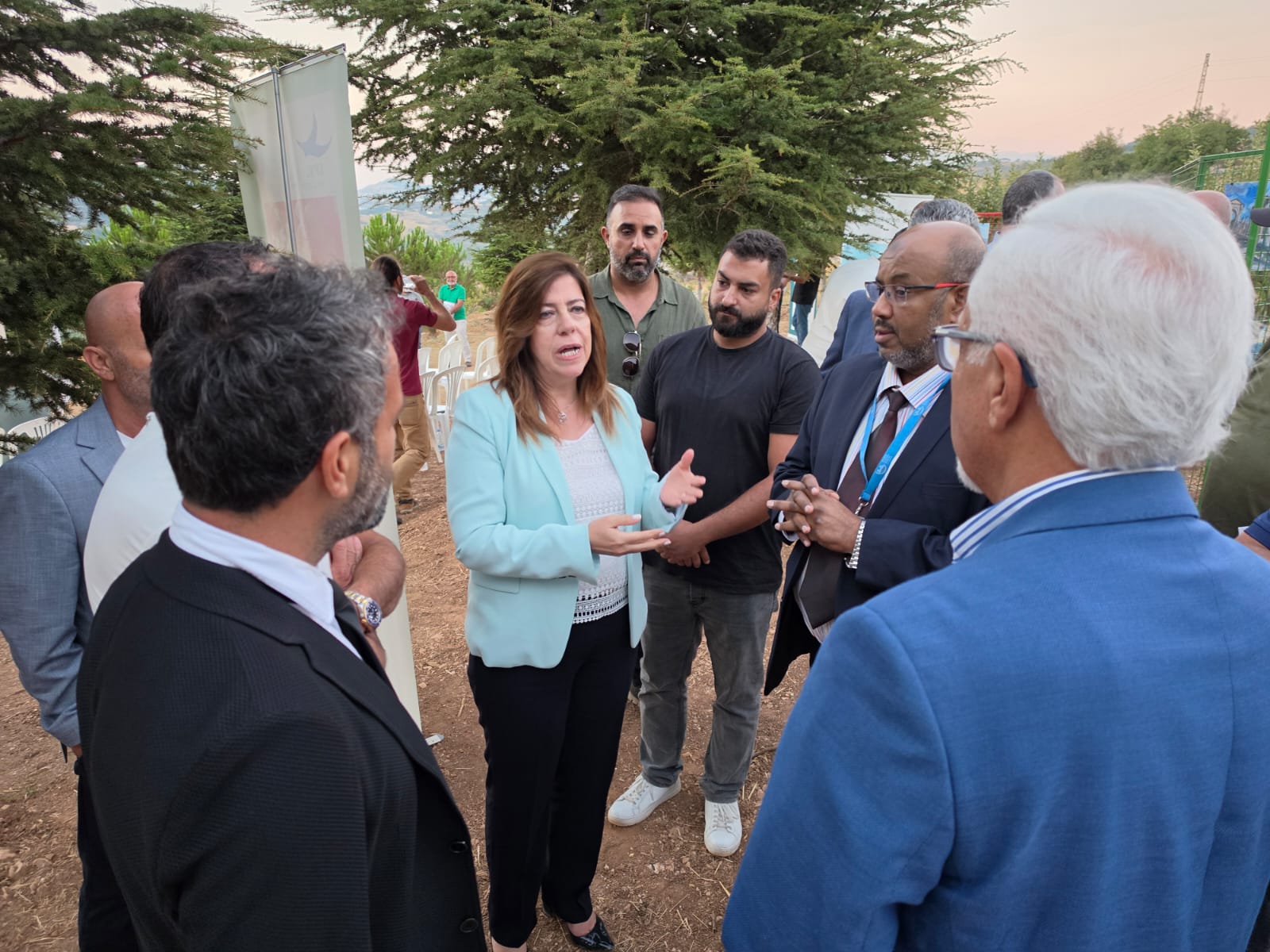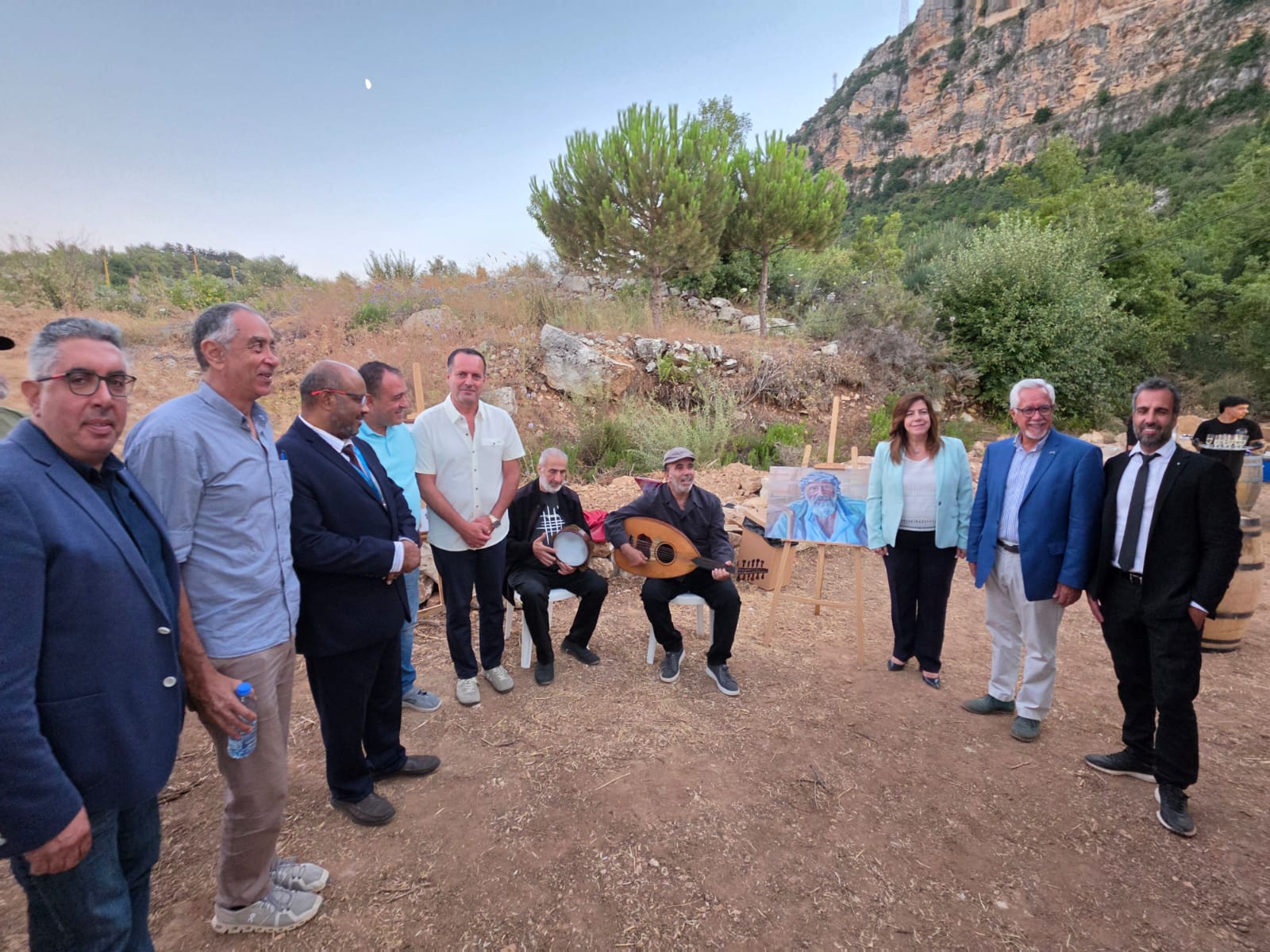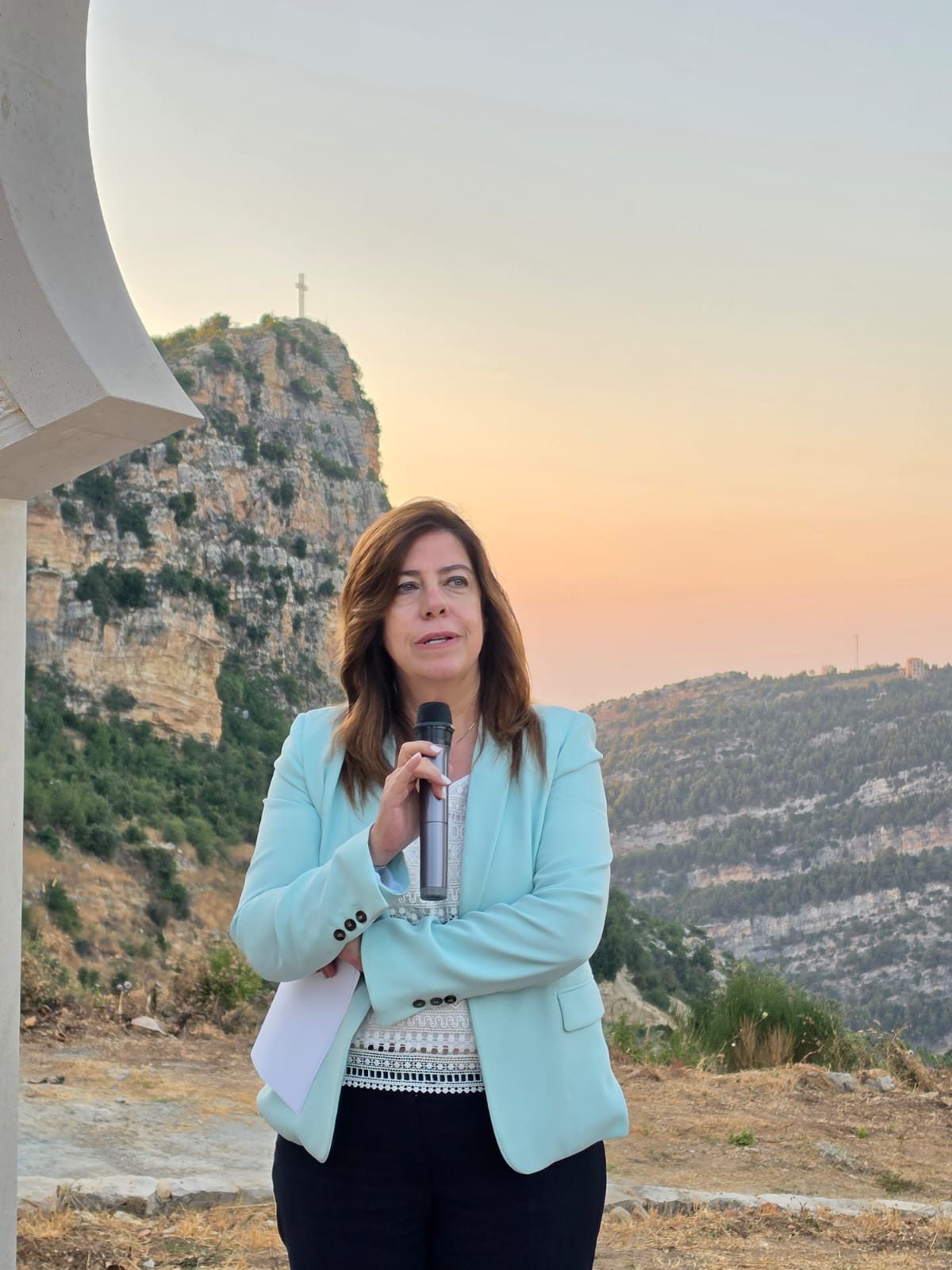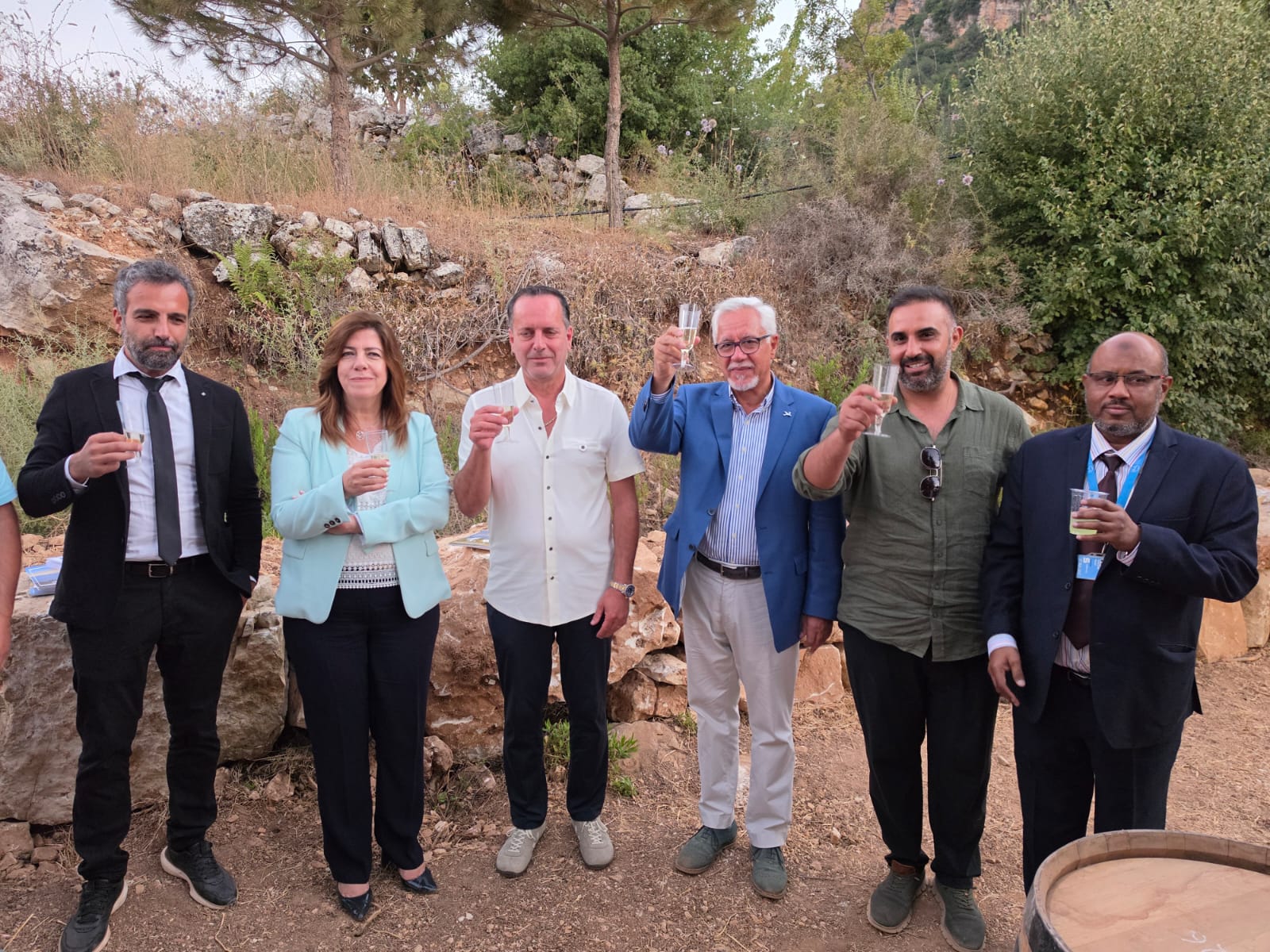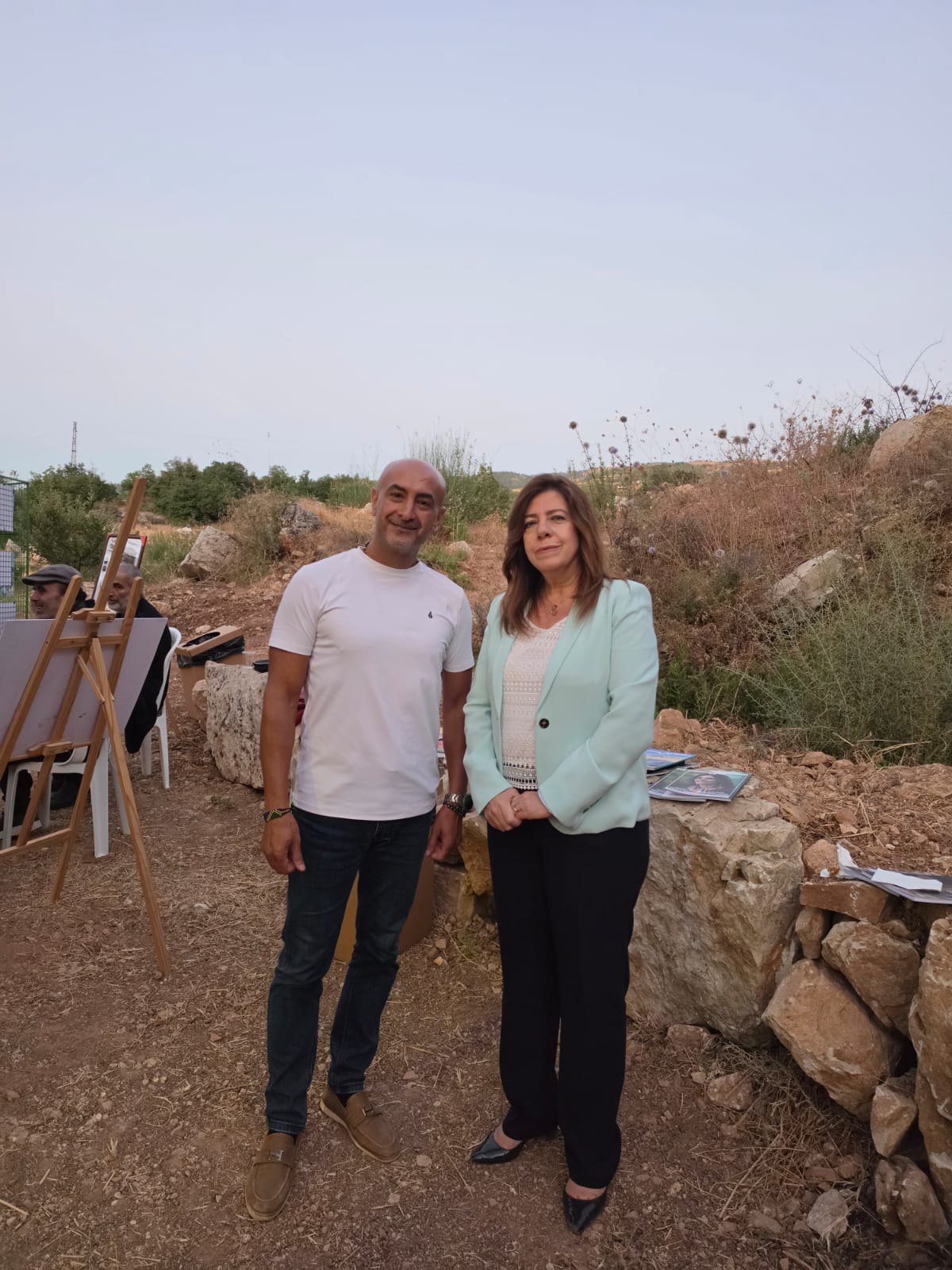



Under the patronage and in the presence of Minister of Youth and Sports Dr. Nora Bayrakdarian, the Homat Al Hima Forum was held in the village of Niha in the Batroun District, northern Lebanon. The gathering brought together representatives of local authorities, international organizations, environmental bodies, experts, and members of the local community, with the aim of promoting the Hima approach, highlighting its role in protecting nature, biodiversity, and heritage, and strengthening the participation of young people and local communities in building a sustainable future.
The Forum featured the launch of the “Hima Niha Park” and the Hima Niha Plan, an initiative aimed at protecting the village’s natural and cultural heritage, strengthening community-based management of natural resources, and transforming the locally rooted concept of Hima into a contemporary tool for biodiversity conservation and sustainable local development.
The Forum was held with the participation of the Society for the Protection of Nature in Lebanon (SPNL) and the Municipality of Niha, and with the attendance and participation of representatives of the International Union for Conservation of Nature (IUCN), BirdLife International, and the United Nations Educational, Scientific and Cultural Organization (UNESCO), as part of ongoing efforts to strengthen partnerships among public institutions, local authorities, environmental organizations, and local communities for the protection of nature.
Broad Official, Municipal and Environmental Participation
The Forum brought together officials, municipal representatives, environmental figures, representatives of international organizations, and members of the local community. Participants included Minister of Youth and Sports Dr. Nora Bayrakdarian; Roger Yazbek, President of the Federation of Municipalities of the Batroun Region; Youssef Fahd, Mayor of Niha in the Batroun District; Joseph Assaf, Mayor of Hardine–Beit Kassab; andEid Saba, Mukhtar of Mazraat Bani Saab in the Bsharri District.
Also in attendance were Dr. Nazar Hassan, Senior Science and Technology Advisor for the Arab States and Head of the Natural Sciences Section at UNESCO’s Regional Office; Assaad Serhal, Director General of the Society for the Protection of Nature in Lebanon (SPNL), member of BirdLife International’s Global Council and Honorary Member of IUCN; Fadi Ghanem, President of the Ghadhi Association, Chairman of the Environmental Media Group, and Coordinator of the IUCN Members’ Network; and André Bechara, Homat Al Hima Programme Manager at SPNL, alongside experts, activists, representatives of environmental organizations, and members of the local community.
Hima: Local Heritage with a Contemporary Vision
The Forum highlighted the concept of Hima as an approach deeply rooted in local heritage for the management and protection of natural resources through the participation of local communities and their assumption of responsibility for conserving them. Participants discussed the importance of drawing on this heritage and developing it into a contemporary tool for addressing biodiversity loss, ecosystem degradation, and increasing pressure on natural resources.
Participants emphasized that the success of Hima is not limited to protecting a defined geographical area. Rather, it is based on building a sustainable relationship between people and their natural surroundings and involving municipalities, local residents, and young people in setting priorities and making decisions concerning resource management. This approach links nature conservation with local development, ecotourism, and the preservation of the cultural and heritage identity of rural communities.
Speeches Highlight Partnership Between Communities, Science and Nature Conservation
The programme opened with the welcoming of participants and the Lebanese national anthem, followed by remarks from Youssef Fahd, Mayor of Niha, who welcomed participants and highlighted the importance of launching the Hima Park for the village and its residents, as well as the role of local authorities in protecting natural resources and preserving them for future generations.
Engineer George Khoury, a member of the Lebanese diaspora, engineer, and contributor to the establishment of the park, then spoke about the initiative and the importance of diaspora support for local projects that combine nature conservation with community service.
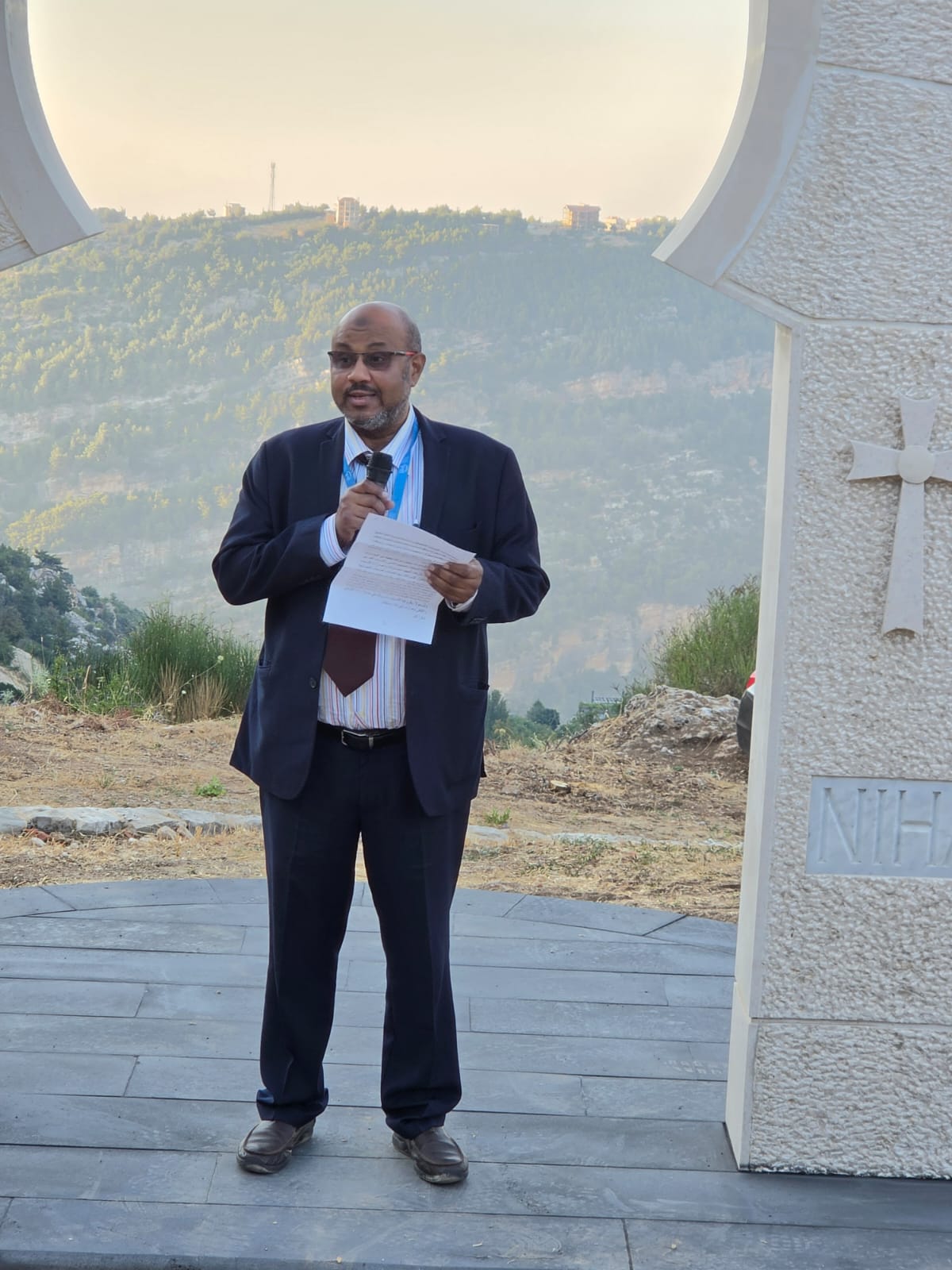
For his part, Dr. Nizar Hassan, Senior Science and Technology Advisor for the Arab States and Head of the Natural Sciences Section at UNESCO’s Regional Office, addressed the importance of science and knowledge in supporting nature conservation efforts, promoting the sustainable management of natural resources, and strengthening the capacity of local communities to address environmental challenges.
Serhal: Reviving Hima as a Community-Led Model for Biodiversity Conservation
Assaad Serhal, Director General of the Society for the Protection of Nature in Lebanon (SPNL), reflected on the long-standing experience of reviving and developing the Hima approach in Lebanon and across the region, highlighting its transformation from a traditional community-based system of natural resource management into a contemporary model for biodiversity conservation and sustainable development. He emphasized that the strength of Hima lies in placing local communities at the heart of conservation efforts, recognizing them not simply as beneficiaries of protected natural resources, but as active partners in their management, restoration, and long-term stewardship.
Serhal stressed that the Hima approach creates a direct connection between biodiversity conservation, community participation, local knowledge, cultural heritage, and sustainable livelihoods, allowing conservation priorities to respond to both ecological needs and the social and economic realities of local communities. He underscored in particular the importance of engaging young people and local stakeholders in protecting their natural and cultural heritage and strengthening their sense of responsibility and ownership toward the landscapes and ecosystems surrounding them.
Drawing on SPNL’s experience, Serhal also highlighted the importance of building lasting partnerships among municipalities, local communities, national institutions, civil society organizations, scientific and academic actors, and international conservation organizations. Such partnerships, he noted, are essential to ensuring that Hima sites are not isolated conservation initiatives, but part of a broader and sustainable approach that connects local action with national, regional, and international efforts to protect biodiversity.
In this context, the launch of Hima Niha Park and the Hima Niha Plan represents another step in translating the Hima philosophy into practical action, demonstrating how a concept rooted in the region’s heritage can be adapted to contemporary environmental challenges while preserving its fundamental principle: communities themselves must remain central to the protection and sustainable management of their natural heritage.
Ghanem: Hima Is a Local Model That Has Acquired an International Dimension
Speaking at the Forum, Fadi Ghanem stressed the growing importance of the Hima approach as an authentic model deeply rooted in local heritage while remaining capable of responding to contemporary requirements for nature and biodiversity conservation.
Ghanem noted that the adoption of the Hima concept by the International Union for Conservation of Nature (IUCN) reflects the growing international recognition of this approach and demonstrates how traditional practices based on local community participation can offer practical and effective solutions to today’s environmental challenges.
He emphasized that Hima brings together traditional knowledge, community participation, biodiversity conservation, and the sustainable management of natural resources. He called for greater support and expansion of Hima initiatives and for stronger cooperation among IUCN members, municipalities, environmental organizations, universities, and local communities.
Ghanem particularly stressed the importance of involving young people in this process, not merely as beneficiaries of the natural resources and heritage that will be passed on to them, but as active partners in protecting, managing, and shaping their future.
Bayrakdarian: Young People Are Partners in Protecting Nature and Heritage
Minister of Youth and Sports Dr. Nora Bayrakdarian delivered remarks on the occasion, emphasizing the important role that young people can play in protecting nature and heritage and in promoting a culture of environmental responsibility and active citizenship.
The Minister’s patronage and participation in the Forum underscored the importance of linking youth-oriented policies and programmes with environmental and development priorities and creating opportunities for younger generations to participate in local initiatives that protect natural resources, preserve heritage, and contribute to community development.
Launch of the “Hima Niha Park” and Plan
The Forum culminated in the launch of the “Hima Niha Park” and the Hima Niha Plan, representing a practical step toward translating the principles discussed during the gathering into a local framework for protecting nature and heritage and strengthening the participation of the municipality, the local community, and young people in the management and conservation of the site.
The park is intended to provide a space that brings together nature conservation, environmental awareness, heritage preservation, and the strengthening of younger generations’ connection to their land and environment, while offering a model that can be built upon to develop similar initiatives in other parts of Lebanon.
The launch of Hima Niha comes at a time when Lebanon increasingly needs participatory approaches to the protection of natural resources and biodiversity—approaches that restore the central role of local communities in safeguarding their natural surroundings while drawing on scientific knowledge and national and international expertise.
The Forum concluded by reaffirming that Hima is not merely a legacy of the past, but a living and evolving approach based on partnership and shared responsibility. It provides a framework for bringing together nature conservation, heritage preservation, youth empowerment, and sustainable local development, helping ensure that Lebanon’s natural and cultural wealth is protected and passed on to future generations.