

Sunday, 23 June marks the 40th anniversary of the Convention on the Conservation of Migratory Species of Wild Animals (CMS), also known as the “Bonn Convention” after the city in which it was signed. It is the only global treaty dealing with the conservation of migratory species and their habitats across the world, including birds, whales, dolphins, sharks, elephants, antelopes, and gorillas.
CMS is one of the oldest global environmental treaties and was the first UN Organization to take up its headquarters in Bonn. Since its negotiation and signature at the Godesburg Castle in Bonn, the Convention has grown to engage over 160 governments, as well as many partner organizations and wildlife experts in its work.
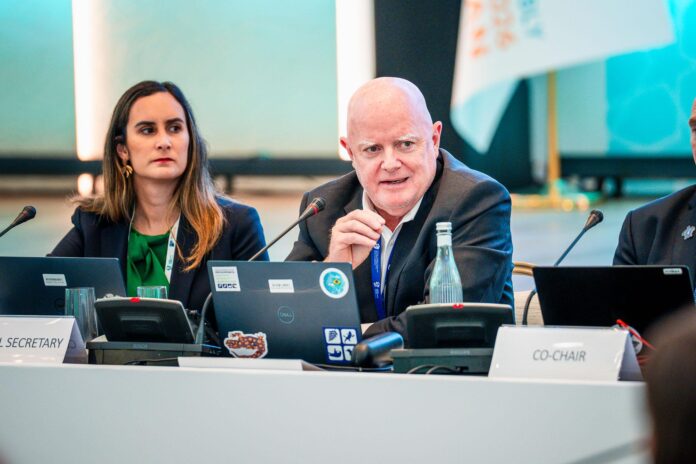
CMS Acting Executive Secretary, Amy Fraenkel said: “For the past 40 years, CMS has been at the forefront of addressing threats to migratory wildlife on a global scale. We are deeply grateful for the immense support of the City of Bonn and the Government of Germany as host of this important Convention. But while we have achieved many successes, there remain great challenges confronting migratory species, including increased habitat loss, pollution and climate change.”
Lord Mayor Ashok Sridharan said: “I congratulate the Bonn Convention for making the world a better place for migratory wildlife. As the first United Nations organization in Bonn, it has a very special significance for our city. Today, with 20 UN secretariats, we are Germany’s United Nations city. And we will continue to give our full support to all UN organizations based here with us.”
An anniversary reception will take place tonight in the Old Town Hall of Bonn.
The Bonn Convention is also unique in that it provides an international platform for countries with shared species to work together for their conservation. Preserving migratory species and their habitats also provides important benefits, such as pollination of plants, dispersal of seeds, pest control, and building resilience to climate change.
It promotes scientific research to better protect migratory animals across their habitats and migration routes. Mitigating the impact of climate change, fighting wildlife crime and using renewable energy in a wildlife-friendly way is also part of the Convention’s mandate.
These efforts also support achievement of the United Nations Sustainable Development Goals, which include goals on protecting biodiversity and ecosystems.