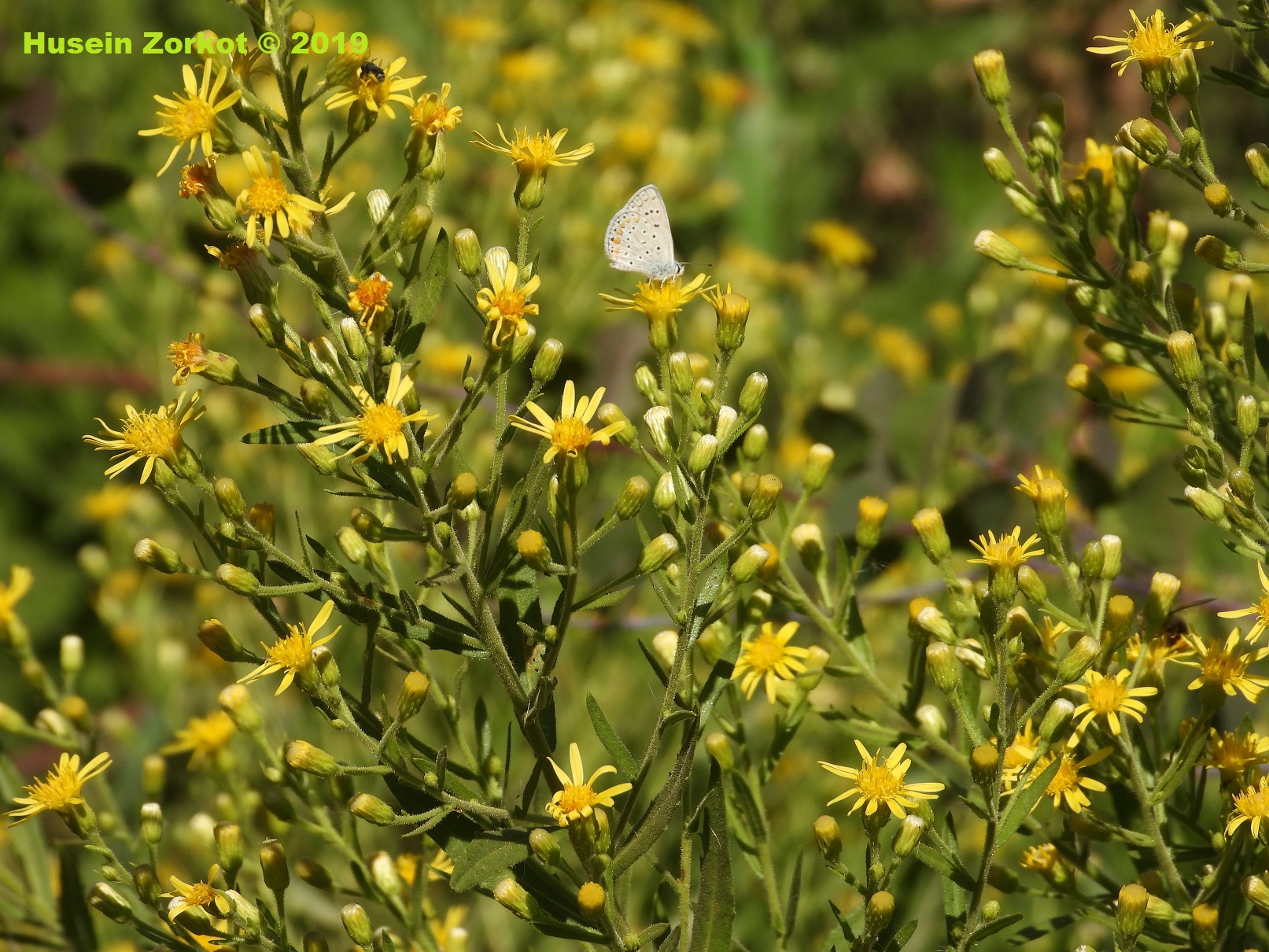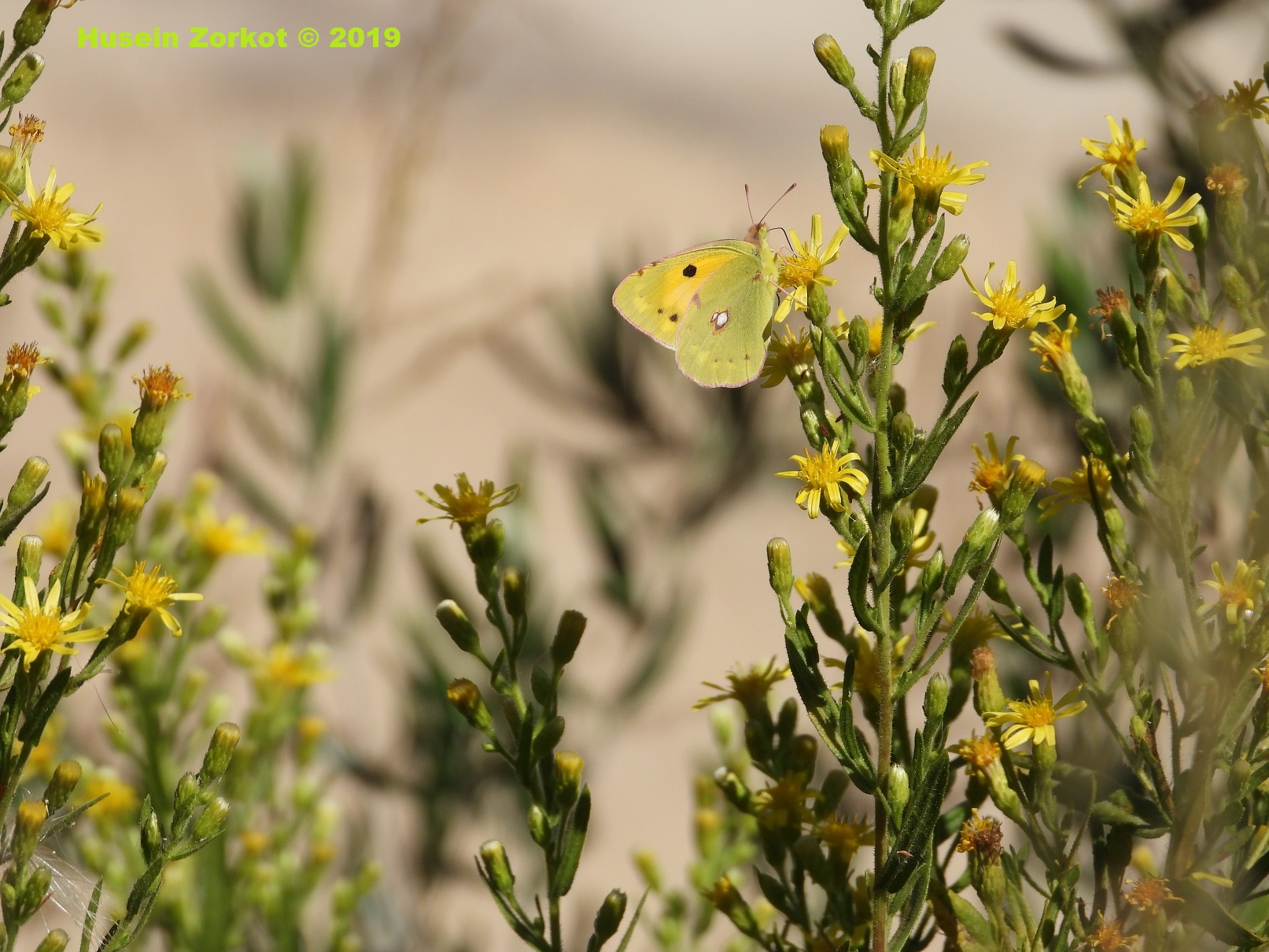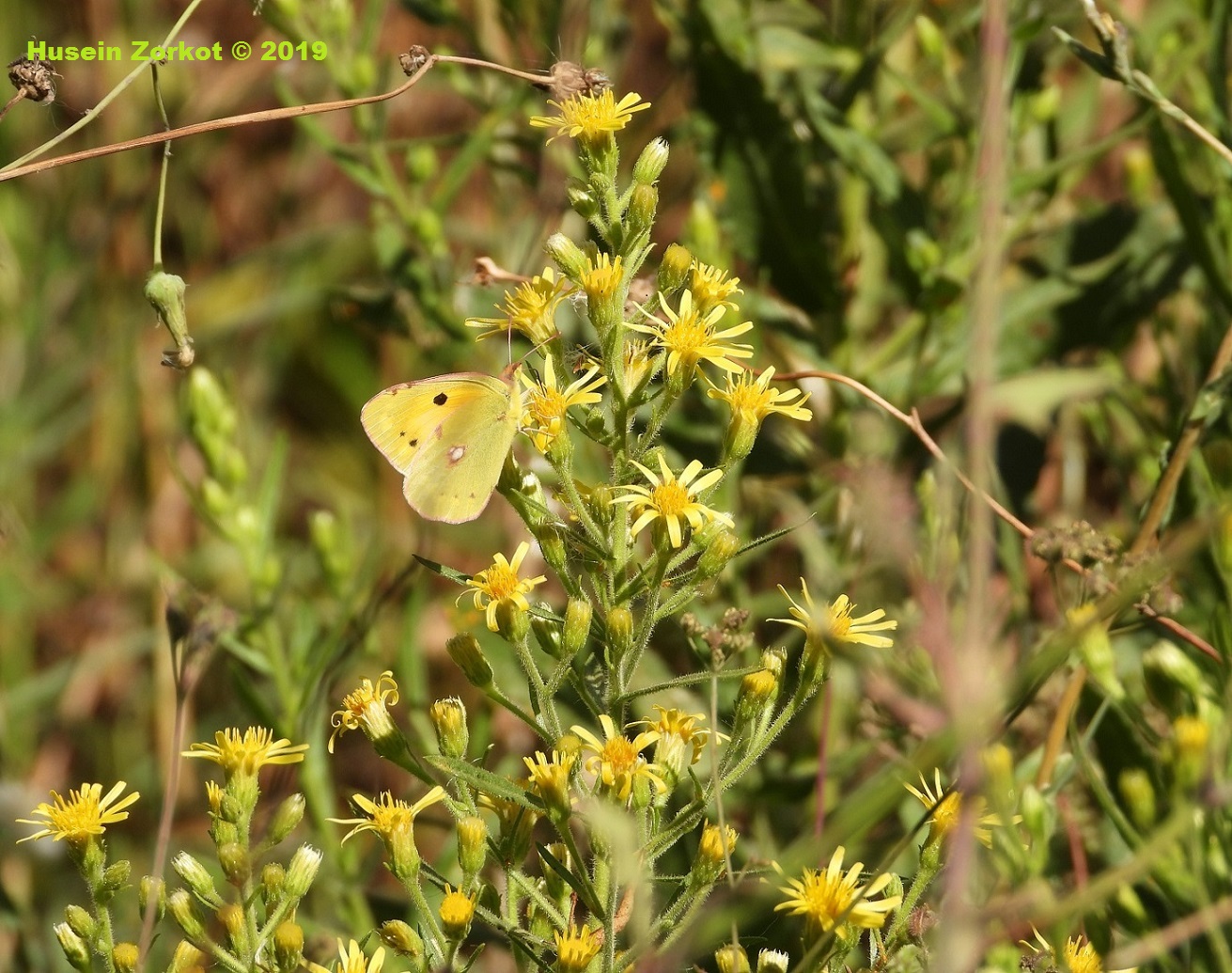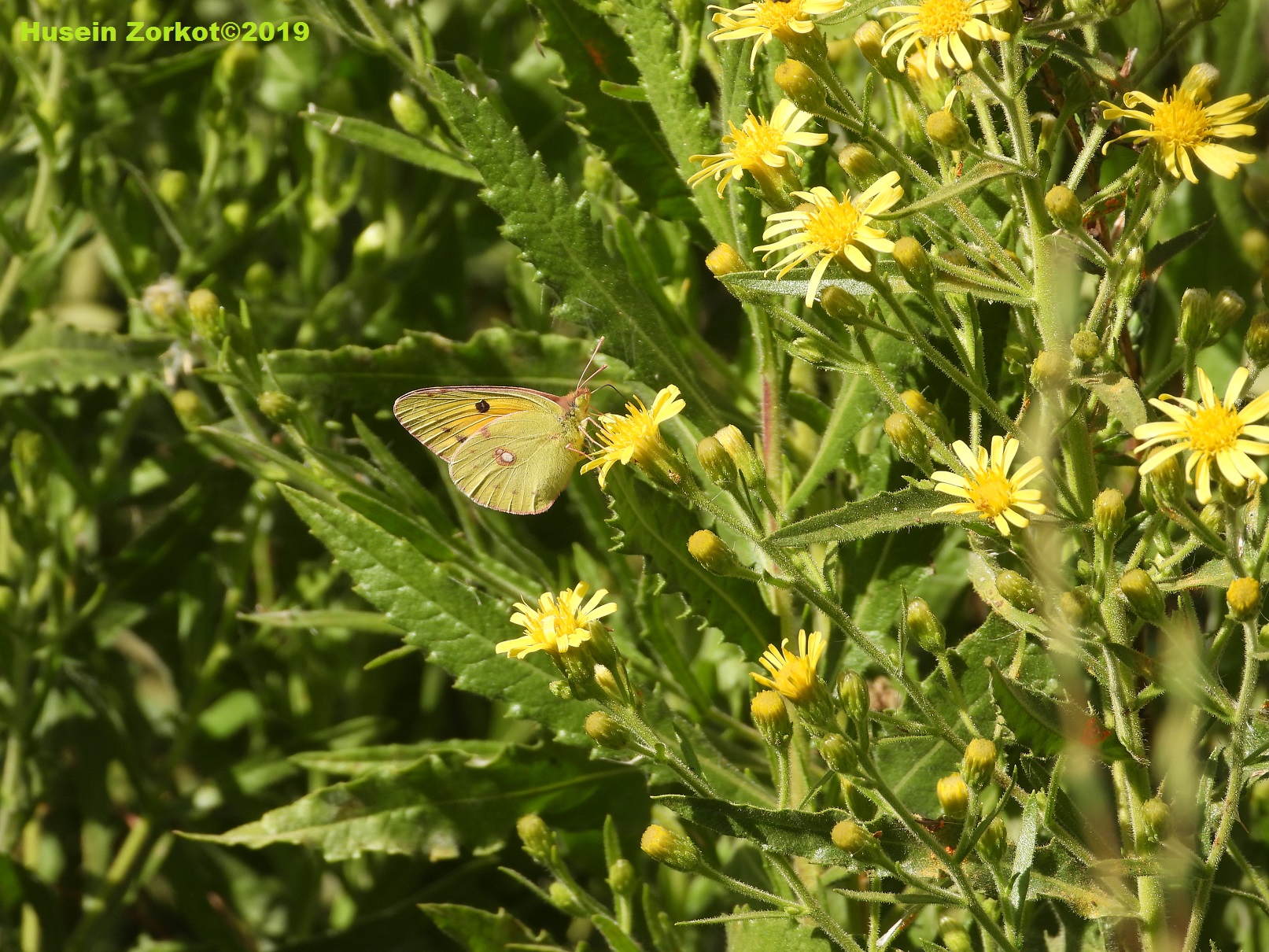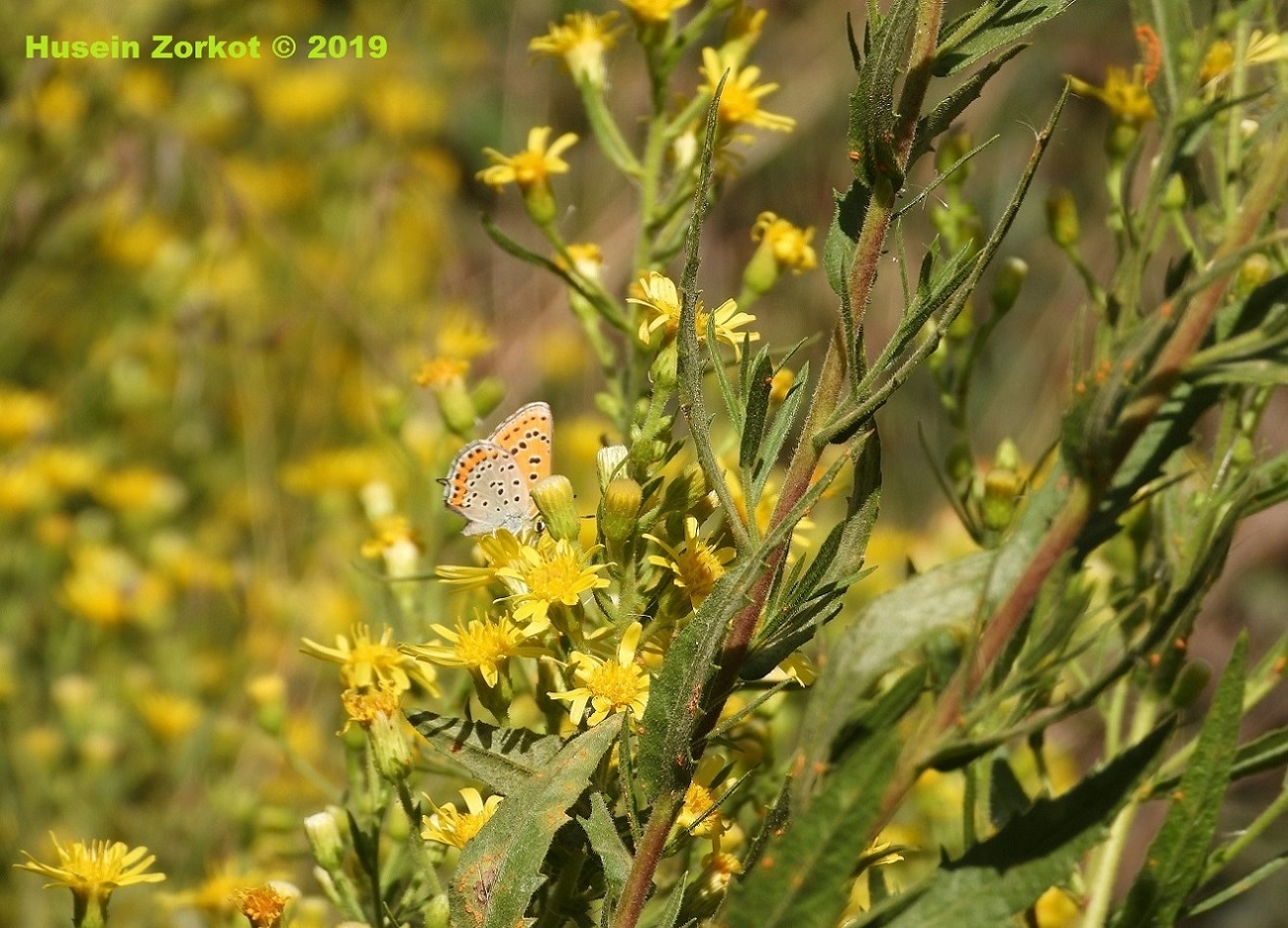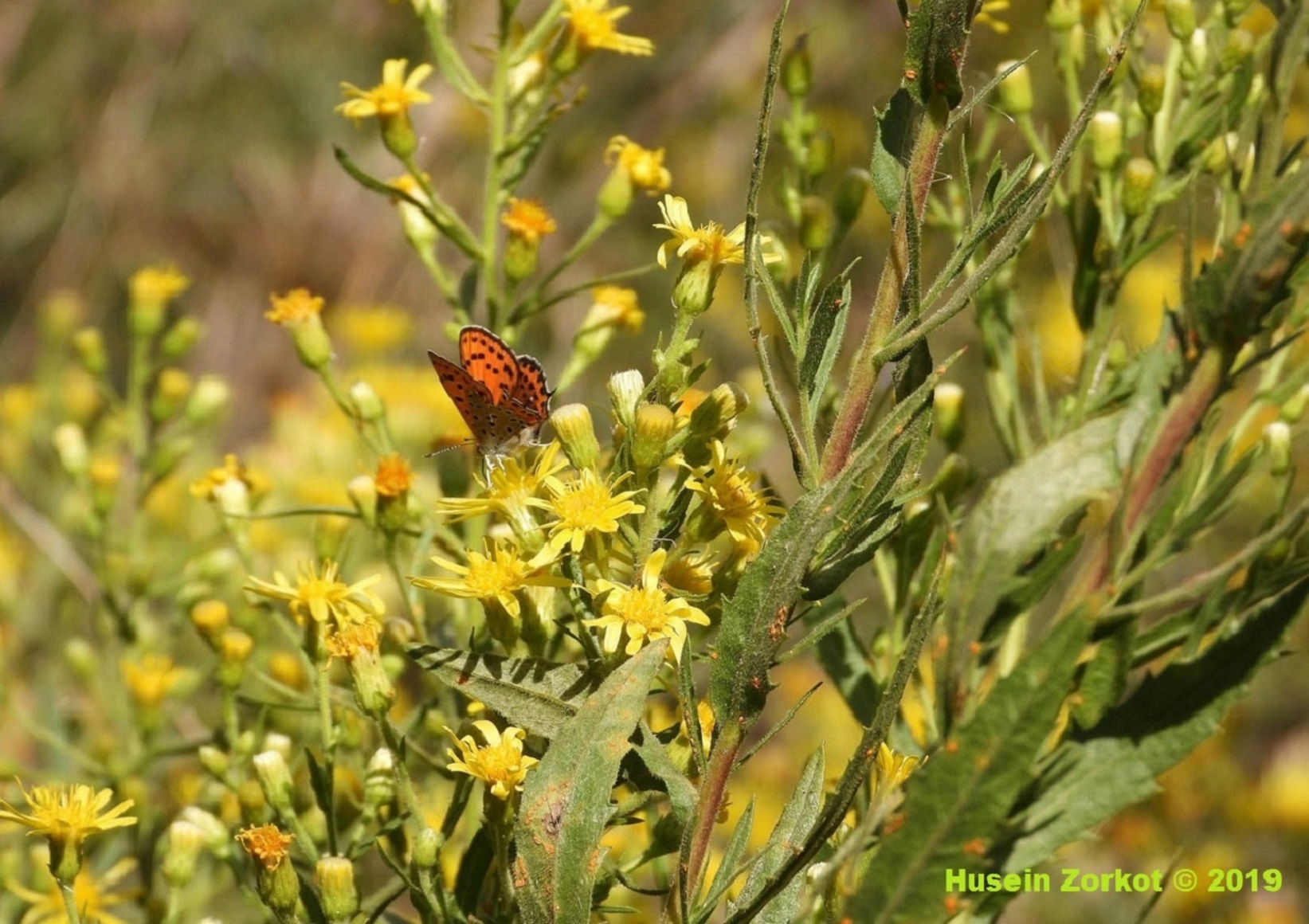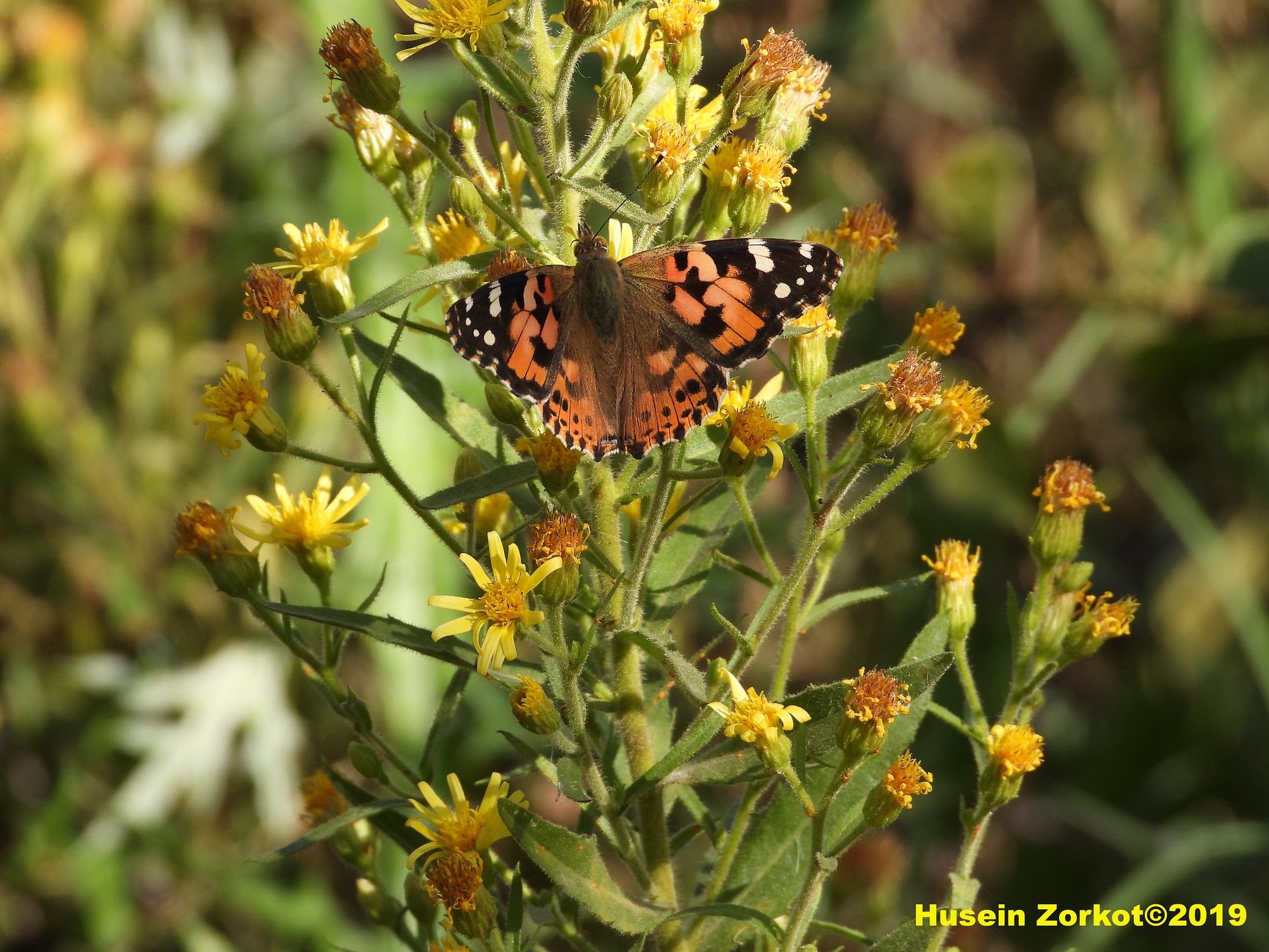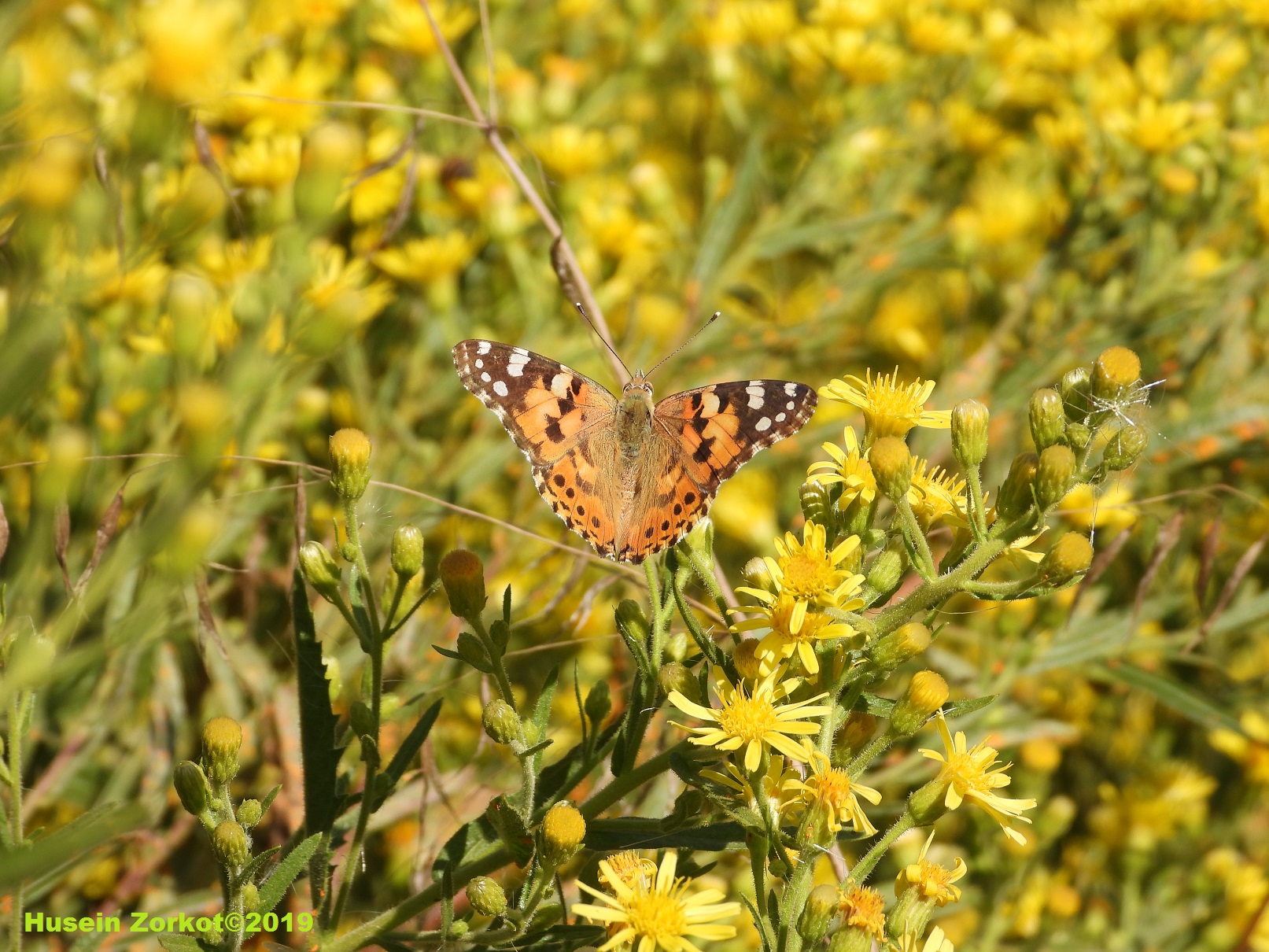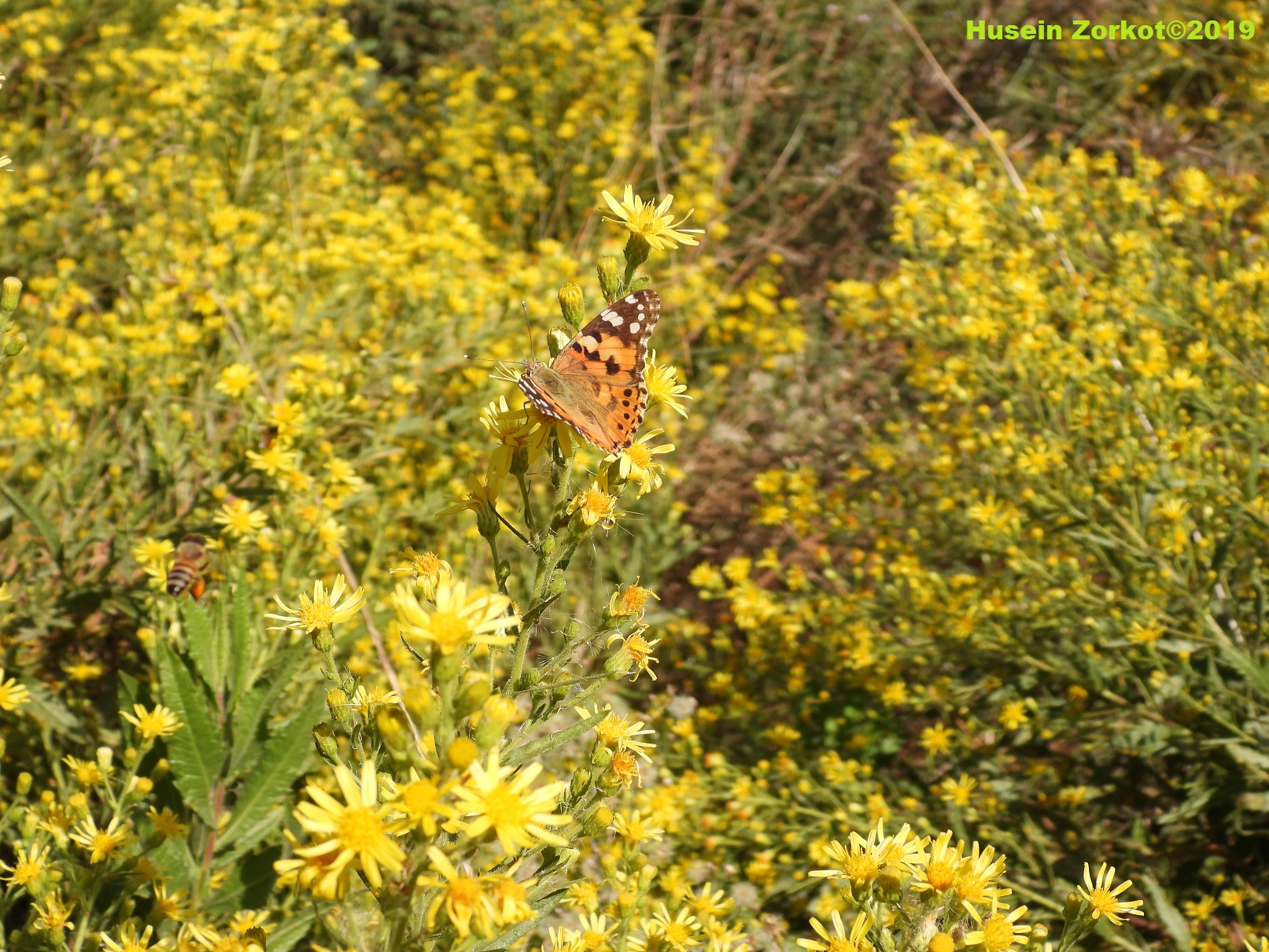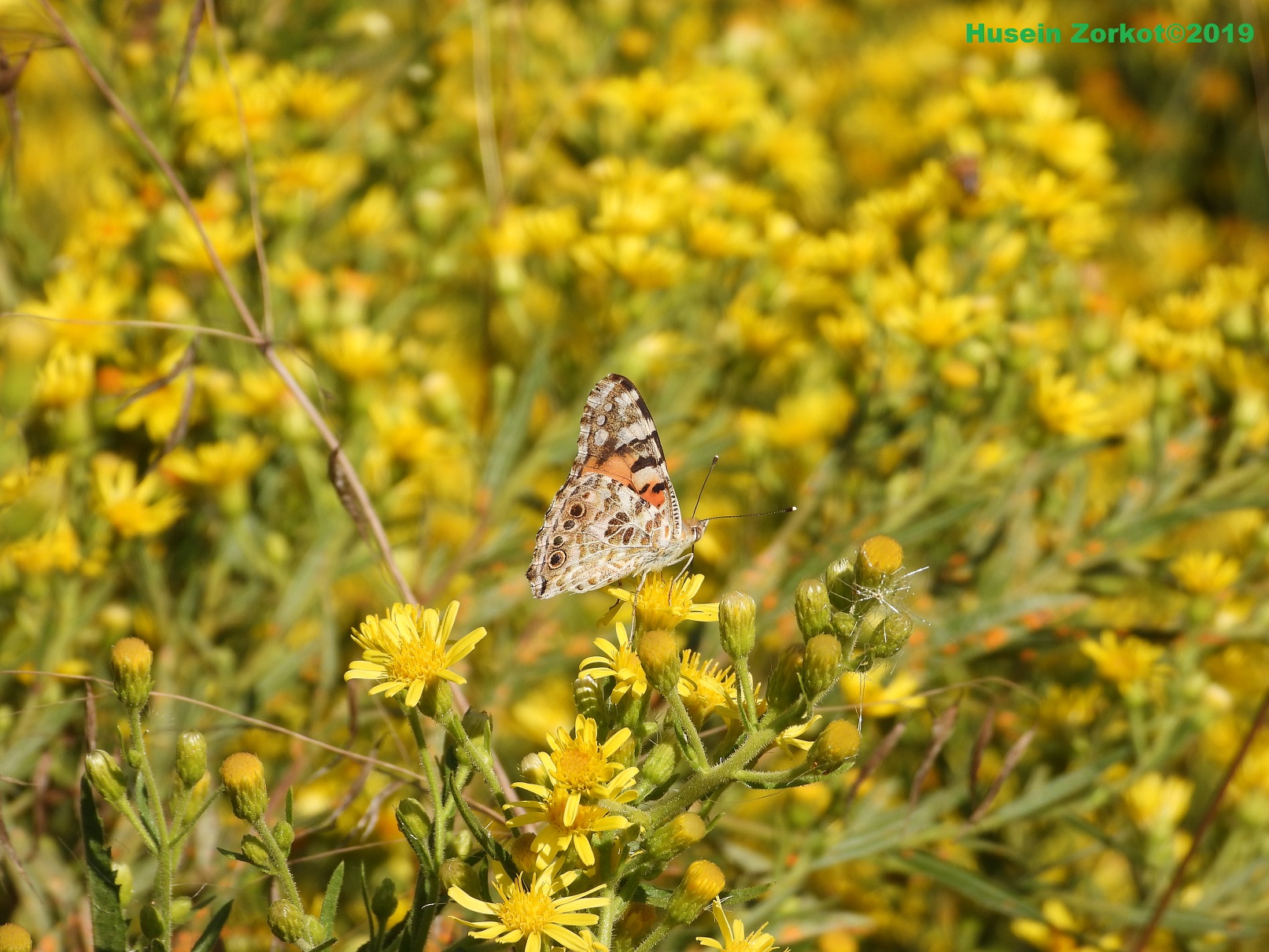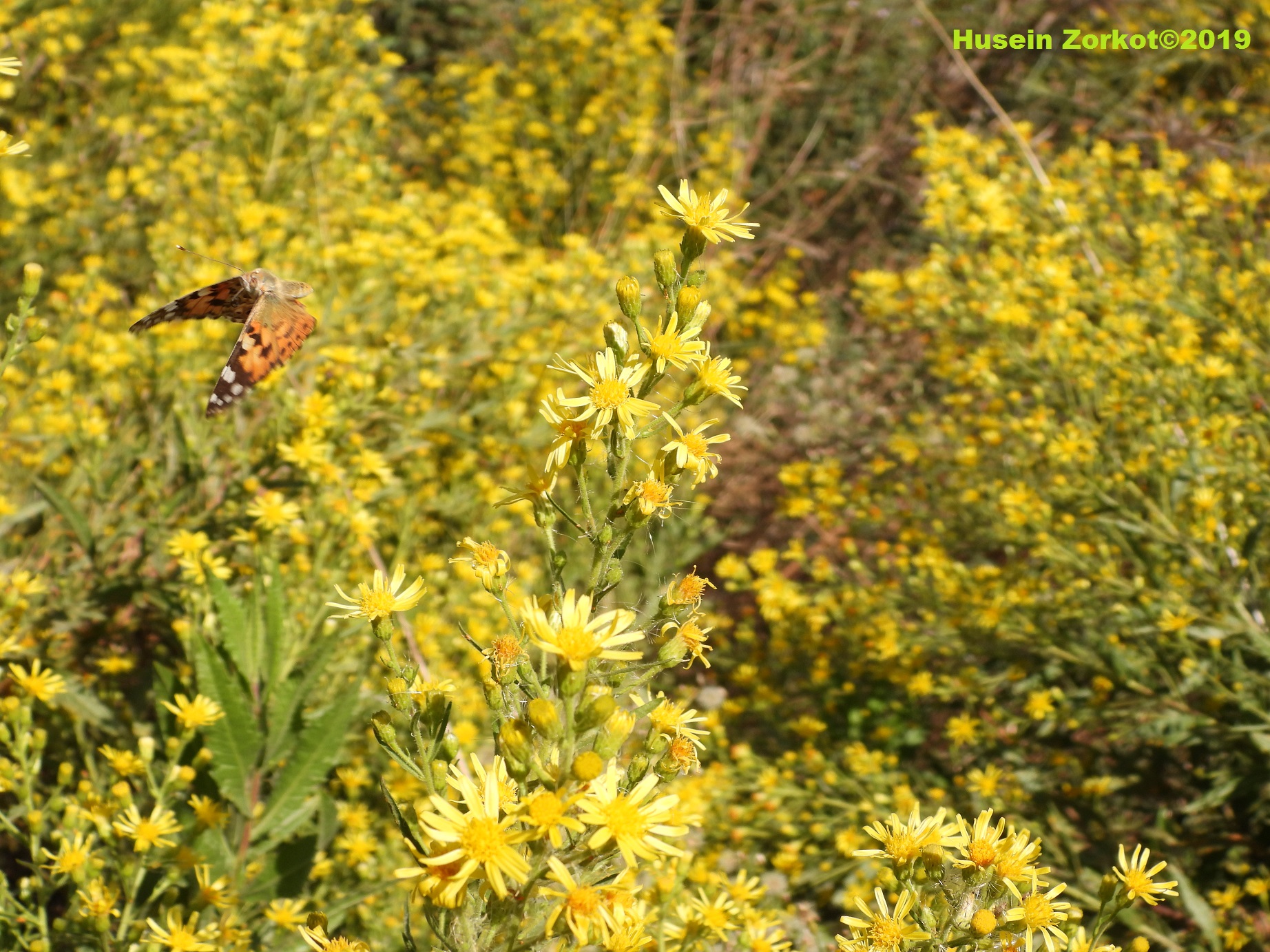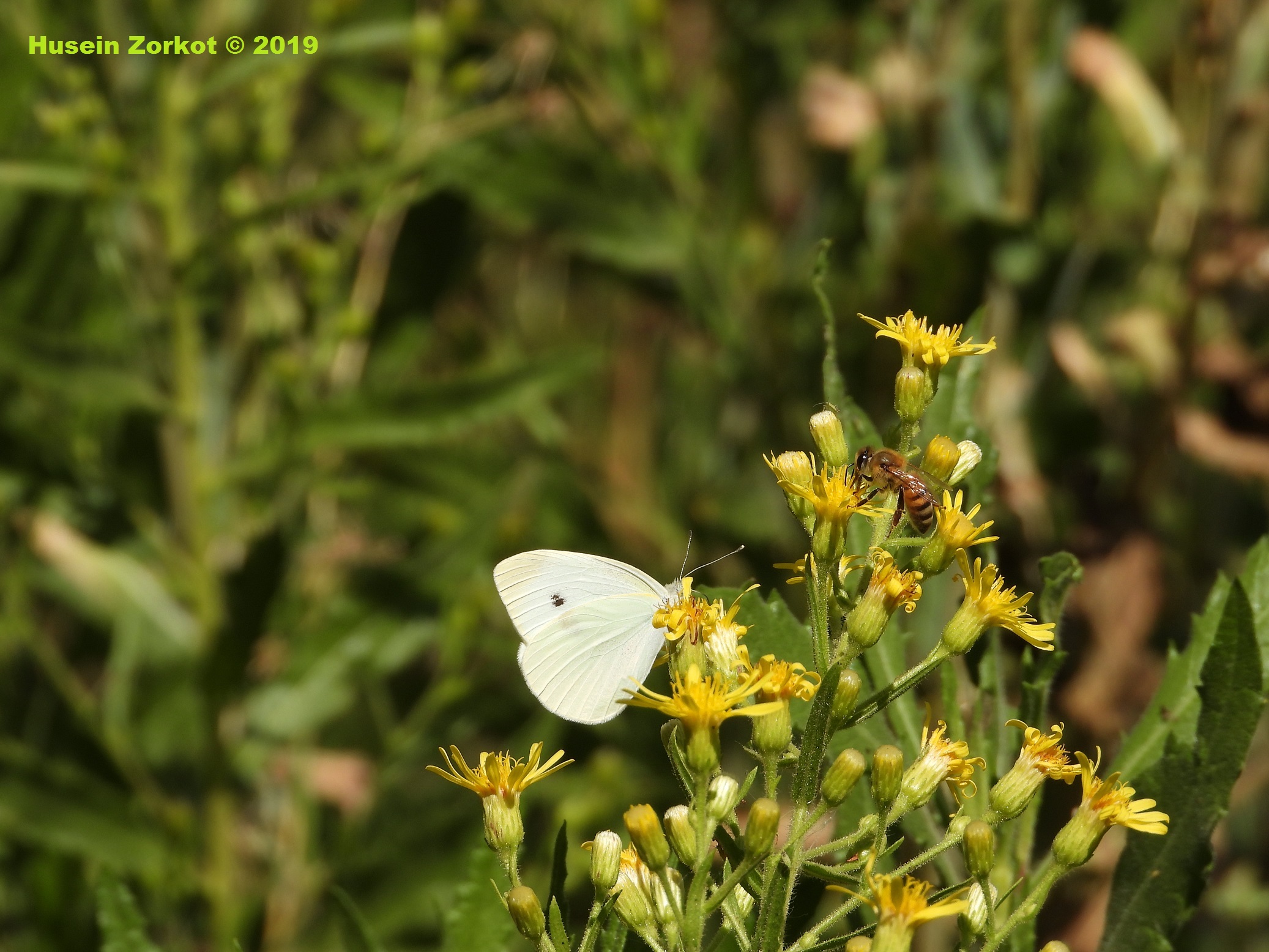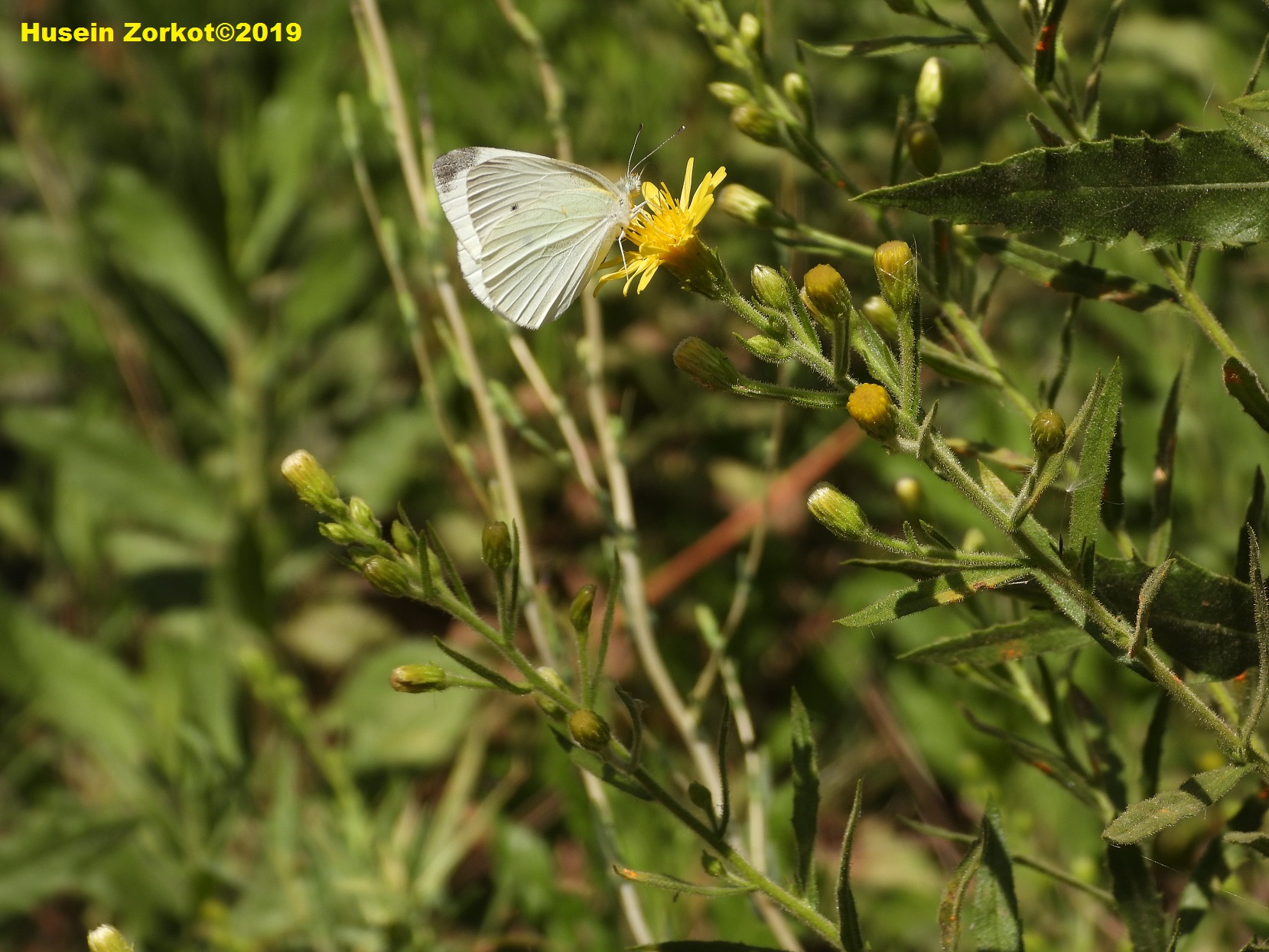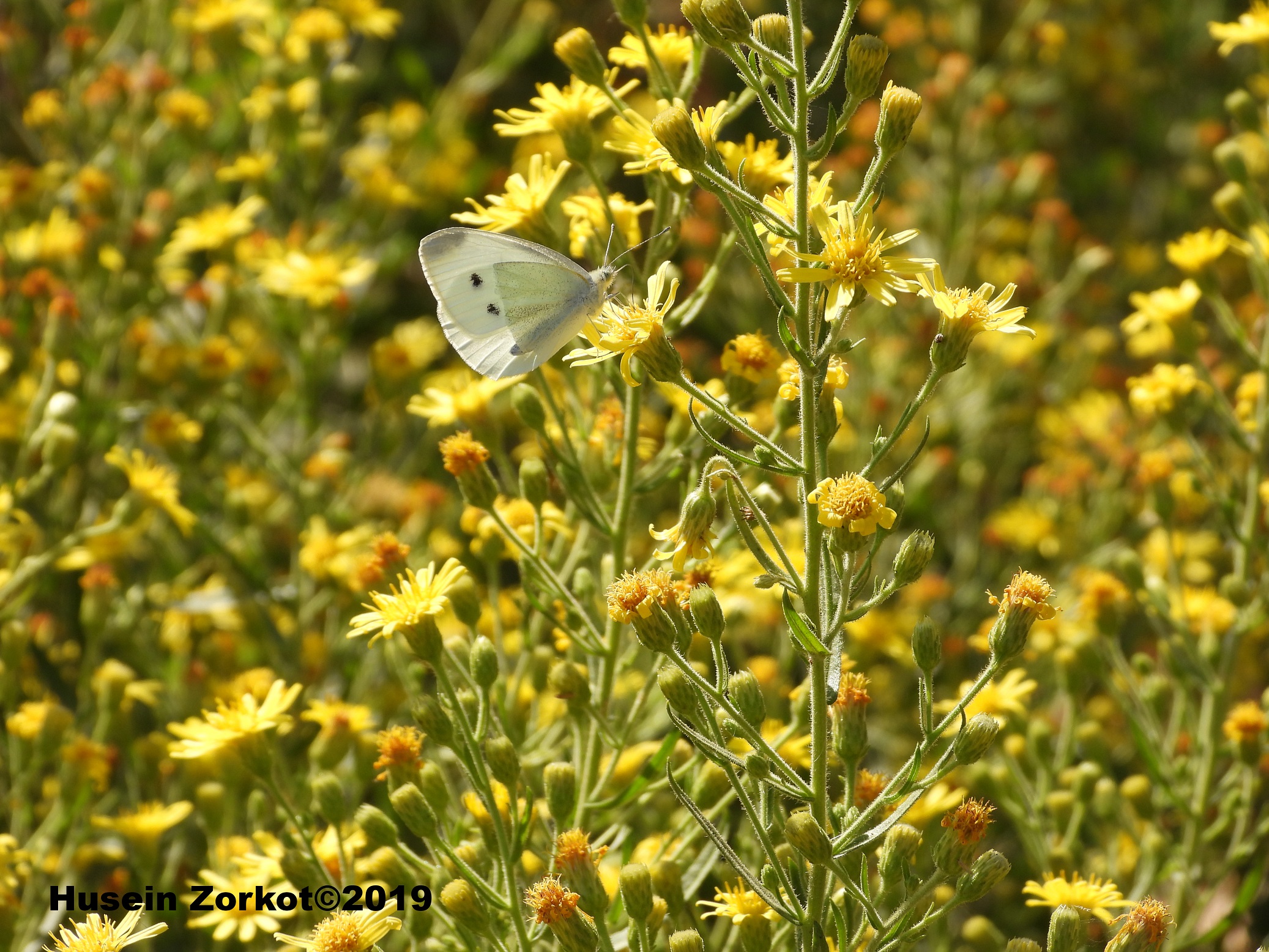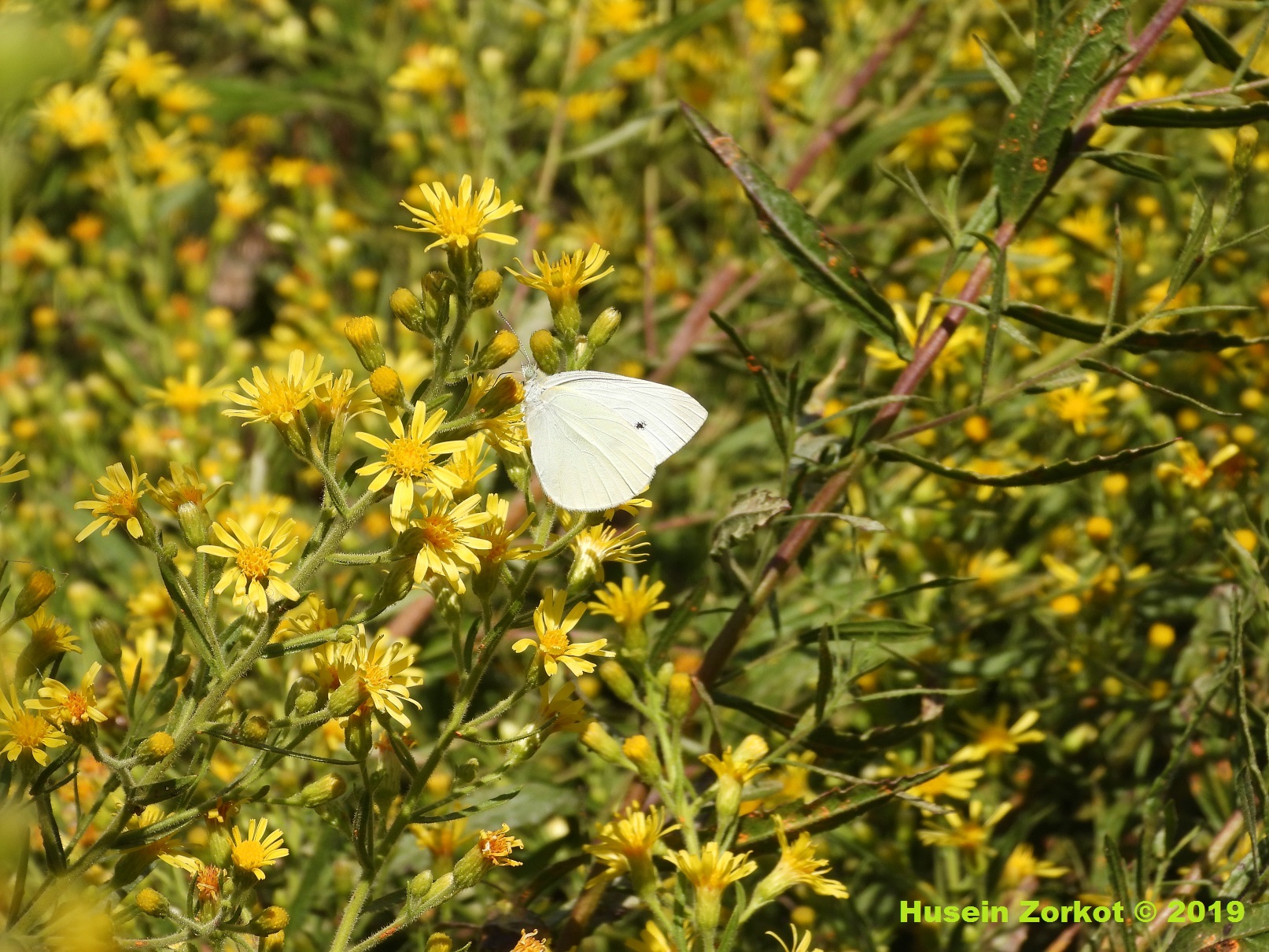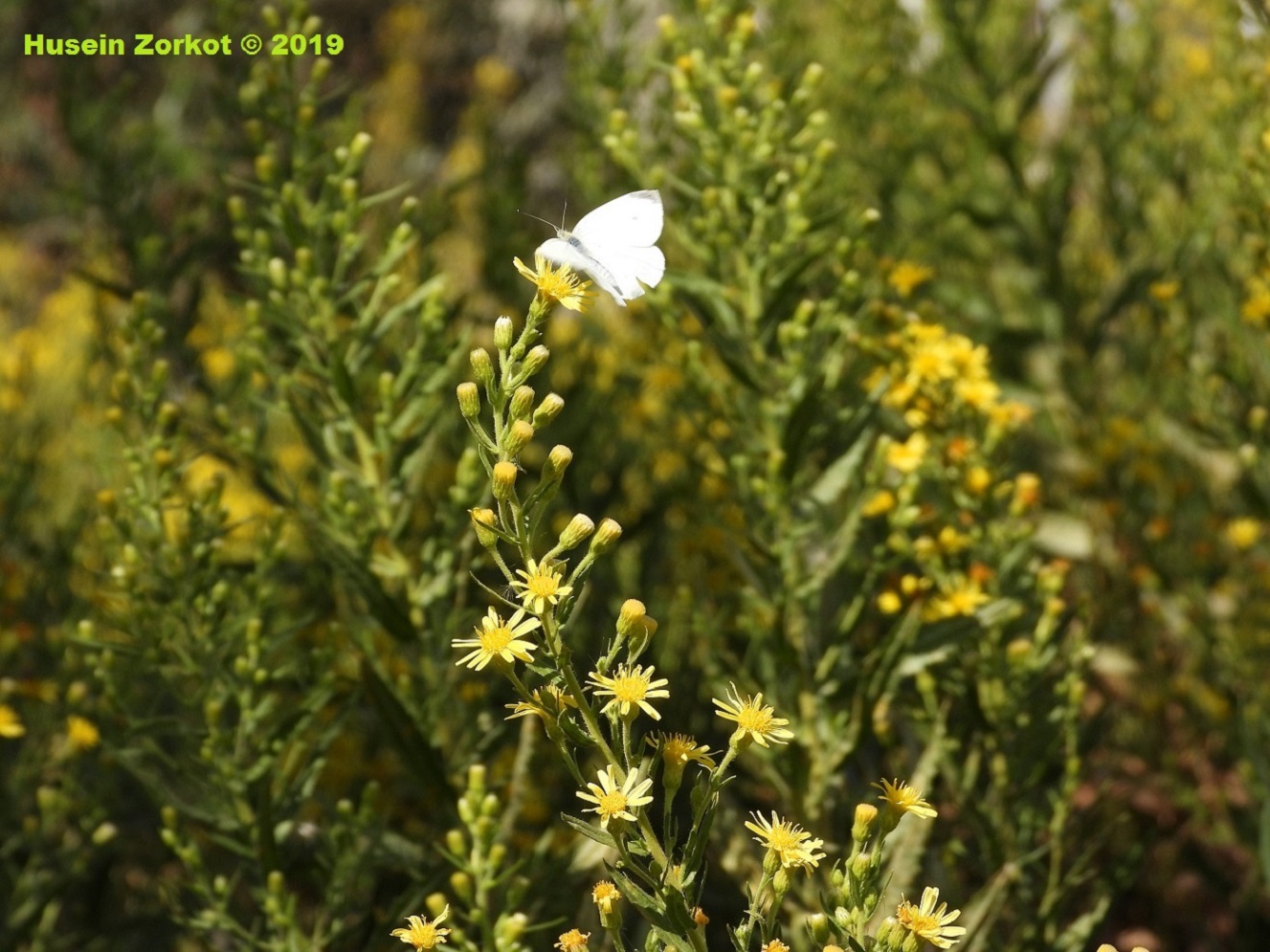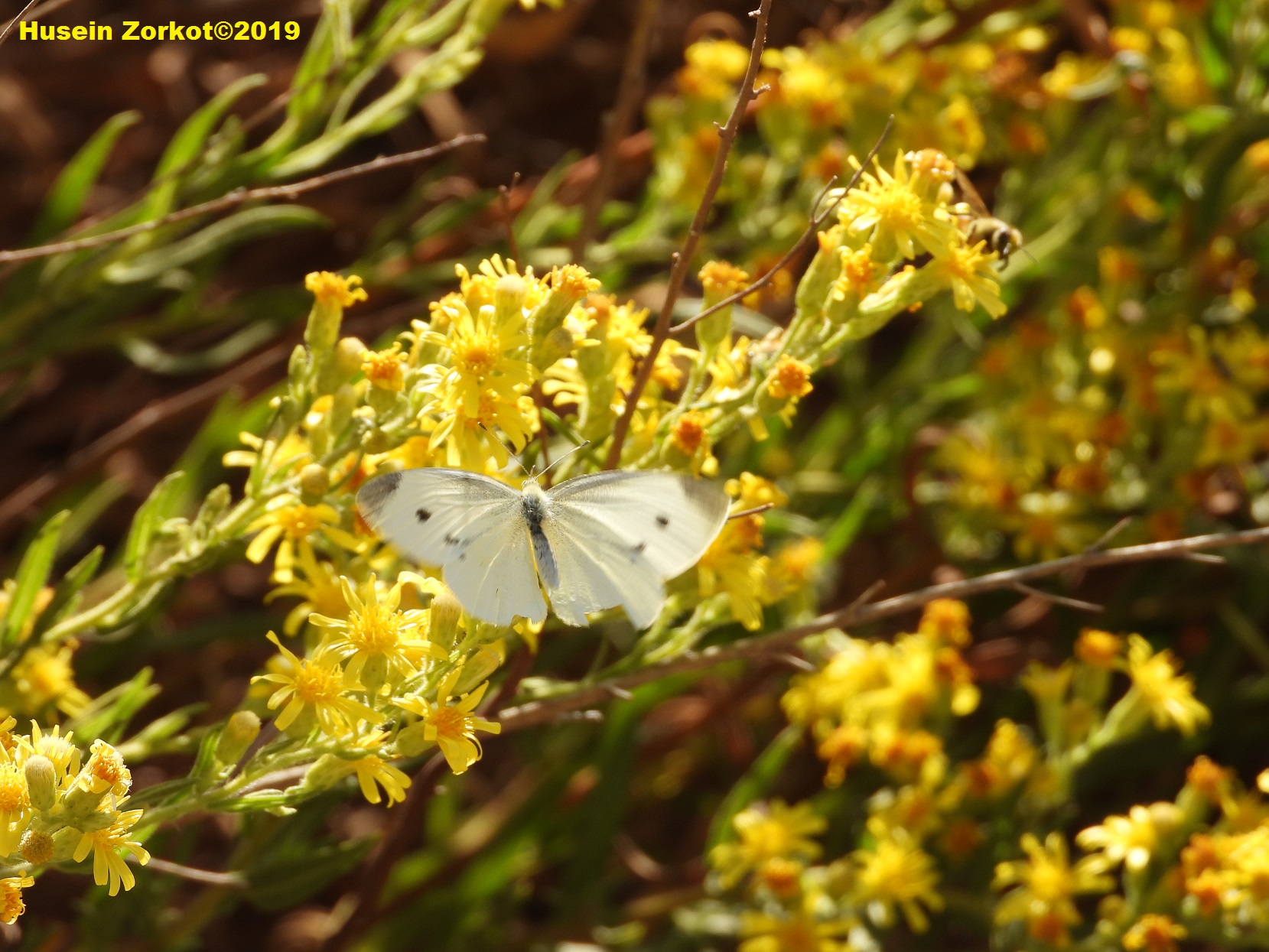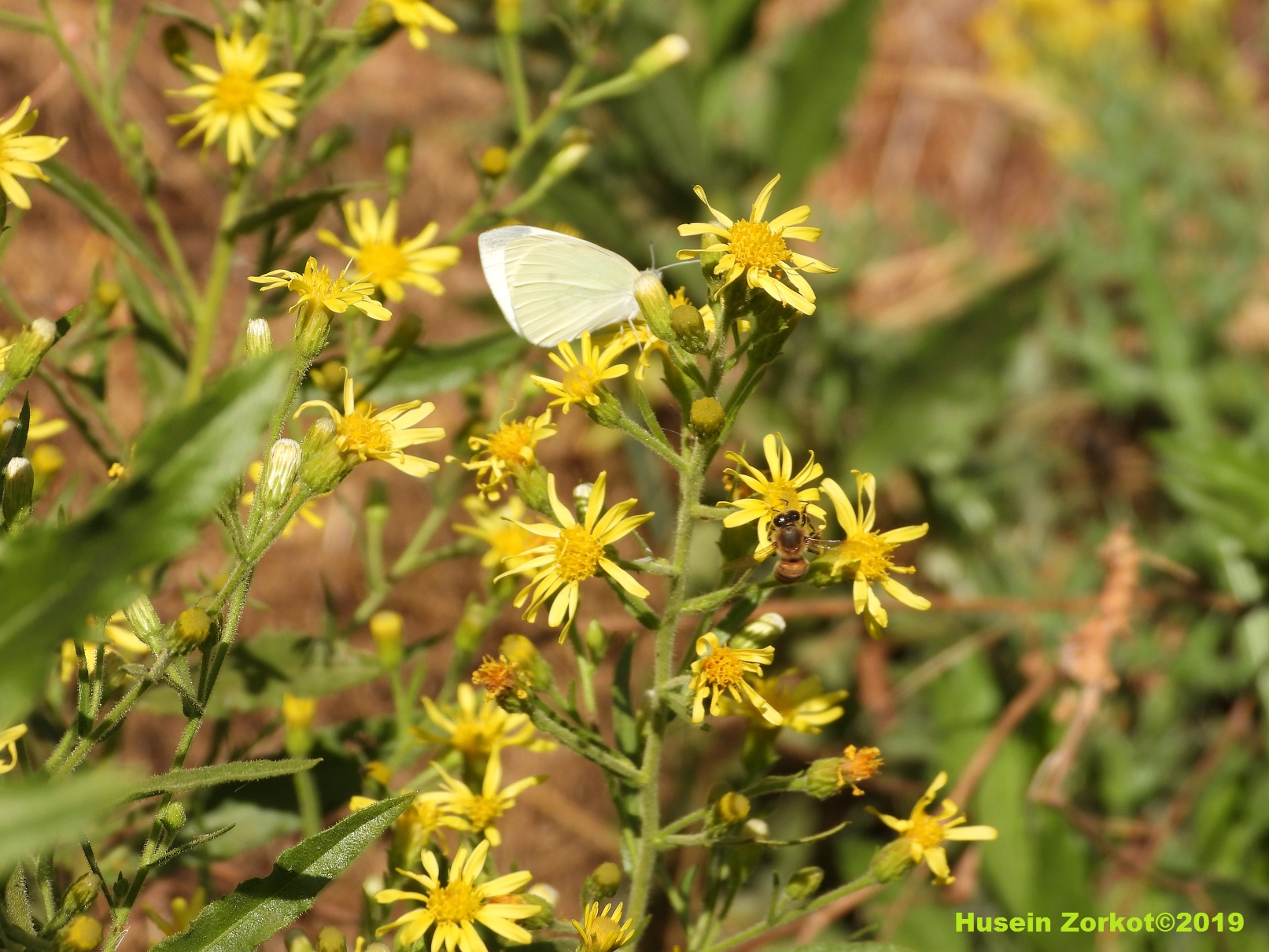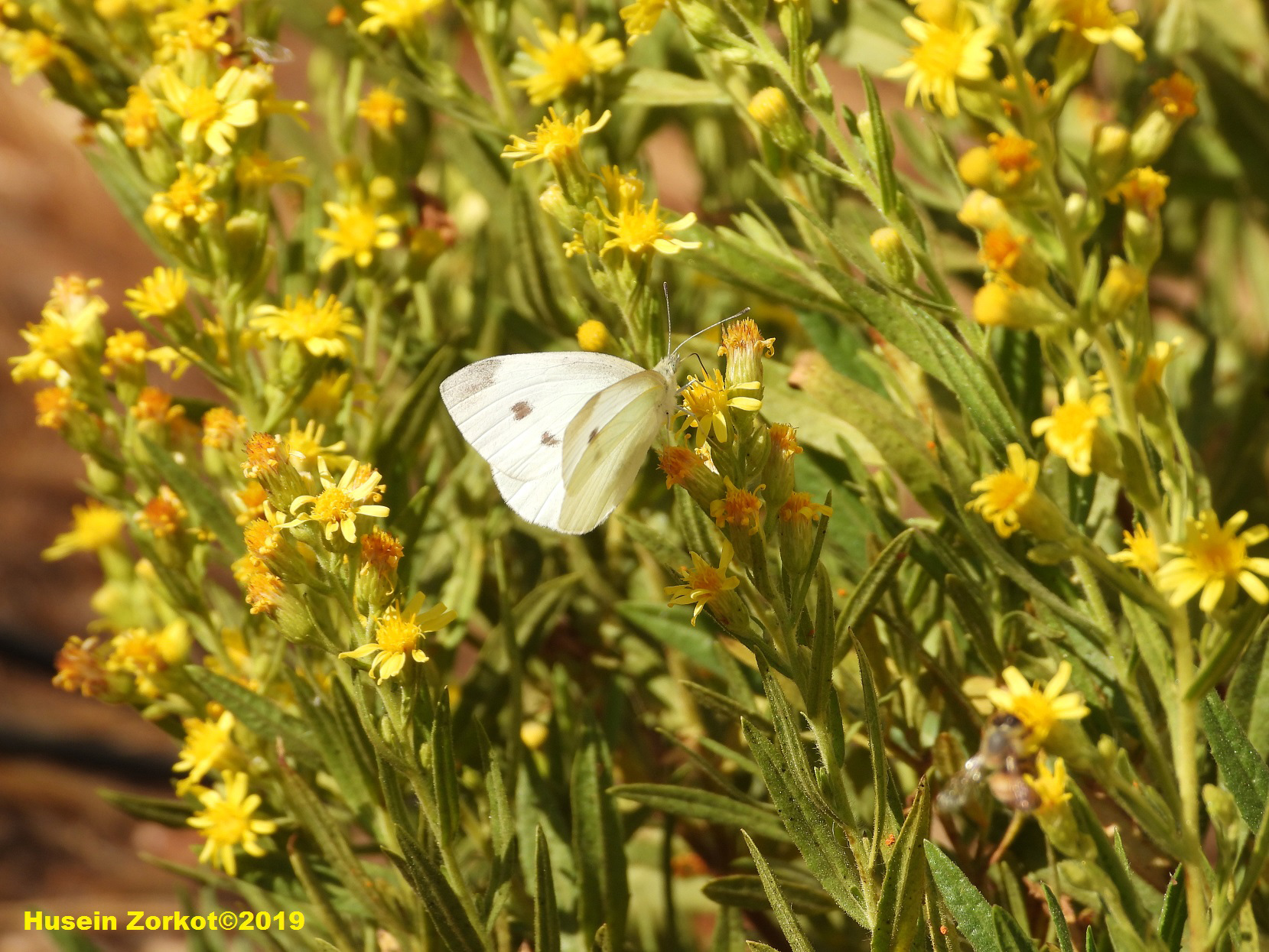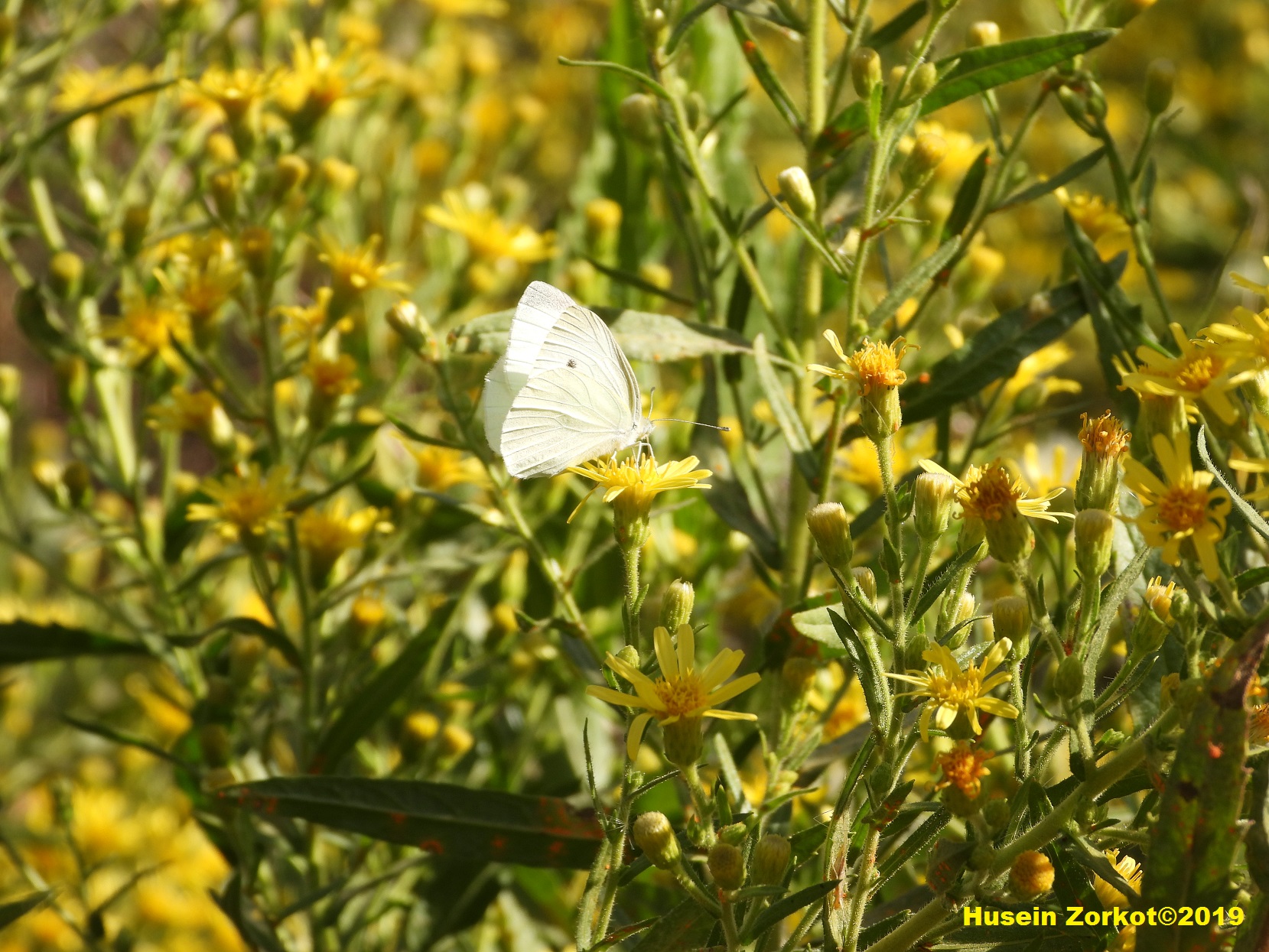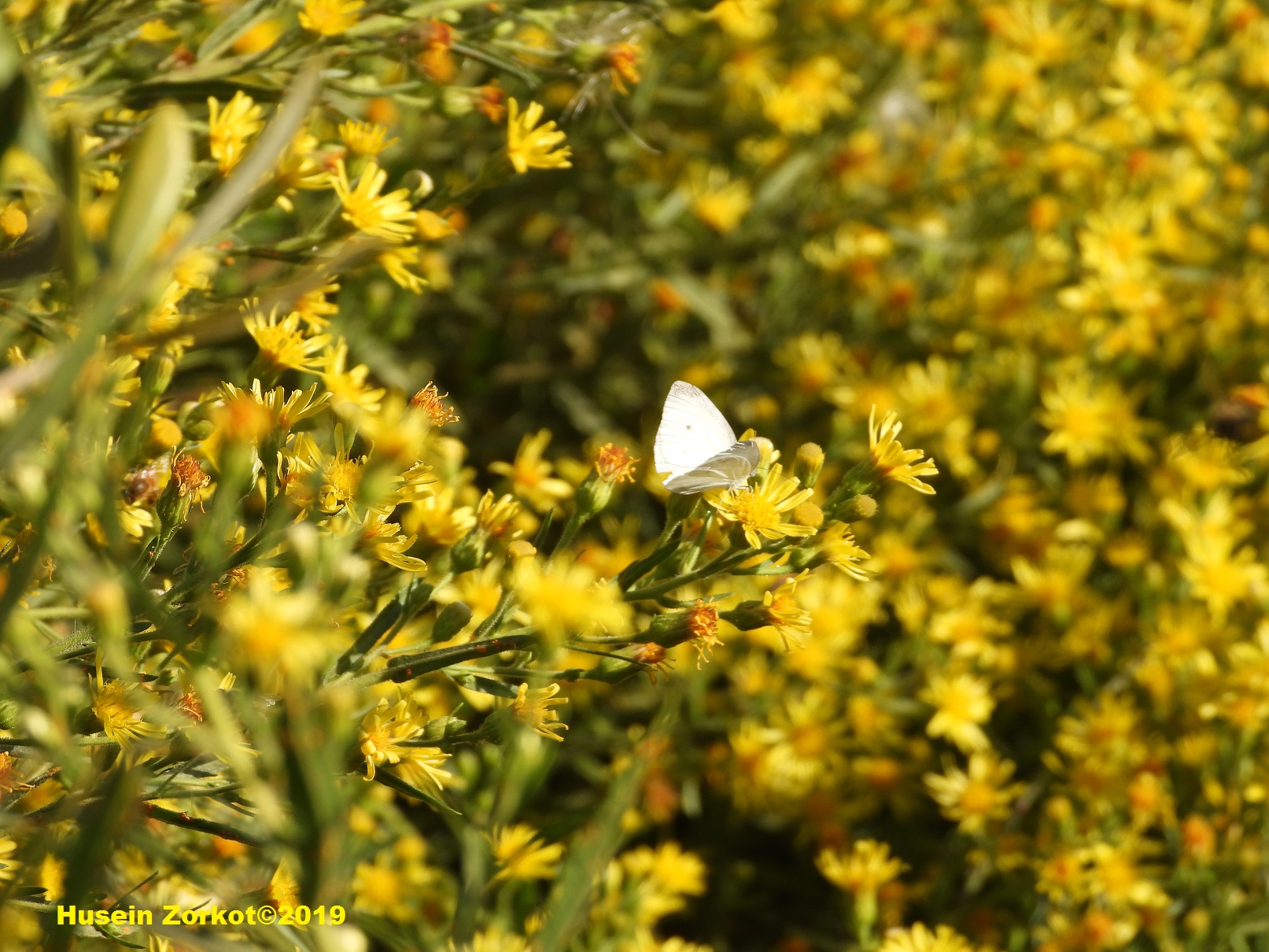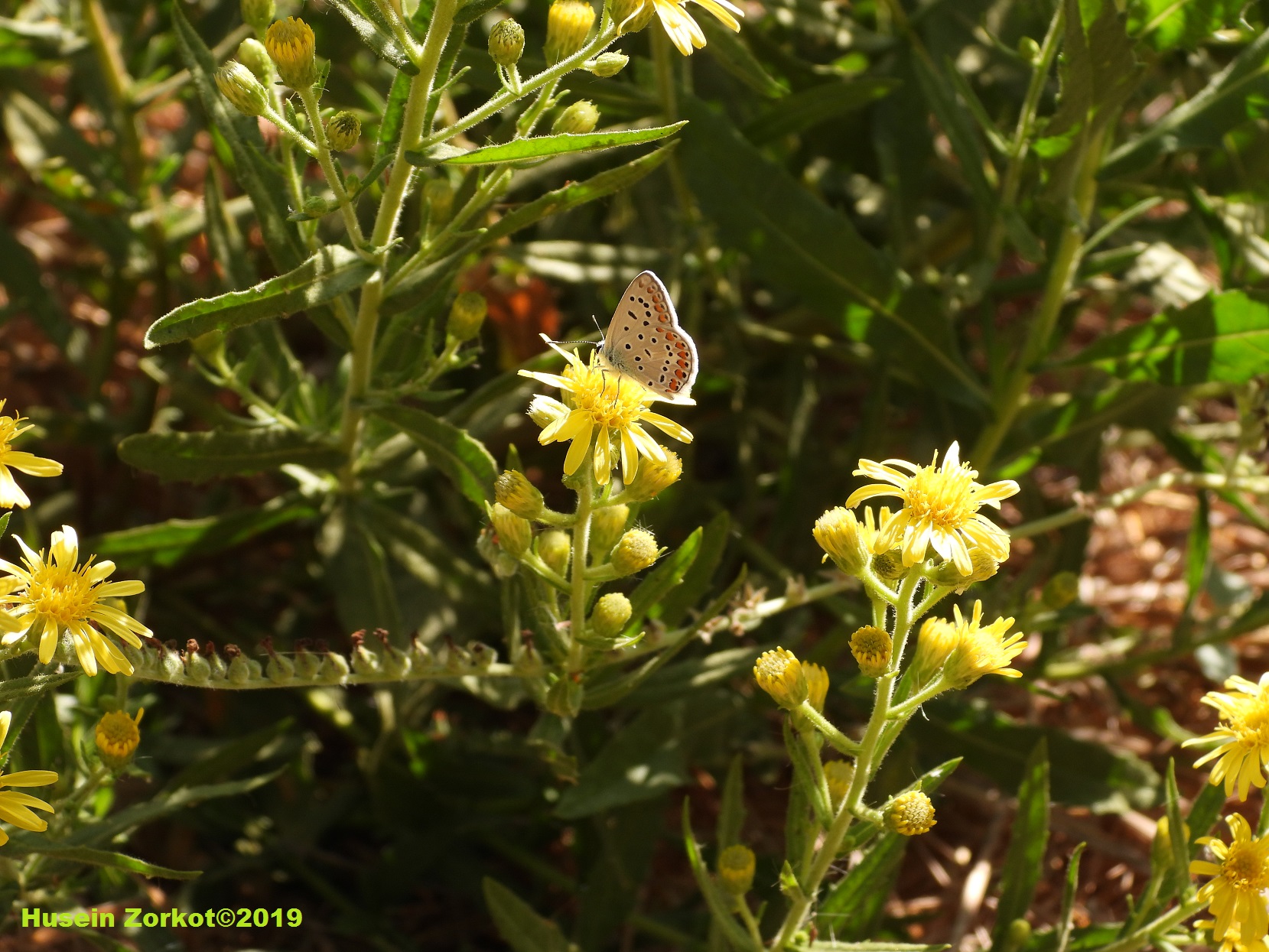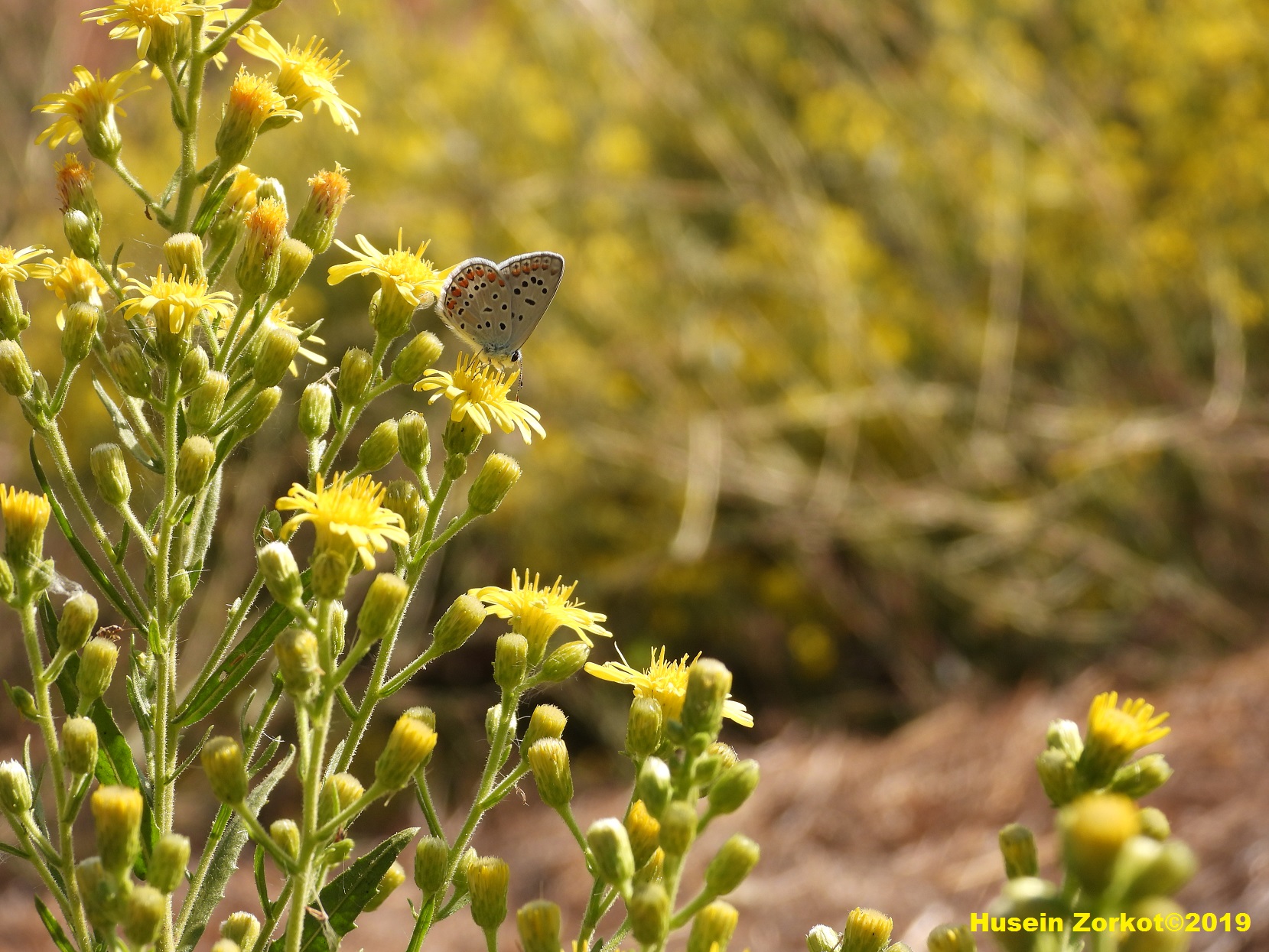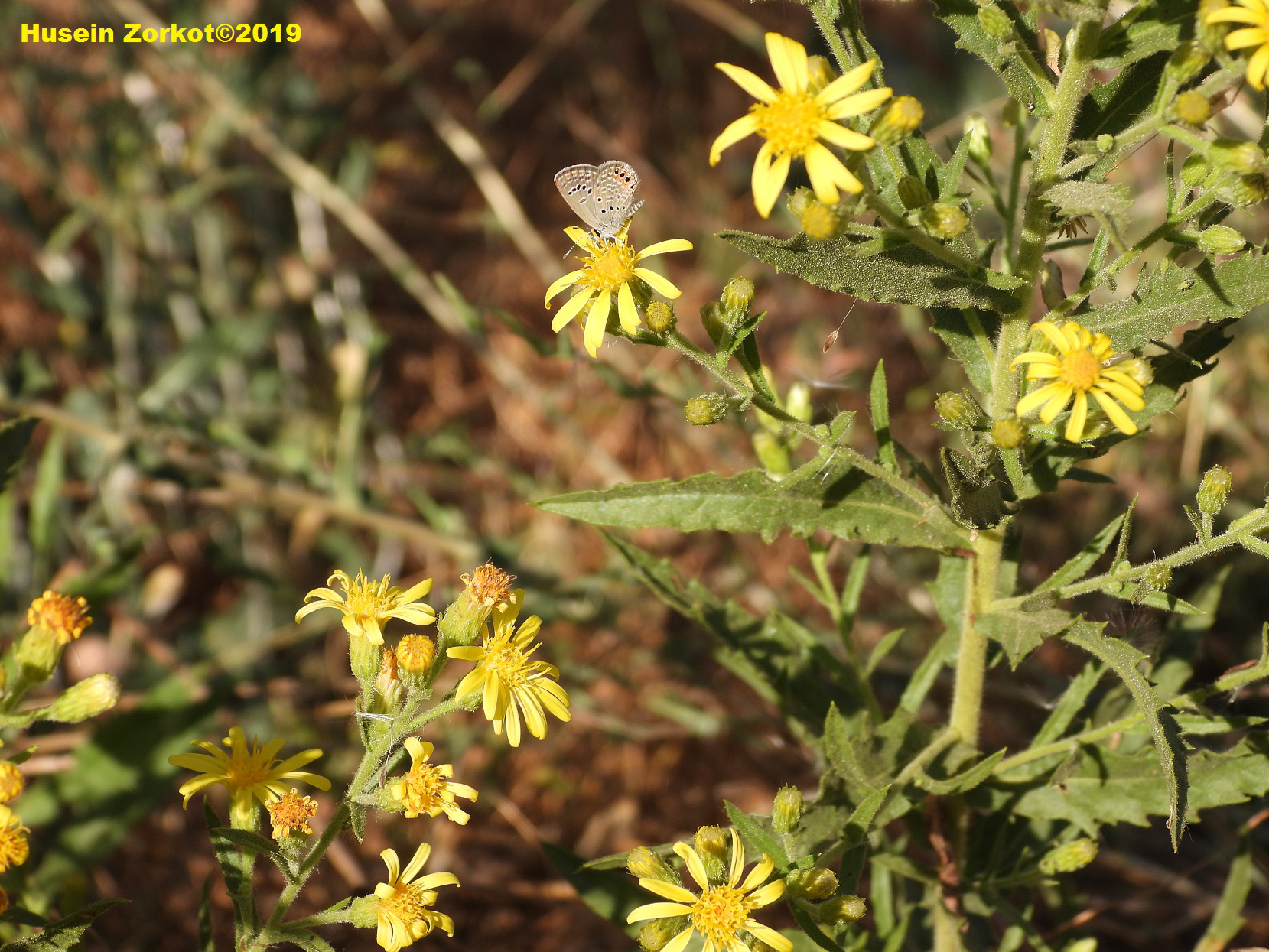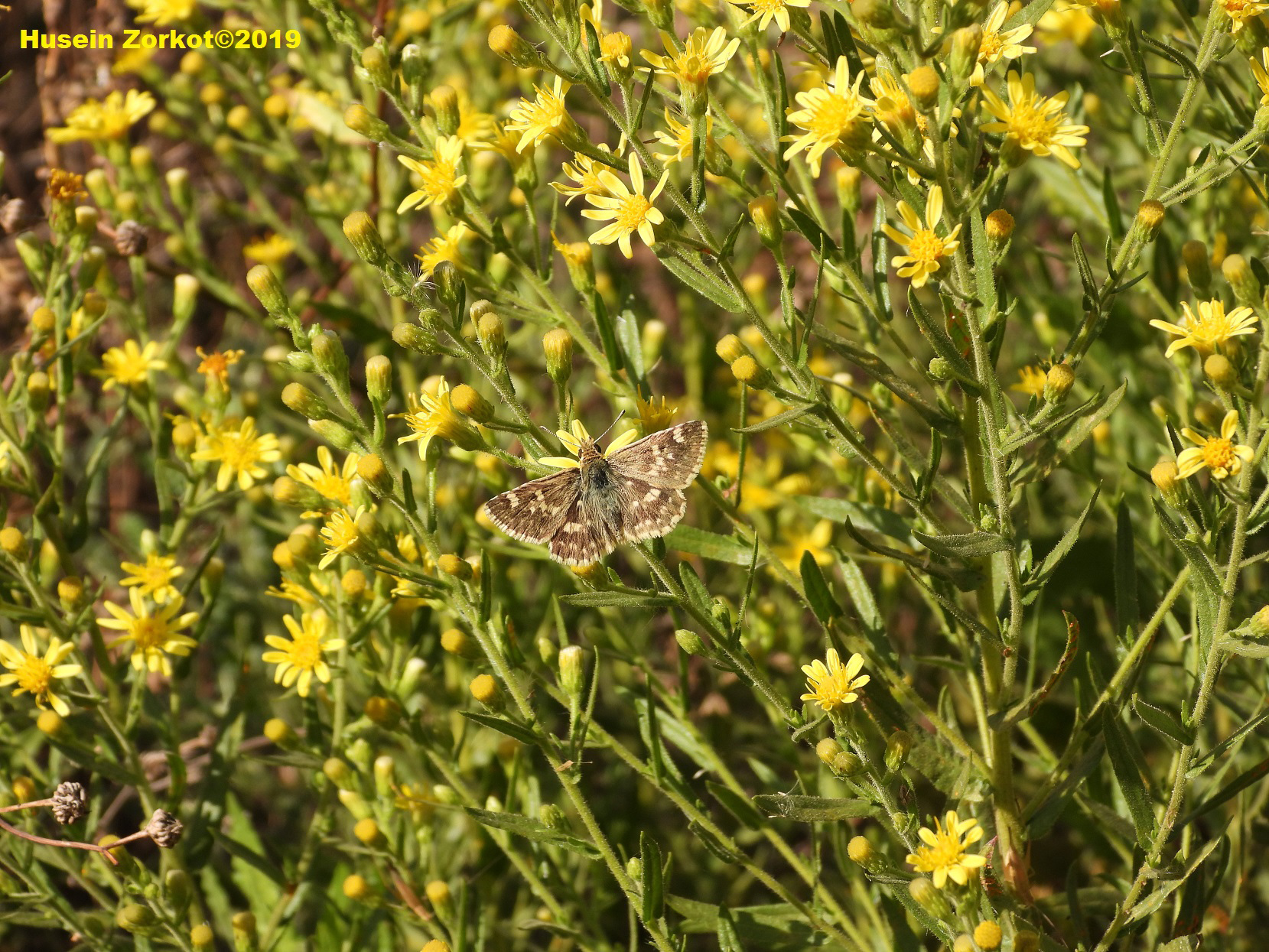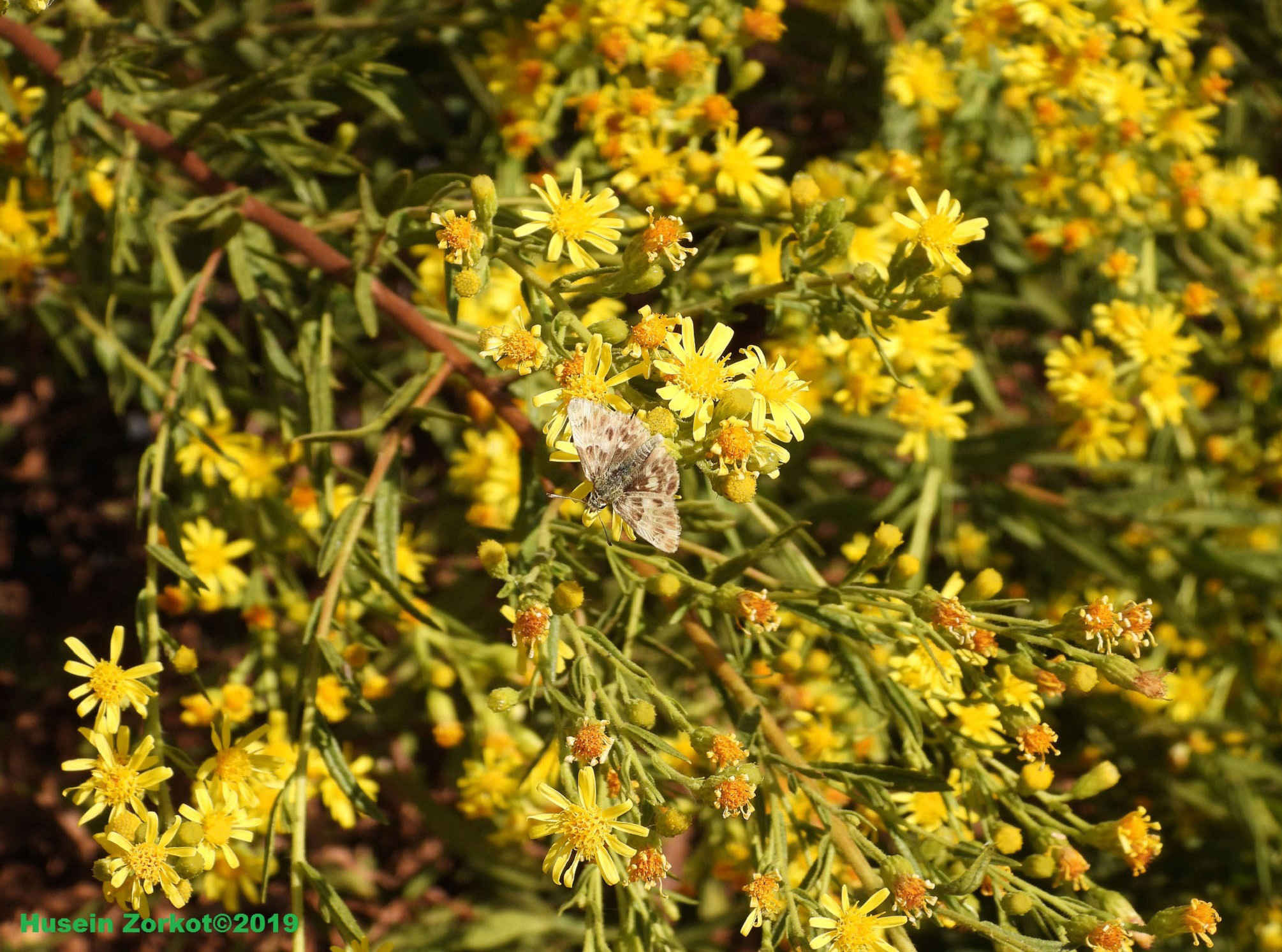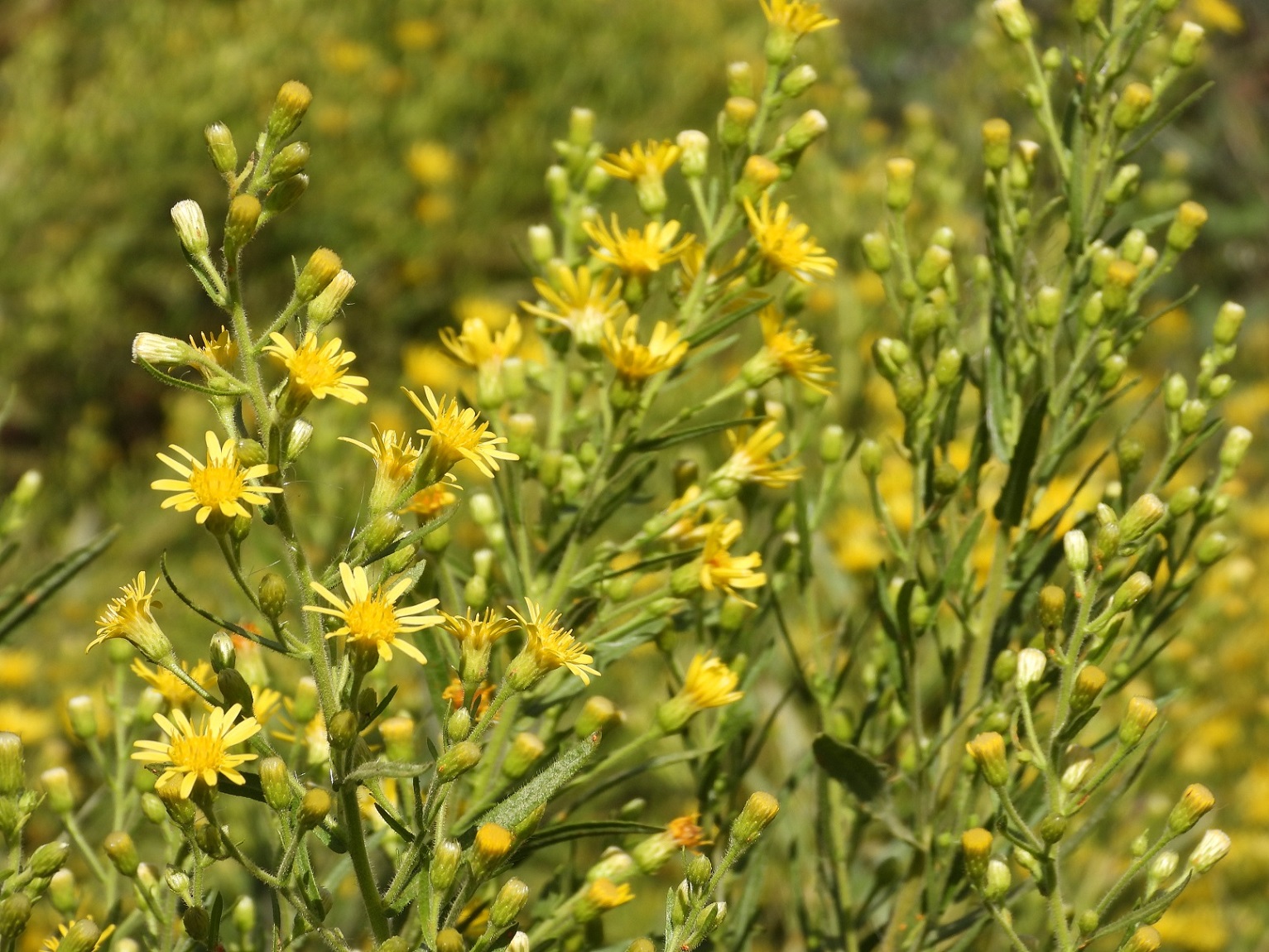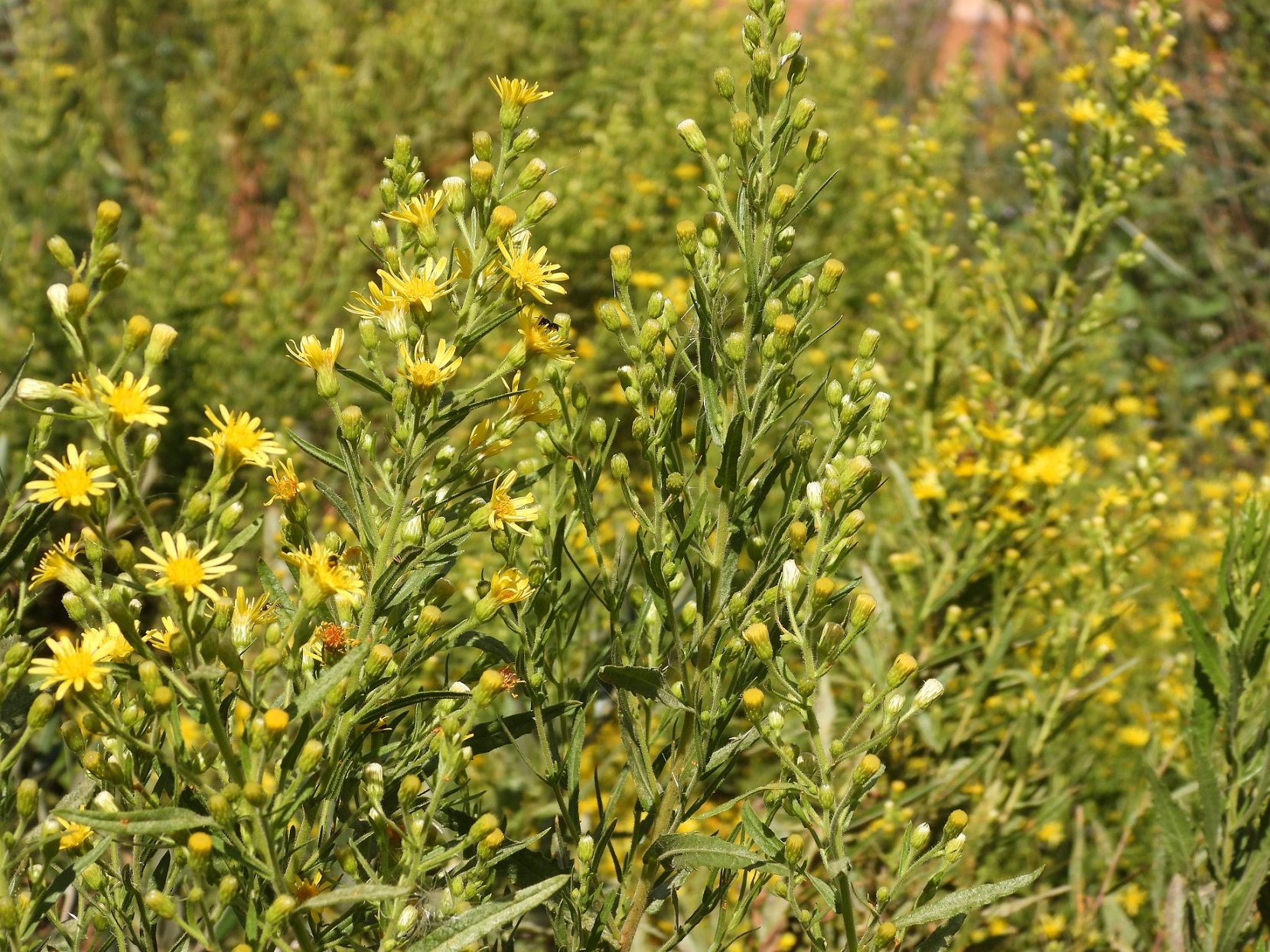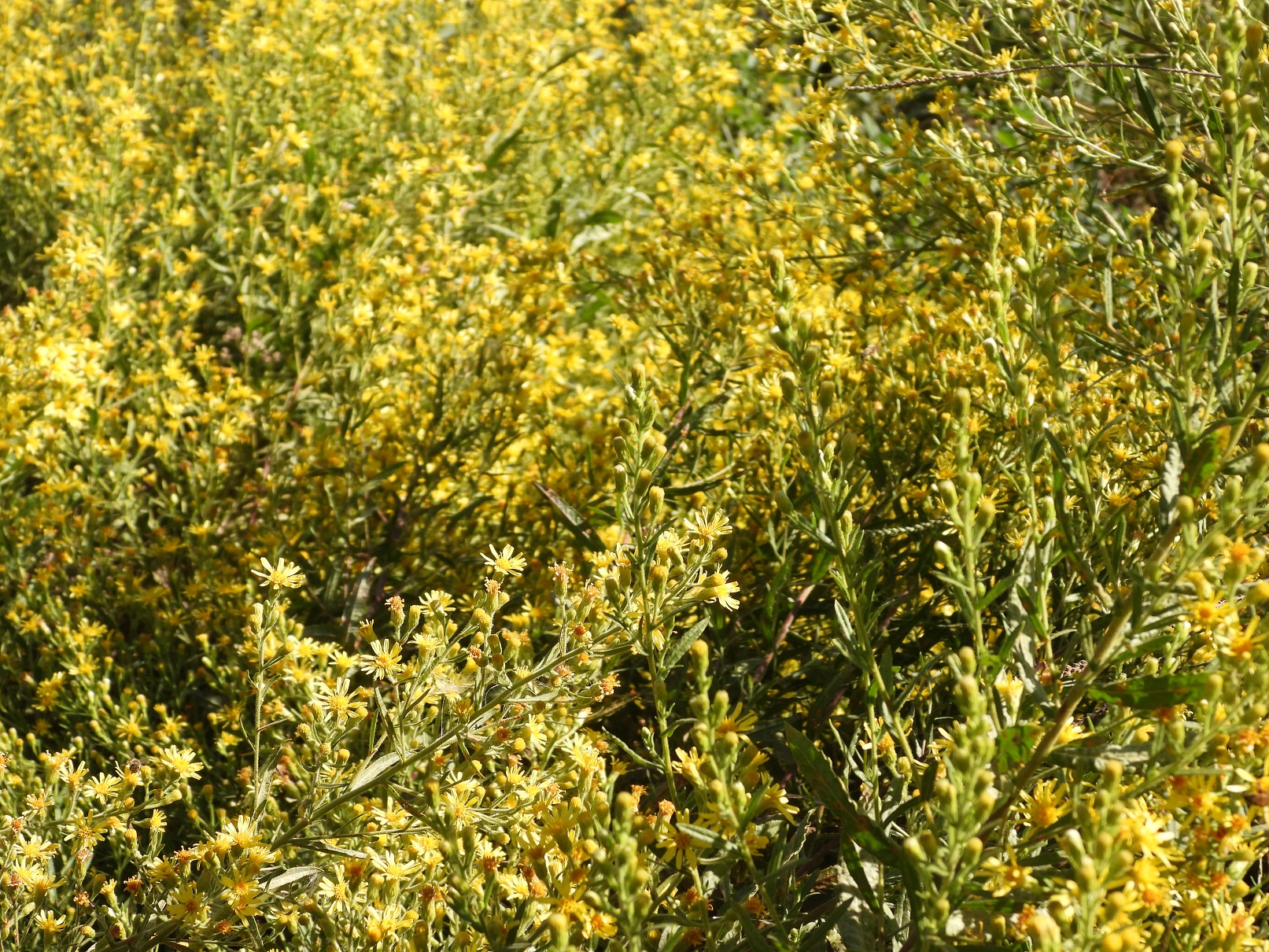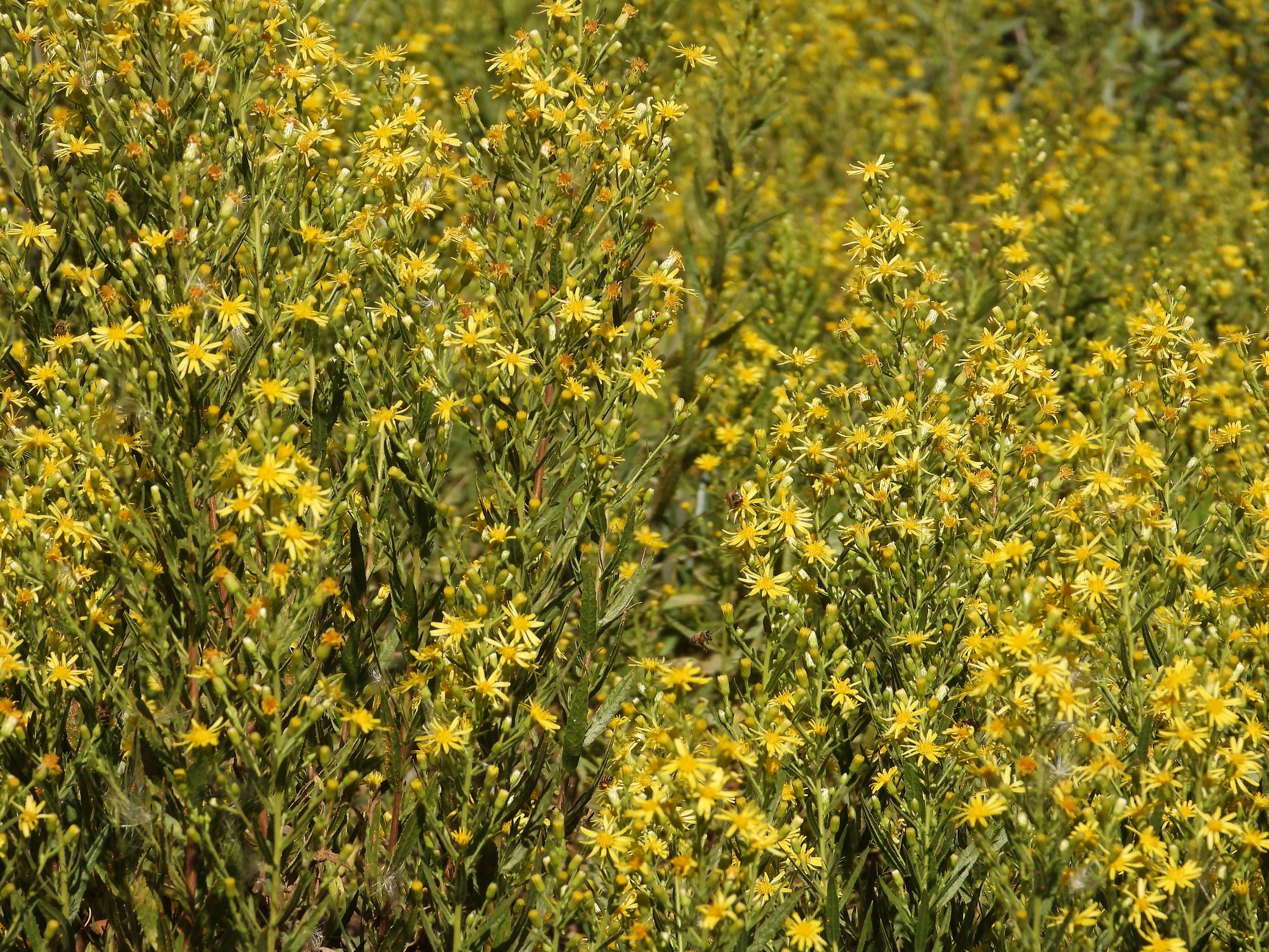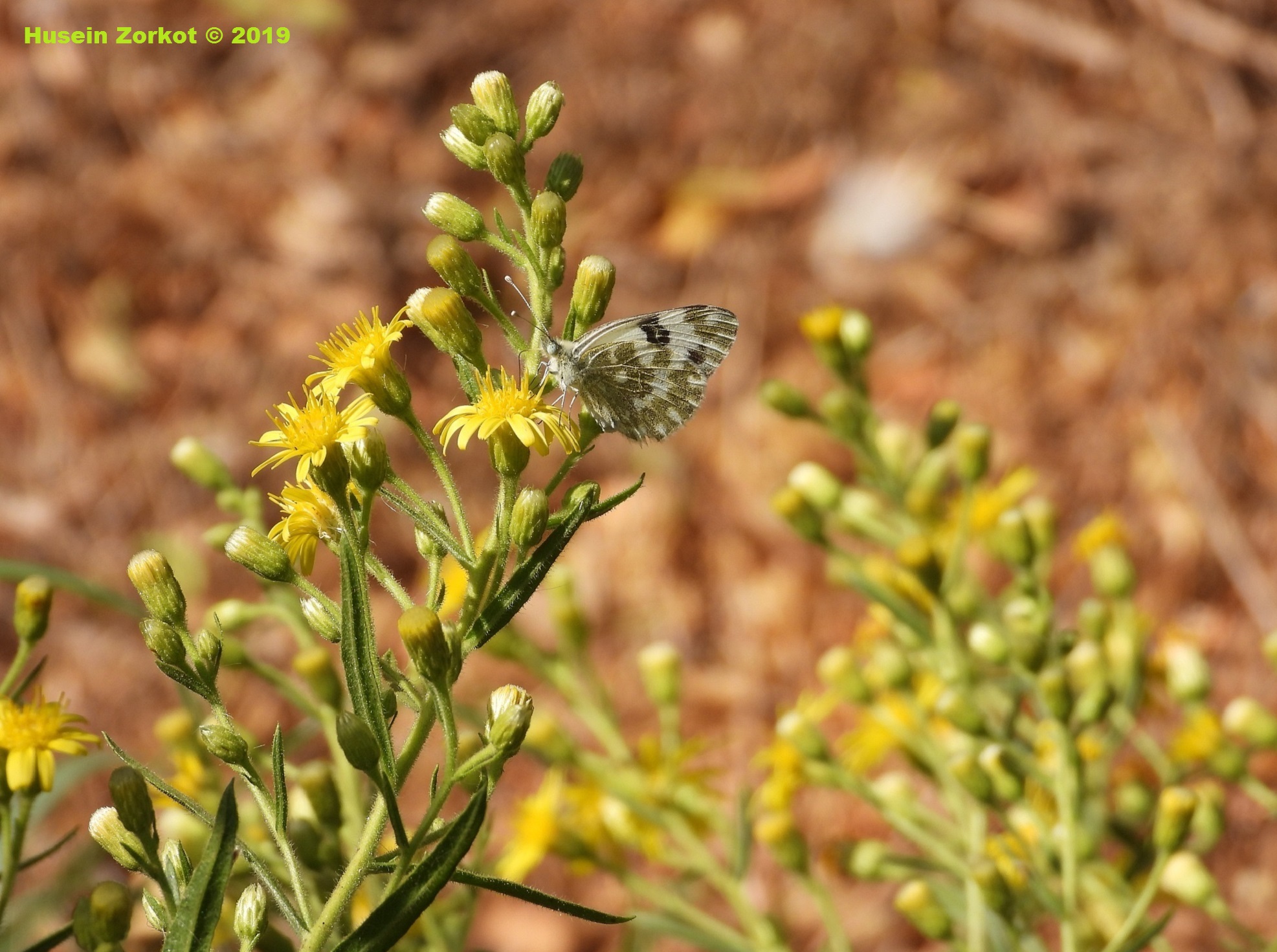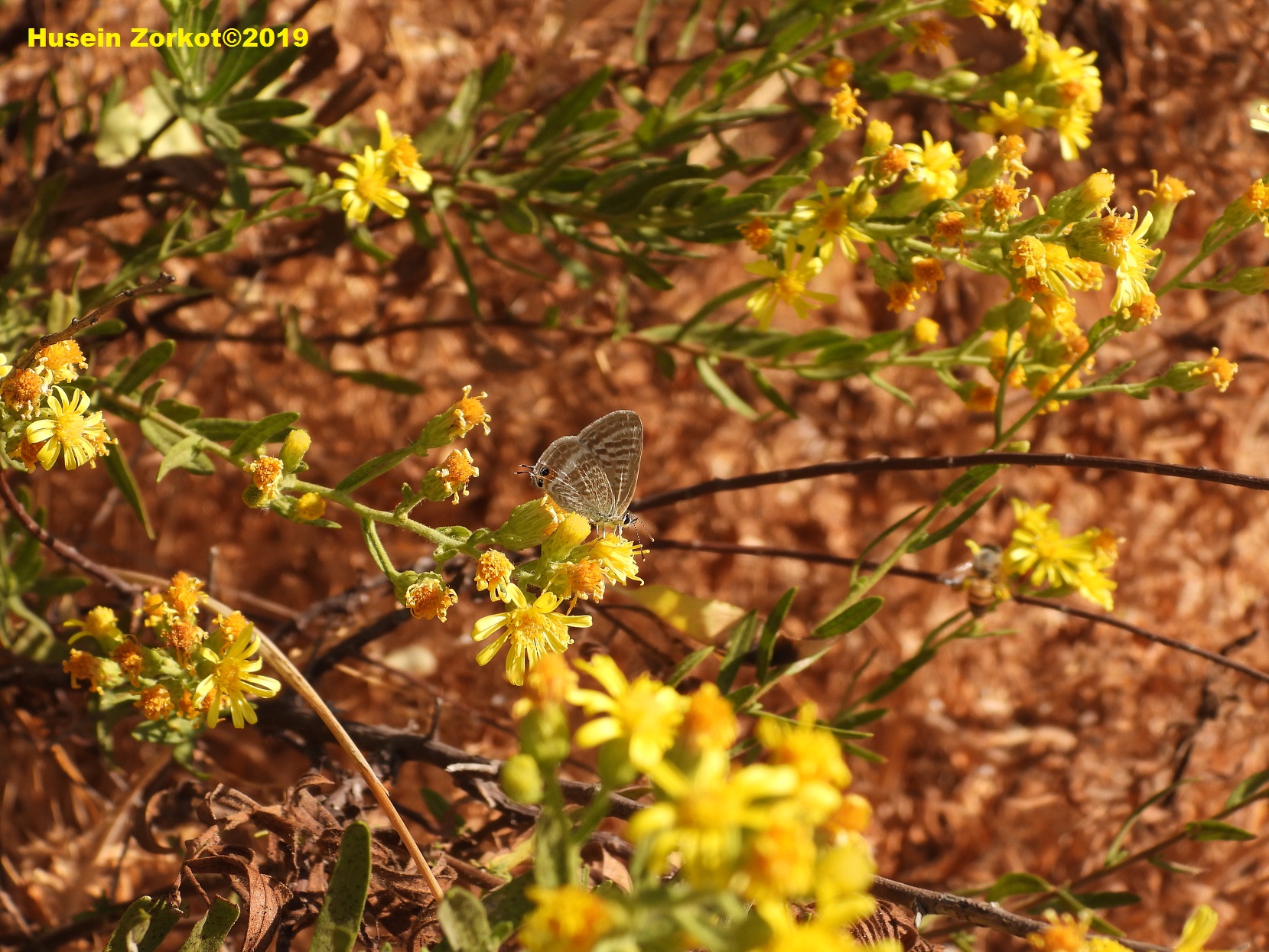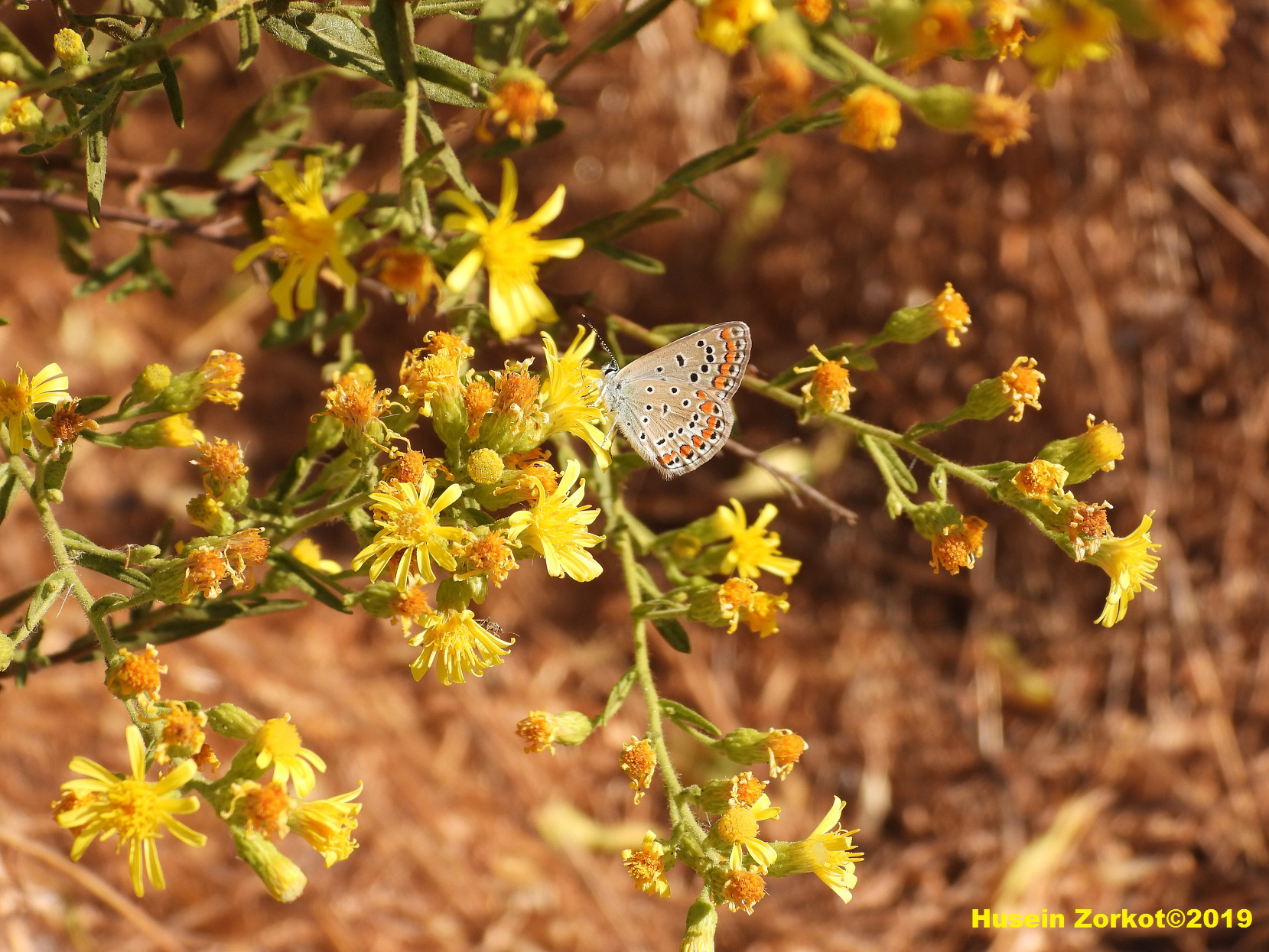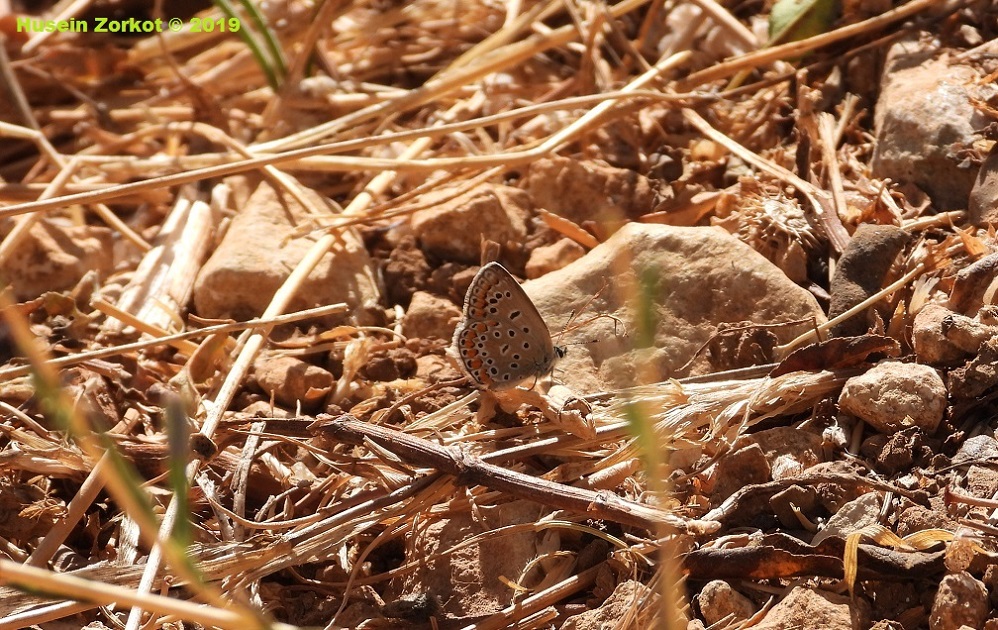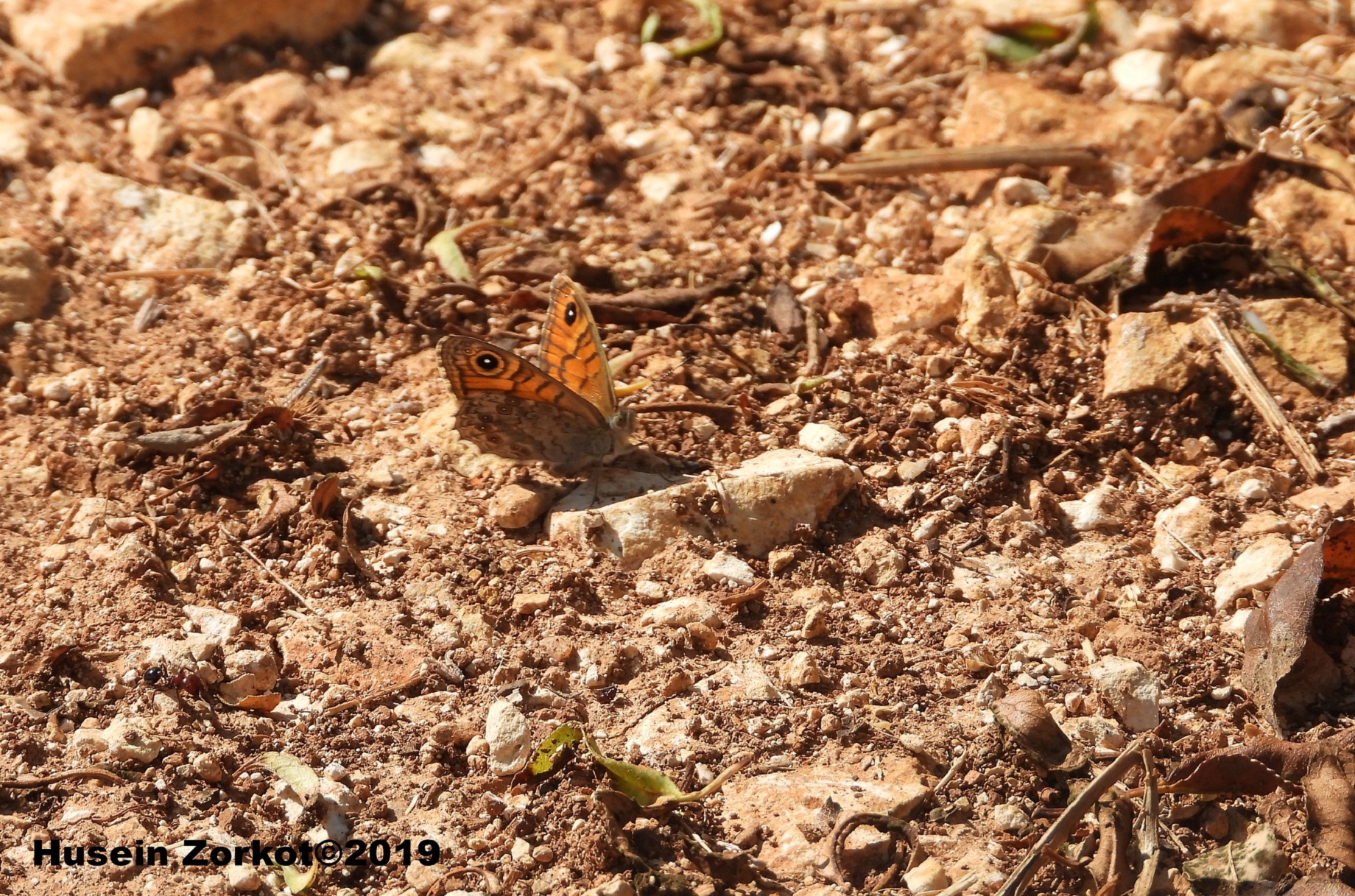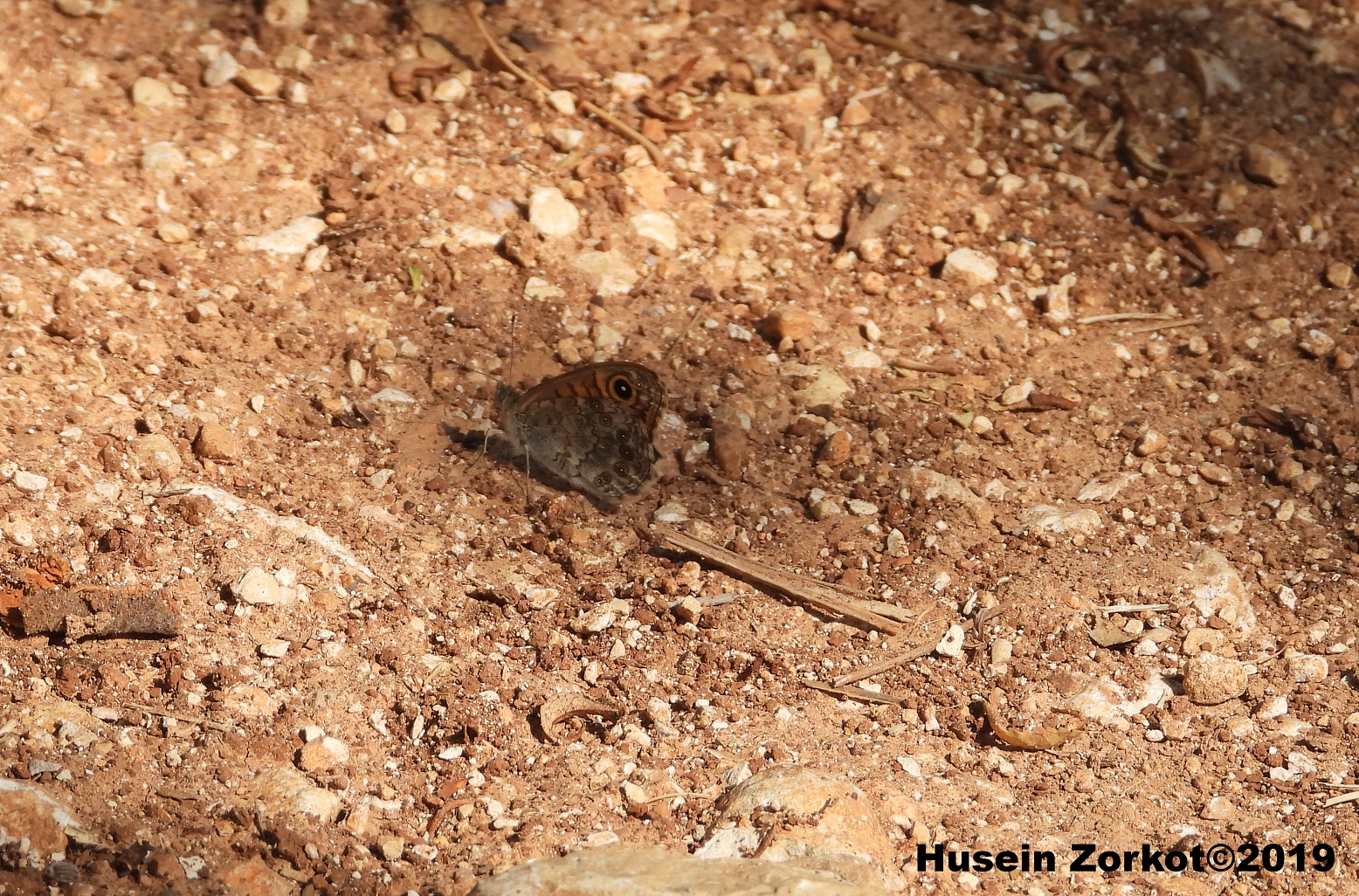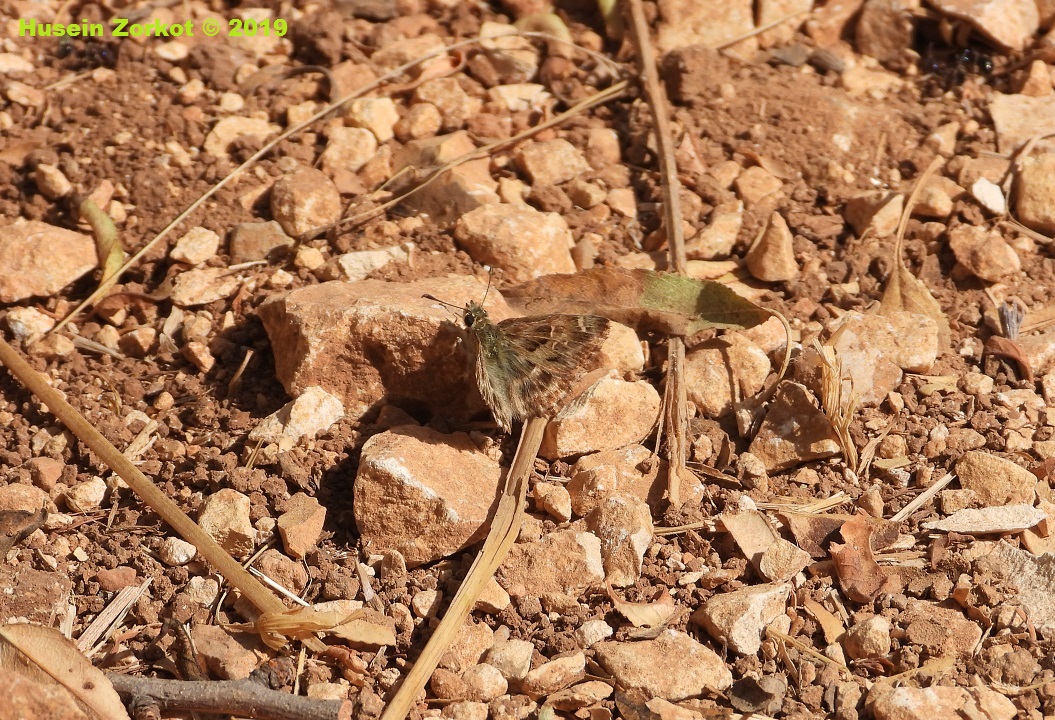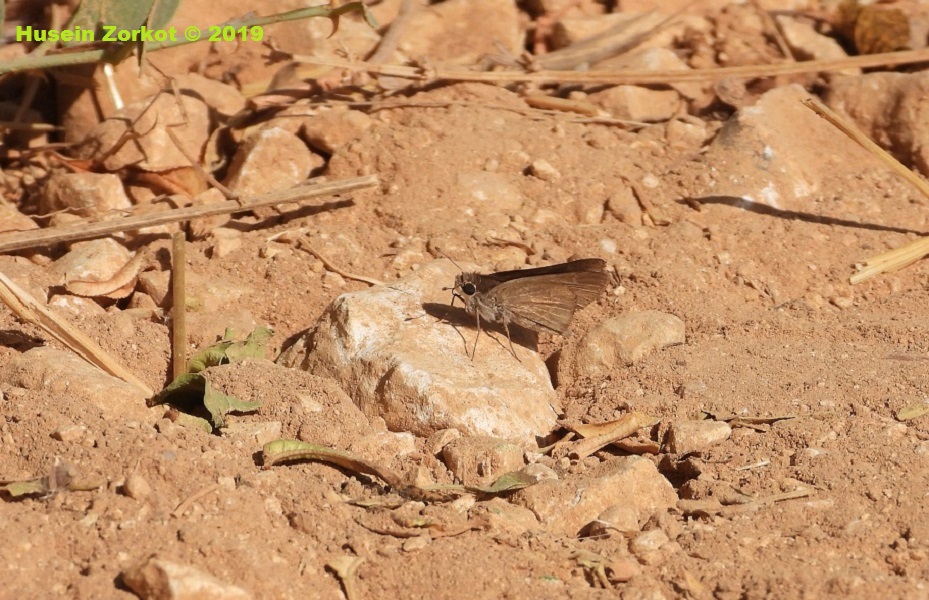


As autumn arrives, nature paints a new masterpiece across our landscapes. This season, elecampanes—those hardy, nectar-rich wildflowers—are in full bloom, and butterflies continue their delightful dance among the flora. Gardeners, environmentalists, and nature enthusiasts are encouraged to celebrate the beauty and resilience of native wildflowers this autumn.
A Time for Native Wildflowers
Elecampanes, known for their ability to withstand temperature fluctuations, strong winds, and variable weather conditions, serve as a perfect example of nature’s adaptability. Their robust nature and abundant nectar production make them an ideal choice for anyone looking to enrich their garden with species that are both eco-friendly and non-invasive. Planting native wildflowers like elecampanes not only enhances the visual appeal of outdoor spaces but also provides essential resources for local pollinators.
Supporting Local Biodiversity
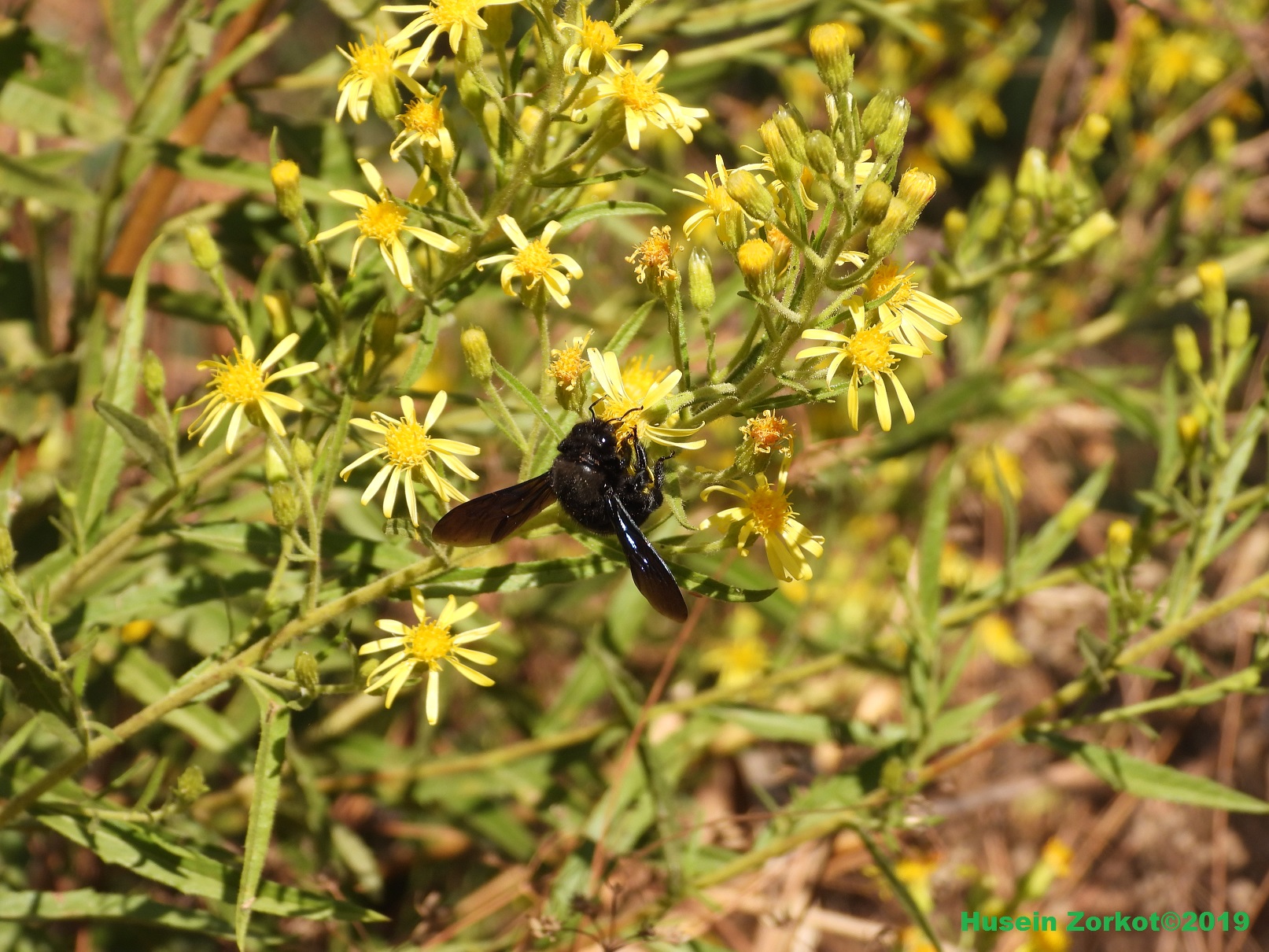
Native wildflowers contribute significantly to maintaining and enhancing biodiversity. Elecampanes, in particular, attract butterflies and other pollinators, which play a vital role in the ecosystem by supporting plant reproduction and ensuring a healthy natural environment. By choosing to plant species that are naturally adapted to local conditions, gardeners can help preserve the delicate balance of the ecosystem while reducing the need for chemical interventions.
A Call to Action for Sustainable Gardening
“We invite everyone to take advantage of the elecampane season,” said Husein Zorkot, renowned lepidopterist, Butterfly Gardener, and Garden Manager & Director. “By planting native wildflowers, we not only create a beautiful and resilient garden but also provide a safe haven for butterflies and other pollinators. This is a simple yet impactful way to support our environment during autumn and beyond.”
How to Get Involved
- Plant Native Wildflowers: Replace or supplement your garden with native species like elecampanes to create a sustainable, low-maintenance, and visually stunning landscape.
- Support Pollinator Habitats: By choosing plants that produce abundant nectar, you contribute to the well-being of butterflies and other pollinators essential for a thriving ecosystem.
- Share Your Garden: Join local gardening communities and social media groups to share tips, photos, and success stories about cultivating native wildflowers.