


By Assad Serhal
Director General, Society for the Protection of Nature in Lebanon (SPNL)
BirdLife International Global Council Member
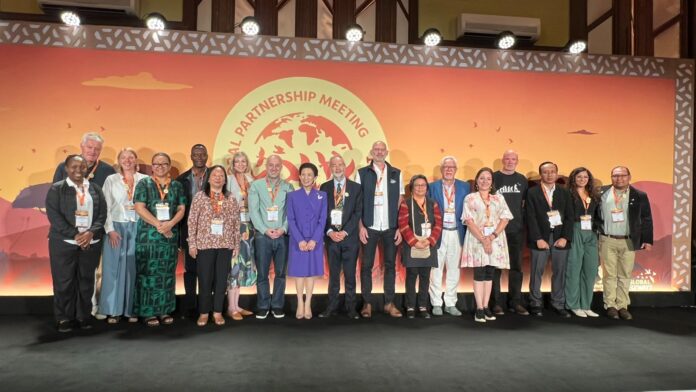
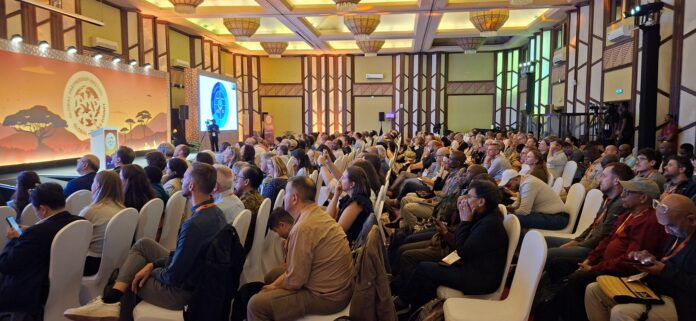
As I return from Samarkand following the Eighth GEF Assembly and important global discussions on the future of environmental action, I am both grateful to be back home and deeply saddened to witness once again the escalating threats of war and the unprecedented destruction affecting both people and nature across Lebanon and the wider region.
My heart aches as I learn of the devastation inflicted upon our villages, Hima communities, and the livelihoods of countless families. Precious natural and cultural heritage, built and protected over generations, is being damaged or lost. For what purpose? Greed, power, and conflict continue to take precedence over respect for life and the fragile ecosystems upon which we all depend.
As part of the ongoing campaign of destruction, environmental devastation continues alongside other forms of harm affecting communities, livelihoods, and cultural identity. The destruction of homes, or domicide, has displaced hundreds of thousands of people and devastated entire neighborhoods. The destruction of towns and urban centers, known as urbicide, has targeted markets, infrastructure, hospitals, and public spaces essential to community life. Ethnocide is unfolding through attacks on archaeological sites, cultural landmarks, places of worship, and heritage buildings, threatening to erase centuries of history and collective memory. Educide has become increasingly visible through the destruction of schools and educational facilities, undermining future generations’ access to learning and opportunity. At the same time, ecocide continues relentlessly. Forests, wetlands, agricultural lands, biodiversity hotspots, and vital ecosystems have suffered extensive damage, with thousands of hectares burned or degraded. Together, these interconnected forms of destruction represent not only an assault on nature, but also on human dignity, cultural heritage, social resilience, and the foundations of life itself.
Today, I am engaging with international media organizations, environmental experts, and global conservation bodies to shed light on the alarming destruction unfolding across Lebanon and the region. The consequences extend far beyond immediate human suffering. They are reshaping our landscapes, threatening biodiversity, disrupting ecosystems, and undermining the natural foundations of our collective survival.
From the bombing near the Qaraoun Dam to the destruction affecting Hima Mansouri and Hima Qoleileh, from the mountains to the sea, Lebanon’s environmental and cultural treasures are under severe pressure. More than a million and a half people have been displaced, while irreplaceable damage has been inflicted on farmlands, wetlands, forests, marine ecosystems, Key Biodiversity Areas (KBAs), Important Bird and Biodiversity Areas (IBBAs), and World Heritage sites, from Baalbek to Tyre.
These are not merely environmental losses. They are losses to our identity, our history, our communities, and our future.
My thoughts are with every person in Lebanon and beyond who is suffering from this madness. Yet despite the darkness, I remain hopeful.
For more than four decades, SPNL and its partners have worked tirelessly to defend nature, not only for wildlife but for people. Together, we have built a movement rooted in the Hima approach, a model that has gained global recognition because it demonstrates that conservation, community empowerment, and peace can go hand in hand.
At this difficult moment, I call upon every member of the SPNL family, every Hima guardian, volunteer, partner, and supporter to keep their spirits high and continue their invaluable work. Fear no evil. Goodness will always prevail. Life will continue. Nature will recover if we stand by it.
Let us never forget how far our collective efforts have brought us. The Hima has become a globally recognized model because of the dedication, commitment, and passion of people who believe in a better future.