


The Story of a Young Man Who Found Joy, a Livelihood, and a Mission in Protecting Biodiversity
By Nidal Bou Fakhr El Din
Since I began working in beekeeping, it has become an integral part of my daily life. Every day brings new challenges and opportunities to learn and improve. Unlike any other profession, beekeeping demands patience, close observation, and careful attention to the smallest details affecting the health of the bees and the surrounding environment.
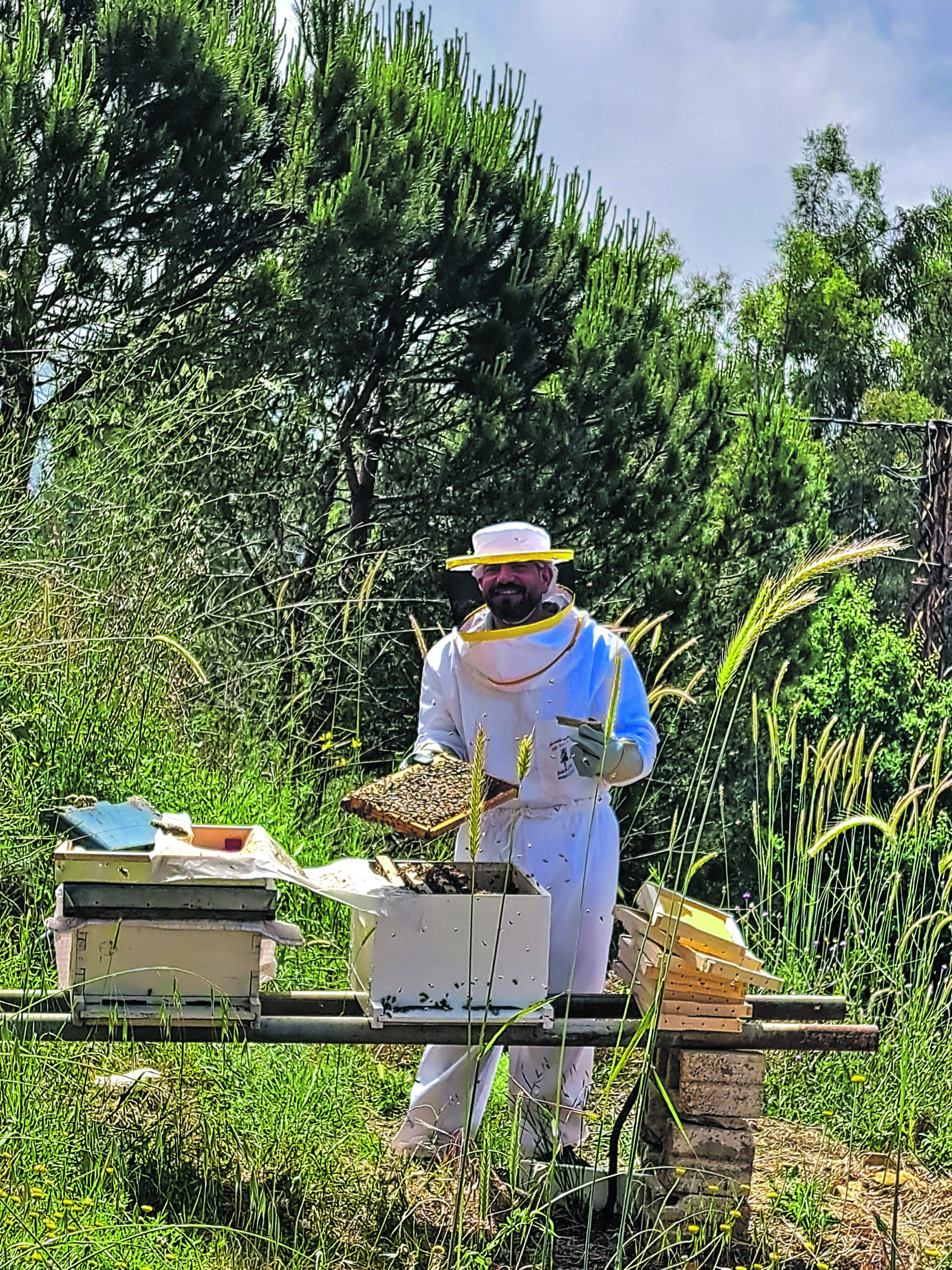
My day usually begins early in the morning. As soon as I can, I head to the apiaries, put on my protective clothing, and make sure all my tools are ready. The first thing I do is inspect each hive to ensure everything is functioning properly. I check the queen’s health, knowing she is the heart of the colony, and look for any signs of disease or pests that could threaten the bees. Careful observation is essential because bees are highly sensitive to even the slightest environmental changes.
Spring is the busiest season in the apiary. As flowers bloom, nectar and pollen become abundant, and the colonies reach peak activity. During this period, I closely monitor queen cells, which indicate the emergence of new queens, and watch for signs of swarming—when part of the colony leaves the hive with the queen to establish a new home. If I detect these signs, I act quickly by splitting the colony or expanding the hive to prevent losing bees.
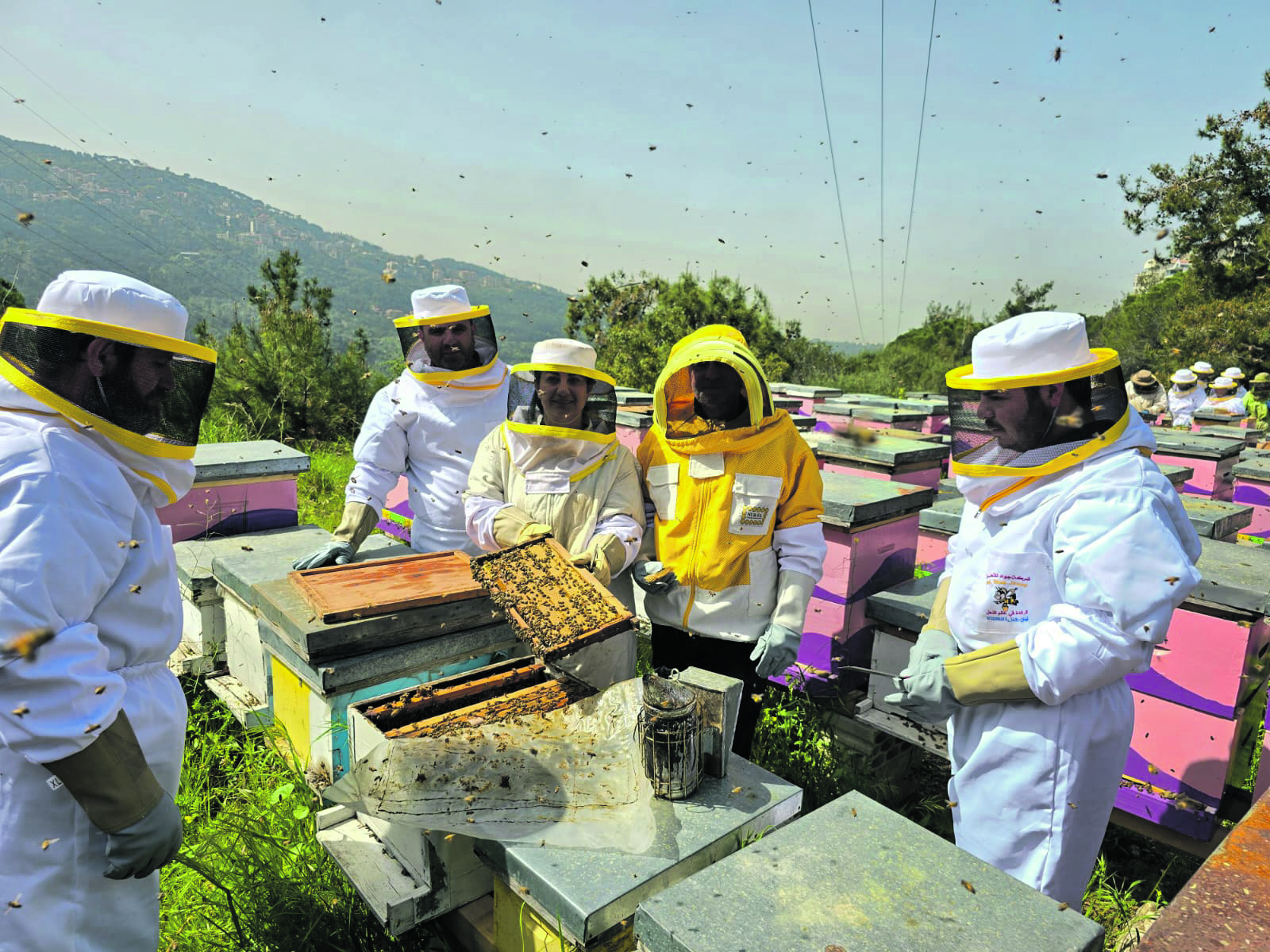
Spring is also the season for harvesting honey and collecting pollen. I only harvest honey once it has fully matured, ensuring the highest quality and best flavor. At the same time, I keep an eye on pollen availability, knowing it is the bees’ primary source of nutrition. When natural forage is scarce, I provide supplemental feeding to help keep the colonies healthy and productive.
One of the greatest challenges I face is controlling Varroa mites, one of the most destructive parasites affecting honeybees. I regularly monitor the colonies, apply appropriate treatments when necessary, and use natural management techniques, including seasonal temperature changes, to reduce the spread of the parasite and maintain healthy hives.
At times, bees require additional feeding when flowering plants are limited. In those cases, I provide sugar syrup or specialized nutritional supplements to ensure they remain strong enough to continue pollinating flowers and producing honey.
For me, beekeeping is much more than a profession. It is a deep connection with nature and the environment in which I live. Working with bees makes me feel part of a complex and harmonious ecosystem. Watching thousands of bees tirelessly collect nectar and pollen fills me with a profound sense of peace and purpose. Every time I harvest honey, I am reminded of the extraordinary role bees play in sustaining life.
I would like to express my sincere gratitude to everyone involved in the Beekeeping Training Project, especially the Higher Matn Association for Environment and Sustainable Development (MESD), for giving me the opportunity to learn this valuable profession—one that contributes not only to my livelihood but also to the sustainable development of the entire region.
Bees are far more than producers of honey. They are essential guardians of biodiversity, fertile landscapes, and healthy ecosystems. I am proud to be part of this field, and I look forward to continuing to develop my skills and contribute to this meaningful journey.