


Imad Atrash
Palestine has been distinguished by its rich cultural and natural heritage for thousands of years. This is due to its diverse climatic zones, its strategic location at the crossroads of three continents, its varied landscapes—including the coastal plain, mountains, foothills, and the Jordan Rift Valley (the Palestinian Jordan Valley)—as well as the succession of civilizations that have flourished on its land. Together, these factors have made Palestine exceptionally rich in biodiversity despite its relatively small area of just 27,000 square kilometres.
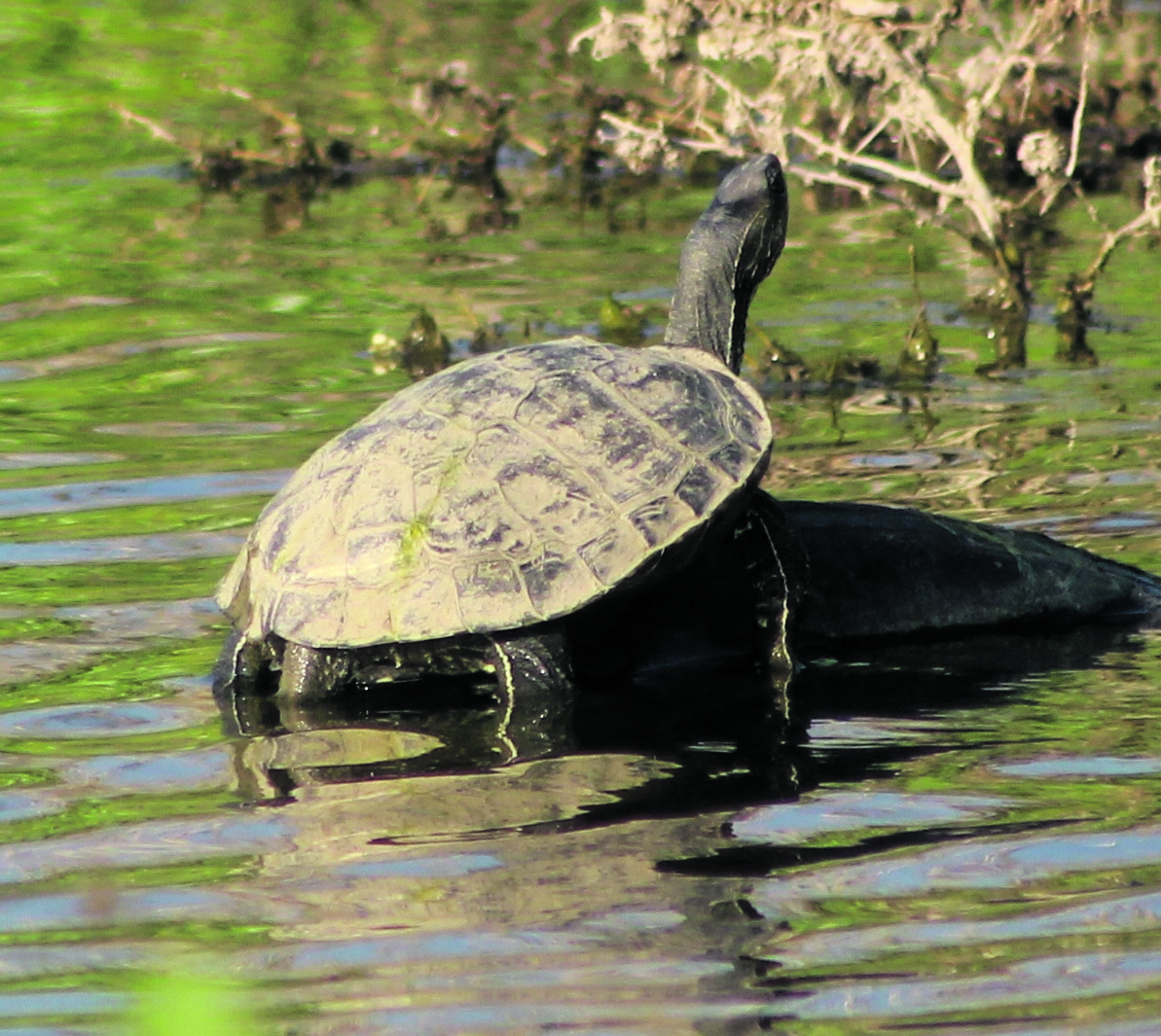
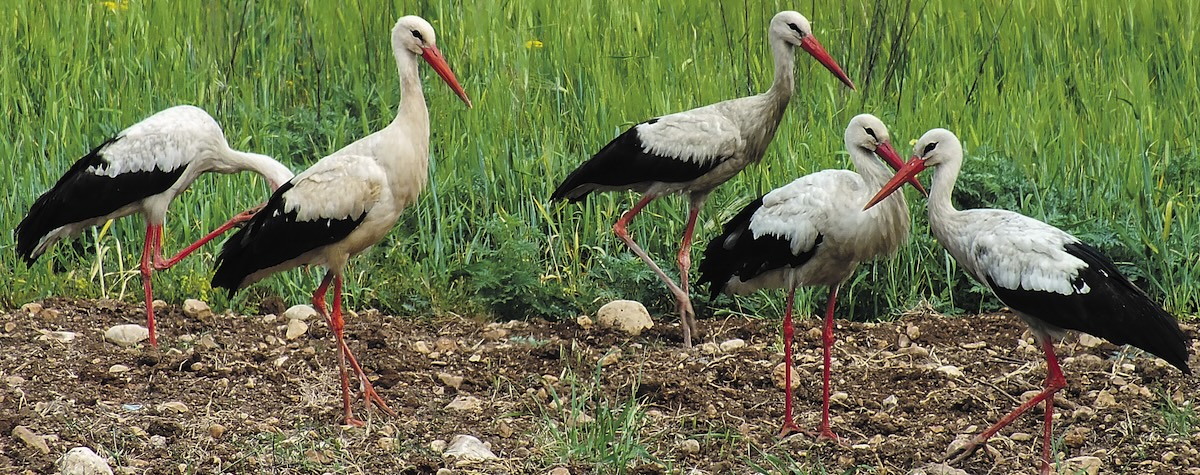
Palestine is home to around 2,850 species of wild flowers and plants, nearly 555 species of resident and migratory birds, dozens of species of mammals, amphibians and reptiles, and countless species of insects.
The Palestinian Wildlife Society is currently working across several natural sites to promote the concept of the Hima, highlighting both its cultural and ecological dimensions. In the Bethlehem Governorate, this includes Battir and Wadi Al-Makhrour, a UNESCO World Heritage Site renowned as the land of olives and grapes, with its ancient agricultural terraces, centuries-old olive trees, and traditional irrigation channels that have been in continuous use since the Roman period.
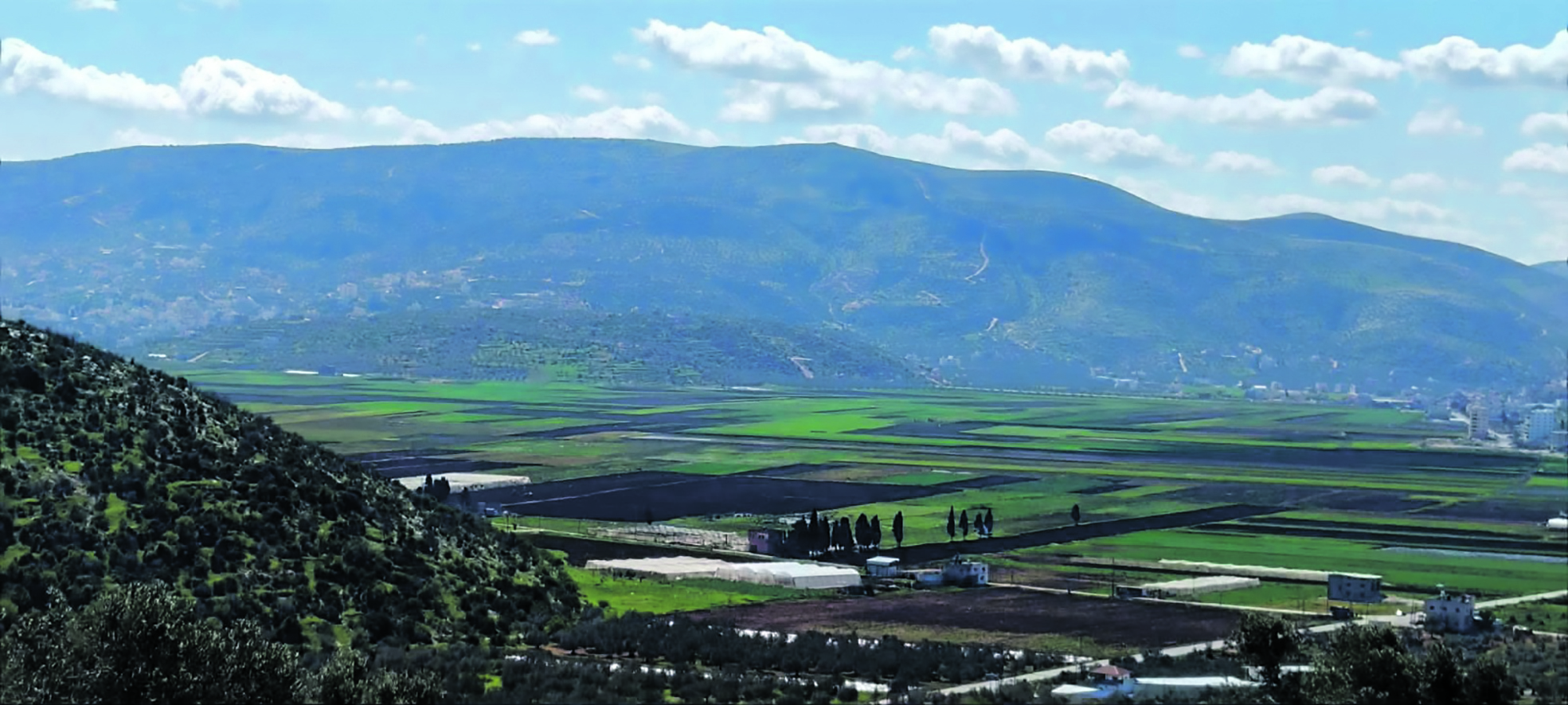
In Jericho, efforts focus on Tell es-Sultan, another UNESCO World Heritage Site, where successive civilizations spanning more than 10,000 years have left their mark. The surrounding landscape also includes nationally and internationally significant heritage sites such as the Mount of Temptation (Jabal al-Qarantal), Hisham’s Palace, Deir Gerasimos Monastery, and the Jordan River Baptism Site (Al-Maghtas), forming a unique cultural and natural heritage landscape. In Jenin Governorate, the wetlands of Marj Sanur and the Marj Ibn Amer (Jezreel Valley) represent additional areas of outstanding ecological importance.
These heritage landscapes have existed for millennia. The Society is working closely with the Environment Quality Authority and the Ministry of Agriculture to revive the traditional Hima system, a concept deeply rooted in Palestinian rural culture. Many farmers and local communities continue to embrace this approach, having lived according to its principles for generations in the proposed Hima sites.
The Hima approach conserves nature while strengthening local economies through sustainable agriculture, traditional crafts, and ecotourism. It reinforces Palestinian identity and the connection between communities and their land, transforming these landscapes into national models for safeguarding both natural and cultural heritage.
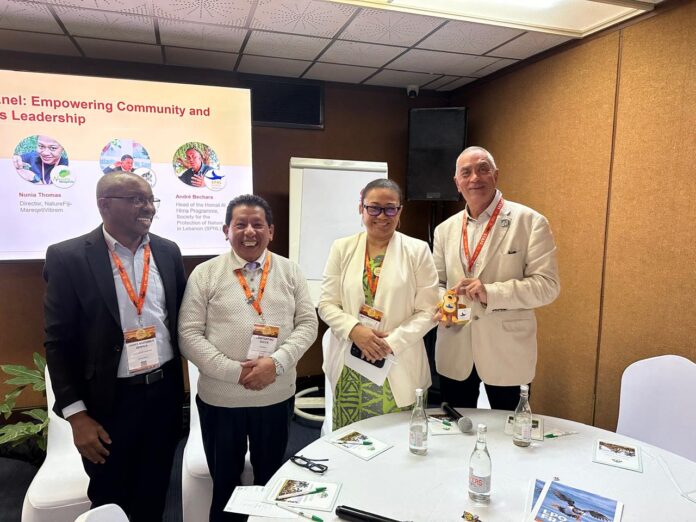
Through regional cooperation with the Society for the Protection of Nature in Lebanon (SPNL), BirdLife International, and UNESCO, this traditional conservation model is being revived on a sound scientific basis. It is a practical, resilient, and sustainable approach with a promising future.
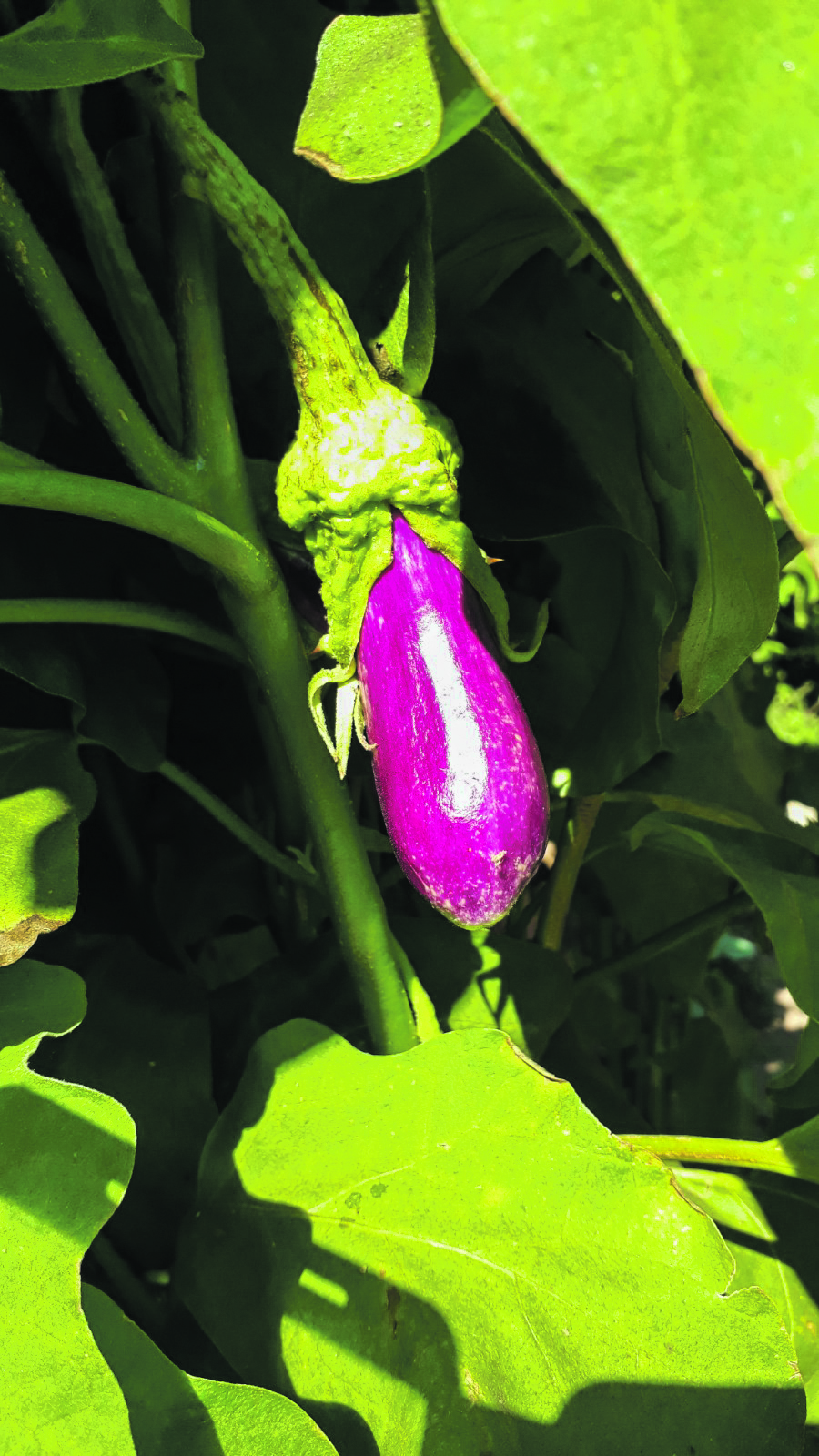
One of Battir’s most distinctive natural and cultural assets is the Battir eggplant, a local variety that has become an emblem of the area’s agricultural heritage and plays a central role in Battir’s annual cultural festival.
Imad Atrash
Executive Director, Palestinian Wildlife Society (www.wildlife-pal.org)